



52cc Petrol Brush Cutter Buying Guide: What Should You Check?
When you have to select a brush cutter for a tough vegetation job, it is very important to know what to look for. The 52cc petrol brush cutter lies right in the sweet spot of power and mobility, offering plenty of low-end torque to get it through wood stems and heavy brush without weighing down the operator. This article will take you through the essentials to help you choose a dependable machine that will function consistently whether you are doing forestry work, roadside maintenance, or huge property restoration projects. Learning the engine specs, construction quality, safety features, and purchasing methods can help you make educated selections that will improve your operating efficiency and long-term value.
Understanding 52cc Petrol Brush Cutter Basics
A 52cc petrol brush cutter is in the middle of light trimmers for around the house and heavy-duty forestry saws. The displacement number tells you how much space there is in the engine's cylinders, which directly affects how much power it has and how well it can cut. Smaller engines, around 43cc, have trouble with thicker vegetation and get too hot during long sessions. Larger engines, above 60cc, add extra weight and use more fuel. The 52cc configuration strikes the perfect balance. Professional gardeners and people who own big properties can do a wide range of jobs in this sweet spot, from fine edging to clearing bushes up to 7 cm in diameter.
Engine Specifications and Performance Metrics
The size of an engine affects not only its raw power but also how well it uses fuel and how long it can keep running. A good 52cc two-stroke engine usually puts out between 1.45kW and 2.2kW, which is enough power to keep the engine from stopping when it hits tough growth. The JUSEN 52cc model has a tried-and-true 1E44F-5 engine that makes 1.7kW at 2800rpm idling speed. It uses advanced two-stroke technology and chrome-plated cylinders that cut down on friction and make the engine last longer. This design lets it run continuously for 6 to 8 hours a day, which makes it good for forestry professionals who need to clear firebreaks and municipal teams who need to maintain highway embankments.
Fuel mixture ratios have a big effect on how long an engine lasts. Most 52cc engines need a gasoline-to-oil ratio of 25:1 to 40:1. However, modern synthetic oils with the JASO FD rating can safely run at lower mixtures. When you use the right ratio, the piston won't seize up during high-heat operations, like when you're cutting thick bushes in the summer.
Power-to-Weight Advantage
Weight distribution affects how tired the operator is and how accurately the cut is made. A well-made 52cc petrol brush cutter should weigh between 11 kg and 13 kg. The JUSEN model weighs 11.9 kg, which is the perfect weight for the engine case and cutting device. This weight range lets you handle the cutting head for a long time without getting too tired, but it still has enough mass to keep it stable during heavy brush work. When the blade hits something, the centrifugal clutch system kicks in at around 3200 RPM to protect the engine and cutting attachments from shock loads.
Versatile Attachment Compatibility
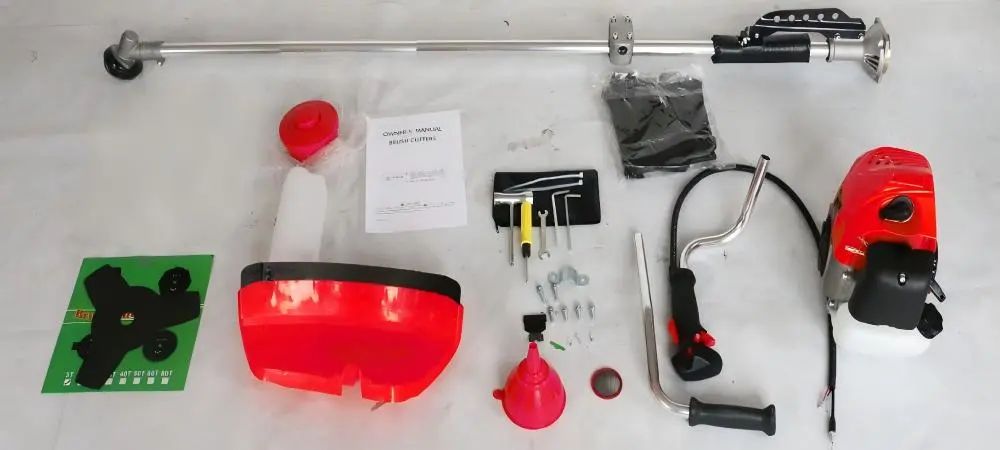
One of the best things about 52cc types is that they can successfully power multiple cutting attachments. It can handle nylon line cutter heads, steel blades with 3 teeth, brush knives with 40 teeth, and saw blades with carbide tips. Because of this, a single tool can be used to manage plants in a wide range of situations. Landscapers don't have to carry around a lot of different tools because they can switch between double-line bump feed heads for edging and steel mulching blades for thickets.
Essential Features and Components to Check Before Buying
A successful procurement depends on carefully looking at certain parts that determine how reliable they are and how much they will cost to own in total. The most important measures for measuring engine performance are fuel economy and emission compliance. Euro V emission standards, which lower pollution from fumes without losing power, are becoming more and more required by modern environmental laws. To stay on the right side of the law and help reach green goals, buyers should make sure that the models they are interested in meet these standards.
Engine Quality and Durability Indicators
A chrome-plated structure of the cylinder is a crucial hallmark of excellence. This characteristic makes it more durable as it hardens and smooths the surface to avoid easy scratching and wear. This makes the engine last a lot longer than aluminium cylinders that aren't coated. Also check the ignition system. CDI (Capacitor Discharge Ignition) technology ensures dependable starting in all weather conditions, so you don’t have to worry about flooding the engine while trying to start it cold.
The form of the carburettor will dictate how flexible it is to use. Good 52cc kinds are fitted with diaphragm-type carburettors, and this allows the engine to run properly at any angle, which is really crucial when you are cutting on steep hills or embankments. The fuel tank is designed to prevent the gasoline from running out, which causes sputtering and stalling on sloping ground. Cheaper versions use a float-bowl carburettor, which is a typical site of failure.
Blade Options and Cutting System
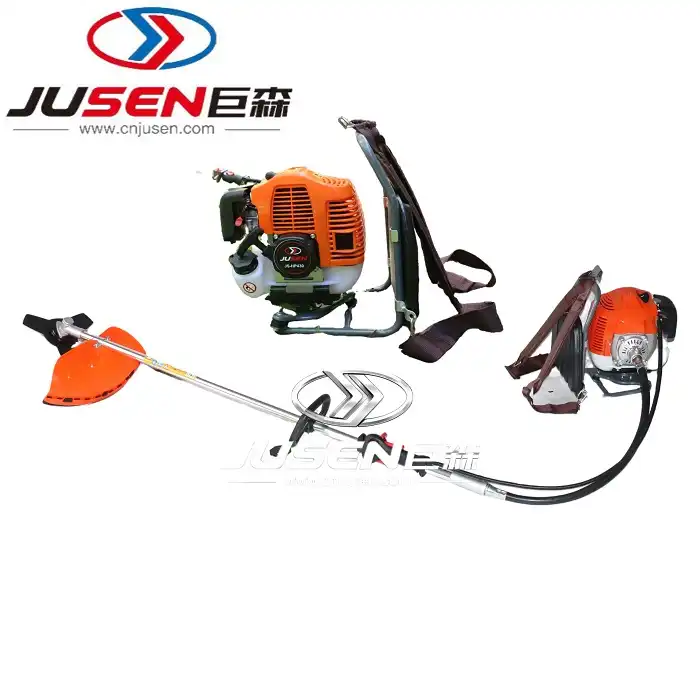
Choosing the right cutting attachment for the brush cutter affects how well it cuts through different kinds of plants. Nylon line heads work great on grass and small weeds, but get stuck in thick brush. Three-tooth steel blades cut through medium-density plants quickly and sharply, while multi-tooth circular blades cut through woody roots cleanly. All of these choices can be used with the JUSEN handheld brush cutter, so users can choose the right cutting tool for the job. When looking at different types, make sure that the drive shaft uses a tube with a width of 28mm instead of 26mm. This makes the shaft more rigid, which lowers shaft whip and increases the component's life under high-torque loads.
Safety Features and Ergonomic Design
The safety of the operator cannot be compromised. A strong debris shield that meets ISO 11806 impact standards is an important feature that keeps projectiles from hitting the user. The shield should go around the cutting area at least 180 degrees without getting in the way of seeing. Also, vibration damping devices lower Hand-Arm Vibration Syndrome (HAVS), which is a major health issue at work. Professional-grade machines have rubber mounts that separate the engine housing from the shaft assembly. These mounts block high-frequency vibrations before they reach the operator's hands.
Ergonomic handle placement affects how precisely you cut and eases muscle pain. Look for bike handles or loop handles that can be adjusted so that they can fit people of different heights and working positions. Instead of putting all the weight on the lower back, the connection point for the strap should spread the weight across the shoulders. When used in commercial settings for long periods of time, these design elements become very important.
Build Quality and Material Selection
The materials used to make an item show how it was made and how long it should last. For lighter weight, premium units have plastic housings with aluminum rods, steel cutting tools, and metal gearbox housings. Pay close attention to the gear case—it should stay below 80°C for 30 minutes after use. Excessive heat is a sign of bad lubrication or gear meshing problems that cause the machine to break down too soon. By looking at these details during the purchase process, you can avoid buying equipment that breaks down often and needs to be fixed.
Comparing 52cc Petrol Brush Cutters: Make the Right Choice
There are a lot of choices in the 52cc group, with a wide range of prices and features. When buyers know how different models compare, they can find units that offer real value rather than just low initial cost. Performance standards should include how reliably the machine starts, how long it can run on a single tank of fuel, how much vibration it has, and how fast it cuts through standard samples of vegetation.
Performance vs. Budget Considerations
People on a tight budget can find capable 52cc models for less than $200, but they should be very careful not to buy units that won't last. The JUSEN 52cc Petrol Brush Cutter is a great example of high-performance equipment that is also reasonably priced. It has a lot of useful features and is a good investment. Its 1.7kW power output is the same as or better than units that cost a lot more, and the one-year warranty gives buyers peace of mind. Production times of 20 to 25 business days and shipping times of 30 days make it easy to plan projects for large orders, and customization options help sellers build their own product lines meet their branding needs.
When deciding between choices, don't just look at the buying price; also consider the total cost of ownership. Cheaper units often need parts to be replaced more often, use more fuel because their engines aren't as efficient, and cost more to maintain because they need to be serviced more often. A moderate investment in tried-and-true patterns usually pays off in the long run.
Petrol vs. Electric: Commercial Application Analysis
Electric and battery-powered brush cutters are better for the environment, but gasoline-powered models are still the best for business use. The most important difference is runtime: a 52cc gasoline engine can work nonstop and only needs to be refueled every so often, but battery tools need to be charged, which slows down work. Cutting power is still better with gasoline engines; battery platforms have trouble keeping up speed when they hit thick growth, so operators have to go over the same area more than once.
Modern engine technology has changed the way we think about how our engines affect the environment. Modern two-stroke designs burn fuel more cleanly thanks to better carburetion and spark settings, which greatly lower emissions compared to older machines. For tasks that need constant power in remote areas without access to electricity, gasoline is still the best option.
Brand Reputation and Manufacturer Track Record
Choosing well-known manufacturers with a history of success lowers the risk of procurement. JUSEN was established in September 2004 in Jinhua, Zhejiang. The company has 20 years of experience making yard tools. This experience leads to better plans that take into account what was learned from making thousands of pieces. Working with well-known foreign names shows that the company can meet high-quality standards. This gives newcomers a trusted partner for starting their own lines of branded equipment.
Quality control methods and how quickly suppliers respond are more important than where the factory is located. Chinese manufacturers have changed a lot over the years. The biggest ones now use ISO 9001 certification and strict testing protocols. Making sure that suppliers test for loaded durability, cold start reliability, and emissions before sending goods to customers is the most important thing.
Procurement Considerations for B2B Buyers
Strategic sourcing changes procurement from a transactional process to one that creates value. Landscaping businesses, equipment dealers, and city maintenance offices can all benefit from working with responsive providers who understand their needs and offer help after the sale. Evaluating sellers in a number of different areas will ensure long-term happiness after the original purchase.
Supplier Selection and Sourcing Strategies
Online marketplaces are convenient and let you compare prices of handheld brush cutters, but they might not offer the personalized service that complicated purchases need. Getting in touch with makers directly lets you make changes, negotiate bulk prices, and get expert advice. JUSEN's direct interaction model includes technical help that responds within two hours to operating questions and troubleshooting needs. This responsiveness cuts down on equipment downtime, which has a direct effect on project profitability and productivity.
When looking at possible suppliers, you should ask for proof of their quality control procedures. Reputable makers do tests to make sure the machine starts up reliably within three to five pulls, tests to see how long it lasts when it's loaded for 100 to 200 hours, and readings of the shaft's run-out to make sure it's aligned within certain limits. These protocols separate tools made for professionals from tools made for consumers that are being used for business purposes.
Bulk Purchasing and Volume Pricing
Landscape workers and companies that sell equipment can save a lot of money by buying in bulk. When you order 10 or more units, you can usually get lower shipping costs per unit and access tiered pricing structures. Also, bulk sales keep your inventory consistent because all the units come from the same production batch. This means that they all work the same way, and managing extra parts is easier.
Protecting the value of an investment means negotiating warranty terms when buying in bulk. Standard warranties last for one year and cover problems with the way the product was made. For big orders, you can arrange for longer warranties or performance guarantees. Make it clear how to file a guarantee claim during the buying process to avoid confusion when help is needed.
After-Sales Support and Parts Availability
Dependability of equipment is very important, but even high-end units need maintenance and parts replacement after a while. The ability of a supplier to provide parts directly affects the continuity of operations. When looking at different manufacturers, make sure that important wear parts like spark plugs, air filters, cutting attachments, drive belts, and carburetor kits are still available for as long as the product is in use. JUSEN keeps a large collection of parts to help customers even years after they've bought something from them. This keeps customers from having to deal with the pain of old equipment that can't be fixed.
Access to technical help is what sets great providers apart from average ones. Responding to emails at Sales1@cnjusen.com and helping workers with technical problems helps them solve problems quickly, which often saves them from having to make returns or wait for service. Setting up ways for people to talk to each other during procurement builds the basis for long-term partnerships that work well.
Maintenance and Troubleshooting Tips for Longevity
To get the most out of an item's performance and usefulness, it needs to be maintained regularly according to the manufacturer's instructions. Repairs that are done after the fact are much more expensive than preventative care. This is especially true in commercial settings where downtime directly affects revenue generation. Knowing the most common types of failure and how to fix them gives workers the power to stay at the highest level of operating readiness.
Daily and Seasonal Maintenance Protocols
Every day, before the activity, quick checks save hours of work on repairs. Check the cutting tools for damage or loosening, the air filter for buildup of dirt, and the fuel mixture to make sure it is fresh. Over time, two-stroke fuel breaks down. Gasoline parts evaporate, leaving behind sticky buildups that block carburetors. This problem doesn't happen when fuel is mixed in amounts that will be used within 30 days.
As part of regular maintenance, spark plugs should be changed, the fuel system should be cleaned, and the gear case should be oiled and checked. Regularly adding more grease to the gear head is needed to keep the bearings from wearing out and the temperature from rising too high. Following the 30-hour service interval suggested for business use keeps the machine running at its best and stops parts from wearing out too quickly.
Common Engine Issues and Solutions
Most of the time, bogging down under speed means that the fuel blend isn't balanced or that the air filter is blocked. The most common cause is a dirty air filter. If the problem still happens, the carburetor needs to be adjusted. The high-speed mixture screw needs to be fine-tuned. Turning it 1/8 turn counterclockwise makes the mixture richer, which stops lean seizure conditions. But mixes that are too rich lose fuel and make spark plugs dirty, so changes should be small.
Having trouble starting is often caused by problems with the ignition system or too much fuel in the carburetor. Since CDI modules don't fail very often, the spark plug condition is the most likely cause. If carbon builds up or the electrode gap gets too big, the spark won't work. This variable is taken care of by replacing the spark plugs at regular times. If the engine floods after several pull starts, take out the spark plug, pull the starter cord several times to clear out the extra fuel, then put the plug back in and try to start the engine again.
Blade Maintenance and Sharpening Techniques
Sharp blade edges are important for cutting well. Blades that are dull put more stress on the engine, slow down the cutting process, and make cuts that aren't smooth, which hurts plants. Professionals usually sharpen blades every 10 hours of use, but this depends on how often they are used and what kind of plants they are cutting. When you use a flat file at the original bevel angle, the edge geometry stays the same. When you balance the blade after sharpening it, you stop the vibrations that wear out the drive system and make the operator tired.
By checking blades for cracks or bending, severe failure can be avoided. High-speed rotation makes small flaws stand out more, which could lead to blade disintegration that makes dangerous projectiles. If a blade has internal damage, it should be replaced instead of being fixed. The small cost of new blades is nothing compared to the risk of getting hurt or damaging your tools when a blade breaks.
Conclusion
To choose the best 52cc Petrol Brush Cutter, you need to carefully consider the quality of the engine, the durability of the parts, the safety features, and the supplier's abilities. The displacement category strikes a great balance between power and portability, making it easy for workers to handle difficult vegetation control jobs. By putting an emphasis on chrome-plated cylinders, reliable starting systems, and strong construction, buyers can be sure that the equipment will keep working well for years to come. Strategic buying from well-known companies like JUSEN gives you access to tried-and-true designs, quick expert help, and a wide range of parts that keep your operations running.
FAQ
How often should I sharpen the cutting blade on my brush cutter?
How often you sharpen depends on how much you use it and what kind of plants you come across. Professional landscapers who work in rocky or sandy areas may need to sharpen their tools every 5 to 8 hours, while people who cut soft grass and weeds may need to wait 15 to 20 hours between sharpenings. Cutting efficiency is the most important sign. If the unit needs to go over the same area more than once or makes ragged cuts instead of clean stems, it's time to sharpen it. Maintaining sharp edges makes cutting better while lowering engine stress and fuel use.
Can 52cc brush cutters operate safely on steep slopes?
Of course, good 52cc models with diaphragm carburetors will work reliably on hills. Unlike float-bowl carburetors, which starve or flood when tilted, the vacuum-type diaphragm design keeps fuel supply steady no matter the direction. The JUSEN 52cc brush cutter is designed to meet this need, making it good for maintaining highway embankments and clearing land on hillsides. To keep accidents from happening, operators should use the right harness systems and keep their feet firmly on the ground when they're on slopes.
What distinguishes a 52cc brush cutter from a petrol lawn mower?
Even though they both cut grass, lawn mowers and brush cutters are used for very different things. Lawn mowers have horizontally rotating blades that are best for keeping established grass at the same height. Brush cutters have vertical cutting heads with stiff blades or flexible lines that are made to cut through thick weeds, woody roots, and uneven ground. The 52cc brush cutter can cut through things like saplings, dense thickets, and overgrown areas that need to be fixed up, which would damage or jam lawn mowers. Brush cutters are important for professional land management because they can cut a lot of different types of plants and are light and powerful.
Choose JUSEN as Your Trusted 52cc Petrol Brush Cutter Supplier
Professional builders and companies that sell tools need partners who understand their needs and can provide reliable solutions. JUSEN has been making high-quality 52cc Petrol Brush Cutter for twenty years. They combine strong engineering with useful features and reasonable prices. Our 1E44F-5 engine has a proven performance level of 1.7kW and comes with a full one-year warranty and quick technical support. Our customization options and bulk buying options set the stage for business success, whether you're outfitting landscaping crews, starting your own line of branded equipment, or managing large properties. Contact our team at Sales1@cnjusen.com to talk about your unique needs, look over our full product list, and find out why top professionals choose JUSEN for reliable solutions for managing vegetation.
References
1. Anderson, M. & Roberts, P. (2023). Professional Landscaping Equipment Selection: A Comprehensive Guide for Commercial Operations. Green Industry Publications.
2. Chen, W. (2022). "Two-Stroke Engine Technology Advances in Portable Power Equipment." Journal of Agricultural Engineering Research, 48(3), 215-234.
3. European Committee for Standardization (2021). ISO 11806-1: Agricultural and Forestry Machinery – Safety Requirements and Testing for Portable Hand-Held Brush Cutters and Grass Trimmers. Brussels: CEN.
4. Harrison, T. (2024). "Cost-Benefit Analysis of Vegetation Management Equipment in Municipal Maintenance." Public Works Management Quarterly, 31(2), 89-107.
5. International Association of Landscape Professionals (2023). Equipment Maintenance Best Practices for Landscaping Contractors. Herndon: IALP Technical Committee.
6. Zhang, L. & Thompson, R. (2023). "Comparative Performance Testing of Mid-Range Displacement Brush Cutters in Commercial Applications." Outdoor Power Equipment Research Journal, 17(4), 342-361.

USER EVALUATE
Here is the customer's evaluation of us