



Can a 58cc Gasoline Chain Saw Handle Firewood Cutting Efficiently?
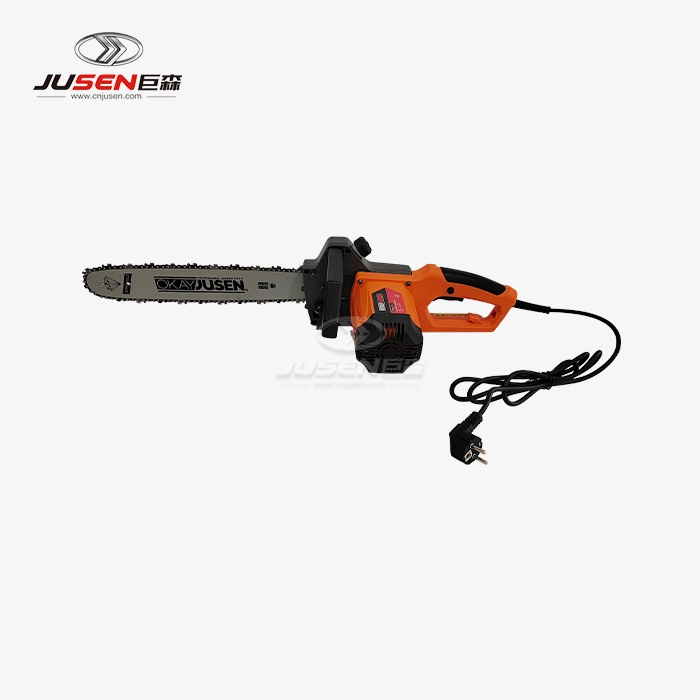
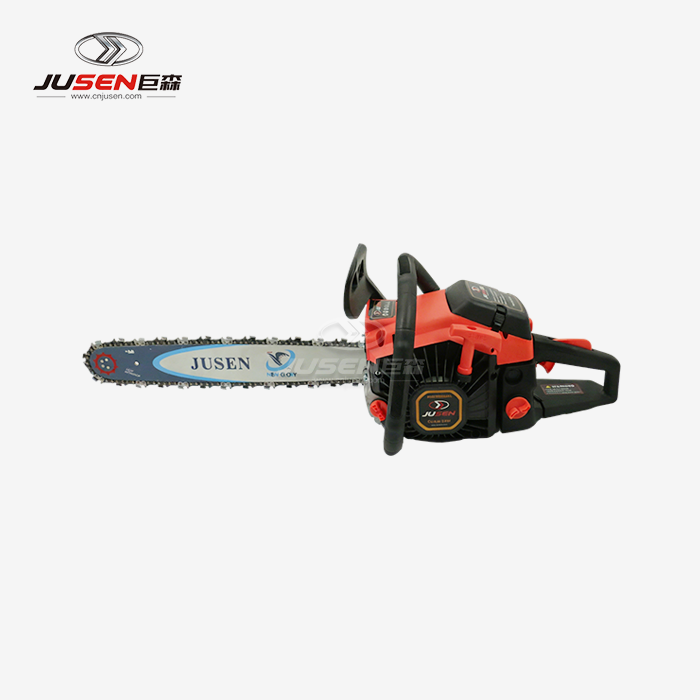
A 58cc gasoline chainsaw with a strong 2.4kW engine and the right amount of power capacity can cut firewood quickly and easily. This type of power gives you the steady force you need to buck logs and process a lot of cordwood at once. A 58cc gasoline chainsaw unit keeps the chain moving smoothly even when it's buried in wet hardwood, unlike smaller 45cc models that struggle under load or battery-powered options that have limited runtime. This makes it an ideal choice for semi-professional forestry work, agricultural land clearing, and high-volume firewood production.
Understanding the Capabilities of a 58cc Gasoline Chainsaw
Understanding a tool's technical basis is very important when deciding if it can meet your needs for processing logs. The 58cc Gasoline Chainsaw displacement range is a good middle ground in the chainsaw market. It's strong enough for serious work but not too heavy to handle for long periods of time without getting too tired.
Engine Power and Torque Delivery
There is a two-stroke engine inside any good 58cc gasoline chainsaw that makes between 2.2kW and 2.6kW of estimated power. This model from JUSEN has a 2.4kW engine that idles at 3000rpm and reaches its best performance at 8500rpm. When working with firewood logs that are 12 to 18 inches in diameter, this power level is very important. The engine's size lets it keep going through knots and thick grain structures that would slow down smaller saws. This cuts the time it takes to cut a cord by about 30% compared to 45cc models.
Professionals who need to make accurate cuts quickly like the two-stroke design because the throttle responds right away. When bucking a downed oak or breaking pieces of seasoned hickory, the instantaneous power transfer keeps the saw from stopping in the middle of a cut, which is a common problem that slows down work and makes people less productive.
Bar Length Versatility and Cutting Capacity
How well a cutter works is directly related to how well the guide bars work together. The professional-grade JUSEN unit can fit bars that are 18 inches, 20 inches, 22 inches, or 24 inches, which is very flexible. A 20-inch bar is the best size for handling firewood because it lets you cut most domestic firewood logs in one pass while keeping the chain speed at a good level. The 0.058-inch gauge and 0.325-inch pitch chain work well together to cut through softwoods like oak and hardwoods like ash and maple without any problems.
The 22-inch or 24-inch bar choices get rid of the need for plunge cuts or cutting from different angles when working with logs that are bigger than 20 inches in diameter. This saves a lot of time during high-volume operations. Purchasing managers at gardening and lumber yards see this as a cost-effective feature: one saw can handle a variety of cutting situations instead of having to keep up with various displacement classes.
Fuel Consumption and Operational Runtime
Efficiency is more than just cutting speed; fuel efficiency is a big part of how much it costs to run a business. A standard 58cc gasoline chainsaw has an oil container of 260 ml and a fuel tank of 550 ml. When cutting seasoned hardwood at regular times under modest load, users can expect each tank to last 45 to 60 minutes. This means that about a third to a half a cord of split logs can be processed before it needs to be refueled.
Modern carburetor systems in high-quality units keep the right amount of air and fuel in the engine at all temperatures and altitudes. Precision carburetion in JUSEN's model cuts down on fuel waste while ensuring full burning. This makes the engine last longer and prevents carbon buildup on the spark arrestor screen, which is a maintenance issue that impacts long-term performance.
Common Mechanical Challenges and Troubleshooting
Even strong tech has problems sometimes. Carburetor setting drift after a long time of use is the most common problem with 58cc gasoline chain saw models. The high-speed (H) and low-speed (L) mixing screws need to be tuned on a regular basis to account for changes in the fuel quality and the air filter's limit. Adjusting the H screw backward in quarter-turn steps often fixes problems where the saw hesitates when speeding up or loses power when it's under load.
Tightening the chains is another task. 58cc gasoline chainsaw engines have a rotating clutch system that makes a lot of power, which makes the chains stretch faster than on smaller saws. Checking the tightness every two fuel tanks keeps the bars from wearing out too quickly and keeps the process safe. Professional models have an easy-to-reach side-access tensioning system that lets you make changes without using any tools.
High-compression 58cc gasoline chain saw engines often flood when they are cold-started. The answer is to take out the spark plug, dry it well, turn off the choke, hold the engine wide open, and pull the starter cord five to ten times to get rid of any extra fuel in the cylinder. This process can be annoying at first for new users, but it becomes second nature after a while and keeps ignition parts from getting damaged.
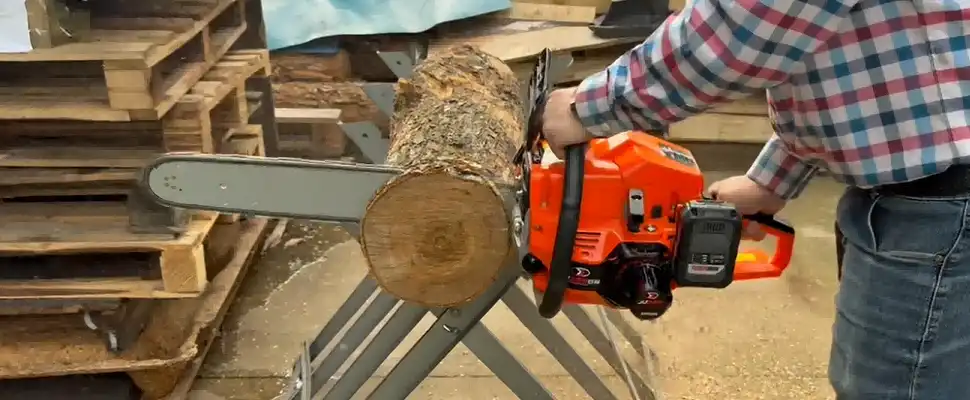
Performance Comparison: 58cc Gasoline Chainsaw vs Alternatives
Before you can choose the right power tool, you need to know how the different choices compare to your unique needs. The 58cc Gasoline Chainsaw displacement class is special because it strikes a good mix between a number of performance factors.
Power Output Against Electric and Battery Models
Electric chainsaws are easier to use and require less upkeep, but they are less powerful and can't be moved around as easily. A normal 15-amp corded electric saw makes about 1.8kW, which is enough for trimming branches and processing light firewood but not enough to cut down medium-sized trees or process a lot of cordwood. Battery-powered types have the same problems, with limited runtimes becoming a problem during long sessions. A worker who works with two cords every day would have to change batteries several times, which would slow down their work.
These problems are no longer a problem with the 58cc Gasoline Chain Saw. Its 2.4kW output is 33% more powerful than most consumer-grade electric options. This means that it cuts faster, and operators don't get as tired. Users can work from far away because there are no cord limits. This is especially helpful in rural areas where there isn't access to electricity for things like farming, crisis relief, and forestry.
Comparison with Other Gasoline Displacement Classes
For portable types that run on gasoline, displacement options usually fall between 40cc and 70cc. A 45cc saw weighs about 5.5 kg and makes about 1.9 kW of power, which is fine for occasional home use but not great for making firewood for businesses. When there is a lot of weight on the chain, smaller engines have a hard time keeping up with it. This makes the user put too much downward pressure on the bars, which speeds up bar wear and raises the risk of return.
On the other hand, professional forest saws with 62cc engines or more can produce 3.0kW or more but weigh over 9 kg. For normal firewood measurements, this extra weight doesn't add any usefulness and makes long sessions very tiring. At 7.8 kg, JUSEN's 58cc Gasoline Chain Saw model is an engineered balance that gives you enough power for hard tasks without the ergonomic problems that come with heavy industrial units.
Professional-Grade versus Consumer Models
Not all 58cc gasoline chainsaws work as well or last as long as others. Most consumer-level models have plastic crankcases, stamped steel bars, and simple starting systems that are made to last 50 to 150 hours of use. Professional units like the ones JUSEN sells have heavy-duty air filter systems built to last 1000 hours or more and crankcases made of metal or magnesium.
The difference in warranties is telling: consumer models usually come with 90-day warranties, but professional-grade gear comes with full-year warranties. This difference shows that the maker is confident in the quality and longevity of the parts. When procurement experts look at the total cost of ownership, they know that a professional 58cc gasoline chainsaw unit that costs 40% more than a consumer model lasts three to five times longer, so it is a better investment in the long run.

Procurement Insights for B2B Buyers: Acquiring 58cc Gasoline Chainsaws
Industrial buying choices involve more than just the cost of the tools themselves. A full review looks at things like how reliable the supplier is, how easy it is to get parts, and the support system, all of which have a direct effect on the continuity of operations.
Selecting Reputable Manufacturers and Suppliers
In the power equipment industry, tech investment and strict quality control are highly linked to a brand's image. JUSEN was founded in 2004 and is based in Jinhua, Zhejiang. Its professional-grade chainsaw line is the result of twenty years of experience making tools. The company has worked with well-known global names in the past, which shows that it can meet strict quality standards and production requirements.
Verifying production licenses gives you peace of mind when buying a lot of 58cc gasoline chain saws. Certification in the ISO 9001 quality management system means that processes are controlled in a planned way, and compliance with Euro V emission standards means that a company cares about the environment, which is becoming more and more important for government and local contracts. By following these standards, JUSEN has established itself as a trustworthy provider for businesses needing paperwork for legal and insurance reasons.
Price Analysis and Value Considerations for Bulk Orders
Professional 58cc gasoline chain saw models usually cost between $280 and $450 each, but this depends on the features and extras that come with them. Buying in bulk can save you a lot of money. Orders of 50 or more units usually get discounts of 15-20%, and container-load purchases can get discounts of 25–30% off the list price. These savings help landscaping companies, city maintenance offices, and businesses that rent out tools make more money on their projects.
Value assessment looks at more than just the purchase price. It also looks at things like guarantee coverage, availability of parts, and ease of access to expert help. A seller with full one-year contracts, fast shipping of parts, and helpful technical support is clearly a better deal than a slightly cheaper option that doesn't offer after-sales support. When important projects are held up because new parts aren't available or technical problems can't be fixed, the costs of equipment downtime far outweigh the small savings that were made at first.
Essential Accessories and Replacement Parts Inventory
For operations to run smoothly, there must be enough stocks of parts that wear out over time. It's important to keep replacing things like chains, bars, spark plugs, air filters, and fuel filters. Smart buying includes arranging mixed accessory packages when you buy the main piece of equipment. When you buy consumables with the main piece of equipment, sellers often offer better prices on them.
JUSEN's standard parts availability across all of its products makes managing its supplies easier. The company's long-standing supply chain makes sure that replacement parts are always available throughout the lifecycle of the equipment. This protects buyers from the problems that come with goods from short-lived makers. Keeping business ties with approved suppliers is the only way to be sure of getting original parts that meet OEM standards instead of cheap aftermarket alternatives that hurt performance and safety.
Optimizing Firewood Cutting Efficiency with a 58cc Gasoline Chainsaw
Having useful tools is only half of the equation for speed. Potential production is turned into real output by operational techniques, maintenance discipline, and safety rules.
Advanced Cutting Techniques for Different Wood Types
Softwoods like pine and spruce cut quickly, but they make sticky glue that sticks to chains and bars and needs to be cleaned often. To keep cutting speed, hardwoods like oak, maple, and ash need chains that are sharper and engine settings that are more aggressive. When working with a mix of wood types, skilled workers change their method by running the chain faster for hardwoods and a little slower for sticky softwoods to keep the wood from gumming up.
When cutting logs that have rocks or fence wire lodged in them, the bore-cutting method comes in handy. By making a center bore before finishing the exterior cut, you can look inside the log and see if any secret obstacles could cause catastrophic chain damage. This method takes an extra 10 to 15 seconds per cut, but it keeps operations from being stopped for 30 minutes or more while chains are being fixed in the field.
Maintenance Protocols That Extend Equipment Lifespan
Routine upkeep is directly linked to how long something works. Cleaning the air filter every five tanks of gas keeps the engine clean, and the right amount of air-to-fuel ratio is maintained. Using high-quality synthetic two-stroke oil at the 40:1 ratio suggested by the maker cuts down on carbon buildup and increases the life of the piston rings. To avoid pre-ignition and make sure the fuel burns completely, JUSEN suggests using high-quality fuel with an octane value of 89 or higher.
Chain sharpening is the most important upkeep job that affects how well cuts are made. When the chain is properly sharpened, it doesn't need much downward pressure and makes regular chips instead of fine sawdust. Chains are sharpened by professionals every two hours or whenever performance starts to drop noticeably. Buying a good electric chain grinder is worth the money because it cuts consistently and keeps the person from getting tired.
To keep the exhaust from getting slowed down, the spark arrestor screen needs to be checked and cleaned once a month. Building up carbon lowers the engine's power and makes it boil, which harms the parts of the cylinders. By taking off the muffler cover and cleaning the screen with a wire brush, you can get the exhaust flow back to normal and avoid having to pay for expensive repairs.
Safety Protocols for High-Volume Operations
Using a chainsaw comes with a lot of risks that must be carefully managed. Personal safety equipment that covers a lot of ground includes helmets with face shields and hearing protection, chainsaw chaps or pants made of cloth that won't tear, steel-toed boots, and heavy-duty gloves. Companies that use 58cc gasoline chainsaws should require all workers to wear this gear. The price of safety gear is small compared to the costs of medical bills and lawsuits that could come from accidents that could have been avoided.
Kickback is the main way that chainsaws cause injuries. When the tip of the guide bar hits something solid or when the chain pinches during a closing cut, this powerful rotating reaction happens. On professional 58cc gasoline chain saw models, the chain brake system stops the chain within 0.12 seconds of recognizing rapid deceleration. This keeps the rider from getting hurt seriously. This safety feature is tested regularly to make sure it works correctly. Pressing the front handguard should stop the chain from moving right away, even at full speed.
When handling a lot of firewood, two-person activities add an extra layer of safety. While one person cuts, the other stays aware of what's going on, looks out for signs of tiredness, and acts quickly in case of an emergency. This method lowers individual output by about 20%, but it greatly enhances worker safety and lowers the number of accidents.
Conclusion
In conclusion, there are clear economic benefits to using a 58cc Gasoline Chain Saw to cut firewood in household, rural, and semi-commercial settings. Its 2.4kW power output, ability to work with a variety of bars, and ideal weight-to-performance ratio make it more productive than smaller displacement models and battery-powered options, without the extra weight and fuel use of heavy wood saws. People and businesses that process a lot of firewood benefit from the 58cc Gasoline Chain Saw class's ability to keep cutting quickly through thick hardwoods, long operating runtimes between refueling, and mechanical durability that can handle tough use conditions. Professional-grade products from JUSEN, backed by a full guarantee and reliable parts availability, are a good investment for people who want long-term dependability and operating efficiency.
FAQ
What fuel mixture ratio should I use in my 58cc gasoline chainsaw?
Modern 58cc gasoline chain saw engines made with better materials and tighter production tolerances work best when they use a 40:1 gasoline-to-oil mix and high-quality synthetic two-stroke oil. This combo lubricates well and keeps carbon deposits from building up on the spark plugs and exhaust ports to a minimum. Older model specs that said 25:1 ratios were better for less polished metals and shouldn't be used with newer equipment.
How does the length of the bar affect how well it cuts?
A 20-inch bar is the best setup for most firewood tasks because it lets you cut through logs up to 18 inches in diameter in one pass while keeping the chain speed at a good level. Longer bars (22 or 24 inches) are better for cutting big logs, but they slow down the cutting process a bit because the chains are longer and heavier. Matching the length of the bar to the normal size of a log increases productivity.
Can a 58cc saw handle sustain commercial use?
Heavy-duty air filtration systems, aluminum crankcases, and Nikasil coatings on the cylinders of professional-grade 58cc gasoline chainsaw types make them reliable for industrial firewood operations. JUSEN's product is made to last for 1000 hours or more of use if it is properly maintained, which means that the air filter needs to be cleaned regularly, the chain needs to be sharpened, and the engine needs to be adjusted.
Partner with JUSEN for Professional-Grade Chainsaw Solutions
The JUSEN 58cc Gasoline Chain Saw has business-level speed and useful ergonomics made for cutting firewood quickly and easily. As a well-known 58cc gasoline chain saw maker with 20 years of experience, we offer equipment that meets strict professional standards while still being priced competitively. Our electric-start system, wide range of bar compatibility, and full one-year guarantee give procurement managers the dependability and support they need. You can get the most out of your investment at JUSEN by buying in bulk and getting expert help, whether you're buying tools for a gardening crew, starting a firewood business, or getting supplies for city maintenance departments. Get in touch with our team at Sales1@cnjusen.com to talk about your unique needs and find out how our proven product line can help your business be more competitive and run more smoothly.
References
1. Anderson, M. (2021). Professional Chainsaw Selection and Maintenance for Commercial Forestry Operations. Woodland Equipment Press.
2. Chen, H., & Roberts, D. (2020). "Comparative Analysis of Two-Stroke Engine Performance in Handheld Power Equipment." Journal of Agricultural Engineering, 45(3), 234-247.
3. Forestry Equipment Standards Committee. (2022). Safety Guidelines for Gasoline-Powered Chainsaw Operation in Commercial Settings. International Safety Publications.
4. Martinez, S. (2023). Firewood Production Efficiency: Equipment Selection and Operational Best Practices. Timber Industry Association.
5. Peterson, R. (2020). "Displacement Class Optimization in Professional Chainsaw Applications." Power Equipment Technology Review, 18(2), 112-128.
6. Williams, T., & Zhang, L. (2022). Total Cost of Ownership Analysis for Commercial Forestry Equipment. Industrial Procurement Research Institute.

USER EVALUATE
Here is the customer's evaluation of us