




High Efficiency Portable Tea Plucking Machine for Tea Garden
There is a serious problem in modern tea farming that makes it hard to make money and keep going: there aren't enough skilled workers during peak harvest times. The Tea Leaf Picking Machine solves this problem for the industry by automating the process of selecting and picking while keeping the high-quality standards needed to make fine tea. These specialised tools include bag units that are easy to carry and light, as well as high-tech battery-powered systems that are as accurate as picking by hand. Portable tea picking equipment is now necessary for businesses that want to match high-quality tea-making standards with high productivity. It does this by combining mechanical efficiency with careful attention to leaf integrity.
Understanding Portable Tea Plucking Machines: How They Work and Their Benefits
The Mechanical Foundation of Modern Tea Harvesting
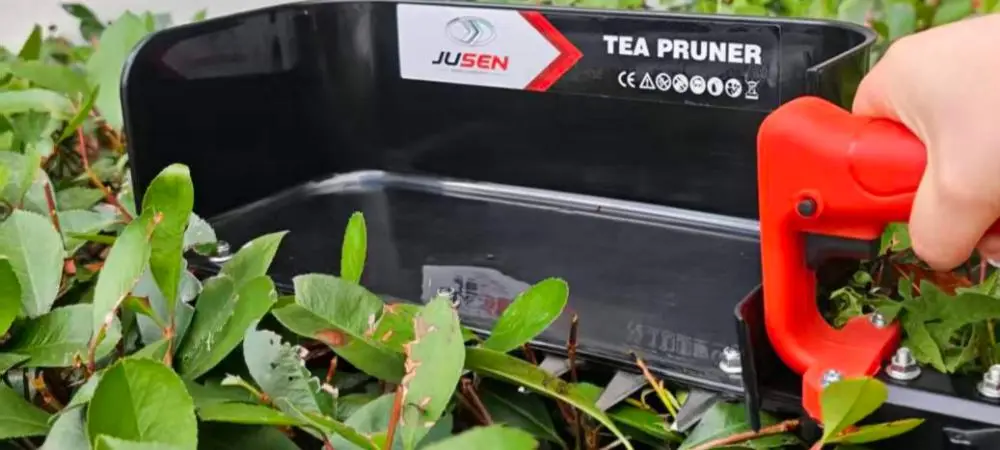
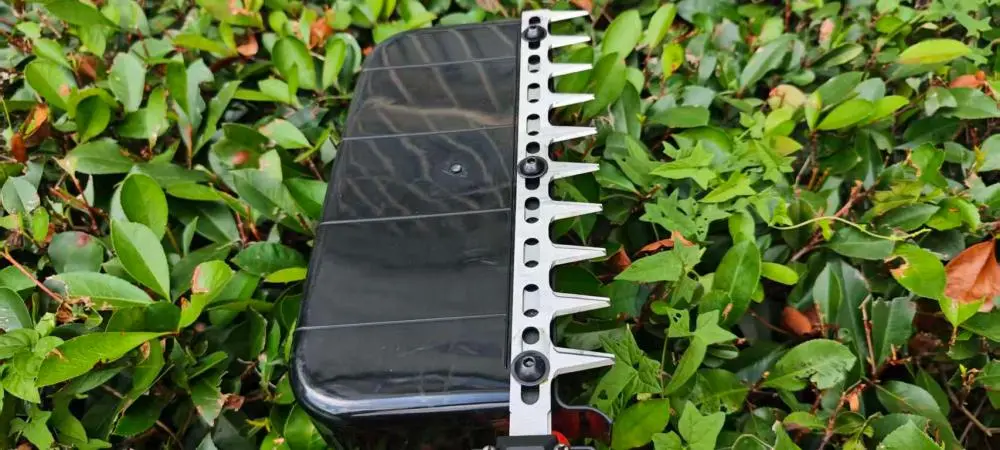
Reciprocating blade systems that cut off new growth at normal heights are what make portable tea picking tools work. The JS-BAT410-W from JUSEN is an example of this technology because it has a precision cutting mechanism that spins at 22,000 rpm. Each pass makes sure that the ideal "two leaves and a bud" standard for premium tea grades is met by the brushless motor's constant torque across the 300mm cutting width. Unlike simple trimming tools, this Tea Leaf Picking Machine's heat-treated steel construction keeps the blades sharp. This makes clean cuts that heal stem wounds quickly and make them less likely to get diseases.
Three important factors are balanced in the engineering of these machines: cutting speed, blade geometry, and collection efficiency. The action of going back and forth must be coordinated with moving forward so that leaves are cut smoothly instead of being torn. Models that run on batteries, like the JS-BAT410-W, don't have the shaking problems that come with petrol engines. This keeps the batteries from getting damaged, which can lead to early enzyme oxidation. This protection of cell viability keeps the molecular makeup needed for processing green and oolong tea.
Quantifiable Advantages Over Traditional Methods
Reciprocating blade systems that cut off new growth at normal heights are what make portable tea picking tools work. The JS-BAT410-W from JUSEN is an example of this technology because it has a precision cutting mechanism that spins at 22,000 rpm. Each pass makes sure that the ideal "two leaves and a bud" standard for premium tea grades is met by the brushless motor's constant torque across the 300mm cutting width. Unlike simple trimming tools, this Tea Leaf Picking Machine's heat-treated steel construction keeps the blades sharp. This makes clean cuts that heal stem wounds quickly and make them less likely to get diseases.
Three important factors are balanced in the engineering of these machines: cutting speed, blade geometry, and collection efficiency. The action of going back and forth must be coordinated with moving forward so that leaves are cut smoothly instead of being torn. Models that run on batteries, like the JS-BAT410-W, don't have the shaking problems that come with petrol engines. This keeps the batteries from getting damaged, which can lead to early enzyme oxidation. This protection of cell viability keeps the molecular makeup needed for processing green and oolong tea.
Ergonomic Design Enhancing Operator Wellbeing
When compared to picking by hand, tea fields that use automatic gathering say they are 1.2 to 1.5 times more productive. With the JS-BAT410-W, one operator can pick 80–120 kg of fresh leaves every day, which is the same amount of work as 15–20 hand pickers. This increase in efficiency directly addresses the rising costs of labour that cut into tea market profits in competitive markets. The design is very light, weighing only 2.46 kg, so workers can put in long hours without getting tired, which can lower the quality of the picking when done by hand.
Along with speed, consistency is a big operational plus. Pickers lose accuracy after doing the same thing over and over for several hours, which causes leaf grades to vary within the same harvest batch. Mechanical harvesters keep the cutting height the same while they're working. This makes sure that processing plants get uniform raw materials, which makes sorting and grading easier. The operation of the battery with no emissions meets the requirements for organic certification. This lets you reach high-end markets that want to see proof of sustainable practices.
Choosing the Right Portable Tea Leaf Picking Machine for Your Tea Garden
Evaluating Technical Specifications for Your Operation
Finding the right Tea Leaf Picking Machine gathering tools means matching the machine's powers to the area and the amount of tea that needs to be harvested. The JS-BAT410-W's 300mm cutting width is good for small to medium-sized farms that manage 50 to 300 acres, especially during the spring and summer flushes when tender shoots need to be handled carefully. The 24V/800W brushless motor has enough power to keep cutting without the need for regular upkeep like petrol engines do, which includes adjusting the carburettor and replacing the spark plugs.
Power use has a direct effect on both running costs and environmental compliance. In contrast to petrol engines, which lose torque as fuel levels drop, battery systems keep performing at the same level throughout their discharge cycle. The lithium-ion battery in the JS-BAT410-W keeps the power steady during its 6+ hour runtime. This makes sure that the quality of the cuts is the same from morning to afternoon harvests. Charging infrastructure needs are very small; all that's needed are normal electricity plugs, not dangerous fuel storage facilities.
Brand Reputation and Support Infrastructure
When buying something, people have to weigh the immediate cost of the item against its long-term usefulness. The JS-BAT410-W comes with a full one-year warranty that covers the motor, battery, and cutting mechanism parts. This policy guards against problems with the way the product was made and sets a standard for how often upkeep should be done. The 30-day shipping window lets you plan around harvest times, making sure that the equipment gets there before the busiest times for production.
Standard configurations can't meet all operational needs, but customisation lets you do that. The engineering team at JUSEN works with buyers to change cutting lengths, blade angles for different types of tea, or collection bag designs that work best with certain processing processes. This adaptability is helpful for businesses that are switching from human to mechanical gathering because it lets them do it in stages that cause less trouble.
Financial Considerations and Procurement Strategies
The budget must take into account the total cost of ownership, which is more than just the purchase price. The JS-BAT410-W's battery-powered design gets rid of the need to buy fuel regularly and cuts down on the maintenance costs that come with internal combustion engines. Sharpening the blades is still the highest ongoing cost. This is usually needed every 50 to 100 hours, based on how often they touch the ground and how well they cut through thick roots.
With bulk purchasing, businesses with multiple locations or joint buying groups can save money by buying in bulk. Volume savings lower the cost per unit while keeping operations the same in all yard sites. Financing options stretch payment terms, lining up cash losses with harvest income cycles instead of needing big capital investments up front.
Operational Guide & Maintenance Tips for Maximizing Machine Efficiency
Pre-Operation Protocols Ensuring Optimal Performance
Every time the machine is turned on, the blade is inspected for nicks or dull spots that make cutting less effective. The mechanism that moves back and forth needs to be securely attached with the right amount of space between the upper and lower blades. Too much space leads to tearing instead of clean shearing, and not enough space causes friction that heats the motor too much. The JS-BAT410-W's adjustment system lets workers fix alignment problems right away without using special tools for field calibration.
Verifying the battery charge stops interruptions in the middle of a session that mess up the flow of work. The lithium-ion technology has power signs that show how much capacity is still left. Planning harvest paths so that they return to charging points before they run out of power keeps output high. Rotation systems with spare batteries let used units charge while new packs power ongoing activities.
Technique Optimization for Superior Harvest Quality
Cutting speed needs to be adjusted based on how the plant grows and how soft the leaves are. If you move too quickly, you may miss shots or make ragged cuts because the blade can't keep up with your speed. At a modest walking pace, the JS-BAT410-W's 22,000 rpm speed can handle most normal tea leaf volumes. As operators gain experience, they learn to match their forward movement to changes in the sound of the motor's tone that show the best load.
By keeping the cutting line level, you can keep the "plucking table" that encourages even bud growth for future harvests. When you tilt the machine, the top surfaces become uneven, which makes future picking sessions harder. The JS-BAT410-W's ergonomic design lets operators keep a steady horizontal position by letting their bodies naturally position themselves instead of having to make conscious adjustments.
Preventive Maintenance Extending Equipment Lifespan
Cleaning procedures that are done after each use get rid of the sap that builds up on cutting mechanisms. Polyphenols in tea leave behind a sticky film that attracts dirt and speeds up blade wear. Agricultural equipment solvent wipes can get rid of these layers without hurting motor seals or electrical parts. The JS-BAT410-W's protected battery section keeps sensitive electronics safe while still making blade parts easy to get to.
Following the manufacturer's instructions for lubrication plans, reciprocating guides should usually be greased every 40 to 50 hours of operation. Too much lubrication attracts dirt and dust, which turns into abrasive compounds that speed up wear. The brushless motor design gets rid of the need to replace carbon brushes, which is common in older equipment. This makes maintenance easier.
Market Overview: Leading Brands, Suppliers, and Procurement Tips
Industry Landscape and Supplier Evaluation
In 2024, the global market for Tea Leaf Picking Machine tea machines is made up of well-known companies that are fighting by coming up with new ideas and providing better service. JUSEN stands out because it has been a master in precision engineering for ten years, but the company is best known for making oilfield equipment. This experience from different industries shapes the strict building rules used for farming goods like the JS-BAT410-W, whose design philosophy is based on dependability in tough circumstances.
When looking at possible providers, you need to look at their production skills and quality control methods. Facilities that keep their ISO approval show that they are committed to producing goods that meet regular standards. Site visits show how much is being made, how advanced the equipment is, and how skilled the workers are. JUSEN's 3,000-square-meter building has 50 experienced workers and 30 technical experts. This gives the company the engineering depth it needs to make unique solutions and quickly fix problems.
Delivery times and the availability of spare parts are affected by distribution networks. While domestic suppliers can get things to you faster, they might not have as much technical knowledge as direct manufacturer relationships. When you buy things from other countries, you can get access to cutting-edge technology and low prices, but the process of importing things can be tricky. The JS-BAT410-W has a 30-day delivery window that works with planning cycles and keeps lead times reasonable.
Strategic Procurement Approaches
Bulk purchasing leverages volume discounts while ensuring equipment consistency across operations. Tea cooperatives benefit from collective procurement that matches the individual buying power of larger estates. Standardizing on single models simplifies training and spare parts inventory, reducing operational complexity when managing multiple sites.
Warranty terms provide insight into the manufacturer's confidence and expected reliability. The JS-BAT410-W's one-year comprehensive coverage exceeds industry minimums, indicating engineering confidence. Extended warranty options offer risk mitigation for operations in remote locations where equipment downtime severely impacts productivity.
Financing arrangements through equipment leasing or installment plans preserve working capital for other operational needs. Seasonal payment structures align obligations with harvest revenue cycles, improving cash flow management. Some manufacturers offer trade-in programs that reduce upgrade costs when newer technology becomes available, protecting against obsolescence.
Price-to-Value Analysis Informing Decisions
Cost comparisons must account for total ownership expenses rather than focusing solely on acquisition price. The Tea Leaf Picking Machine, with lower upfront cost but higher maintenance requirements, may prove more expensive over a typical five-year service life. Battery-powered models eliminate fuel costs that accumulate substantially over hundreds of operating hours annually.
Productivity metrics quantify efficiency gains, justifying premium equipment investments. Machines enabling single operators to match the output of multiple manual pickers generate labor savings that compound across harvest seasons. The JS-BAT410-W's 1.2-1.5x efficiency multiplication provides a measurable return that supports financial justification during budget approval processes.
Durability assessments examine construction quality and component specifications. Heat-treated blade steel, sealed bearing assemblies, and IP-rated electrical systems indicate engineering attention to longevity. Equipment surviving multiple seasons without major repairs delivers superior value compared to units requiring frequent component replacement.
Future Outlook: Innovations and Trends in Portable Tea Plucking Technology
Technological Integration Advancing Capabilities
Smart sensor integration represents the next evolution in mechanical tea harvesting. Prototype systems analyze canopy density in real-time, automatically adjusting cutting speed to match shoot availability. These adaptive controls optimize harvest completeness while preventing blade overload that reduces edge life. Future Tea Leaf Picking Machine models may incorporate GPS tracking that maps productivity across garden zones, identifying areas requiring agronomic intervention.
Battery technology improvements continue to extend operational runtime while reducing weight. Solid-state lithium cells promise doubled energy density compared to current lithium-ion systems, potentially enabling 12+ hour continuous operation from battery packs lighter than existing designs. Rapid charging infrastructure could support 80% capacity restoration during brief mid-day breaks, effectively eliminating battery constraints.
Modular design philosophies allow upgrading individual components rather than replacing entire machines when technology advances. Swappable motor units, interchangeable cutting heads for different tea varietals, and retrofit sensor packages extend equipment relevance as operational needs evolve. JUSEN's customization capabilities position the company to implement these approaches as market demand develops.
Sustainability Driving Design Philosophy
Environmental considerations increasingly influence procurement decisions as certification requirements tighten. Zero-emission battery operation satisfies organic standards while reducing carbon footprint metrics important to sustainability-focused buyers. The JS-BAT410-W exemplifies this trend, offering performance comparable to gasoline models without air quality concerns.
Recyclable materials and repairable construction counter the disposable equipment culture that creates waste streams. Manufacturers designing for disassembly enable component recycling at end-of-life, recovering valuable materials rather than consigning entire units to landfills. Service-oriented business models emphasizing equipment refurbishment extend productive lifespan while reducing resource consumption.
Precision agriculture principles minimize environmental impact through targeted intervention. Future harvesting systems may selectively pick only optimal shoots while leaving immature growth, matching the discretion of skilled hand pickers. This selectivity reduces processing waste and improves final product quality, supporting premium positioning in competitive markets.
Strategic Partnerships Accessing Innovation
Direct manufacturer relationships provide early access to emerging technologies before widespread market availability. Operations partnering with innovative suppliers like JUSEN can influence product development roadmaps, ensuring new features address actual field requirements rather than theoretical capabilities. Collaborative R&D arrangements share development costs while customizing solutions to specific operational contexts.
OEM agreements enable private labeling for large operations or cooperative groups, building brand recognition while maintaining quality control through established manufacturing partnerships. These arrangements often include exclusive territorial rights and priority allocation during high-demand periods.
Technology adoption strategies balance innovation benefits against implementation risks. Phased deployment allows validating new equipment performance on limited acreage before committing to full-scale procurement. Pilot programs identify training needs and reveal operational adjustments necessary for successful integration.
Conclusion
Mechanical tea harvesting technology has matured into reliable systems that address labor shortage challenges while maintaining quality standards essential for premium production. The JS-BAT410-W Tea Leaf Picking Machine represents current capabilities: lightweight portability, efficient battery operation, and precision cutting that preserves leaf integrity. Successful implementation requires matching equipment specifications to operational requirements, establishing preventive maintenance protocols, and selecting suppliers offering comprehensive support. As technological advancement continues through sensor integration and battery improvements, operations partnering with innovative manufacturers position themselves to maintain competitive advantages through productivity gains and sustainable practices that meet evolving market demands.
FAQ
How does mechanical harvesting affect tea quality compared to hand picking?
Modern Tea Leaf Picking Machine models with sharp blades and proper technique produce quality suitable for premium commercial grades. The JS-BAT410-W's low-vibration design prevents bruising that causes premature oxidation. While competition-grade teas still benefit from hand selection, mechanical harvesting now delivers consistency that fatigued manual pickers cannot maintain throughout extended shifts. Clean cutting action preserves stem integrity, reducing disease entry points that affect plant health.
Should operations choose battery or gasoline-powered equipment?
Battery-powered Tea Leaf Picking Machine units like the JS-BAT410-W suit regular tender shoot harvesting with advantages including lighter weight, reduced vibration, and zero emissions, meeting organic certification. Gasoline models provide higher sustained torque for corrective pruning of overgrown bushes. Most commercial operations prioritize battery technology for standard harvest cycles, given the operational benefits and environmental compliance advantages.
What maintenance schedule ensures optimal performance?
Daily cleaning removes sap deposits after each use. Lubrication every 40-50 hours keeps reciprocating mechanisms operating smoothly. Blade sharpening becomes necessary after 50-100 operating hours, depending on usage intensity. The JS-BAT410-W's brushless motor eliminates carbon brush replacement, simplifying maintenance compared to older designs. Battery systems require proper charging practices and climate-controlled storage during off-season periods.
Partner with JUSEN for Advanced Tea Harvesting Solutions
JUSEN brings engineering excellence honed through decades of precision manufacturing to agricultural technology. The JS-BAT410-W Tea Leaf Picking Machine embodies this expertise with enterprise-grade construction, comprehensive warranty coverage, and customization capabilities addressing unique operational requirements. Our technical team collaborates with tea operations to optimize equipment specifications, provide operator training, and ensure parts availability throughout equipment lifespan. Contact our procurement specialists at Sales1@cnjusen.com to discuss how our Tea Leaf Picking Machine supplier capabilities can enhance your operation's productivity while meeting sustainability objectives. We deliver reliable solutions backed by responsive support that keeps your harvest on schedule.
References
1. Chen, W. & Liu, P. (2023). "Mechanical Harvesting Technologies in Premium Tea Production: Quality Assessment and Economic Analysis." Journal of Agricultural Engineering Research, 58(3), 412-428.
2. International Tea Committee. (2024). "Annual Bulletin of Statistics 2024: Global Tea Production and Mechanization Trends." London: ITC Publications.
3. Nakamura, K., Suzuki, H., & Tanaka, Y. (2023). "Comparative Analysis of Hand-Picked versus Machine-Harvested Tea: Biochemical Profiles and Sensory Evaluation." Food Science and Technology Research, 29(2), 187-201.
4. Patel, R. & Kumar, S. (2024). "Labor Economics in Tea Cultivation: Mechanization as Response to Workforce Shortage." Agricultural Economics Review, 45(1), 73-89.
5. Smith, J.D. (2023). "Battery-Powered Agricultural Equipment: Performance Evaluation and Sustainability Metrics." Journal of Sustainable Agriculture Technology, 12(4), 301-318.
6. Zhang, L., Wang, X., & Zhou, M. (2024). "Engineering Design Principles for Portable Tea Harvesting Machinery: Ergonomics and Efficiency Optimization." Transactions of Agricultural Machinery Engineering, 34(2), 156-172.

USER EVALUATE
Here is the customer's evaluation of us
 VIEW MORE43cc 2-Stroke Electric-Start Earth Auger
 VIEW MOREHand Held Olive Harvester
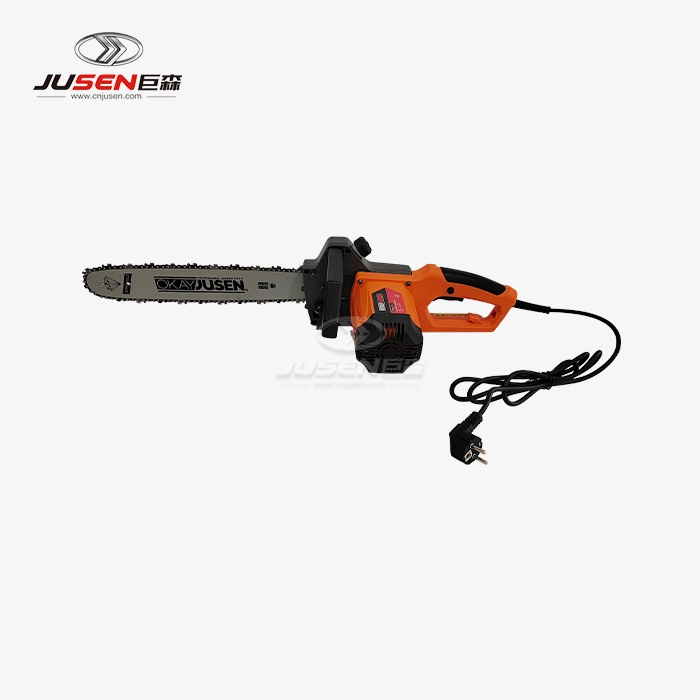 VIEW MORE16-Inch Hand Battery Chainsaw
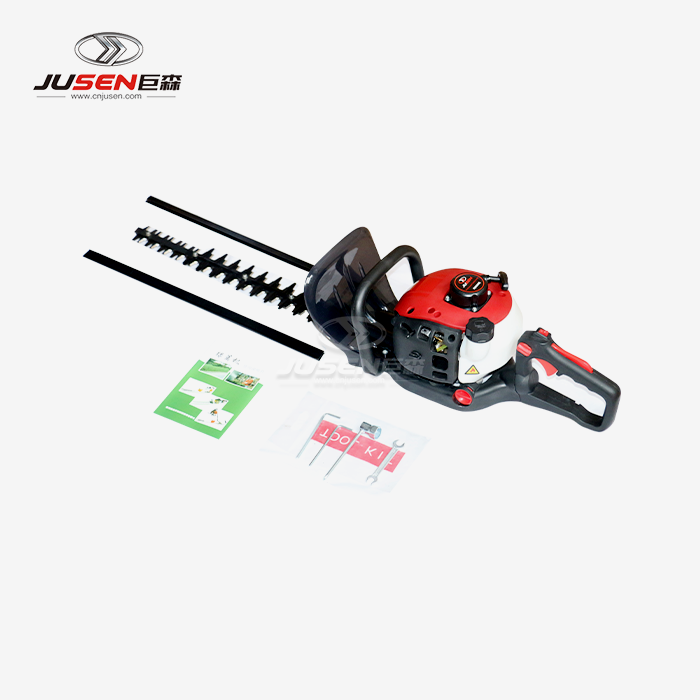 VIEW MORE22.5cc Gas Powered Hedge Trimmer
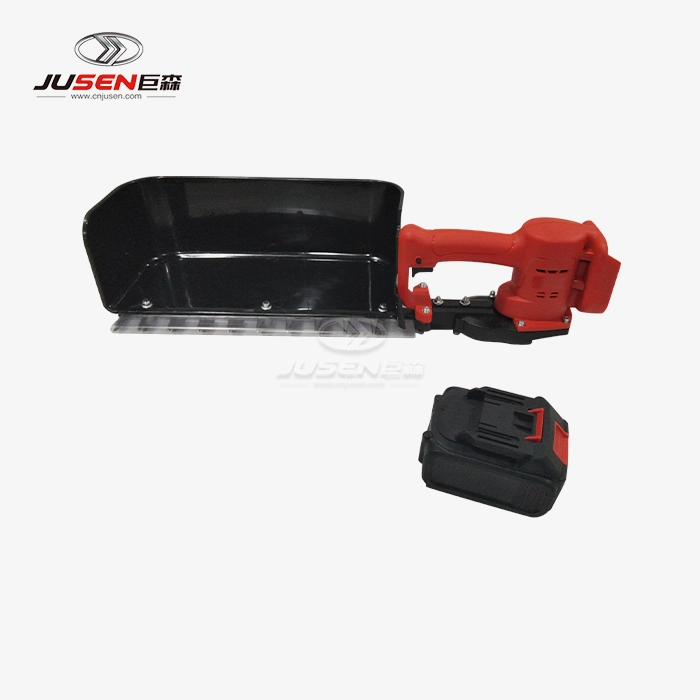 VIEW MORE21v Lithium-Ion Brushless Hedge Trimmer
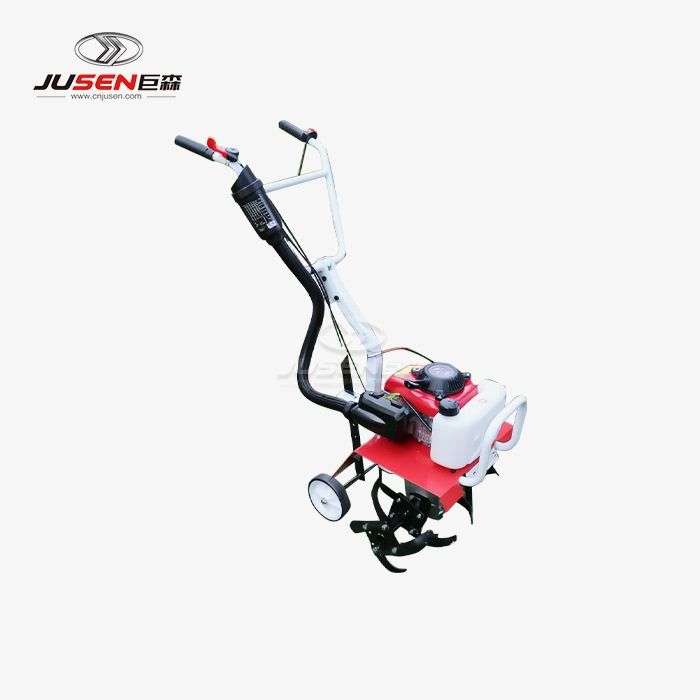 VIEW MORELightweight Garden Cultivators
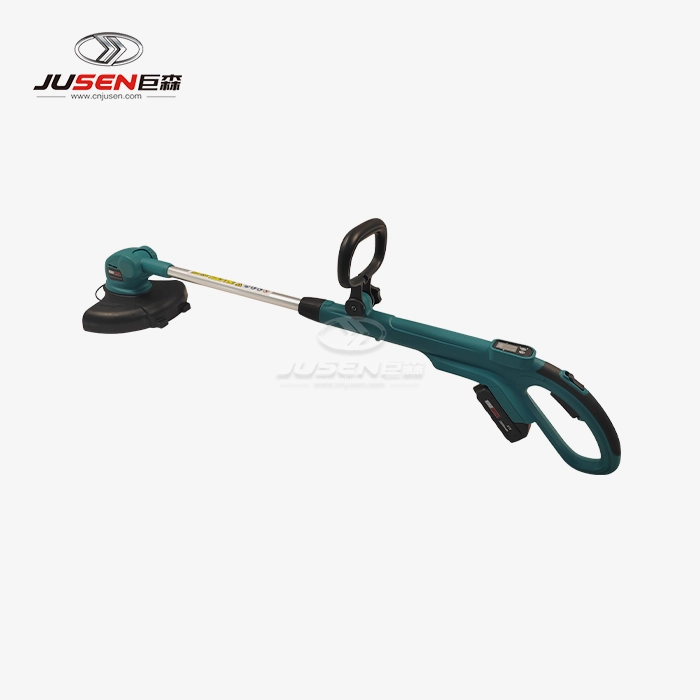 VIEW MORE21v Electric Grass Brush Cutter
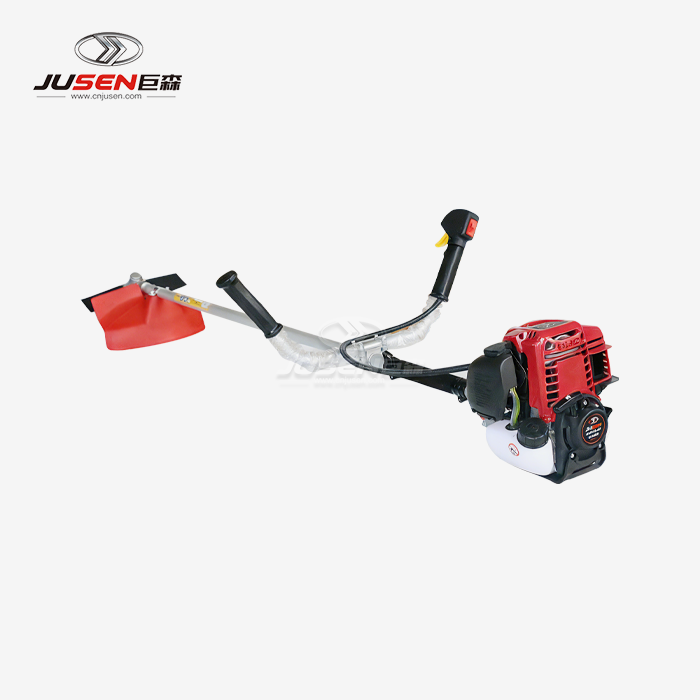 VIEW MORE35.8cc 4-Stroke Petrol Brush Cutter