




How Does Engine Design Affect a 65cc Gas Powered Chainsaw’s Power?
The power output and dependability of a 65cc gas-powered chainsaw are directly related to the design of the engine. How well fuel is turned into cutting force depends on the displacement volume, cylinder layout, carburetor tuning, and combustion chamber shape. The 65cc gas-powered chainsaw two-stroke engine is well-designed, with Nikasil-plated cylinders and improved porting that gives high-RPM power that keeps the chain speed steady when it's working hard without getting too hot. The split-magnesium crankcase design is better at handling thermal stress than plastic options. This means that it will always work well in heavy-duty forestry operations where skilled loggers and trees need cutting power all the time.
Understanding the Basics of 65cc Gas-Powered Chainsaw Engines
What Engine Displacement Means for Cutting Power?
Displacement is the total amount of space that the piston moves through inside the cylinder in one full stroke. When it comes to professional chainsaws, a 65cc engine is the best mix of portability and power. Power levels in this displacement class range from 3.0 to 3.6 kW, which lets workers easily move guide bars that are 20 to 28 inches long. The bigger displacement compared to smaller 50cc types means more power, which keeps the chain from stopping when cutting through thick hardwoods like oak or hickory. When purchasing equipment for business logging or emergency action, the relationship between cubic centimeters and power output is very important.
Core Components That Drive Performance
The engine design of a 65cc gas-powered chainsaw is made up of several parts that work together. The piston, which squeezes the fuel and air mixture before ignition, is inside the cylinder. Putting Nikasil covering on the walls of the cylinder cuts down on friction and wear, which greatly increases the service life. To keep the engine from seizing up and carbon buildup happening, the carburetor measures exact fuel-to-oil ratios, usually 50:1 when using JASO FD grade synthetic oil. The magneto coil controls the speed of the spark plug's firing to make sure it happens at the best time for maximum expansion pressure. The muffler controls the flow of smoke and noise levels, and the air filter keeps sawdust and other waste from getting into the engine. Each part has an effect on the general power delivery and operating longevity. This means that the quality of each part is a key factor in figuring out the total cost of ownership.
Power-to-Weight Ratio and Operational Efficiency
Power-to-weight ratio is important to professional users because it has a direct effect on how tired operators are and how much work they get done. A normal 65cc powerhead runs at about 4.0 to 4.8 horsepower and weighs between 6.0 and 7.0 kg. This measure is better than consumer-grade models, but it's still easy to use for long periods of time. The engine can keep going at 12,500 RPM even when it's under a lot of stress because it has good thermal control and strong internal limits. When used with modern anti-vibration systems that keep handle vibrations below 4.5 m/s², workers can stay on the job longer without sacrificing safety or accuracy. Because of these performance traits, displacement in this class is very appealing to professional landscapers and forestry crews that are in charge of mixed hardwood stands.

Key Engine Design Factors That Influence Power Output
Two-Stroke Configuration Advantages
Two-stroke engines are used in most professional-grade 65cc gas-powered chainsaws because they produce more power per unit of capacity than four-stroke engines. In a two-stroke cycle, burning is finished in one wheel turn instead of two. This makes the engine more powerful and easier to build. Fewer moving parts mean less work to do on them and less weight altogether. Higher fuel use and tailpipe pollution are the price to pay, but new engine designs use advanced porting and stratified scavenging to make them more efficient. The two-stroke design is still the standard for professional logging jobs that need to keep producing a lot of wood. This is because it has been shown to work reliably in harsh circumstances.
Cylinder Bore and Stroke Dimensions
The power and RPM of an engine are determined by the relationship between the bore width and the piston stroke length. When the bore is bigger and the stroke is shorter, the chain speeds up and turns more quickly, which is great for limbing and pulling tasks. On the other hand, a smaller bore with a longer stroke makes more low-end power, which helps cut trunks with a big diameter. To make the torque curve work best for a given application, engineers balance these measurements. The split-magnesium crankcase construction supports these design choices by keeping the structure solid under high heat loads. This stops twisting that could hurt compression ratios and power delivery.
Carburetor Tuning and Fuel System Precision
Calibration of the carburetor is a key part of making burning as efficient as possible. Carburetors from Walbro and Zama have high-speed and low-speed screws that can be adjusted to fine-tune fuel flow across a wide range of RPM. The right settings keep the engine stable while it's running at around 2,800 RPM and stop lean seizures when the throttle is opened all the way. For the best combustion, the fuel blend needs to be fully atomized. This can only be done with exact jetting that is adjusted for altitude and temperature. These days, carburetors have accelerator pumps and adjusting systems that keep the engine running smoothly even as air screens collect dirt. To keep downtime to a minimum, procurement managers should make sure that makers give clear tuning instructions and make new parts available.
Ignition Timing and Spark Plug Specifications
When the spark plug fires depends on where the piston is in relation to the engine. Advanced timing makes the engine make more power, but it also raises the temperature of the combustion process, which could lead to pre-detonation and damage to the engine. Delaying the timing saves fuel and lowers heat stress, but it lowers the engine's peak performance. To balance these factors, manufacturers set ignition curves, which usually involve using electronic units that change timing based on how much the engine is being used. The spark plug's temperature range needs to fit how the engine works. If it's too cold, fouling will happen, and if it's too hot, the electrode will wear away too quickly. The 65cc expert model from JUSEN has precise ignition timing that is set up for long-term high-RPM operation. This makes sure that the engine starts reliably and delivers steady power throughout the job cycle.
Cooling and Air Filtration Systems
Power loss and mechanical failure can be avoided with good temperature control. Two-stroke engines that are cooled by air use cooling fins cast into the cylinder and exact airflow ducts to get rid of heat. When there isn't enough cooling, the piston expands too much, which causes it to seize. The improved fin shape and shroud design of high-performance engines speed up air flow without adding too much weight. Performance is also affected by air filtering. Clogged screens stop airflow, which makes the fuel mixture richer, which lowers power and increases carbon deposits. Pleated paper or foam elements in multistage filter systems make service times longer and protect internal parts. Regular care of these systems keeps the engine running at its best and keeps expensive fixes from happening.
Comparing 65cc Engine Designs with Other Displacements and Technologies
Advantages Over Smaller Displacement Models
When a 24-inch bar is buried in thick hardwoods, 50cc chainsaws have a hard time. The engine doesn't have enough power, which slows down the chain and makes the bars rub against each other more. Because of this lack of power, workers have to put too much downward pressure on the machine, which speeds up the wear on the chain and bars and lowers the accuracy of the cut. A 65cc gas-powered chainsaw engine gets rid of these problems, keeping the chain moving at the right speed even when it's loaded and stopping stops. This class is perfect for cutting down medium-diameter trees up to 30 inches in diameter at the base. The extra movement also allows for longer guide bars without limiting mobility. Professional logging operations' procurement teams know that the small weight increase makes a big difference in output and keeps operators from getting frustrated.
Trade-Offs with Larger Displacement Saws
Chainsaws with more than 70cc engines have more power, but they are very hard on the users' bodies. Models in the 90cc range weigh 8 to 10 kg, which makes them very tiring to use when cutting or limbing trees from above. The amount of fuel used goes up equally, which raises costs and means that the vehicle needs to be refueled more often, which slows down work. Its 65cc displacement is just the right size for most professional tasks, giving you enough power without making it hard to handle like a heavy wood saw would. This compromise is especially useful for arborists and emergency aid teams because it lets them cut in a variety of situations without having to use different saw sizes.
Electric and Battery-Powered Alternatives
Chainsaws that are driven by batteries have come a long way, and now they offer immediate torque and no pollution. Lithium-ion technology, on the other hand, reduces life and power output compared to gasoline models. A professional-grade battery saw might have 1.5 to 2.0 kW of power, which is enough for light cutting and trimming but not for long periods of heavy work. Over time, batteries lose some of their power, and being cold makes them work much less well. Gasoline chainsaws have constant power no matter what the temperature is, and they can be refueled in minutes instead of hours like battery chainsaws do. When you look at the total cost, you have to include how often the batteries need to be replaced, which is usually every 300 to 500 charge cycles. Even though battery technology keeps getting better, gasoline engines are still the best choice for business logging and emergency services that need to work all the time.

Practical Implications of Engine Design on Procurement and Usage
Matching Engine Specifications to Application Demands
Decisions about what to buy should be based on how well the engine meets operating needs. For urban forestry projects to work, saws that are reliable and can cut a wide range of tree types and sizes are needed. This range can be handled by a 65cc gas-powered chainsaw, which has guide bars that are long enough to remove big trunks but small enough to fit in tight areas. For loggers, long-lasting power output and longevity are very important, so they need engines with good heat control and strong crankcase construction. The professional model from JUSEN meets these needs with its split-magnesium structure and Nikasil-plated cylinders that can handle high loads all the time. Because of limited funds, the original cost of purchase must be weighed against the costs of repairs and fuel use. It is known that high-quality engine design lowers long-term ownership costs by making engines more reliable and extending service times.
Fuel Efficiency and Operational Costs
The amount of fuel used has a direct effect on how profitable business logging operations are. Under normal conditions, a well-tuned 65cc engine uses about 0.6 to 0.8 liters of gas per hour. Maintaining the air filter and calibrating the carburetor have a big effect on how well the saw works. Saws that aren't set correctly waste fuel and make too much exhaust smoke. Stratified scavenging is used in modern engines to cut down on fuel loss during the combustion phase. This improves the economy without losing power. Operators should figure out how much fuel the equipment will use over its expected lifetime, taking into account current fuel prices and the need for regular repair. The optimized fuel system in JUSEN provides reliable performance in a range of working situations while reducing fuel use. This helps professional users keep costs down.
Maintenance Requirements and Downtime Prevention
The shape of the engine directly affects how often and how hard it is to maintain. To keep working at their best, two-stroke engines need to have their spark plugs, air filters, and fuel filters checked regularly. Nikasil-plated cylinders last longer between piston and ring changes because they don't wear down as quickly as chrome-plated ones. Split-magnesium crankcases can handle more temperature cycling without losing compression or leaking. Procurement managers should look at the help networks and parts availability of manufacturers, keeping in mind that downtime for tools means lost work time. JUSEN's 20-year history shows that they are dedicated to a reliable supply chain and full after-sales support, making sure that customers can quickly get real substitute parts. Performing compression tests and leak-down analyses at regular repair times can find problems before they become major, which increases the uptime of the equipment.
Compliance with Emissions and Noise Standards
Different countries have different rules. In North America, for example, EPA Phase 3 and CARB Tier III guidelines control emissions. Under machinery rules, European markets have strict noise limits. Engine designers need to find a balance between power output and environmental compliance. To do this, they use catalytic mufflers and improved combustion chambers to cut down on pollution. Equipment that doesn't follow the rules could get fined or be limited in how it works, so checking the approval is important when buying something. The 65cc gas-powered chainsaw from JUSEN has CE approval, which means it meets safety and quality standards. Buyers should ask for proof that the business is following the rules in the places where it does business. This will protect the business from liability and keep workers safe.
Leading 65cc Gas-Powered Chainsaw Models and Manufacturer Innovations
Industry-Leading Technologies and Features
Leaders in the market are always improving engine technologies to make them work better and make using them more enjoyable. Anti-vibration systems have changed over time from basic rubber bases to complex spring-damped separation platforms that make handles much less likely to shake. This new idea directly addresses the problems of operator tiredness and long-term health issues that come with being exposed to mechanical shaking for a long time. Professional safety standards say that quick-response chain brake systems must engage within 0.12 seconds of a kickback exercise. This keeps workers from getting seriously hurt. Even though it's still new in this displacement class, fuel injection technology promises better cold starts and altitude adjustment. Our professional-grade model from JUSEN includes tried-and-true improvements like designed dampening systems and precise carburetor tuning that make it work reliably in tough conditions.
JUSEN's Professional-Grade Solution
Our 65cc gas-powered chainsaw is the result of more than 20 years of experience making professional forestry tools. This model is one of the most powerful in its class, with a reported power output of 3.2kW and a top speed of 12,500 RPM. The ability to work with guide bars from 20 to 28 inches makes it useful for industrial logging, disaster aid, and arboriculture. The split-magnesium crankcase can handle high temperatures that would distort weaker materials, so it keeps delivering power and compression over long duty cycles. Advanced anti-vibration systems keep operators comfortable during long operations, which lowers mistakes caused by tiredness and raises the accuracy of the cuts. These tech decisions show that we know what professional users want and are dedicated to making tools that boost output while keeping costs low.
Sourcing from Trusted Manufacturers
The dependability of the supply chain has a big effect on the continuity of operations for business users. Manufacturers that have been around for a while and have a good track record offer steady product quality and full guarantee support. Jinhua, Zhejiang, China, is home to JUSEN. Our location there puts us in a mature manufacturing setting that gives us access to high-quality parts and strict quality control procedures. Because we've worked with well-known brands before, we can help new companies start their own named product lines that give them an edge over the competition. Since we started in September 2004, our business has grown steadily thanks to stable quality and high cost-performance ratios. It's good for procurement teams to work with makers who are responsible, skilled, and determined to keep providing professional-grade equipment that meets changing market needs.
Conclusion
Professional chainsaws' power, economy, and dependability are all based on how the engines are built. The 65cc displacement class strikes the perfect mix between cutting power and ease of use for the operator. This makes it an essential tool for industrial logging, emergency services, and arboriculture. Performance and total ownership costs are directly affected by important design factors such as the building of the cylinders, the setting of the carburetor, the timing of the spark plugs, and how heat is managed. When procurement workers understand these technical factors, they can make choices that match the skills of the tools with the needs of the business. Because JUSEN is dedicated to quality engineering and customer service, professional users can get tools that work well even in tough conditions and come with a guarantee that covers everything and parts that are easy to find.
FAQ
How does engine displacement affect cutting power in professional chainsaws?
The capacity of an engine is directly related to its power output and torque reserves. A 65cc engine makes about 3.2kW, which is enough power to keep the chain moving when cutting thick trees with guide bars up to 28 inches long. When compared to smaller models, larger displacement models keep the chain from stalling and require less work from the operator.
What maintenance practices sustain engine efficiency over time?
Cleaning the air filter, checking the spark plugs, adjusting the carburetor, and maintaining the fuel system on a regular basis all keep the engine running well. Every 50 hours of operation, compression testing finds wear before it causes failure. Using JASO FD-rated synthetic oil in the right amount stops carbon buildup and makes parts last longer.
Do different 65cc models vary significantly in fuel consumption?
Fuel use depends on how the carburetor is tuned, how much the engine is loaded, and how it is being used. Models that are well taken care of use 0.6 to 0.8 liters of gas per hour. Engines that have improved porting and layered scavenging work more efficiently. When equipment is properly adjusted, it doesn't waste fuel and costs less to run over its lifetime.
Partner with JUSEN for your 65cc gas-powered chainsaw supplier needs.
With 20 years of experience making high-quality products, JUSEN makes professional-grade chainsaws that are designed for tough forestry tasks. With its Nikasil-plated pistons, split-magnesium engine construction, and precision anti-vibration systems, our 65cc gas-powered chainsaw is a modern take on the tried-and-true two-stroke technology. We help professional users and wholesalers by offering reasonable bulk prices, full warranty services, and dependable supply chain management. JUSEN offers customized solutions that improve performance and value, whether you're buying gear for logging teams, building your own brand, or finding reliable gear for city forestry operations. Get in touch with us at Sales1@cnjusen.com to talk about how our professional-grade 65cc gas-powered chainsaw can help your business and make your customers happier.
References
1. Society of Automotive Engineers. "Small Engine Performance Standards and Testing Protocols." SAE Technical Paper Series, 2022.
2. Anderson, Robert L. "Two-Stroke Engine Design and Optimization for Portable Power Equipment." International Journal of Engine Research, Vol. 24, No. 3, 2023.
3. Forest Products Laboratory. "Chainsaw Selection and Maintenance for Professional Forestry Operations." U.S. Department of Agriculture Technical Report, 2021.
4. Miller, James, and Thompson, Sarah. "Comparative Analysis of Gasoline and Battery-Powered Chainsaws in Commercial Applications." Journal of Forest Engineering, Vol. 18, No. 2, 2023.
5. International Organization for Standardization. ISO 11681-1: Machinery for Forestry—Portable Chain Saws—Safety Requirements and Testing." Geneva: ISO Standards, 2022.
6. Chen, Wei, and Larson, Mark. "Advances in Anti-Vibration Technology for Handheld Power Tools." Ergonomics and Mechanical Systems Journal, Vol. 31, No. 4, 2023.

USER EVALUATE
Here is the customer's evaluation of us
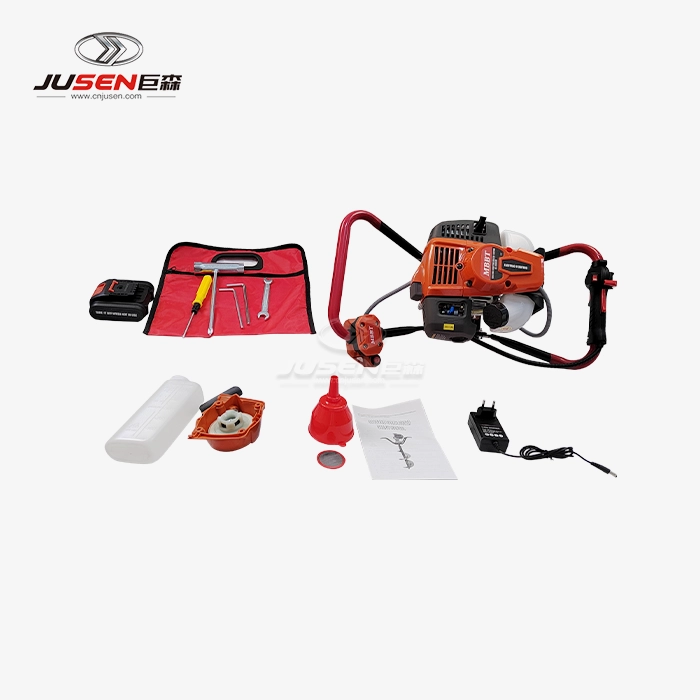 VIEW MORE43cc 2-Stroke Electric-Start Earth Auger
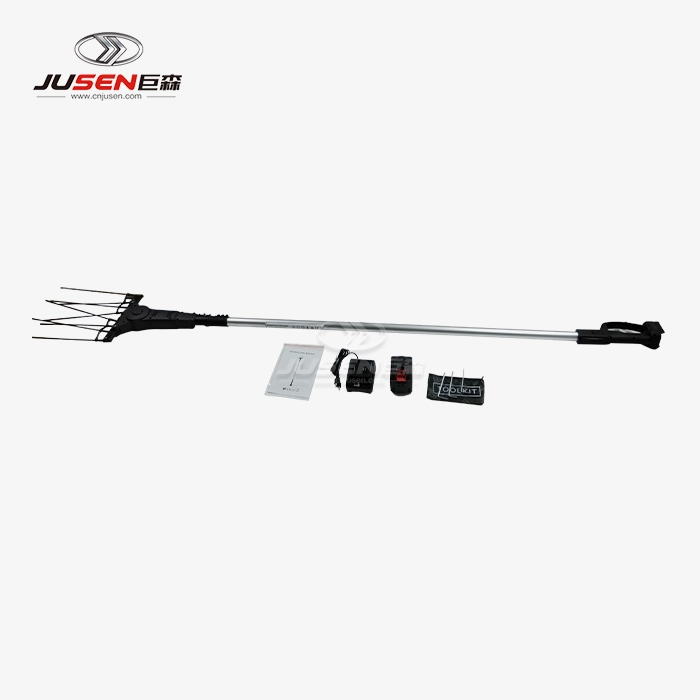 VIEW MOREBattery Olive Harvester
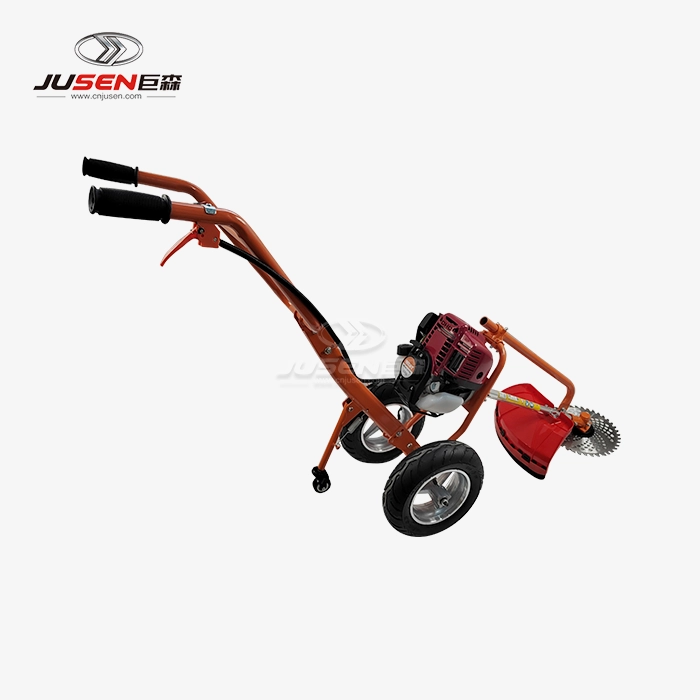 VIEW MORE2-Stroke Hand Push Brush Cutter
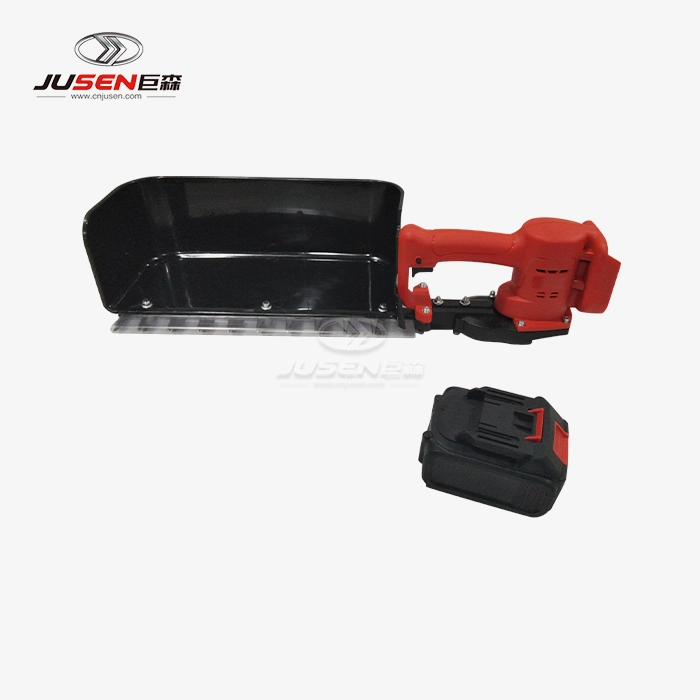 VIEW MORE21v Lithium-Ion Brushless Hedge Trimmer
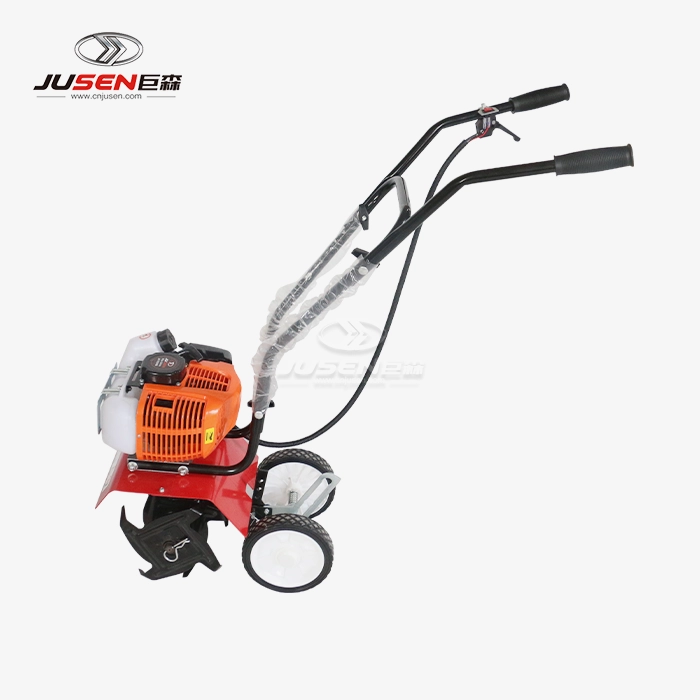 VIEW MORE2-Stroke Mini Tiller Cultivator
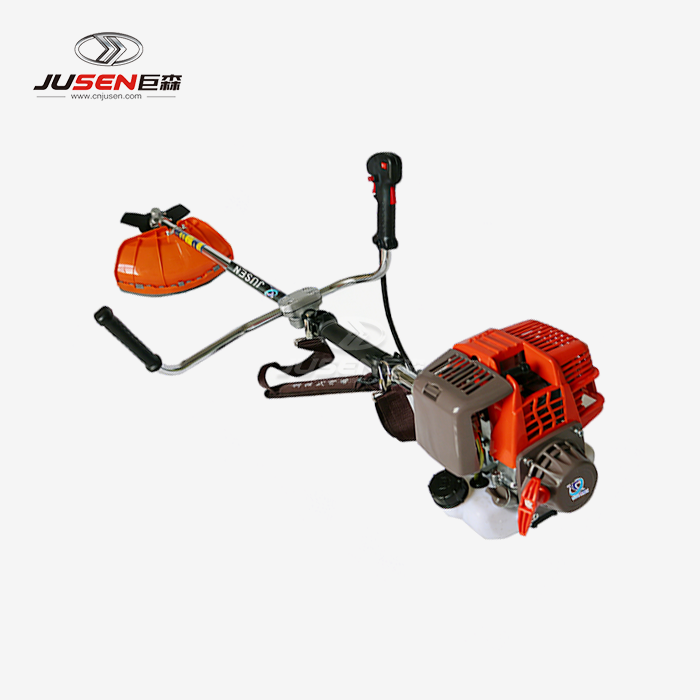 VIEW MORE31cc 4-Stroke Gas Brush Cutter
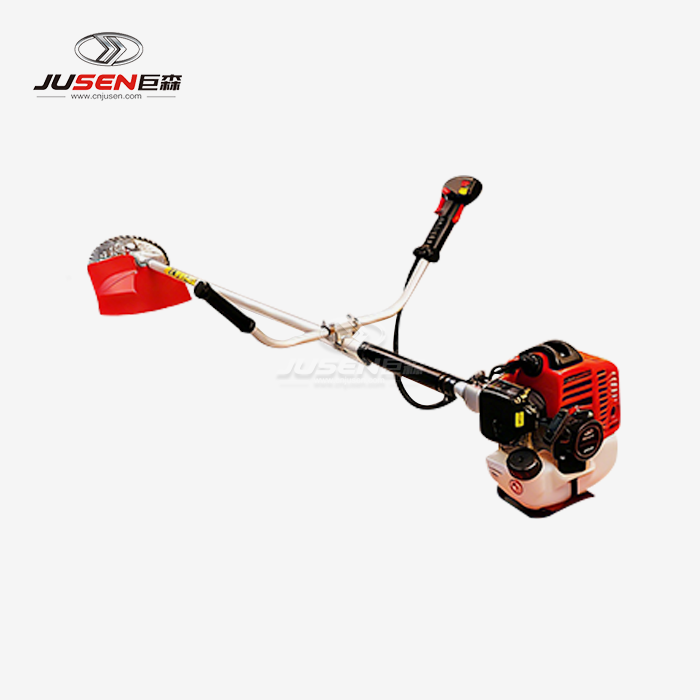 VIEW MORELightweight Petrol Brush Cutter
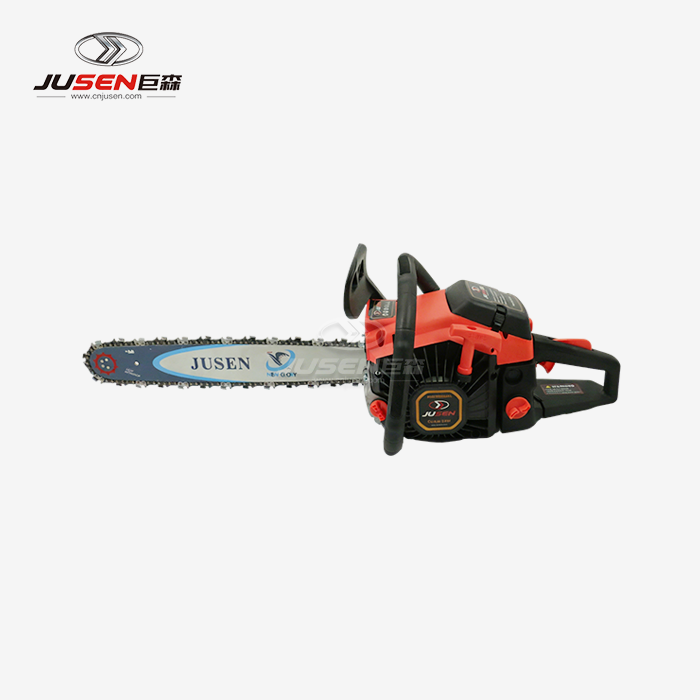 VIEW MORE58cc Gas Chainsaw