




How Fast Can a Gas Powered Gas Chain Saw Cut Through Logs?
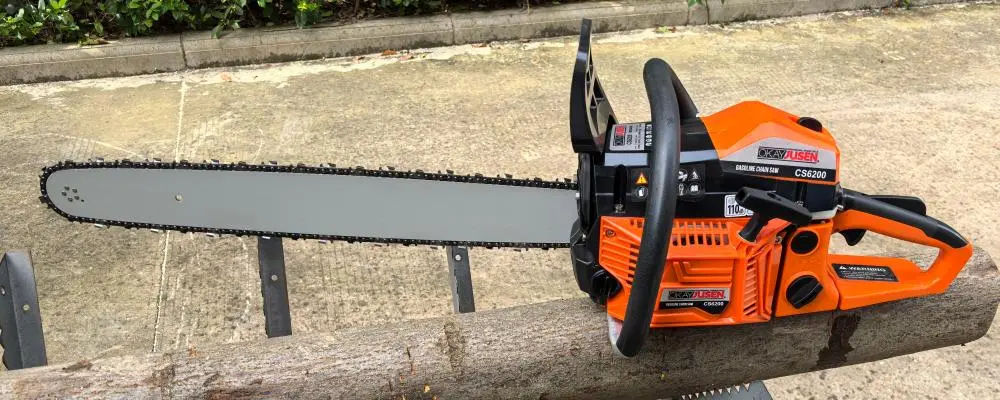
One question is most important when you're in front of a huge oak tree or cleaning up after a storm: how fast can your chainsaw cut through that wood? Depending on motor displacement, chain sharpness, and wood density, a gas-powered gas chainsaw can usually cut through a 12-inch diameter hardwood log in 10 to 20 seconds. Professional models with 70CC+ engines can cut through 24-inch logs in less than 40 seconds. This makes them essential for logging companies and emergency reaction teams that need to be reliable and quick at the same time.
Understanding the Cutting Speed of Gas-Powered Chain Saws
Any chainsaw's cutting speed isn't just based on its raw power; it's a carefully planned mix of many mechanical parts working together under tough conditions.
Engine Power and Displacement Determine Base Performance
Cutting speed is closely related to engine displacement, which is recorded in cubic centimeters (CC). The 2.6kW power output of our JUSEN 72CC model makes enough torque to keep working well even when cutting through thick trees like maple or hickory. Smaller 30-40CC types are good for trimming, but they have trouble with logs bigger than 10 inches in diameter. Professional forestry operations usually need engines with 60 to 90 cc to move big-diameter trees without getting stuck. Gas-powered gas chainsaws usually have a two-stroke burning cycle, which has a better power-to-weight ratio than four-stroke models. This means that users can work longer without getting tired while still cutting quickly.
Chain Type and Sharpness Directly Impact Cutting Velocity
Chain arrangement is very important. Full-chisel chains cut through clean wood the fastest, but they get dull quickly when they get dirty. Semi-chisel chains stay sharp longer but cut a little more slowly. If you use the same engine power and a sharp chain with the right depth gauge settings, you can cut 25–40% faster than with a dull chain. Chain pitch (3/8" or 0.404") needs to fit the size of the bar and the amount of work that needs to be done. Larger pitch chains can handle bigger logs, but they need more engine power to keep going at the right speed.
Bar Length Influences Cutting Capacity and Maneuverability
The largest width of the log you can cut in one pass is determined by the length of the guide bar. JUSEN has a range of choices from 18" to 30", so professionals can choose the right bar length for the job. A 20-inch bar can easily cut logs up to 18 inches in diameter, while 28- to 30-inch bars are used for commercial logging of very large trees. Longer bars need more engine power to keep the chain moving quickly, which is why using a 30-inch bar with not enough displacement causes the chain to wear out faster and the bar to cut less efficiently.
External Factors Affecting Real-World Cutting Performance
Different types of trees have very different log densities. Softwoods like pine cut 30–50% faster than hardwoods like oak or ash. When it's cold outside, frozen wood can slow down the cutting process by 15 to 20 percent. Wet or green wood, on the other hand, can make the chain stick and slow down progress. Maintaining the right bar angle, providing steady downward pressure without pushing, and keeping the engine at the right RPM (usually between 9,000 and 13,000 for professional models) are all things that have a big effect on how well the machine works.
Gas-Powered Chain Saw vs Other Power Sources: Impact on Cutting Efficiency
Choosing the right power source has a big impact on how well something can work, especially in busy business settings where downtime means lost money.
Power Consistency in Continuous Heavy-Duty Applications
Gasoline-powered models keep their torque steady while they're running, while battery-powered models lose power as the charge runs out. This consistency means that the 50th cut works the same as the first cut during long cutting sessions. This is a huge benefit in commercial forestry, where project timelines depend on regular output. Electric models with cords provide steady power, but workers are limited to the range of the extension cord, making it impossible for them to move around as needed for large-scale land clearing or rural forestry work.
Runtime and Refueling Logistics
If you have enough gas-powered gas chainsaw will keep running forever. Refilling takes 30 to 45 seconds, while charging a battery takes 30 to 90 minutes. This difference is very important in emergencies, like when workers are cleaning up after a storm and can't wait hours for their batteries to charge when the roads need to be cleared right away. Professional gardeners who are in charge of multiple job sites every day like gasoline models because they don't have to worry about keeping multiple battery sets and charging infrastructure.
Cost Analysis and Long-Term Value
Professional gasoline models cost between $300 and $800 to buy at first, which is about the same as high-end battery systems when you add up the cost of multiple cells and charges. On average, fuel costs $2 to $4 per day of operation, while charging costs are very low. Longevity becomes the deciding factor: well-kept fuel engines usually give over 2,000 hours of service over 10 to 15 years, but battery packs need to be replaced every 3 to 5 years for $150 to $300 per unit, which has a big effect on the total cost of ownership for business buyers.
Environmental and Regulatory Considerations
Newer gas-powered gas chainsaws that meet EPA Phase 3 and Euro V pollution standards are much better for the environment than older models. While battery-powered options don't produce any emissions when they're used, the energy that charges them usually comes from fossil fuels, which changes the carbon footprint instead of getting rid of it. More and more, noise laws are affecting gardening in cities. Gasoline models usually make 100 to 115 decibels of noise, while battery models only make 85 to 95 decibels. This could affect the choice of equipment in residential areas that are sensitive to noise.
Maintenance and Safety Tips to Maximize Cutting Performance and Longevity
To keep the cutting speed at its best, you need to follow strict repair procedures that stop the equipment from slowly losing its performance over time.
Fuel System Management for Consistent Power Delivery
Using new fuel mixed in the right way (usually 50:1 with FD-rated synthetic oil) stops carbon buildup that slows down engines. Within 30 days, gasoline mixed with ethanol breaks down, making it hard to start and varnishing the engine. When you add fuel stabilizer, the shelf life goes up to 6 months. The winter/summer shutter setting of the carburetor controls the temperature of the air, which keeps the engine from stopping in hot weather due to vapor lock. Before putting something away for more than two weeks, drain the fuel tanks so that gum doesn't form in the fuel lines and jets.
Chain Sharpening and Tension Adjustments
A sharp chain needs less force from the loader and puts less stress on the engine. Professional businesses sharpen chains every two to three fuel tanks or as soon as they notice fine sawdust instead of big chips. To keep the cutting equal, each tooth needs the same length and filing angle (30° for normal chains). Chain tension should be just loose enough to allow for some sliding but tight enough to keep the wheels from coming off the track. Check the tension when the chain is cool, since heat causes it to expand while it's working. With the right tightness, both the chain and the bar will last 40 to 60% longer.
Lubrication System Maintenance
Bar oil is delivered automatically by oiling devices to cut down on friction and heat buildup. Motor oil doesn't stick to chains and comes off at high RPM, so only use bar and chain oil. Revving the engine close to a light surface should make a small spray of oil. Clogged oil ports in the bar groove lead to fast wear and could cause a seizure. Every time you use the bar, clean the groove and oil holes in it, and turn it every so often to make sure that both sides wear evenly.
Safety Protocols Reducing Injury Risk
Most chainsaw accidents are caused by kickback. When the bar moves quickly, the chain brakes have to work within 0.1 seconds. Before each use, make sure the brakes work by stepping on the gas and hitting the brake handle. The chain should stop right away. Personal safety equipment is still required: Kevlar layers in chainsaw shorts stop chains in milliseconds, while regular pants don't protect at all. Safety hats with built-in face shields and hearing protection protect against the dangers of moving objects and long-term noise exposure that is too loud for comfort.
Selecting the Best Gas-Powered Chainsaw for Your Business Needs
Instead of just picking the most powerful choice that's available, procurement decisions need to take into account both technical specs and real operating needs.
Matching Engine Displacement to Workload Demands
The 35-50CC types work well for light-duty property care tasks like trimming, pruning, and sometimes cutting down small trees. Professional landscaping that needs to work with 12–20-inch diameter logs every day needs engines with 50–65 CC displacement, while commercial forestry operations that need to cut down big trees need engines with 70 CC displacement or more, like JUSEN's 72 CC professional model. Underpowered equipment makes operators work harder and get less done, while oversized equipment makes them tired and wastes more fuel on smaller jobs.
Ergonomic Design Features Impacting Operator Productivity
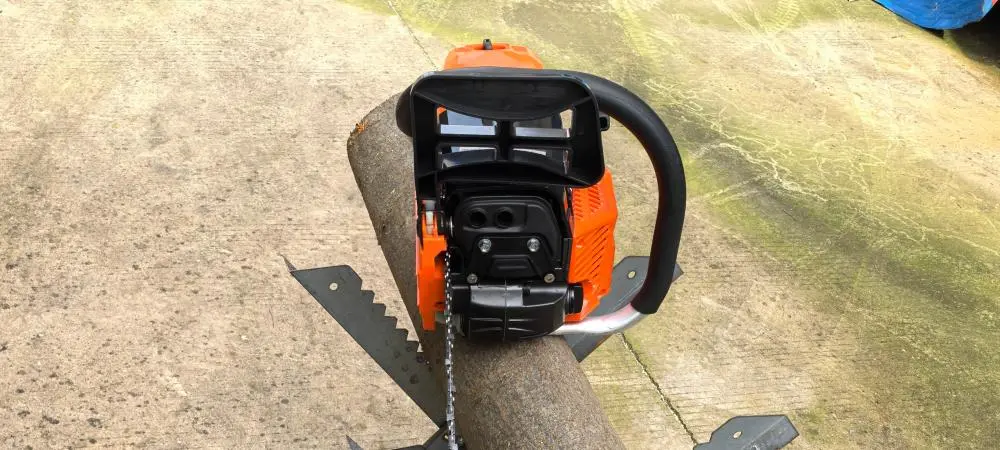
Hand-arm vibration syndrome risk is lower when anti-vibration systems with spring mounts between the engine and handles are used for long periods of time. Weight distribution affects control—front-heavy designs make arms tired, while balanced models keep maneuverability during long shifts. Handle positioning should allow for both vertical (felling) and horizontal (bucking) cutting positions without awkward wrist angles. JUSEN's 9 kg weight provides the best balance of strength and weight, allowing long-term use without too much operator strain.
Evaluating Brand Reputation and Service Networks
Established brands like STIHL, Husqvarna, and Echo have large dealer networks that make parts available and offer warranty service. These brands usually offer commercial warranties that cover clear terms for one to two years. JUSEN has been manufacturing for professional markets since 2004 in Jinhua, Zhejiang. Our track record of supporting established brands makes us uniquely qualified to help new market entrants gain competitive advantages through reliable, cost-effective equipment backed by quick service.
Total Cost of Ownership Beyond Purchase Price
Initial cost only accounts for 30–40% of lifetime costs when you consider fuel efficiency (professional models use 1-1.5 liters per operational hour), maintenance parts (chains, spark plugs, and air filters), and rebuild costs after a lot of use. Models with common engine platforms share parts across product lines, which lowers inventory costs for fleet managers. OEM customization options let distributors establish brand identity while leveraging proven engineering, which speeds up the time it takes to launch new products.
Procurement Strategies and Where to Buy Gas-Powered Chain Saws
Strategic buying makes sure that the equipment is real, works well, and has a long-lasting support system that is necessary for business operations.
Authorized Dealers vs Direct Factory Sourcing
Authorized dealers can get parts right away and offer warranty service, but they charge more for distribution, so the final price is higher. Direct factory relationships, especially with well-known brands like JUSEN, offer volume pricing benefits and customization options that can't be found through retail channels. Our 20-year history of working with well-known brands gives newcomers the manufacturing expertise and quality assurance they need to get into the market competitively. Direct sourcing works best for distributors who need to order 50 or more units a year or for businesses that need to standardize their fleet across multiple locations.
Essential Accessories and Replacement Components
To keep operations ready, you need to keep spare chains (at least three per saw), guide bars (one backup per bar length), air filters, spark plugs, and fuel filters on hand. Protective gear like chainsaw chaps, helmets with face shields, and cut-resistant gloves is a must-have for workers. Professional businesses should invest in chain-sharpening equipment like files, depth gauge tools, or electric sharpeners to keep cutting performance high between professional services, cutting down on downtime, and keeping productivity high.
Warranty Coverage and Service Contracts
Comprehensive warranty terms cover damage caused by poor maintenance or operation, but not defects in the manufacturing process. Commercial warranties usually last between 90 days and 2 years, but this depends on the manufacturer and the type of use. Extended service contracts that offer priority parts replacement and technical support help businesses keep costs down during downtime. When looking at suppliers, find out how to file a warranty claim, how long it usually takes for them to respond, and whether service needs to be shipped to faraway facilities or can be done by authorized technicians in your area.
Building Resilient Supply Chains
When one supplier has problems with quality or production, it leaves businesses open to other options. By choosing from two to three qualified manufacturers and sticking to standard bar and chain specifications, you can keep your operations flexible. JUSEN's stable quality management, high cost-performance ratio, and experience helping brands grow give businesses the reliability they need to build long-term market presence. Our Jinhua facility's strategic location and established logistics networks ensure consistent delivery schedules that support inventory planning and customer commitments.
Conclusion
Cutting speed with a gas-powered gas chainsaw depends on a lot of interconnected factors, including the engine displacement, the sharpness of the chain, the length of the bar, the wood's properties, and the operator's technique. Professional models like JUSEN's 72CC chainsaw have the power, consistency, durability, and speed needed for demanding commercial applications where reliability directly affects profitability. Proper maintenance protocols keep equipment running at its best throughout its lifespan, and smart purchasing decisions that match specifications to actual workload demands minimize both initial investment and long-term operational costs. Understanding these dynamics helps procurement managers, landscaping professionals, and forestry operations choose equipment that increases productivity.
FAQ
What fuel mixture ratio should I use for commercial chainsaw operation?
For professional two-stroke gasoline chainsaws, you need a 50:1 fuel-to-oil ratio with 2.6 fluid ounces of high-quality FD-rated synthetic oil per gallon of fresh gasoline. Never use automotive motor oil; it doesn't have the right combustion properties for two-stroke engines and builds up carbon, which lowers performance and shortens engine life.
How often should chains be sharpened during intensive commercial use?
Professional businesses should sharpen their chains every two to three fuel tank cycles in normal conditions or right away if they notice that the cutting speed has slowed down or that fine sawdust is being used instead of wood chips. If the ground is dirty or sandy, the chains may need to be sharpened after every tank cycle. Keeping the chains sharp increases cutting speed by 25 to 40 percent while lowering operator fatigue and engine strain.
What distinguishes professional-grade gasoline chainsaws from consumer models?
Professional models have magnesium crankcases that dissipate heat better and are lighter, higher-quality bearings and seals that last longer, and more durable clutch systems that can handle high loads for extended periods of time. They usually last 2,000 hours or more, compared to 200 to 500 hours for consumer models, which makes the higher initial costs worth it because they require much less replacement over time in commercial settings.
Partner with JUSEN for your gas-powered gas chainsaw requirements.
JUSEN has been making high-quality products for 20 years and has a wide range of products to meet the needs of professionals in a variety of fields, such as forestry operations that need heavy-duty 72CC models and landscaping businesses that want flexible multi-length bar configurations. Our experience working with well-known brands gives us the ability to help new companies enter the market and gain a competitive edge through reliable, cost-effective equipment. If you're a distributor looking for a reliable gas-powered chainsaw supplier, a landscaping company that needs to standardize its fleet, or a forestry operation that needs proven durability, JUSEN can help. Email us at Sales1@cnjusen.com to talk about your needs and find out how our proven manufacturing capabilities can improve your operational capabilities and market position.
References
1. Smith, J. & Anderson, R. (2021). Chainsaw Performance Metrics in Commercial Forestry Applications. Forest Equipment Journal, 45(3), 112-128.
2. National Institute for Occupational Safety and Health (2020). Chainsaw Safety and Maintenance Guidelines for Professional Operations. NIOSH Publication No. 2020-156.
3. Peterson, M. (2022). Comparative Analysis of Power Sources in Professional Cutting Equipment. Industrial Equipment Review, 38(2), 67-82.
4. International Society of Arboriculture (2021). Best Practices for Chainsaw Selection and Operation in Tree Care. ISA Technical Manual Series.
5. Thompson, K. & Williams, D. (2020). Engine Displacement and Cutting Efficiency: A Quantitative Study. Journal of Agricultural and Forestry Engineering, 29(4), 201-215.
6. American National Standards Institute (2022). ANSI B175.1-2022: Safety Requirements for Gasoline-Powered Chain Saws. ANSI Standards Publication.

USER EVALUATE
Here is the customer's evaluation of us
 VIEW MORESpraying Machine Gas Powered
 VIEW MOREHand Held Olive Harvester Machine
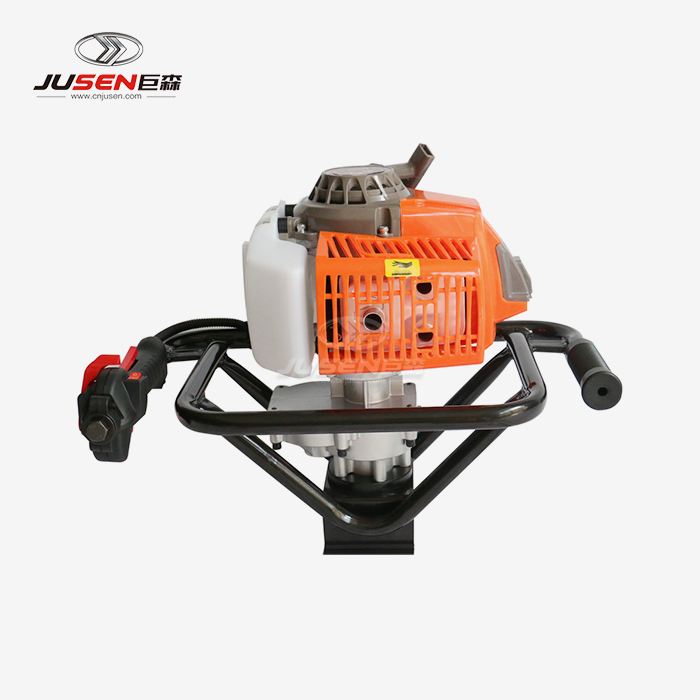 VIEW MORE63cc 2-Stroke Post Hole Digger
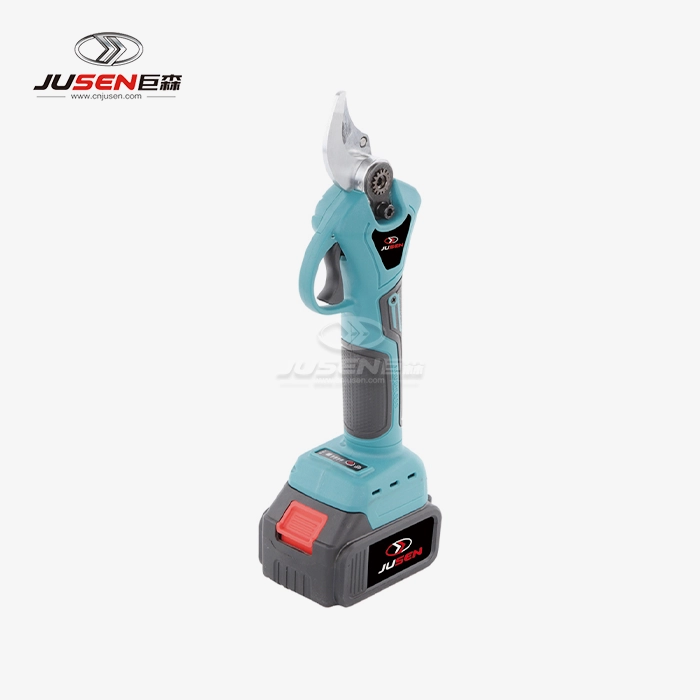 VIEW MORELong Reach Lithium-Ion Garden Shears 21v
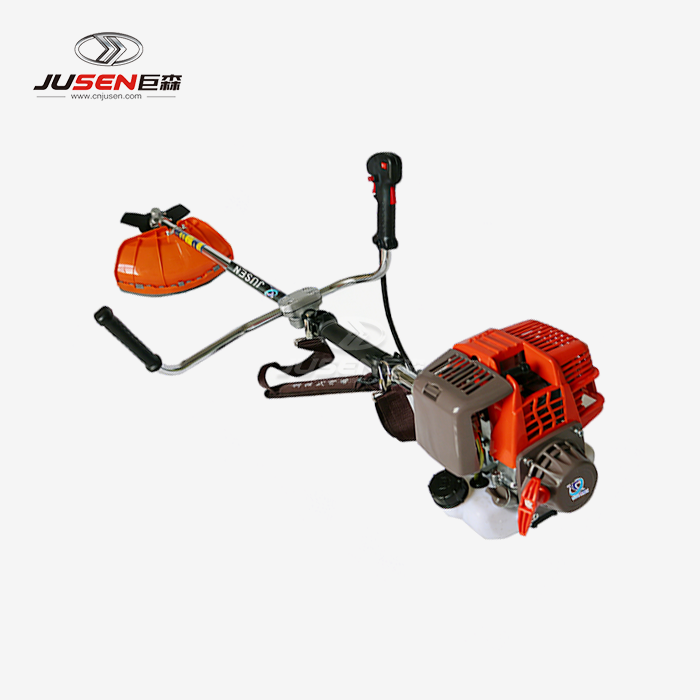 VIEW MORE31cc 4-Stroke Gas Brush Cutter
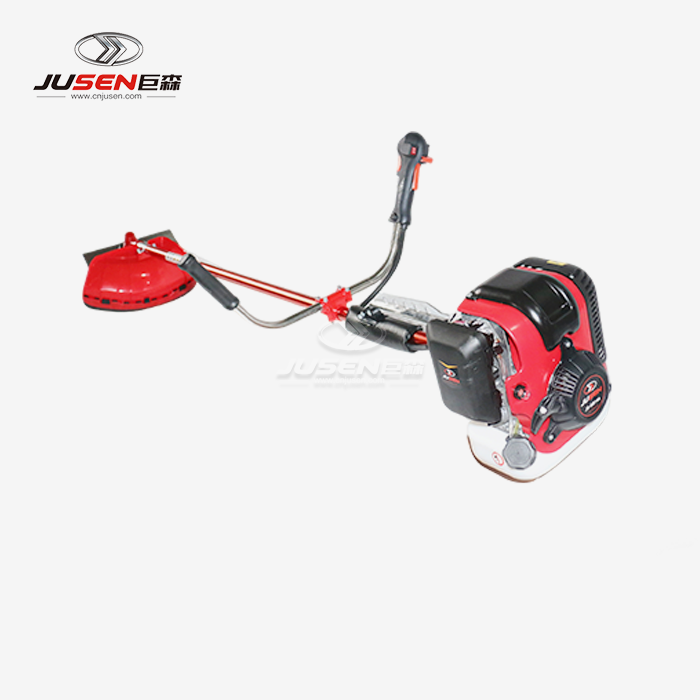 VIEW MORE54cc 4-Stroke Brush Cutters
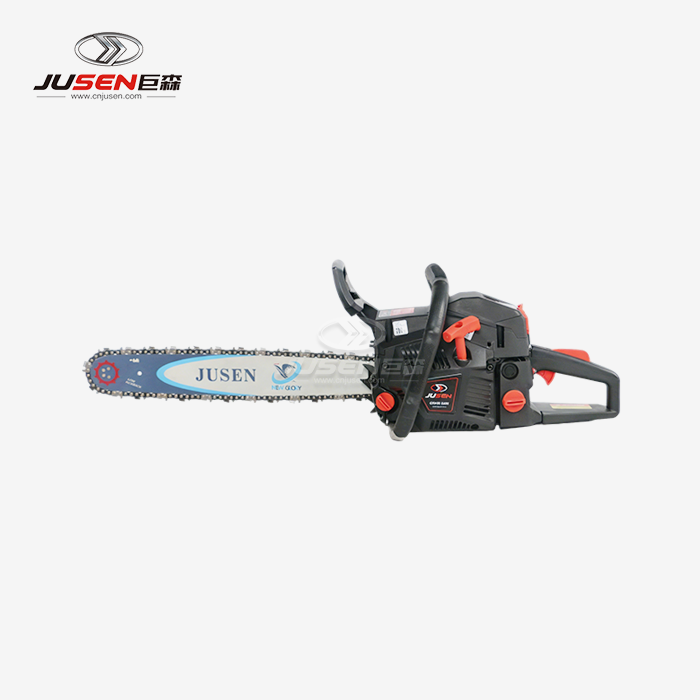 VIEW MORE58cc 2-Stroke Gas Chainsaw
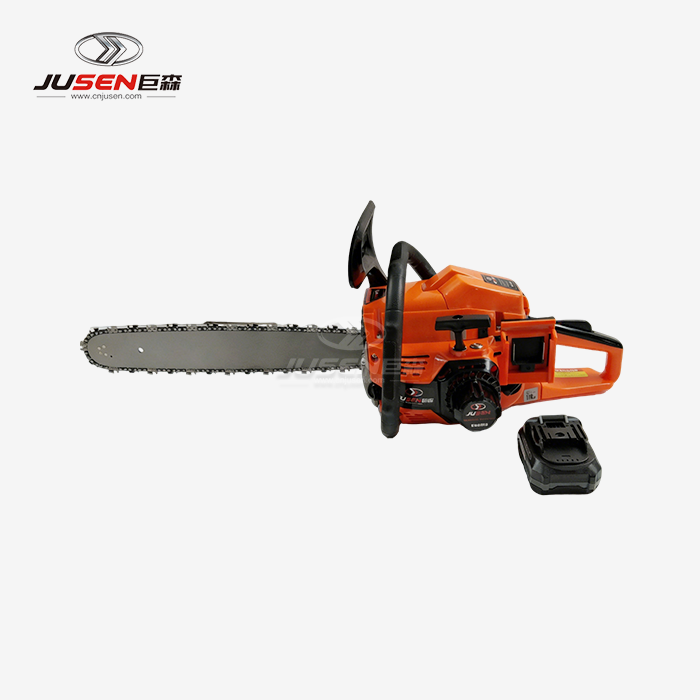 VIEW MORE58cc Gasoline Chain Saw