




Is a 65cc Gas Powered Chainsaw Worth It for Professionals?
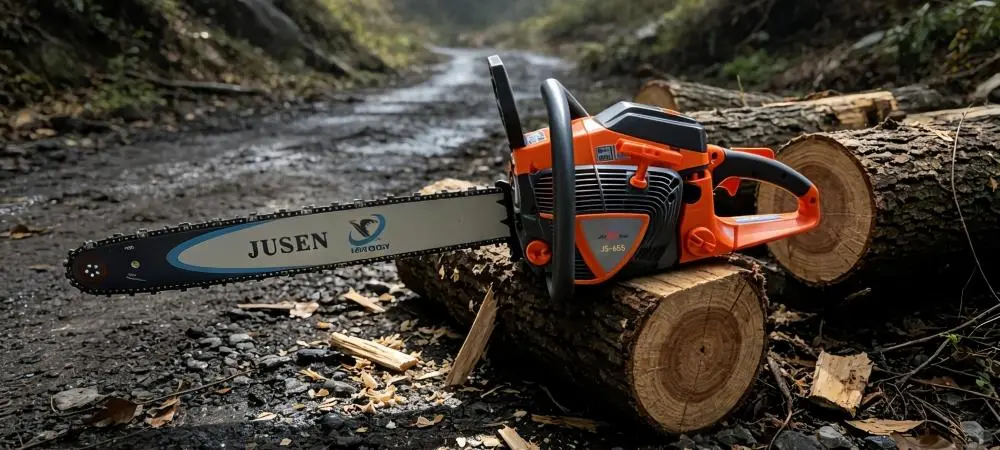
For professional loggers, arborists, and disaster relief teams, a 65cc Gas Powered Chainsaw represents an intelligent investment that bridges the gap between underpowered consumer tools and excessively heavy industrial equipment. This displacement class offers sufficient torque to handle hardwoods and medium-diameter timber up to 30 inches without the fatigue associated with larger saws. Unlike smaller models that stall under load, the 65cc engine maintains chain speed consistently, making it ideal for commercial logging, storm cleanup, and demanding tree service operations where reliability and performance directly impact productivity and safety.
Understanding the 65cc Gas Powered Chainsaw: Specs and Core Features
Engine Displacement and Power Output
The engine and how much power it can put out are the most important parts of any expert chainsaw. Usually, a 65cc Gas Powered Chainsaw has a 2-stroke internal combustion engine that puts out 3.0 to 3.6 kW of estimated power, which is about 4.0 to 4.8 horsepower. The professional-grade model from JUSEN is the best in this class. It has a strong 3.2kW power output and can go as fast as 12,500 RPM. This power range makes these chainsaws great for heavy-duty field work where steady torque is more important than peak horsepower.
Professional models are different from consumer models that use plastic clamshell designs because they have split-magnesium crankcases. Because of this technical choice, the engine can handle higher temperatures and continued RPM stress during long cutting sessions. The Nikasil-plated cylinder coating lowers internal friction and increases engine longevity, which is very important for workers who judge the worth of equipment by how many hours it is used instead of its purchase price.
Bar Length Compatibility and Cutting Capacity
One thing that makes a 65cc Gas Powered Chainsaw good is that it can be used with a variety of guide bar lengths. Professional operators need to be able to adapt their tools to different job needs. These chainsaws can use guide bars that are anywhere from 20 inches to 28 inches long. The "sweet spot" for balance and performance in the industry is between 20 and 24 inches.
To get rid of the torque loss that smaller 55cc models have when cutting oak, hickory, or other dense hardwoods, this displacement class can be used with a 24-inch bar. During full-bury cuts, the engine stays in its peak power band, which stops the annoying chain stall that wastes time and wears out chains too quickly. Long-lasting high-RPM torque gives the power needed for effective ripping cuts through logs in specific situations, like Alaskan-style milling, which is something smaller saws can't do without getting too hot.
Advanced Anti-Vibration Systems
Vibration that lasts for a long time is a real danger for professional operators. High-quality 65cc chainsaws have designed dampening systems that keep vibrations below 4.5 m/s². This meets high safety standards and keeps the operator comfortable during long use. Most of the time, these systems use spring or rubber AV mounts that keep engine vibrations away from the handle sections.
This is an important part of JUSEN's design philosophy because we know that less fatigue leads to safer operation and more work getting done during the day. Powerhead weights are usually between 6 kg and 7 kg, which ensures that professionals can keep control during overhead cuts and difficult curves without putting too much pressure on their bodies.
Professional Applications and Performance Evaluation
Commercial Logging and Forestry Operations
In industrial forestry, the 65cc Gas Powered Chainsaw is the main "landing saw" that logging teams use. This is very useful for both limbing downed trees and bucking them into log lengths that are easy to move. The torque curve keeps the chain speed at its best even when it's under a lot of stress. This makes it perfect for processing mixed hardwood stands quickly and efficiently without the problems that come with underpowered equipment.
Professional tracking teams like tools that work the same way throughout the whole shift. Precision carburetor tuning in high-quality models makes sure that they work reliably in all kinds of situations, from cold starts in the morning to hot sessions in the afternoon. When cutting through big logs, the engine's ability to keep RPMs steady keeps the chain from getting stuck, which slows down work and breaks the cutting chain.
Disaster Relief and Emergency Services
Emergency response teams have to use chainsaws in some of the toughest situations you can think of. Crews use this displacement class to clear storm-thrown trees and tangled blowdowns after bad weather, when the conditions push the limits of the equipment. Being able to run longer guide bars (24 to 28 inches) lets workers safely cut down big trees from the ground while staying away from dangerous stress points.
In these situations, you need tools that can reliably work in places that are wet, dirty, and full of debris. The engine is safe when sawdust and water are present because the fuel system is tuned and the air filter is strong. Quick-response chain brake systems that meet professional safety standards are very important for keeping you safe when cutting in unpredictable conditions where the risk of kickback is high.
Arboriculture and Tree Service Operations
Professional arborists like how this displacement class strikes a good mix between power and movement for difficult tree removal jobs that need accuracy and dependability. The consistent power delivery lets operators focus on technique instead of making up for equipment limitations, whether they're cutting down dangerous trees near buildings or making precise cuts to prune valuable trees.
Being able to change bar lengths depending on the needs of the job gives operations more freedom, which has a direct effect on profits. A tree service can keep fewer powerheads in stock and more bar and chain combinations on hand for a range of jobs, from clearing land in tight residential yards to clearing land in the open.
Comparative Performance Against Alternative Displacement Classes
Procurement managers and skilled chainsaw operators need clear comparisons of performance when they look at their choices. A 50cc chainsaw might be fine for casual use, but it doesn't have enough power in reserve for long-term expert use. Smaller displacement engines lose power when they get buried in hardwood, so operators have to slow down or risk the engine stopping.
On the other hand, saws with 90cc or more engines have a lot of power, but they are also much heavier and make the operator tired. These heavy-duty types are great for specific tasks involving big pieces of wood, but they are too heavy to use all day in a variety of situations. The 65cc displacement is a good compromise between portability and power, providing enough pulling power for tough cuts without being too big, which slows down work and raises the risk of injury.
Even though battery technology has improved recently, electric options still have some problems. Battery-powered chainsaws are good for light-duty home use, but they don't have the cutting power, long runtime, or ability to be refueled right away that professionals need. The fuel-powered model is a better long-term value for business use when you look at the operating costs over the 1,500-hour service life of a professional gas chainsaw.
Buying Guide for B2B Clients: Choosing the Right 65cc Gas Chainsaw
Critical Decision Criteria for Procurement Teams
To choose the right high power 3.2kw gasoline chainsaw equipment for your business, you need to look at a number of technical and operational factors. The main choice is the type of engine. Professional 2-stroke designs have the best power-to-weight ratio and can be serviced on the job site, which is what business operations need. It is important to use a precise 50:1 fuel-to-oil mixture and JASO FD-rated synthetic oil in these engines to keep carbon from building up and make sure they stay lubricated when they are under a lot of heat.
The length of the bar you choose will depend on the types of wood your team usually works with. A flexible method keeps 20-inch bars on hand for general limbing and work with smaller diameters, and 24-inch bars on hand for when bigger cuts need to be made. Some operators like to use skip-tooth chains on bars longer than 24 inches because they reduce the number of cutters that are in contact with the wood at the same time. This lets the engine keep running at higher RPMs while making big cuts.
Warranty coverage and customer service after the sale are important things to think about. Professional-grade gear from well-known brands usually comes with a full warranty, which shows that the company is confident in the quality of the build. More importantly, how easy it is to get parts, service documentation, and technical support determines whether a small problem causes a short interruption or costly long-term downtime.
Supplier Reliability and Long-Term Partnership Value
Choosing the right supplier is just as important as getting the right equipment. It sets the stage for long-term success. Companies like JUSEN, which have been in the business since 2004 and have a track record of success, offer useful insights that go beyond just selling chainsaws. We know how to help new brands build their own identities and find their place in the market by drawing on our experience working with well-known brands.
Professionals in procurement know that high cost-performance rates and stable quality are key to keeping business growth going easily. When looking at possible suppliers, find out how committed they are to quality control protocols such as compression and leak-down testing, making sure the chain brake inertia meets ANSI B175.1 standards, making sure the carburetor is calibrated, vibration analysis, and thermal cycle testing. These strict inspection steps make sure that every unit that leaves the building meets professional standards.
Logistics for distribution and bulk buying have a big effect on the total cost of ownership. When suppliers offer flexible terms, bulk discounts, and reliable shipping schedules, contractors and distributors can better handle their goods and keep prices low for end customers.
Technical Specifications That Matter
When professionals look over technical documents, they focus on the details that have a direct effect on how well the work is done in the field. When cold, compression readings should be higher than 140 PSI, which means the cylinder seal is intact. When the kickback simulation happens, the chain brake system has to work in less than 0.12 seconds, giving immediate protection that keeps people from getting seriously hurt.
Pay attention to the carburetor settings because the right high and low screw calibration keeps the engine stable at around 2,800 RPM while limiting the top speed to stop lean seizures that destroy engines. Professional pilots quickly learn to spot signs of bad tuning, such as engines that are hard to start, make a lot of smoke, or have slow control response.
Compliance approvals show that the equipment is up to code in the area. Seek ISO 11681-1 certifications for safety, EPA Phase 3 or CARB Tier III certifications for emissions compliance in the right areas, and UL or CSA certifications for fire safety. These rules make sure that operations are legal and protect both operators and the surroundings.

Comparing Solutions: Why Choose a 65cc Gas Powered Chainsaw Over Other Options?
Addressing the Limitations of Alternative Solutions
In the past few years, electric chainsaws have gotten a lot better, which has made buyers and homeowners who care about the environment interested in them. But in commercial settings, the basic flaws of battery-powered equipment become clear. Even though the battery packs are bigger, the runtime is still limited. This means that workers have to carry around multiple expensive batteries or stop working to charge them. When people need to clean up after a storm, cold weather makes batteries work much less well.
Power flow is another important difference. Even though makers list amazing specs, electric models have trouble keeping up torque when the chain speed drops during heavy cuts. Any good 65cc Gas Powered Chainsaw will keep delivering power no matter how much it's being used, so users can get tough jobs done without having to keep changing the speed.
Smaller capacity gas types (50cc and less) are appealing to buyers on a budget, but they aren't good enough for professional use in the end. When cutting hardwoods or longer bars, the lack of torque becomes clear, forcing operators to work more slowly or make more than one pass on material with a larger diameter. This waste of time quickly outweighs any first-time saves from the buy.
Unique Selling Propositions of the 65cc Displacement Class
Professional workers can get a lot of benefits from the sweet spot setting of this displacement class. Power delivery that stays the same in all kinds of weather and wood types lets teams keep to steady work speeds, which is important for accurate job timing and estimating. Professional-grade construction is tough enough to withstand daily commercial use in all four seasons, giving you more than 1,500 hours of service life that proves your investment in good equipment.
When you can do a lot of different jobs with ease, you don't need as many specialized tools. Without the need for different tools for each job, a high-quality 65cc Gas Powered Chainsaw can be used for morning storm cleanup, afternoon tree service calls, and weekend land clearing jobs. This operating freedom is especially helpful for smaller contractors and tree service businesses that have to handle a wide range of tasks with limited budgets for tools.
The strategic value goes beyond the performance of each saw and includes the total cost of ownership. When you add up the lower initial purchase prices of consumer-grade equipment, higher maintenance costs, lower productivity, and shorter service life, the savings are quickly lost. Professional models from well-known brands keep their value better over time, so when you upgrade your equipment, you get your money's worth.
Building Partnerships With Reputable Suppliers
Purchasing security comes from working with suppliers who know what professionals need and promise to help customers throughout the lifecycle of their equipment. Companies that have been making things for 20 years or more have better production methods, more reliable supply chains, and more established quality control systems than companies that are new to the market.
JUSEN's wide range of products shows how knowledgeable the company is, which is good for skilled buyers. In addition to basic chainsaws, we also sell brush cutters, earth augers, gasoline pole saws, gasoline mowers, gasoline hedge trimmers, and more lithium-ion battery products. Because of this variety, procurement teams can combine providers, which makes it easier to handle orders, service, and parts for whole fleets of equipment.
The ability to provide technical support is what sets true partners apart from commodity suppliers. Operations managers can quickly solve problems and train crews well when they have access to staff who are knowledgeable about field applications, troubleshooting steps, and best practices for maintenance. This knowledge is especially helpful for wholesalers and dealers who are setting up their own customer service departments.
Maximizing Value: Maintenance, Safety, and Operational Best Practices
Essential Maintenance Protocols for Extended Service Life
Taking care of your fuel properly is the first step in professional chainsaw maintenance. Always mix new gasoline with JASO FD-rated synthetic 2-stroke oil in the exact amount recommended by the manufacturer, which is usually 50:1. Old fuel breaks down quickly, making it hard to start, giving poor performance, and possibly damaging the engine. Mixing fuel in amounts that will be used within two weeks is better for businesses because it keeps the fuel from breaking down, which happens with occasional users.
Pay close attention to the break-in period for professional-grade engines. To properly seat the piston rings, Nikasil or chrome-plated cylinders need to be heated and cooled several times. Run the first two or three fuel tanks at different RPMs while the engine is under light to moderate load. Do not leave the throttle wide open for long periods of time. Contrary to what some people say, you shouldn't leave your mixture settings too rich for too long. This will cause carbon to build up, which lowers performance and shortens the life of the engine.
In business settings, air filtering should be checked every day. To keep the right air-fuel ratios, a high power 3.2kw gasoline chainsaw needs a lot of air volume. If sawdust gets stuck in the intake filter, this ratio goes off, making the engine bog down, which operators mistake for technical problems. Depending on the situation, clean or replace filters as needed, which could be more than once a day during dirty operations.
Chain upkeep has a direct effect on how well and safely you can cut. Cutting with sharp chains that have depth gauges that are set correctly takes less work, and there is less chance of kickback. Professional teams sharpen chains often and often carry spare loops in case the sharpness drops during the shift. Investing in good sharpening tools and training pays off right away in higher productivity and less operator fatigue.
Safety Standards and Personal Protective Equipment
Professional chainsaw use comes with risks that can be reduced with the right tools and safety measures. Safety standards, such as ANSI B175.1, set base requirements for equipment features like chain brakes. However, workers must always be alert, even if the equipment has built-in safety features. Quality professional saws have quick-response chain brake systems that protect you very well, but only if you keep them in good shape and test them often.
Personal protective equipment is the last line of defense against getting hurt. Professional workers wear chainsaw helmets with built-in face guards and hearing protection. They also wear steel-toed logging boots, heavy-duty gloves, and chainsaw shorts or pants with cut-resistant layers. Casual observers might think this equipment is too much, but accident statistics show that it can save lives when there is kickback or chain breakage.
Many common accidents can be avoided by using the right techniques for starting and operating. Never try to drop-start a chainsaw because you'll lose control. Instead, always start them on the ground or with the leg-lock method. Make sure you have stable feet and a balanced stance before you start cutting, and think about how the saw will react as the cut goes on. If you know about the tension and compression forces in wood, you can avoid dangerous situations where operators are caught off guard by sudden releases or binding.
Troubleshooting Tips to Avoid Costly Downtime
Systematic fixing quickly finds problems with a 65cc Gas Powered Chainsaw that isn't working right. If the engine slows down during cuts even though the compression is good, check the chain sharpness and depth gauge settings first to make sure there aren't any issues with the engine. If the depth gauges are set too low or the chain isn't filed correctly, it causes too much drag that no engine can easily overcome.
Problems with starting up are often caused by easy things. Check the fuel for freshness and the right mixture ratio. Also, look at the spark plugs for damage and gaps. Finally, make sure the choke works right. Many "no-start" problems can be fixed with a new spark plug and fresh gas, so you don't have to go to the service center as often.
For professional equipment, maintenance intervals are usually every 50 hours for small tasks like checking the air filter, spark plugs, and chain, and every 500 hours for important tasks like replacing the piston rings to maintain peak compression. When you follow these schedules, your saw's performance won't slowly go down, which is something most operators don't notice until they compare it to new equipment.
Conclusion
For business uses requiring dependable power, adaptable performance, and long-term longevity, a 65cc Gas Powered Chainsaw is a wise investment. This displacement class is the ideal balance between consumer models that are too weak and industrial equipment that is too heavy. It provides steady torque for cutting hardwoods and medium-diameter wood without the tiredness that comes with bigger saws. The balanced power-to-weight ratio and guide bar flexibility from 20 to 28 inches make it great for professional users in commercial logging, disaster relief, arboriculture, and portable milling. When bought from reputable companies with good track records, full warranties, and good customer service after the sale, these chainsaws have service lives of 1,500 hours or more, which makes the initial investment worth it through long-term productivity and efficiency.
FAQ
What bar length works best with a 65cc displacement engine?
These chainsaws can handle bars up to 28 inches long, but 20 to 24 inches is where they work best. This setup keeps the engine in its highest power range while making full-bury cuts in hardwood, which stops the chain from stalling and the excessive wear that comes with bars that are too big. Skip-tooth chains on bars longer than 24 inches are helpful for operators who work with bigger-diameter materials on a daily basis because they reduce drag and let the engine keep running at higher RPMs.
How does fuel efficiency compare between gas and electric professional chainsaws?
Professional saws that run on gas use about 0.5 to 0.7 liters of fuel per hour when they are cutting. For business use, gas equipment is more cost-effective than electric models, even though electric models seem to be cheaper per hour of runtime. Electric alternatives are more expensive over the course of a professional service life that lasts more than 1,000 hours because of the cost of replacing batteries, the need for charging facilities, and the loss of output caused by short run times.
What maintenance schedule should professional operations follow?
Professional-grade chainsaws need to be inspected every time they are used and need minor maintenance, like cleaning the air filter and sharpening the chain every 50 hours of use. Every 500 hours, the engine gets a lot of work done, like replacing the piston rings, rebuilding the carburetor, and checking all the worn parts carefully. When you stick to these plans, your equipment will keep working at its best and last much longer than 1,500 operating hours.
Partner With JUSEN for Your Professional Chainsaw Procurement Needs
JUSEN has been making high-quality professional chainsaws for more than 20 years. They have helped contractors, distributors, and forestry companies choose equipment that gives them the most value and efficiency. Our 65cc Gas Powered Chainsaws for sale have professional-grade 2-stroke engines with 3.2kW of power, Nikasil-plated pistons, split-magnesium crankcase construction, and advanced anti-vibration systems that are made to handle the tough needs of industrial use. As a well-known company that makes 65cc Gas Powered Chainsaws, we can offer you reasonable bulk prices, flexible payment terms, full guarantee coverage, and expert support that lasts the entire lifecycle of your equipment. Our experienced team works closely with B2B clients to make sure that the right equipment is chosen, that training is provided, and that there is service after the sale to protect your investment. Email our team at Sales1@cnjusen.com to talk about your specific needs, get detailed technical specs, or set up equipment demonstrations that show how JUSEN quality is different.
References
1. American National Standards Institute. (2017). "Safety Requirements for Gasoline-Powered Chain Saws." ANSI B175.1-2017 Standard for Portable Power Chain Saws.
2. Occupational Safety and Health Administration. (2019). "Chain Saw Safety Manual for Agricultural Operations." U.S. Department of Labor Publication.
3. Society of American Foresters. (2020). "Professional Forestry Equipment Selection and Maintenance Guidelines." SAF Technical Report Series.
4. International Society of Arboriculture. (2018). "Best Management Practices for Chain Saw Operation in Tree Care." ISA Professional Development Series.
5. Forest Resources Association. (2021). "Logger Safety Initiative: Equipment Maintenance and Operation Standards." FRA Safety Guidelines Publication.
6. Equipment Manufacturers Institute. (2020). "Two-Stroke Engine Technology and Maintenance for Professional Power Equipment." EMI Technical Bulletin 2020-04.

USER EVALUATE
Here is the customer's evaluation of us
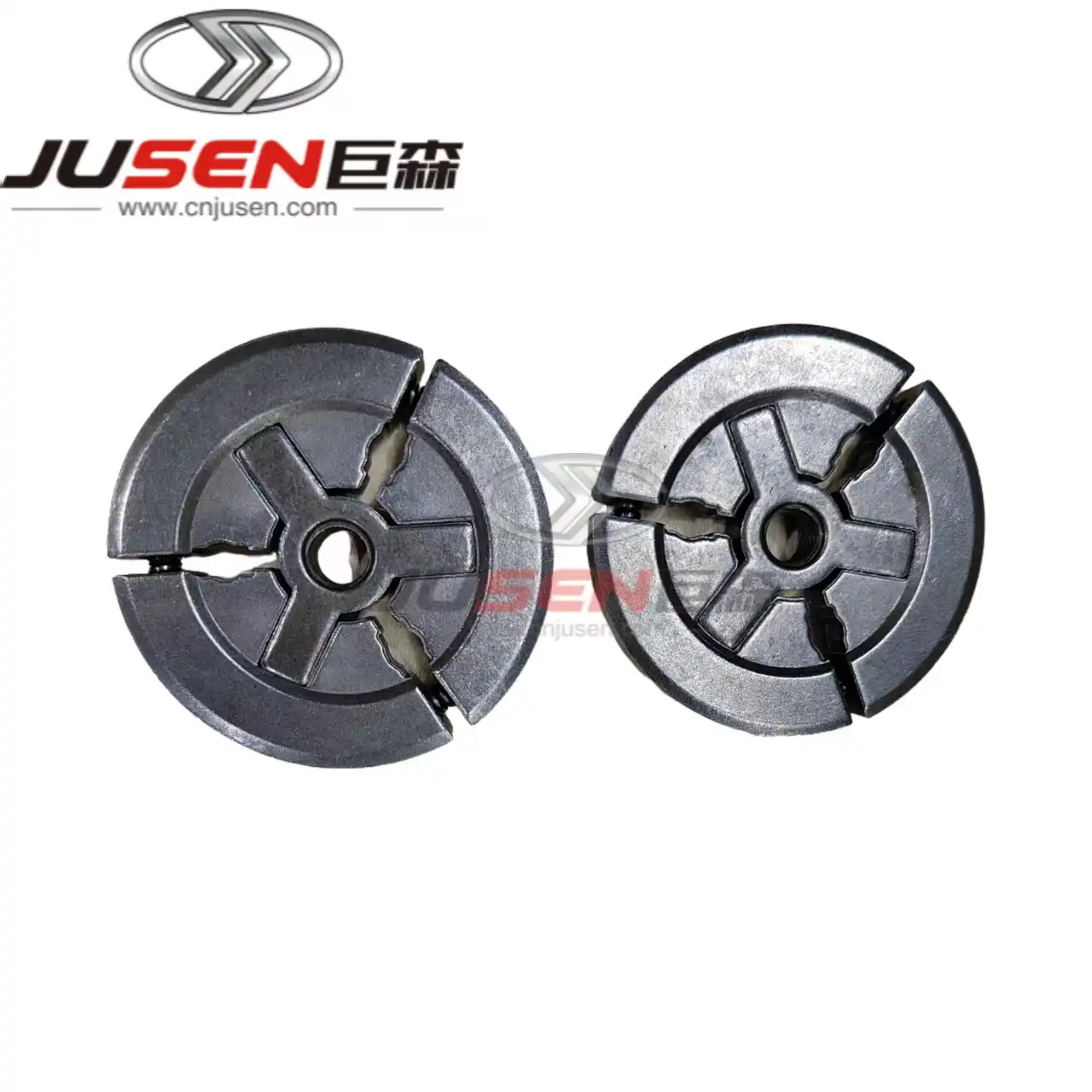 VIEW MOREOlive harvester machine clutch
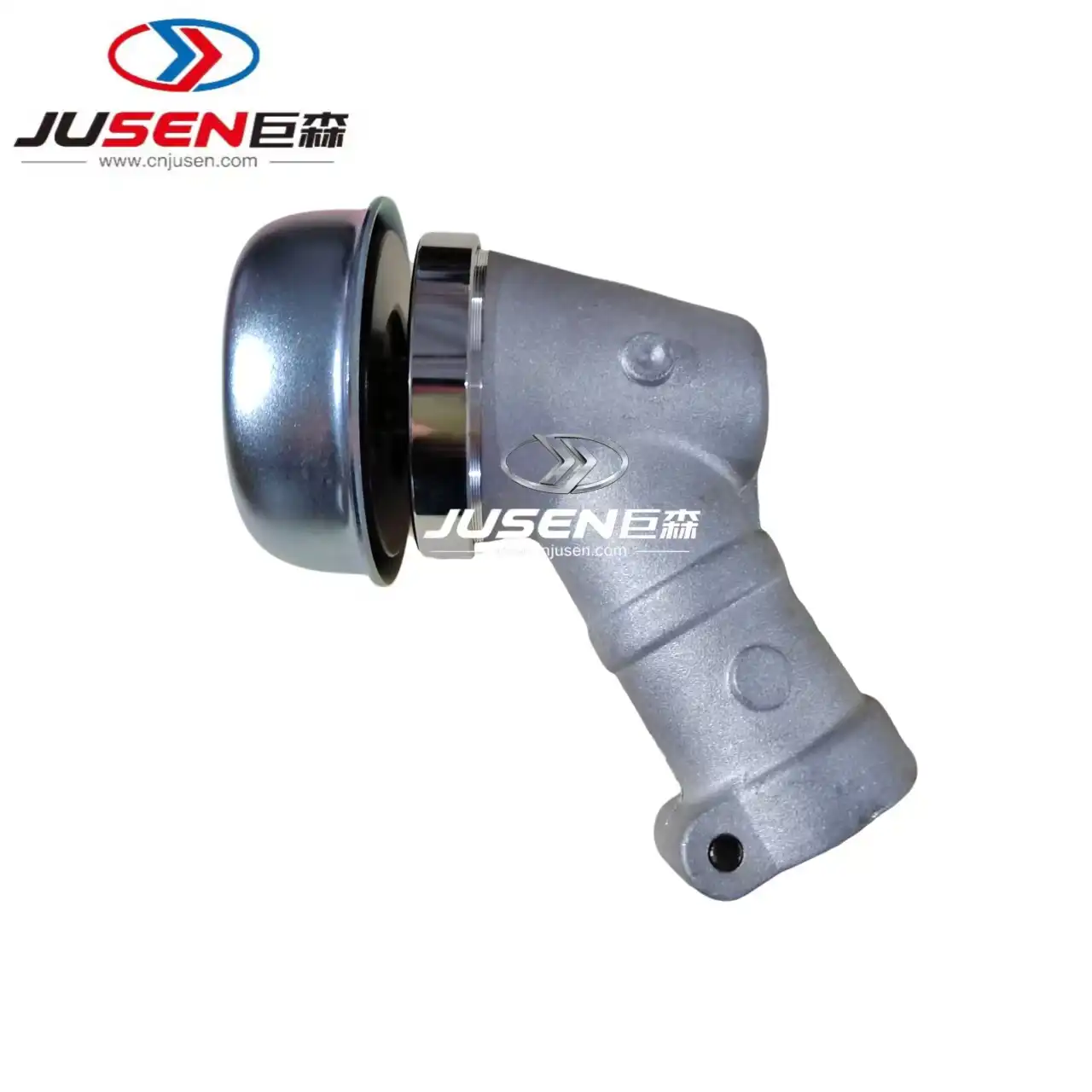 VIEW MORE143R-II brush cutter gear box
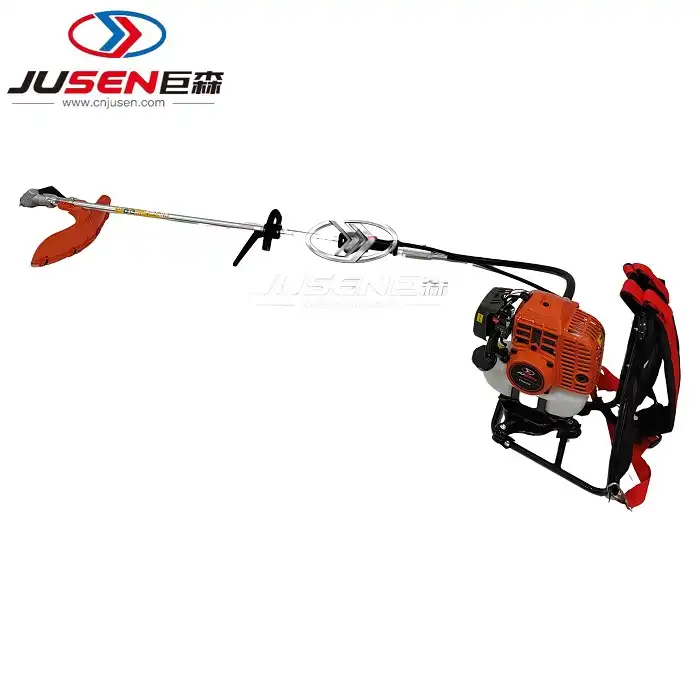 VIEW MOREBG143 43CC 2 STROKE BRUSH CUTTER
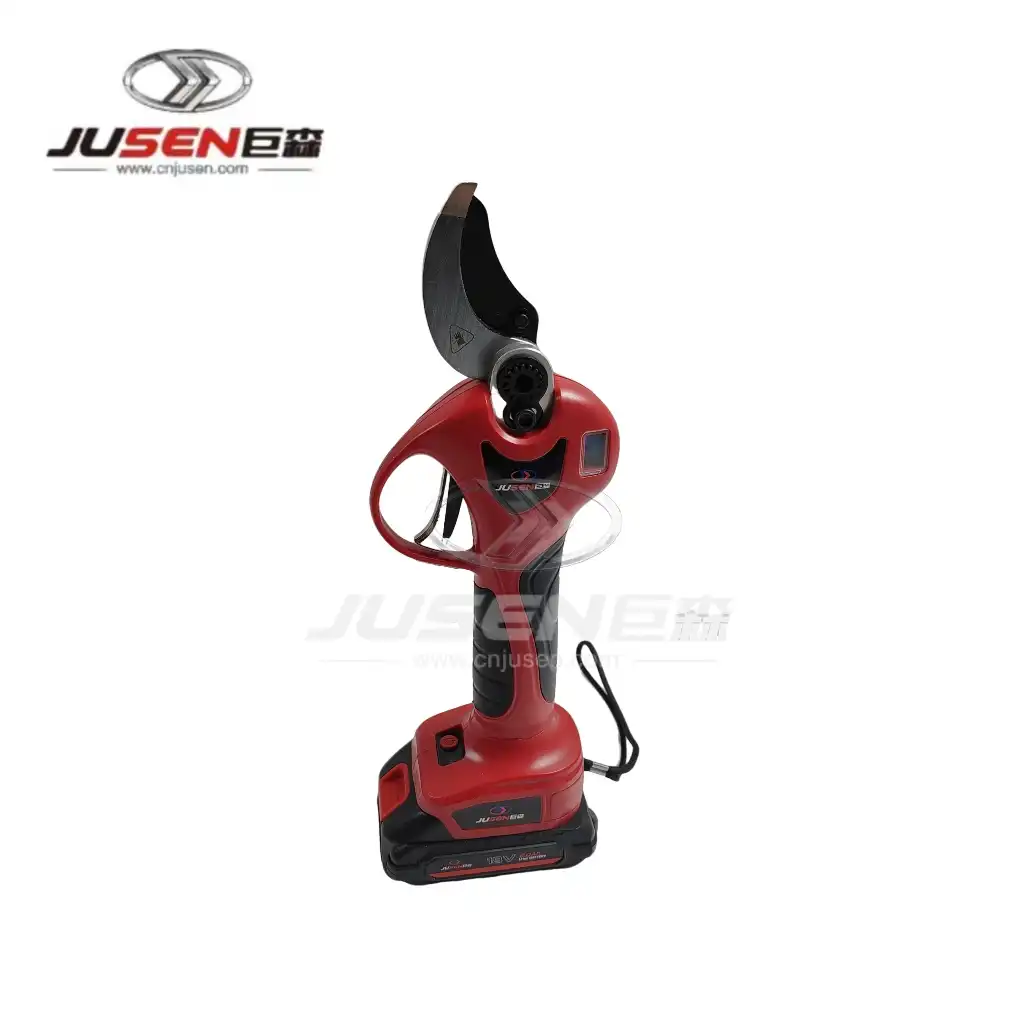 VIEW MORE2‑Gears Adjustable Opening Garden Tree Cutter
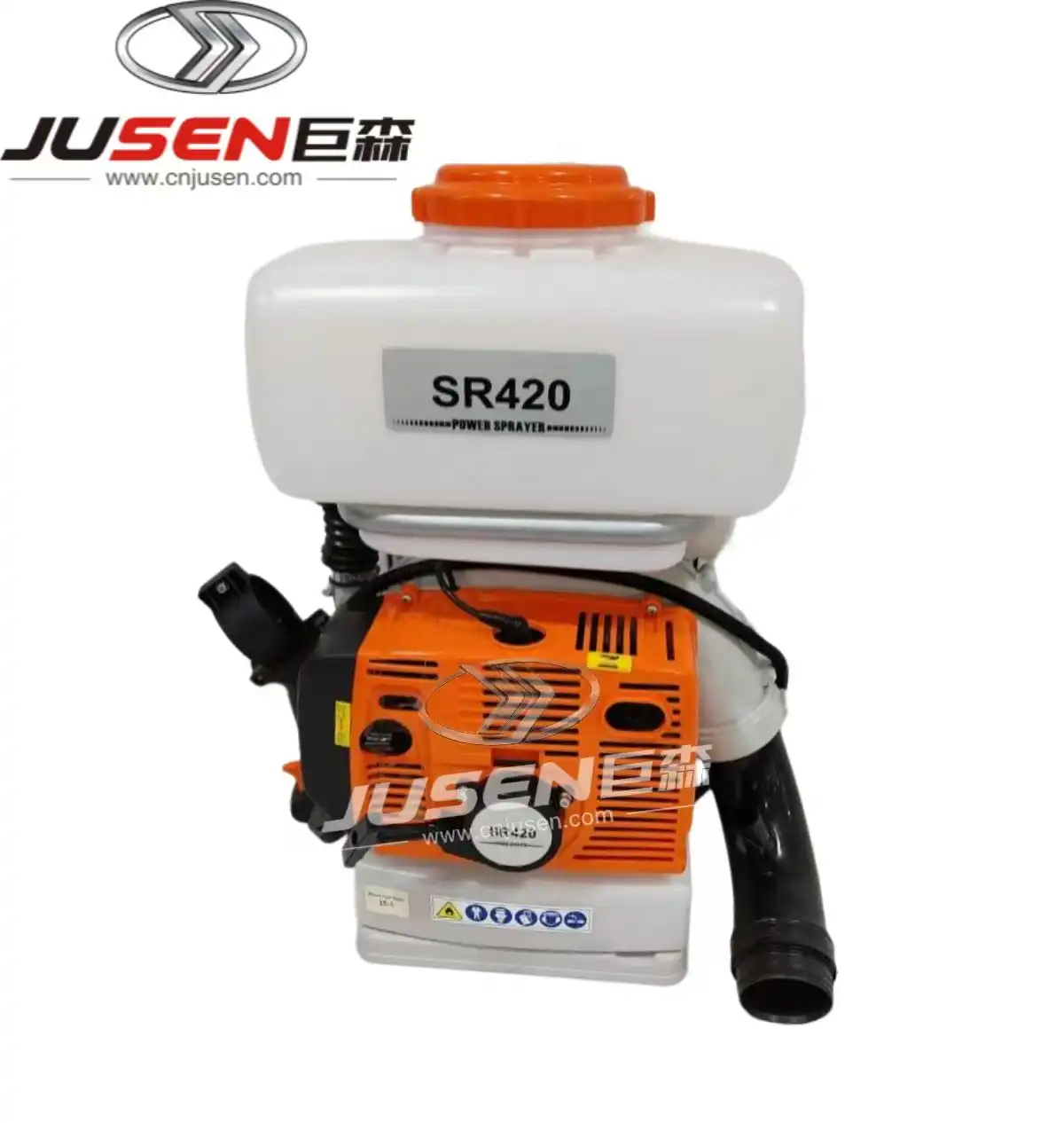 VIEW MORESR420 Professional Gasoline Garden Sprayer
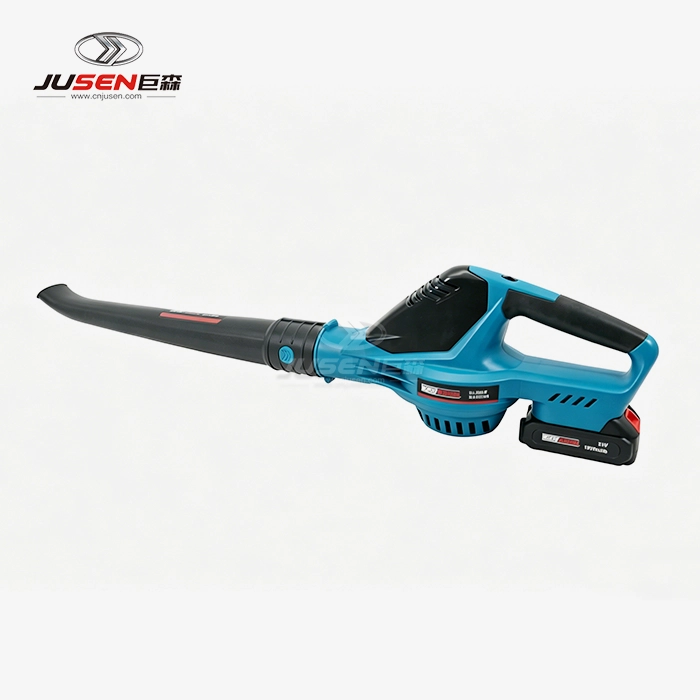 VIEW MORELithium-Ion Battery Cordless Leaf Blower
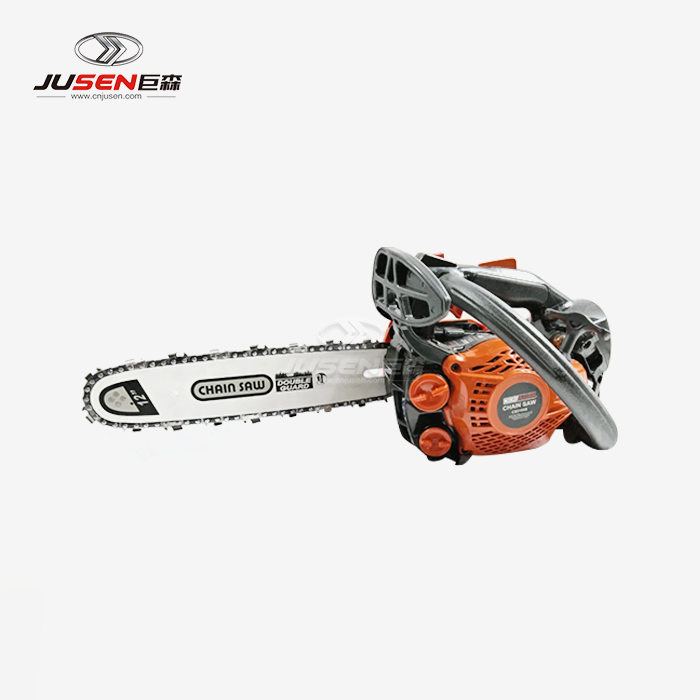 VIEW MORE25cc Small Garden Gasoline Chainsaw
 VIEW MOREElectric Ring Saw Wall Cutting Machine