




What Is a 63cc 2 Stroke Mini Power Tiller? Uses and Benefits
The 63cc 2 Stroke Mini Power Tiller is a compact, high-efficiency cultivation machine engineered for small-scale farming, greenhouse preparation, and confined-space soil management. Built around the 1E48F two-stroke engine with 63cc displacement and 2.8kW rated power, this mini tiller delivers impressive torque in a lightweight frame. Its mixed-fuel system, centrifugal clutch transmission, and worm gear reduction make it a reliable workhorse for tilling, ditching, and planting. Whether you manage a commercial nursery, terraced vineyard, or urban garden plot, this two-stroke mini tiller offers a productive, cost-effective alternative to heavier rotary cultivators.
Understanding the 63cc 2 Stroke Mini Power Tiller
Engine Architecture and Core Specifications
On the inside of JUSEN's 63cc 2 Stroke Mini Power Tiller is a two-stroke engine with one cylinder that is cooled by air. It has a 63.3cc displacement and a rated output of 2.8kW. It idles between 8,500 and 9,000 rpm and makes about 3.0Nm of torque at 5,500 rpm, which is enough to break up compacted loam, clay pockets, and rooted soil. At around 3,500 rpm, the centrifugal clutch engages and couples through a worm gear reduction box at a 1:30 ratio. This turns the high engine speed into tilling torque that can be used. The total operating weight is 32 kg, which makes transport by a single person very possible.
Fuel System and Portability Advantages
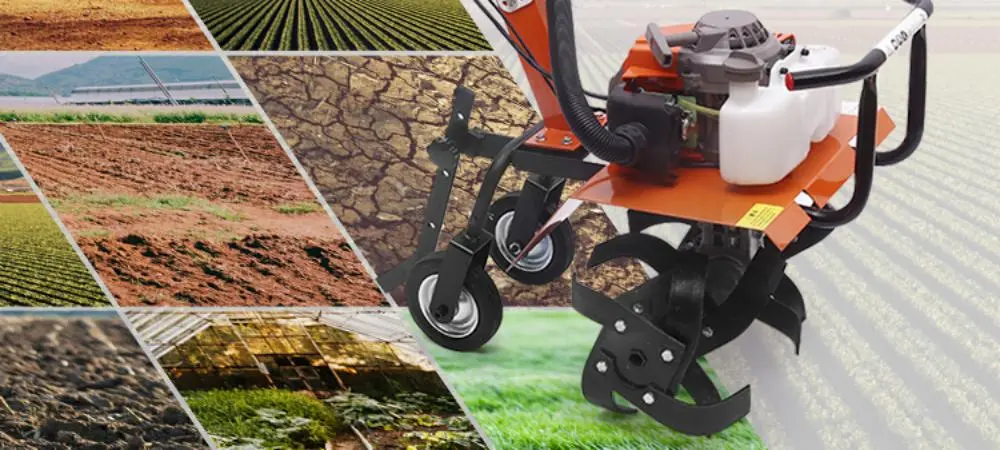
When you use the two-stroke lubrication method, oil is mixed straight with fuel at a 25:1 or 40:1 ratio (JASO FD-grade oil is suggested). This gets rid of the need for a separate oil pan. This means that the engine stays properly oiled even when turned laterally or used on slopes up to 45 degrees. This is a huge benefit on terraced hillsides, where regular four-stroke 63cc 2 Stroke Mini Power Tillers could run out of oil and the bearings could seize up. The tilling depth can be anywhere from 100 to 200 mm, and the tilling width can be changed from 300 mm to 450 mm. Based on these specs, the 63cc 2 Stroke Mini Power Tiller falls right in the middle of light yard cultivators and heavy-duty rotary hoes.
Uses and Benefits of the 63cc 2 Stroke Mini Power Tiller
Field workers and procurement managers are always looking for equipment that strikes a good mix between power output, portability, and total cost of ownership. The 63cc 2 Stroke Mini Power Tiller made by JUSEN meets all of these needs in a variety of work settings. Here are some of the main deployment scenarios and performance benefits that make this machine the best choice:
- Commercial Nursery Operations: The 300mm minimum tilling width design lets you carefully plant between rows of saplings and high-value bushes without disturbing the lateral root systems. This takes the place of physical hoeing, which is hard work, and it makes gardening much cheaper per acre in places with a lot of plants.
- Hillside and Terraced Agriculture: Full-size rotating tillers can't get to tea farms, grape terraces, or plots on the side of a hill that are out of the way. One worker can easily lift the 32-kilogram 63cc 2 Stroke Mini Power Tiller up steep slopes, and the two-stroke lubrication system keeps the engine stable at sharp angles, which is something that four-stroke engines can't do reliably without oil systems that can be tilted.
- Greenhouse and Tunnel Cultivation: Diesel smoke can be dangerous in tight growing spaces, and electric cords often don't reach far enough. This 63cc 2 Stroke Mini Power Tiller runs on gasoline and doesn't need to be connected to the power grid. It makes a fine tilth texture that is perfect for professional seedbed preparation.
- Small Plot and Urban Farming: Market gardeners, people who work with raised beds, and people who have their own allotments can benefit from the 63cc 2 Stroke Mini Power Tiller's thin profile and responsive throttle, which lets it move over sudden obstacles like roots without stopping.
When these performance traits are put into practice, they directly lead to fewer hours of work, lower fuel costs, and more reliable service across all yearly cultivation cycles. The two-stroke design has more power for its weight compared to four-stroke options. It also doesn't need to have the valves adjusted or the oil changed as often, which adds to the cost of upkeep in business settings.
Maintenance and Troubleshooting for Long-Term Reliability
Routine Maintenance Protocol
Regular maintenance is needed for a 63cc 2 Stroke Mini Power Tiller to keep working well. If the field is dusty, clean the air filter every 10 hours of use and change it every 50 hours. Every 20 hours, use lithium-based #0 or #00 grease to check the grease levels in the gearbox. A dry worm gearbox is the main reason why drivetrains in this type of equipment break down early. Always drain any leftover fuel before putting something away for more than two weeks. If you don't, carburetor gum deposits can form and make it hard to start.
Common Troubleshooting Scenarios
Many times, when the engine turns over freely, but the tines won't turn when the load is put on them, it's because the centrifugal clutch pads are worn out or the brass worm gear is stripped from shock loading or not using enough oil. If the engine is hard to start in cold weather, it's likely because the carburetor is frozen or the ignition coil is worn out. Before figuring out deeper engine problems, operators should make sure they have the right fuel blend. Putting straight gasoline into a 63cc 2 Stroke Mini Power Tiller causes a lean seizure within minutes by destroying the grease between the pistons and cylinders. JUSEN offers a one-year guarantee that covers problems with the way the product was made, and they can make new parts just for you and have them sent to you within 30 days.
Making the Right Purchase: Comparison and Procurement Guide
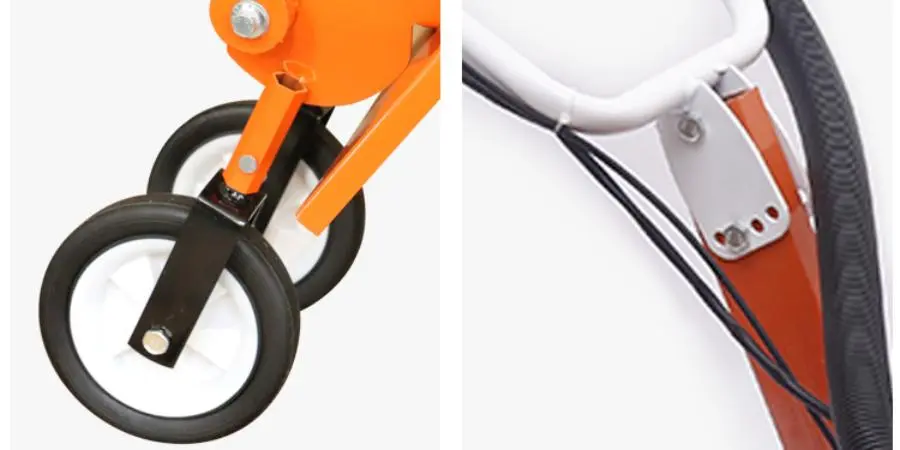
When buyers are looking at compact tillers, they often compare the 63cc 2 Stroke Mini Power Tiller to 70cc models and four-stroke models. While the 70cc category adds a small amount of displacement, it also adds weight and cost to buy, without improving performance for secondary farming jobs in the same way. Four-stroke tillers in the 196cc range can be used to break new ground, but their weight makes them unsteady on slopes and makes it impossible for one person to move them.
The JUSEN 63cc 2 Stroke Mini Power Tiller fits a clear need: light- to medium-duty farming where portability, slope stability, and maneuverability in tight spaces are more important than raw depth capacity. For business buyers who need to buy a lot, JUSEN offers affordable bulk prices and OEM customization options for engine setup, tine geometry, and handle comfort. Standard delivery is 30 days after the order is confirmed, and we can help with the logistics of international shipments.
Conclusion
The JUSEN 63cc 2 Stroke Mini Power Tiller has the perfect mix of small size, reliable engine performance, and working flexibility that other lightweight garden tools can't match. This tiny cultivator has a strong worm gear drivetrain, a 2.8kW power output, and a tried-and-true 1E48F engine. It can till, ditch, and plant in nurseries, hillside fields, greenhouses, and small plots. It's a smart purchase for agricultural operators and equipment distributors looking for reliable, scalable cultivation solutions because it comes with a one-year warranty, is delivered within 30 days, and can be fully customized by the original equipment manufacturer.
FAQ
Q: How much fuel does the 63cc 2 Stroke Mini Power Tiller need?
A: The 1E48F engine needs a 25:1 or 40:1 mixture of gasoline and oil, depending on the grade of oil. It is best to use two-stroke oil that has a JASO FD or ISO-L-EGD rating. Using gasoline that hasn't been mixed together causes the piston to seize up within minutes because there is no oil inside.
Q: How often does the gearbox need to be fixed?
A: Every 20 hours of use, check the engine grease and add new lithium-based #0 or #00 grease. Worm gear failure and unexpected downtime are mostly caused by forgetting about this period.
Q: Can this tiller handle heavy clay soil?
A: It works well in clay soil that has the right amount of water. When the clay is dry and packed down, the light unit bounces on the surface. Instead of trying to make one deep cut, which puts stress on the connecting rod, use the depth-drag bar and make several short passes.
Q: What does the one-year warranty cover?
A: Under normal driving conditions, JUSEN's one-year warranty covers manufacturing flaws in the engine, drivetrain, and structural parts. It doesn't cover damage caused by using the wrong fuel mixture or not lubricating the gearbox properly.
Q: Is customization available for bulk orders?
A: OEMs can fully customize JUSEN, including the tilling width, the form of the handles, and the way the 63cc 2 Stroke Mini Power Tiller engine is set up. Get in touch with our team to find out about big discounts and wait times.
Partner with JUSEN — Your Trusted 63cc 2 Stroke Mini Power Tiller Supplier
JUSEN doesn't just sell equipment; we also offer a complete cultivation solution designed to get professional results. Our 63cc 2 Stroke Mini Power Tiller has a 1E48F engine, which is known for being reliable, and can be set up in a variety of ways to work best in the field. Our team can help you with technical questions and OEM support, whether you need a single unit or a contract to buy a lot of them. You can email Sales1@cnjusen.com or go to aedger.com right now to ask for a product list or a custom quote.
References
1. Bauer, S., & Müller, T. Small Engine Technology: Two-Stroke and Four-Stroke Systems. SAE International, 2018.
2. Hunt, D. Farm Power and Machinery Management. Iowa State University Press, 2016.
3. Kepner, R. A., Bainer, R., & Barger, E. L. Principles of Farm Machinery. AVI Publishing, 2015.
4. Lal, R. Soil Tillage and Crop Production. Elsevier Academic Press, 2019.
5. ASABE Standards. Agricultural Machinery Safety and Performance Evaluation. American Society of Agricultural and Biological Engineers, 2020.
6. Stone, M. L., & Gulliford, J. Introduction to Agricultural Engineering Technology. Springer, 2017.

USER EVALUATE
Here is the customer's evaluation of us
 VIEW MORE375 GASOLINE CHAIBSAW
 VIEW MOREJUSEN Professional 22cc Gasoline Hedge Trimmer
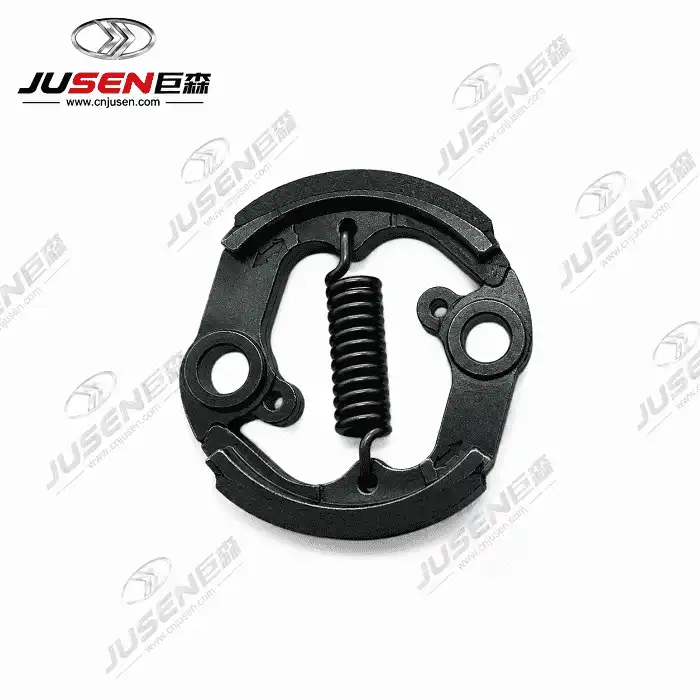 VIEW MORE541 brush cutter cluth
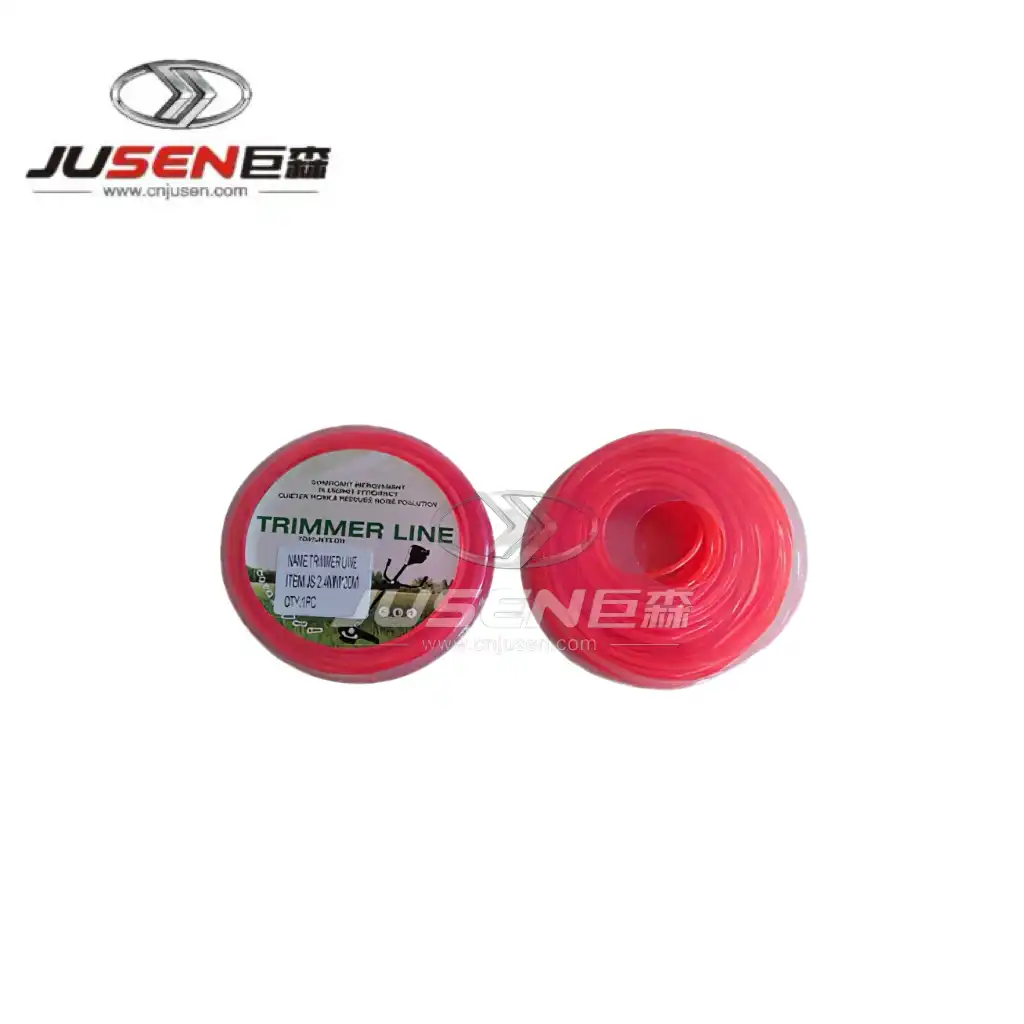 VIEW MORENeylon Trimmer Line
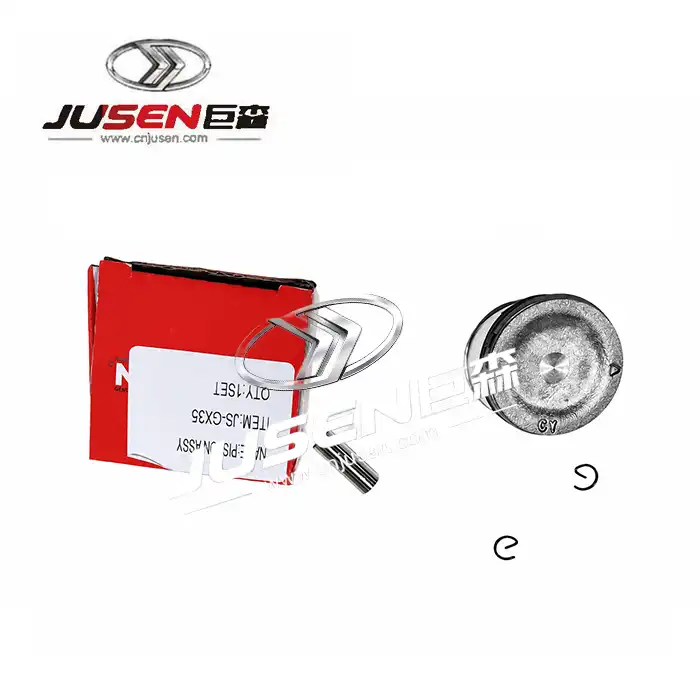 VIEW MOREGX35 BRUSH CUTTER PISTON ASSY
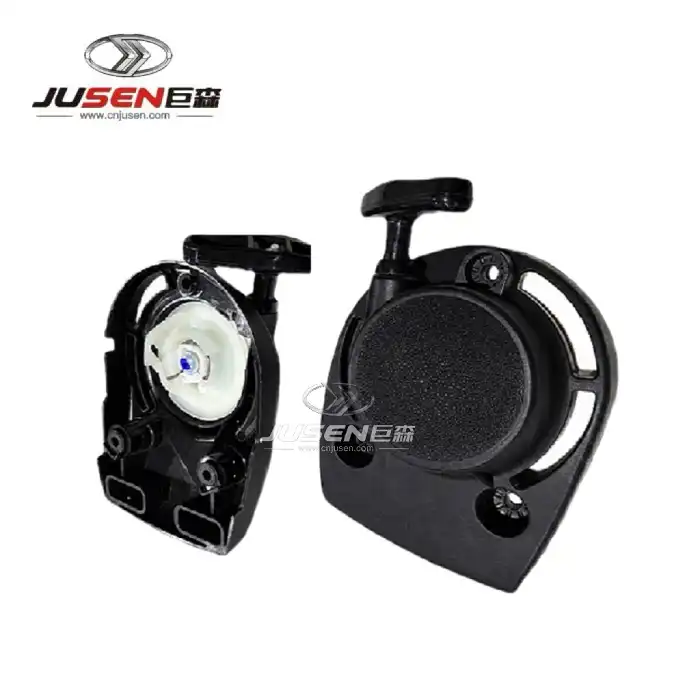 VIEW MOREGX35 BRUSH CUTTER Accessories starter
 VIEW MOREBAT460 Outer-rotor lithium-powered tea harvester
 VIEW MORE22.5cc Gas Powered Hedge Trimmer