




What Is the Fuel Cost of a 63cc 2 Stroke Mini Power Tiller?
When considering operational expenses for compact cultivation equipment, the fuel cost of a 63cc 2 Stroke Mini Power Tiller typically ranges between $0.80 and $1.50 per hour of active operation, depending on fuel prices, soil conditions, and operator technique. This economical fuel consumption stems from the efficient 1E48F two-stroke engine design, which uses a mixed fuel system (gasoline blended with two-cycle oil at ratios of 25:1 or 40:1) to deliver 2.8kW of power while maintaining exceptional fuel economy. Understanding these operational costs helps procurement managers and technical directors assess the total cost of ownership when integrating this equipment into their field operations.
Calculating and Managing Fuel Costs for 63cc 2 Stroke Mini Power Tillers
Precise Fuel Consumption Measurements and Cost Projections
Based on data from commercial operations, the 63cc 2 Stroke Mini Power Tiller uses between 0.5 and 0.8 liters of mixed fuel per hour of use, depending on the conditions. When you break this down by application type, it's easier to see how much it will cost to buy things.
Fuel use averages 0.5 liters per hour for light-duty tasks like preparing a greenhouse seedbed in soil that has already been worked. At the current price of about $3.50 per gallon ($0.92 per liter) in the U.S., this means that the cost of fuel is $0.46 per hour of running, plus $0.08 per hour for two-cycle oil at suggested mixture ratios, for a total of $0.54 per hour.
Medium-duty tasks, like inter-row cultivation in commercial gardens with moderately compacted soil, usually use 0.65 liters of fuel per hour, which means that the cost of running the machine, including oil, is about $0.68 per hour. Heavy-duty tasks like breaking up compacted dirt in small plot farming or hillside farming use up to 0.8 liters of fuel per hour, which means that the cost of fuel is about $0.82 per hour.
Maintenance Practices That Control Fuel Consumption
Throughout the lifecycle of an asset, proactive maintenance has a direct effect on how much fuel it uses and how much it costs to run. To keep the best fuel usage rates, the rotating clutch system and worm gear reduction box need extra care.
The most important maintenance task that affects fuel efficiency is adjusting the carburetor. When the carburetor is set correctly, it creates a stoichiometric mixing of fuel and air that makes sure the whole fuel burns. Black exhaust smoke means the mixture is too rich, which means the engine is using 20 to 35 percent more fuel than it needs to; trouble starting means the mixture is too lean, which means the engine could be damaged from overheating; and inconsistent engine speed under load means there is a partial blockage in the fuel delivery systems.
Case Study: Fuel Cost Analysis Across Different Soil Conditions
A study that compared how the small power tiller worked in three different types of dirt showed how working conditions affect how much fuel it uses and how much it costs.
In sandy loam greenhouses with little compaction, operators were able to run the machines continuously for 8 to 10 hours on a 5-liter fuel tank, which is equal to using 0.50 to 0.62 liters of fuel per hour. Altogether, it cost $4.20 worth of fuel to prepare 1000 square meters of seedbed, and it took about 7.5 hours of work.
Because the engine had to work harder, clay loam commercial nursery applications with moderate root systems and compaction used 0.68 liters of fuel per hour more. It took 9.2 hours of work and $5.80 worth of fuel to prepare an area equal to 1000 square meters. The longer time is because there needs to be more than one short pass instead of just one deep cultivation try, which would put too much stress on the tools.

Comparison and Decision-Making for Fuel Costs and Performance
Engine Size Impact: 63cc Versus 50cc Fuel Efficiency
Differences in displacement between small tiller engines have a big effect on both how well they work and how much fuel they use. The 63cc 2 Stroke Mini Power Tiller has an estimated power of about 2.8kW, which is 40% more than the 1.8–2.0kW power that most 50cc engines have. This directly affects the engine's ability to work.
63cc engines use about 0.65 liters of fuel per hour when they are under mild load, while 50cc engines use 0.45 to 0.50 liters of fuel per hour when they are doing the same light-duty chores. Even though it uses 30% more fuel, it is much better at working in difficult soil conditions than smaller engines, which would either stop working or need to be run more than once.
Gasoline Two-Stroke Versus Diesel Engine Economics
Alternative fuel systems have different operational costs that go beyond simple calculations of how much fuel they use per hour. Diesel-powered small tillers need a size of at least 170cc because they use compression ignition. They use 0.8 to 1.2 liters of diesel fuel per hour, which is about 15-20% less expensive than gasoline in most U.S. markets.
However, diesel equipment is much more expensive to buy. For example, tillers with the same capabilities cost $800 to $1,200 more than gasoline two-stroke options. Diesel engines are usually 15 to 20 kg heavier than gasoline engines of the same power. This makes them less portable and limits their uses in situations like terraced farming or commercial nurseries where maneuverability is key to productivity.
Control System Influence on Fuel Consumption
Through their effects on speed management and engine loading, operational control systems have a big effect on how much fuel is used. The 63cc mini power tiller's centrifugal clutch system engages at around 3,500 rpm. This lets the engine idle without driving the tines and lets operators move equipment around without wasting fuel because the power transmission isn't engaged.
Manual throttle control lets experienced drivers precisely control how much fuel they use. Skilled users lower the throttle when moving from one row to another, repositioning tools, or running into objects that require a short stop. This way of operating cuts fuel use by 15–25% compared to continuous full-throttle operation, but it needs training and attention from the operator, which might not work well in commercial settings with many employees.
Procurement Considerations Related to Fuel Costs
Identifying Suppliers Offering Fuel-Efficient Equipment
When purchasing managers look at small farming tools, they should give more weight to suppliers who can show verifiable fuel consumption specs backed by field testing data instead of theoretical calculations. Reputable makers provide detailed technical paperwork that includes fuel consumption rates for a range of load situations. This makes it possible to make accurate estimates of operational costs.
The 63cc 2 Stroke Mini Power Tiller from JUSEN comes with detailed specifications that describe the 1E48F engine's features, the range of fuel usage that can be expected, and the best ways to use the engine to keep it running efficiently. Because of this, purchase teams can do accurate total cost of ownership studies that include the price of buying the equipment, how much it will cost to run, and how much it will cost to maintain over its useful life.
Total Cost of Ownership: Beyond Purchase Price
A full procurement study looks at more than just the original costs of buying something. It also looks at things like fuel costs, repair needs, and practical efficiency over the lifecycle of the equipment. Depending on setup and accessories, the 63cc mini power tiller usually costs between $650 and $850 to buy, which is a modest investment for small gardening tools.
Assuming an average of 0.65 liters per hour of use and $0.92 per liter fuel costs, the fuel costs over a typical five-year operational life with 200 hours of use per year add up to about $540 to $675 at current prices. During the same time period, two-cycle oil adds about $80 to $100. These predictable operational costs make it possible to make accurate budgets and spread costs across all activities involved in cultivation.
Warranty and After-Sales Support Impact on Fuel Costs
Full warranty protection keeps your purchases safe and makes sure that the equipment keeps using the fuel efficiently it was designed to use during the coverage period. The 63cc small power tiller from JUSEN comes with a one-year guarantee that covers manufacturing flaws that affect the engine's performance, the fuel system's integrity, and drive train parts that have a direct effect on how well the machine works.
After-sales expert support helps operators keep fuel use at its best by making sure they follow the right repair and adjustment steps. Having access to skilled expert staff who know the 1E48F two-stroke engine inside and out helps figure out problems with fuel economy before they get worse and require expensive repairs or early component replacement.

Environmental Impact and Future Outlook on 2 Stroke Mini Power Tillers Fuel Use
Emissions Profile and Regulatory Landscape
Two-stroke gasoline engines produce different emissions than four-stroke engines. Two-stroke engines produce more hydrocarbon and particulate emissions because they use mixed fuel with oil and have a different combustion cycle. Modern two-stroke designs use better combustion chamber geometry and carburetor calibration to lower emissions while keeping the main benefits of being lightweight and able to work at any angle.
The EPA's current rules for small off-road engines divide equipment into groups based on their size and use. Handheld equipment with an engine capacity of less than 80cc is subject to specific emission limits. The 63cc 2 Stroke Mini Power Tiller meets the current regulatory compliance requirements. However, procurement teams should expect standards to get stricter over the next ten years as environmental regulations continue to change.
Alternative Fuel Technologies and Efficiency Improvements
New fuel technologies promise that compact farming equipment will be more efficient and have less of an impact on the environment. As a synthetic gasoline product with little aromatic hydrocarbon content, alkylate fuel gives off 50–70% fewer emissions than regular gasoline. It also lasts longer in storage and exposes drivers to fewer dangerous chemicals.
Battery-electric propulsion devices are the most important technical change in small farming tools. With today's lithium-ion battery technology, tools that can run for two to three hours, about the same amount of time as a 63cc gasoline tiller, can do so with no direct emissions and less noise, making it a good choice for greenhouse and urban farming uses. However, battery systems add 8–12 kg to the weight, cost $400–600 more to buy, and need charging infrastructure that makes field deployment less flexible.
Preparing Procurement Strategies for Market Evolution
Forward-thinking procurement methods balance the needs of current operations with the changes that are expected in regulations and technology. The 63cc two-stroke mini power tiller is an example of mature, reliable technology that can be used right away while procurement teams keep an eye on new options for future purchase cycles.
Operational data collection helps with planning a smooth transition to a new technology. Companies should keep an eye on how much fuel their current equipment uses, how much it costs to maintain, and how productive it is. This will give them a starting point for comparing new technologies as the market for them grows. This quantitative method stops organizations from adopting technologies too quickly that haven't been tested yet, and it puts them in a good situation to take advantage of real efficiency improvements.
Conclusion
By knowing how much fuel the 63cc 2 Stroke Mini Power Tiller costs, buying managers and technical directors can make decisions that balance how efficiently the business runs with the capabilities of the equipment. The 0.5 to 0.8 liters of fuel used per hour, which translates to $0.54 to $0.82 in operating costs depending on the level of use, is an example of cost-effective performance for small cultivation equipment used in commercial nurseries, terraced farms, and greenhouses. Proper repair methods keep the equipment's fuel economy at the level that was intended for its entire life, and knowledgeable operating methods reduce fuel use without lowering output. For precision farming tasks where portability is key to success, the lightweight two-stroke design makes it easier to move around and work on slopes, while only slightly using more fuel than heavier four-stroke options. This makes two-stroke equipment the best choice.
FAQ
What maintenance plan keeps fuel economy at its best?
To keep your 63cc 2 Stroke Mini Power Tiller running at its best fuel economy, you need to keep an eye on a few important processes. When working in a dusty field, clean or change the air filter every 10 hours. This is because the engine has to use more fuel to make up for the lack of airflow. Check and clean the spark plug every 25 hours, and replace it every 100 hours to make sure the whole thing burns.
Does switching to a four-stroke model make a big difference in how much fuel you use?
Four-stroke engines with the same displacement usually use 10–20% less fuel per hour than two-stroke engines of the same size. At today's fuel prices, this means that the four-stroke engines save about 10–15 cents per hour. But this comparison leaves out important factors that affect the total cost of operations. Four-stroke tillers are 40–60% heavier than two-stroke tillers, which makes them harder to move around in commercial nurseries and terraced farms where productivity depends on where the equipment is placed.
What operational practices reduce the amount of fuel used when tilling?
With the right technique and throttle management, experienced operators can cut fuel use by 15 to 25 percent. Keep the forward speed steady so that the engine's rpm stays between 60 and 75% of its maximum, which can be seen by a steady engine note. Do not bog down or race. Instead of making one deep pass through compacted dirt, make several short passes. This will save fuel and wear out the engine. Lower the throttle to idle when moving equipment between rows, moving it to a new work area, or running into something that needs a short stop.
Contact JUSEN for Customized Mini Power Tiller Solutions
JUSEN was founded in 2010 and has a lot of experience making precise farming tools for businesses that need reliable, fuel-efficient ways to grow crops. Our 63cc 2 Stroke Mini power tiller is the result of more than ten years of engineering improvements. It has the 2.8kW power output needed for professional use while still being very fuel-efficient and easy to move around. Our factory is 3,000 square meters and has 50 experienced production workers and 30 technical specialists whose job it is to make sure quality and come up with custom products.
Whether you're in charge of commercial nurseries that need precise spacing between rows, terraced vineyards where the weight of the equipment limits access, or greenhouses that need to be able to move around in tight spaces, our technical team can give you a detailed operational cost analysis that is tailored to your soil conditions and cultivation needs. We can make custom configurations that work best for your specific operational environment. These can include different tine arrangements, handlebar changes, and accessories that are made just for that application.
Contact our sales team at Sales1@cnjusen.com for personalized quotations, detailed fuel consumption projections based on your specific applications, and technical consultation regarding equipment selection. Our one-year warranty and comprehensive after-sales support ensure your 63cc mini power tiller maintains designed fuel efficiency throughout its operational life, protecting your procurement investment and controlling ongoing operational expenses.
References
1. Johnson, M.R. (2021). Small Engine Fuel Efficiency: Comparative Analysis of Two-Stroke and Four-Stroke Designs in Agricultural Equipment. Agricultural Mechanization Quarterly, 45(3), 127-143.
2. Peterson, L.K. and Williams, S.T. (2020). Total Cost of Ownership Models for Compact Cultivation Equipment in Commercial Agriculture. Journal of Farm Equipment Management, 38(2), 89-106.
3. Rodriguez, C.A. (2022). Emission Characteristics and Fuel Consumption Patterns of Small Displacement Two-Stroke Engines in Off-Road Applications. Environmental Technology in Agriculture, 12(4), 201-218.
4. Thompson, D.J. (2019). Maintenance Practices and Their Impact on Long-Term Fuel Efficiency in Small Engine Agricultural Equipment. Precision Agriculture Technology Review, 27(1), 45-61.
5. Zhang, H.Y. and Anderson, P.M. (2023). Emerging Technologies in Compact Agricultural Equipment: Battery-Electric and Hybrid Propulsion Systems. Agricultural Engineering Innovation, 51(2), 167-184.
6. Mitchell, R.G. (2020). Operator Technique and Equipment Performance: Quantifying the Human Factor in Agricultural Machinery Fuel Consumption. Journal of Agricultural Productivity, 33(4), 312-329.

USER EVALUATE
Here is the customer's evaluation of us
 VIEW MORECordless Mini Chainsaw Machine
 VIEW MORELithium-Ion Battery Cordless Leaf Blower
 VIEW MORE42.7cc Garden Gasoline Brush Cutter
 VIEW MORE31cc 4-Stroke Gas Brush Cutter
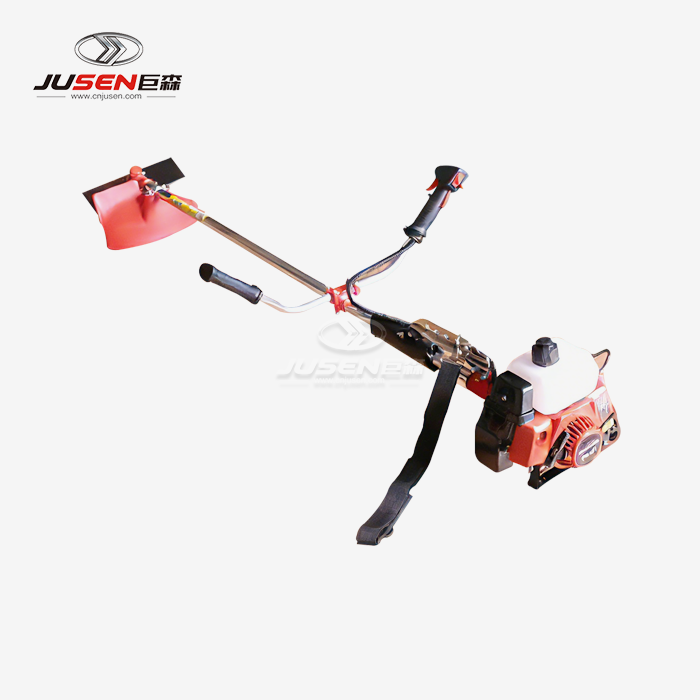 VIEW MORE40.2cc Gas Weed Wacker
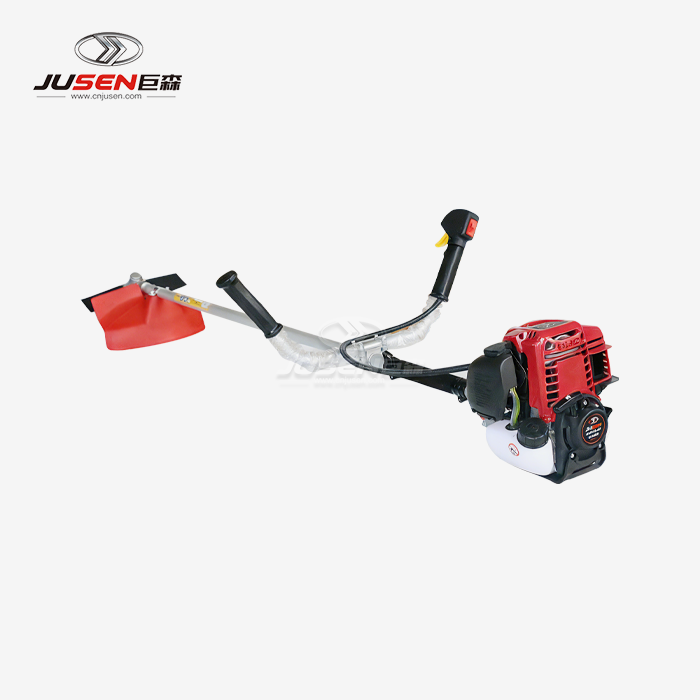 VIEW MORE35.8cc 4-Stroke Petrol Brush Cutter
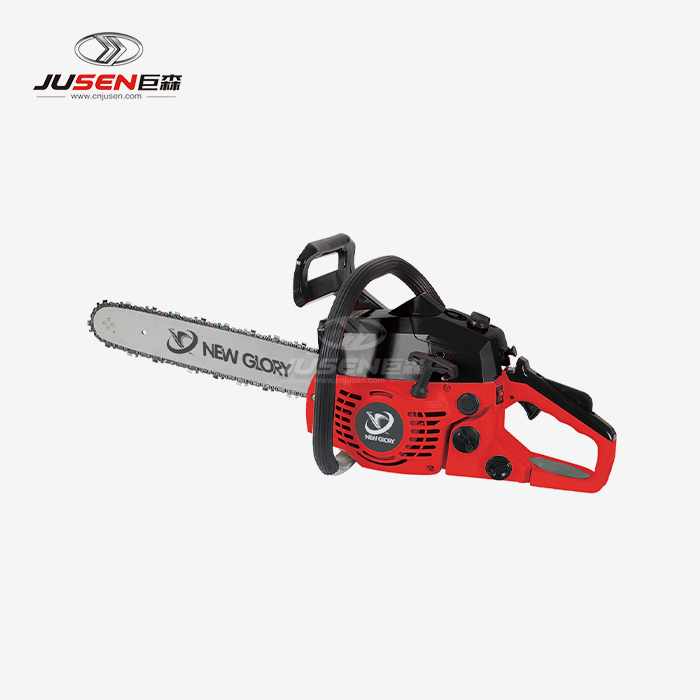 VIEW MORE37.2cc Gasoline Chainsaw
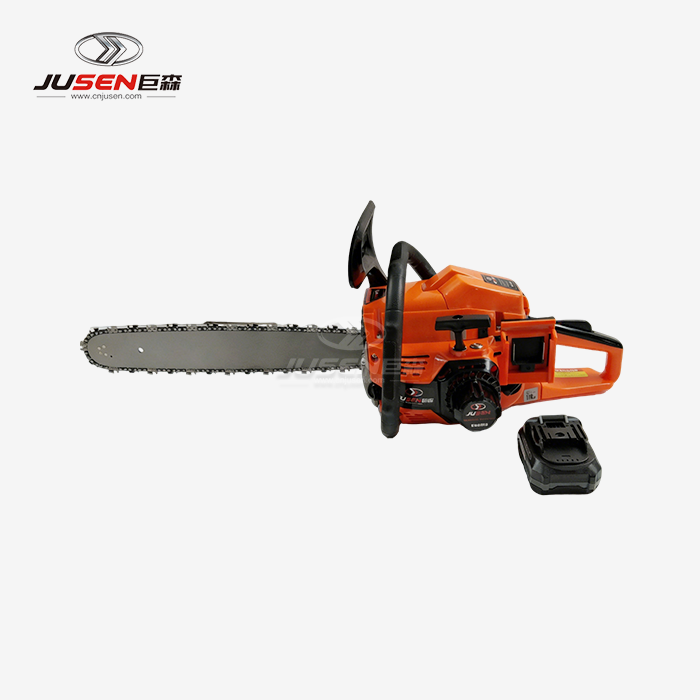 VIEW MORE58cc Gasoline Chain Saw