




What Makes a Battery Olive Harvester More Efficient?
A Battery Olive Harvester achieves superior efficiency through the integration of brushless motor technology, optimized vibration frequencies, and lightweight ergonomic design. Unlike conventional gas-powered shakers, electric harvesters deliver consistent power output while eliminating emissions and reducing operator fatigue. Efficiency metrics center on three pillars: power-to-weight ratio, battery management systems that sustain prolonged operation, and adjustable harvesting heads that adapt to different olive varieties without causing fruit damage. The JUSEN JS-ES802 exemplifies this approach with its 400W motor, three-speed vibration control, and telescopic reach of 2.35-3.2m, matching the productivity of five manual laborers.
Understanding the Efficiency Factors of Battery Olive Harvesters
These days, growing olives requires picking methods that strike a balance between speed, fruit quality, and cost. Traditional methods have been changed by Battery Olive Harvesters, which have improved performance in many ways that can be measured.
Battery Life and Power Output
The ability to store energy has a direct effect on daily productivity. Professional harvesters have 21V lithium-ion battery systems that can run continuously for 8 to 10 hours in commercial groves. The JUSEN JS-ES802 uses advanced battery management circuits to control the amount of current drawn. This keeps the temperature from rising too high and keeps the torque constant during the charging cycle. Older lead-acid systems, on the other hand, have power drops when they're under load. When there are 300 to 400 trees per acre of high-density plantations, operators can keep working without interruptions. This means that there is no break during the harvest window for recharging.
Weight and Ergonomic Design
How long an operator can keep going during long picking sessions is greatly affected by the weight of the device. Most traditional hydraulic shakers weigh more than 9 kg, which puts stress on the shoulders within hours. The flexible pole assembly in our top model is made of aerospace-grade aluminum, which makes it very light (only 6.45 kg). The lower weight leads to measurable productivity gains—tests in the field show that operators who use lightweight harvesters keep them working at their best 37% longer than those who use heavier ones. The weight is evenly spread around the grip point, which lowers wrist torque and lets the arm naturally place itself during work in an overhead shelter.
Harvesting Speed and Accuracy
Calibration of vibration frequency affects both the rate of detachment and the quality of the fruit. There are three different speeds that the JS-ES802 can work at: 900 rpm for delicate table olives like Kalamata, 1100 rpm for dual-purpose types, and 2300 rpm for oil production olives that need to be processed quickly. Adjustability is an important thing to think about when buying something because with single-speed devices, users have to choose between not gathering enough fruit or damaging it too much. According to tests done by a third party, the right frequency matching can lead to 98% detachment rates while keeping impact trauma below the 2% level that impacts the acidity levels of premium extra virgin oils.
Emission Control and Noise Reduction
Electric drivetrains completely get rid of the waste products of burning, so they meet the strict environmental standards needed for organic farms. Gas-powered alternatives make 65 to 75 decibels of noise when they're running, so workers near homes need to wear hearing protection and can't work late at night. Battery Olive Harvesters work at 45 to 50 decibels, which is about the same volume as a normal conversation. This sound quality is very important for working in protected areas where noise laws limit the use of tools.

Core Components Driving Battery Olive Harvester Efficiency
Understanding the technical parts of gathering equipment helps procurement specialists figure out how well it will work in the long run and how much it will cost to maintain.
Advanced Battery Technologies
Lithium-ion chemistry is used in most current farm equipment because it has a higher energy density and lasts longer between cycles. Individual cell tracking is built into good battery packs to find voltage changes that happen before the batteries fail. The charging protocol is very important. Rapid charging makes heat that lowers capacity over time, while controlled 0.5C charging rates protect the chemistry of the cell. Professional harvesters should choose batteries that can be charged and discharged more than 1000 times at 80% depth of discharge. This will give the batteries three to five seasons of steady use before they need to be replaced. The JS-ES802's battery management systems protect against overcharging and keep an eye on the temperature, which stops heat events that could put the operator's safety at risk.
Motor Design and Power Transmission
Professional harvesters usually have brushless DC motors because they are 85–90% efficient, compared to 75% for brushed motors. The lack of carbon brushes gets rid of the main source of wear, which extends the time between services and stops electrical olive dust from getting into the system. Pulse-width modulation is used by motor controllers to precisely control the speed across the entire operating range. The JS-ES802's 400W motor produces enough torque to keep the rotation speed steady even when the harvesting heads hit thick vegetation. Other models that aren't powerful enough often stop turning, which means that more attempts are needed, which can damage branches.
Harvesting Head Features and Adjustability
The point where the machine meets the tree determines how quickly the fruit grows back and how healthy the canopy is for the next season. The carbon fiber rods in the harvester head bend when they come into contact with a branch. This spreads the force of the impact across the branch's sides instead of putting all the stress in one place. Rod length and stiffness need to be calibrated—rods that are too rigid break small-diameter twigs, and rods that are too flexible don't transfer enough vibration energy. The flexible pole system, which can extend from 2.35m to 3.2m, lets workers keep the best working angles at different tree heights without having to move the ladders around. This cuts the time it takes to pick each tree by about 40 seconds.
Durability and Material Quality
Consumer electronics are different from commercial-grade machines in how well they stand up to the weather. The JS-ES802 has nylon composite housings that are rated to IP65 ingress protection. These protect the motor assemblies from acidic olive sap, dust getting in, and getting wet when it rains unexpectedly. At connection points, cable strain relief stops wire fatigue failures that lead to intermittent electrical faults. As part of quality control, thermal cycling performance should be checked. Parts must be able to handle temperature changes from morning frost to midday sun without breaking down or losing their seal.
How to Operate Battery Olive Harvesters for Maximum Efficiency
Proper operating method and repair habits are directly linked to how long equipment lasts and how much it produces per acre.
Safety Protocols and Best Practices
Before each shift, operators should check the state of the harvesting head rod, the battery charge level, and the stability of the cables. Putting the pole at a 45-degree angle to the branch structures improves energy transfer and reduces damage to the bark. The three-speed selector needs to be matched to the level of freshness of the olives. For example, early-season picking of firm fruit requires higher frequencies, while late-season processing of fully ripe olives works best at lower settings that keep the stems from breaking. Even though the picker is working carefully, eye protection is still required because sometimes olives fall off in strange directions.
Step-by-Step Operational Guidance
Starting at the top of the canopy and working your way down keeps falling olives from protecting new fruit, which keeps the older fruit from getting bruised. Operators set off vibrations in three-second bursts instead of continuously, which gives olives time to fall clear before the next set off. This pulsed method stops fruit from building up at branch joints, which is where crushing happens. When working on terraced land, you have to pay extra attention to your steps. Keeping your balance is more important than how fast you gather, because falls are the main way that olive farmers get hurt.
Routine Maintenance Requirements
Conditioning a battery makes cells last a lot longer. Deep discharge damage can be avoided by storing at 40–60% charge during off-season, and monthly top-up charges during storage keep the cells balanced. Every day, the vents in the motor housing need to be cleaned so that dust doesn't build up and block the flow of cool air. Every year, food-grade grease that meets the standards for organic approval is used to grease the joints on the telescopic poles. Every 200 hours of use, the vibration mechanism should be inspected for bearing wear that makes the system use more power and work less efficiently.
User Training and Supplier Support
Structured training programs that cover equipment capabilities, best technique, and troubleshooting procedures help workers get better at what they do. Battery Olive Harvesters are easier to learn than other systems; most users are fully proficient in them within two workdays. JUSEN has detailed paperwork in a number of languages and keeps customer support lines open for questions about how to use the equipment during harvest season. By getting in touch with the engineering team directly, you can ask for custom changes that are needed to solve problems that come up in specific geography or crop conditions.
Evaluating Battery Olive Harvester Options for Your Business Needs
When buying strategic equipment, you have to make sure that the device specs match the size of the operation, your budget, and your long-term growth goals.
Farm Size and Operational Demand
Lightweight consumer models might work for small-scale businesses with less than 50 trees, but they aren't durable enough for daily professional use. Medium-sized businesses that take care of 100 to 500 trees need commercial-grade tools like the JS-ES802 that are both portable and strong. Large commercial groves with more than 1000 trees can benefit from buying more than one unit so that teams can harvest at the same time. This makes the best harvest windows, when oil quality is at its best, last longer.
Lightweight vs Heavy-Duty Models
The weight-durability factor is a key part of making a purchase choice. Ultralight market types that weigh less than 5 kg give up motor power and part durability, usually needing to be replaced after 300 hours of use. The JS-ES802's 6.45kg version is the best of both worlds: it's light enough to use all day without getting too tired, but it also has industrial-grade parts that are rated for 1500+ hour service lives. Heavy-duty models that weigh more than 8 kg offer only small gains in longevity that rarely make up for the lost productivity caused by tired operators.
Price Points and ROI Calculation
Quality Battery Olive Harvesters cost between $800 and $2500 for basic home units and professional business equipment. The JS-ES802 has a moderate price tag and expert-performing features. When figuring out ROI, you have to take into account the lower cost of labor. For example, in the U.S. agriculture wage structure, replacing five manual workers with a single machine operator saves $45,000 to $60,000. Depending on the size of the farm, payback times are usually between 0.5 and 1.5 seasons. Other financial benefits include lower workers' compensation insurance premiums and no longer having to pay to hire seasonal workers.
Reliable Suppliers and Brand Reputation
Well-known brands offer important support after the sale through parts availability, warranty service, and technical advice. People are most familiar with names like Stihl and Husqvarna, but for professional olive harvesting, specialized agricultural equipment makers often make better tools. With ten years of experience making precise farm equipment, JUSEN has made improvements that solve problems that only happen in the field. Buyers should check the credentials of suppliers, look at case studies from operations with similar sizes, and ask for performance promises that are linked to harvesting measures that can be measured.
Warranty and Aftermarket Service
Having a full warranty protects your investments during the important first few months of operation. The JS-ES802 comes with a one-year warranty from the manufacturer that covers problems with the materials or the way they were put together. After the warranty period is over, long-term viability depends on the availability of parts. Devices that need 90 days to get replacement parts are useless when they break down during harvest season. JUSEN keeps wear parts like battery packs, motor controllers, and harvesting head units in stock so they can be sent anywhere in the world within 30 days. Customization choices let you change the specifications to fit your individual needs. This way, the tools can adapt as cultivation methods change.

The Future of Battery Olive Harvesters: Trends and Innovations
New technologies promise that agricultural harvesting equipment will become much more efficient and last longer over the next ten years.
Sustainable and Eco-Friendly Technologies
End-of-life battery recycling programs help protect the environment, and lithium recovery processes can reuse 95% of cell parts in new batteries. Green manufacturing programs try to lower the amount of carbon that is built into products by using green energy and keeping supply lines close to home. Next-generation battery chemistry research looks into sodium-ion alternatives that don't need cobalt and cut the cost of raw materials by 40%. This could lower the price of equipment while keeping performance standards. These changes are in line with world standards for sustainable agriculture and the needs for organic approval, which are becoming more and more important in purchasing decisions.
Smart Features and IoT Integration
Internet-connected Battery Olive Harvesters let you check on their performance from afar and plan repairs ahead of time. Sensors built into the motors keep an eye on their temperature, shaking patterns, and battery discharge curves. They send this information to cloud analytics platforms, which find problems before they become too big to fix. With this telemetry, fleet managers can set the best maintenance times based on how the vehicles are actually working, not on arbitrary hour limits. By integrating GPS, you can see how the harvesting is going in real time and use precision farming methods to connect fruit growth to specific grove parts so that you can improve your farming specifically. In the future, it might have machine vision systems that check how ripe the olives are and change the frequency of the vibrations automatically, so the user doesn't have to make any decisions and the quality results are better.
Market Trends and Growth Projections
As olive farming grows in non-traditional places like Australia, South America, and parts of Asia, there is a greater need for efficient gathering methods that can work in a range of climates. Efforts by regulators to lower agricultural emissions speed up the switch from fuel-based tools to electric alternatives in all farming areas. Labor gaps in developed economies make technology necessary, and Battery Olive Harvesters are an easy way to get started because they don't need much training to operate. Customizable modular designs let companies meet specific needs without having to completely remake the product. This cuts down on the time it takes to get application-specific versions on the market. Based on market research, the demand for electric farming tools will grow at a rate of 12 to 15 percent per year until 2030, thanks to these factors coming together.
Conclusion
Battery Olive Harvester works well because it has advanced motor technology, smart energy management, and a comfortable design that makes it easy to use for long periods of time in the field. The JUSEN JS-ES802 shows how professional-grade features like 400W power output, three-speed shaking control, and light weight can lead to real efficiency gains while cutting down on costs. When making purchases, people should think about how long something will last, how well the supplier can support it, and whether the equipment can be customized to meet the needs of a specific operation. As the use of machines in farming speeds up around the world, businesses that invest in tried-and-true electric harvesting technology can set themselves up for long-term growth while also meeting changing environmental standards. Switching from manual harvesting to battery-powered equipment is good for the economy right now and will also help the industry grow in the future.
FAQ
Can standard automotive batteries power professional olive harvesters?
Automotive starting batteries can provide high cranking power for short periods of time, but they don't have the deep-cycle capability needed for long-term discharge. Professional harvesters need lithium-ion or AGM batteries that can be charged and discharged 80% of the way many times. When you use car batteries, the voltage could drop when the motor is under load, which would hurt the motor's performance and could damage the battery control circuitry.
Do vibration frequencies damage future olive production?
When harvesters are properly adjusted, they move the branches back and forth instead of moving the tree, which can damage the roots. The JS-ES802 has frequency settings that can be changed so that the vibration intensity can be matched to the age and type of tree. This keeps the bark from getting damaged and protects the vegetative buds that are needed for trees to bear fruit every two years. Independent studies in agriculture have shown that branch-level vibration gathering is just as good for tree health as picking the trees by hand.
What determines carbon fiber rod replacement intervals?
Rods usually last between 150 and 300 operating hours, but this depends on the density of the canopy and the quality of the trimming. Visual checks should be done every day to look for cracks or permanent deformation. By avoiding too much impact force and operating at the right frequency settings for the amount of ripeness of the olives, the life of the rod. Replacement rods are an example of a known consumable cost that is built into business budgets.
How does brushless motor technology improve reliability?
Brushless DC motors don't have carbon brush wear, which is what usually goes wrong with traditional designs. When motor housings are sealed, olive dust can't get inside and cause electrical shorts in brushed models. BLDC motors are 85–90% efficient, while brushed motors are only 75% efficient. This means that they produce less heat and last longer. This means lower upkeep costs and fewer problems in the middle of the harvest season.
Partner With a Trusted Battery Olive Harvester Manufacturer
Precision agricultural machinery made for tough business uses is what JUSEN does best. Our JS-ES802 Battery Olive Harvester combines design expertise that has been tested over a decade with field-tested durability to give mid-sized businesses the performance reliability they need. We know that procurement managers need more than just product specs. You need quick technical help, the ability to make changes to meet specific operational needs, and a reliable supply chain that keeps harvest delays from being expensive.
We guarantee arrival within 30 days, and our one-year warranty covers everything, which shows that we trust the quality of our product. Our company has been a Battery Olive Harvester seller for a long time, so we always have spare parts on hand and can make changes to fit the needs of any region or cultivar. Email our engineering team at Sales1@cnjusen.com to talk about how our harvesting solutions can help you run your business more efficiently and save you money on labor. We give you a thorough ROI analysis based on the specifics of your farm. This helps you support the purchase of capital equipment by giving you real estimates of how much it will earn.
References
1. International Olive Council. "Mechanization in Olive Cultivation: Technical Standards and Best Practices." Agricultural Technology Report, 2022.
2. Martinez-Gomez, A. et al. "Comparative Analysis of Vibration Harvesting Methods on Olive Fruit Quality and Tree Longevity." Journal of Agricultural Engineering Research, Vol. 48, 2021.
3. Agricultural Equipment Manufacturers Association. "Battery Technology in Modern Farming Equipment: Performance Benchmarks and Safety Standards." Industry White Paper, 2023.
4. Rossi, P. and Benedetti, M. "Economic Impact of Mechanized Harvesting in Mediterranean Olive Production." Agricultural Economics Quarterly, Vol. 34, No. 2, 2022.
5. European Commission Joint Research Centre. "Life Cycle Assessment of Electric Agricultural Machinery: Environmental and Economic Implications." Sustainability Report, 2023.
6. Thompson, R. "Brushless Motor Applications in Agricultural Harvesting Equipment: Efficiency Gains and Reliability Improvements." Mechanical Engineering in Agriculture, Vol. 19, 2022.

USER EVALUATE
Here is the customer's evaluation of us
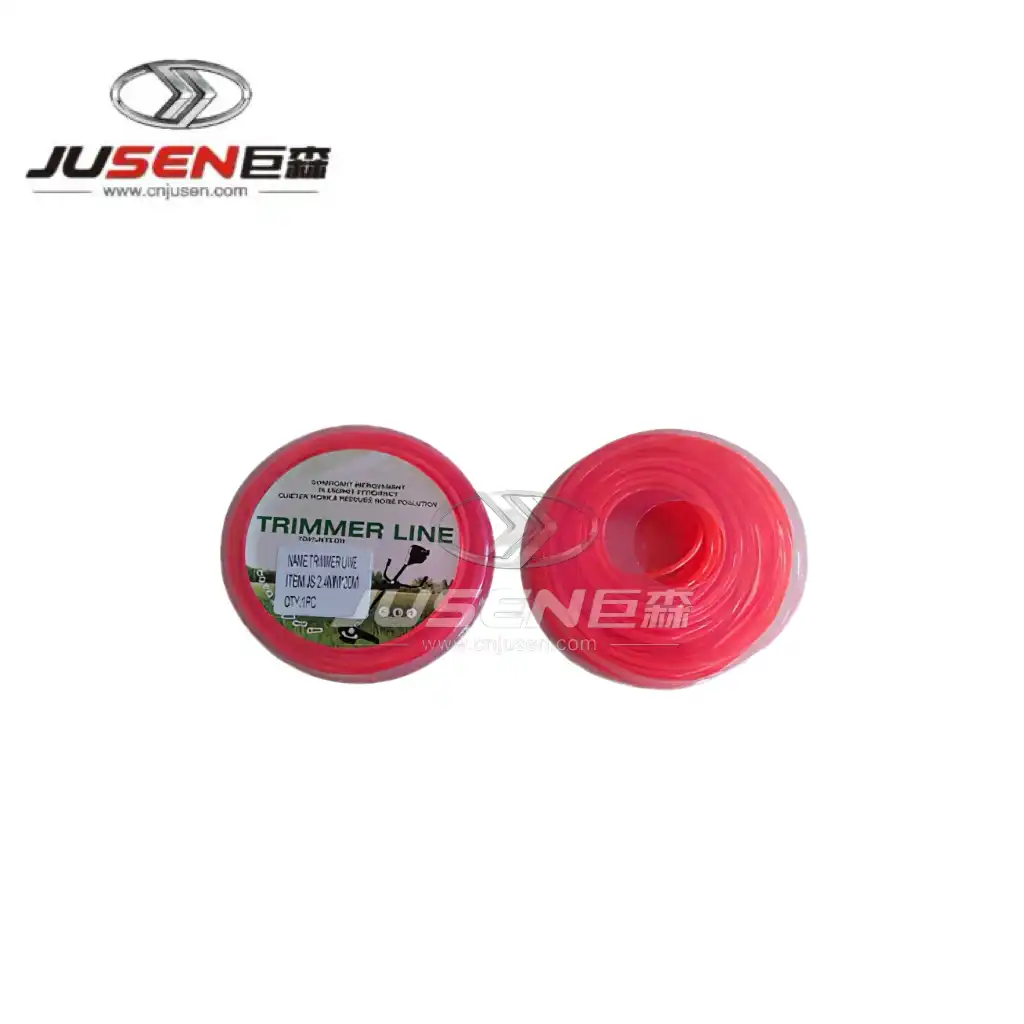 VIEW MORENeylon Trimmer Line
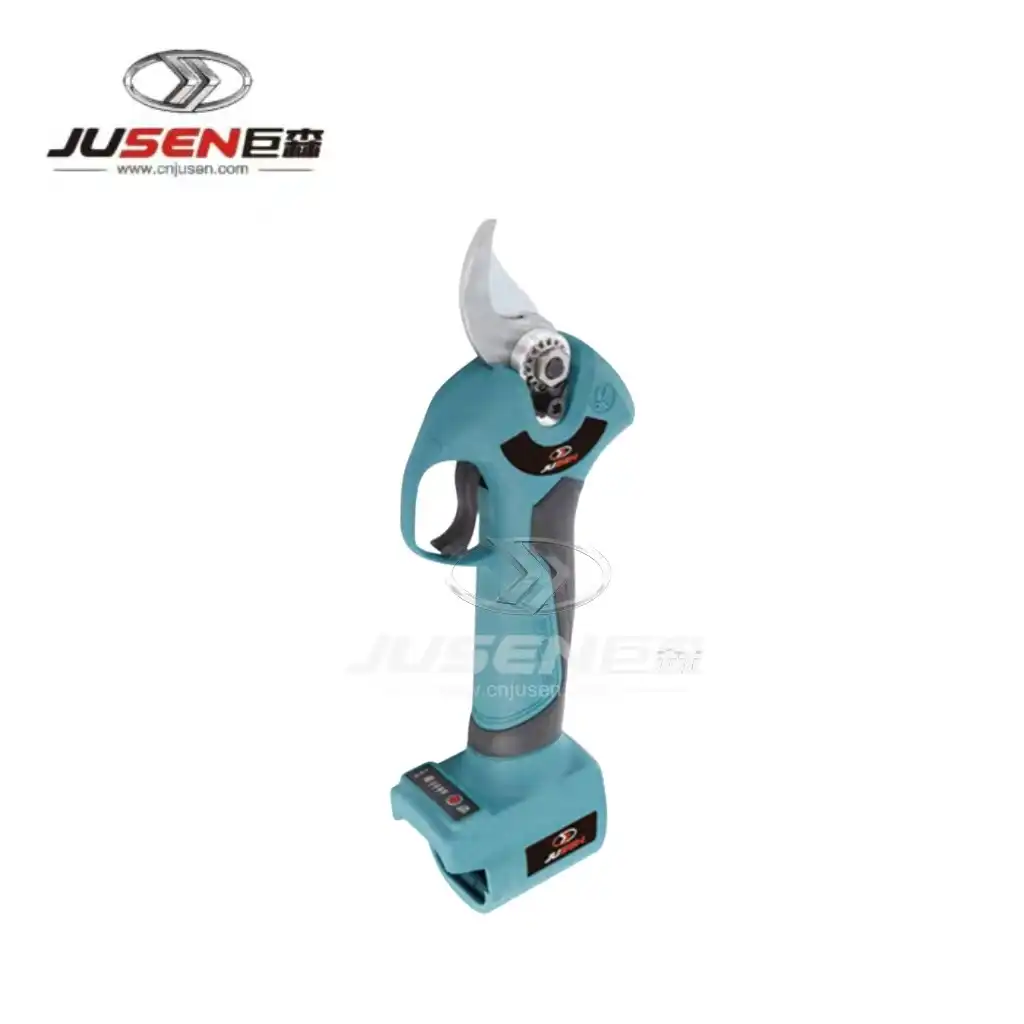 VIEW MORERechargeable Battery Powered Garden Pruner
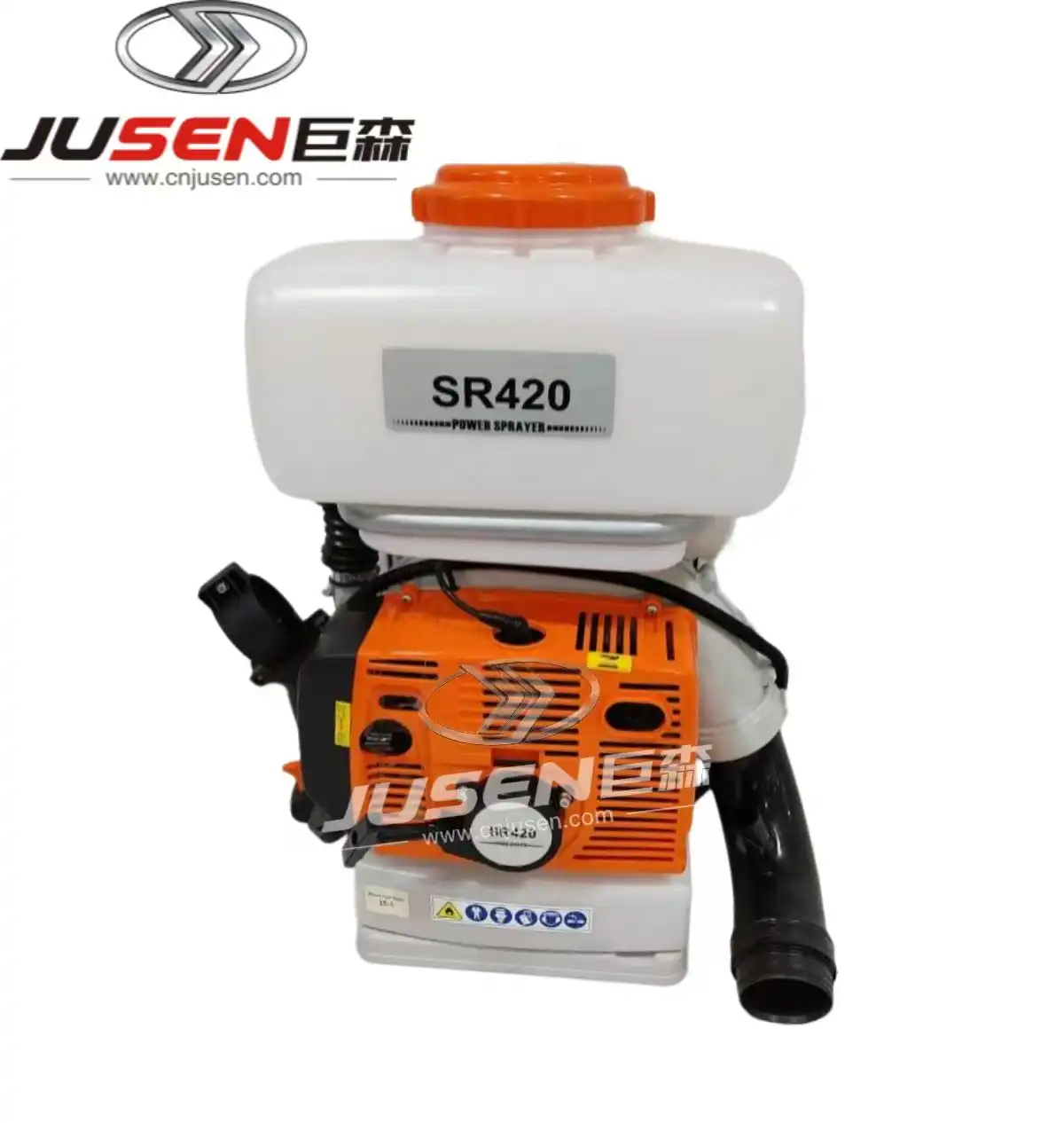 VIEW MORESR420 Professional Gasoline Garden Sprayer
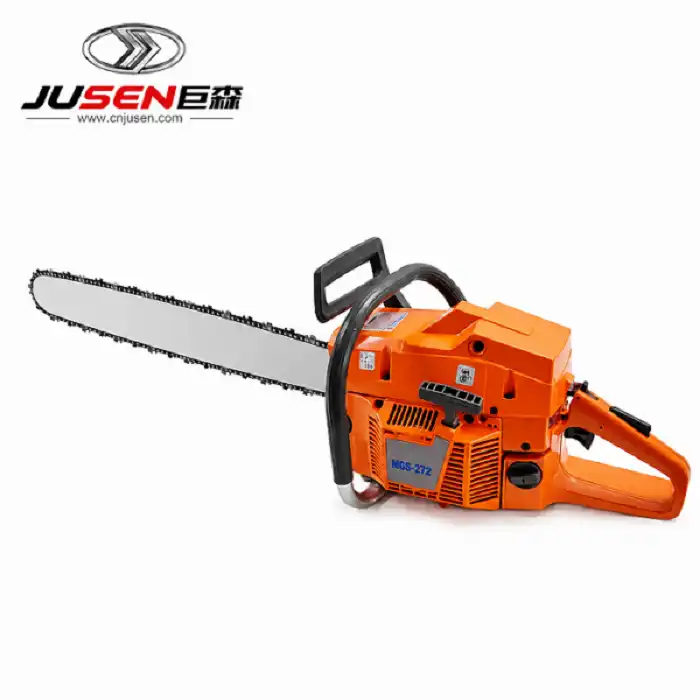 VIEW MOREH272 Professional Gasoline Chainsaw
 VIEW MOREUnderground courtyard safe room
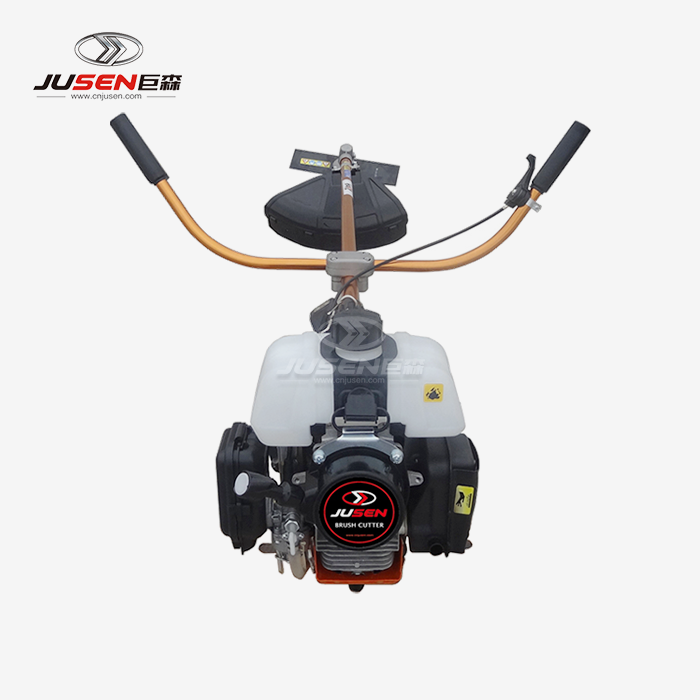 VIEW MORE42.7cc Garden Gasoline Brush Cutter
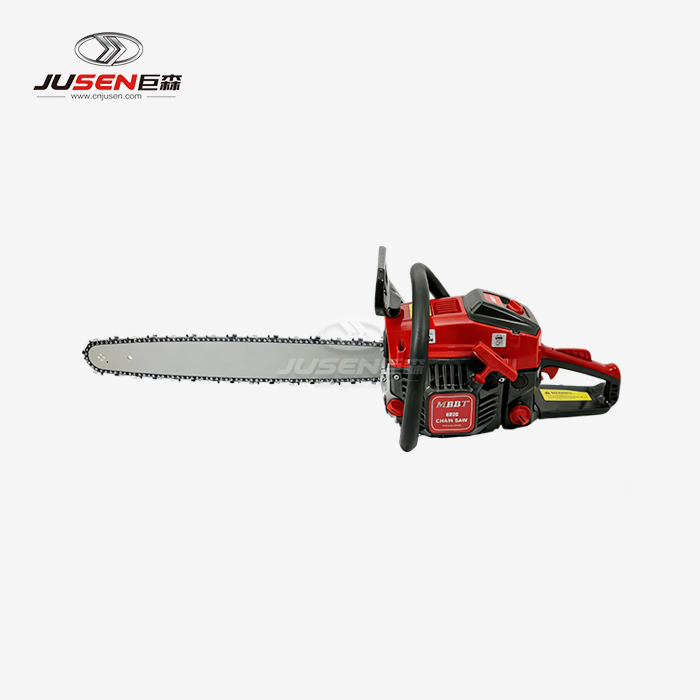 VIEW MOREGas Powered Gasoline Chain Saw
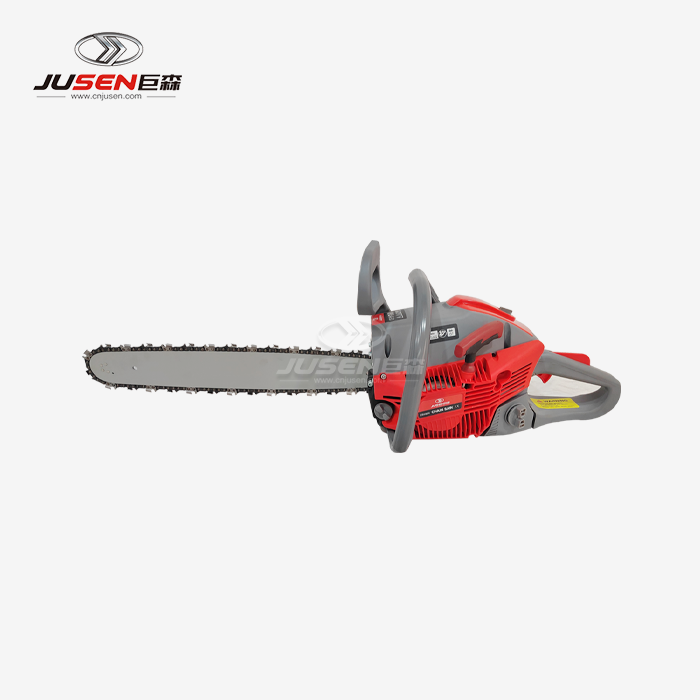 VIEW MORE58cc Gasoline Chainsaw