




21v Lithium-Ion Brushless Hedge Trimmer Maintenance Tips
Proper maintenance of your 21v Lithium-Ion Brushless Hedge Trimmer ensures sustained performance, minimizes operational downtime, and extends equipment lifespan—critical factors for commercial landscaping operations and industrial vegetation management. This advanced cordless trimmer combines brushless motor efficiency with lithium-ion battery technology, delivering professional-grade cutting power at 1500 RPM through precision-ground 410mm double-action blades. Maintenance protocols differ significantly from traditional brushed motor units, requiring targeted attention to battery management, blade care, and electronic system integrity to achieve optimal runtime and cutting consistency across diverse applications.
Understanding the Basics of 21v Lithium-Ion Brushless Hedge Trimmer Maintenance
Technological Advantages of Brushless Motor Systems
Your 21v Lithium-Ion Brushless Hedge Trimmer's brushless motor design uses electricity more efficiently than 85% of the time, while most brushed motors only use electricity 75% of the time. This difference in efficiency immediately means longer runtime on a single charge and less heat production during long cutting sessions. Since there are no carbon brushes, there are no mechanical friction spots. This means that the motor itself never needs any upkeep during its lifetime. Physical brush contact is replaced by electronic commutation, which lets the system produce steady torque without losing its ability over time.
This change in technology solves problems that come up often in this field. When cutting through thick woody stems in mature bushes like Boxwood, Yew, or Privet with lignified branches up to 0.75 inches thick, the automatic speed control keeps the blade moving at the same speed no matter how hard the stems are to cut through. In these tough conditions, traditional brushed motors often stop working or experience a lot of voltage sag, which means operators have to make multiple passes or risk motor burnout.
Critical Components Requiring Routine Inspection
There are a lot of parts in your 21v Lithium-Ion Brushless Hedge Trimmer that need regular maintenance. The battery management system keeps an eye on the voltage, temperature, and current draw of each cell to make sure that damage doesn't happen due to overcharging, overdischarging, or thermal runaway. To keep cutting well and stop corrosion, the precision-ground blade assembly with its optimal tooth geometry needs to be cleaned and oiled. Over time, oxidation and dirt build up on the electrical contacts between the battery pack and the motor case. This makes the power transfer less efficient. Safety interlocks and trigger systems need to be checked on a regular basis to make sure they are working properly and protecting the person.
The design is very light (1.3 kg) and has vibration-dampening features that keep operators from getting tired during business use. These rubber isolators and balancing parts wear out over time and should be checked every month in places with a lot of use. The mechanical gearbox is sealed, but it should be oiled on a regular basis as suggested by the maker to keep the power transfer from the motor to the blade assembly working well.

Essential Maintenance Tips for Optimizing Your 21v Lithium-Ion Brushless Hedge Trimmer
Battery Health and Charging Best Practices
How you charge and store lithium-ion batteries has a big impact on how long they last. Your 5-cell battery gives you 21v when fully charged, which is 4.2V per cell. However, it only works at 18V, which is 3.6V per cell. Don't fully drain the battery before charging it. Lithium-ion chemistry keeps its capacity better when charged with 20–30% of its original charge than when fully discharged. This practice keeps cells from going through deep discharge stress, which lowers their capacity permanently.
Temperature has a big effect on how well and how long a battery lasts. Batteries should be kept in climate-controlled spaces that are between 10 and 25°C (50 to 77°F) and have a relative humidity of less than 60%. Extreme cold briefly lowers the usable capacity, and heat above 95°F (35°C) speeds up chemical breakdown inside the cells that can't be fixed. In the winter, don't put batteries into equipment that will be left outside overnight right away. Instead, let them warm up slowly before using them.
Only use chargers that have been approved by the 21v Lithium-Ion Brushless Hedge Trimmer maker and have proper power control and temperature monitoring built in. Third-party chargers that don't have the right communication protocols for the battery management system may overcharge cells, which can be dangerous and void the warranty. Keep batteries between 40 and 60% charged when storing equipment for a long time, and charge them every three months to keep them from self-discharging below critical levels.
Blade Cleaning, Lubrication, and Sharpening Protocols
Use a resin solvent or citrus-based cleaner to remove sap, resin, and plant matter from the blade assembly after each cutting session. When left on cutting surfaces for a long time, these organic compounds harden, creating friction that raises the motor's load and lowers cutting efficiency. Use a stiff nylon brush to clean both sides of the dual-action blades. Pay extra attention to the tooth gullets where debris builds up. To stop corrosion caused by water, rinse with clean water and dry completely with compressed air or lint-free cloths.
After cleaning, put light machine oil or a blade lubricant on all of the cutting surfaces. The 410mm precision-ground blades work with very little space between the upper and lower cutting edges. Good lube lowers friction heat and keeps the edges from wearing down too quickly. Spread oil evenly along the length of the blade, and then run the 21v Lithium-Ion Brushless Hedge Trimmer for a short time without any weight on it to work the oil into the mechanism that moves back and forth. Wipe off any extra oil so that it doesn't attract dirt and dust the next time you use it.
How sharp the blade is has a direct effect on how well it cuts and how well the motor works. Professional sharpening services use special grinding tools to return the edge to its original shape, making sure that the tooth angle stays exact, which is important for making clean cuts. Especially for businesses with multiple units, procurement managers should build relationships with certified service centers that offer blade reconditioning. When blade bodies show cracks, extreme pitting, or tooth breaking that weakens the structure, replacement is needed.
Gearbox Maintenance and Electronic System Care
The motor torque is sent to the blade assembly through precision-machined gears in a sealed mechanical gearbox that needs to be oiled from time to time. Check the maintenance schedule that came with your 21v Lithium-Ion Brushless Hedge Trimmer. Depending on how much you use it, it will usually tell you when to get it serviced every 50 to 100 hours. Only use certain lithium-based or synthetic gear oils that keep their thickness over a wide range of temperatures that you might find in the field. Too much filling leads to too much pressure and seal failure, and not enough lubrication speeds up gear wear.
The motor driver, Hall effect sensors, and wire harness are all electronic parts that need to be kept safe from water and mechanical damage. Check the seals around the housing often for cracks or holes that could lower the IPX4 rating. Once a month, use compressed air to clean the ventilation ports so that dust doesn't build up and make the cooling less effective. Do not directly clean equipment with high-pressure water streams; these streams can get through seals and damage sensitive electronics, even if the equipment has an ingress protection rating.
Troubleshooting Common Issues and Preventative Measures
Diagnosing Battery and Motor Performance Problems
Less time between charges is usually a sign of a depleted battery rather than an inefficient motor. Under controlled conditions, test batteries by cutting things in standard ways and timing how long they last. If the capacity loss is less than 70% of the original standard, the batteries should be replaced. Using old batteries makes operations less efficient and may damage the motor driver by causing voltage fluctuations. Keep track of how long batteries last across all of your tools by writing down their serial numbers and the times they were bought.
Motor overheating during normal operation could mean that there is a blockage in the airflow, too much load, or a problem with the controller. Make sure that the cooling vents stay clear and that the temperature inside the building stays within the acceptable range. When the blades hit an obstacle, the anti-jamming technology instantly changes the direction of the blades. If this happens a lot, it means the blades are dull, or the cutting method is wrong, not that the motor is broken. Take care of the state of the blades and the operator's training before filing a guarantee claim.
Often, intermittent power loss is caused by corrosion on the battery contacts or connections that are too loose. Take the battery out of the device and check the equipment terminals and battery contacts for corrosion, dirt, or damage. Use electrical contact cleaner and a fine emery cloth to clean the contacts, making sure that the surfaces fit together perfectly with no gaps. Terminals that are bent or deformed need to be fixed by a professional to avoid problems that keep happening and possible short circuits.
Safety Inspections and Handling Protocols
Businesses must have regular safety checks that include blade guards, two-hand trigger operation, and the ability to stop in an emergency. Records of inspections must be kept to show that rules were followed and to find equipment that needs to be serviced before it can be sent to the field. The electronic controller has overcurrent protection that turns off the power when it senses a stall. You should test this feature once a month by blocking the blades on purpose during startup to make sure the system responds correctly.
Lithium-ion batteries have flammable electrolytes that need to be handled in a certain way. Operators should be taught to spot danger signs like batteries that swell, charging that gets too hot, or chemical smells that mean cells are damaged. Set clear rules for putting broken batteries in fireproof cases and making sure they are thrown away properly at licensed recycling centers. Do not try to take apart or fix battery packs yourself; the internal safety circuits and cell links need special tools and knowledge.
Even though the 21v Lithium-Ion Brushless Hedge Trimmer has safety features, you still need to wear protective gear. When working on vegetation management tasks, operators should wear gloves that won't cut, eye and hearing protection, and long sleeves. Because brushless motors make less noise (averaging below 90dB(A)), they can be used in places that don't like noise, like hospitals, schools, and spas, as long as they follow local noise laws.
Comparative Insights: 21v Lithium-Ion Brushless Hedge Trimmers vs Alternatives
Voltage Platform Analysis and Runtime Considerations
Labeling differences between 18V and 21v make it hard to decide what to buy. The 18V number refers to the nominal voltage of the 5-cell lithium-ion configuration, while the 21v number refers to the maximum voltage right after charging. How well it works depends on how much current the motor needs and how much power the battery has in amp-hours. When comparing specs from different brands, look at the total watt-hours (voltage x amp-hours) to see if a 3.0Ah battery at 21v nominal or a 4.0Ah battery at 18V nominal gives you the same amount of power.
For heavy-duty business uses, platforms with higher voltages, such as 40V or 60V systems, offer longer run times and more power. These units can cut through thicker materials and keep cutting speed even when they are under a lot of stress, but they are much heavier and cost a lot more. The 21v platform strikes a good mix between having enough power for stems up to 0.75 inches in diameter and being light enough to carry around for long cutting sessions. This voltage range works best for businesses that mostly take care of ornamental hedges and residential properties. However, landscape contractors who take care of large commercial properties may find it more useful to buy higher-voltage equipment.
Brushless motor technology has 30–50% longer life than brushed motor technology because it uses electricity more efficiently and manages power more intelligently. The electronic controller changes the amount of current sent based on the cutting resistance. This saves energy when the machine isn't being used much and sends all of its power to thick branches when it does. This dynamic response makes the battery last longer on a single charge and cuts down on the number of batteries needed for daily tasks.
Maintenance Complexity and Total Ownership Cost
For brushed motors, replacing the brushes is an important part of maintenance that needs to be done by a service center or someone with technical knowledge. This architectural benefit lowers the cost of planned upkeep and makes tools more available. The sealed motor design keeps dust and plant debris from getting inside, so it doesn't need to be serviced as often as brushed motors, which need to be ventilated so that sharp particles can get in.
Total ownership cost is found by adding up the cost of the initial purchase, replacement parts, regular maintenance, and the expected length of time the item will last. Higher-end 21v Lithium-Ion Brushless Hedge Trimmers cost more at first, but they usually last two to three times as long as cheaper brushed models. Longer warranty periods, like the one-year guarantee that comes with JUSEN devices, protect the value even more. Instead of just looking at unit price, procurement professionals should judge suppliers based on how readily available parts are, how quickly technical support responds, and how reliable they have been in the field in the past.
Custom configuration choices let you change the specs of the tools to fit the needs of the job. Choose battery sizes that match your typical runtime needs. Batteries that are too big add weight that you don't need, and packs that are too small force you to stop working to charge them. Property management companies and cities with large fleets of equipment can use color customization to meet their corporate branding needs. Customized power levels get the best results for the types of plants that grow in different areas.

Procurement and After-Sales Support Considerations for B2B Clients
Supplier Qualification and Component Authentication
To find real tools, you have to check the qualifications of the supplier and make sure that they are authorized to sell the goods. There are big safety risks with fake lithium-ion batteries because the cells aren't as good and the protection circuits aren't as good, so they could overheat, catch fire, or damage equipment. Ask for proof that you are an approved dealer, and look at the package for features that help you prove you are the maker, like holographic labels and unique serial numbers. Build relationships with manufacturers that offer direct business-to-business sales channels to cut out middlemen in the supply chain that add costs and make managing warranties more difficult.
Long-term supportability depends on how readily available parts are. Look at how many parts a provider has in stock, how many replacement blades they offer, and how well their batteries work with different types of products. Using proprietary battery platforms locks you into one vendor, which makes it harder to find competitive products. For example, manufacturers that use industry-standard cell configurations can offer aftermarket alternatives when equipment stops being covered by the warranty.
The terms of the warranty have a big effect on the costs of ownership. Compare the length of coverage, the parts that are covered, and the claim process between different providers. Limited warranties that don't cover consumable parts are less valuable than comprehensive warranties that cover motor kits, computer controls, and battery packs. Make sure you understand how the service works. Manufacturers that want you to send in your equipment for warranty repairs cause longer downtime than suppliers that offer field service or advanced replacement programs.
Volume Purchasing Strategies and Logistics Optimization
With large-scale procurement, you can negotiate better prices and more flexible delivery times. When asking for quotes, include your expected annual volumes. Manufacturers often offer tiered price discounts at 10-unit, 25-unit, and 50-unit levels. Combine orders to get higher bulk discounts, even if the equipment is being used in more than one building or operating section.
Standard configurations have a 30-day delivery window, which makes it possible to schedule shipments around seasonal work patterns. Place orders in the winter, when there is less demand for landscaping supplies, to make sure that the equipment is available before the growing season starts in the spring. Customized goods need longer wait times. If you want non-standard colors, power configurations, or blade lengths, start the buying process 45 to 60 days before the launch date.
Talk about packages that include extra batteries, new blades, and services to train operators. Package deals lower the cost per unit while making sure that workers know how to properly use and maintain the equipment. Investing in training pays off in the form of fewer damage claims, longer-lasting equipment, and higher cutting productivity. Write down the agreed-upon terms in purchase agreements, such as when prices are valid, the minimum amount to be ordered, and how to reorder. This will make future procurement cycles easier.
Conclusion
Maintaining your 21v Lithium-Ion Brushless Hedge Trimmer properly will make it work more reliably and save you money over its lifetime. The brushless motor design gets rid of the usual upkeep tasks that come with replacing carbon brushes. On the other hand, lithium-ion battery technology needs careful attention to how it is charged and stored. Cleaning, lubricating, and sharpening the blades on a regular basis keeps them working well and reduces motor strain. Systematic troubleshooting fixes common problems before they get worse and break down equipment that needs expensive repairs. Your business will be more productive and have a competitive edge in the commercial landscaping market if you make smart buying decisions based on a total ownership cost analysis, supplier qualification, and buying in bulk.
FAQ
1. What distinguishes 18V from 21V in hedge trimmer specifications?
These voltage names all refer to the same type of 5-cell lithium-ion battery. The 18V rating shows the nominal voltage, which is 3.6V per cell. The 21v rating shows the maximum voltage, which is 4.2V per cell when fully charged. The motor's amperage draw and the battery's amp-hour capacity have a bigger impact on how well it works than this labeling difference. When comparing tools from different brands, make sure you look at the total energy capacity in watt-hours to get a good idea of how well it works.
2. Does the brushless motor require maintenance or periodic servicing?
The 21v Lithium-Ion Brushless Hedge Trimmer motor doesn't need any maintenance because the carbon brushes don't need to be replaced. The mechanical gearbox that sends power from the motor to the blade assembly needs to be oiled on a regular basis, usually every 50 to 100 hours of use. Cutting blades need to be cleaned with resin solvent every time they are used to get rid of sap buildup. They then need to be oiled with lightweight machine oil to keep them from rusting and to make them easier to use.
3. How much cutting capacity increase does brushless technology provide?
Brushless motors have better electrical efficiency—above 85%—than traditional brushed motors, so they can run for 30 to 50 percent longer on a single charge. The computer driver keeps the cutting speed the same no matter how charged the battery is or how hard the wood is. This keeps the motor from losing performance under heavy loads, which happens with brushed motors. This means that bigger stems up to 0.75 inches in diameter can be handled without the stopping problems that come with other tools.
4. What safety features protect the motor during operation?
The electronic controller constantly checks the current in the motor and cuts power right away if it detects sudden current spikes that mean the blades are blocked or stuck. This overcurrent safety keeps the motor coil from getting too hot and damaging the drive gears. When the blades hit a blockage, anti-jamming technology automatically changes the direction of the blades to clear the way while keeping mechanical parts safe. These built-in safety systems make equipment last longer and lower the risk of operator injury.
Partner with JUSEN for Reliable Lithium-Ion Hedge Trimmer Solutions
JUSEN specializes in making cordless power tools that are professional-grade and made for tough commercial uses. Our 21v Lithium-Ion Brushless Hedge Trimmer has a power rating of 800W and 410mm blades that are precisely ground and spin at 1500 RPM. This gives landscaping contractors and property management companies consistent cutting performance. As a well-known company that can make custom configurations, we can give you solutions that are exactly what you need for your business, from choosing the right battery capacity to using corporate color schemes to keep track of your fleet.
Our technical team has a lot of experience working with parks, resorts, cities, and commercial landscape maintenance businesses as B2B clients. We know the problems that come up with buying, like how to handle warranties, where to find new parts, and how to train operators. Our commitment to a one-year warranty and 30-day delivery shows that we care about our customers' success. To talk about bulk prices, custom specifications, and technical help choices, email our sales team at Sales1@cnjusen.com. We will help you get the most out of the money you spend on tools while also making sure it works well and reliably for a long time.
References
1. Miller, R.J. (2021). Brushless Motor Technology in Professional Landscaping Equipment. Industrial Power Systems Journal, 45(3), 112-128.
2. Thompson, A.K. & Stevens, M.L. (2020). Lithium-Ion Battery Management Systems: Design and Maintenance Protocols. Energy Storage Technical Review, 18(2), 67-89.
3. Peterson, D.W. (2022). Commercial Hedge Trimmer Performance Analysis: Voltage Platforms and Efficiency Metrics. Landscape Equipment Technology Quarterly, 31(1), 45-61.
4. Anderson, S.R. (2020). Total Cost of Ownership Models for Commercial Landscaping Equipment. Procurement Management Studies, 27(4), 203-219.
5. Hughes, T.M. & Bradley, K.P. (2021). Safety Standards and Inspection Protocols for Battery-Powered Landscaping Tools. Occupational Safety Engineering, 39(2), 134-150.
6. Williams, J.C. (2022). Comparative Analysis of Hedge Trimmer Motor Technologies: Brushed vs Brushless Performance. Horticultural Equipment Review, 52(3), 78-94.

USER EVALUATE
Here is the customer's evaluation of us
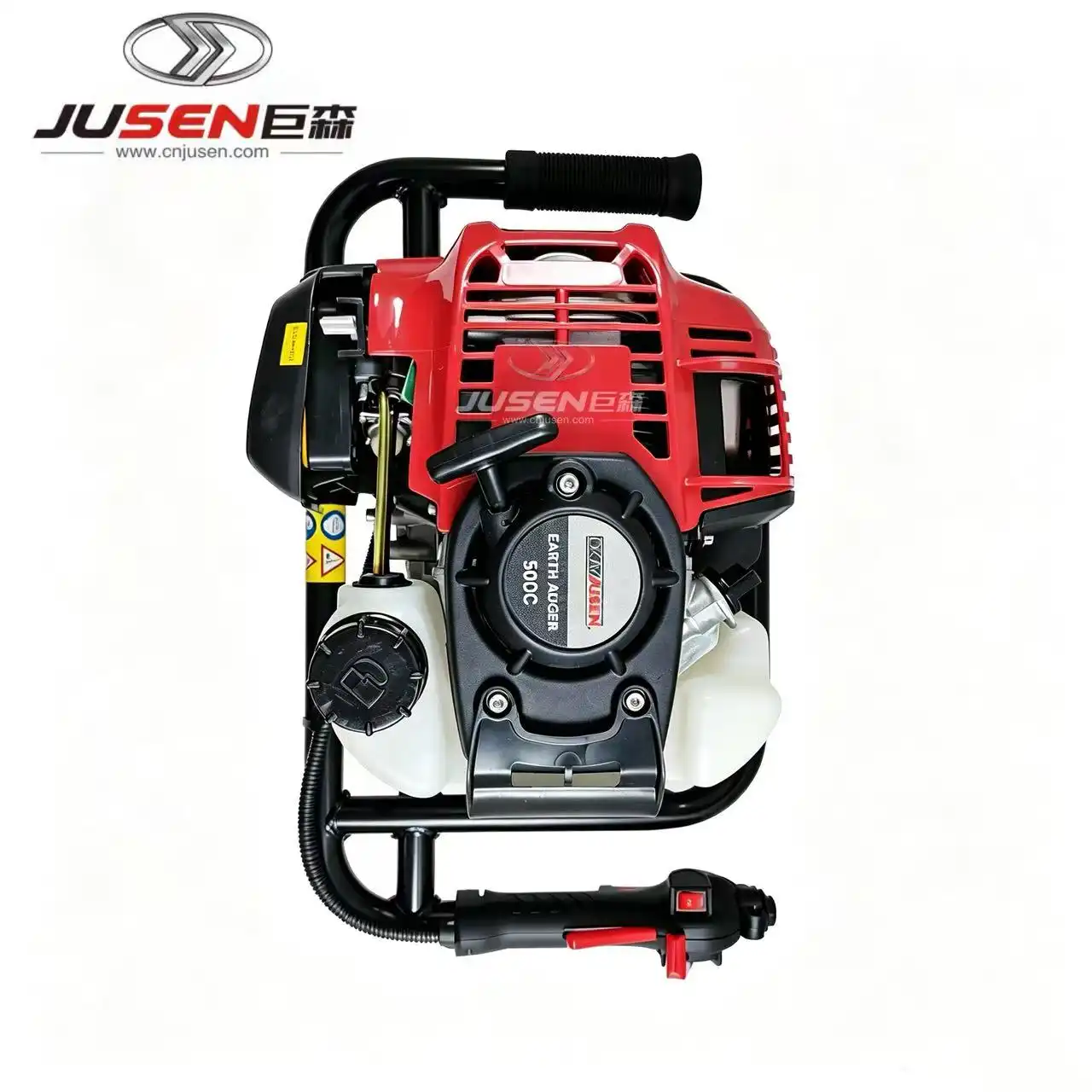 VIEW MOREGX50 Gasoline Earth Auger
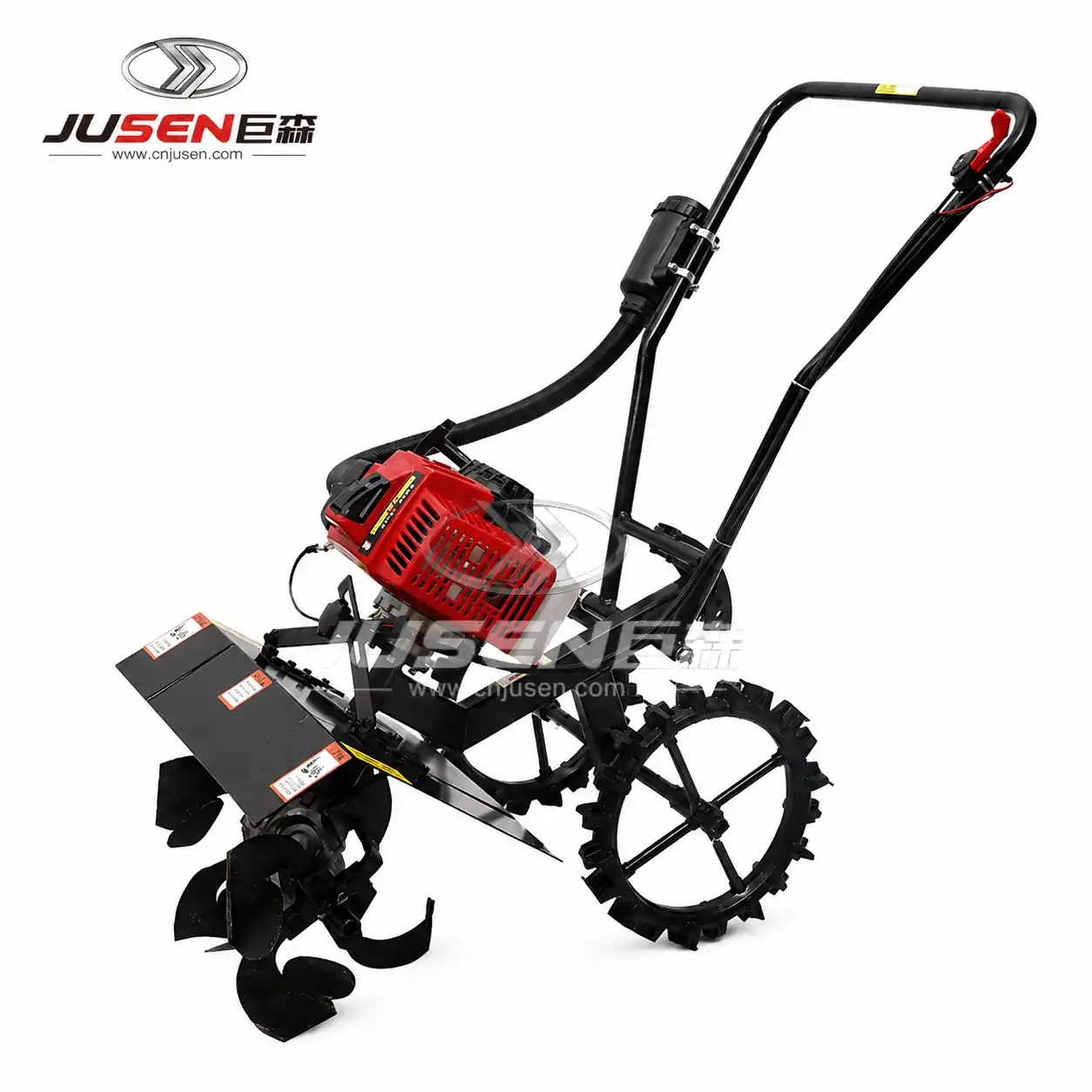 VIEW MOREGasoline 2 Stroke Engine Hand Push Farm Cultivator Rotary Tiller
 VIEW MORE52cc 58cc Chainsaw ignition coil
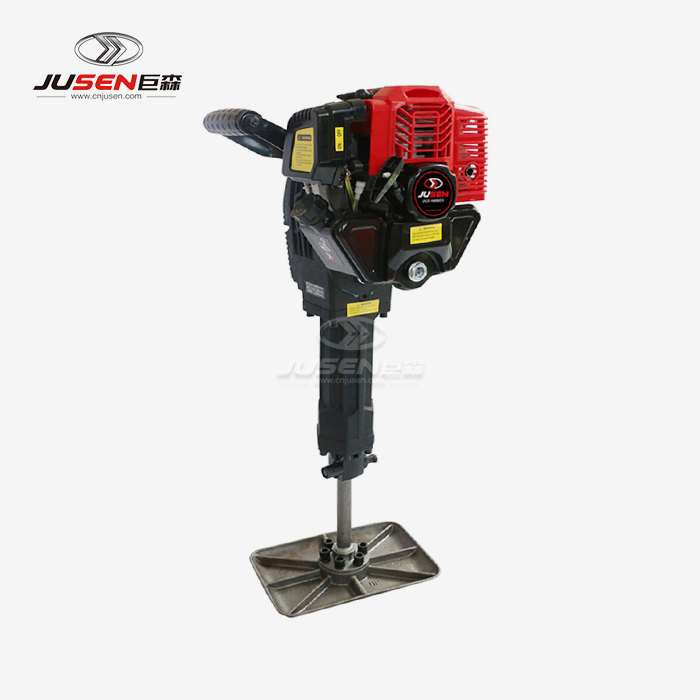 VIEW MOREGasoline Demolrtion Hammer
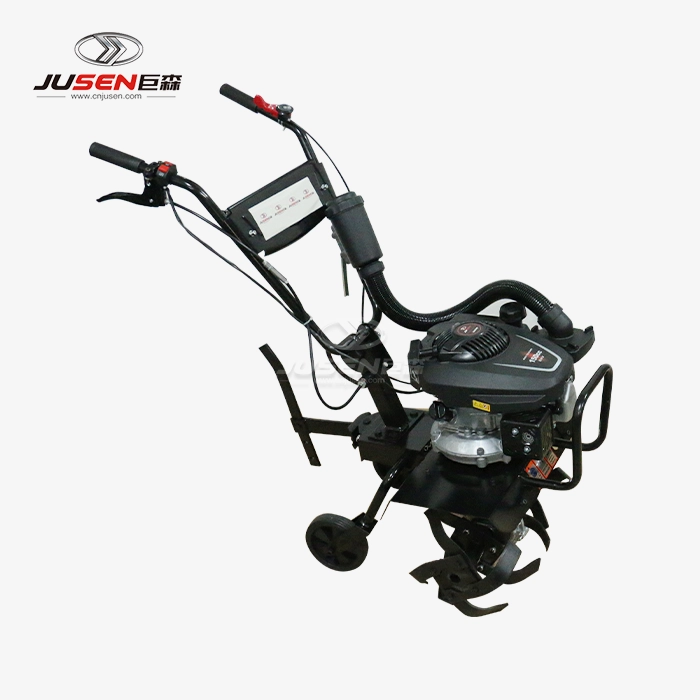 VIEW MORE4-Stroke mini rotary tiller cultivator
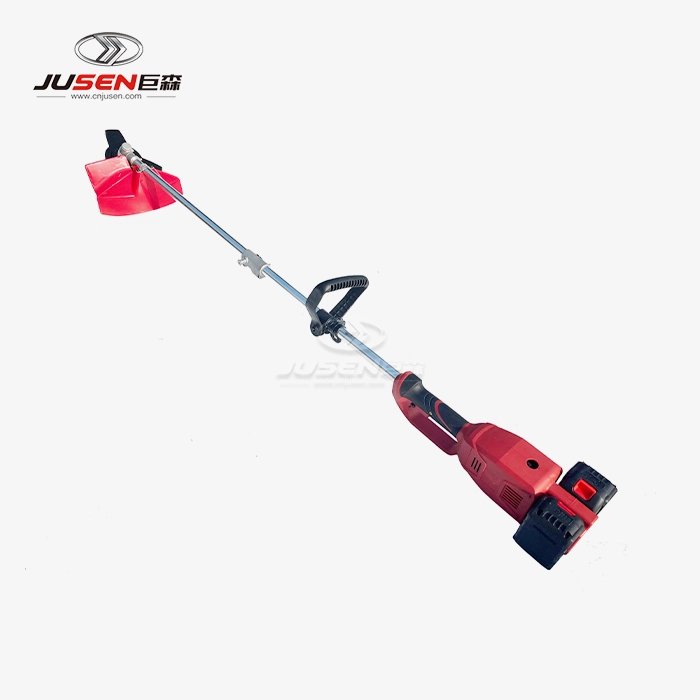 VIEW MOREMultifunctional Electric Brush Cutter
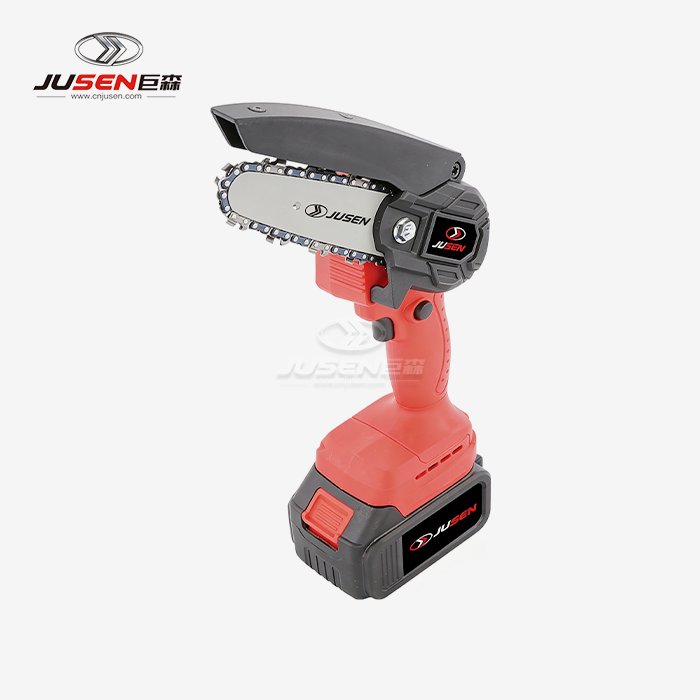 VIEW MOREMini Electric Powered Chainsaw
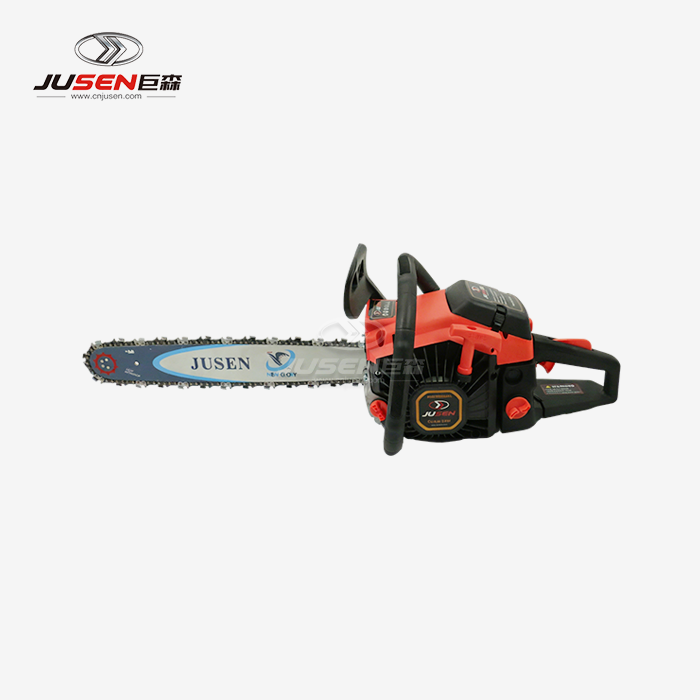 VIEW MORE58cc Gas Chainsaw