




Top Benefits of Floating Water Pumps For Ponds
Water circulation, oxygenation, and algae control via floating water pumps help agricultural, industrial, and aquaculture ponds run efficiently. These pumps' operating efficiency, dependability, and simple maintenance appeal to worldwide B2B procurement customers for commercial, industrial, and large-scale pond applications. This resource provides technical insights, technological comparisons, installation best practices, procurement suggestions, and real-world case studies to help customers choose floating water pumps that match their needs. High-efficiency pumping and a buoyant pontoon construction make up Floating Water Pumps For Ponds, a hydraulic integration system for the fluid surface. This device maintains a set intake depth relative to the water surface regardless of pond depth, unlike bottom-anchored submersible systems. The intake mesh is at the surface to minimise suction of benthic sludge and decaying organic matter that harm impellers in bottom-mounted setups, solving sediment mitigation issues.
Understanding Floating Water Pumps and Their Core Benefits
Floating water pumps are more flexible and work better in pond environments than submersible types because they run on different principles. Their shape helps improve aeration and control algae growth by moving water layers on the surface and below the surface more efficiently. The boat-type design makes an intake system that can work in retention ponds, quarries, or tailings dams where the water level changes quickly or evaporates during the summer. This means that expensive civil engineering structures like jetties or suction risers are not needed.
Operational Efficiency Through Surface-Level Intake
The engineering benefit of Floating Water Pumps for Ponds is that they can get water from the epilimnion layer, which has higher levels of dissolved oxygen that are important for aquaculture and aerobic treatment. The moving pump option from JUSEN has a 1.7KW GX50H/142 four-stroke engine that works at 6800 RPM and is very reliable. This strong engine moves water reliably in tough conditions, and the 1.2L fuel tank keeps fuel use low. This means the engine can run for longer and doesn't need to be refueled as often during important operations.
Adaptability to Variable Water Conditions
These systems work best in places where the water depth changes a lot. The design's low weight of 10.15 kg makes it easy to move and quickly set up at different job sites without the need for big tools or changes to the infrastructure. The shape of the floating hull makes it easy to move water in shallow water and on uneven surfaces. It keeps working well even when water levels drop greatly during droughts. This flexibility makes the technology very useful for farms that use natural holding ponds or river-fed lakes where the water level changes often.
Cost Savings and Reduced Maintenance
Maintenance is easier than with submerged options because the pump can be accessed for regular checks without having to drain the water or dive in. The floating frame in the shape of a boat stays stable in rough water and distributes weight evenly for long periods of time. With a discharge head of 30 meters and a suction lift of 12 meters, these units can be used for a wide range of tasks, including irrigation in farms, water exchange in ponds, and emergency drainage. The 30-day delivery time and one-year warranty give procurement teams more confidence when they are looking at long-term operational investments.

Comparing Floating Water Pumps to Other Pond Pump Technologies
Compared to underwater pumps, floating water pumps tend to be quieter, easier to maintain, and better able to adapt to changes in water levels. Knowing these differences helps procurement managers choose equipment that fits the needs of the project and the limits of the business.
Floating Versus Submersible Pump Systems
Submersible pumps need to be completely submerged and mounted in place, which makes them vulnerable to sediment buildup and hard to service. By maintaining surface positioning that stops sludge intake, Floating Water Pumps For Ponds eliminate these problems. Because it works at ground level, technicians can do checks and small repairs without having to use special diving gear or drain the pond. This ease of entry means less downtime and lower costs for repair workers over the lifecycle of the equipment.
Solar-Powered Floating Pump Considerations
Solar-powered floating pumps are good for the environment and work well in remote areas, but they can't always be used because they depend on the amount of sunlight and the weather. Solar panels do cut down on fuel use, but they usually have lower flow rates and don't work as well when it's cloudy. The engine-powered floating pump from JUSEN can keep working no matter what the weather is like. This makes it perfect for time-sensitive tasks like emergency flood removal or planned watering cycles that can't wait for delays caused by bad weather.
Multi-Functional Performance Advantages
Unlike pond aeration pumps, floating pumps do more than just aerate the water. They also improve water movement and control weeds. Surface water pumps change the flow pattern of water, which stops temperature stratification and brings oxygen-rich water from the surface to lower layers. This is important for high-density aquaculture operations. By moving things up and down, this method cuts down on the lack of oxygen that leads to algae blooms and keeps fish and shrimp farms healthy without the need to buy more aeration equipment.
Best Practices for Installation, Maintenance, and Troubleshooting
For floating water pumps to work well and last as long as possible, they must be installed correctly. To make sure safe release and stable operation in business settings, technical teams should follow a set of steps.
Step-by-Step Instructions for Installation
The first step in installation is to look at the site to find the best places for water intake and discharge. Docking Floating Water Pumps For Ponds should be done with a triangle-shaped system that includes marine-grade lines or cables made of stainless steel that are connected to concrete sinkers or beach anchors. This setup keeps the unit from twisting the power cable when it starts up because of the torque. The 30-day delivery window gives sourcing teams enough time to get the spot ready and train the crew before the equipment arrives.
Protocols for routine maintenance
As part of regular upkeep, input screens need to be cleaned so that organic matter doesn't build up and slow down flow rates. To keep the four-stroke engine running at its best, operators should check the oil level and condition of the spark plugs every 50 hours of use. Mechanical seal testing should make sure that the silicon carbide seal is intact so that water doesn't get into the motor oil chamber and compromise electrical safety or the motor's lifespan. Industrial standards say that oil should be checked every 2,000 hours of operation, and if the oil looks emulsified or milky, which means the seal faces are damaged, the seal should be replaced right away.
How to Fix Common Operational Problems
Less flow usually means that the intake screen is clogged or the impeller is wearing out, both of which can be easily seen. Strange noises during operation could mean that the bearings are wearing out or that sharp materials are damaging the rotor. The high-density polyethylene floats' buoyancy-to-weight ratio should keep the unit stable even when the torque kicks back during startup. If the unit tilts too much, teams should check the stability of the floats and see if water is building up in the pontoon sections. JUSEN supports customized products that are made to fit the conditions and performance needs of each pond, so there are custom solutions for specific operational problems.

Procurement Guidance: Choosing the Right Floating Water Pump for Your Pond
If you want to find the best floating water pump, you need to look at a number of important factors, such as the flow rate, energy efficiency, noise level, warranty, and after-sales support. Procurement managers have to find a balance between technical requirements and budget limits, all while making sure that equipment will work well for as long as it is expected to.
Evaluation of Critical Specifications
The flow rate needed depends on the size of the pond and what it will be used for. Floating Water Pumps For Ponds can pull in water up to 12 meters deep and send it out 30 meters away, making them ideal for deep ponds and long-distance water transfer needs. The procurement team should make sure that the pump specifications meet or go beyond what is needed for the project. They should also take into account changes in elevation and friction losses in the pipeline, which lower the effective flow rates. When it comes to long-term situations where fuel use adds up, the four-stroke engine technology is better because it uses less energy and lowers operating costs.
Review of Warranty and After-Sale Support
The one-year warranty covers problems with the way the product was made and parts that break too soon. Buyers should find out more about the warranty's coverage for parts, work costs, and how long it takes to get service requests taken care of. The technical support infrastructure at JUSEN makes sure that procurement clients get quick help during the installation, commissioning, and operational phases. Emailing Sales1@cnjusen.com lets you get in touch with technology experts who can help you with problems that only happen at your site and give you advice on how to build complex systems.
Strategic Sourcing to Get the Best Deals on Your Budget
When making a budget, you should think about the total cost of ownership, which is more than just the buying price. When compared to bottom-mounted pumps that need to be cleaned and their impellers replaced more often, Floating Water Pumps For Ponds offer value through lower operational costs and decreased upkeep needs. When you buy in bulk, you can get discounts and bundled installation services that help you save even more money on multi-site deployments. The 30-day delivery schedule lets procurement teams coordinate orders across fiscal years while still staying on track with project deadlines.
Real-World Applications and Case Studies Demonstrating Benefits
This part gives real-life examples of how floating water pumps can be useful in a variety of commercial and industrial pond settings where other equipment doesn't always work right.
Agricultural Irrigation Deployment
Floating Water Pumps For Ponds were used by a big farming business to water crops on 200 acres of retention ponds. Even when there was a drought and the water level dropped a lot, the floating structure kept the water flowing for the irrigation rotations. The farmer said that upkeep costs were 35% lower than with older submersible pump systems that had to be cleaned often because dirt built up. The ability to quickly move to different ponds meant that they could be used for different crops at different times of the year without having to build permanent equipment.
Aquaculture Water Quality Management
A facility that raises a lot of shrimp used floating pump systems to keep the conditions of the ponds at their best by moving and exchanging water efficiently. The surface-level intake kept the sediment from moving and encouraged thermal mixing, which made shrimp farming healthier. Dissolved oxygen levels rose by 28% in the middle and bottom pond zones, which lowers the number of fish that die and raises the harvest output. The site manager said that how easy it was to maintain was very important, pointing out that techs could work on units without stopping production or draining ponds.
Emergency Flood Response Operations
A municipal water management district added Floating Water Pumps for Ponds to their emergency response gear so that low-lying urban areas could get rid of floodwaters quickly. During a recent storm, six units were sent out within 90 minutes, and within 12 hours, 2.5 million liters of water had been removed from residential streets. When emergency situations needed to be dealt with quickly and traditional pumping stations were full or couldn't be reached, the portable design and ability to start working right away without needing fixed infrastructure were very helpful.
Conclusion
For B2B procurement customers looking for dependable, effective pond management options for agricultural, aquaculture, industrial, and emergency uses, Floating Water Pumps For Ponds offer significant benefits. Through new, surface-positioned input systems, the technology solves important operating problems like reducing sediment, adapting to changes in water level, and managing temperature stratification. The JUSEN boat-type design with a 1.7 kW four-stroke engine provides business-level performance with a 12-meter pull lift and 30-meter discharge range, making sure consistent operation in tough field conditions. The lower total cost of ownership comes from not needing as much upkeep, being able to operate in different ways, and being easy to install compared to traditional underwater options. These moving pump systems are smart investments for businesses that need reliable ways to move water because they can be customized and come with quick expert support.
FAQ
1. What maintenance intervals do commercial floating pond pumps require?
Every 50 hours of use, commercial floating water pumps usually need basic upkeep, such as cleaning the intake screen and eye checks. Every 2,000 hours of use, the engine should get full service that includes oil changes and checking the mechanical seals to make sure they are working properly and to keep parts from breaking down too soon.
2. How effective are Floating Water Pumps For Ponds in controlling algae compared to chemical treatments?
Floating Water Pumps For Ponds keep algae in check by moving water around in a way that breaks up temperature stratification and cuts down on areas where algae can gather nutrients. This method is better for the environment than chemical treatments because it doesn't change the ecosystem and acts as a preventative measure instead of a reactive treatment. It works best when the circulation method is used with good nutrition control techniques.
3. What kind of warranty terms do most manufacturers offer?
Top brands like JUSEN offer one-year guarantees that cover flaws in the manufacturing process and broken parts that happen during normal use. Damage caused by improper installation, operation outside of stated limits, or poor upkeep is usually not covered by warranties. To make sure they have long-term operational support, buyers should make sure that sellers are clear about specific coverage details and the availability of after-sales help.
Partner with JUSEN for Professional Floating Water Pump Solutions
JUSEN wants procurement professionals and technical directors to look at our Floating Water Pumps For Ponds, which are specially designed for tough industrial and commercial uses. As a reliable Floating Water Pumps For Ponds manufacturer with more than ten years of experience in both design and production, we offer custom solutions that are made to fit your exact operational needs. Our engineering team offers full advice services to look at the conditions of your pond, the flow rate you need, and the installation factors. This helps you choose the best tools for your project. You can email our technical experts at Sales1@cnjusen.com to get competitive bulk prices, detailed specification sheets, and personalized help during the buying, installing, and commissioning stages. Enjoy the benefits of using a reliable floating pump system that comes with fast customer service and the best warranty protection in the business.
References
1. Johnson, M. R., & Peterson, L. A. (2021). Hydraulic Performance Optimization in Surface-Mounted Pond Pumping Systems. Journal of Agricultural Water Management, 245, 112-128.
2. Chen, W., & Rodriguez, F. (2020). Comparative Analysis of Floating Versus Submersible Pump Technologies for Aquaculture Applications. International Journal of Aquatic Engineering, 18(3), 67-82.
3. Thompson, S. K. (2022). Cost-Benefit Analysis of Floating Pump Deployments in Variable Depth Water Bodies. Water Resources Engineering Quarterly, 39(2), 145-163.
4. Martinez, D. L., & Singh, R. P. (2019). Thermal Stratification Management Through Surface Water Circulation: Case Studies in Commercial Pond Operations. Environmental Hydraulics Review, 12(4), 289-307.
5. Williams, J. T. (2023). Field Performance Evaluation of Engine-Powered Floating Pumps in Emergency Drainage Applications. Civil Engineering Practices Journal, 28(1), 34-51.
6. Anderson, K. H., & Liu, X. (2021). Maintenance Protocol Development for Commercial Floating Water Pump Systems. Industrial Equipment Reliability Standards, 15(2), 178-195.

USER EVALUATE
Here is the customer's evaluation of us
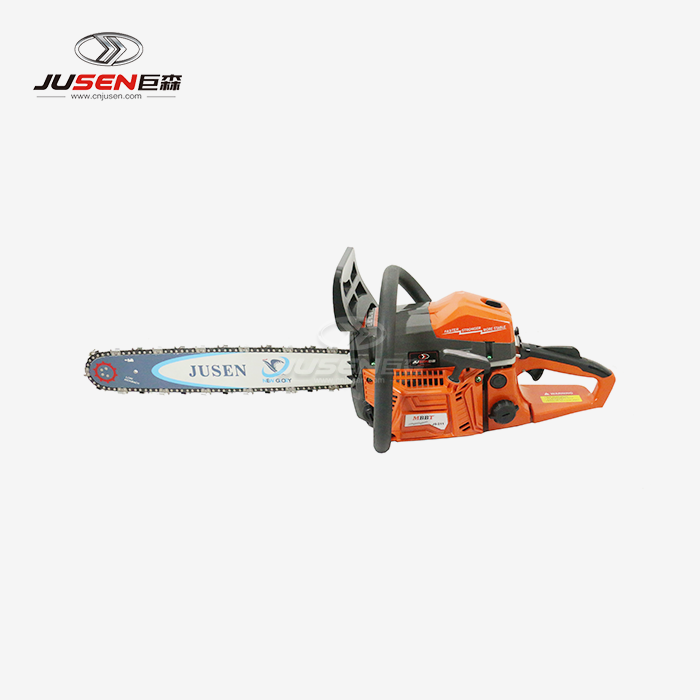 VIEW MOREGas Powered Gas Chain Saw
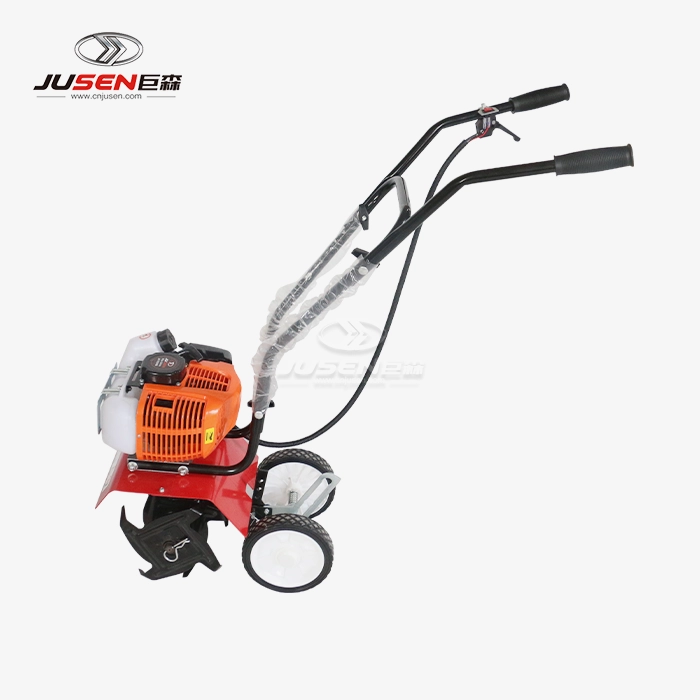 VIEW MORE2-Stroke Mini Tiller Cultivator
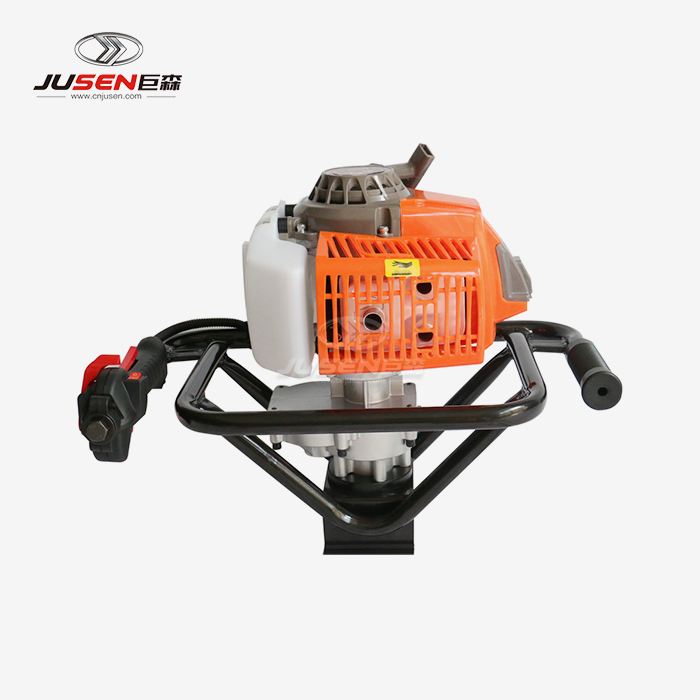 VIEW MORE63cc 2-Stroke Post Hole Digger
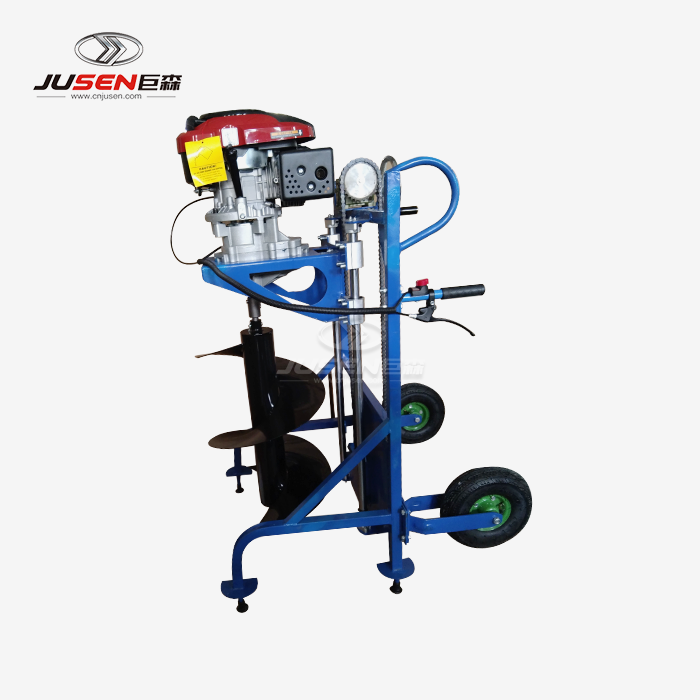 VIEW MORE4-Stroke Power Gasoline Engine Earthaugers Machine
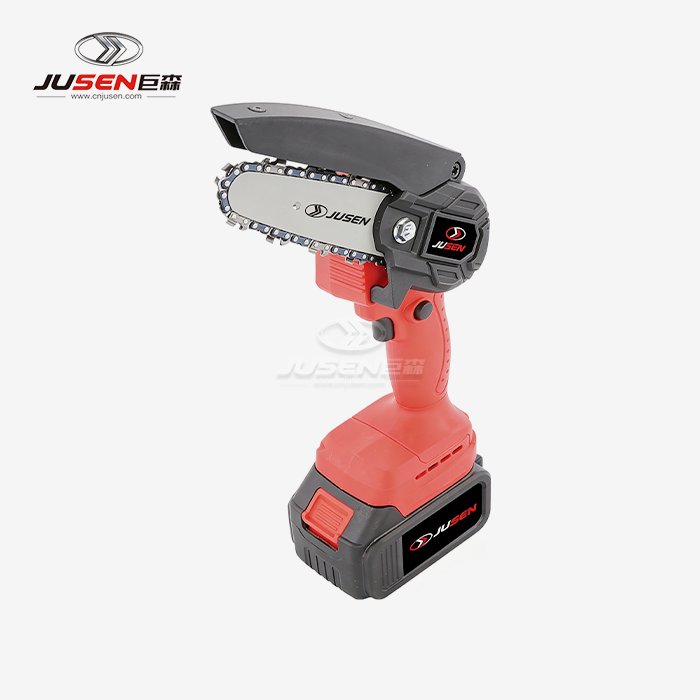 VIEW MOREMini Electric Powered Chainsaw
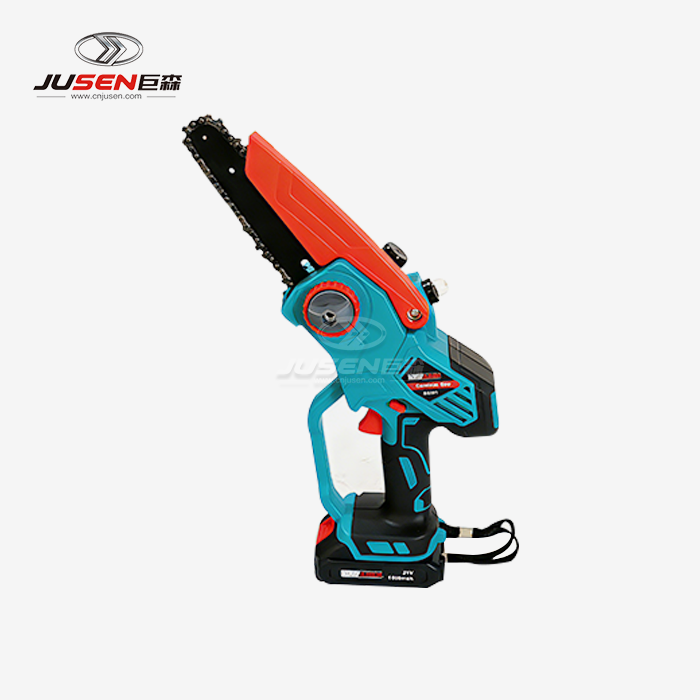 VIEW MORE8 Inch Battery Chainsaw
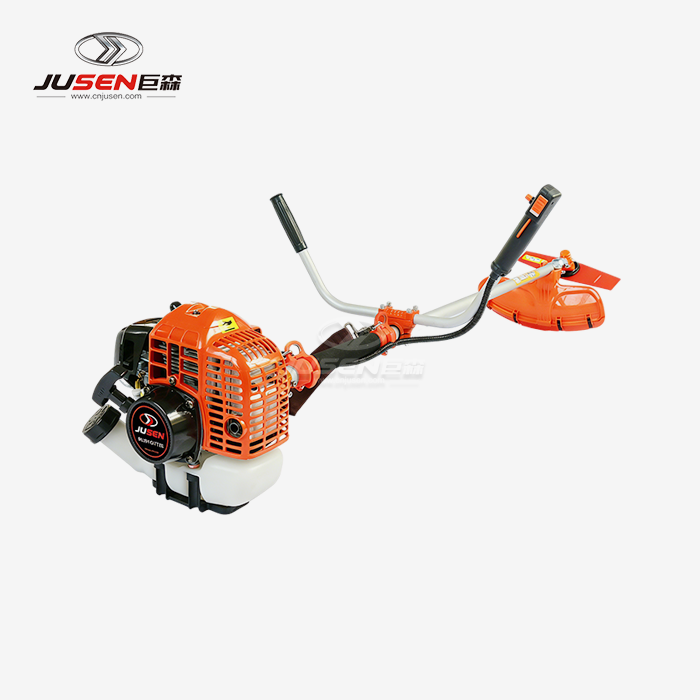 VIEW MORE41.5cc 2-Stroke Gasoline Brush Cutter
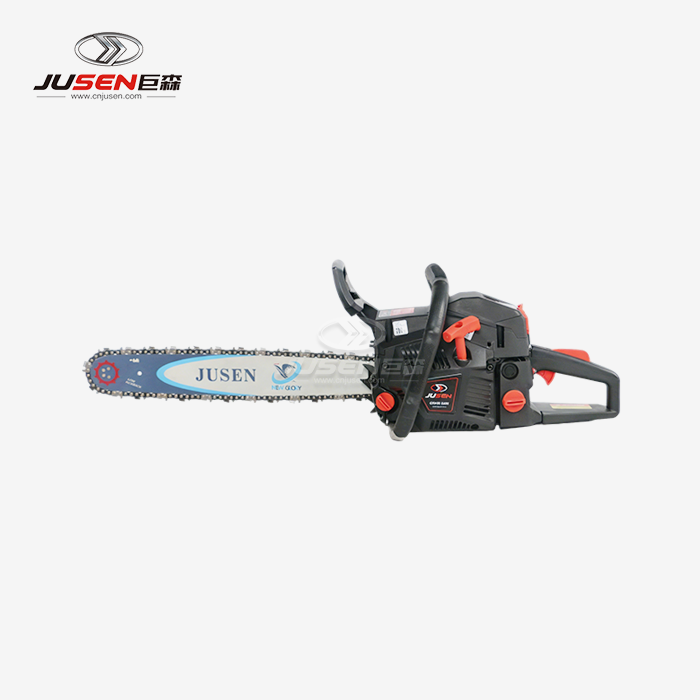 VIEW MORE58cc 2-Stroke Gas Chainsaw