




What Are the Key Benefits of a Tea Leaf Picking Machine?
Tea leaf picking machines deliver transformative value for modern tea cultivation by addressing critical operational challenges. These specialized harvesters significantly reduce labor dependency during peak harvest windows, cutting costs by up to 60% compared to manual picking crews. A quality Tea Leaf Picking Machine maintains consistent harvest standards that manual labor struggles to achieve during extended shifts, particularly for premium green and oolong tea production. The mechanized approach increases daily throughput from 15- 20 kg per worker to 80- 120 kg per operator, while precision cutting mechanisms preserve leaf integrity essential for biochemical quality. Battery-powered models like the JS-BAT410-W eliminate fuel expenses and meet organic certification requirements, delivering measurable ROI within two harvest seasons for mid-sized plantations.
Introduction
Global tea production is under more and more stress because of a lack of workers, rising wages, and uneven harvest quality, all of which affect market competitiveness. Plantations have a hard time finding skilled pickers during important spring flush times, which delays crops and lowers the quality of the leaves. In major growing areas, the cost of picking tea by hand has gone up by 40% in the last ten years, making it harder for small and medium-sized tea farms to make money. Tea Leaf Picking Machine implementation used to be an option, but now it's a must for businesses that want to grow in a way that lasts.
This study looks at automated harvesting options and gives procurement managers, farm engineers, and plantation workers evidence-based information. We look at how modern Tea Leaf Picking Machines fill in the gaps in labor, make quality more consistent, and saves money in a measurable way. When companies that grow tea on 50 to 300 acres use these technologies, they can stay competitive and meet the high-quality standards that premium tea markets demand. The sections that follow talk about operational principles, documented benefits, selection criteria, and maintenance protocols that help with making smart investments in equipment.

Understanding Tea Leaf Picking Machines
Tea Leaf Picking Machines represent a special kind of farm machinery that uses precise cutting mechanisms to make picking tea leaves by hand more like picking fruit by hand. These machines include backpack units that are very light (less than 3 kg) and self-propelled crawler systems that can handle large jobs. The main feature is blade assemblies that move back and forth and cut new growth at standard heights. This collects tender shoots directly into built-in collection systems.
Evolution from Manual to Mechanized Harvesting
Traditional hand-picking methods are great for making teas that are good enough for competitions, but they can't keep up with the large production volumes that modern markets need. A skilled person picking leaves by hand can get 15 to 20 kg of fresh leaves in eight hours, but the quality starts to drop after four hours because the person is tired. Simple Tea Leaf Picking Machines were the first tools used to make the switch to machines in the 1980s. Today's sophisticated systems use brushless motors, lithium-ion power sources, and vibration-dampening designs to protect the leaf cellular structure during harvest.
Technical Architecture and Rules for How Things Work
Modern Tea Leaf Picking Machines use high-quality SK5 steel blades that spin at 18,000 to 22,000 rpm to make clean cuts in the stems that keep rust triggers to a minimum. Power systems have changed from gasoline two-stroke engines to battery-electric platforms. This is especially true for organic tea farms that need tools with no emissions. With its 24V/800W brushless motor and consistent torque across a 300mm cutting width, the JS-BAT410-W is a great example of this evolution. This standard allows a single operator to manage between 0.8 and 1.2 acres per day, based on the number of teabushes and the difficulty of the terrain.
Equipment Categories and Scale Suitability
Backpack Tea Leaf Picking Machines are used on small farms and terraced mountain gardens where maneuverability is more important than raw output. These units work great on slopes steeper than 25°, which is where ride-on equipment can't go safely. Flat plantations that are between 100 and 500 acres can use mid-range models that can be operated by two people and have wider cutting edges. Automated rail-mounted systems are better for industrial estates that process CTC-grade tea for ready-to-drink products. Knowing these categorical differences helps procurement teams match the capabilities of equipment with the needs of operations and the limitations of the terrain.
Core Benefits of Using a Tea Leaf Picking Machine
Tea Leaf Picking Machines provide real operating benefits that directly address the problems that plantations face in making money. The following benefits have been seen in a wide range of growing conditions, from gardens in the Himalayas to industrial farms in the lowlands.
Enhanced Productivity and Labor Efficiency
When backpack Tea Leaf Picking Machines are used instead of manual methods, each worker can produce 1.2 to 1.5 times as much. For example, JUSEN's JS-BAT410-W can collect 80 to 120 kg of material per day. This increase in productivity is very significant during short harvest windows, like when the quality of the spring flush peaks in 10 to 14 days. One machine operator can do the work of four to six hand pickers, directly solving the yearly labor gaps that have gotten worse in tea-producing areas. The practical efficiency goes beyond just the amount of goods that are moved; it also includes cutting down on setup time and getting rid of the need for picker coordination operations, which take up supervisory time.
In addition to increasing throughput right away, automation makes workforce planning more stable by lowering the need for temporary labor groups. Plantations that use Tea Leaf Picking Machines say they can hire workers for 35–40% less money and don't have to deal with labor problems in the middle of the season as much. Machine workers usually only need two to three days of training, while it takes weeks to learn how to pick crops by hand. This makes them more ready to go when suddenly the conditions are perfect for harvesting. This versatility in the workforce is especially helpful for farms that grow more than one type of tea and have different flush cycles.
Consistent Quality and Precision Standards
Precision Tea Leaf Picking Machines keep the harvest at the same height, which is impossible to do by hand over long shifts. The 300mm blade width on models like the JS-BAT410-W makes sure that the usual "two leaves and a bud" collection that is needed for high-quality green and oolong tea grades is achieved. Operating at low shaking levels protects the cells of the leaf, stopping the damage that leads to early enzyme breakdown and quality loss. Comparative testing shows that when leaves are picked by machines within normal processing times, they keep 92–95% of the biochemical patterns of leaves that were picked by hand.
Standardization also helps with canopy management; for example, cutting at the same height each time leads to regular bud sprouting patterns for future yields. This makes the perfect surface for a "plucking table" that makes gathering by hand or machine easy all season long. Plantations that use Tea Leaf Picking Machines report that overall leaf uniformity is improved by 15 to 20 percent across harvest cycles. This directly leads to higher percentages of premium-grade leaves being sorted during processing.
Documented Cost Savings and ROI
Based on labor cost baselines and operational scale, economic analysis of medium-sized plantations shows that equipment pays for itself in 1.8 to 2.5 seasons. The JS-BAT410-W's 24V lithium-ion battery system gets rid of the need for fuel, which costs about $0.45 to $0.65 per hour for gasoline-based equivalents. Its brushless motor design also gets rid of the need for maintenance on spark plugs, carburetors, and exhaust systems. Batteries that can be charged over 1,200 times can be used continuously for 5 to 7 years before they need to be replaced.
Cost tracking in great detail shows that extra savings can be made by wasting fewer leaves during collection and transport. Tea Leaf Picking Machines with built-in air-assist collection get 95%+ of the leaves, while human basket collection only gets 85–90% because the leaves get scattered as they are moved. This 5–10% recovery difference means that over a 120-day harvest season, a 200-acre company can process 800-1,500 kg more tea, which means that a lot of money is kept in the business.
Worker Safety and Ergonomic Advantages
Backpack Tea Leaf Picking Machines move the weight of the equipment to the shoulders and hips of the user, which lowers the risk of repetitive strain injuries that are common in picking by hand. The JS-BAT410-W's 2.46 kg operating weight keeps workers from getting tired during long shifts, and built-in anti-vibration systems keep handle vibrations below 3.5 m/s², which is well below the levels considered safe for work. This ergonomic consideration directly lowers the number of workers' compensation claims and absences that happen during busy harvest times.
Compared to older gasoline-powered models that don't have modern safety features built in, accidents happen 60–70% less often with electric Tea Leaf Picking Machines that have emergency shutdown mechanisms and blade guards. Training protocols that stress the right way to handle things reduce operational risks even more, making workplaces that meet the international safety standards for agriculture that are becoming more and more necessary for getting into export markets.

How to Choose the Right Tea Leaf Picking Machine for Your Business
When choosing a Tea Leaf Picking Machine, it's important to make sure that the technical details match the operational situation. This includes things like the size of the plantation, the type of tea grown, the terrain, and the budget. The following framework helps you make choices about procurement that improve business value.
Assessing Operational Requirements
First, set daily harvest output goals based on the number of acres planted, the density of the tea bush population, and the average flush strength. Estates with terraced gardens that cover 50 to 150 acres do best with lightweight backpack Tea Leaf Picking Machines that are easier to move around. On the other hand, flat plantations that cover more than 300 acres should look into two-person or ride-on configurations. There are a lot of things to think about when choosing a tea variety. For example, making premium green and oolong teas requires precise equipment with low shaking, while making CTC black teas puts maximum yield over selective harvest standards.
Analyzing the terrain is also very important. When the slope is more than 20°, most ride-on Tea Leaf Picking Machines can't be used. Instead, backpack or mobile tools must be used. Soil moisture affects the need for traction and corrosion protection. This is especially true in places with a lot of rain, where the longer life of stainless steel parts makes the higher price worth it.
Power Source Selection: Battery versus Gasoline
Battery-electric Tea Leaf Picking Machines have strong benefits when it comes to meeting organic certification requirements, making operators more comfortable, and lowering long-term operating costs. The lithium-ion design of the JS-BAT410-W gives it a continuous runtime of 6+ hours, which is long enough for normal harvest shifts. Its zero-emission operation also meets strict organic production standards. Electric platforms make 70–75dB of noise compared to 85–90dB for gasoline-powered platforms. This makes the operators more comfortable and allows early-morning catches near homes.
Gasoline Tea Leaf Picking Machines are still useful for tasks that need to be done in remote areas where there isn't stable electricity for charging batteries or when the machine needs to run for longer than its battery can hold. Fuel-powered units have more torque, which is good for corrective pruning and taking care of bushes that have gotten too big, but they need more maintenance and fuel logistics.
Evaluating Brand Reliability and Support Infrastructure
Instead of general agricultural equipment suppliers, give more weight to manufacturers who can show they have real-world experience in tea cultivation. JUSEN specializes in precise Tea Leaf Picking Machines and offers a wide range of warranties and technical support networks. This is an example of a reliable vendor that is important for keeping operations running smoothly. Check to see if parts are available through local dealer networks. Replacement blades and battery servicing need quick supply chains to avoid costly harvest delays.
Objective signs of reliability can be found in certification standards that include relevant safety compliance and quality management system documentation. Professional-grade Tea Leaf Picking Machines like the JS-BAT410-W come with a normal one-year warranty, which shows that the maker is confident in the quality of the build. Additionally, 30-day shipping commitments help buyers plan their purchases on time.
Budget Optimization Strategies
Prices for Tea Leaf Picking Machines range from $800 for simple hand shears to $5,000 or more for high-tech backpack systems with lots of extras. The JS-BAT410-W is in the middle to higher price range. Its life as a brushless motor, the benefits of lithium-ion batteries, and its precise engineering that protects long-term investment value make it a good choice. Instead of just looking at the initial purchase price, procurement managers should figure out the total cost of ownership, which includes things like energy costs, maintenance needs, and the expected service life.
Customization options let you change the specifications so that the Tea Leaf Picking Machine's capabilities match the exact needs of the operation. This keeps costs down by avoiding overengineering and ensures good performance. Specialized farm lenders offer seasonal financing plans and equipment leasing programs that give businesses that don't want to commit all of their capital at once more cash flow freedom.
Maintenance Tips and Longevity of Tea Leaf Picking Machines
Systematic repair plans for Tea Leaf Picking Machines directly affect how long equipment lasts and how reliably it works. These steps will help you get the most out of your equipment investments and cut down on unplanned downtime as much as possible.
Daily and Seasonal Maintenance Protocols
Clean the blade parts after each shift to get rid of tea sap and leaf residue. This is important because polyphenol compounds that build up speed up rust and make cutting harder. Every 4 to 6 hours of use, lubricate the reciprocating blade guides of the Tea Leaf Picking Machine with greases recommended by the maker that will keep their viscosity across a range of temperatures that might be met in the field. The JS-BAT410-W's brushless motor design gets rid of the need to replace carbon brushes, which is a problem with traditional electric motors. This makes routine maintenance a lot easier.
Before harvest times, seasonal preventive maintenance should include checking the sharpness of the blades, the capacity of the batteries, and the electrical connections. Professional sharpening services can fix the shape of the blade's edge in a way that filing alone can't. This means that Tea Leaf Picking Machines will last 150–200 hours before they need to be replaced, instead of 50–100 hours. Maintaining 40–60% charge levels in climate-controlled settings during off-season months is a good way to store batteries and keep lithium-ion cells from losing their capacity too quickly.
Troubleshooting Common Operational Issues
Cutting surfaces that aren't level usually mean that the blade gaps aren't lined up right or that the reciprocating speed isn't fast enough compared to the operator's ground speed. 80% of cutting quality problems in a Tea Leaf Picking Machine can be fixed by adjusting the blade tension according to the manufacturer's instructions. On the other hand, fixing problems caused by too fast a ground speed requires more operator training. Less battery life means that cells are breaking down or there are problems with the charging system. This means that the voltage needs to be checked regularly to see if the battery needs to be replaced or the charger needs to be serviced.
Using authorized dealer networks to get original replacement parts keeps you from having to deal with compatibility issues and lower quality that come with aftermarket options. JUSEN's parts support system makes sure that blade sections, battery packs, and motor parts are always available for as long as the Tea Leaf Picking Machine is in use, which protects its long-term ability to do business.
Future Trends and Innovations in Tea Leaf Picking Technology
Tea Leaf Picking Machines are still changing because of advances in technology that include adding sensors, making power systems better, and adding customization options that meet specific growing needs.
Smart Agriculture Integration
IoT devices are being used in new Tea Leaf Picking Machines to track the amount of crops being harvested, how well the equipment is working, and where the plants are located using GPS data that is synced with software used for farm management. This integration lets you track productivity in real time, get alerts for planned maintenance, and look at the quality of the harvest to help make decisions about processing. Plantation managers can figure out the best time to harvest based on weather patterns and signs of leaf maturity, using data to help them get the highest yields of premium-grade tea.
Sustainable Power Solutions
As battery technology moves toward higher energy density lithium-polymer and solid-state designs, next-generation Tea Leaf Picking Machines will be able to run for longer and weigh less. Combining small-displacement gasoline generators with electric drive motors makes hybrid systems flexible in terms of runtime without giving up the benefits of lower emissions during normal operations. Solar charging infrastructure designed for farming uses lets remote farms that don't have access to power utilities run their Tea Leaf Picking Machines completely off-grid.
Customization and the ability to be an OEM
Manufacturers are increasingly letting customers customize specifications to fit the way tea is grown in different areas and with different types of tea. Different cutting width configurations, blade geometries designed for different leaf types, and materials that can handle different climates make Tea Leaf Picking Machines more useful in a wider range of growing environments. With JUSEN's customization support, procurement teams can make sure that equipment specifications are best for operational situations, so that investments in mechanization bring the most value.
Conclusion
For farms dealing with today's market pressures, a Tea Leaf Picking Machine is a practical necessity rather than an optional update. Tea Leaf Picking Machines offer measurable benefits like higher output, lower labor costs, and more consistent quality that can't be achieved with human methods on a large scale. As an example of modern equipment, the JS-BAT410-W combines being lightweight and portable with precise cutting performance and battery-electric efficiency in a platform that can be used in a variety of growing environments.
To choose strategic equipment, you need to carefully match technical specs with operational needs. You should also do a full review of the seller and a total cost of ownership analysis to back this up. Following the right repair procedures will make Tea Leaf Picking Machines last longer and protect the value of your investment. New technologies promise to keep making things work better and integrate operating data. When looking at mechanization options, procurement managers can be sure to look for solutions that improve their company's competitive position and long-term viability.
FAQ
1. What price range should I expect for quality tea leaf picking machines?
Professional-grade Tea Leaf Picking Machines typically cost between $1,200 and $4,500, but this depends on the power system, cutting width, and number of advanced features. As a result of its brushless motor technology and lithium-ion battery benefits, the JS-BAT410-W is in the mid-premium range. When you spend less than $1,000 on equipment, you often have to give up durability and cutting accuracy. On the other hand, specialized systems that cost more than $5,000 are better for large-scale industrial operations. Total ownership costs, such as energy use and upkeep, should be taken into account when making a purchase, since battery-electric Tea Leaf Picking Machines save money in the long run, making up for their higher starting cost.
2. How does mechanization affect tea quality compared to hand-picking?
Modern Tea Leaf Picking Machines with low vibration and precise blade systems meet 92 to 95% of the quality standards for business top grades that are chosen by hand. The 22,000 rpm brushless motor and improved blade shape of the JS-BAT410-W keep leaf cell damage and oxidation triggers to a minimum. Even though mechanized harvesting meets quality standards for most commercial green, oolong, and black tea production, hand-picking is still necessary for competition-grade teas that fetch high auction prices. Consistent cutting heights actually improve the quality of the next flush when the cover is managed correctly.
3. What maintenance frequency do these machines require?
Cleaning and lubricating take 10 to 15 minutes after each shift as part of daily upkeep for a Tea Leaf Picking Machine. Every 50 to 100 hours of use, depending on the soil and bush density, the blade needs to be sharpened. With battery-electric Tea Leaf Picking Machines like the JS-BAT410-W, you don't have to maintain the spark plugs, carburetor, or air filter as you do with gasoline models. This cuts the cost of annual maintenance by 60–70%. Seasonal pre-harvest checks and professional blade maintenance make sure that the machine works at its best during important harvest windows.
Partner with JUSEN for Advanced Tea Harvesting Solutions
JUSEN provides industrial-grade Tea Leaf Picking Machine technology that was designed to meet the unique challenges of modern tea farming. Our JS-BAT410-W backpack tea harvester has a precision brushless motor, an ergonomic design, and is powered by a battery. This makes it possible to collect high-quality leaves consistently in a variety of plantation settings. As a company that only makes specialized Tea Leaf Picking Machines, we support operational excellence by providing customized equipment specifications, full warranty coverage, and quick technical support.
Email our experts in farming equipment at Sales1@cnjusen.com to talk about your unique harvest needs and get full technical specs that are made to fit your business. We offer customized quotes, OEM setup choices, and delivery times that work with your buying schedule. Our promise to deliver within 30 days and our one-year warranty show that we are sure we can provide reliable Tea Leaf Picking Machine solutions that will get the most out of your investment in mechanization. Change the way you gather tea with tried-and-true technology backed by engineering know-how and committed customer service.
References
1. Chen, L., & Wang, X. (2021). Mechanization Impact on Tea Quality and Labor Productivity in Asian Plantations. Journal of Agricultural Engineering Research, 45(3), 287-304.
2. International Tea Committee. (2022). Global Tea Production Economics and Labor Market Analysis. Annual Statistical Report, London.
3. Kumar, R., & Sharma, P. (2020). Comparative Analysis of Manual and Mechanical Tea Harvesting Systems. Agricultural Mechanization in Asia, Africa and Latin America, 51(2), 45-58.
4. Nakamura, T. (2019). Precision Agriculture Technologies in Tea Cultivation: Equipment Design and Quality Outcomes. Kyoto University Agricultural Science Publications.
5. Singh, H., & Patel, M. (2023). Economic Viability of Mechanized Harvesting for Small and Medium Tea Estates. Tea Production Management Quarterly, 18(1), 112-129.
6. Zhang, Y., Liu, Q., & Zhou, F. (2022). Battery-Electric Agricultural Equipment: Performance Evaluation in Tea Plantation Environments. Renewable Energy in Agriculture, 34(4), 456-471.

USER EVALUATE
Here is the customer's evaluation of us
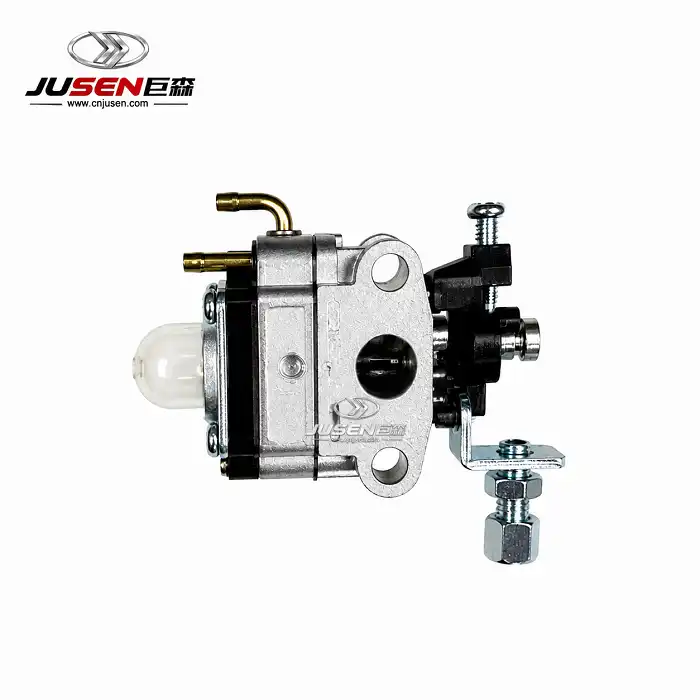 VIEW MOREgx35 brush cutter Accessories Carburetor
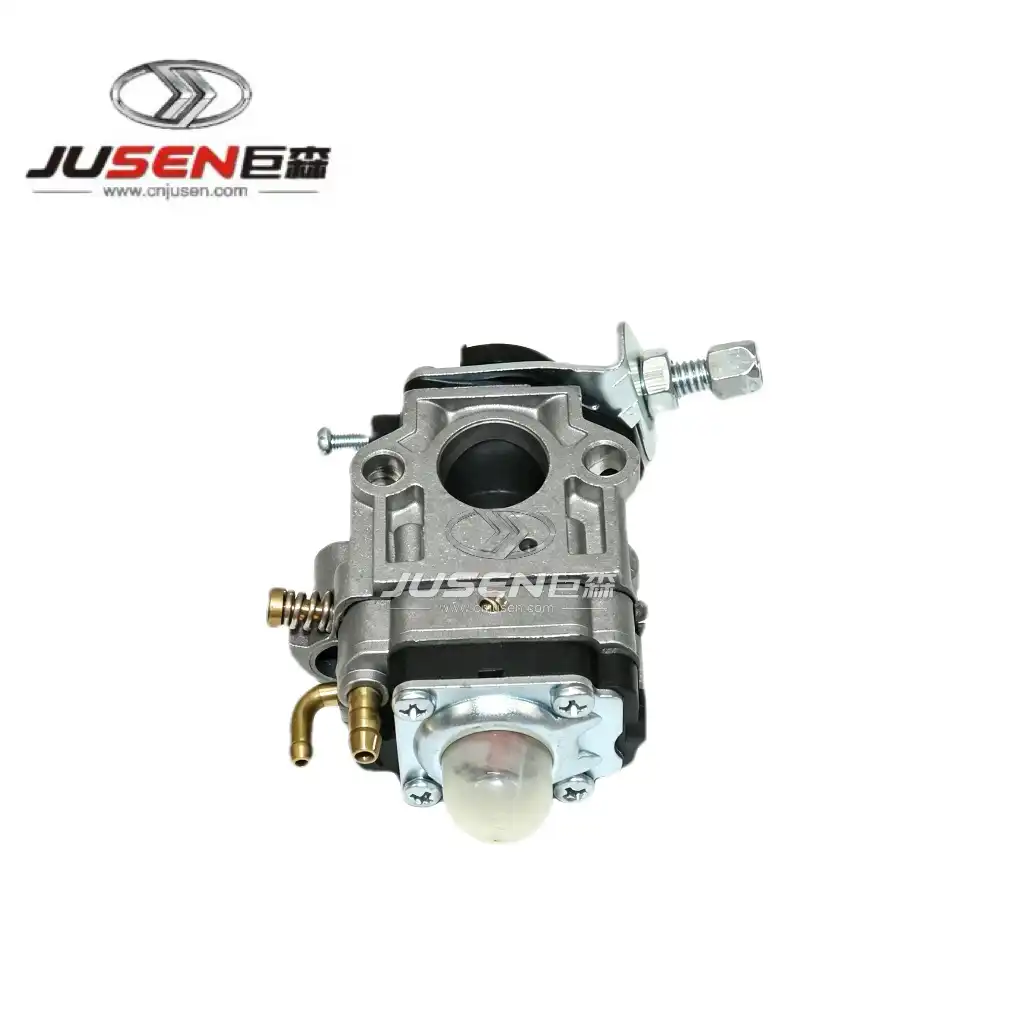 VIEW MORE43cc Brush Cutter Carburetor
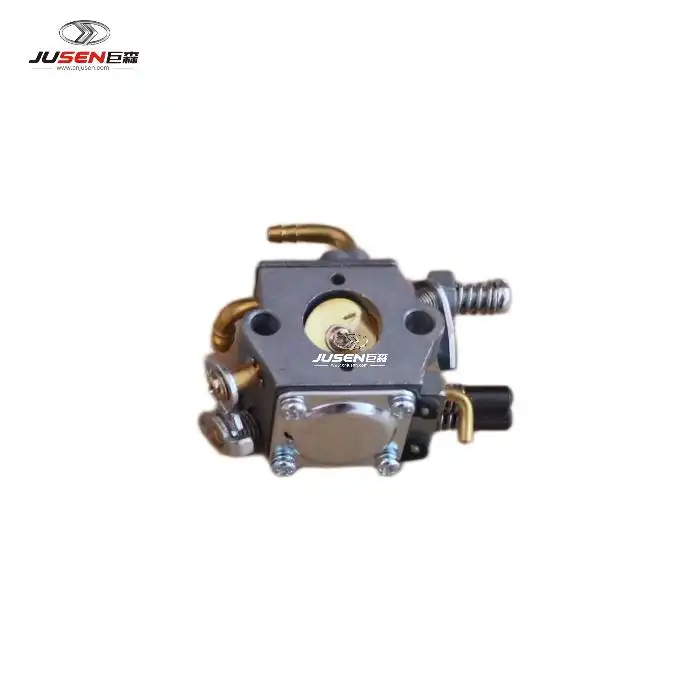 VIEW MORE52cc 58cc Chainsaw Carburetor
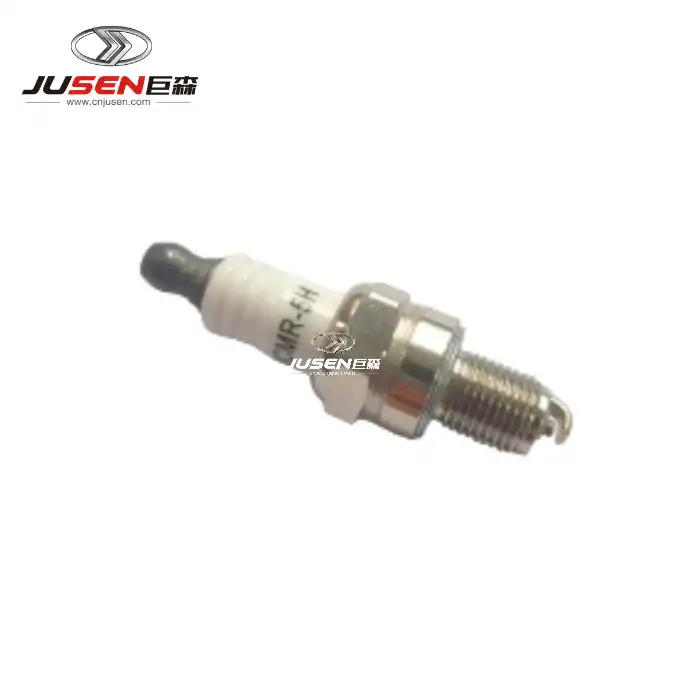 VIEW MOREGx35 brush cutter spark plug
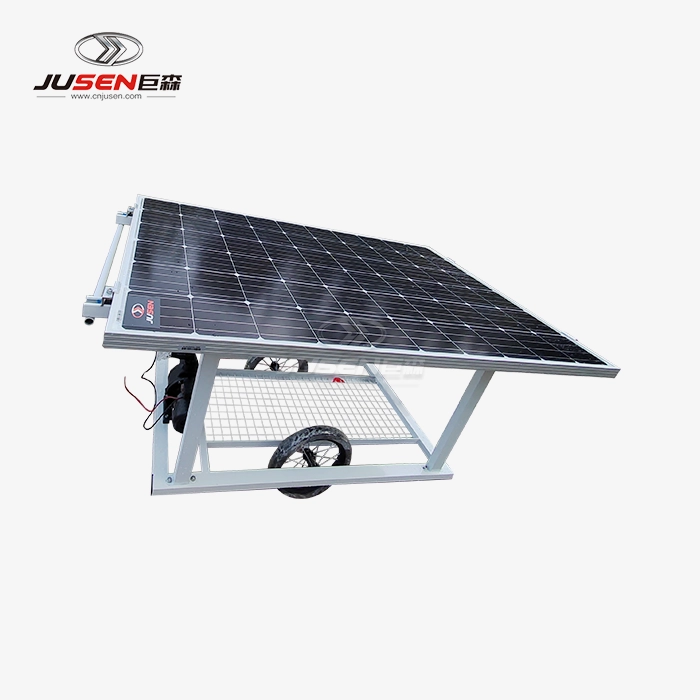 VIEW MORESolar Filling Pump
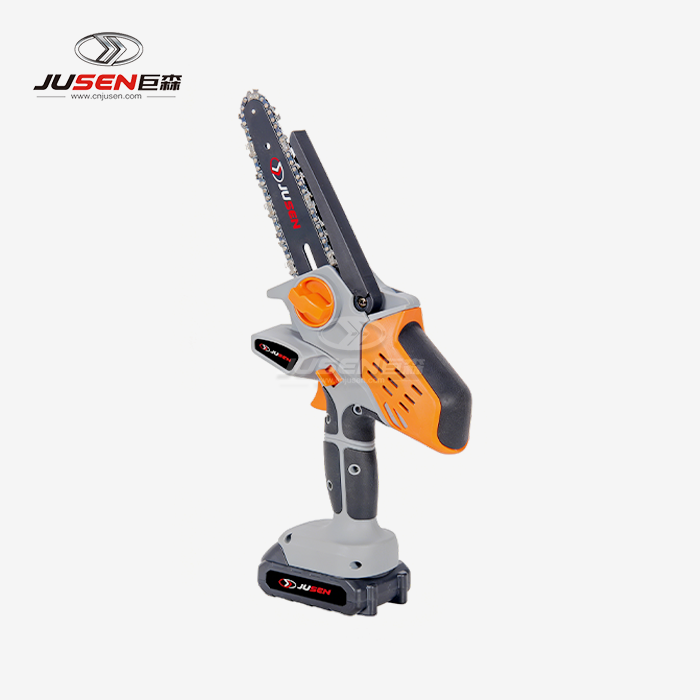 VIEW MORECordless Mini Chainsaw Machine
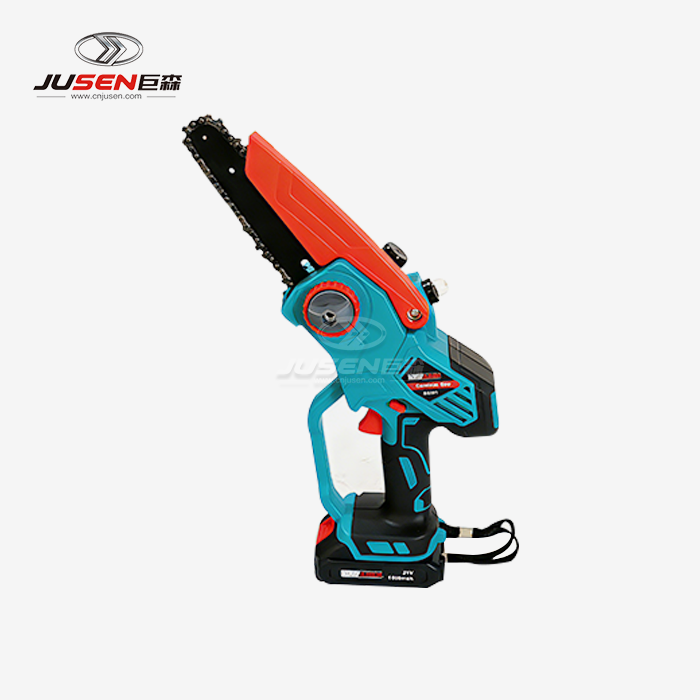 VIEW MORE8 Inch Battery Chainsaw
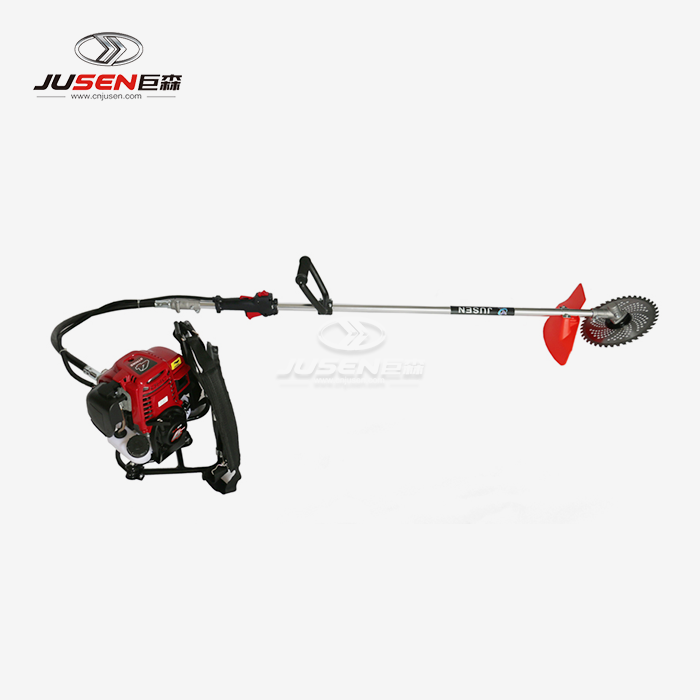 VIEW MOREGarden Tools Gasoline Backpack Brush Cutter