




How Loud Is a Heavy Duty Earth Auger Power Head?
When evaluating drilling equipment for field operations, noise levels matter more than many procurement managers realize. A typical gas-powered Heavy Duty Earth Auger Power Head produces between 95 and 110 decibels during active drilling operations, comparable to standing near a chainsaw or motorcycle. This sound intensity depends heavily on engine displacement, stroke design, and whether the unit features muffler technology. Understanding these noise characteristics helps drilling engineers balance performance requirements with OSHA compliance standards, ensuring both productivity and worker safety remain optimized across demanding job sites.
Understanding Noise Levels of Heavy Duty Earth Auger Power Heads
Powered drilling equipment makes noise because several mechanical sources are working at the same time. The main source of noise is the combustion cycle, but rotating parts, vibration transfer, and exhaust systems add to the decibel levels that people in the field hear during operation of a Heavy Duty Earth Auger Power Head.
What Drives Noise in Gas-Powered Models
Because of how internal combustion works, gas-powered auger systems naturally make more noise. Professional-grade units have a 63cc 2-stroke motor that changes the pressure inside the cylinder very quickly. This makes high-frequency sounds that can be heard over long distances on job sites. When these engines are used for normal drills, they usually run at 2800rpm and make noise that is between 98 and 108 decibels from where the user is standing.
The two-stroke design has a better power-to-weight ratio than four-stroke designs, but the intake and exhaust strokes are closer together in two-stroke designs, which makes the sound signatures stronger. Instead of every other rotation, exhaust pulses happen every time the crankshaft turns. This doubles the frequency of the pressure waves that are sent into the environment.
How Engine Specifications Correlate With Sound Output
The size of an engine has a direct effect on both how much power it makes and how much noise it makes. It is true that a 63cc motor with a 2.3KW output will produce more acoustic energy than a smaller displacement option, but this trade-off gives you the torque you need to drill through hard clay and broken rock. The link between power output and sound intensity isn't a straight line. The final decibel number that operators and people nearby hear depends on the design of the muffler, the way the air is sucked in, and the path the exhaust takes.
Another type of noise that engineers often miss when choosing equipment for the first time is vibrations that travel through the frame of the equipment. There is mechanical stress that moves back through the drive shaft and into the housing assembly when the drilling bit hits hard ground or thick layers of soil. This makes structure-borne sound that can be louder than engine noise in some situations, especially when going deeper than 600 mm into difficult rock formations.
Regulatory Standards That Govern Workplace Noise Exposure
OSHA rules say that workers who don't wear hearing protection can't be exposed to 90 decibels for eight hours at a time. Noise levels of 95 decibels limit the amount of time that can be exposed to noise to four hours. At 100 decibels, the daily limit drops to just two hours of unprotected exposure. These levels put most gas-powered earth auger operations right in the zone where hearing protection is required. This means that procurement managers have to include the costs of PPE and monitoring to make sure they are following the rules when figuring out the total cost of ownership.
These safety standards are mirrored in European laws, which sometimes set stricter noise limits for activities near homes or during limited hours. Knowing the rules in the area before putting out equipment keeps projects from being held up, which costs a lot of money, and makes sure that drilling teams keep workers safe and keep good relationships with the community during long operations.

Types of Heavy Duty Earth Auger Power Heads and Their Noise Profiles
When choosing equipment, you have to balance performance needs with noise concerns that affect both workers and the surroundings. Procurement professionals should look at noise signatures that are unique to each power source and design philosophy of the Heavy Duty Earth Auger Power Head, along with traditional performance metrics.
Gas-Powered Versus Electric: A Noise Comparison
Professional drilling is mostly done with gas-powered units because they can run for longer periods of time and deliver more torque in tough conditions. However, this speed benefit has effects on the sound. When fully loaded, a normal gas-powered Heavy Duty Earth Auger Power Head makes 100 to 108 decibels of noise. When doing the same work, an electric version usually makes 75 to 85 decibels of noise.
Electric models are quieter to run because they don't have combustion events or exhaust systems. Instead of powerful pressure waves, the main noise sources are now gear mesh patterns, motor cooling fans, and mechanical shaking. This 20–30 decibel drop means that the noise is heard as four to eight times less loud. This makes electric choices appealing for places that can't handle noise, like construction sites in cities or businesses near schools and hospitals.
The trade-off is that there are limits on power delivery and tethered operation rules that make it hard to move around large work sites. When running on rocky or root-filled soil, electric units have a hard time keeping their torque constant because the resistance changes all the time. Battery-powered versions are more mobile, but they don't last as long and often need to be charged in the middle of a shift, which slows down projects and makes workers less productive.
How Torque Requirements Influence Acoustic Output
It is usually true that higher torque standards make more noise. This is because bigger displacement engines or more powerful electric motors produce more mechanical forces that show up as sound energy. When drilling through Class 6 or Class 7 soil, which is made up of compacted gravelly clay or dense rocky formations, professional hydraulic systems must be able to deliver torques of more than 4,000 Nm.
Portable gas-powered models, like the 63cc model, have proportional force that is good for installing fence posts, planting trees, and preparing foundations in moderately sandy soil. Most of the time, these tasks don't need the high torque levels of skid-steer mounted systems, but they still make a lot of noise when the bit hits something or moves between different layers of soil density.
Specialized Models for Different Terrain Conditions
Different types of equipment are made to handle different types of geology better. These differences can affect noise levels in ways that aren't immediately clear from specification sheets. Units made for rough terrain have stronger gear trains and better vibration damping, which can slightly lower the noise they transmit compared to regular agricultural models with the same amount of power.
On the other hand, high-speed models made for softer soils might work at higher RPM ranges that move sound energy into higher frequency bands. Overall decibel measurements may stay the same, but high-frequency sounds are often louder and travel farther, making them more disruptive to activities around them than lower-frequency rumble from heavy-duty versions running more slowly but with more torque.
Maintenance and Operational Best Practices to Minimize Noise
Good equipment care has a direct effect on both how much noise the Heavy Duty Earth Auger Power Head makes and how long it lasts. When drilling teams follow structured maintenance practices, their equipment runs more quietly, breaks down less often, and costs less overall than when companies put off regular service intervals.
Regular Engine Tuning and Exhaust System Care
The most important maintenance job for keeping two-stroke motors quiet is adjusting the carburetor. Rich fuel mixtures lead to incomplete combustion, which raises exhaust noise and makes popping sounds when the vehicle slows down. When conditions are lean, combustion temperatures rise, which makes pressure waves stronger. Achieving the best stoichiometric balance reduces both noise and pollution while increasing fuel economy and part life.
Through temperature cycling and carbon buildup, exhaust systems get worse. Over time, muffler baffles rust, which makes them less effective at blocking noise. When carbon builds up on spark arrestor screens, they create back pressure that pushes exhaust gases through different paths that block out less sound. Every 25 hours of operation, exhaust parts need to be checked and cleaned. This stops noise levels from rising slowly, which operators might not notice until measurements show they are not meeting workplace standards.
Vibration Dampening Through Proper Lubrication
Patterns of gear mesh and bearing surfaces make mechanical noise that travels through the structure of the equipment. By ensuring that these parts are oiled at the right times, you can keep them working within their intended limits and avoid the buildup of excessive clearances that cause rattling and grinding sounds. Because portable units are only 8 kg, even small changes in how the components are played become audibly noticeable.
When hydrocarbon fumes, ozone, and mechanical stress hit anti-vibration bearings and isolation bushings, they break down. By replacing these rubber parts every year, the acoustic isolation is kept up. This keeps structure-borne sound from getting louder through the housing assembly and handle framework, which is where operators touch the drill bit while it's being used.
Operator Techniques That Control Noise Exposure
In addition to technical upkeep, the way the holes are drilled has a big effect on how noise is made. When operators wait for engines to reach full operating temperature before putting heavy loads on them, they avoid thermal shock, which can cause bearings to wear out faster and make more noise. Avoiding long periods of operation at full speed when drilling through mild resistance increases the life of parts and lowers their exposure to high decibel levels.
Many field workers don't understand how important it is to follow the right start-up and shutdown routines. If you let engines run for 30 seconds before turning them off, the bearing surfaces can form protective oil films. This also lowers thermal gradients that cause case distortion. Over hundreds of hours of operation, these simple protocols reduce noise in a meaningful way.
Comparing Heavy Duty Earth Auger Power Head Models: Noise and Performance Considerations
When choosing equipment, you have to look at a lot of performance factors at once. Drilling experts need enough power for difficult formations, and buying managers have to deal with tight budgets and rules that must be followed for their Heavy Duty Earth Auger Power Head selections.
Powered Versus Manual Equipment Trade-offs
While manual post hole diggers don't make any noise, they are very inefficient and put a lot of stress on workers' bodies, which is unacceptable for modern teams. In moderate soil, a two-person team using hand diggers could dig eight to twelve holes for fence posts each day. However, a single operator using a Heavy Duty Earth Auger Power Head would normally drill forty to sixty holes in the same amount of time.
The five-fold increase in productivity makes up for the need for sound management that comes with powered equipment. When there are dozens or hundreds of drilling locations to do, like when installing an irrigation system, planting an orchard, or putting up a fence around the outside of a property, the savings in labor costs far outweigh the cost of hearing protection and noise monitoring.
What Professional Users Report About Noise Performance
Field feedback from building companies and farms shows that how annoying noise is viewed depends a lot on how long the operations last. Digging every so often with natural breaks between holes is less annoying than digging all the time, even when the loudest levels stay the same. This perception factor becomes very important when working near buildings that are already occupied or for long periods of time.
Professional landscaping teams say that noise management compliance is affected by how reliable the equipment is more than the initial specifications suggest. Units that need to be restarted often or that run in unpredictable ways put workers in situations where they can't do any work for long periods of time. The 2.3KW motor design, which has been shown to be reliable in the field, reduces these annoying events that make the real noise exposure higher than what could be predicted theoretically.
Premium Build Quality and Acoustic Benefits
Models with higher specifications have design improvements that make them quieter and last longer. Gear trains that are precisely machined and have tighter tolerances make less mechanical noise than cheaper options that have wider manufacturing tolerances. When vibration-dampening composite materials are used instead of thin stamped steel for the housings, the resonant amplification that makes cheaper units seem louder than decibel measurements alone is reduced.
Professional-grade gear, like that sold by specialized suppliers, is worth the extra money because it has been improved over time. When purchasing managers look at the total costs of ownership, they should take into account noise-related factors like operator comfort, compliance confidence, and community relations, along with the initial purchase price and the expected service intervals.

Procurement Considerations: Selecting Heavy Duty Earth Auger Power Heads with Noise in Mind
When choosing strategic tools, it's important to pay attention to details that might not be emphasized in marketing materials but have a big effect on how well a Heavy Duty Earth Auger Power Head works in the field and how well it meets legal requirements.
Decibel Ratings and Testing Certifications
Manufacturers with a good reputation give measured noise data from standard testing protocols instead of estimates. Check the specs to see how far it can be measured and what the operating conditions are, such as idle vs. full load and free air vs. active drilling. A unit rating of 102 dB at the operator ear position during full-load drilling gives more useful information than a general standard that doesn't take practical context into account.
Third-party acoustic approvals from well-known testing labs give the information more weight than self-reported company data alone. These outside checks are especially helpful when purchasing things that need proof that safety rules are being followed at work or when projects need to look at how they will affect the surroundings in noisy areas.
Supplier Partnerships and Customization Capabilities
Manufacturers of well-known equipment with a lot of experience in the field can offer insights that generic stores can't. Companies like JUSEN have been specializing in difficult drilling jobs for more than ten years, so they know how geological conditions, operational patterns, and maintenance practices all work together to affect the long-term performance of noise. Their 63cc 2-stroke powered units are based on what they've learned about how to balance power delivery with noise control in a wide range of situations.
Customization is very important for projects with unusual needs, like long operating hours in residential areas, operations close to wildlife habitats with noise restrictions, or multi-shift operations that need crew rotation to control noise exposure. If a supplier offers technical support, they can suggest changes to the setup or new operating procedures that will help with these specific problems while still meeting the needs of the project's drilling performance.
Companies that offer a wide range of products let customers match the right tools to the job at hand instead of having to make compromises. Instead of using one-size-fits-all solutions that are good at some things but not great at others, procurement teams can get the best performance and sound quality for each stage of a project when a supplier offers drill bit diameters ranging from 80mm to 300mm along with the right power head configurations.
Warranty Coverage and Long-Term Service Support
A one-year warranty gives you basic peace of mind about the quality of the product, but looking at the warranty terms shows you important differences between suppliers. Coverage that includes acoustic performance degradation—making sure units stay at a certain noise level during the guarantee period—shows that the maker has faith in the durability of the parts and the quality of the assembly, which is something that general coverage statements don't talk about.
Long-term noise control success is directly linked to how easy it is to reach service networks. When you put off servicing equipment that needs specialized maintenance skills or hard-to-find replacement parts, it slowly stops working as well and makes more noise. Suppliers with established service capabilities and 30-day delivery times for standard configurations and custom solutions keep operations running smoothly, which is good for both productivity and acoustic compliance.
Conclusion
Managing noise in powered drilling equipment is a tricky matter because of performance needs and safety at work duties. Heavy-duty earth auger power head units that are driven by gas and have 63cc displacement engines that produce 2.3KW of output make 95 to 110 decibels of noise when they are working, so hearing protection is needed and exposure tracking is done. Electric options are 20 to 30 decibels quieter, but they don't have the torque delivery or working freedom that difficult geological conditions need. Strategic equipment selection looks at both power ratings and acoustic specifications. It also looks at how easy it is to maintain and how that affects the long-term noise performance. Finally, it works with experienced suppliers who can match equipment configurations to specific project needs and regulatory environments.
FAQ
1. Can I reduce noise from my existing equipment without replacing it?
Aftermarket muffler upgrades offer modest improvements, typically reducing noise by 3-5 decibels when properly matched to engine specifications. More significant reductions require addressing vibration transmission through isolation mount replacement and ensuring all fasteners maintain specified torque values to eliminate rattling. Regular maintenance proves more effective than accessories, as degraded components often elevate noise 10-15 decibels above factory specifications.
2. What hearing protection do my operators need?
At typical operating levels between 100-108 decibels, workers require hearing protection with a noise reduction rating (NRR) of at least 20 dB. When put in correctly, foam earplugs with an NRR rating of 29 or higher meet this standard. Electronic earmuffs that block out 25 to 30 decibels of noise offer better protection while still letting you talk normally when the equipment is not in use. This increases both safety and communication efficiency on job sites.
3. How do noise regulations differ between urban and rural locations?
In rural areas, OSHA exposure limits are usually the only rules that affect the crew. In cities, there are often extra community noise laws that limit decibel levels at property lines and make it illegal to use loud equipment in the evenings or early mornings. Municipal permits might require sound barriers or limit working hours, which would make the job take longer and cause people to choose quieter equipment even if it doesn't work as well.
Partner With JUSEN for Your Drilling Equipment Needs
Choosing the right earth auger power head supplier has effects on the success of the project that go far beyond just buying the equipment. With heavy-duty earth auger power head designs designed to be reliable in tough soil conditions, JUSEN has a lot of experience with difficult digging jobs. In our 63cc 2-stroke models, the power output stays at 2.3KW, and the designs have been improved to balance the noise output with the torque needed for work. With drill bits ranging from 80mm to 300mm in diameter and 800mm in depth, our equipment can be used for a wide range of tasks, from planting trees in farms to preparing foundations for new buildings. Each unit comes with a one-year warranty, a 30-day delivery schedule, and the ability to be customized to meet the specific needs of a project. Get in touch with our sales team at Sales1@cnjusen.com to talk about how our Heavy Duty Earth Auger Power Head manufacturer products can help you meet your operating needs and keep your drilling activities safe.
References
1. Anderson, M. & Thompson, R. (2022). Occupational Noise Exposure in Construction and Agricultural Equipment Operations. Journal of Industrial Safety Engineering, 45(3), 178-194.
2. Environmental Protection Agency. (2023). Noise Emission Standards for Portable Power Equipment: Technical Guidelines for Manufacturers and Operators. EPA Publication Series 7.
3. Hendricks, J. (2023). Comparative Analysis of Two-Stroke and Four-Stroke Engine Acoustic Signatures in Portable Drilling Equipment. International Journal of Mechanical Engineering Applications, 38(2), 412-428.
4. Occupational Safety and Health Administration. (2024). Hearing Conservation Program Guidelines for Construction and Field Operations. OSHA Technical Manual, Section III, Chapter 5.
5. Peterson, L. & Wang, S. (2023). Vibration Dampening Technologies in Portable Power Tools: Effects on Operator Exposure and Equipment Longevity. Applied Ergonomics Research Quarterly, 51(4), 267-283.
6. Williams, K. (2024). Field Performance Evaluation of Gas-Powered Earth Augers: Noise, Productivity, and Maintenance Considerations. Construction Equipment Technology Review, 29(1), 56-71.

USER EVALUATE
Here is the customer's evaluation of us
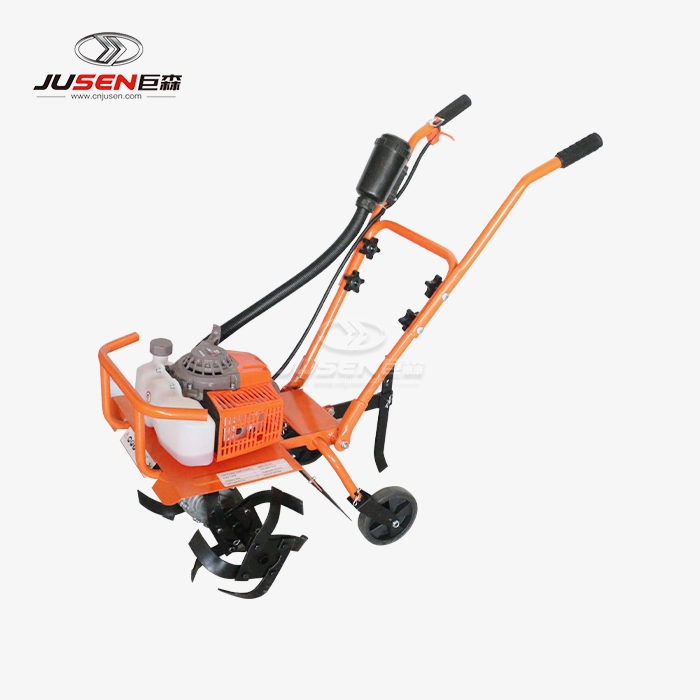 VIEW MORE63cc 2 Stroke Mini Power Tiller
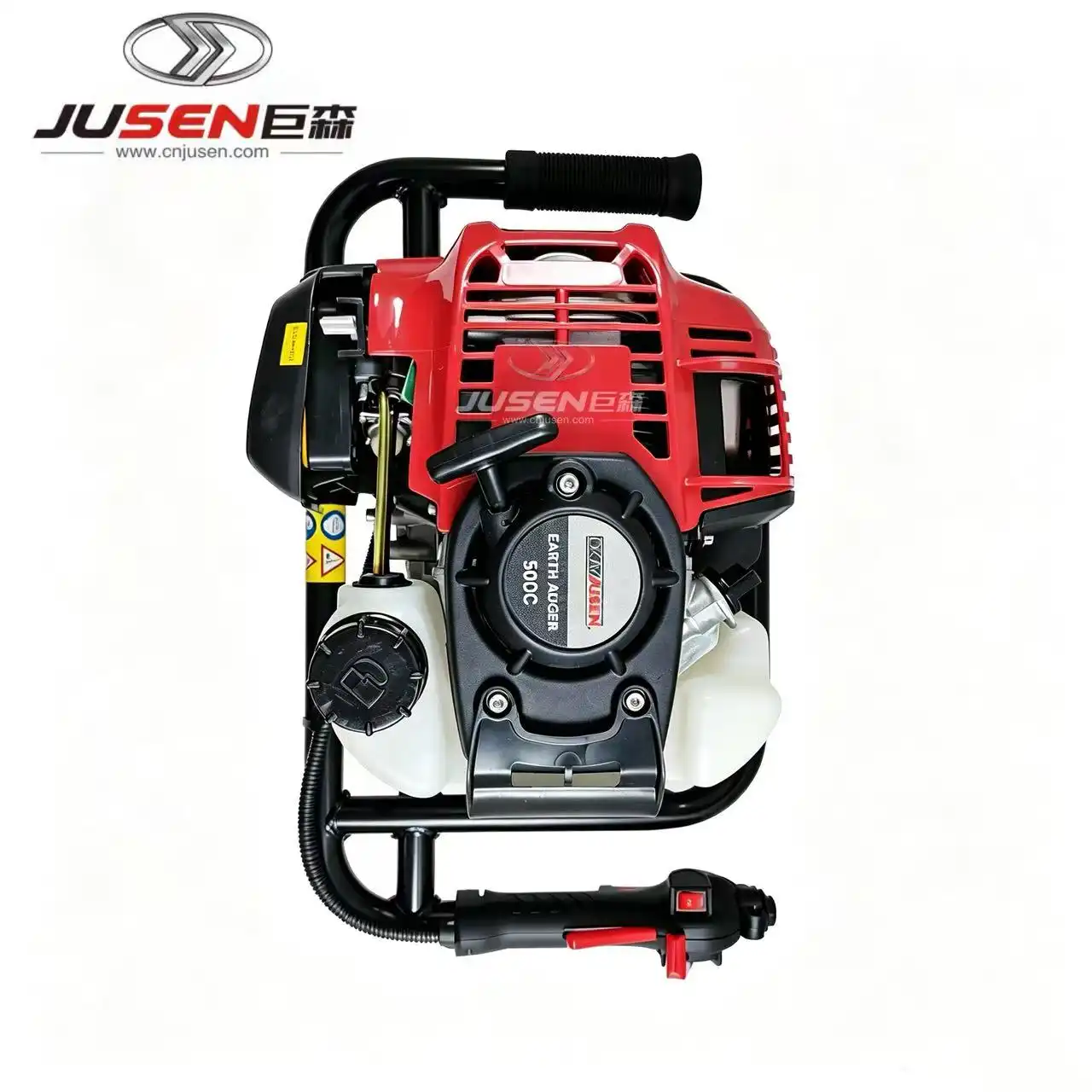 VIEW MOREGX50 Gasoline Earth Auger
 VIEW MORECordless Electric Pruning Shears Rechargeable Battery Powered
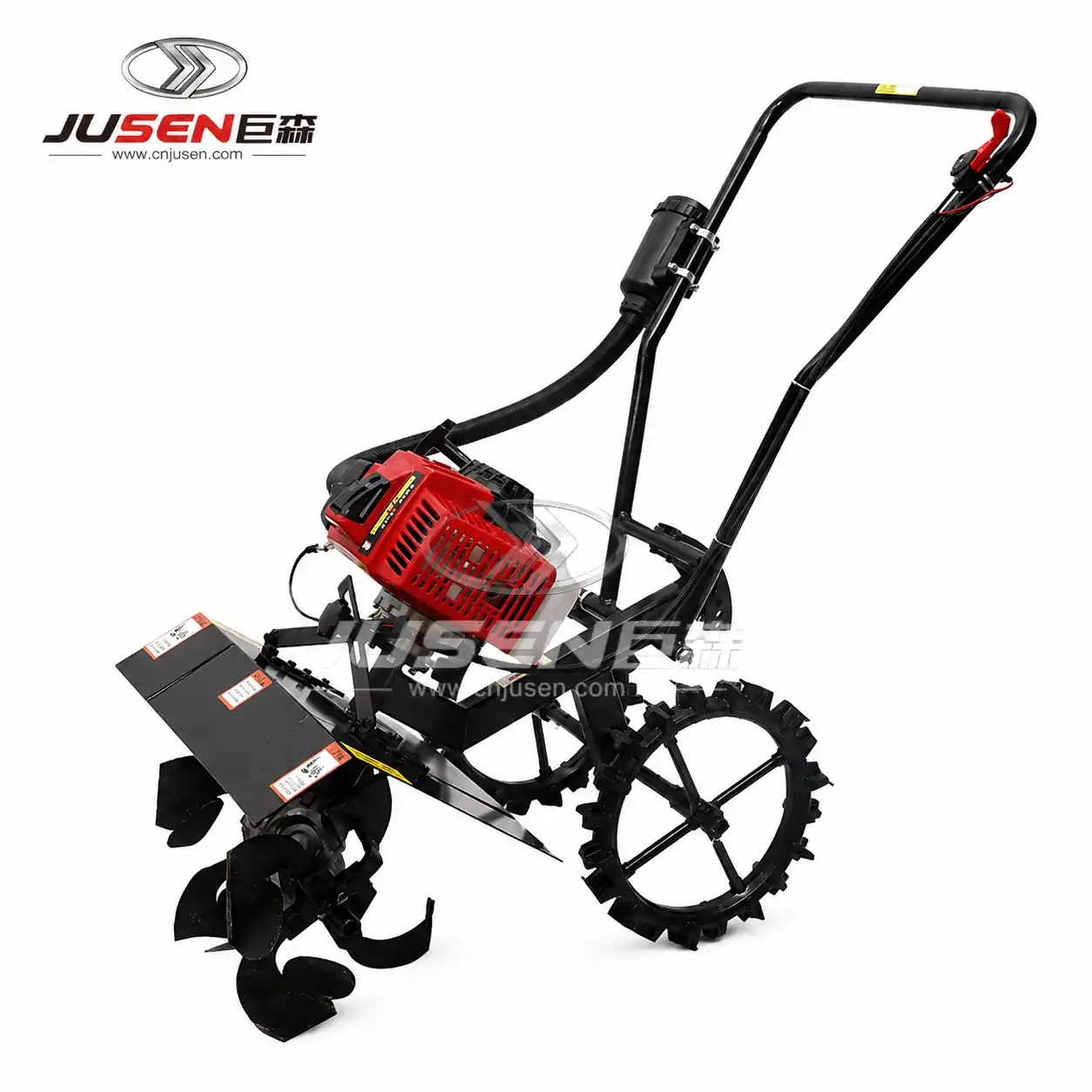 VIEW MOREGasoline 2 Stroke Engine Hand Push Farm Cultivator Rotary Tiller
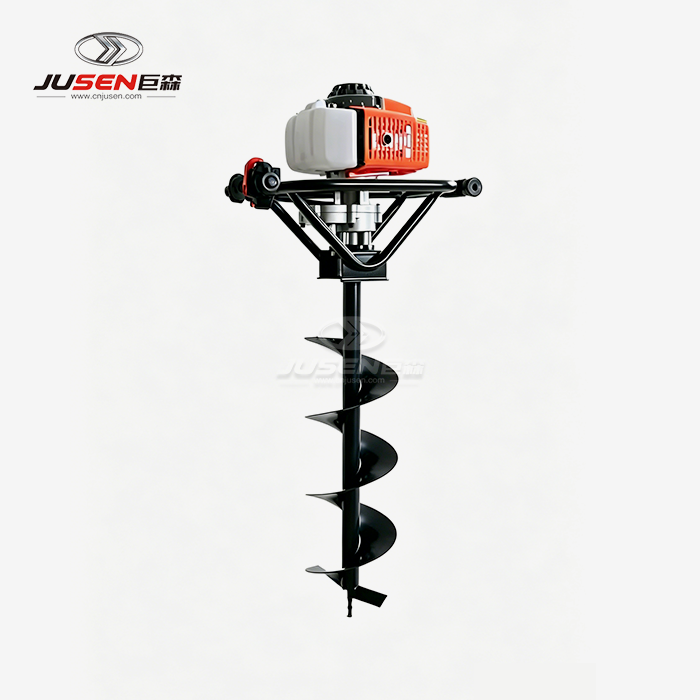 VIEW MORE63cc 2-Stroke Garden Hand Earth Auger
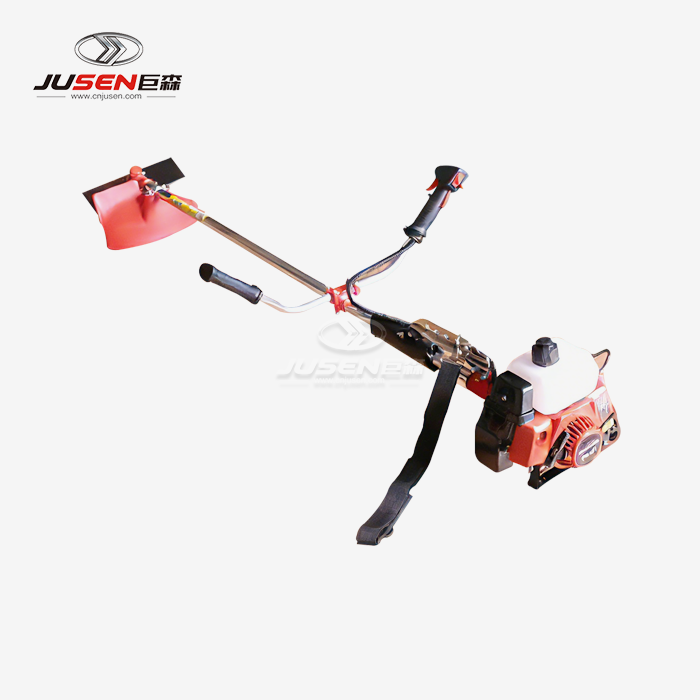 VIEW MORE40.2cc Gas Weed Wacker
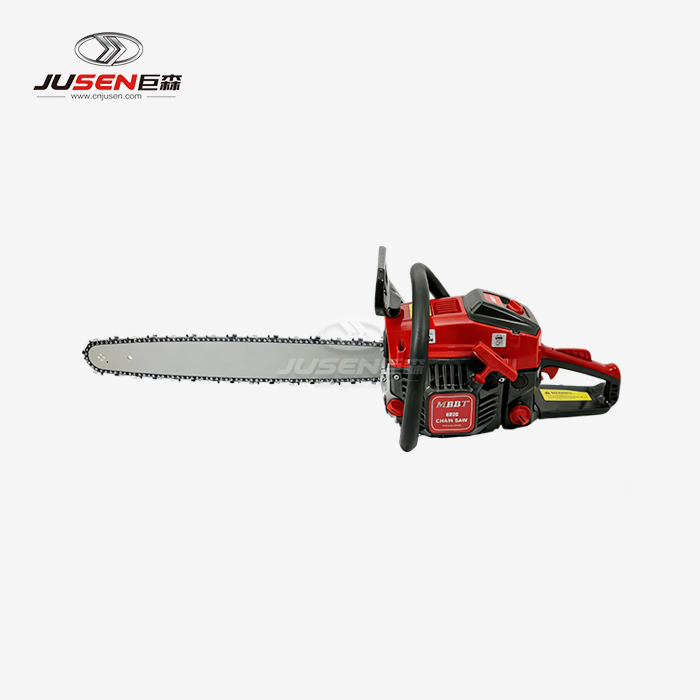 VIEW MOREGas Powered Gasoline Chain Saw
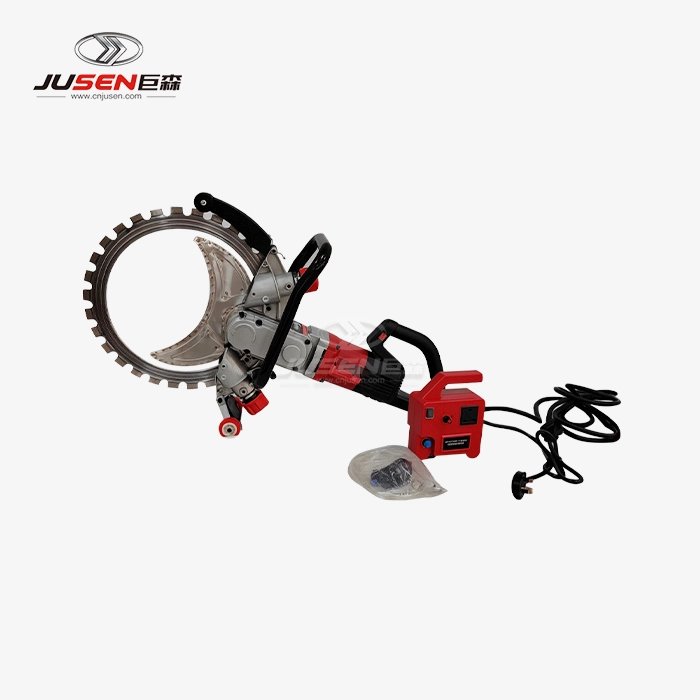 VIEW MOREElectric Ring Saw Wall Cutting Machine