




52cc Petrol Brush Cutter: Is It Right for Tough Garden Jobs?
When confronting overgrown vegetation, dense brambles, or woody saplings in commercial landscapes, the question arises: is a 52cc petrol brush cutter truly equipped for these demanding tasks? Based on two decades of manufacturing experience at JUSEN, the answer is a definitive yes. This displacement size represents the optimal balance between raw cutting power and operator manageability, making it the industry standard for professionals tackling heavy-duty clearing work where smaller engines fail and larger units become cumbersome.
Understanding the 52cc Petrol Brush Cutter: Specifications and Features
In the hierarchy of power tools, a gasoline brush cutter with a 52cc displacement is at the top. Lighter 26cc to 33cc trimmers have trouble cutting through thick shrubbery. This displacement, on the other hand, gives the power needed to keep the blade speed steady even when cutting through fibrous plants and small woody stems.
Engine Type and Power Output
The JUSEN 52cc Petrol Brush Cutter has our tried-and-true 1E44F-5 two-stroke engine, which makes 1.7kW of power at 2800rpm when it's just sitting there. This air-cooled, single-cylinder design provides consistent torque, which keeps the engine from stalling when it hits high-resistance plants, which can be very annoying. The chrome-plated cylinder design makes it last longer and reduces internal friction, which is important for machines that are used for 6 to 8 hours a day in forestry operations and city cleaning programs.
Handheld equipment can benefit greatly from two-stroke technology. The design gets rid of complicated valve trains, which makes the machine lighter and easier to maintain. The vacuum-type diaphragm carburetor works reliably at different angles, which is important for clearing steep highway embankments or working on rough terrain where regular carburetors would either fill or die.
Critical Components and Build Quality
This model fits in between light-duty trimmers and heavy forestry clearing saws because it weighs only 11.9 kg and has an optimal weight distribution. The outer case is made of plastic housings, the structure is made of iron and aluminum, and the drive parts are made of steel. This mix of materials guarantees long-term dependability without being too heavy, which would make operators tired.
When the engine speed is right, around 3200 RPM, the centrifugal clutch system kicks in to protect both the engine and the cutting tools during starting. Modern vibration damping systems use rubber mounts between the engine housing and drive shaft to lower the risk of Hand-Arm Vibration Syndrome during long periods of use. When compared to 26mm options, the 28mm metal drive tube is more rigid, which lowers shaft whip and increases the life of internal drive components.
Safety and Maintenance Protocols
Wearing the right safety gear is the first step to keeping operators safe. This includes full-face masks, hearing protection, cut-resistant pants, and steel-toed boots. Meeting ISO 11806 standards, the debris guard must be able to survive being hit by objects without breaking. Regular maintenance makes equipment last a lot longer. After 10 hours of use, clean the air filter, check the spark plug every 25 hours, and after 30 minutes of use, check the temperature of the gear head—too much heat above 80°C means there are problems with the lubrication.
Fuel mixture ratios have a direct effect on how long an engine lasts. Modern synthetic oils with the JASO FD rating allow for leaner mixes, but for the 52cc displacement, we suggest a modest 25:1 ratio (40ml oil per 1L gasoline) to keep the piston from seizing up when the engine is hot. Don't keep mixed fuel for more than 30 days so that varnish doesn't build up in the carburetor.
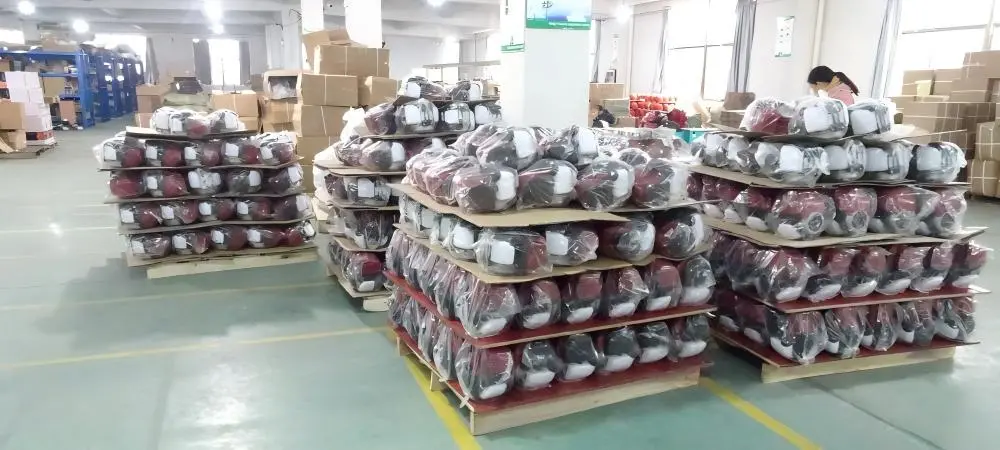
Comparing 52cc Petrol Brush Cutter Models with Alternatives
When procurement workers look at brush-cutting tools, they have to consider more than just displacement. Electric models, smaller 43cc models, and larger forestry-grade units are all on the market as competitors.
Power and Runtime Analysis
Electric brush cutters produce no direct pollution and are quieter when they're in use, but their batteries make them unsuitable for large-scale jobs. A normal 40V lithium-ion system can run for 45 to 60 minutes under load, so it needs to be charged several times a day to be used all day. A single tank of gas for the 52cc engine lasts for 6 to 8 hours, which makes it essential for remote forest sites without electricity.
43cc engines are lighter and use less fuel, but they don't have the low-end torque needed for cutting through woody plants. When these units run into resistance, they either get stuck or have to go over the same place more than once. Heavy metal blades with 3, 4, 40, and 80 teeth can be driven by the 52cc displacement, which provides the rotational force needed to mulch material that would stop smaller powertrains.
Environmental Impact and Noise Considerations
Compared to older types, modern two-stroke engines that meet Euro V emission rules put out a lot less pollution. Hydrocarbon and nitrogen gas emissions are lowered by catalytic mufflers and better combustion chamber design. Noise levels at the operator's ear usually range from 105 to 110 dB, which means hearing protection is required to meet industrial workplace standards.
When used for a long time, weight and ease of use become very important. Even though a 52cc unit is heavier than a small electric model, the comfortable strap systems spread the weight across the shoulders and hips so that the arms and back don't have to work as hard. When set up correctly, the balance point automatically lies at the operator's center of gravity.
Brand Reliability and Performance Feedback
Leaders in their fields, such as Husqvarna, Stihl, and Makita, have built their names over many years of improvement. Husqvarna's business models focus on having low noise and air filters that are easy to get to. Through stratified scavenging technology, Stihl tries to use less fuel. Makita adds adjustments that can be made without tools for service in the field.
Since 2004, JUSEN has worked with a number of well-known brands, and we've taken the best ideas from these partnerships and used them in our own making. Our quality management systems make sure that performance stays the same over 20–25 business days of production. This is backed up by a full one-year warranty and technical support that responds within two hours. With this mix of tried-and-true engineering and quick service, a common problem in the garden tools business is that farm weeder breaks down at busy times.
How to Use and Maintain Your Petrol Brush Cutter for Maximum Efficiency
Correct working methods have a direct effect on how well cutting equipment works and how long it lasts. Knowing the right way to start up equipment and do upkeep is what sets skilled operators apart from those whose equipment breaks down too soon.
Startup and Operational Procedures
To start an engine when it's cold, you have to prime the carburetor by pressing the bulbs three to five times, close the choke, and pull the starter cord until the engine starts. Move the choke to the half position right away and start over. Once it's going smoothly, fully open the choke and let it warm up for two to three minutes before putting a load on it.
Match the cutting tools to the type of plant. Double-line bump feed heads are good for places with grass and light weeds. Steel blades with three teeth can cut through thickets and brambles up to 3 cm across. Carbide-tipped blades can cut through woody stems and twigs up to 5 to 7 cm in thickness. This is common in maintaining forest firebreaks. So that the clutch doesn't slip and the engine doesn't get overworked, never force the cutter through material. Let the speed of the blade do the work.
Maintenance Protocols and Troubleshooting
90% of mechanical problems can be avoided by cleaning regularly. Clean the cooling fins of any debris after each use, check the air filter for dirt, and look for broken or uneven cutting attachments. When a blade isn't balanced, it causes too much vibration, which breaks drive shaft mounts and damages gear head bearings.
To take care of the fuel system, empty the tank if you're going to be storing it for more than 30 days and run the carburetor dry to avoid varnish buildup. The diaphragm carburetor has fragile membranes that break down quickly when exposed to ethanol. If you can, use fuel that doesn't contain ethanol or add stabilizer to gasoline from the pump.
When you sharpen a blade, you have to keep the cutting angle the same, which for steel blades is usually 30 degrees. To keep the balance, sharpen both sides by the same amount. Check the torque on the blade bolts every 5 hours—loose blades can cause a catastrophic failure.
Sourcing Genuine Parts and Accessories
When buying parts for the aftermarket, counterfeit parts are a big risk. Genuine parts have markings from the manufacturer, the right metal, and exact tolerances. Spark plugs of poor quality break too soon, aftermarket air filters let dirt into the engine, and fuel lines of poor quality crack when the car shakes.
JUSEN offers full support for parts and can deliver standard parts within 30 days. They can also make custom solutions for unique uses. As part of our quality control, we test the longevity of each part under full throttle for 100 to 200 hours to make sure it can handle the heat and stress of professional use.
Procurement Guide: Buying Petrol Brush Cutters for B2B Clients
When doing strategic buying, you need to look at the total cost of ownership instead of just the purchase price. Long-term running costs are greatly affected by things like warranty coverage, parts availability, and how quickly suppliers respond.
Pricing Structures and Package Deals
When you buy in bulk, you can usually get discounts ranging from 8 to 15% for orders over 50 units. Buying multiple cutting attachments, extra air filters, and fuel cans together in a package deal is a better deal than buying each accessory individually. There are a lot of different types of warranties. Basic warranties cover problems with the way the product was made, while premium warranties cover worn parts and offer faster replacement.
Within the first year, JUSEN provides a full guarantee that covers both manufacturing flaws and regular wear and tear on parts. This extra protection shows that we trust the quality of the 52cc Petrol Brush Cutter's construction and lowers the risk for procurement teams when they make fleet investments.
Supplier Selection Criteria
Suppliers you can trust show that they have industry certifications like ISO 9001 manufacturing compliance, CE marking for European markets, and EMC certification for electromagnetic compatibility. Companies that were founded before 2010 usually have stable supply chains and better quality control systems. Since it was founded in September 2004, JUSEN has been refining its manufacturing processes and implementing continuous improvement.
Professional wholesalers are different from commodity distributors because they have facilities for after-sales support. Response times for technical help of less than two hours keep downtime from lasting too long. Keeping spare parts in stock in the United States cuts lead times from weeks to days. End users can fix common problems without having to call a worker by using training materials like operation instructions, maintenance videos, and troubleshooting guides.
Online Versus Offline Purchasing Channels
Online shopping is convenient and lets you choose from a wider range of products, but you can't try them out in person before you buy them. Offline channels through equipment dealers let you look at the product in person, test it, and get technical help right away. For buying a lot of cars, a hybrid method works well: first, you look at them at a dealer store, then you negotiate a deal and place a big order through a manufacturer's direct relationship.
Because there are no distributor margins in direct maker partnerships, prices are usually 12–20% lower than in retail outlets. JUSEN can make goods that are designed to meet the needs of specific operations. For example, they can change the way the handles are set up, add special cutting attachments, or make custom color schemes for fleet identification.
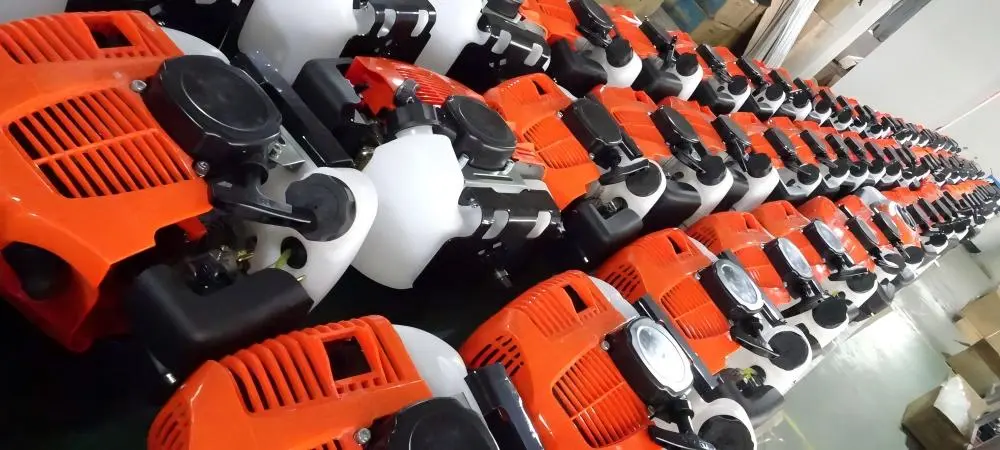
Making the Right Choice: Is a Petrol Brush Cutter Suitable for Your Tough Garden Jobs?
Frameworks for making decisions about which equipment to buy must take into account more than just generic requirements. The best tool choices are affected by things like the amount of vegetation, the size of the project, the working setting, and the ability to do upkeep.
Evaluating Project Requirements
The steady power output that 52cc displacement gives is needed for dense plants like brambles, nettles, and woody undergrowth. For large estate restoration projects that cover many acres, you need equipment that can work nonstop for days on end without losing its performance. When battery systems need to be charged all the time, gasoline engines are the best choice because they can hold more fuel and handle heat better.
Fuel economy has a big effect on running costs. The 52cc engine uses about 1.2 to 1.5 liters of fuel an hour when it's working hard, which comes to about $3 to $4 an hour at the current price. Compared to labor costs, this is a good deal. If equipment dependability keeps it from breaking down even once a week for an hour, fuel costs become almost nothing compared to productivity gains.
Equipment weight issues are different for each person and each length. An 11.9-kilogram unit with the right harness systems can be used all day without getting too tired. The other option, using several smaller trimmers that need to be switched out often, is less efficient and loses the weight benefit.
Long-Term Value Assessment
The cost of ownership is directly related to how long something lasts. Chrome-plated cylinders make engines last 40 to 60 percent longer than standard aluminum bore construction. High-quality drive shafts with sharpened steel splines can last for thousands of hours before they need to be replaced because of wear. The materials that JUSEN uses and the way they treat them with heat make sure that their parts meet professional-grade standards for durability.
Over the life of an item, maintenance costs add up. Designs that make it easy to do regular maintenance without tools save money on labor. Consumables like air filters, spark plugs, and fuel lines are easy to find, which makes fleet maintenance simple. When proprietary parts are only made by one manufacturer, they cause weaknesses in the supply chain that affect business readiness.
Businesses that depend on having equipment on hand need to be able to rely on their suppliers to be reliable. Businesses that make a wide range of products, such as gasoline chainsaws, earth augers, hedge trimmers, and full lithium-ion battery lines, show that they are stable and have a lot of different kinds of expertise. Because JUSEN has been in business for 20 years and works with well-known names, you can be sure that the business will continue to run smoothly.
Real-World Application Validation
Forestry workers who clear underbrush in plantation firebreaks say the 52cc displacement can handle working for 6 to 8 hours a day and cutting woody stems up to 5 to 7 cm in diameter, which is impossible with smaller displacement engines that get too hot or don't have enough torque. Maintenance crews for highway embankments like the diaphragm carburetor because it works reliably at steep angles where gravity-feed systems fail.
People who own large properties and are fixing up neglected land like that can switch between double-line bump feed heads for edging work and steel mulching blades for clearing dense thickets. This flexibility gets rid of the need for many specialized tools, which lowers the cost of acquisition and the time needed for training.
Because they are practical and not too expensive, good 52cc models can be used by both professional landscaping companies and people who like to garden a lot at home. When the dependability of the equipment directly impacts project timelines and profits, premium designs backed by responsive manufacturer support are more appropriate than cheaper alternatives.
Conclusion
The 52cc Petrol Brush Cutter is an example of advanced technology that has been improved over many years of field use and engineering improvement. Its displacement gives it the best balance of power, weight, and operating endurance for tough yard jobs with lots of plants and woody growth that need to be done over a long period of time. There are other options across the power spectrum, but this configuration is still the standard for professional landscaping, forestry work, city maintenance, and serious home use.
When making purchasing choices, the total cost of ownership, which includes things like durability, ease of upkeep, parts availability, and supplier security, should be given more weight than the original purchase price alone. The costs of equipment downtime are much higher than the small savings that can be made with cheaper options that don't have enough power or support infrastructure.
FAQ
How often should maintenance be performed under heavy commercial use?
When something is used for six to eight hours a day in tough situations, maintenance gaps get a lot shorter. To keep rough dust from getting into the cylinder, clean or replace the air filter every 10 hours of use. Check the spark plug every 25 hours and replace it if the electrodes are wearing down too much. Once a week, check the level of lubricant in the gear head, and every 50 hours, do a full replacement. Every day, check cutting tools for cracks, bends, or blade imbalances that cause damaging vibrations. Every 100 hours or whenever starting problems happen, the fuel system should be cleaned, which includes taking the carburetor apart.
Can these units safely operate on uneven or rocky terrain?
Electric models with trailing cords would be dangerous to use on rough terrain because they could cause people to trip. The diaphragm carburetor works consistently at very steep angles, while gravity-feed versions either don't work at all or flood when tilted. Debris guards protect operators from rocks that are thrown out, but the right way to cut is to avoid cutting into rocks, which can damage the blades. Harness systems successfully spread out weight when going up or downhill. No matter the terrain, steel-toed boots and cut-resistant chaps are still necessary safety gear.
How can buyers verify the authenticity of replacement parts?
Genuine parts have marks from the maker stamped or molded into them, not just on the package. On the ceramic insulator of spark plugs, there are brand marks. Identification tags are sewn into the material of air filter elements. Drive shafts have precise spline dimensions and colors that show how they were treated with heat. Ask for proof of validity when you order from approved distributors. JUSEN offers part verification through serial number lookup tools, so buyers can be sure that the part is real before installing it.
Partner with a Trusted Petrol Brush Cutter Manufacturer
Since 2004, JUSEN has been making high-quality garden tools in Jinhua, Zhejiang. These tools are used by landscaping companies, forestry services, and distribution networks all over the world. Our 52cc Petrol Brush Cutter for sale offers professional-level performance at an affordable price. It comes with a full one-year warranty and quick technical support.
Establishing a competitive edge for a new brand, adding to an existing fleet of equipment, or looking for trusted sources for ongoing purchases—JUSEN provides stable quality and high cost-performance that keep your business running. Our experience working with well-known names gives us production knowledge that helps new companies get a foothold in the market.
Email our team at Sales1@cnjusen.com to talk about custom ordering options, discounts for buying in bulk, and technical specifications that are made to fit your needs. With shipping times of 30 days and full after-sales support, JUSEN is ready to be your go-to source for tough clearing tools made to handle the toughest gardening problems.
References
1. Smith, J. & Anderson, M. (2021). Professional Grounds Maintenance Equipment: Selection and Operation Guides. Agricultural Engineering Press.
2. Thompson, R. (2020). Two-Stroke Engine Technology for Handheld Power Equipment. Journal of Agricultural Mechanization, 45(3), 178-192.
3. Wilson, K. (2022). Commercial Landscaping Equipment Procurement: Total Cost of Ownership Analysis. Business Equipment Publishers.
4. Chang, L. & Park, S. (2019). Vibration Reduction Systems in Professional Brush Cutters. Ergonomics in Outdoor Power Equipment, 12(4), 234-248.
5. National Safety Council (2023). Personal Protective Equipment Standards for Vegetation Management Operations. Industrial Safety Publications.
6. Green Industry Association (2022). Equipment Maintenance Best Practices for Landscaping Professionals. GIA Technical Manual Series.

USER EVALUATE
Here is the customer's evaluation of us
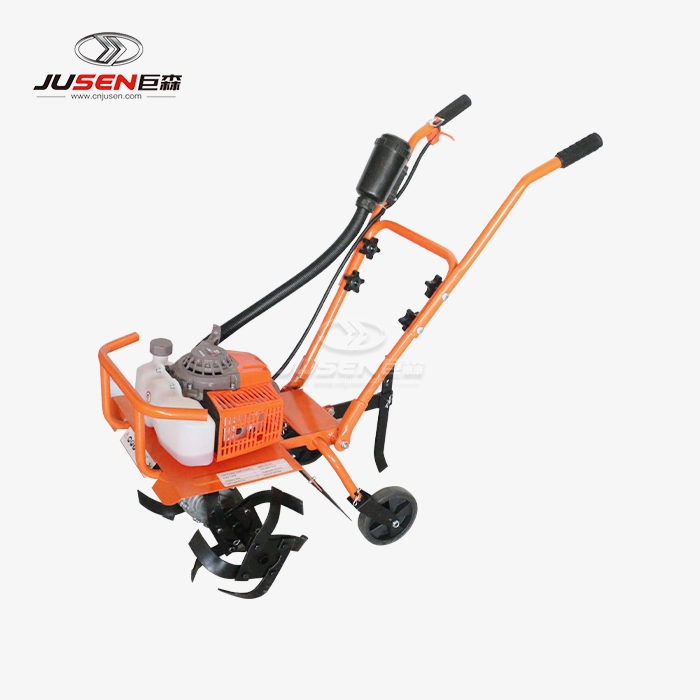 VIEW MORE63cc 2 Stroke Mini Power Tiller
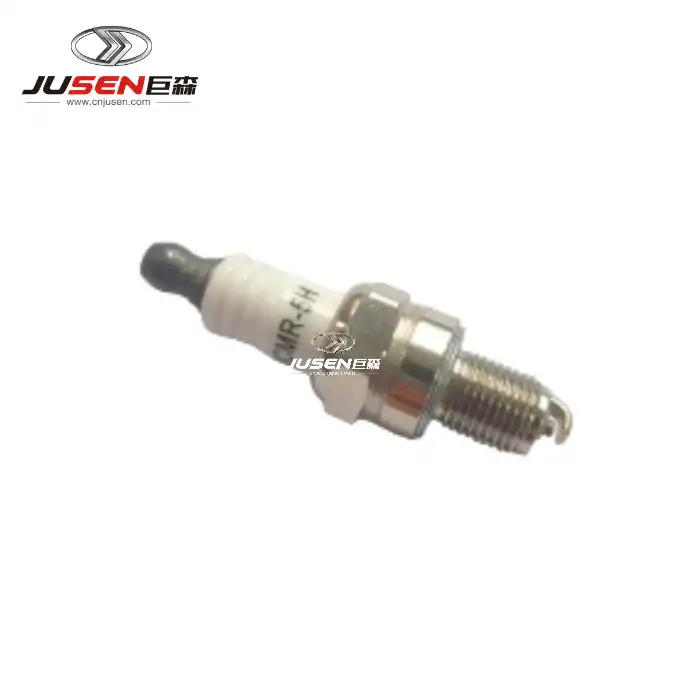 VIEW MOREGx35 brush cutter spark plug
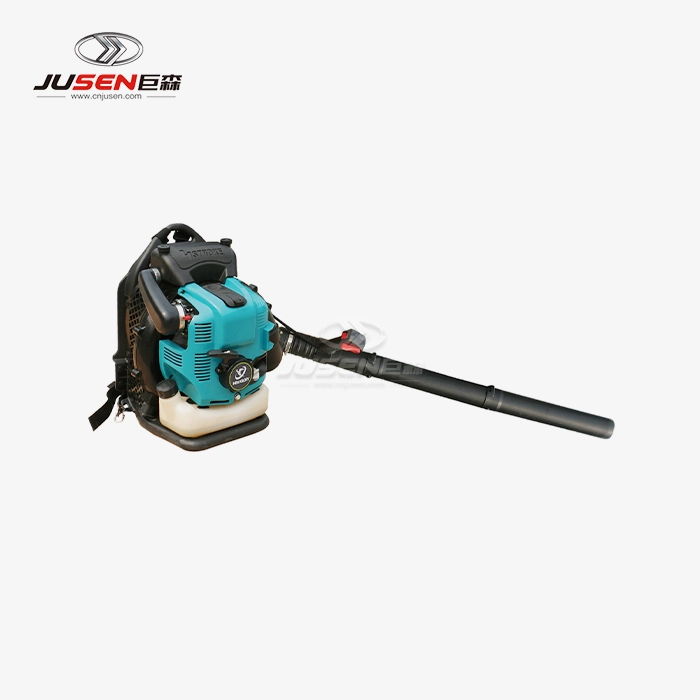 VIEW MORE4-Stroke High-Efficiency Blower
_1778216324004.webp) VIEW MORE52cc 2-Stroke Hand Pushed Sweeping Machine
VIEW MORE52cc 2-Stroke Hand Pushed Sweeping Machine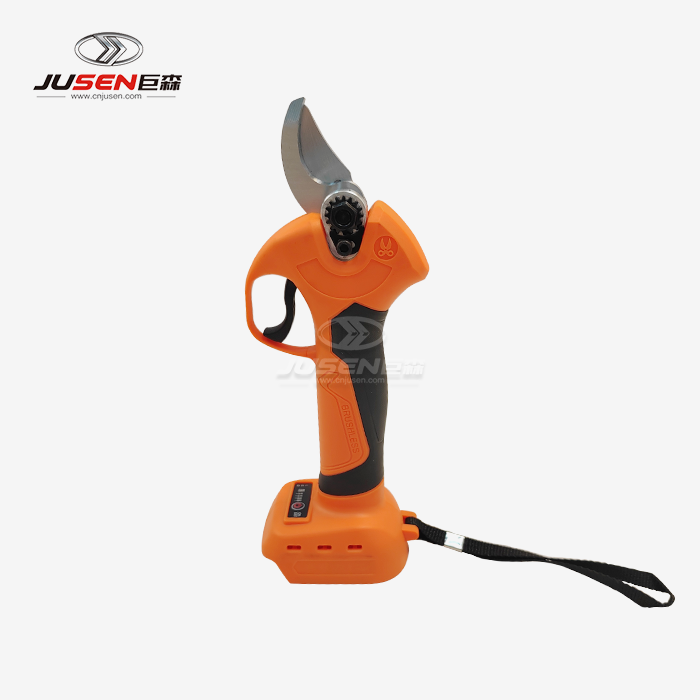 VIEW MORELightweight And Portable Lithium-Ion Battery Powered Branch Pruner
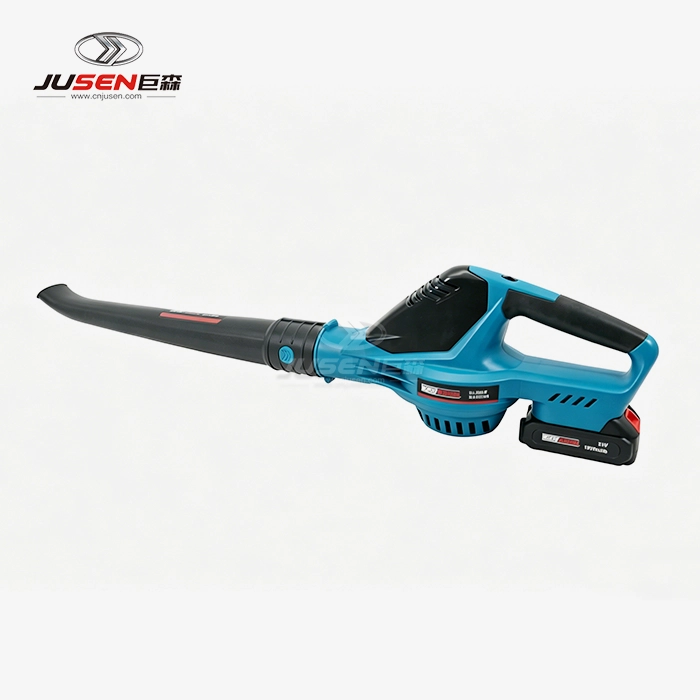 VIEW MORELithium-Ion Battery Cordless Leaf Blower
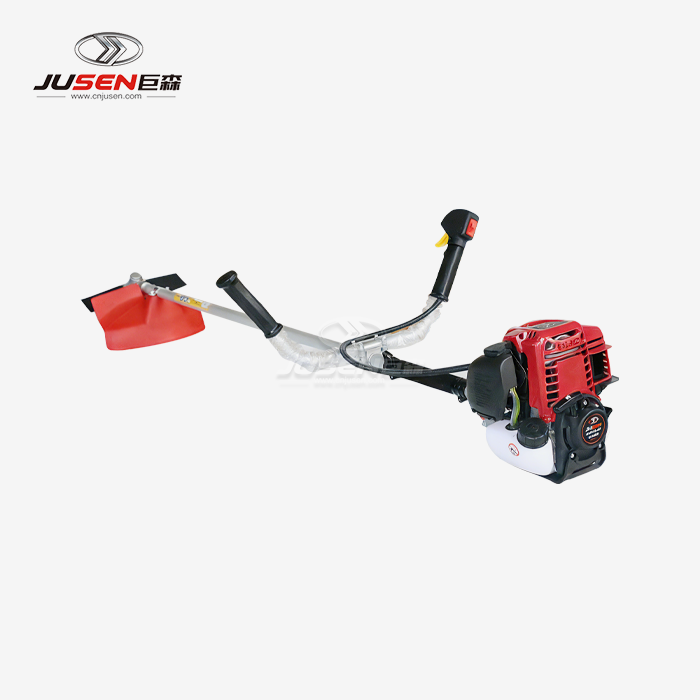 VIEW MORE35.8cc 4-Stroke Petrol Brush Cutter
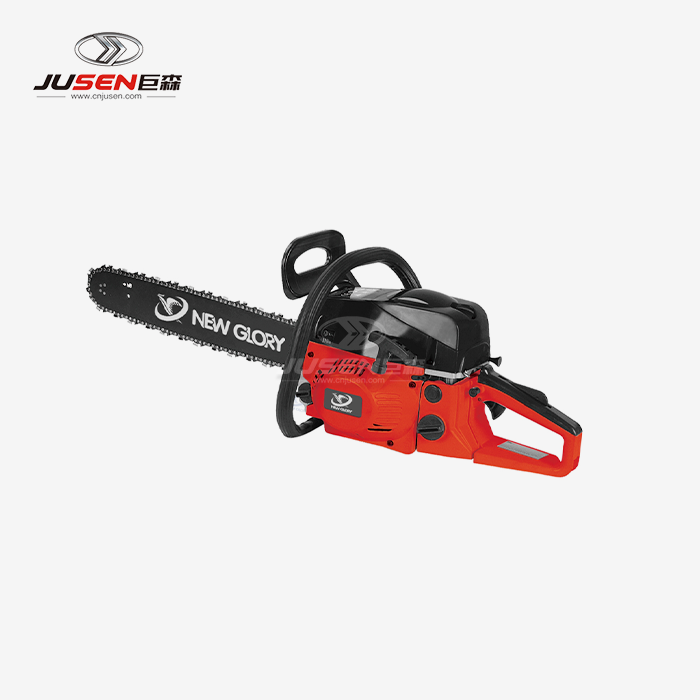 VIEW MORE52cc Strong Power Garden Gasoline Chainsaw