




Gas chain saw for felling large diameter trees in Nigeria
When felling large-diameter trees in Nigeria's diverse forestry landscapes, selecting the right Gas Powered Gas Chain Saw becomes paramount for operational success. Nigeria's commercial forestry sector, spanning from the rainforests of the south to the savanna woodlands of the north, demands equipment capable of delivering sustained high-power performance in challenging environmental conditions. Gas powered chain saws offer unmatched mobility, exceptional torque output, and continuous runtime without electrical infrastructure—addressing critical pain points faced by professional forestry operations, landscaping contractors, and emergency response teams across the region. Understanding the technical specifications, maintenance requirements, and procurement strategies ensures your investment delivers reliable performance for years to come.
Key Factors for Choosing the Right Gas Chain Saw in Nigeria
To get the best Gas Powered Gas Chain Saw equipment, you need to match its technical specs to its operational needs while keeping the safety of the operator, the budget, and the equipment's abilities in mind.
Engine Displacement and Power Output
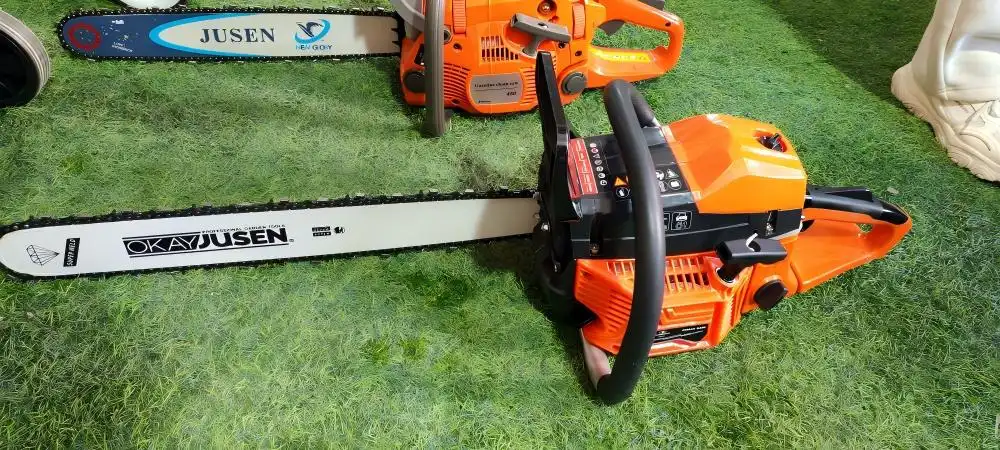
Engine capacity, which is measured in cubic centimeters, is closely linked to cutting power. Cuts can be made with small saws (25–40cc), but professional felling needs saws with 60–90cc displacement. There is 2.6kW of power in the 72CC gas-powered chainsaw from JUSEN. This is enough to cut down big trees without putting too much stress on the person using it. The chain needs a certain amount of force to keep going through the thick hardwood grain structures that are common in Nigerian wood types.
Guide Bar Length Selection
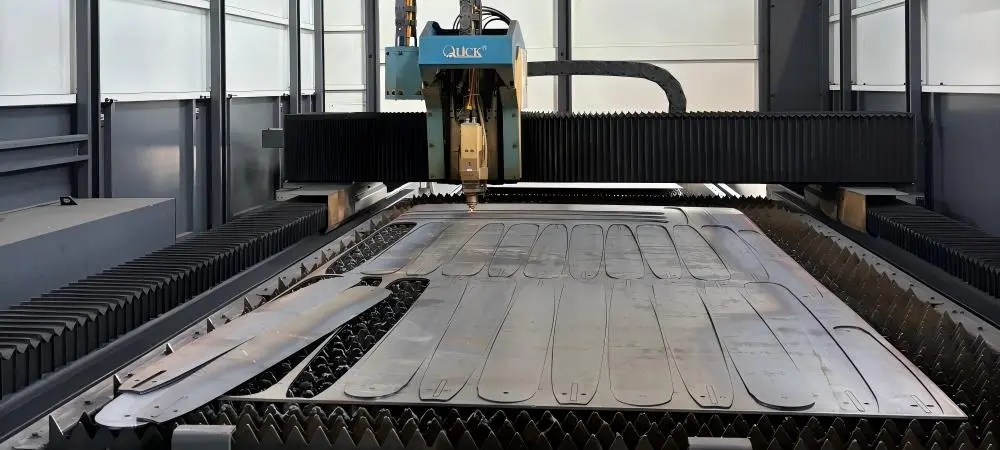
The bar's length determines its largest cutting diameter and the types of jobs it can do. With bore-cutting, an 18-inch bar can get through trees that are up to 36 inches tall. But bars that are 24 to 30 inches long are better for bigger trees. Buying managers can pick tools that fit the trees they usually work with because JUSEN has guide bars that range in length from 18 to 30 inches. Longer bars are better for getting to things, but they are heavier and need more power to keep the chain going fast.
Weight and Ergonomics
When people cut down trees for a long time, they get tired, which hurts safety and productivity. Pro gas chainsaws have crankcases made of magnesium metal and housings made of composite materials, which makes them strong and light. The 9 kg weight of JUSEN's model is just the right amount of heavy for strength, so it can be used for a long time without the person using it getting too tired. White finger disease is less likely to happen if anti-vibration systems are used for a long time because they lower the spread of engine vibration.
Established Brands and Model Comparison
In Nigeria, there are a lot of well-known makers. There are better models, like the Stihl MS 661 and the Husqvarna 572 XP, that last longer and cost more. The Echo and Makita are two options in the middle range that are a good mix of price and function. JUSEN stays relevant by giving better cost-to-performance rates for enterprise-level specs. These tips are very useful for dealers and brands that are just starting to become known in the market. Our two decades of OEM experience with internationally recognized brands ensure manufacturing quality standards matching premium competitors.
Maintenance and Safety Protocols for Gas Powered Chain Saws
When you fix Gas Powered Gas Chain Saws the right way, they last longer and don't break down when you need them most, which can be very expensive. The weather in Nigeria causes problems that need to be fixed by shifting when maintenance is done.
Essential Maintenance Routines
The first part of regular repair is taking care of the fuel system. Keep gasoline in covered containers out of direct sunlight to keep it from going bad. When it's being used, mix new batches of fuel every week. Fuel systems should be drained before being stored for more than 30 days so that oil doesn't build up in the carburetor. Every 50 hours, change the filters and look for cracks in the fuel lines.
How well and safely you can cut depends on how well you take care of your chain. You should sharpen the chains if the cutting speed slows down or if the saw shreds wood into fine dust instead of chip-sized pieces. To keep the chain from falling, make sure it's just tight enough, but not so tight that it's hard to pull around the bar. Bar oil should be used continuously during operation to reduce friction and prevent wear from starting too soon.
Air Filtration and Engine reduce
Fine dust quickly clogs up air filters in Nigeria during the dry season. This makes engines less powerful and makes them use more fuel. If the filters are getting a lot of use, check them every day and wash them once a week with light soap to get rid of any buildup of dirt. Any plastic parts that are torn or squished should be replaced. It is important to clean the spark arrestor screens once a month so that the exhaust flows properly and no fires start when you are working in dry grass.
Safety Equipment and Operational Practices
Whenever you use a chainsaw, you must always wear safety gear. Putting on a helmet that has both a face shield and hearing protection can really help keep you safe. Chainsaw boots or pants that won't cut you keep your legs from getting badly hurt when the chainsaw kicks back. In Nigerian forests, the ground is often rough. Steel-toed boots with cut-resistant supports and non-slip soles keep your feet stable.
Make sure the work area is clear and at least two tree lengths away from where the cutting will go. As you prepare to cut down a tree, make sure it is stable and free of anything that could fall on you. Remove anything that could cause the person to trip while they're running away and set up escape routes that are 45 degrees from the way you think they will fall. Never use a gas-powered lawnmower by yourself in the middle of nowhere; use a radio or cell phone to stay in touch with what's going on at camp.
Environmental and Economic Considerations in Using Gas Powered Chain Saws
It's important to find a balance between operational efficiency, environmental responsibility, and financial sustainability when making decisions about Heavy-duty gas tree cutting saw to buy.
Emissions Profile and Mitigation
Most gas chainsaws have two-stroke engines, which are dirtier and more polluting than electric chainsaws. Professional saws today use a technology called stratified scavenging, which cuts the amount of unburned fuel fumes by up to 70% compared to older models. With the right fuel mixture ratios and engine setting, you can keep smoke levels low. Also, regular maintenance stops carbon buildup, which raises pollution.
Cost-Benefit Analysis
You can get a good gas-powered chain saw for anywhere from $300 for a simple home model to $1,500 for professional gear. There are business-level features on the professional chainsaw from JUSEN that is priced reasonably. This is especially helpful for resellers who are building brand portfolios. About 0.5 to 0.8 liters of fuel are used every hour, and a new chain costs $15 to $30 every 5 to 8 hours of cutting. Spark plugs cost $5 to $10 every six months, and air filters cost $8 to $15 every three months.
Based on 500 hours of use per year, the total cost of ownership over five years is between $2,800 and $3,500. This includes the price of the bike, gas, and annual maintenance. This works better than battery-powered options that need several sets of batteries that cost $400 to $600 each to run all the time. This is especially true in busy commercial settings where gas-powered models still work better.
Procurement Guide: How to Source the Best Gas Powered Chain Saws in Nigeria
Making sure you have reliable supply channels in place means you can get real equipment, warranty protection, and replacement parts when you need them. For keeping things ready, this is very important.
Identifying Trustworthy Suppliers
To stay in touch with makers and get warranty coverage that can be checked, only work with approved distributors. Check with the supplier to make a heavy-duty are in stock and ask for proof that you are an authorized dealer. Tech support and service networks from well-known distributors are useful when equipment needs to be fixed or changed in a way that the user can't do.
Evaluating Supplier Capabilities
Talking in depth about the product with the seller is a good way to see how well they understand it technically. Repressettingses who know about the changes between specifications can explain them, suggest models that are best for certain uses, and give fair hopes for how well they wichainsaw. People should be able to try things out before they decide to buy them.
JUSEN's Competitive Advantages for Nigerian Markets
JUSEN has been making high-quality yard tools in Jinhua, Zhejiang, since the beginning of our business in September 2004. We know a lot about the quality standards and performance needs of professional users because we've worked with well-known brands all over the world. We can help new brands and wholesalers break into the market by giving them stable, high-quality goods that are also very good value for money.
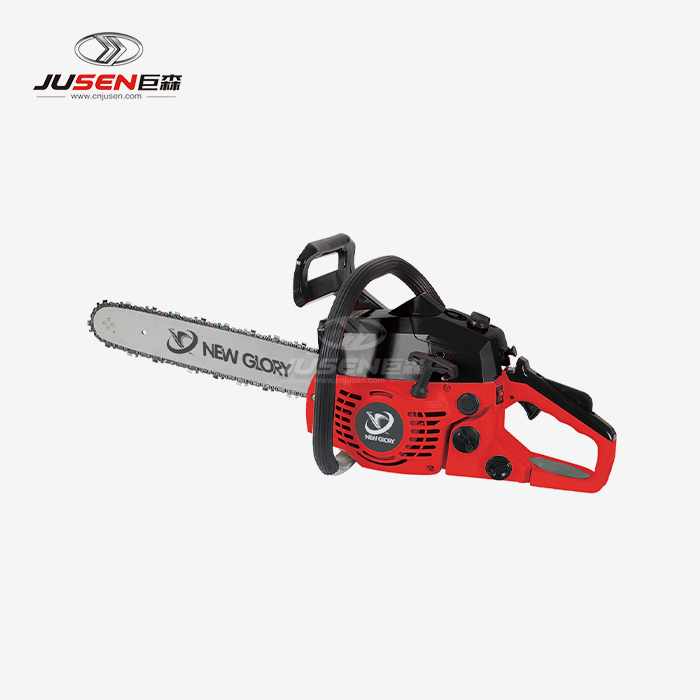
This hard work is shown by our 72CC gas-powered chainsaw. It has the same 2.6kW power output and top speed of 13,000 RPM as high-end competitors. The 18- to 30-inch guide bar options let you do a variety of cutting jobs. Partner brands can pick colors and layouts that work with how they want to market their goods with the help of OEM customization features. "Responsibility, capability, gravity, and persistence" are the company's core values, which every unit must follow. Because of these beliefs, we know that every chainsaw that leaves our building meets the highest standards.
We sell more than just chainsaws. We also have earth augers, electric mowers, hedge trimmers, brush cutters, and tools for lithium-ion batteries. This wide range means that dealers can get whole lines of tools from a single reliable maker. This makes shipping easier and boosts trust in the brand's quality across all product lines.
Essential Accessories and Support Infrastructure
Part of planning a full purchase is getting things like chains, guide bars, personal safety gear, and maintenance supplies. Find bar oil that meets the standards set by the maker. These standards are often related to the climate and are called ISO-L-EGB (ISO 6743/11). Keep extra chains on hand that are the right length and pitch for your bars. Tools for measuring, mixing, and holding fuel should be kept on hand to make sure that the right amounts of oil and fuel are used.
Conclusion
To find the best gas-powered chainsaws for cutting down big trees in Nigeria, one must look at their technical specs, how well they can be maintained, and how they plan to buy them. For commercial forestry, professional landscaping, and emergencies where electricity isn't available, gas chainsaws are the most powerful and portable tools you can use. JUSEN makes professional-grade gear that is both cheap and has been tested to work well. The company has been making gear for 20 years. In Nigeria's harsh forest environments, procurement managers make sure that investments in equipment bring long-term productivity and operational safety by carefully matching specifications, following the right maintenance steps, and working with reliable suppliers.
FAQ
What guide bar length works best for felling large trees in Nigeria?
How long the bars are chosen is based on how big the trees are on average. An 18- to 20-inch bar can cut and wedge trees up to 36 to 40 inches tall if you do it the right way. For pieces bigger than 40 inches, bars that are 24 to 30 inches long cut more quickly and need less physical movement. With JUSEN's different bar options, you don't have to buy a bunch of different saws to meet your needs.
How often should maintenance occur under intensive use conditions?
Every day before work, check the chain tightness, bar oil levels, air filter condition, and look for damage to avoid most field failures. Every 5 to 8 hours of use, the chain needs to be sharpened. How often depends on how hard the wood is and how close it is to the ground. Every three months, you should change the fuel filter and spark plugs if you drive your car a lot. You should also clean the engine and change the fuel line every year.
What fuel mixture ratio ensures optimal engine performance?
It is recommended that good two-stroke oil that meets ISO-L-EGD or JASO FD standards be used with most professional two-stroke engines. The gasoline-to-oil ratio should be 50:1. Some manufacturers talk about 40:1 ratios; always read the paperwork that came with the gear. If you want to keep the fuel from breaking down and making your engine work less well, mix only what you will use in the next two weeks. Use gasoline that is less than 30 days old.
Partner with JUSEN for Reliable Gas Powered Gas Chain Saw Supplier
JUSEN has professional-grade gas-powered chain saws that will work great in Nigeria and can meet all of your forestry equipment needs. We have been making Gas Powered Gas Chain Saws for a long time and offer reasonable prices and full after-sales service. Twenty years ago, we started making things. Our 72CC professional chainsaw has the strength, adaptability, and durability you need to cut down trees for your business. It also has features that let dealers make changes that allow them to create their own brand names.
You can email Sales1@cnjusen.com to talk to one of our buying specialists about your needs, get full product specs, or set up a time to see how our equipment works. Your investment will pay off in the best way possible with JUSEN. This is true whether you're a logging company looking for reliable cutting tools, a reseller building your product lines, or a well-known brand looking for OEM partnerships. You can count on our tools to help you make lovely green spaces.
References
1. International Labour Organization. (2018). Safety and Health in Forestry Work: Code of Practice. Geneva: ILO Publications.
2. Nigerian Forestry Research Institute. (2020). Sustainable Forest Management Practices in Nigeria: Technical Guidelines for Commercial Operations. Ibadan: FRIN Press.
3. Food and Agriculture Organization. (2019). Chainsaw Use in Tropical Forestry: Safety and Efficiency Manual. Rome: FAO Forestry Department.
4. American National Standards Institute. (2021). ANSI B175.1-2020: Safety Requirements for Gasoline-Powered Chain Saws. New York: ANSI.
5. Owusu, J.K. & Thompson, D. (2017). Power Tool Selection for Tropical Hardwood Harvesting: Performance and Economic Analysis. Journal of Forest Engineering, 28(3), 142-158.
6. Society of American Foresters. (2022). Best Management Practices for Timber Harvesting in West Africa. Bethesda: SAF Publications.

USER EVALUATE
Here is the customer's evaluation of us
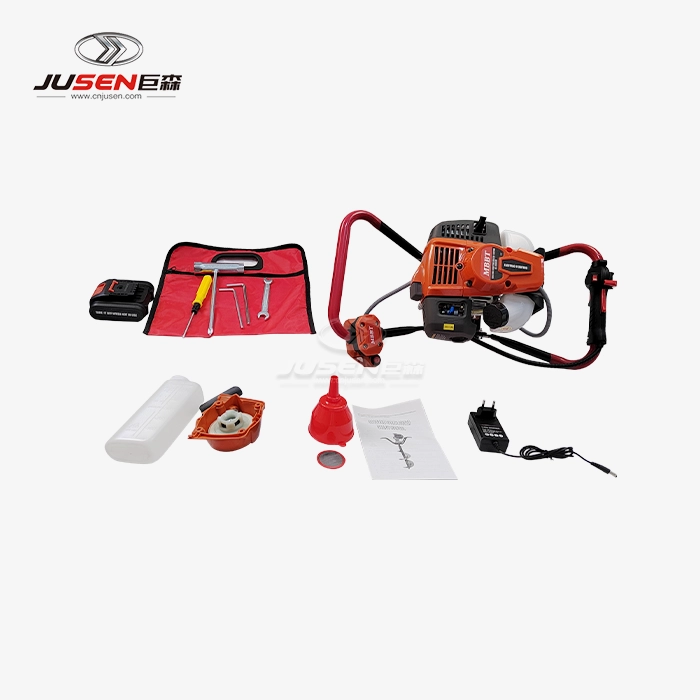 VIEW MORE43cc 2-Stroke Electric-Start Earth Auger
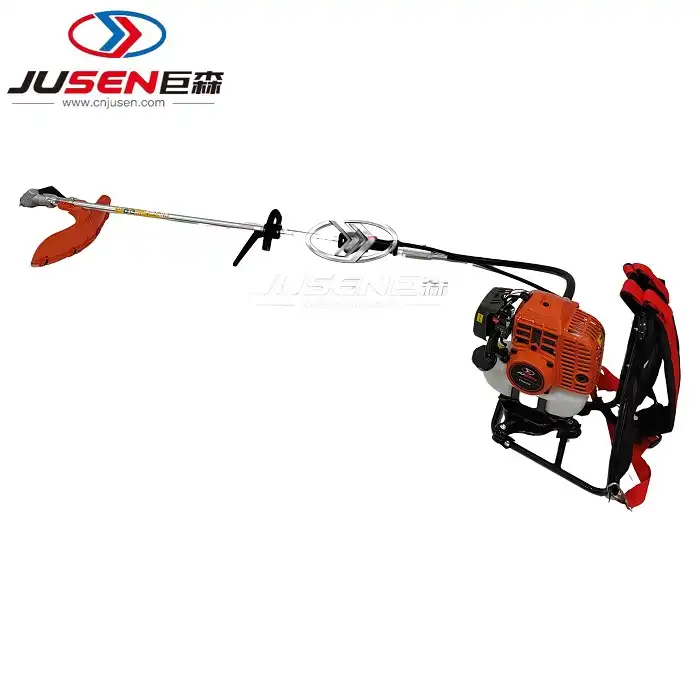 VIEW MOREBG143 43CC 2 STROKE BRUSH CUTTER
 VIEW MORE58CC Gasoline Chainsaw Cylinder
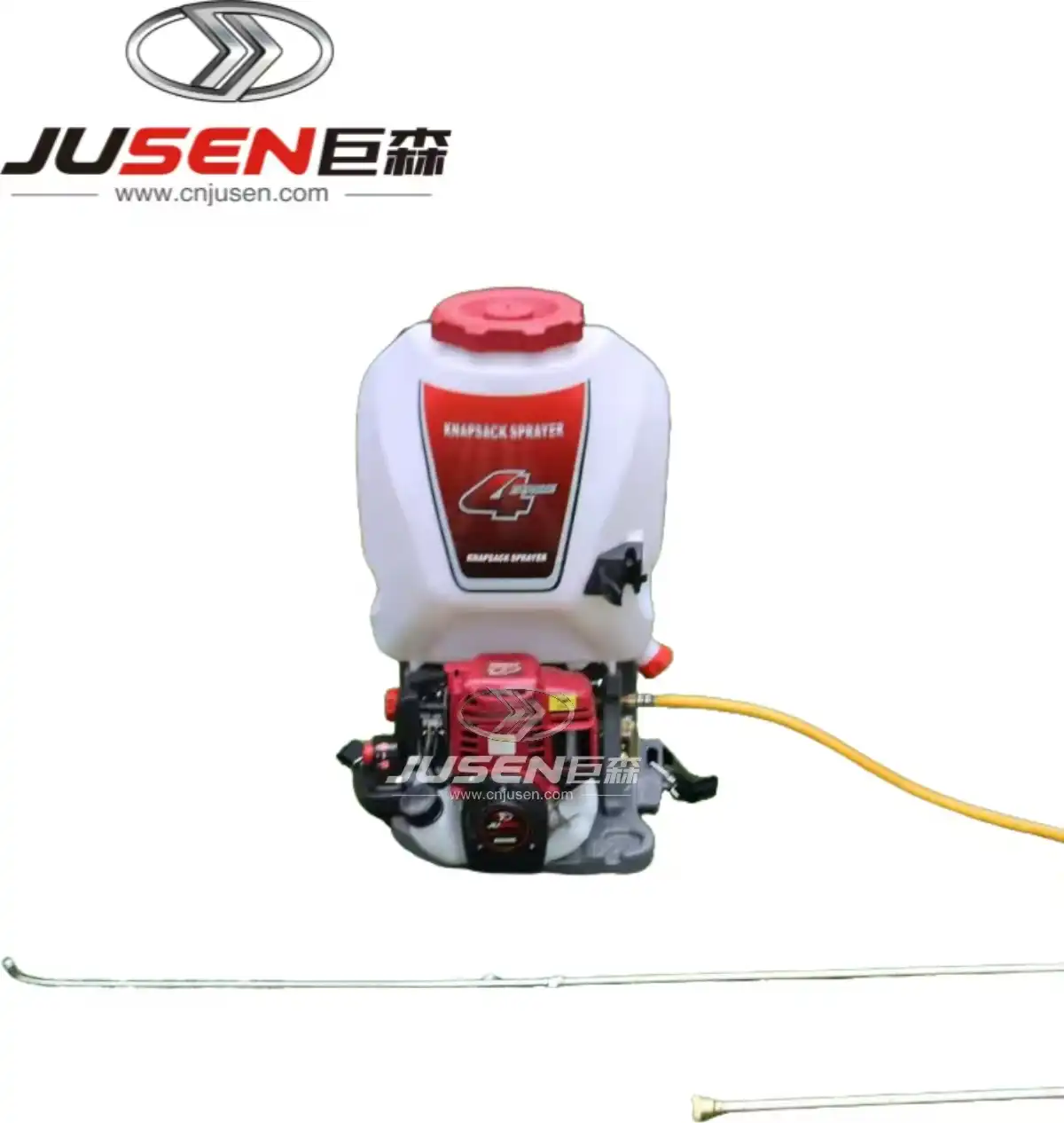 VIEW MORESP35 35cc 4-Stroke Backpack Sprayer
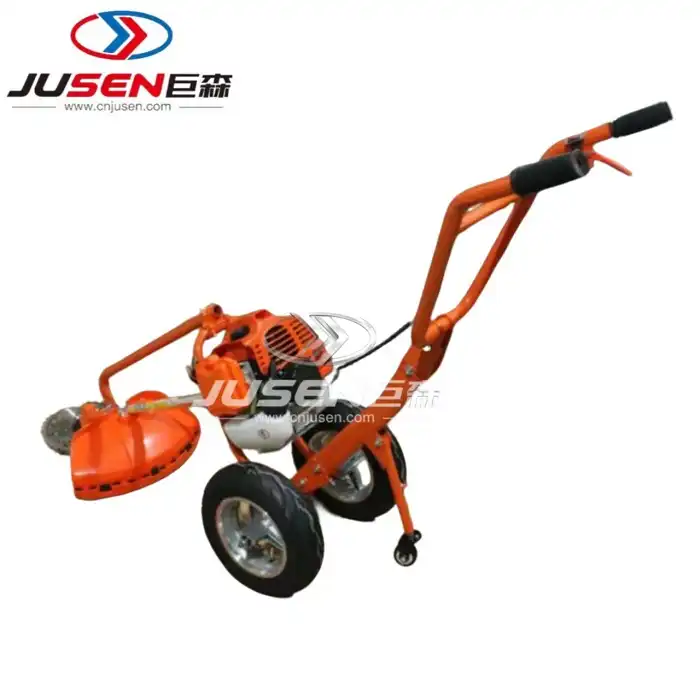 VIEW MOREHP520B 52cc 2 stroke hand push brush cutter
 VIEW MOREGx35 brush cutter spark plug
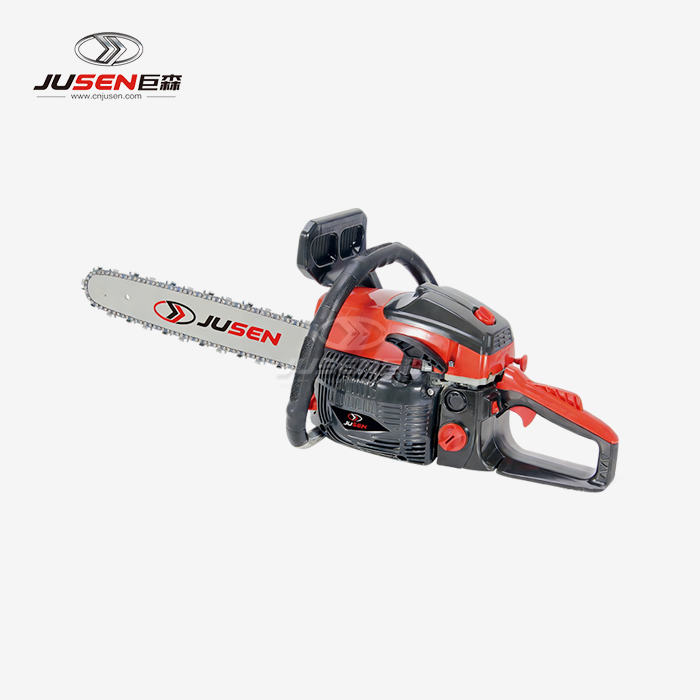 VIEW MORE62cc Gas Chain Saw
 VIEW MORE37.2cc Gasoline Chainsaw