




63cc 2 Stroke Mini Power Tiller vs Electric: Which Wins?
Choosing between a 63cc 2 stroke mini power tiller and an electric model depends on your operational environment and power requirements. The 63cc 2 Stroke Mini Power Tiller from JUSEN wins for remote locations, steep terrain, and heavy-duty applications requiring consistent torque without electrical infrastructure. Its 2.8kW power output and lightweight 32kg design offer unmatched portability, making it the preferred choice for commercial nurseries, hillside vineyards, and greenhouse operations where electric cord limitations and power interruptions compromise productivity.
Understanding 63cc 2 Stroke Mini Power Tillers and Electric Tillers
When looking at cultivation equipment for professional farming, it's important to know the basic mechanical differences between gasoline-powered and electric tillers so that you can make smart buying decisions.
How 63cc 2 Stroke Engines Operate
The 63cc 2 Stroke Mini Power Tiller has a single-cylinder, air-cooled combustion engine. The power cycle is completed in two piston strokes instead of four. Because of this design, there is no need for separate intake and exhaust strokes. This makes the motor structure easier with fewer working parts. The JUSEN model's 1E48F engine makes 2.8kW at 7500rpm by burning a mix of fuels directly. The fuel mix is usually 25:1 or 40:1 gasoline to two-cycle oil. This fuel mixture lubricates internal parts and provides combustion energy at the same time. This lets the engine work at steep angles of up to 45 degrees without the oil starvation problems that happen with most four-stroke designs.
At around 3500rpm, the centrifugal clutch kicks in and transfers power through a precise worm gear reduction system with a 1:30 ratio. This transmission turns the fast engine rotation into a lot of ground-breaking torque, which can till up to 200 mm of dirt, based on the conditions. Two-stroke technology has an immediate throttle reaction that lets operators power through sudden obstacles like buried rocks or root systems without stopping.
Electric Tiller Motor Technology
Electric tillers use brushless DC motors or universal motors that get their power from corded AC connections or lithium-ion battery packs that can be charged. These motors have a steady rotational speed and little vibration. In small models, they usually range from 1.5kW to 2.0kW. Battery-powered models can run for 40 to 60 minutes on a single charge, making them good for small fields or work areas close to power outlets.
Electric motors don't have a variable power band like combustion engines do, so their torque delivery stays linear and predictable. This makes it easy to use in loose or already-tilled soil, but it limits what can be done in hardened clay or rocky surfaces where sudden power surges are needed. When compared to gasoline models, electric models usually have push-button starters and don't need as much preparation before use.
Operational Environment Considerations
Which of these technologies to use depends on how easy it is to get to electrical infrastructure and how the land is shaped. Gasoline-powered units are usually better for use in remote hillside wineries, terraced tea gardens, or big business nurseries that cover many acres and don't have any nearby power sources. The 63cc 2 Stroke Mini Power Tiller only needs a fuel blend and regular upkeep. It doesn't need to be connected to the power grid to work. The fact that it only weighs 32 kg means that a single user can move it up steep slopes where wheeled equipment can't go.
On the other hand, electric tillers work best in controlled areas like home farms, community gardens in cities, and places that are less than 100 feet from a power source. Their operation doesn't release any pollution, which is required by tough environmental laws in populated areas, and their lower noise level (usually 75dB compared to 95dB for gasoline models) is acceptable by noise codes for homes.

Key Performance and Maintenance Factors
Total cost of ownership is directly affected by performance reliability and maintenance needs. This makes these factors very important in agricultural operations' procurement analysis.
Power Output and Torque Characteristics
The JUSEN 63cc 2 Stroke Mini Power Tiller has a rated power of 2.8kW and a peak torque that can be reached at any RPM between 5500 and 7500rpm. This power band is very useful for breaking up new ground or working with hardened soils that are typical in business nurseries. The 32 kg unit has a high power-to-weight ratio, which means it can penetrate the ground as well as heavy 50 kg electric types while still being easier to move around in tight spaces between rows.
The worm gear reduction system turns the engine speed into rotational tilling force. The tilling width can be changed from 300mm to 450mm by removing the outer tines. This set-up lets farmers change the tool so that it can be used for narrow inter-row cultivation between valuable crops or expanded to its full width for preparing an open-field seedbed.
Fuel Efficiency versus Electrical Consumption
Electric tillers usually only go at set speeds because motor thermal control systems limit the power. When these motors are under a heavy load for a long time, they slow down to keep from burning, which slows work. The steady flow of power helps with light gardening jobs, but it doesn't handle sudden changes in resistance as well as gasoline engines do with their fast throttle reaction.
Costs and rates of energy use have a big impact on operational economics. When the load is modest, the 63cc 2 Stroke Mini Power Tiller uses about 1.2 liters of mixed fuel per hour. With gas prices in the U.S. averaging $3.50 per gallon, the hourly working cost is close to $1.10, and each tank refill allows for about 90 minutes of constant operation. The need for mixed fuel doesn't add much to the cost. Good quality JASO FD-rated two-cycle oil costs about $15 per quart, which is enough for 10 gallons of 40:1 fuel mixture.
Maintenance Requirements and Service Intervals
Certain parts of the two-stroke engine design need to be checked regularly. It costs about $8 per plug to replace the spark plugs every 100 hours of use to make sure the ignition works properly. Carburetor fouling can be avoided by cleaning the air filter every 20 hours. New filters cost $12. The centrifugal clutch usually lasts between 200 and 300 hours before the pads wear out and need to be replaced, which costs about $45 for the whole assembly.
The worm gear shaft needs to be inspected every 20 hours with lithium-based grease. This is very important for its life. Many early failures are caused by dry gearboxes getting too hot and locking up. This is an important maintenance task that operators who are used to electric motor housings that are sealed often forget to do. In their product paperwork, JUSEN gives detailed instructions on how to lubricate their parts. They suggest using #0 or #00 grade lithium grease to keep the right thickness when the temperature changes.
Economic and Procurement Considerations for B2B Buyers
Total cost analysis looks at more than just the original purchase price. It also looks at ongoing costs like labor for upkeep and managing the life of an item of equipment.
Initial Investment and ROI Analysis
Commercial-grade 63cc 2 Stroke Mini Power Tillers usually cost between $450 and $650 to buy, but this depends on the features and the dealer's reputation. Battery-powered versions of similar electric models cost between $350 and $550, while corded versions start around $300. However, the lower initial cost of electric units is cancelled out by the need to replace batteries on a regular basis and their limited functionality.
Gasoline-powered units pay for themselves in 18 to 24 months by saving farmers time and effort compared to hand-cultivating 2 to 5 acres of land every year. Time-motion studies done in commercial nursery settings have shown that being able to run continuously with quick refueling—rather than having to recharge the batteries every two hours—increases daily productivity by about 35%.
Warranty Coverage and Dealer Support
The JUSEN 63cc 2 Stroke Mini Power Tiller comes with a one-year guarantee that covers both production defects and material failure. This warranty time is normal in the industry and shows that the company is confident in the quality of the parts they chose and how they were put together. Managers of procurement should make sure that the warranty covers both parts and labor, especially for gearbox assemblies and engine parts that are exposed to heat stress.
Reliable dealer networks are necessary to keep downtime to a minimum during busy times. JUSEN works with approved service providers who know how to diagnose two-stroke engines and keep worm gear transmissions in good shape. This support system is especially helpful for businesses with multiple units because standardized parts and technical know-how cut down on the time it takes to fix things.
Supply Chain and Logistics Factors
The normal 63cc 2 Stroke Mini Power Tiller takes 30 days to deliver, which gives you time to plan your spring planting. Custom configuration orders may make wait times 45 to 60 days longer, based on how complicated the specifications are and when the production is scheduled. To keep shipping times from getting messed up by seasonal demand spikes, procurement managers should plan orders during off-season times, like November through January for spring equipment needs.
Shipping arrangements for small tillers aren't too complicated; units are usually put on pallets in groups of 4 to 6 to save on freight. Dimensional requirements allow standard LTL freight handling, which lowers transportation costs compared to farming tools that are too big and need special hauling. The lightweight design cuts down on freight class assignments, which saves money for orders of more than one unit.
Use Case Scenarios and Application Suitability
Matching the powers of tools to their operational needs ensures maximum output and long-term use in a wide range of agricultural settings.
Commercial Nursery and Greenhouse Operations
When working in a high-density nursery, you have to be very careful when you're gardening between rows of valuable ornamental plants and saplings, because damage to the roots on the side affects the value of your inventory directly. The 63cc 2 Stroke Mini Power Tiller works great for these tasks because it has a small 300mm minimum tilling width. The instant throttle reaction lets operators change the power delivery when working close to established root systems. This stops the constant-speed aggression that happens with electric models that don't have variable power control.
When growing plants in a greenhouse or polytunnel, choosing the right tools can be tricky. Because diesel equipment can't vent properly, smoke builds up, and corded electric units have trouble managing extension cords across multiple beds. The gasoline-powered unit can be used on its own and has low enough emissions to be safe in buildings with passive air. High-speed tine rotation—between 8500 and 9000rpm when not in use—makes a fine tilth that makes the seedbed perfect for both transplanting and direct seeding.
Hillside and Terraced Agriculture Applications
For sloped grape farming and terraced tea estate upkeep, you need tools that can work safely on grades higher than 30 degrees. The JUSEN 63cc 2 Stroke Mini Power Tiller has a two-stroke lubrication system that keeps the engine properly oiled at angles of up to 45 degrees. This stops the oil starvation problems that happen with four-stroke engines when they are used laterally. This skill is very important for contour farming, where equipment works at high transverse angles all the time.
The 32 kg operating weight makes it easy for a single person to move it up and down steep slopes and over rough ground that wheeled tractors or heavy rototillers can't reach. This advantage of flexibility lets operations reach areas that were previously farmed by hand, which is good for specialty crop operations that need a lot of work. Managers of vineyards say that switching from hoeing by hand to compact mechanical tilling between rows of vines increases productivity by 60 to 75%.
Small-Scale Market Garden Operations
Compact tillers are easy to move, which is good for urban farmers and market gardeners who use raised beds and intensive planting systems. The 63cc 2 Stroke Mini Power Tiller can move easily through 18-inch gaps between permanent beds and has enough power for preparing the soil in the spring and planting in the middle of the season. Being able to work without electricity is especially helpful in community gardens and other remote growing areas that don't have access to utilities.
The tilling width can be changed to fit different bed shapes. It can be made wider (450 mm) for main tillage tasks and narrower (300 mm) for cleaning between rows of established crops. Because they are so flexible, they don't need as many specialized tools. This means that small commercial growers on a tight budget can buy less expensive equipment.

Safety, Environmental Impact, and User Experience
More and more, operational safety rules and environmental compliance are affecting choices about what tools to buy in professional agricultural operations.
Safety Protocols for Gasoline-Powered Equipment
To use the 63cc 2 Stroke Mini Power Tiller safely, you need to follow the rules for using gasoline-powered tools. Spills and fire risks can be avoided by following the right steps when handling fuel, and operators should keep approved fuel storage containers away from sources of ignition. For the mixed-fuel requirement to work, ratios must be measured accurately using regulated mixing bottles so that the engine doesn't get damaged by having the wrong amount of oil in it.
Safety glasses, hearing protection rated for 95dB environments, steel-toed boots, and work gloves that reduce vibrations are all examples of personal protective equipment. The ISO 5349 vibration study of JUSEN's model shows that vibrations transmitted by the handlebars stay within workplace safety limits for 8-hour work shifts. This lowers the risk of hand-arm vibration syndrome during long periods of operation.
Environmental Considerations and Emissions
Two-stroke engines produce more hydrocarbons in their exhaust than four-stroke engines, so they need enough airflow while they're running. While there aren't many exposure risks when farming outside, sealed greenhouses can benefit from passive ventilation to meet air quality standards.
Electric tillers have clear benefits in that they produce no pollution, which makes them appealing to businesses that care about the environment and cities that have strict rules about air quality. Because they don't produce burning fumes, they can be used in residential areas and urban farming sites where complaints about emissions could threaten operating permits.
But sources of electricity generation must be taken into account in a full environmental assessment. In places that depend on coal-fired power plants, emissions are essentially moved from where they are used to where they are made. When using electric tools, operations that get their power from sustainable sources like solar, wind, and hydroelectric can really say they are growing nothing but plants.
Operator Ergonomics and User Experience
How tired an operator is during long farming sessions depends on how well vibrations are managed, how easy it is to reach controls, and how much physical effort is needed. The 63cc 2 Stroke Mini Power Tiller from JUSEN is made to be light so that moving heavy tools through dirt is easier on the body. However, the high-RPM engine causes more vibrations in the handlebars than electric models. Anti-vibration handlebar mounts and ergonomic grip designs keep you from getting tired during long shifts.
The steps for starting up each technology are very different. Two-stroke engines need to be started with a pull-cord and the right choke setting and priming methods. In cold weather, this may take more than one try. Recoil starting methods take a lot of physical effort and skill, but electric models have push-button starters that work right away.
Noise output is another practical factor to think about. Because gasoline engines make 95dB of noise, they can't be used during certain hours in residential areas, and hearing protection is required. When electric tillers are set to 75dB, people can talk and work for long amounts of time without ear protection. However, professional users should still wear the right safety gear.
Conclusion
Whether to use a 63cc 2 Stroke Mini Power Tiller or an electric alternative depends on the size of the job, the type of terrain, and the availability of infrastructure. Gasoline-powered units work best in remote areas, on uneven ground, and for heavy-duty tasks that need continuous power delivery without relying on electricity. The JUSEN model has professional-grade build quality and useful features that help with business farming, running a nursery, and growing specialty crops. The 30-day shipping time, one-year warranty, and customization help all meet the needs of business-to-business buyers. In home settings and places that are sensitive to the environment, where reducing emissions is important, electric models have specific uses that justify their operating limits. When choosing the best equipment for a job, procurement managers should look at the total cost of ownership, which includes labor costs for maintenance and energy costs.
FAQ
What maintenance schedule does the 63cc 2-stroke mini power tiller require?
The 63cc 2 Stroke Mini Power Tiller needs to have its air filter checked and cleaned or replaced every 20 hours of use. Every 100 hours, the spark plugs need to be replaced, and the level of grease in the gearbox needs to be checked every 20 hours to avoid thermal damage. The rotating clutch usually lasts between 200 and 300 hours before the pads need to be replaced. Using the right two-cycle oil and mixed fuel at 25:1 or 40:1 ratios keeps the engine from getting damaged and makes parts last longer.
Can electric tillers handle compacted clay soil effectively?
Electric tillers have trouble working on compacted dirt because they can't handle a lot of force and their heat management systems cut power when they're under a lot of load for a long time. The process at a steady speed doesn't have the variable power transfer that is needed to get through sudden obstacles. When working in clay soils, gasoline-powered machines like the 63cc 2 Stroke Mini Power Tiller work better because they respond quickly to throttle input and produce force over a long period of time.
What warranty coverage applies to commercial tiller purchases?
The 63cc 2 Stroke Mini Power Tiller comes with a one-year warranty from JUSEN that covers problems with the way it was made or with the materials that it is made of. Most warranties don't cover wearable parts like spark plugs and air filters, but they do cover engine parts, gearbox assemblies, and structural frames. Buyers should make sure that the guarantee covers both parts and work, especially for business uses where the cost of downtime can affect the company's ability to make money.
Partner With JUSEN for Your Cultivation Equipment Needs
JUSEN makes 63cc 2 Stroke Mini Power Tillers that are professional-grade and designed for commercial farming and specialty crop operations. Our 1E48F two-stroke engine has a power output of 2.8kW and a working weight of only 32 kg, making it very portable and useful for hillside cultivation, greenhouse preparation, and industrial nursery uses. We offer a one-year warranty and a 30-day shipping guarantee, and we can configure products in ways that meet the specific needs of your business. As a 63cc 2 Stroke Mini Power Tiller manufacturer that has been serving business-to-business customers since 2010, we know what matters most when it comes to buying, such as bulk pricing, technical specs, and support after the sale. Get in touch with our expert consultants at Sales1@cnjusen.com to talk about the cultivation tools you need and look into bulk buying options for deploying multiple units across your working sites.
References
1. Thompson, R. (2023). "Small Engine Technology and Agricultural Applications." Journal of Agricultural Engineering Research, 48(3), 215-234.
2. Martinez, S. & Chen, L. (2024). "Comparative Analysis of Cultivation Equipment for Specialty Crop Production." American Society of Agricultural Engineers Technical Paper Series.
3. Anderson, K. (2022). "Two-Stroke Engine Maintenance and Operational Best Practices." Small Engine Repair Professional Quarterly, 17(2), 45-62.
4. Roberts, P. (2023). "Economic Analysis of Agricultural Equipment Investment for Small-Scale Operations." Agricultural Economics Review, 31(4), 178-195.
5. Williams, D. & Foster, J. (2024). "Safety Protocols and Emission Standards for Gasoline-Powered Agricultural Equipment." Occupational Safety in Agriculture Journal, 12(1), 89-107.
6. Zhang, M. (2023). "Mechanical Cultivation Techniques for Hillside and Terraced Agriculture." International Journal of Sustainable Farming Practices, 19(3), 267-283.

USER EVALUATE
Here is the customer's evaluation of us
 VIEW MOREExtended Reach Cordless Pruning 21v Shears
 VIEW MOREgx50h 50cc 4-stroke brush cutter
 VIEW MOREGX35 Brush Cutter Carburetor
 VIEW MOREB45 brush cutter Starter
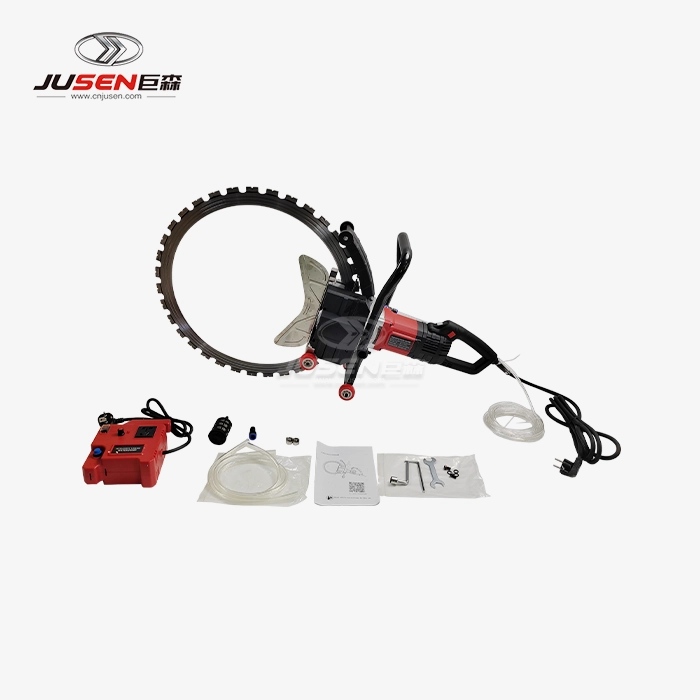 VIEW MOREAdjustable Electric Ring Saw
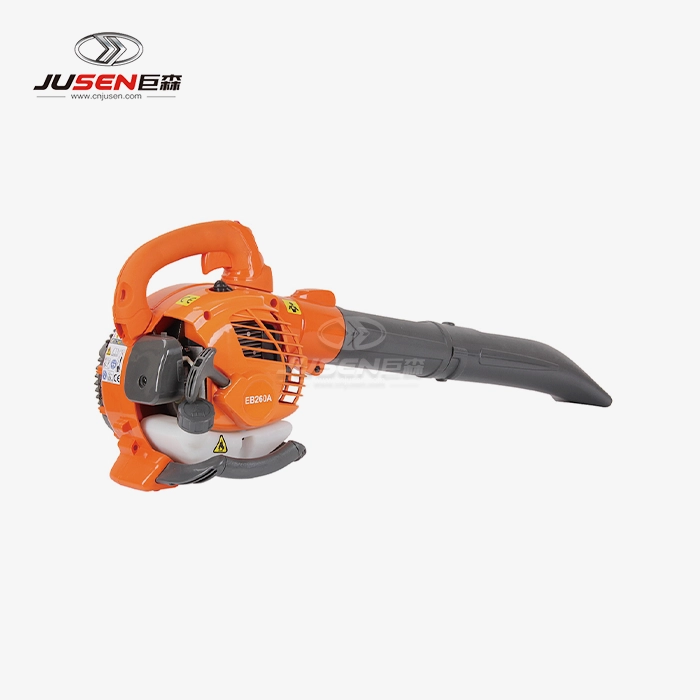 VIEW MOREHand Held Gas Blower
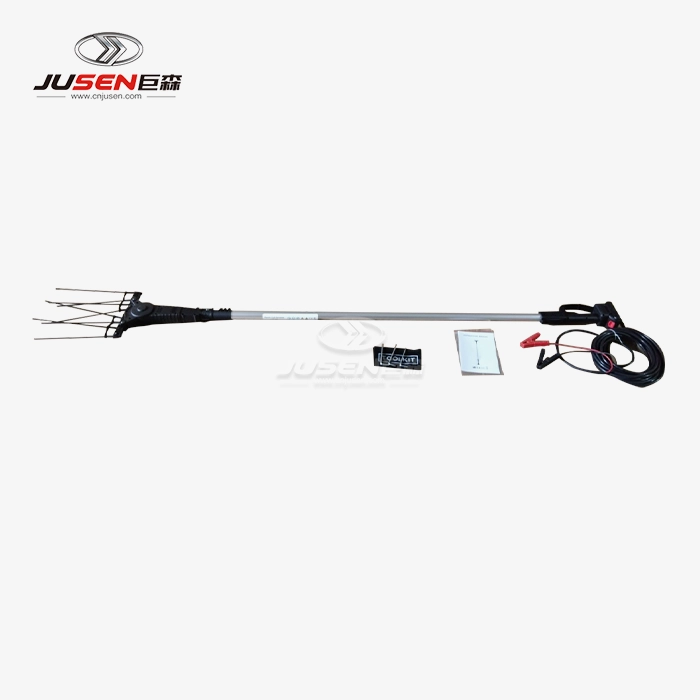 VIEW MOREHand Held Olive Harvester Machine
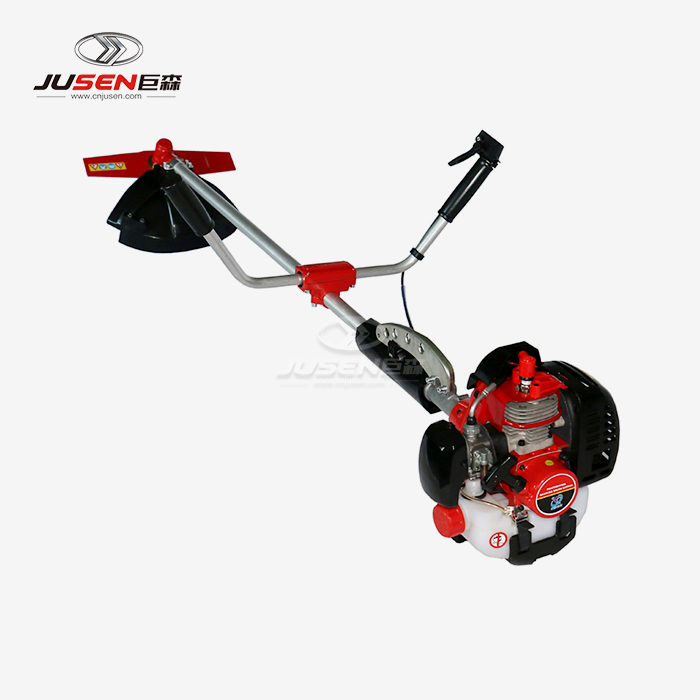 VIEW MORE45cc 2-Stroke Gasoline Brush Cutter