




How to Start a 63cc 2-Stroke Garden Hand Earth Auger?
Starting a 63cc 2-stroke garden hand earth auger requires proper fuel mixing at the manufacturer-recommended ratio (typically 25:1 or 40:1 gasoline to oil), positioning the choke to full, priming the fuel bulb if equipped, and pulling the starter cord with firm, steady motion. Once the engine fires initially, adjust the choke to half and pull again until it runs smoothly, then move the choke to the open position. Allow the engine to warm up for 30 seconds before applying throttle. This systematic approach prevents cylinder scoring and ensures the centrifugal clutch engages properly, delivering full torque to the auger bit without stalling.
Understanding the 63cc 2-Stroke Garden Hand Earth Auger
The 63cc displacement is the best choice for portable drilling equipment because it is both small and powerful. This gasoline-powered tool keeps the same pressure over long periods of use, unlike electric models that are limited by power lines or battery life. Its design solves certain problems that contractors have when they have to work in remote areas where they can't get to or use electrical infrastructure.
How the 2-Stroke Engine Mechanism Works
The power cycle of a 2-Stroke engine is made up of just two strokes of the piston. The first stroke combines taking in air and compressing it, and the second stroke combines burning the air and letting it out. 4-Stroke engines have complicated valve trains that aren't needed in this design. The mixture of fuel and oil keeps the insides smooth and gives the fire energy at the same time. With a bore-to-stroke ratio of about 44mm x 34mm, the engine can make between 1.4kW and 1.7kW of power at 7,500 RPM. Capacitor Discharge Ignition (CDI) makes sure that sparks are always made, even when it's cold outside. This is very important for getting work done early in the morning in the field.
There isn't a separate oil sump, so workers don't have to worry about running out of oil when they move the tools to different angles. This is very helpful when digging on ground that isn't level or sloped. No matter how it is set up, the diaphragm carburetor makes sure that the engine gets the right amount of fuel. This means that it works the same whether it is drilling straight up or at an angle.
Core Components and Their Functions
Power is sent from the engine to the transmission by a centrifugal clutch. When RPMs go above 3,000, this clutch engages right away to protect both the user and the transmission during starting. Most of the time, the ratios of this clutch's helical gear reduction transmission are between 30:1 and 34:1. It brings the engine speed down from high to 170-200 RPM, which is the best range for drilling. If you don't want the gearbox to break down too quickly, you should service it every 25 to 50 hours with lithium-based high-temperature grease.
A hex drive link is used to connect the 63cc 2-Stroke Garden Hand Earth Auger bits to the output shaft. To keep the connection safe, a shear pin is often used. Its job is to break if the bit hits something solid, like buried rock or concrete. This simple mechanical breaker keeps the clutch from breaking in terrible ways. For the price of a dollar part, it saves hundreds of dollars in replacement costs.
Key Advantages Over Alternative Power Sources
This group of engines is lighter and more powerful than 43cc engines, and it's easier to move around than 62cc types. In real-life tests, the 63cc 2-Stroke Garden Hand Earth Auger configuration can move auger bits with diameters of 100mm to 200mm through gravel and compacted clay without getting stuck. When the battery runs out, the force typically goes down, but a gas-powered one keeps making the same amount of power until the fuel runs out.
They still don't need as much upkeep as 4-Stroke engines. It costs less to own because you don't have to change the oil, fix the timing gear, or adjust the valves. Fuel blend is the only thing operators need to worry about. They also need to clean the air filter regularly and check the spark plug every so often. Because of these features, the equipment is perfect for construction crews, landscaping businesses, and farms that need to work reliably in a variety of soil types.

Step-by-Step Guide to Starting Your 63cc 2-Stroke Earth Auger
It lasts longer and doesn't break down in the field when you start the engine the right way. Before you try to start your engine for the first time, you need to make sure the fuel is ready, follow safety rules, and do things the right way.
Pre-Startup Checks and Fuel Preparation
If the fuel blend doesn't match what the maker says, don't try to start the engine. Most of them need a ratio of 25:1 or 40:1 for gasoline to oil. You get a lean mixture when you don't use enough oil. This quickly causes the pistons to seize up and the cylinders to score. It doesn't have a separate lubricating system, so the oil in the gas is the only thing that keeps the internal parts safe.
Make sure there is no carbon buildup or broken wires on the spark plug. The sparks work well when there is a gap of 0.6mm to 0.7mm. Clean the air filter. If the filter gets clogged, air can't flow through it. This makes the mixture too rich, which lowers the power output and makes too much smoke. Make sure there is no damage to the drill bit and that all of the bolts that hold it in place are tight. When there are too many vibrations because of loose links, it can be dangerous.
Part of getting ready for safety is putting on the right safety gear, such as safety glasses, hearing protection, steel-toed boots, and work gloves. Clear out everyone from the area where the digging is happening and make sure there are safe working limits. Make sure the drill bit is not hitting the ground or anything else that could get in the way before you start.
Engine Start-Up Procedure
The steps below will get you a reliable start. To make the fuel-rich mixture needed for cold starts, pull the choke lever all the way down. This will stop the flow of air. The engine should have a starter light on it. Five to seven presses are needed to see fuel moving through the return line. Check that the gear is stable, and if it has one, turn on the speed lock.
Fast and smooth pulling on the starter handle will get it going. Jerky pulls can hurt the part that opens the gun, so don't do them. As long as you take good care of the unit, the engine should start after three pulls. Push the choke all the way to the middle and pull again when you hear the first sounds of combustion. Now the engine should keep going.
Once the engine can go on for a while, open the choke slowly until it's all the way open. Before you step on the gas, wait 30 seconds for the engine to warm up. This warm-up time lets the cylinder temperature level off and makes sure the fuel is spread out evenly. When there is too much load, the spark plugs can get clogged, which stops the combustion process before it's finished.
Best Practices During Operation
Drop the moving bit slowly until it hits the ground when you're ready to drill. If you press down too hard on the drill, it won't go faster, and it might even stop or damage the motor. The spiral flights on the auger pull the tool down automatically as it cuts. The operator's main job is to guide and stabilize, not to force their way in.
While the engine of a 63cc 2-Stroke Garden Hand Earth Auger is running, listen to how it sounds. If the tone is steady and smooth, the engine is tuned right. You might need to tune the high-speed needle adjustment if the engine slows down when it's under a lot of stress. See if the clutch is worn or the shear pin is broken if it races but the bit doesn't turn at the same time.
Pull out the auger every once in a while to get rid of any dirt that has built up in the flighting. It can be hard to drill and even break the bit if the cuttings fill up the hole too much. To keep the parts in good shape, don't use full power all the time when digging in hard ground. Instead, use the throttle in a random way.
Maintenance and Troubleshooting Tips for Longevity
When you keep up with your repair plan, an item works better and lasts longer. Failures that happen out of the blue during key project phases are less likely to happen when systematic care is used.
Routine Maintenance Protocols
When it is dusty outside, the air filter needs to be checked every eight hours. You can get rid of any loose dirt or dust by taking out the filter element and giving it a light tap. Foam filters should be cleaned with warm, soapy water. Use clean engine oil to cover them in a thin layer after they are dry. Then, put them back in place. It is better to get new paper element screens than to clean the old ones.
Because they need to be inspected and their gaps checked every 25 hours, the spark plugs need to be taken out and inspected. If there are carbon layers, it means that the fuel mixture is too rich or that the engine is running too much. If there are white electrodes with blisters, it means that the fuel mixture is too lean, which could hurt the engine. You should get a new plug if the electrodes are worn down or the clay insulators are cracked.
Make sure the engine case has enough grease. Make sure you can see grease on the threads of the fill plug on the gearbox housing. Put in high-temperature lithium-based grease until it does show up if it doesn't already. The gear teeth wear down quickly when there isn't enough lubrication. Eventually, the transmission stops working at all.
Every 50 hours, the fuel filters need to be changed, and the old fuel needs to be drained before it is stored for a long time. Gasoline starts to break down after 30 days, leaving behind varnish layers that stop engine jets from working. It can be stored for up to six months after adding fuel additives.
Common Engine Issues and Solutions
It's normally because the fuel supply isn't working right, the spark isn't working, or the compression loss is too high. Check the fuel pipe to make sure there is new fuel in the tank and no cracks in the line. Pull the starter wire and take out the spark plug. The carburetor might be clogged if there is no smell of fuel at the plug. If the plug is wet with fuel, on the other hand, the ignition system needs to be checked out. Hold the spark plug against the cylinder head and pull the starter cord to see if there is spark. Either the ignition coil or the kill switch is broken if you can't see a spark.
When an engine is running, power loss is usually caused by an air filter that is clogged, a carburetor that isn't lined up right, or carbon buildup in the exhaust port. A clogged air filter is the first thing that you should look for. Take it off, then try to work again. If the electricity comes back on, the unit needs to be fixed or cleaned. The high-speed needle in the carburetor should be turned counterclockwise one-eighth turn at a time while you watch how the engine reacts. Things might be wrong with this.
If there is too much smoke, it means that the fuel mix is off or that the engine rings are worn out. If there is blue-gray smoke, the fuel has too much oil in it. If there is black smoke, the carburetor is set too high, or airflow is being slowed down. Make sure the carburetor is changed when it needs to be because of the right amount of fuel to air.
If the engine uses a lot of fuel but doesn't make much power, gaskets or seals in the carburetor may be letting air in. These leaks change the amount of fuel to air, which keeps the engine from making all of its power. Putting pressure on the engine can help find leaks, but this needs special tools and is usually done by service workers.
Comparing the 63cc 2-Stroke Earth Auger with Other Models
When buying, teams know the differences between the different types of power plants, they can choose equipment that meets their needs and stays within their budget.
2-Stroke Versus 4-Stroke Engine Configurations
The 2-Stroke form gives you more power per unit of weight than the 4-Stroke form. A 63cc 2-Stroke engine is about as powerful as a 70cc 4-Stroke engine, but it is about 15% lighter. This extra weight makes it easier to move around in small spaces and keeps people from getting tired after long shifts.
Maintenance needs for the two technologies are very different. Regularly changing the oil in the 4-Stroke, adjusting the valve clearance, and checking the timing parts are all things that need to be done. They make the repairs take longer and cost more. The 2-Stroke doesn't have to meet these standards because it has a simpler design, but it does have to follow strict rules about how to mix the fuel.
It takes about 20% less fuel for 4-Stroke engines to do the same amount of work, so they save more fuel. Environmental rules are giving more attention to pollution from 2-Stroke engines because fuels that aren't burned escape during the exhaust cycle. Layered scavenging systems in modern 2-Stroke engines cut down on pollution to meet EPA and Euro V standards. The natural gap is now closed.
Power Output and Engine Capacity Comparisons
The 63cc model has about 25% more power than the 43cc type because of the change in displacement. When drilling through hardpan or clay that is more than two feet deep, this extra strength is very important. When it's like this, smaller engines get stuck, and the bit has to be pulled out a lot to keep them from stopping.
62cc types, on the other hand, are a bit more powerful but also a lot heavier. The extra four pounds of weight on the engine makes people tired after using it for a long time. There is just the right amount of power for professional use in a 63cc displacement engine, and it's not too heavy.
Businesses that want to run in a way that doesn't pollute the environment, like electric models, whether they have cords or run on batteries. People who use corded types must be within 100 feet of a power source in order to use them. These battery types are movable, but they can only run for 30 to 45 minutes on a single charge. Also, the force drops as the power drops. This makes electric augers good for light-duty use at home but not so good for businesses that need to drill a lot of holes every day.
Application Suitability for Diverse Projects
Tools that run on gas, like the 63cc 2-Stroke Garden Hand Earth Auger, last longer and give power more steadily, which is helpful for fence builders who are erecting walls across acres of land. It's possible to finish big jobs without stopping because it can run for four to six hours straight on a single tank of fuel.
This type, the 63cc, has enough power to drill holes up to 8 inches across and 36 inches deep. This is good for landscaping companies that need to plant foundation bushes or put in deck footings. They are portable, so one person can use them without any help. This saves money on labor costs over augers that are attached to tractors.
Wheeled equipment can't work on mountains or rough ground, but this tool can. This makes it useful for farming jobs like planting trees and putting up grapevine posts. The 2-Stroke engine can work in any direction, so when drilling on slopes greater than 30 degrees, it doesn't run out of fuel.

Purchasing and Partnering with Trusted 63cc 2-Stroke Earth Auger Suppliers
Choosing reliable equipment providers has a direct effect on running costs over the long term by making it easier to get parts, guarantee support, and expert help.
Evaluating Supplier Credentials and Support Capabilities
Because authorized dealers work directly with makers, they can be sure that they can get genuine parts and specialized information. At first, third-party sellers may offer lower prices, but when something breaks, they often can't promise service or real parts. Make sure that any possible suppliers have a lot of spare parts for things that break down quickly, like starter recoils, carburetors, auger bits, and clutch assemblies.
The warranty terms from one company to the next are very different. Most business insurance plans cover you for 12 months, but some higher-end brands cover you for 24 months. Pay close attention to what the guarantee doesn't cover. A lot of guarantees don't cover things like spark plugs, air filters, or shear pins that break because of normal use. Some companies will make you pay to ship the item back, which lowers the value of the guarantee for small issues with parts. Learn how to file a claim.
How quickly small problems are fixed determines how long they last and how much technical help is available. Suppliers with skilled techs who can help over the phone are very useful. Repair guides and part diagrams should be free for everyone to use online. This way, repair teams inside the company can do normal work without any help from outside.
Bulk Purchase Considerations for B2B Clients
When businesses like building and gardening hire a lot of people, they can save a lot of money by buying in bulk. Some stores offer savings when you buy five or more units, and the prices get better as you buy more, all the way up to twenty units or more. When you buy in bulk, you make sure that all of your teams use the same tools and also lower the price per unit. This makes it easier to train, keep track of parts, and fix things.
It can help your cash flow and give you faster access to services to talk to service providers about longer payment terms or car service agreements. As part of a fleet agreement, you may get yearly maintenance visits, lower prices on parts, and loaner vehicles while yours is being fixed. All of these perks make sure that things run as easily as possible.
Companies that need special bit designs or auger setups that aren't standard can work with OEMs. If you place an order for more than the minimum amount, makers will usually let you make changes. In this way, customers can get the best solutions for unusual soil conditions or needs for a certain diameter that aren't met by standard product lines.
Conclusion
For a 63cc 2-Stroke Garden Hand Earth Auger to start and run well, you need to know how to prepare the fuel, follow the steps for starting it up, and keep it in good shape. For business use, the 63cc displacement gives you the most power for your weight, and it's still easier to carry than bigger models. If you use the right method, you can avoid making common working mistakes that cause parts to wear out or break before they should. The life of your equipment will be much longer if you check the spark plugs, air filter, and motor often and grease them. Teams in charge of buying things should think about more than just the original price. They should also consider things like the provider's technical help skills, the coverage of the warranty, and the ease of getting parts. The 2-Stroke setup works best when you need a long runtime, to work on uneven ground, or to deliver torque consistently in tough soil.
FAQ
1. What fuel mixture ratio ensures optimal engine health?
For most brands, the amount of gasoline to oil is either 25:1 or 40:1. Usually, the exact requirement is written on a label on the machine or in the user guide. For the valves to stop moving right away, use too little oil. This makes the mixture too lean. Too much oil, on the other hand, makes the spark plugs dirty and builds up carbon deposits. When you need to measure something correctly, don't guess; use the right containers for mixing that have graduated lines on them. It is possible to use 50:1 leaner blends with synthetic 2-Stroke oils because they are better at lubricating. However, only if the maker says it's okay.
2. How often should maintenance be performed?
Every eight hours, if the air is dirty, you should check the air filter. Less often should be checked if the air is clean. The spark plugs should be checked every 25 hours, and they should be changed every 50 hours or sooner if they get dirty. If there isn't enough grease in the engine after 25 hours, you should add more. This part should be changed every 50 hours. These times are based on how things usually work. Service may need to be done more often for heavy-duty jobs that are done on very rough ground or for long periods of full force.
3. Can this equipment handle heavy commercial applications?
The 63cc size of this engine gives it enough power to do professional gardening, building decks, and putting up fences. It can push bits up to 200 mm in diameter through solid dirt, but as the diameter gets bigger, the drilling speed slows down. The design can handle daily use as long as the right steps are taken to keep it in good shape. If a company drills more than 30 holes a day, it might want to switch out the units so that they don't get too hot and the parts last longer.
Partner with JUSEN for Reliable Drilling Solutions
When business-to-business buyers need to find a reliable source for 63cc 2-Stroke Garden Hand Earth Auger drilling tools, they don't just have to look at yard tools. Through Baoji Changyou Petroleum Equipment Co., Ltd., JUSEN's main business is making oilfield drilling equipment. For ten years, we've also been making precise downhole tools, which has taught us how long things need to last in tough situations. All of the tools that our engineering team makes have to meet the same high-quality standards. This means that activities in the field can depend on them.
Companies that need help picking the right tools for their project or the soil can email our team at Sales1@cnjusen.com. We give procurement managers thorough specs, performance data, and tips on how to use the products to help them make choices that meet business needs. It's easier to get original parts and quick technical help when you work with a well-known maker. You can also rest easy knowing that your business has ISO-certified factories and strict quality control procedures.
References
1. Small Engine Technology and Applications, Society of Automotive Engineers Technical Paper Series, 2019.
2. Comparative Analysis of Two-Stroke and Four-Stroke Engine Performance in Portable Power Equipment, Journal of Agricultural Engineering Research, Vol. 47, Issue 3, 2020.
3. Hand-Arm Vibration Exposure Assessment in Construction Equipment Operation, Occupational Safety and Health Administration Guidelines, 2021.
4. Soil Drilling Equipment Selection for Professional Landscaping Applications, American Society of Landscape Architects Technical Manual, 2022.
5. Two-Stroke Engine Maintenance and Troubleshooting for Field Service Technicians, Equipment Manufacturers Association Training Publication, 2021.
6. Environmental Performance Standards for Small Off-Road Engines, United States Environmental Protection Agency Regulatory Documentation, 2020.

USER EVALUATE
Here is the customer's evaluation of us
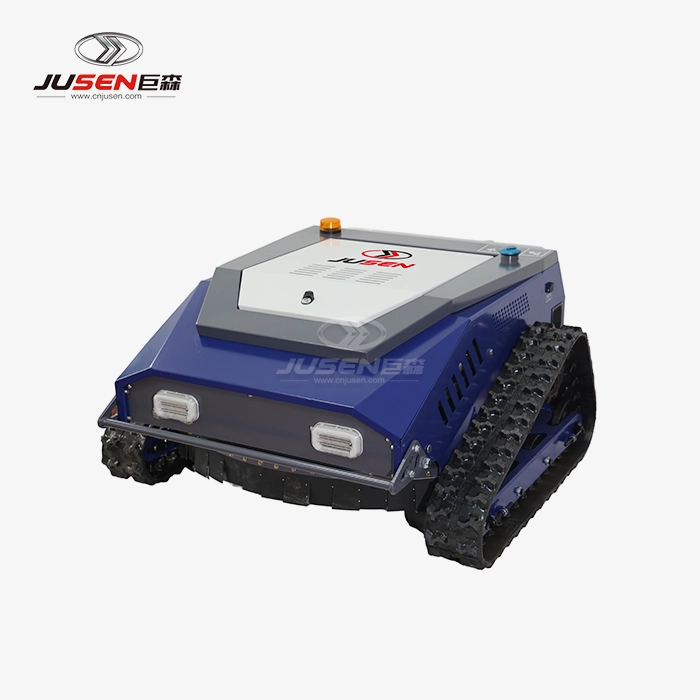 VIEW MOREGasoline Remote Control Lawn Mower
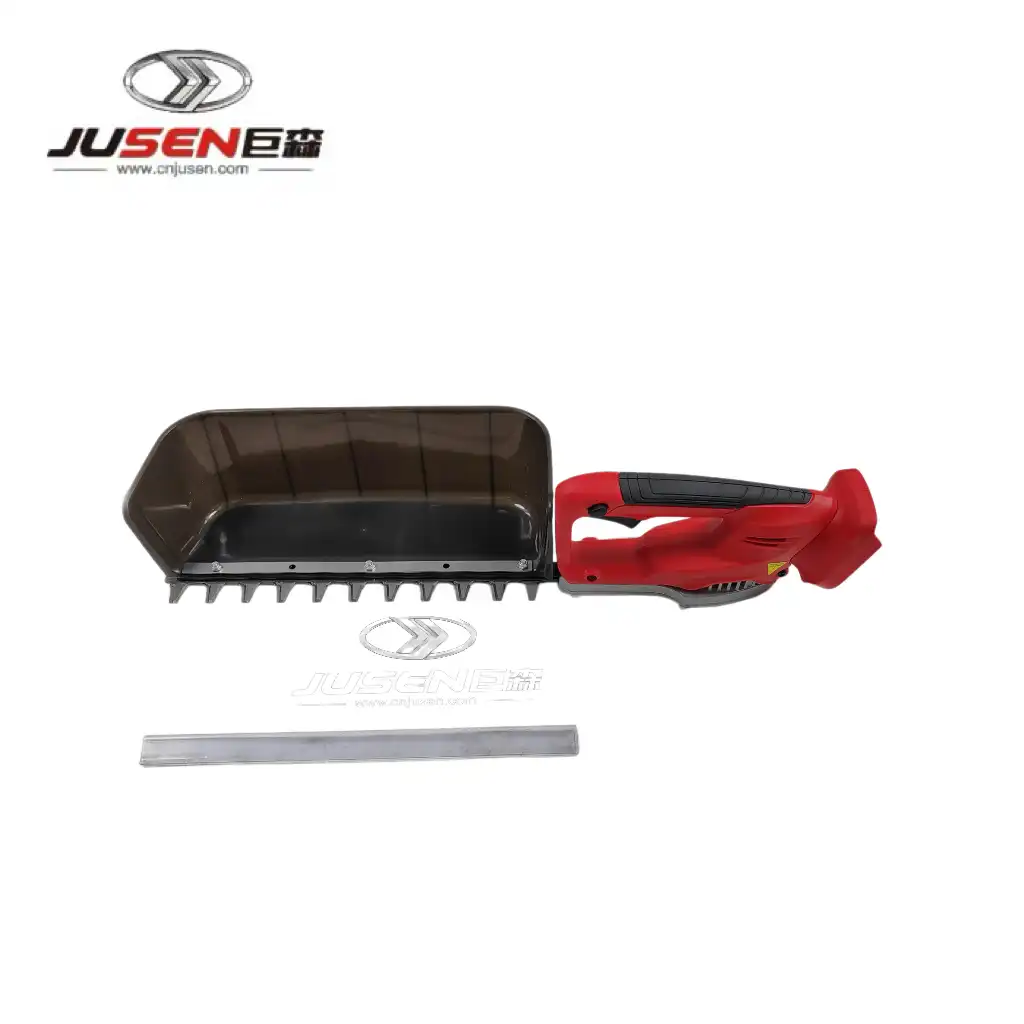 VIEW MOREBAT460 -W -Outer-rotor lithium-powered tea harvester
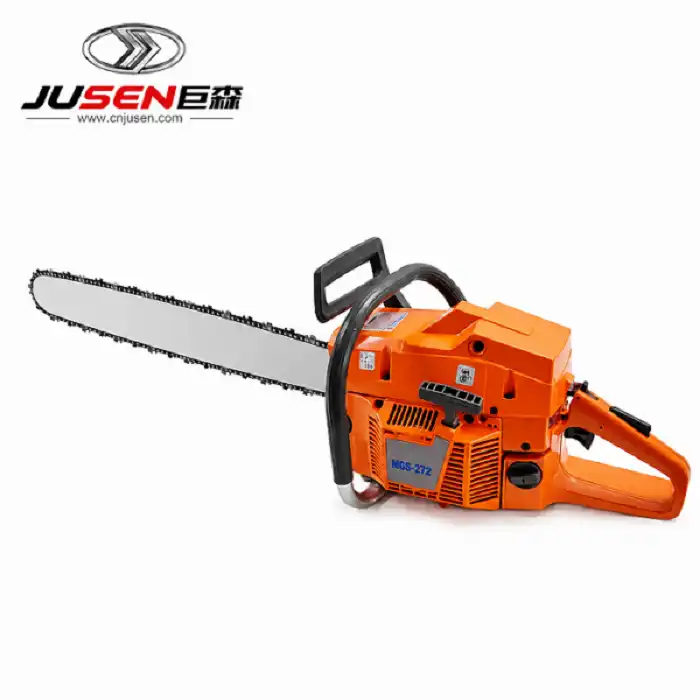 VIEW MOREH272 Professional Gasoline Chainsaw
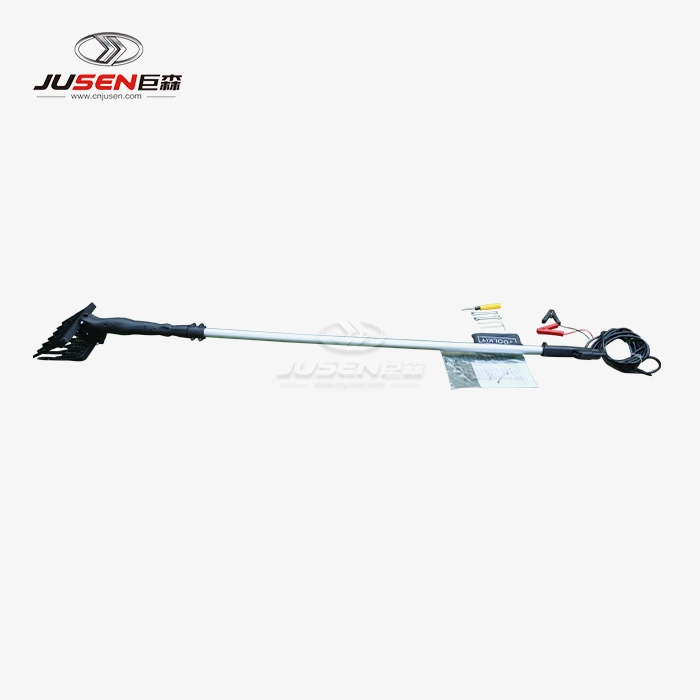 VIEW MOREHand Held Olive Harvester
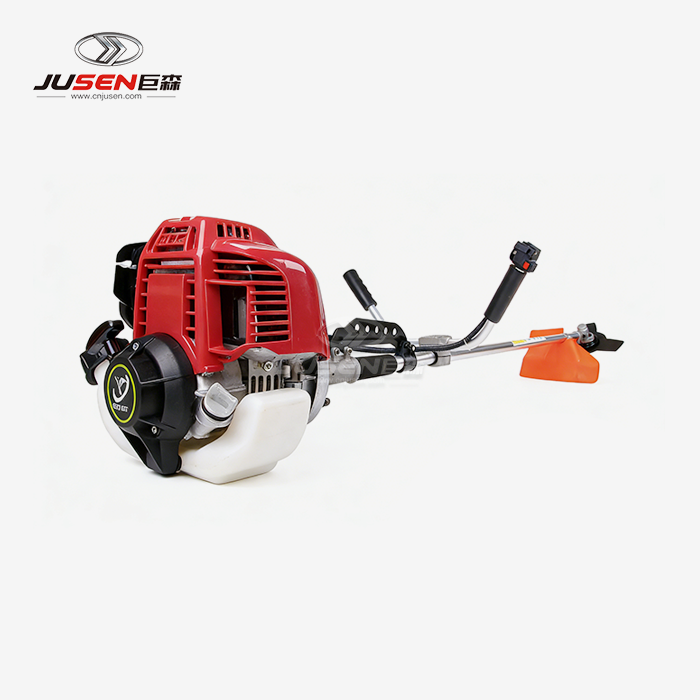 VIEW MORE25cc 4-Stroke Brush Cutter
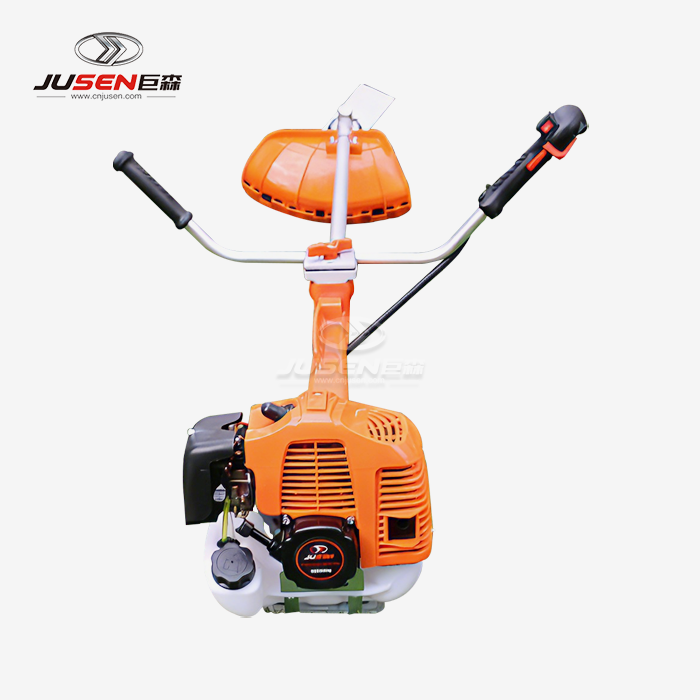 VIEW MORE72cc 2-Stroke Petrol Strimmer Brush Cutter
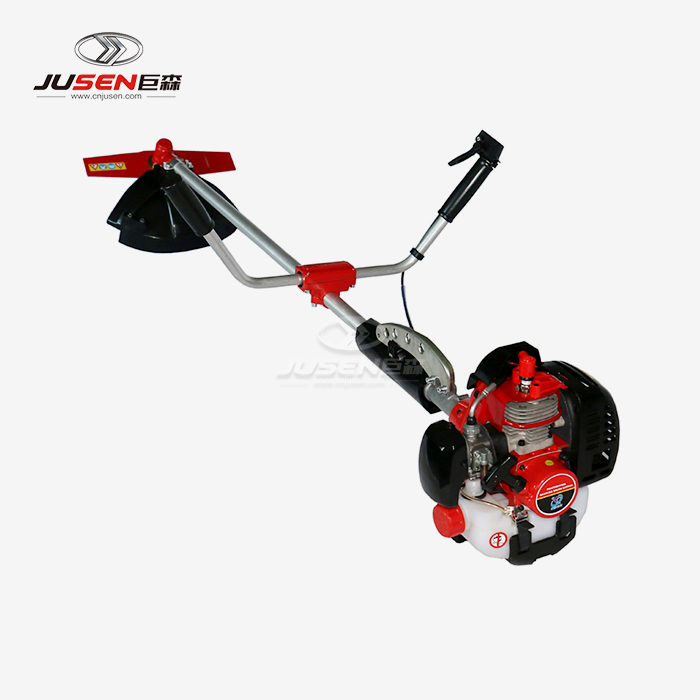 VIEW MORE45cc 2-Stroke Gasoline Brush Cutter
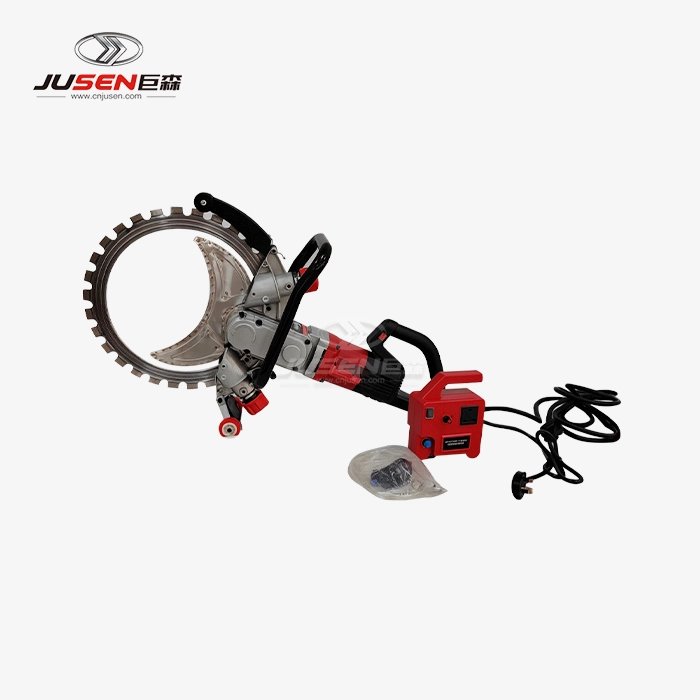 VIEW MOREElectric Ring Saw Wall Cutting Machine