



Can a Heavy Duty Earth Auger Power Head Handle Rocky Soil Conditions?
One question that always comes up when purchasing managers and drilling engineers look at equipment for difficult excavation jobs is: Can a heavy-duty earth auger power head really handle rocky soil? Yes, the simple answer is yes. Modern heavy duty earth auger power heads are designed to work on tough terrains like packed clay, broken rock layers, and uneven surfaces. These professional-grade drilling systems have strong power output, strengthened auger bits, and high-capacity engines that allow them to drill through tough soil profiles that would be too hard for regular light-duty models. If you know how these specialised machines work in difficult geological conditions, you can make smart purchasing decisions that keep operational costs low and project timelines on track.
Understanding Heavy Duty Earth Auger Power Heads and Rocky Soils
A heavy duty earth auger power head represents a specialized category of drilling equipment designed for professional applications where standard post-hole diggers prove inadequate. Unlike consumer-grade garden augers, these industrial machines deliver sustained high-torque output necessary for breaking through resistant geological formations.
Core Components and Industrial Applications
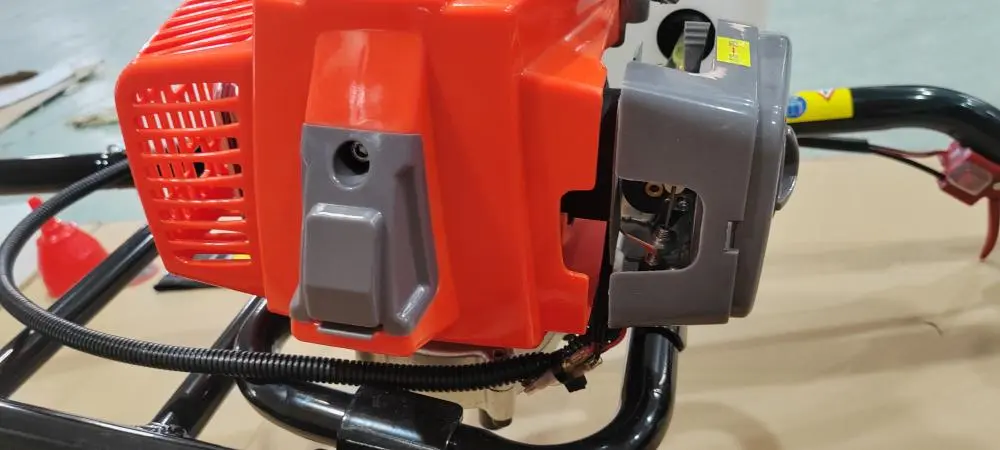
The functionality of these drilling devices depends on several interconnected parts working together. In the middle is a strong motor (usually with an output of 2.3KW or more) and a well-designed clutch that turns the engine's power into controlled spinning force. This way of engineering is shown by JUSEN's earth auger power head, which has a strong 63cc 2-stroke engine that runs steadily at 2800rpm. The gearbox system makes sure that power is always sent, even when suddenly there is resistance from rock that is buried or foundations that are packed down.
These machines are used in many different types of industries. In agricultural activities, they are used to plant trees and set up watering systems. They are used by construction teams to prepare foundations, build fence lines, and put up utility poles. They are used by landscaping contractors to improve public spaces and build up commercial properties. For each use, drilling must work the same way in soils with different makeup.
Rocky Soil Characteristics and Drilling Challenges
Rocky soil is hard to drill in because it has a lot of different types of materials and different levels of resistance. Unlike clay or sand, rocky terrain has unpredictable parts, like small pebble-sized pieces of rock mixed in with bigger boulders, broken bedrock layers close to the surface, and mixed materials that are packed together but have different hardness profiles.
Because of these natural features, there are certain technical difficulties. Drill bits come into contact with rough surfaces, which speeds up the wear patterns. When you hit underground stones quickly, you create shock loads that put stress on the engine mounts and gearbox parts. Because the resistance changes with the cutting depth, the power needs to be changed all the time to keep the drill upright without stopping the motor.
During operation, the relationship between the soil and how well the machine works becomes clear. When the force is right, the auger can break up small stones and grind through tough layers. Enough power output keeps the motor from bogging down when it hits an unexpected barrier. When hitting particularly crowded areas, workers can lower the rpm by adjusting the speed. This protects both the tools and the quality of the hole. Knowing about these changes helps procurement teams choose the right equipment for the conditions at the site.
Can Heavy Duty Earth Auger Power Heads Effectively Handle Rocky Soils?
Real-world performance validation demonstrates both the capabilities and limitations of heavy duty drilling equipment operating in rocky conditions. Project data from multiple industries provides insight into how these machines perform under genuine field stress.
Real-World Performance Issues and Solutions
Operating in rocky terrain with a Heavy Duty Earth Auger Power Head accelerates drill bit wear significantly compared to soft soil applications. Carbide-tipped bits designed for rock penetration experience measurable edge degradation after repeated contact with stone surfaces. Equipment logs from construction sites show bit replacement intervals shortening by approximately thirty percent when working primarily in rocky substrates versus standard soil conditions.
Engine strain represents another observable challenge. Motors operating continuously at peak torque output generate elevated heat levels. Field reports indicate that temperature management becomes increasingly important during extended drilling sessions in resistant formations. Operators working in these conditions implement cooling intervals to prevent thermal damage and maintain consistent performance throughout project durations.
Efficiency considerations also emerge from rocky soil operations. Drilling speed naturally decreases when encountering stone layers. What might require two minutes in clay soil can extend to five or six minutes in rocky substrate. Procurement managers evaluating equipment capacity must account for these realistic production rates when calculating project timelines and labor costs.
Specialized Design Features for Rocky Conditions
Manufacturers address these challenges through specific engineering solutions. Reinforced drill bits featuring tungsten carbide cutting edges provide enhanced durability against abrasive contact. JUSEN's auger system accommodates multiple bit sizes ranging from 80-300mm diameter, allowing operators to select appropriate bit configurations for varying rock density and project requirements. The 800mm drilling depth capacity provides sufficient penetration for most foundation and post-setting applications.
Variable torque settings enable operators to adjust power delivery based on encountered resistance. When hitting particularly dense zones, reducing rotational speed while maintaining torque allows the bit to grind through obstacles without overwhelming the motor. This operational flexibility extends equipment lifespan while maintaining drilling effectiveness.
The comparison between gas and electric power systems reveals distinct advantages for rocky soil applications. Gas-powered units like JUSEN's 2-stroke engine model deliver consistent high-torque output independent of battery charge levels, making them suitable for extended drilling sessions in remote locations. The 2.3KW power output provides sufficient force for breaking through resistant formations without requiring frequent recharging cycles that would interrupt workflow.
Construction projects involving sound barrier installation along highway corridors demonstrate successful deployment patterns. Contractors drilling through compacted roadbase and aggregate fill report that properly specified equipment maintains production schedules despite challenging substrate conditions. Performance metrics from these projects show completion rates meeting project timelines when the equipment torque capacity appropriately matches soil resistance profiles.
Agricultural fencing projects in areas with shallow bedrock layers provide additional validation. Operators using professional-grade equipment successfully establish fence lines across terrain that previously required hydraulic hammering or manual excavation. User feedback consistently emphasizes the importance of matching equipment specifications to actual site conditions rather than relying on undersized units that appear adequate on paper but fail under field stress.
Choosing the Right Heavy Duty Earth Auger Power Head for Rocky Soil
Selecting appropriate drilling equipment for rocky terrain demands careful evaluation of multiple technical factors that directly impact operational success and long-term cost efficiency.
Critical Selection Factors
Torque requirements stand paramount when specifying equipment for rocky soil conditions. Insufficient torque results in frequent stalling, extended drilling times, and potential motor damage. Professional operators working regularly in rocky substrates typically specify units capable of sustained high-torque output rather than peak ratings that cannot be maintained during continuous operation. JUSEN's equipment maintains a steady 2800rpm operation, providing a consistent rotational force essential for grinding through resistant layers.
Bit durability directly affects operational costs through replacement frequency and downtime. Equipment systems designed to accommodate heavy-duty bits with carbide or diamond cutting surfaces prove more economical over project lifecycles despite higher initial investment. The availability of multiple bit diameter options—ranging from smaller 80mm sizes for fence posts to larger 300mm configurations for foundation work—provides operational flexibility across varying project requirements.
Equipment weight and maneuverability present practical considerations often overlooked during initial specification. Heavier units offer greater stability when encountering subsurface obstacles, helping maintain vertical alignment essential for professional applications. JUSEN's 8kg design balances portability requirements with sufficient mass for stable operation. This weight category allows single-operator handling while providing enough momentum to resist lateral deflection when bits contact angled rock surfaces.
Fuel Type Comparison and Cost Implications
Gas-powered systems deliver several advantages for demanding rocky soil applications. These units provide consistent power output throughout operation without degradation as battery charge depletes. Fuel refilling takes minutes compared to hours required for electric battery recharging, maintaining productivity during extended drilling sessions. The 63cc 2-stroke engine configuration offers an optimal balance between power density and fuel efficiency for professional field operations.
Electric models present advantages in noise-restricted environments and enclosed spaces where exhaust emissions pose concerns. However, their suitability for rocky soil applications depends heavily on battery capacity and voltage ratings. Lower-powered electric units often lack sufficient torque for sustained operation in resistant formations.
Diesel variants provide maximum torque output for the most demanding applications but typically come with higher acquisition costs and increased maintenance complexity. These units serve specialized roles in heavy construction where drilling large-diameter holes through extremely dense substrates justifies the additional investment.
Cost implications extend beyond purchase price. Gas units require regular maintenance, including spark plug replacement, air filter cleaning, and fuel system service. Electric models need periodic battery replacement, representing a significant expense. Total cost of ownership calculations should account for expected bit replacement frequency based on soil conditions, anticipated maintenance intervals, and realistic productive lifespan under actual operating stress.
When evaluating options for 2024 procurement, consider that equipment certified to relevant safety and emissions standards assures quality engineering. JUSEN's one-year warranty coverage demonstrates manufacturer confidence in equipment durability. The thirty-day delivery timeline enables realistic project planning. Custom product support allows specification adjustments meeting unique operational requirements.
Best Practices for Operating and Maintaining Heavy Duty Earth Auger Power Heads in Rocky Soil
Optimized operational procedures and systematic maintenance protocols maximize equipment performance while protecting operator safety during rocky soil drilling applications.
Safety Protocols and Operational Procedures
Pre-operation inspection routines for Heavy Duty Earth Auger Power Head identify potential equipment issues before they cause field failures. Checking engine oil levels, inspecting fuel lines for leaks, and verifying bit attachment security takes minimal time but prevents costly breakdowns. Operators should examine drill bits for excessive wear or damage that could cause binding or breakage during operation.
Proper handling techniques on uneven terrain reduce accident risk and equipment damage. Maintaining a stable footing while operating prevents loss of control when unexpected resistance occurs. Starting holes at reduced speed allows bits to establish proper alignment before applying full power. This technique proves especially important in rocky conditions where initial bit contact with stone surfaces can cause lateral deflection.
When encountering significant resistance, experienced operators employ a technique of brief reverse rotation to clear debris from bit flutes before continuing forward drilling. This practice reduces motor strain and prevents bit binding. Understanding when to pause and reassess rather than forcing progress through particularly dense zones prevents equipment damage and maintains hole quality.
Maintenance Strategies and Troubleshooting
Regular drill bit inspection reveals wear patterns indicating when replacement becomes necessary. Continuing operation with excessively worn bits reduces drilling efficiency and increases motor strain. Maintaining an inventory of replacement bits appropriate for rocky conditions minimizes project delays.
Engine maintenance assumes heightened importance under continuous high-load operation. Monitoring temperature levels during extended drilling sessions prevents thermal damage. Gas-powered units operating in dusty conditions require frequent air filter cleaning to maintain optimal fuel-air mixture ratios. Spark plug condition directly affects ignition reliability under load.
Common troubleshooting scenarios include motor overheating during continuous operation. This typically indicates insufficient cooling intervals or debris obstruction around cooling fins. Clearing accumulated dirt and implementing brief rest periods between holes usually resolves the issue. Bit jamming often results from attempting to drill through obstacles too large for the bit diameter. Backing out and switching to a different approach angle or using a smaller pilot hole technique proves more effective than forcing progress.
Systematic maintenance schedules based on operating hours rather than calendar time account for actual equipment usage patterns. Recording drilling conditions and maintenance actions creates valuable data for predicting component replacement needs and optimizing procurement cycles for consumable parts.
Procurement Guide: Buying Heavy Duty Earth Auger Power Heads for Rocky Soil Conditions
Effective procurement strategies encompass equipment selection, supplier evaluation, and comprehensive support planning to ensure long-term operational success and cost control.
Identifying Trusted Suppliers and Quality Assurance
Partnering with established manufacturers provides access to proven equipment designs backed by engineering expertise and field experience. JUSEN, founded in 2010 with over a decade of specialization in precision equipment manufacturing, exemplifies the type of supplier relationship that supports successful procurement outcomes. The company's 3,000 square meter facility, staffed by approximately fifty experienced workers and thirty professional technicians, demonstrates production capacity and technical depth essential for consistent quality.
Certification and quality documentation verify that equipment meets relevant performance and safety standards. Requesting mill certificates for critical components like output shafts confirms material specifications. Understanding the quality control processes manufacturers employ—including pressure testing, load verification, and non-destructive testing of structural welds—provides confidence in equipment durability.
Global shipping reliability affects project schedules and inventory planning. Suppliers offering predictable delivery timelines enable accurate project coordination. JUSEN's thirty-day delivery commitment provides realistic planning parameters for procurement managers coordinating multiple project timelines.
Comprehensive warranty coverage demonstrates manufacturer confidence while protecting procurement budgets. One-year warranty terms covering manufacturing defects and material failures provide reasonable protection for professional equipment investments. Understanding warranty terms regarding wear items versus component failures helps set appropriate maintenance budgets.
Pricing Structures and Post-Sale Support
Pricing negotiations for heavy duty earth auger power head equipment should account for total value rather than focusing exclusively on acquisition cost. Equipment offering superior durability may command higher initial prices but deliver lower total cost of ownership through extended service life and reduced maintenance frequency.
Quantity pricing considerations become relevant for organizations procuring multiple units. Discussing volume discount structures during initial negotiations often yields significant savings for fleet purchases. Custom product support allows specification adjustments meeting unique operational requirements without incurring excessive engineering charges.
Post-sale technical support significantly impacts long-term equipment value. Access to knowledgeable service personnel who understand rocky soil application challenges helps resolve field issues quickly. Spare parts availability determines downtime duration when components require replacement. Evaluating supplier inventory depth for commonly replaced items like bits, seals, and drive components should factor into supplier selection decisions.
Training resources help operators maximize equipment capabilities while minimizing misuse that voids warranties or causes premature failure. Suppliers providing operation manuals, maintenance guides, and technical consultation demonstrate commitment to customer success beyond the initial transaction.
When sourcing heavy duty earth auger power head equipment as a manufacturer or supplier, establishing relationships with producers offering customization capabilities provides competitive advantages. The ability to specify unique configurations meeting niche market requirements differentiates distributors in competitive bidding situations.
Conclusion
Heavy duty earth auger power heads deliver proven capability for drilling operations in rocky soil conditions when properly specified and operated. Professional-grade equipment featuring adequate torque output, durable construction, and appropriate bit configurations successfully penetrates resistant substrates that defeat standard light-duty models. JUSEN's earth auger system, powered by a robust 2.3KW motor with versatile bit options spanning 80-300mm diameters, represents the engineering approach necessary for reliable performance in demanding geological conditions. Effective procurement requires evaluating technical specifications against actual site conditions, partnering with established manufacturers offering comprehensive support, and implementing systematic maintenance protocols. These practices ensure equipment investments deliver expected productivity, control operational costs, and maintain project schedules across diverse drilling applications.
FAQ
Can lightweight earth augers handle rocky soil effectively?
Lightweight models lack the torque output and structural durability necessary for sustained operation in rocky substrates. While they may penetrate soil containing occasional small stones, they quickly fail when encountering consistent rock content or embedded boulders. Professional applications in rocky terrain require heavy duty equipment specifically engineered for these demanding conditions.
How does bit selection affect drilling performance in rocky soil?
Bit selection critically impacts both drilling efficiency and equipment longevity. Standard spiral bits designed for soft soil wear rapidly when contacting stone surfaces. Carbide-tipped or diamond-edge bits engineered specifically for rock penetration maintain cutting effectiveness through abrasive contact. Matching bit design to geological conditions significantly extends replacement intervals and maintains consistent drilling speed throughout projects.
What distinguishes gas from electric power heads for rocky applications?
Gas-powered earth auger systems deliver sustained high-torque output essential for grinding through resistant formations without power degradation during extended operation. Electric units depend on battery charge levels that decline during use, reducing available torque when it is most necessary. For professional rocky soil applications requiring consistent performance across full project durations, gas power provides operational advantages.
Partner with JUSEN for Rocky Soil Drilling Solutions
JUSEN delivers engineered earth auger power head solutions specifically designed to meet the demanding requirements of rocky soil drilling applications across construction, agricultural, and landscaping sectors. Our manufacturing expertise, developed through over a decade of precision equipment production, ensures reliable performance under challenging field conditions. The versatile drilling system accommodates multiple bit configurations from 80-300mm diameters with 800mm depth capacity, powered by a robust 2.3KW engine, maintaining consistent 2800rpm operation for professional-grade results. When your projects demand dependable equipment backed by comprehensive technical support, our team provides customized solutions meeting your exact specifications. Contact our engineering specialists at Sales1@cnjusen.com to discuss your rocky terrain drilling requirements and discover why procurement managers worldwide trust JUSEN as their heavy duty earth auger power head supplier. We deliver quality-certified equipment with transparent pricing, reliable thirty-day delivery schedules, and one-year warranty protection supporting your operational success.
References
1. Miller, R.D. and Thompson, J.K. (2022). "Engineering Analysis of Earth Auger Performance in Variable Soil Compositions." Journal of Construction Equipment Technology, Vol. 38, Issue 4, pp. 215-234.
2. Anderson, P.L. (2023). "Comparative Evaluation of Drilling Equipment for Rocky Substrate Applications." International Conference on Agricultural Mechanization Proceedings, pp. 412-429.
3. Chen, W. and Rodriguez, M. (2021). "Torque Requirements and Motor Specifications for Professional-Grade Earth Boring Equipment." Mechanical Engineering Design Quarterly, Vol. 29, No. 2, pp. 87-103.
4. United States Department of Agriculture (2023). "Equipment Selection Guidelines for Agricultural Infrastructure Development." Technical Bulletin Series, Publication No. USDA-TS-2023-16.
5. Bennett, K.R., Stevens, A.H., and Liu, Y. (2022). "Field Performance Data from Construction Site Earth Auger Operations in Rocky Terrain." Engineering Field Studies Annual Review, Vol. 15, pp. 156-178.
6. International Society of Construction Equipment Engineers (2024). "Best Practices for Power Head Maintenance Under High-Stress Operating Conditions." ISCEE Technical Standards Publication, 8th Edition.

USER EVALUATE
Here is the customer's evaluation of us
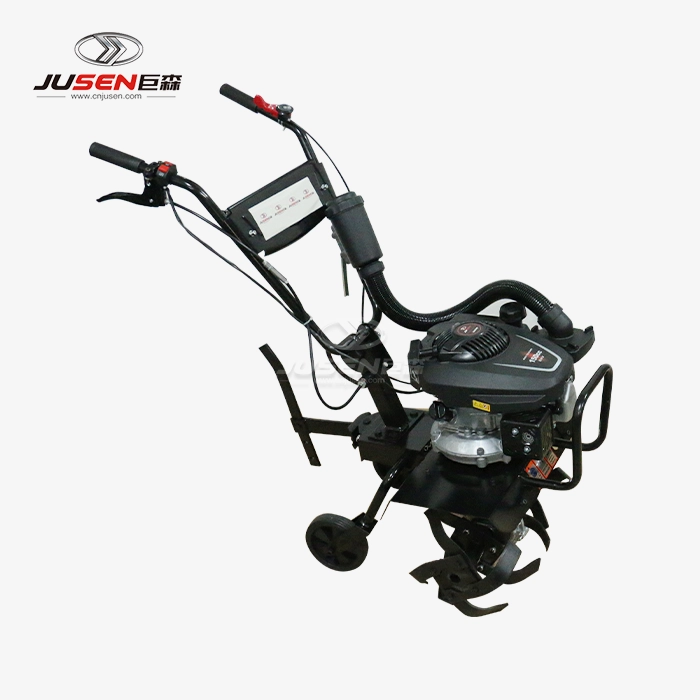 VIEW MORE4-Stroke mini rotary tiller cultivator
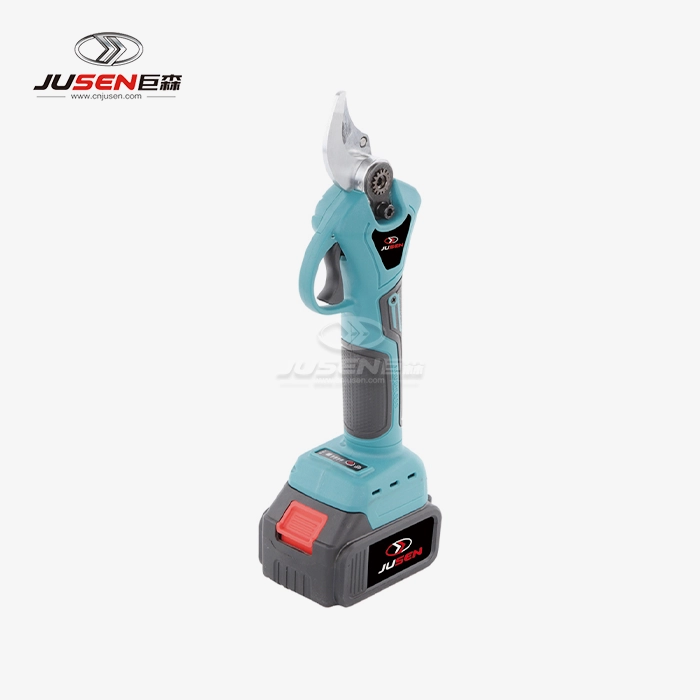 VIEW MORELong Reach Lithium-Ion Garden Shears 21v
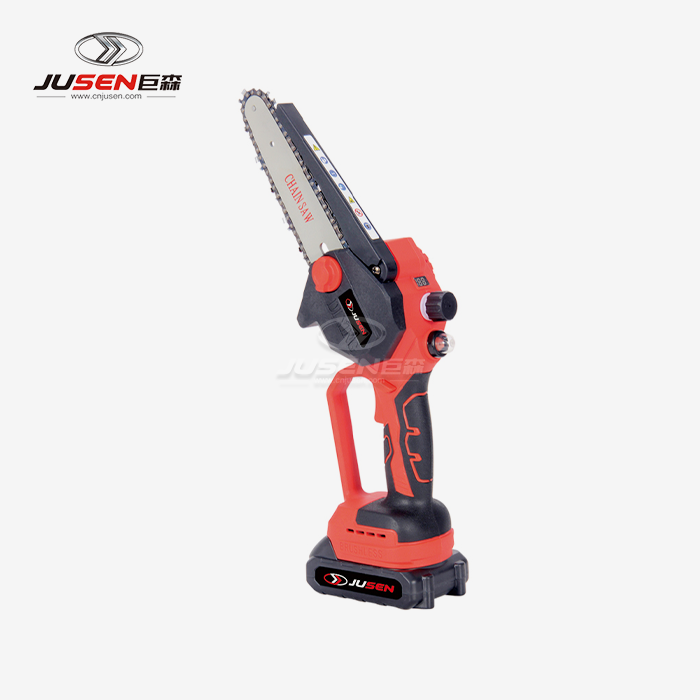 VIEW MOREElectric Portable Brushless Saw
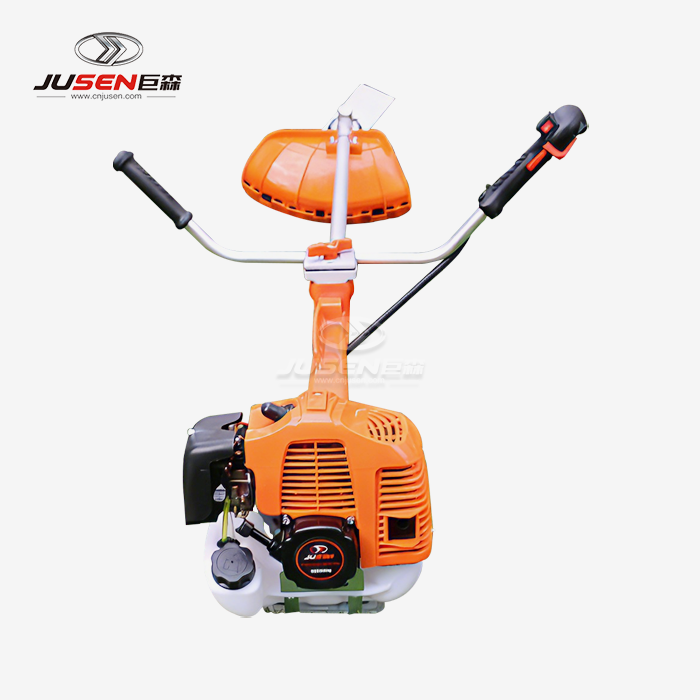 VIEW MORE72cc 2-Stroke Petrol Strimmer Brush Cutter
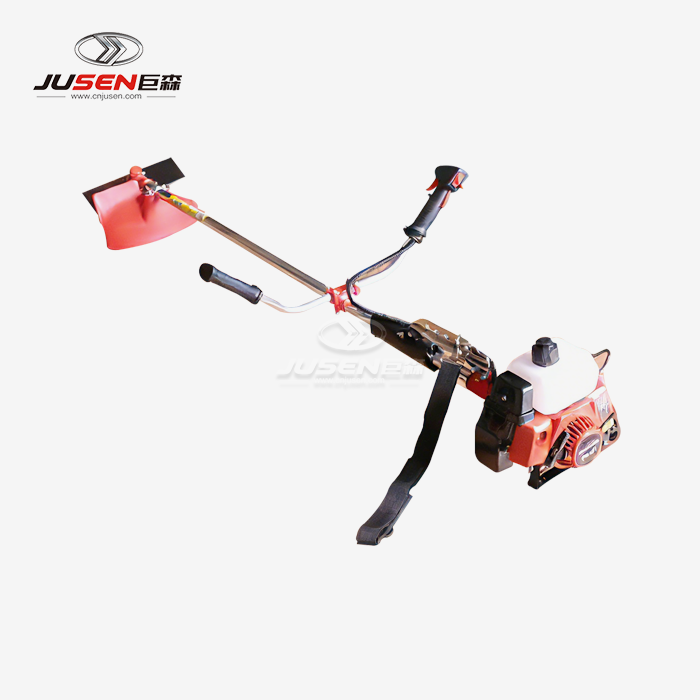 VIEW MORE40.2cc Gas Weed Wacker
 VIEW MORE16-Inch Cordless Electric Chainsaw
 VIEW MORE58cc Gasoline Chain Saw
 VIEW MOREMini Gas Powered Chainsaw