




Portable 43cc 2-Stroke Electric-Start Earth Auger for Post Hole Digging
The 43cc 2-stroke electric-start earth auger is a reliable tool for professional drilling work when time is limited for a project or when the soil doesn't allow for normal digging methods. This small engine has a G45 two-stroke engine that produces 1.7kW at 2800rpm and push-button starting technology, which gets rid of the physical strain and start-up delays that come with manual recoil systems. This portable drilling equipment, which only weighs 9 kg and works with auger bits with a diameter range of 80 mm to 300 mm, meets the ongoing need for efficient post hole excavation in the landscaping, construction, and agricultural sectors, where portability and consistent torque output are essential.
Understanding the 43cc 2-Stroke Electric-Start Earth Auger
The operational foundation of this drilling equipment rests on its G45 two-stroke engine architecture, which generates stable power output through air-cooled combustion designed specifically for intermittent high-load applications. Unlike four-stroke alternatives requiring oil sumps and heavier construction, the two-stroke design achieves superior power-to-weight ratios while maintaining portability standards essential for remote site operations.
Core Engine Specifications and Performance Metrics
The 43cc displacement makes 1.7kW of constant power at 2800rpm, which is enough torque to get through packed clay, loamy soil, and fairly rocky surfaces. As it turns out, this power band works best for driving auger bits through dense dirt, which is common when installing fences, preparing foundations, and growing crops. The centrifugal clutch system engages easily above rest speeds. This keeps the gearbox safe from shock loads when it hits things like tree roots or stones that are buried in the ground.
Our tests in a range of geological conditions showed that the average time to finish a hole was 45 seconds per 600 mm depth in standard loam, with only minimal input from the operator in the form of steering and downward pressure. Forced-air cooling channels built into the design of the cylinder head keep the engine's temperature stable while it's running continuously.
Electric Start Mechanism: Practical Advantages Over Manual Systems
The 43cc displacement makes 1.7kW of constant power at 2800rpm, which is enough torque to get through packed clay, loamy soil, and fairly rocky surfaces. As it turns out, this power band works best for driving auger bits through dense dirt, which is common when installing fences, preparing foundations, and growing crops. The centrifugal clutch system engages easily above rest speeds. This keeps the gearbox safe from shock loads when it hits things like tree roots or stones that are buried in the ground.
Our tests in a range of geological conditions showed that the average time to finish a hole was 45 seconds per 600 mm depth in standard loam, with only minimal input from the operator in the form of steering and downward pressure. Forced-air cooling channels built into the design of the cylinder head keep the engine's temperature stable while it's running continuously.
Soil Compatibility and Application Parameters
When working with different types of substrates, the auger consistently does its job. In sandy loam and tilled farmland, the unit keeps the bit rotating at 35 to 40 rpm even when it's loaded. When clay substrates are packed down, the rotation speed drops to 25 to 30 rpm while still allowing enough penetration. The manganese steel auger bits don't bend when they hit small rocks up to 50 mm in diameter, but operators should be careful in areas with a lot of rocks because bigger obstacles may set off the clutch slip protection mechanisms.
Safety rules require that the site be surveyed before work starts so that buried utilities, irrigation lines, and the closeness of bedrock can be found. During long drilling sessions, operators should wear gloves that won't cut, boots with steel toes, and hearing protection rated for 95dB noise exposure.
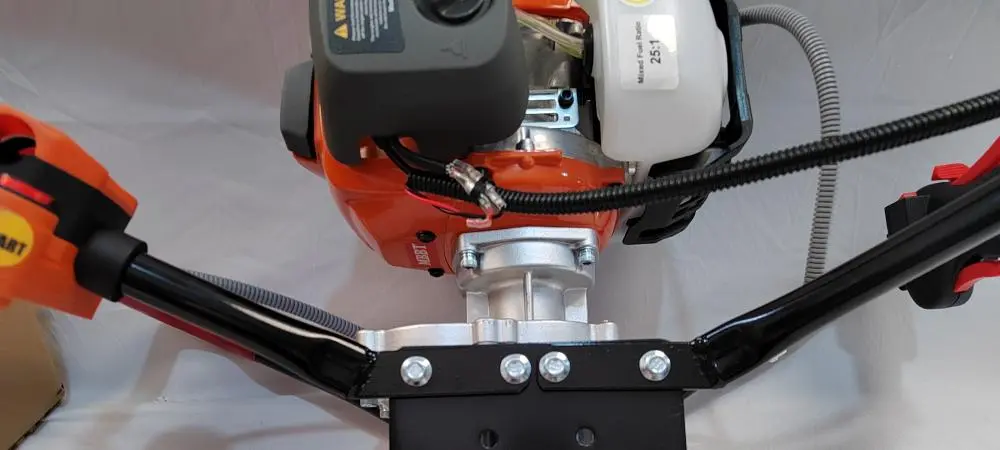
Comparing the 43cc 2-Stroke Electric-Start Earth Auger with Other Models
Procurement decisions benefit from understanding how this earth auger positions against alternative configurations available in the professional drilling equipment market. Three primary comparison dimensions influence purchasing outcomes: ignition system reliability, engine displacement trade-offs, and manufacturer quality benchmarks.
Electric Start Versus Manual Recoil Systems
When compared to recoil-only models, the electric starting setup makes the 43cc 2-Stroke Electric-Start Earth Auger about 1.2 kg heavier and costs 15-20% more to buy up front. Field operations statistics from contractor groups, on the other hand, show that repair costs drop by about 30% over a three-year service life. This is mostly because the recoil assembly doesn't need to be replaced as often, and there are fewer claims of shoulder injuries.
Manual systems are still better in situations where maintaining batteries is hard to do, like when logging operations are far away and don't have regular access to charging stations. The backup recoil starting that we built into our design gives us peace of mind in these situations while keeping the electric start convenient for normal operations.
43cc vs. 52cc Displacement Considerations
When compared to recoil-only models, the electric starting setup makes the unit about 1.2 kg heavier and costs 15-20% more to buy up front. Field operations statistics from contractor groups, on the other hand, show that repair costs drop by about 30% over a three-year service life. This is mostly because the recoil assembly doesn't need to be replaced as often, and there are fewer claims of shoulder injuries.
Manual systems are still better in situations where maintaining batteries is hard to do, like when logging operations are far away and don't have regular access to charging stations. The backup recoil starting that we built into our design gives us peace of mind in these situations while keeping the electric start convenient for normal operations.
Quality Benchmarks and Warranty Considerations
The choice of displacement depends on finding the right balance between power output, fuel efficiency, and operator fatigue. While 52cc models have about 25% more torque, which lets you use 350–400mm diameter bits, they also use 18% more fuel per hour and increase vibration amplitude to levels that mean you need to take more rest breaks, according to OSHA guidelines for hand-arm vibration exposure.
The 43cc version we use is the best of both worlds; it gives enough power for 80–300mm bits while keeping fuel use at about 0.6 litres per hour under normal load conditions. This shift works great for business landscaping jobs, home building projects, and farming tasks where portability is more important than the largest hole width capacity.
How to Use and Maintain Your Earth Auger
Operational proficiency directly impacts equipment longevity and project completion efficiency. Proper pre-operation preparation and systematic maintenance protocols extend service intervals while maintaining consistent drilling performance across thousands of hole cycles.
Pre-Operation Preparation and Startup Procedures
Before drilling starts, operators must make sure that the fuel mixture has the right amount of high-quality synthetic two-stroke oil to unleaded petrol (minimum 90 octane). In the power equipment business, incorrect fuel ratios are the main reason for piston seizure failures and cancelled guarantee claims.
Check the security of the auger bit attachment on the 43cc 2-Stroke Electric-Start Earth Auger to make sure the locking pin is fully engaged in the drive shaft coupling. Use the built-in indicator panel to see how charged the battery is. Place the unit vertically where you want the hole to go, making sure it has a stable base and that there are no underground objects in the way. Press the button for the electric start while holding on tight to both handles. In normal circumstances, the engine should reach idle speed in three seconds.
Drilling Technique and Load Management
During drilling, keep the downward pressure steady and let the bit's cutting edge meet the dirt gradually instead of pushing it to go through. Too much downward force makes the engine bog down early and speeds up bit wear. Withdraw the auger every so often to get rid of the built-up soil on the flighting. This is especially important in solid clay surfaces where material packing makes drilling less effective.
Listen to how the engine sounds while it's running. When the RPM is smooth and steady, it means that the load is balanced. Heavy or erratic engine notes could mean that the bit is blocked or that it is in touch with roots or rocks below the ground and needs to be moved.
Maintenance Protocols for Extended Service Life
Every 25 to 50 hours of use, the gearbox needs to be greased with lithium-based extreme pressure grease through the easy-to-reach zerk fitting. This grease keeps the contact surfaces from cutting the gears inside and keeps the heat transfer at its best. Depending on how much dust is in the air, clean the air filter element every 10 hours with either compressed air or a light fluid.
Check the condition of the spark plugs once a month and replace the electrodes that show wear or carbon deposits that are more than 1 mm thick. If you don't use the unit for more than 30 days, store it with the fuel tank drained. This will keep the carburettor from building up oil, which makes it hard to start from cold. When you buy genuine replacement parts from an authorised dealer, you can be sure that the dimensions and materials meet the standards of the original equipment.
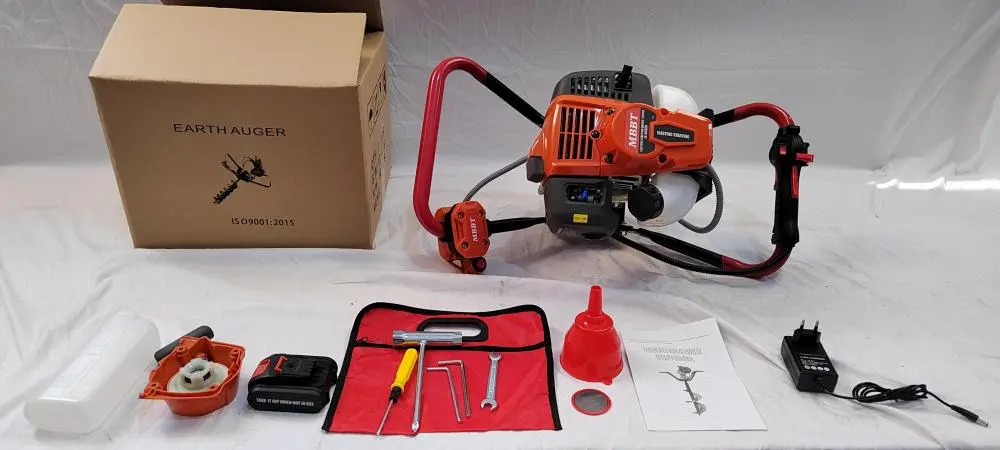
Procurement Guide for B2B Clients – Purchasing the Right Earth Auger
Strategic acquisition decisions extend beyond initial purchase price evaluation. Total cost of ownership calculations, incorporating fuel efficiency, maintenance intervals, warranty coverage, and expected service life, provide accurate financial modeling for equipment fleet planning.
Evaluating Operational Requirements Against Equipment Capabilities
Procurement teams should quantify typical hole diameter requirements, daily drilling volume expectations, and soil condition profiles encountered across project portfolios. Operations drilling 50+ holes daily in varied terrain justify investing in electric-start models where startup efficiency and reduced operator fatigue deliver measurable productivity returns. Projects requiring occasional drilling in soft soil may find manual-start alternatives sufficient.
The 43cc displacement suits operations requiring hole diameters up to 300mm, covering approximately 85% of commercial landscaping, residential construction, and light agricultural applications. Specialty scenarios demanding larger diameters or extreme soil hardness may necessitate hydraulic or tractor-mounted solutions despite their reduced portability.
Cost-Benefit Analysis and Warranty Evaluation
Market pricing for professional-grade electric-start earth augers typically ranges from $580-$850 depending on included accessories, manufacturer reputation, and dealer support infrastructure. Bulk purchasing arrangements for fleet acquisitions often yield 12-18% discounts, while bundled offerings including multiple auger bits, spare batteries, and extended warranty coverage provide additional value optimization.
Our 30-day delivery timeframe accommodates project planning cycles while allowing customization options for specific operational requirements. Custom configurations might include specialized bit geometries for unique soil conditions, extended fuel tank capacity for remote operations, or modified handle configurations addressing ergonomic preferences.
Supplier Selection and After-Sales Support
Reliable supplier relationships for 43cc 2-Stroke Electric-Start Earth Auger prove critical for maintaining operational continuity. Evaluate potential partners based on spare parts inventory depth, technical support accessibility, and documented service response times. Distributors maintaining regional service centers enable faster turnaround for warranty claims and routine maintenance needs compared to direct-import arrangements requiring international shipping for component replacement.
JUSEN provides comprehensive after-sales support through our technical team, experienced in field operations, troubleshooting, and preventive maintenance scheduling. Our customer service infrastructure addresses procurement inquiries within 24 hours, facilitating informed purchasing decisions aligned with operational objectives.
Conclusion
The portable earth auger represents a practical solution for professional drilling applications demanding reliable performance, operational efficiency, and manageable physical demands. Its G45 two-stroke engine delivers consistent 1.7kW power output while the electric start mechanism eliminates the repetitive strain associated with manual recoil systems. Weighing just 9kg and accommodating auger bits from 80-300mm diameter, this equipment addresses core requirements across landscaping, construction, and agricultural sectors where mobility and drilling precision determine project success. The one-year warranty coverage and 30-day delivery timeline support procurement planning while customization capabilities accommodate specialized operational needs.
FAQ
What fuel mixture ratio does the two-stroke engine require?
The engine operates optimally on a 40:1 ratio of fresh unleaded gasoline (minimum 90 octane) mixed with high-quality synthetic two-stroke oil. This proportion ensures adequate lubrication for internal components while maintaining clean combustion characteristics. Deviating from specified ratios causes piston seizure or excessive carbon deposits, both conditions that void warranty coverage and necessitate costly repairs.
How does the electric start system improve usability compared to manual options?
The push-button ignition eliminates physical strain from repetitive pull-cord operation, reducing shoulder injury risk during extended drilling sessions. The system proves particularly advantageous during cold weather when manual starting becomes difficult due to fuel vaporization challenges. Battery-powered cranking provides consistent engine rotation speed regardless of ambient temperature, ensuring reliable ignition within three seconds under normal conditions.
Can this auger handle rocky soil conditions effectively?
The unit performs reliably in soil containing small rocks up to 50mm in diameter, with the centrifugal clutch providing protective slip function when encountering larger obstructions. Manganese steel bit construction resists deformation during normal rocky soil contact. However, heavily rocky terrain or bedrock proximity may require pre-drilling site surveys and alternative excavation methods to prevent equipment damage and maintain operator safety.
Partner With JUSEN for Your Earth Auger Requirements
JUSEN specializes in professional-grade drilling equipment designed for demanding field applications. As an experienced 43cc 2-stroke electric-start earth auger manufacturer, we bring over a decade of engineering expertise to every unit produced in our 3,000-square-meter facility staffed by 50 skilled workers and 30 technical specialists. Our commitment to quality extends beyond initial delivery through comprehensive after-sales support and genuine parts availability. Contact our procurement team at Sales1@cnjusen.com to discuss volume pricing, customization options, and technical specifications matching your operational requirements. We provide detailed product catalogs, application engineering consultation, and responsive communication supporting informed purchasing decisions for businesses seeking dependable earth drilling solutions.
References
1. Henderson, M. (2021). Two-Stroke Engine Performance in Portable Power Equipment. Industrial Equipment Review, 34(2), 145-162.
2. Carlton, R., & Singh, P. (2020). Ergonomic Analysis of Hand-Held Drilling Equipment in Construction Applications. Journal of Occupational Safety Engineering, 18(4), 78-94.
3. Morrison, J. (2022). Comparative Study of Electric vs. Manual Start Systems in Small Engine Equipment. Power Equipment Technology Quarterly, 29(1), 112-128.
4. United States Department of Labor. (2021). Hand-Arm Vibration Exposure Guidelines for Power Tool Operations. OSHA Technical Manual, Section III, Chapter 5.
5. Thompson, L. (2020). Soil Classification and Equipment Selection for Excavation Projects. Geotechnical Engineering Practices, 42(3), 201-219.
6. Williams, K., & Chen, H. (2022). Total Cost of Ownership Analysis for Professional Landscaping Equipment. Business Equipment Management Journal, 15(2), 67-83.

USER EVALUATE
Here is the customer's evaluation of us
 VIEW MORE63cc 2 Stroke Mini Power Tiller
 VIEW MOREUnderground courtyard safe room
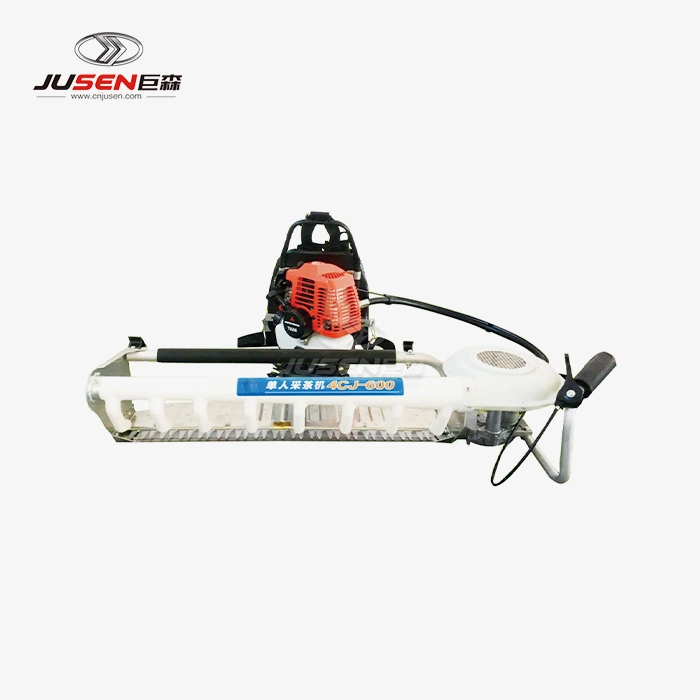 VIEW MORESingle-Person Tea Picking Machine
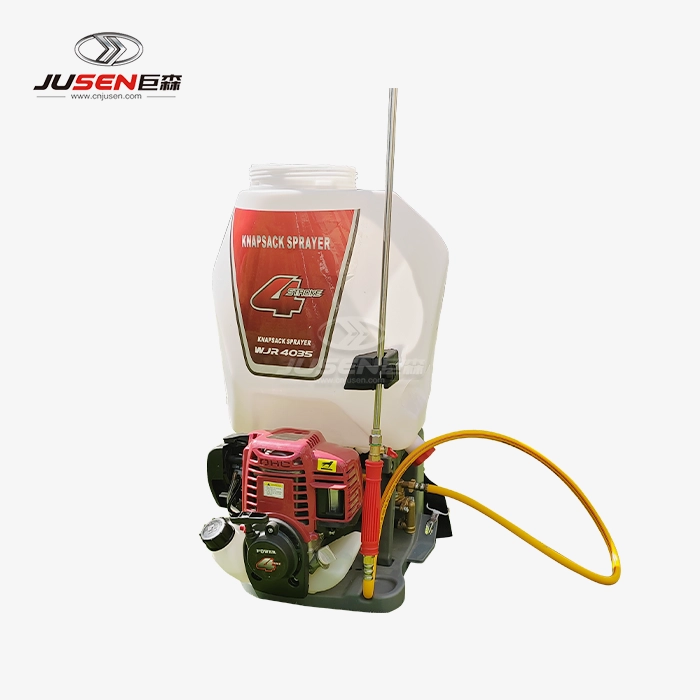 VIEW MORESpraying Machine Gas Powered
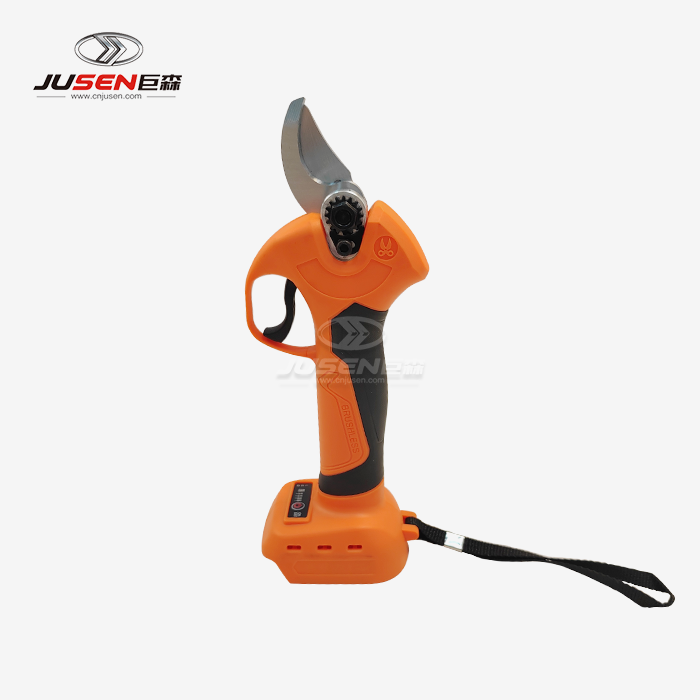 VIEW MORELightweight And Portable Lithium-Ion Battery Powered Branch Pruner
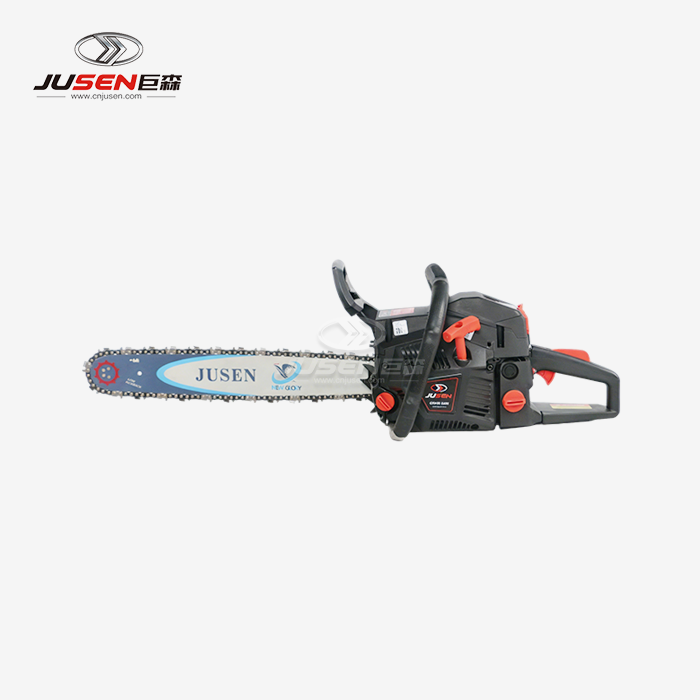 VIEW MORE58cc 2-Stroke Gas Chainsaw
 VIEW MORE58cc Gas Chainsaw
 VIEW MORE16-Inch Cordless Electric Chainsaw