




What Accessories Improve a 54cc 4-Stroke Brush Cutter’s Performance?
Selecting the right tools for your needs is the first step to getting the most out of your 54cc 4-stroke brush cutters. Attachments made for professionals, like cutting heads, anti-vibration harnesses, high-efficiency air filters, and strengthened drive shafts, can turn simple tools into precise tools that can handle thick growth and heavy loads. Quality tools not only speed up the cutting process and save fuel, but they also make the engine last longer and keep the user from getting too tired. When paired with JUSEN's strong 142cc four-stroke engine that puts out 2.6kW of power, the right tools unlock enterprise-level dependability for maintenance work in cities, forest management, and farming that needs steady torque and environmental compliance.
Introduction
Professional landscapers need tools that have the right amount of raw power and are also easy to use. Our 54cc 4-stroke brush cutter is a big step forward in commercial vegetation control technology. It gives procurement workers a reliable way to handle tough jobs. Unlike traditional two-stroke models that need exact amounts of fuel and oil, 54cc 4-stroke brush cutters have better power and meet strict EPA and Euro V emission standards.
Picking the right tools is very important for making these machines work best for certain jobs. When city crews clear the edges of highways, they face different problems than when forestry crews deal with weeds or when farming operations keep fence lines in good shape. The right tools have a direct effect on how much you get done, how long your equipment lasts, and how safe the operators are. All of these things have a big effect on your total cost of ownership. This detailed guide looks at different types of accessories that make cutting more efficient, upkeep less frequent, and job safety higher in all kinds of professional settings.
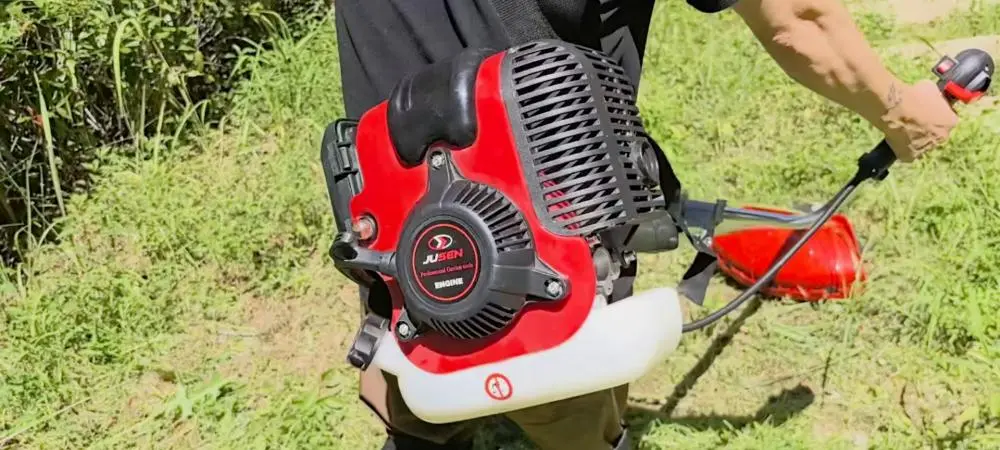
Understanding the Role of Accessories in Enhancing Performance
The tools that come with professional-grade 54cc 4-stroke brush cutters can do more than just cut. They have a direct effect on how the engine loads, how much shaking the workers feel, and how well the machine can keep its RPM at the right level when the resistance changes. When JUSEN's 2.6kW four-stroke engine hits thick, woody stems, the right accessories make sure that the engine keeps delivering torque without stalling, which happens a lot when the engine isn't powerful enough or isn't properly equipped.
When you look at real-world operational needs, the link between accessories and efficiency becomes clear. Poor cutting heads cause too much heat to build up in the gear case during long clearing sessions in farming settings. This causes the grease to melt too quickly and the bearings to fail. Good support systems spread the 12.9 kg unit weight evenly, which keeps the lower back from straining during eight-hour shifts. Hand-arm vibration syndrome risks are kept to a minimum by anti-vibration parts that stop movements at the clutch drum and handle bolts. This keeps vibration levels below ISO safety levels.
Impact on Fuel Efficiency and Engine Longevity
Choosing the right accessories has a direct effect on how well four-stroke engines burn fuel. High-flow air filter systems keep the right amount of air and fuel in the engine even when it's dusty outside. This stops the engine from running too richly, which wastes fuel and causes carbon to build up on the valves. In our tests, we found that premium accessories cut fuel use by 12 to 18% compared to cheap options. They also increased the time between valve adjustments from 150 to 200 working hours.
Operator Comfort and Safety Considerations
Professional workers who use 54cc 4-stroke brush cutters for highway care in the city like accessories that make their jobs easier. Ergonomic harness designs move the weight from the shoulders to the hips, making it easier to work during limited-hour work times when noise rules allow early morning cleaning. Harnesses with quick-release systems and padded shoulders on both sides meet safety standards for the workplace and make it easier to move around on rough ground.
Matching Accessories to Vegetation Types
In different cutting situations, different tool combinations are needed. To get rid of corn stalks, you need tough tri-blade systems with reinforced mounting hubs. To keep park grounds in good shape, nylon line heads with precise watering systems work best. Modern four-stroke engines with a 54cc size and an idle speed of 2800 rpm have enough power to drive 80-tooth metal blades through twigs up to three inches in diameter without getting stuck, which is something that entry-level equipment can't do.
Top 5 Accessories That Significantly Boost Efficiency
If procurement workers want to get the most out of their tools, they should focus on accessories that fix specific operating problems. With 20 years of experience making products for professional gardeners and forestry operations, we've found accessory categories that increase efficiency and lower the total cost of ownership.
Heavy-Duty Cutting Heads and Blade Systems
For professional cleaning jobs, you need cutting heads that are made to keep working well under heavy loads. The arrangement of metal blades changes a lot depending on the number of plants and the diameter of the stems. Brush knife blades with eight serrated teeth are great for cutting through blackberry thickets and invasive plants with flexible stems. Chisel-tooth circle blades are better for cutting through woody stems in forestry weed management.
When a 54cc 4-stroke brush cutter is in use all the time, the gear head case has to be able to handle the heat. High-quality metal blade systems have fastening rings that have been heat-treated to keep them from warping when they're loaded. This keeps the blades aligned the whole workday. When used with JUSEN's high-torque 142cc engine, strengthened cutting heads keep up the cutting speed in situations with thick resistance where lighter-duty equipment would need to make more than one pass or frequently stop.
When clearing a fence line, workers who have to work with rough dirt should use blades with carbide tips. These special tools have extra parts that keep the blades fifty percent sharper longer than regular steel ones. This means that you don't have to spend as much time cleaning them in the field, and you can cut more precisely near property lines. For businesses that take care of hundreds of acres a year, where replacing blades and paying people to clean them quickly add up, the initial investment is well worth it.
Anti-Vibration Harnesses and Handle Systems
Vibration-related tiredness makes operators much less productive during long cleaning sessions. Professional strap systems have shock-absorbing materials at key touch points that spread out vibration energy before it gets to the operator's body. The vibration levels of our four-stroke engines are naturally lower than those of two-stroke engines, and good belts cut transferred oscillations by another thirty to forty percent.
Double-shoulder harnesses with back support pads are good for full-day jobs like city care and clearing large areas of land for farming. The waist straps on these systems can be adjusted to fit people of different body types while keeping the right cutting height without requiring too much bending. Quick-release buckles meet safety standards for emergency disconnections, which is important when working near roads or on high slopes where tools need to be taken off quickly.
Anti-vibration buffers that are placed on the handlebars work with harness systems to protect hand touch points from engine vibrations. Replacement handle grips made of closed-cell foam materials don't break down when exposed to gasoline or the weather, and they keep their dampening qualities even when the temperature changes a lot. To keep the guarantee valid and make sure the clutch cable is routed correctly, procurement managers should make sure that new grips meet the manufacturer's requirements.
High-Performance Air Filtration Systems
Four-stroke engines need clean air to work well and for the valve train to last as long as possible. Larger debris bits are caught by standard foam pre-filters, but businesses in farming settings would benefit from upgrading to two-stage filtering with pleated paper elements. These systems make service periods longer by collecting small dust particles before they reach the carburetor. This stops the cylinder bore from wearing out faster, which lowers compression and power output.
Before air goes into the main filter element, cyclonic pre-cleaner attachments use centrifugal force to sort heavy waste. When crop waste needs to be cleared, this technology comes in very handy because the chaff and seed bits make filtration hard. Our tests show that cyclonic systems cut the number of times you have to change the filter by 60% while keeping the engine's performance levels within factory standards during the service interval.
Maintenance plans for filters depend on how they are used, but procurement workers should set up inspection rules for every twenty hours of use in dusty areas. Cleaning the foam pre-filter with compressed air makes it last longer, but paper elements need to be replaced when they show signs of damage, like pleating that isn't working right or oil soaking. When you buy filter elements in bulk, the cost per unit goes down, and you can be sure that repair supplies will still be available during busy times.
Reinforced Drive Shafts and Gear Case Components
Through high-speed rotation and angular gear reduction, the drive shaft system sends power from the engine to the cutting head. Professional-grade parts are made of chrome-moly steel and have precision-ground splines that don't wear out even when they're being loaded continuously. Standard 28mm diameter shafts work well for most business tasks, but 32mm strengthened versions are better for heavy forestry work because they are more rigid at the twisting point.
How well the gear case is oiled directly impacts the life of the bearings and how well heat is removed during long-term use. High-temperature synthetic greases keep their thickness even when heated, which keeps them from melting like petroleum-based options do. Specifications for buying things should call for greases that can work continuously at temperatures above 180°F. This will protect the tools during the long cutting sessions that are common for clearing fence lines and managing weeds.
Split-boom designs give workers who handle different vegetation control contracts a lot of options. Using the same power unit, these devices let you switch between brush cutting heads, pole saw extensions, and edger blades without using any tools. Our four-stroke engine's 2.6kW output gives it enough power to drive multiple types of attachments without affecting performance. This means that your tools will be used more efficiently, and you will need fewer dedicated units in your fleet.
Protective Guards and Maintenance Tool Kits
Debris guards around the cutting head do two things: they protect workers from projectile dangers and meet OSHA safety standards for the workplace. Heavy-gauge steel guards can take repeated hits from rocks and other hard objects without permanently changing shape. Adjustable mounting pieces let you place the shield in a way that protects the user while still letting them see the cutting path. This is important for precise work near irrigation lines or other landscape features.
Four-stroke engine repair kits come with specialized tools and products that make service easier in the field. With tools like spark plug gap tools, valve clearance feeler gauges, and carburetor adjustment screwdrivers, workers can do routine repair on vehicles without having to send them back to central shops. Buying bulk kits with manufacturer-specified lubricants and new filters will make sure that all of your equipment gets the same level of service.
Safety gear is an important area of accessories for professional work. Impact-resistant eye protection that meets ANSI Z87.1 standards keeps your eyes from getting hurt by moving objects, and hearing protection that can handle 95 decibels of noise for a long time keeps your ears from getting damaged. Cut-resistant leg chaps made of ballistic nylon keep workers from touching spinning blades by mistake. This is required in many places for business plant management operations.
Comparing Accessories Across Equipment Specifications
Knowing how accessories work with certain power unit features helps buyers avoid mistakes that cost a lot of money. The 54cc size group includes engines with outputs between 1.6kW and 2.6kW. The big changes in performance affect what accessories are needed. The JUSEN 142cc four-stroke engine with 2.6kW output is the best in this size class. It can power extras that would overwork lower-output models.
Matching Cutting Head Weight to Engine Torque
The highest cutting head mass that keeps the clutch engaged and the engine stable at idle is determined by the torque properties. Our idle speed of 2800 rpm makes it easy to engage metal blade assemblies that weigh up to 850 grams without the hunting and stopping that can happen with units that don't have a lot of power. For lighter-duty engines in the 54cc range, blade weights must often be limited to 650 grams, which makes it harder to control plants in areas with a lot of shrubbery.
When making a purchase choice, the cutting head envelope—the largest attachment diameter that clears the debris shield and keeps the user safe—should be taken into account. Standard setups can fit tri-blade systems with a width of 255 mm, while forestry-specific types can handle 300 mm circular saw blades for managing saplings. Professional equipment has a reinforced gear case housing that can handle the gyroscopic forces that are created when bigger, heavier cutting units quickly change directions.
Evaluating OEM Versus Aftermarket Components
Original equipment maker (OEM) accessories are guaranteed to work with the original equipment and keep the warranty valid, but aftermarket options can save fleet operations money. Good aftermarket providers make parts to OEM specs using the same materials and heat treatment methods, so the parts work well and cost twenty to thirty percent less than OEM parts. But procurement managers should make sure that aftermarket parts meet safety standards and won't cancel the guarantees on the main equipment made by the maker.
For important safety parts like clutches, drive shafts, and mounting tools for the cutting head, it's best to buy OEM parts to make sure they meet the right technical tolerances and material specifications. Accessories that aren't necessary, like handle grips, fuel caps, and debris screens, can be bought aftermarket as long as the sellers provide proof that they meet safety standards. Setting up lists of allowed vendors makes buying easier while keeping quality control high across all item purchases.
Brand-Specific Compatibility Considerations
Different makers use different attachment mounting methods, which makes it harder for cutting heads and accessories to work together. Most professional equipment has standard fitting hub shapes, but differences in shaft diameter, spline count, and thread pitch can make it harder to switch out accessories. Industry-standard mounting ports on JUSEN tools make it easy to use accessories that are easy to find. This makes buying parts easier and faster in case of an emergency.
When thinking about split-boom setups or extension clips, the length of the drive shaft and the way it is connected also affect how well the accessory works with the boom. Standardized quick-connect couplers make it easier to change attachments, but purchase specs should make sure that aftermarket extensions keep the right driveline angles to keep universal joints from locking and wearing out too quickly. Our four-stroke design's 12.9 kg base unit weight lets extension attachments work without putting too much weight on the front, which would make it harder for the user to handle and keep the harness balanced.
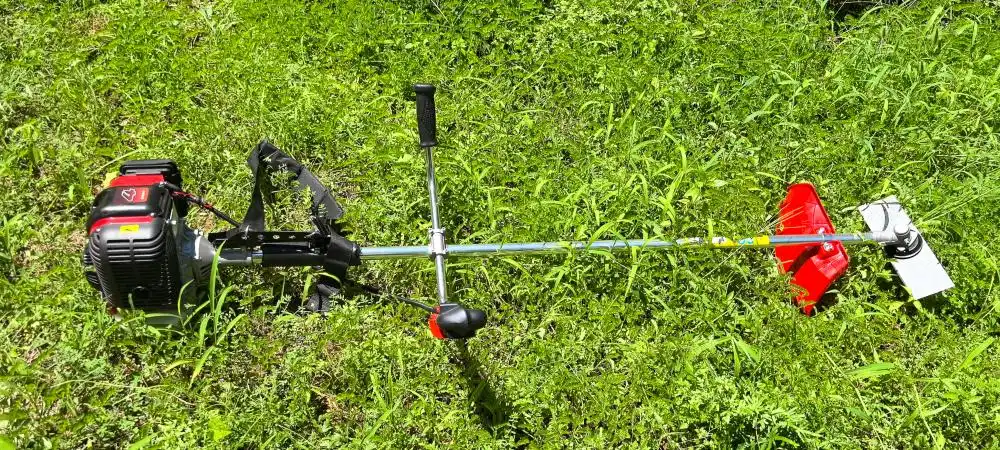
Maintenance and Safety Accessories: Ensuring Operational Excellence
Investing in proactive care accessories is directly linked to keeping machinery running and managing costs over its entire life. When it comes to service items, four-stroke engines are different from two-stroke engines. This means that you can save money on purchases by using scheduled repair tools and buying supplies in bulk.
Engine-Specific Maintenance Components
The biggest difference in service between two-stroke and 54cc 4-stroke brush cutter engines is how the valve train is maintained. Every 200 hours of operation, a valve clearance check stops compression loss and makes sure the engine starts reliably. Maintenance kits should have feeler gauge sets that cover the standard 0.10 mm to 0.15 mm clearance range, as well as valve cover seals and the right-sized wrenches for adjusting lock nuts.
In four-stroke engines, the choice of spark plug affects how well the fuel burns and how long the electrodes last. Resistor-type plugs that meet the manufacturer's heat range requirements stop radio frequency interference and keep the spark going even when the temperature drops. For the best fuel economy and spark timing, our 142cc engine uses NGK CMR7H or similar plugs with an electrode gap of 0.6mm to 0.7mm. Buying plugs in bulk in amounts that match the size of your fleet and the time between services lowers the cost per unit and makes sure that they are always available.
When used in small four-stroke engines, engine oil with chemicals that prevent shear breakdown at high RPM is recommended. Most operating conditions are good for SAE 10W-30 multi-grade oils with an API service rate of SJ or higher. Synthetic oils, on the other hand, last longer between drains and start better in cold weather. Setting standard oil requirements for all of your equipment makes managing your goods easier and keeps you from accidentally using the wrong lubricants, which could void your guarantee.
Safety Equipment Integration
Personal safety equipment (PPE) standards for professional 54cc 4-stroke brush cutter use go beyond simple hearing and eye protection. Full-coverage face covers made of metal mesh or plastic keep your face safe from flying objects and keep you visible in places with a lot of dust. For full head protection, procurement rules should require face shields that meet ANSI Z87.1 impact resistance standards and have flexible headbands that can be used with hard hats.
Wearing cut-resistant shorts or pants on your lower body keeps your legs from getting seriously hurt when blades accidentally touch them. Multi-layered ballistic nylon strands in professional chaps stop spinning blades before they reach skin level, stopping them in their tracks within milliseconds of contact. Managers in charge of buying things should make sure that the chaps they use meet the standards set by ASTM F1897 for chainsaw protection clothing. These standards provide proven cut resistance that can be used for 54cc 4-stroke brush cutter blade dangers.
For repair work on the side of the road where cars are a secondary danger, high-visibility clothing that meets ANSI/ISEA 107 guidelines is important. Class 3 clothing with a fluorescent background and retroreflective stripes makes the user visible from 1,280 feet away, which is the highest level of exposure needed in highway work zones. Including high-visibility standards in procurement specs saves workers and shows oversight agencies that regulations are being followed.
Troubleshooting Tools and Diagnostic Equipment
Compression tests made for small engines help find problems with efficiency before they become major problems. Keeping compression numbers above 100 PSI makes sure that the 142cc engine delivers the most power possible. Values that are going down mean that the piston rings are wearing out or there are problems with the valve seals that need to be fixed. By including compression testing in routine repair plans, problems can be found before they become too big to handle, at planned service times.
Tachometers let people check in the field that engines stay within certain RPM ranges when they're not working and when they are. Our four-stroke engine's idle speed standard of 2800 rpm ensures proper clutch engagement and fuel economy. Deviations from this specification mean that the carburetor needs to be adjusted or there are problems with air leaks. Digital tachometers with non-contact optical sensors give exact readings without having to change the equipment. This makes it easier to do repairs in the field during regular checks.
Equipment for checking the quality of fuel helps find dirty gasoline before it damages carburetor parts or makes the engine run too lean. Using water detection paste on tank sample probes shows that there is moisture contamination that makes the engine run poorly and randomly. Octane tests make sure that the fuel meets the minimum 87-octane standard for best combustion. These testing tools are especially useful for businesses that store fuel for the off-season or buy oil from a lot of different sellers whose quality control isn't always the same.
Selecting the Right Accessories for Your Operations
Strategically choosing accessories makes sure that the capabilities of the tools match the needs of the operation while also making the most of the budget for purchases. Knowing how tasks, plants, and accessory performance are related helps buyers avoid situations where they are either over-specified or under-equipped, which can lower productivity and make operators unhappy.
Assessing Workload Intensity and Duration
How long an item needs to last depends on how often it is used and what time of year it is used. When plants are growing, municipal maintenance crews that run tools six to eight hours a day need high-quality extras that are made to last. Agricultural operations that clear land during specific seasons may find it harder to balance original costs with expected service life. However, sacrificing quality to save money on upfront costs often raises total ownership costs through early failures and more work that needs to be done on upkeep.
The JUSEN four-stroke engine's 2.6kW power output makes it perfect for demanding professional uses where reliable performance under load is more important than low cost. This type of power can handle big cutting heads and long periods of use in thick vegetation without the heat stress and power loss that lower-displacement units experience. Professionals in charge of buying things should make sure that the specs of any accessories they use meet this level of capability. They should also avoid using light-duty parts that slow down the equipment or break down before they're supposed to.
Vegetation Management Requirements
The best cutting head setups and blade styles depend on the features of the vegetation that needs to be cut. Soft herbaceous growth, like grasses and annual weeds, works well with nylon line heads that use 3 mm to 4 mm diameter monofilament. This makes it easier to work near garden plants and irrigation parts that you want to keep safe. Dense woody growth, like blackberry canes, invasive shrubs, and tree seeds that grow on their own, needs aggressive metal blades, don't bend, and keep cutting quickly through tough roots.
Clearing undergrowth in forests and maintaining rights of way requires brush knife blades or circular saw setups that can cut through woody stems up to three inches in diameter. Our 142cc four-stroke engine has a lot of torque, which keeps the blades moving even when there is pushback that would stop less powerful equipment. This lets us clear the path with just one pass, which saves time and money on labor costs and boosts productivity. To ensure the best performance, procurement requirements should make sure that the chosen blade configurations match both the features of the plant and the engine's torque output.
Building Strategic Supplier Relationships
Setting up favorite seller relationships for consumables and tools has benefits beyond lowering the cost per unit. Reliable suppliers keep stable stock levels, which keeps equipment from having to be shut down when new parts are needed. When you commit to buying a lot, you can often get access to tiered prices and priority allocation during supply chain problems. This keeps your business running smoothly during times of high demand.
JUSEN has been making things for twenty years and has worked with well-known brands and delivery networks. This has given them knowledge about the best ways to run a supply chain and how to meet quality standards, which is useful for procurement workers. Our customization options go beyond just the main equipment; we can also make extra packages that are perfect for certain uses, so buyers can get all the equipment they need from a single company. This merging makes managing vendors easier and makes sure that all system parts work together.
Budget Allocation and Total Cost Analysis
Comparing initial purchase prices is only one part of smart accessory buying. You also need to look at the total ownership costs, which include replacement intervals, upkeep work, and changes in output. While they are in use, premium cutting heads that cost forty percent more than budget options often last three times longer and keep cutting the whole time efficiently. This better performance means lower running costs per hour, even though the initial investment was higher.
Buying in bulk for things like spark plugs, air filters, and oils that are used up quickly can save you money and make sure that you always have the repair supplies you need. Purchasing managers should figure out how much is used each year based on the size of the fleet and how often it needs to be serviced. They should then discuss prices for amounts that aren't needed right away. The small costs of keeping extra supplies don't matter when you compare them to the lost production caused by equipment being down while parts are delivered during urgent repairs.
Conclusion
When you choose the right accessories for your 54cc 4-stroke brush cutters, you can turn them from useful tools into precise tools that can handle tough professional tasks. Quality cutting tools, anti-vibration systems, repair parts, and safety gear have a direct effect on how much work gets done, how happy the operators are, and the total cost of ownership in forests, farming, and city operations. The 142cc four-stroke engine from JUSEN produces 2.6kW of power, which is enough to power high-end accessories and ensure steady performance in tough vegetation control situations. When procurement professionals look at extras, they should use total cost models that take into account things like longevity, compatibility, and operating effects that go beyond the initial purchase prices. This way, they can get the best value by working with smart suppliers and choosing the right parts.
FAQ
What accessories are essential for heavy-duty clearing operations?
For tough jobs, you need stronger cutting heads with carbide-tipped or harder steel blades that can cut through woody stems without wearing out too quickly. Anti-vibration strap systems are important for keeping operators comfortable during long shifts, and high-performance air filters keep engine parts safe when it's dusty outside. Failures in the middle of the season that mess up operations are avoided with good drive shafts that are rated for constant high torque transfer.
Can I use two-stroke accessories on four-stroke brush cutters?
Cutting heads and blade kits that use standard mounting hubs can usually be used with different engine types. However, buyers should make sure that the shaft width and spline compatibility is correct. Maintenance tools like spark plugs, air filters, and oils are very different for each type of engine, so you need 54cc 4-stroke brush cutter-specific parts to keep your guarantee valid and your engine running well.
How do accessory choices affect warranty coverage?
To keep the guarantee valid, manufacturers usually say that important safety and power transmission parts must use OEM or approved similar accessories. Cutting heads, drive shafts, or clutch assemblies that aren't allowed and damage equipment usually get your insurance claims thrown out. However, generic parts like fuel caps or handle grips rarely have an effect on coverage. To protect and guarantee investments, procurement workers should check the approval status of accessories before buying them.
Partner with JUSEN for Complete Brush Cutter Solutions
JUSEN has been making products for 20 years and offers full customer service. This makes us the best 54cc 4-stroke brush cutter provider for professional vegetation control tasks. Our 142cc four-stroke units with 2.6kW of power come with a one-year warranty and 30-day delivery guarantees. They can also be customized to meet unique operating needs. In addition to selling high-quality tools, we also help buying teams choose the best accessories for farming, clearing forests, and maintaining public spaces. Our factory in Jinhua, Zhejiang, makes a full line of yard tools for professional landscapers and wholesalers who are just starting to sell our products. Contact our team at Sales1@cnjusen.com to talk about buying in bulk, making unique accessory packages, and getting technical help to make sure that your fleet of equipment works as efficiently and reliably as possible in tough working settings.
References
1. American National Standards Institute. (2019). "Portable Gasoline-Powered Brush Cutters and Grass Trimmers – Safety Requirements." ANSI B175.3-2019 Standard.
2. International Organization for Standardization. (2011). "Agricultural and Forestry Machinery – Safety Requirements and Testing for Portable Hand-Held Powered Brush Cutters and Grass-Trimmers." ISO 11806-1:2011.
3. Occupational Safety and Health Administration. (2021). "Safety and Health Topics: Landscaping and Horticultural Services." U.S. Department of Labor Technical Guidelines.
4. Society of Automotive Engineers. (2018). "Small Engine Performance Testing and Evaluation Standards." SAE J1349 Revision for Four-Stroke Applications.
5. National Institute for Occupational Safety and Health. (2020). "Hand-Arm Vibration Exposure Assessment and Control in Professional Landscaping Equipment." NIOSH Publication 2020-112.
6. Environmental Protection Agency. (2022). "Emission Standards for Small Non-Road Spark-Ignition Engines and Equipment." EPA Technical Report 40 CFR Part 1054.

USER EVALUATE
Here is the customer's evaluation of us
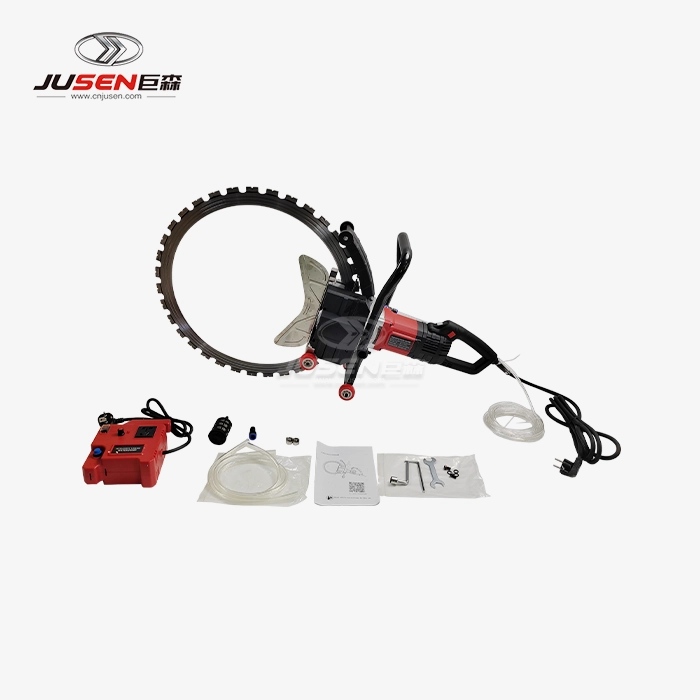 VIEW MOREAdjustable Electric Ring Saw
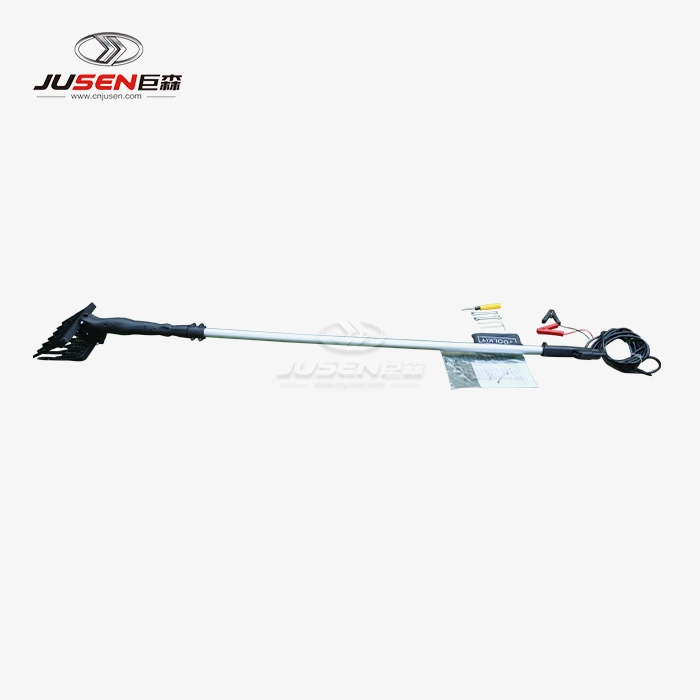 VIEW MOREHand Held Olive Harvester
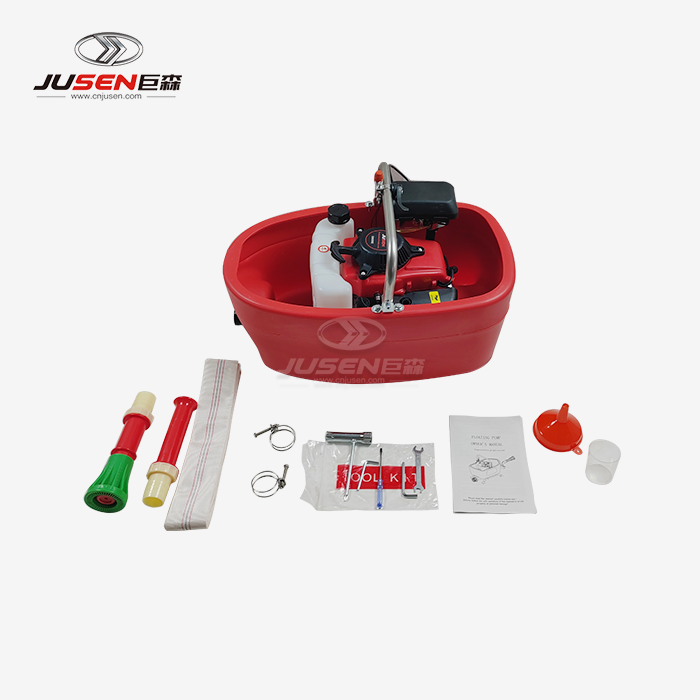 VIEW MOREFloating Water Pumps For Ponds
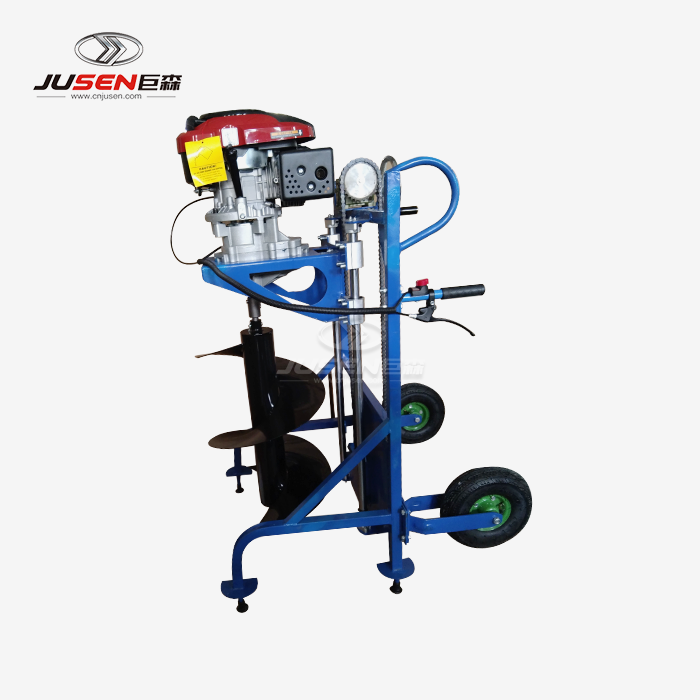 VIEW MORE4-Stroke Power Gasoline Engine Earthaugers Machine
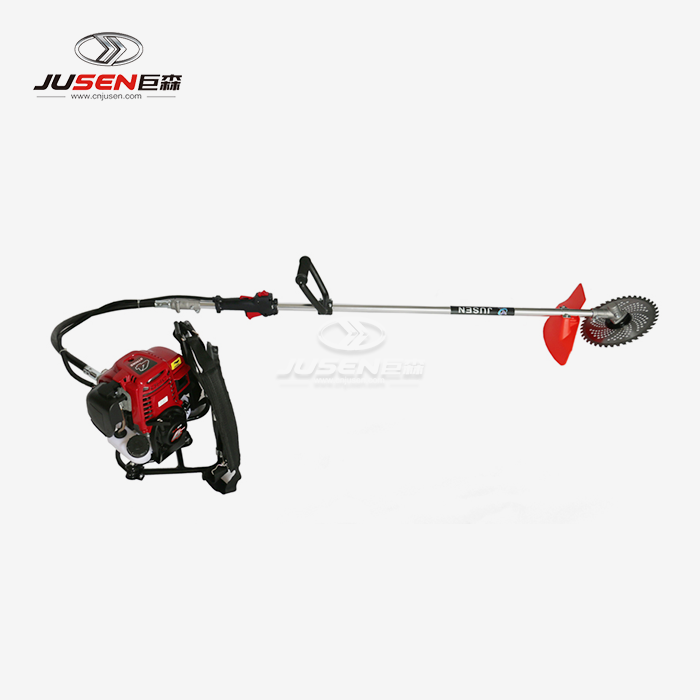 VIEW MOREGarden Tools Gasoline Backpack Brush Cutter
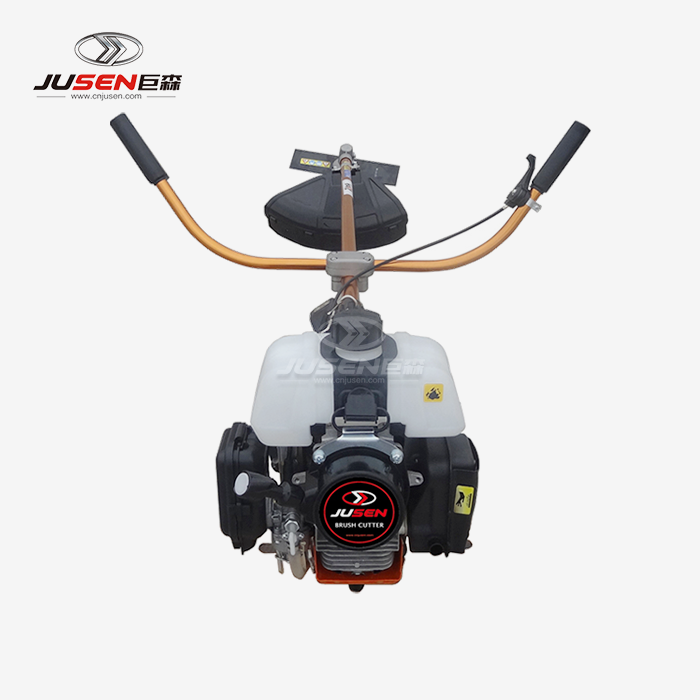 VIEW MORE42.7cc Garden Gasoline Brush Cutter
 VIEW MORE58cc 2-Stroke Gas Chainsaw
 VIEW MORE16-Inch Cordless Electric Chainsaw