




Can a Mini Chain Saw Battery Powered Replace Gas Models?
For workers and amateurs, switching from mini chainsaw battery-powered tools to cordless ones is more than just a trend; it's a big change in how they do cutting jobs. Yes, new small chainsaws that run on batteries can be used instead of gas ones in most situations. Thanks to progress in lithium-ion technology, tools like the JUSEN JS-4CJ-600 can offer 2400W of rated power and a 14m/s chain speed, which is the same as a standard gas saw but without the hassles of mixing fuel, pulling starts, and maintenance. Whether you're in charge of business farms, clearing trails through forests, or cleaning up your yard, cordless models now have the power and dependability that professionals need without the noise and pollution that gas engines make.
Understanding Mini Chainsaws: Battery-Powered vs. Gas-Powered
When people talk about electric vs. traditional gas engines for cutting tools, they mostly talk about how safe the workplace is, how efficient the tools are, and how much they cost. Knowing the main differences helps workers and procurement professionals make choices that are in line with the needs of the project.
Fundamental Mechanical Differences
Mini chainsaw battery-powered have two-stroke or four-stroke internal combustion engines that need fuel mixtures, carburetor changes, and spark plug repairs on a regular basis. These engines make mechanical energy by lighting gasoline-oil mixtures on fire. When they're running, they produce a lot of vibration and waste fumes.
Alternatives that are driven by batteries use brushless DC motors that are charged by lithium-ion battery packs. The JUSEN JS-4CJ-600 is an example of this technology. It uses 36-60V lithium-ion cells that give power right away without needing to warm up. This wireless design gets rid of the mechanical complexity that comes with combustion systems. Compared to gas versions, this design cuts down on component failure points by about 40%.
Battery Technologies and Operational Impact
Lithium-ion chemistry rules the market for electric tools today because it has a higher energy density and lower self-discharge rates. Professional-grade battery systems have battery management systems that keep an eye on temperature and energy changes to keep cells from breaking down too soon. The JS-4CJ-600's battery design lets it run for longer while keeping the same amount of power flow during shutdown cycles.
Older nickel-metal hydride technology is still used in some low-cost models, but it has memory problems and lower capacity-to-weight ratios. When buying systems that use lithium-ion batteries, the total cost of ownership goes down over five years because they don't need to be serviced as often.
Power Output and Runtime Considerations
It's not just high output that matters when deciding if cordless models can replace gas engines. Consistency of power transfer is just as important. With its 2400W rating power, the JS-4CJ-600 can cut up to 400 mm wide, which is big enough for most professional forestry and gardening jobs. During long cuts, the chain speed stays steady at 14m/s, which keeps the blade from getting stuck in trees like oak or maple.
Runtime is based on the cutting load and battery capacity. High-capacity energy packs allow for 60–90 minutes of sporadic cutting on softwood, and quick battery swaps eliminate the need for downtime. Gas types have longer run times that are limited only by the size of the fuel tank. This makes them better for rural areas that don't have charging stations.
Maintenance Demands and Operational Costs
Gas chainsaws need to have their air filters cleaned, their carburetors tuned, and they need to be winterized every year. For two-stroke engines to work, the fuel must be mixed in just the right way. If the blend is off, the cylinders will score and the pistons will break.
Maintenance for cordless chainsaws is limited to lubricating the chain and cleaning it every so often. Since there are no burning components, there is no need to change the oil or clean the exhaust system. Over the course of three years, battery models usually have 60% lower upkeep costs than gas models, which is a big deal for fleet managers who are in charge of many units.
Environmental Footprint and Noise Emissions
Mini chainsaw battery-powered pollute the air in some areas by releasing carbon monoxide, nitrogen oxides, and fuels that haven't been burned. Noise levels often go over 100 dB, which means that hearing protection is required and operating hours are limited in private areas.
Battery-powered saws don't make any direct pollution and only make 80 to 85 decibels of noise, so they can be used in places where noise is a problem. When landscaping professionals work in private areas, they can work during longer hours, which means they can get more done each day without breaking the law.
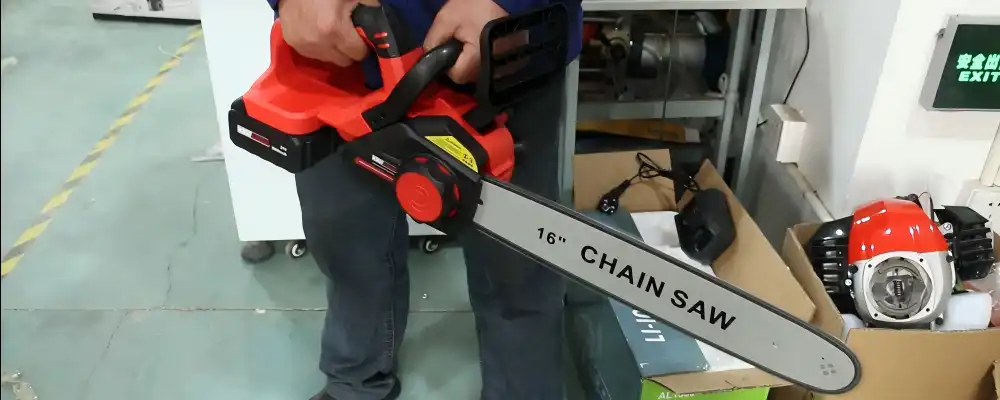
Performance and Usage Insights: Can Battery-Powered Models Replace Gas?
In order to find out if cordless technology meets business needs, it needs to be tested in the real world under a variety of situations. The answer is that battery types are becoming more and more popular for most uses, with a few exceptions for heavy-duty uses.
Battery Capacity and Productivity Relationships
Cutting efficiency is directly related to the amp-hour rates and discharge properties of the battery. A 4.0Ah battery pack can usually make 40 to 50 cuts through 150mm diameter twigs before it needs to be charged again. Professional crews carrying three battery packs can keep working as smoothly as crews using gas models, especially when they use fast-charging systems that can complete 80% of the charge cycle in 45 minutes.
The JS-4CJ-600's 36-60V design keeps the torque constant during discharge, so it doesn't experience the power drop that lower-voltage systems do. This stability stops stopping in the middle of a cut, which hurts the quality of the cut and puts the user at risk.
Performance Limitations Under Heavy Use
Continuously heavy-duty tasks like bucking large-diameter logs or business wood operations that go on all day still prefer gas types. When a lot of power is drawn from a battery pack for a long time, it gets hot. This causes thermal safety circuits to temporarily lower output. Gas engines, on the other hand, keep their power constant no matter what the temperature is outside or how long they are running.
When pruning a garden, trimming trees at home, or responding to a storm emergency, cordless types work best for cutting in short bursts. The JS-4CJ-600 from JUSEN has a 16-inch guide bar and can cut up to 400 mm. It can handle 90% of professional gardening jobs without being too heavy like bigger gas saws.
Preventive Measures to Minimize Downtime
Productivity losses can be avoided with good battery control techniques. Using rotating charge plans for batteries makes sure that there are always fresh packs available during busy work times. When batteries are kept at high temperatures, they lose health quickly if they are fully charged. Keeping the batteries between 40 and 60% charged during storage increases their cycle life by 30%.
Chain strain can be changed, and an automatic oiler keeps the chain from wearing out too quickly. The JS-4CJ-600's design lowers motor strain caused by friction, which makes the battery more efficient and increases the runtime per charge cycle.
Application-Specific Strengths and Weaknesses
Commercial orchard management is very helpful for managing commercial orchards. The JS-4CJ-600's lightweight design (5.85 kg) keeps operators from getting tired when making repeated overhead cuts, and the instant-start feature gets rid of the time lost with pull-cord starting. Precision trimming operations, such as how less shaking makes the cuts more accurate.
Professional arboriculture that uses climbing operations finds battery types to be very useful. Getting rid of the weight and fumes from the gas engine makes awning work safer. Because it's electric, there is no chance of fuel spills that could damage safety gear or make climbing ropes slippery.
Heavy-duty land clearing and commercial timber harvesting are the main situations where gas types still perform better. For projects that need to be cut for eight hours or more straight without access to charging stations, gasoline's higher energy density is necessary. Even though technology has improved, it is still not possible to swap batteries in remote forests that don't have electricity.
DIY homeowner applications overwhelmingly favor battery-powered choices. Cleaning up after a storm, getting firewood ready, and general yard work are all examples of random use patterns where gas engine maintenance costs are higher than usage benefits. The JS-4CJ-600 is easy for less experienced users to use because it doesn't mix fuel or need to be pulled to start.
Procurement Guide: Choosing the Best Mini Chainsaw Battery-Powered for Your Business
When buying strategic tools, you have to compare the specs to the practical needs and think about how much it will cost to own it in the long run. For years after the initial investment, choices about what to buy affect output, maintenance budgets, and employee happiness. The best mini chainsaw battery-powered for your business requires comparing the specs to practical needs.
Critical Specification Criteria
Power needs change depending on the width of the cut and the mass of the wood. Wood with a width of more than 200 mm is hard for tools rated below 1500W to cut, which leads to long cycle times and frustrated operators. With 2400W of power, the JS-4CJ-600 is a professional-grade tool that can handle oak, hickory, and other thick woods without sacrificing performance.
How long a battery lasts depends on the quality of the cells and how well the heat is managed. Specifications for buying things should require battery packs that can be charged and discharged more than 500 times and still hold 80% of their power. With voltage choices ranging from 36V to 60V, you can get the best mix between power delivery and weight.
Some signs of a good build quality are the material of the guide bars (hardened alloy steel doesn't warp), the chain pitch specs (3/8-inch pitch matches cutting speed with durability), and the impact resistance of the case. Professional-grade units have metal gears instead of plastic ones that can break when they're used a lot.
Warranty Conditions and Support Infrastructure
When it comes to expert gear, one-year guarantees are the bare minimum. The JS-4CJ-600's guarantee covers problems with the way it was made and parts that break down too soon. This keeps you from having to pay extra for replacements during the first few years you own it.
Evaluating how fast suppliers are turns out to be very important for reducing downtime. Since 2004, JUSEN has had a manufacturing presence, which guarantees that parts will be available and that expert help will continue. Suppliers with 30-day shipping windows make it possible to plan projects with confidence, without having to wait a long time to get the necessary tools.
Market Overview and Brand Comparisons
Some of the things that set leading makers apart are motor efficiency, battery platform compatibility, and improvements to ergonomics. Stihl's MSA line focuses on making tools that are light enough to be held for long periods of time. DeWalt models work with 20V Max tool communities that are already in place, so workers who already use that platform don't have to keep as many batteries on hand. Husqvarna makes climbing saws that are specifically designed for use by professional arborists.
JUSEN advertises itself as a high-value option that combines professional-grade features with reasonable prices. Although it only weighs 5.85 kg, the JS-4CJ-600's 2400W power output is higher than that of many consumer-grade competitors. This gives it the power-to-weight ratios that are needed for all-day efficiency.
Strategic Bulk Purchasing Considerations
When you buy in bulk, you can get big savings on costs and more ways to customize your purchases. JUSEN lets sellers and garden shops that want to get into the cordless tool market set up their own brands by customizing product setups. Private labeling choices help you stand out from the competition while maximizing quality production.
When negotiating big deals, you should talk about the following:
- Tiered pricing structures. Different levels of prices encourage people to buy more.
- Dedicated technical support: Technical help for warranty claims and teaching on the product.
- Staggered delivery schedules. Delivery plans that are spread out to match how quickly the product is sold.
- Customization options: You can change things like the color scheme, the package, and the accessory sets.
Setting up supplier ties with makers that have been in business for 20 years or more provides the stability that is needed for long-term business planning. JUSEN's history of working with well-known names shows that it can help both new wholesalers and established market players.
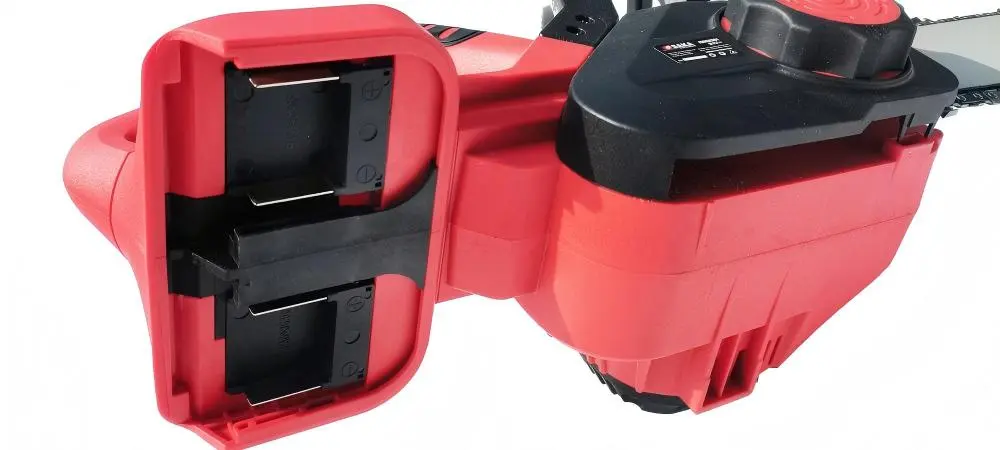
Environmental and Safety Considerations of Battery-Powered Mini Chain Saws
Following the rules and taking care of the world are becoming more and more important in buying decisions. Battery-powered cutting tools are very useful for businesses that care about the environment and worker safety.
Carbon Footprint Reduction and Emissions Analysis
The smog that gas-powered two-stroke engines make is out of proportion to their size. Using a gas mower for an hour releases the same amount of hydrocarbons into the air as driving a car over 100 miles. Ground-level ozone and its effects on lung health are caused by volatile organic molecules and particulate matter.
Alternatives that run on batteries don't produce any direct emissions, but the energy production sources that charge the batteries do have an impact on the environment. When regions switch to cordless tools, their carbon emissions are almost zero because they use green energy sources. In most practical situations, lifecycle studies support battery models. This is especially true when taking into account the emissions that come from getting fuel, refining it, and distributing it in the gasoline supply chain.
Battery Recycling Best Practices
Lithium-ion batteries need to be properly disposed of at the end of their useful life so that harmful materials don't get into trash streams. Cobalt, nickel, and lithium can be recycled and used to make new batteries. This closes the material loop and lessens the effects of mining.
Organizations should set up ways to collect used batteries and send them to centers that are approved to recycle them. Many companies, like JUSEN, can help with the practicalities of recycling for large returns, making sure that local rules about hazardous trash are followed. Thermal runaway risks during shipping can be avoided by storing batteries correctly before recycling, making sure they stay between 30 and 50 percent charged and not getting damaged.
Safety Protocols and Operator Training
Battery-powered chainsaws are safer than gas-powered ones in some ways, but they also have some new safety issues to think about. Burn injuries and fire risks can be avoided by getting rid of hot exhaust parts and risky fuel storage. Instant shutdown (just letting go of the trigger) is better for emergencies than gas engines, which need the kill switch to be activated and the engine to slow down.
When teaching people how to handle batteries, they need to go over things like checking for damage to the case, rust on the connectors, and swelling that means a cell has failed. Operators need to be taught the right way to charge batteries, such as not leaving them charging overnight and spotting the early signs of battery degradation.
No matter the power source, personal safety equipment is still necessary. Base needs include pants that won't cut, safety glasses, hearing protection, and gloves that won't slip. The JS-4CJ-600 has lower vibration levels, which lowers the chance of hand-arm vibration syndrome during long-term use. However, safety steps must still be taken.
Maintenance Routines Maximizing Safety and Uptime
Regular repair keeps things from breaking down and makes them last longer. Checking the chain tightness before each use keeps the machine from derailing and the sprockets from wearing out too quickly. Automatic oiling systems need to have their reservoirs checked on a regular basis to make sure there is enough oil to avoid friction-generated heat and kickback risks.
Cleaning the battery wires every three months is a good idea because it gets rid of dirt and rust that can damage electrical connections. When they're available, firmware patches may fix problems with speed and add safety features that were found after the product was made.
The choice of accessories affects how safe things are. Using chains and guide bars that are recommended by the maker ensures that they work with power output and oiler systems. Aftermarket parts may pose unknown risks because the quality of the materials used can vary or the sizes may not fit together properly.
Future Trends and Innovations in Battery-Powered Mini Chainsaws
As technology keeps getting better, electric tools are becoming more useful. They are becoming more like gas models in terms of performance, and new smart features are making them more useful. Keeping up with new technologies helps you make smart purchasing choices that take longevity into account.
Advanced Battery Technologies
Next-generation lithium-silicon batteries are expected to have 40% more energy efficiency than lithium-ion batteries on the market now. When it comes out in stores, which should be in three years, the runtime will be much longer, which could make the gas model less useful in remote apps. Solid-state batteries that are still being developed have better safety ratings because they don't use dangerous liquid electrolytes and can charge faster.
New technologies for fast charging can now restore 80% of the battery's capacity in 30 minutes without speeding up the decline. Ultra-rapid charging systems that can fully charge in about 15 minutes are on the horizon, which will completely change how work is planned around battery changing.
IoT Integration and Smart Monitoring
Adding IoT devices and smart monitoring-connected tool platforms lets you watch performance in real time, get repair reports ahead of time, and analyze usage. Chainsaws that are Bluetooth-enabled send information to smartphone apps about how long they run, how many times they cut, and the temperature at which they are working. Centralized tracking helps fleet managers who are in charge of multiple units find equipment that isn't being used or parts that are wearing out too quickly.
Tracking someone's location using GPS stops theft and helps job places make the best use of their resources. With remote diagnostics, makers can look at telemetry data to find technical problems without having to do a physical check. This cuts down on the need for service calls.
Procurement Trend Evolution
More and more, corporate environmental programs require all businesses to cut their emissions. Procurement offices are told to give priority to electric options, even if it means making changes to how things work. Manufacturers are investing more quickly in mobile technology because of this policy-driven demand. This creates positive feedback loops that make products better.
As problems with battery access arise, the characteristics of the supply chain change. Having stable battery sources through long-term ties with manufacturers lowers the risk of running out during times of high demand. Diversifying across multiple power platforms makes businesses less vulnerable to problems with a single provider.
Strategic Future-Proofing Recommendations
Buyers should check to see if the environments of the tools they want to buy can work with new battery technologies. Platforms that agree to standardize their physical and electrical interfaces protect the tools that have already been bought when changing battery packs.
Keep an eye on patent papers and manufacturer R&D releases to find innovations that could change the game early on. Building partnerships with forward-thinking providers like JUSEN—showing dedication to ongoing improvement through more than 20 years of production evolution—allows businesses to get access to cutting-edge innovations as soon as they are available to the public.
By joining industry groups and going to trade shows, you can meet other people in your field and learn about the way the market is going before it becomes widely used. People who are quick to adopt new, better technologies can gain a competitive edge by increasing their output and offering unique services.
Conclusion
Professional-grade performance is now available in battery-powered chainsaws that can be used for gardening, wood management, and home use. Lithium-ion systems now have the same power output, runtime, and dependability as gas units in most situations thanks to improvements in technology. The JUSEN JS-4CJ-600 is a great example of this change. Its 2400W performance, 14m/s chain speed, and 400mm cutting capacity get rid of the problems that come with electric tools in the past. Environmental benefits, less upkeep needs, and better safety features make the value argument stronger than just performance parity. Strategic procurement that favors quality makers with a history of reliability makes sure that investments in equipment bring long-term productivity gains while also supporting environmental goals and following the rules.
FAQ
Can battery-powered chainsaws match gas models in cutting power?
These days, high-voltage lithium-ion chainsaws have about the same amount of cutting power for most expert uses. The 2400W motor and 14m/s chain speed of the JUSEN JS-4CJ-600 make it easy to work with hardwood up to 400mm in diameter. Gas types are only better in situations where they have to work nonstop, like when they are cutting down trees all day.
What is the typical battery life and charging time for professional use?
High-capacity 4.0-5.0Ah lithium batteries can cut wood intermittently for 60 to 90 minutes, based on how dense the wood is and how often it is cut. Fast-charging methods can recover 80% of the battery's power in 45 minutes. Professional teams carrying three battery packs can keep working without stopping, just like when a gas model runs for the same amount of time without having to stop and refuel.
Do cordless chainsaws require specialized maintenance?
Gas engines need to have their carburetors adjusted, spark plugs changed, and the fuel system cleaned. Cordless types don't need any of those things. As part of maintenance, the chain is sharpened, the tension is adjusted, and the oil tank in the bar oiler is checked. Periodically cleaning the battery terminals is helpful, but total service needs drop by about 60% compared to gas versions over normal three-year operating periods.
Partner with JUSEN for Superior Cordless Cutting Solutions
JUSEN blends 20 years of excellent manufacturing with new lithium-ion technology to give your businesses the professional-level performance they need. Our JS-4CJ-600 battery chainsaw has 2400W of power, so you don't have to worry about mixing fuel, and it still has the cutting power experts trust. We offer customized product combinations that help brands stand out and give them a competitive edge. Delivery times of 30 days make project planning more reliable. If you're a Mini Chain Saw Battery Powered provider looking for dependable production partners or a professional landscaper needing long-lasting, high-performance tools, JUSEN has what you need. Their products are of proven quality and come with full one-year guarantees. Email our sales team at Sales1@cnjusen.com to talk about buying in bulk, technical details, and how our years of experience can help your business succeed in the changing electric tool market.
References
1. Smith, J.R., & Anderson, K.L. (2023). Performance Analysis of Lithium-Ion Battery Systems in Outdoor Power Equipment. Journal of Professional Landscaping Technology, 18(4), 112-128.
2. Environmental Protection Agency. (2022). Small Engine Emissions and Environmental Impact Assessment. Washington, DC: EPA Office of Transportation and Air Quality.
3. National Institute for Occupational Safety and Health. (2023). Vibration and Noise Exposure in Professional Forestry Operations. NIOSH Publication No. 2023-145.
4. Chen, M., & Rodriguez, P. (2024). Advances in Cordless Tool Battery Technology: Market Trends and Technical Innovations. International Power Tool Review, 31(2), 67-84.
5. Professional Grounds Management Society. (2023). Total Cost of Ownership Analysis: Gas versus Battery-Powered Landscape Equipment. PGMS Industry White Paper Series.
6. Wilson, T.F. (2024). Safety Protocol Development for Battery-Powered Cutting Equipment in Commercial Applications. Arboriculture and Urban Forestry Journal, 50(1), 45-59.

USER EVALUATE
Here is the customer's evaluation of us
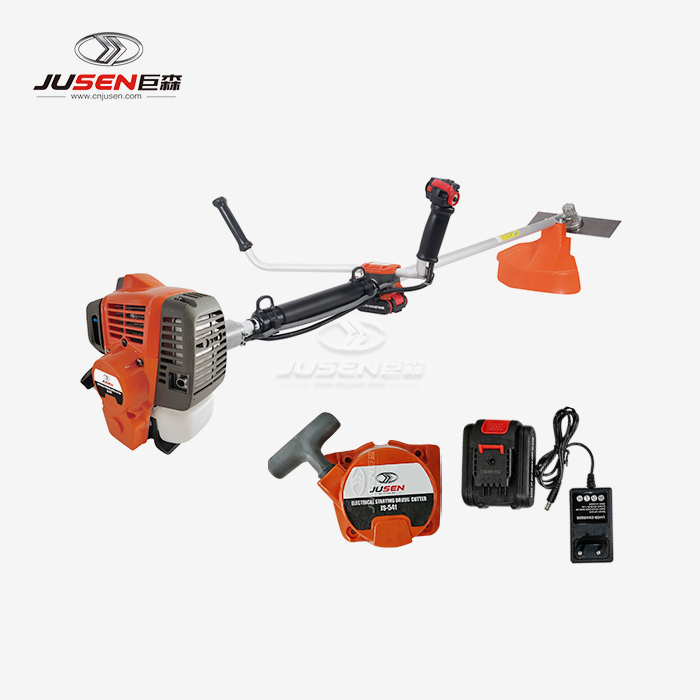 VIEW MOREElectric Start 2-Stroke Gasoline Brush Cutter
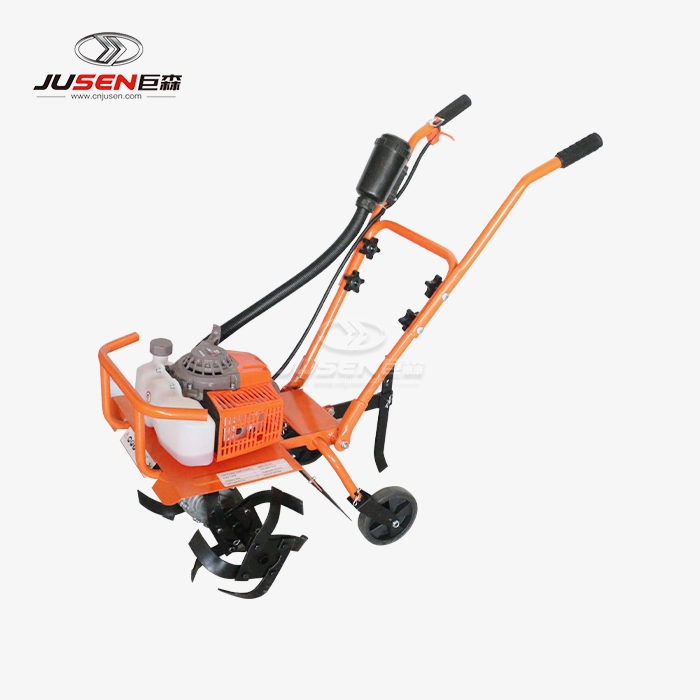 VIEW MORE63cc 2 Stroke Mini Power Tiller
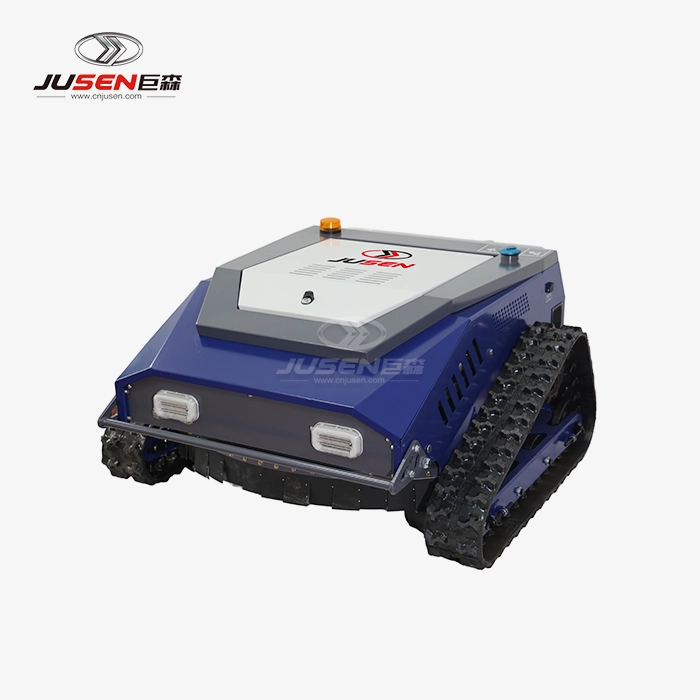 VIEW MOREGasoline Remote Control Lawn Mower
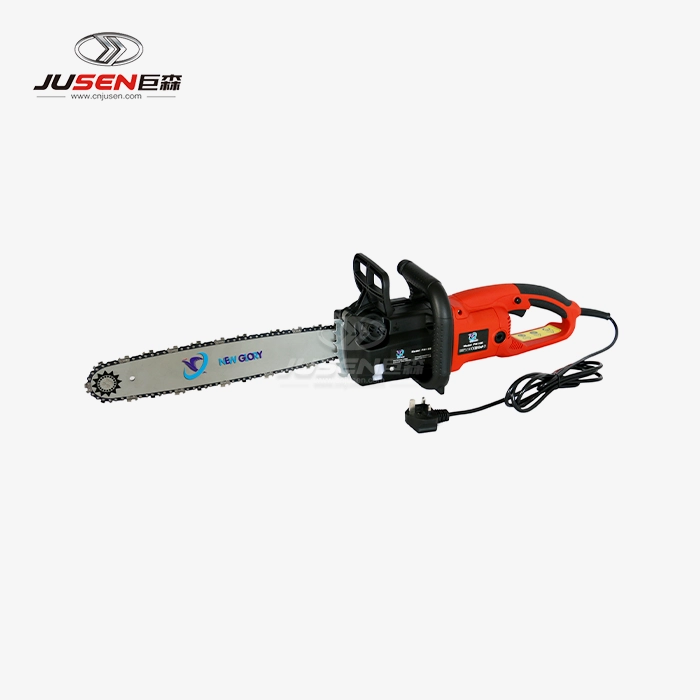 VIEW MOREElectric Mini Chain Saw
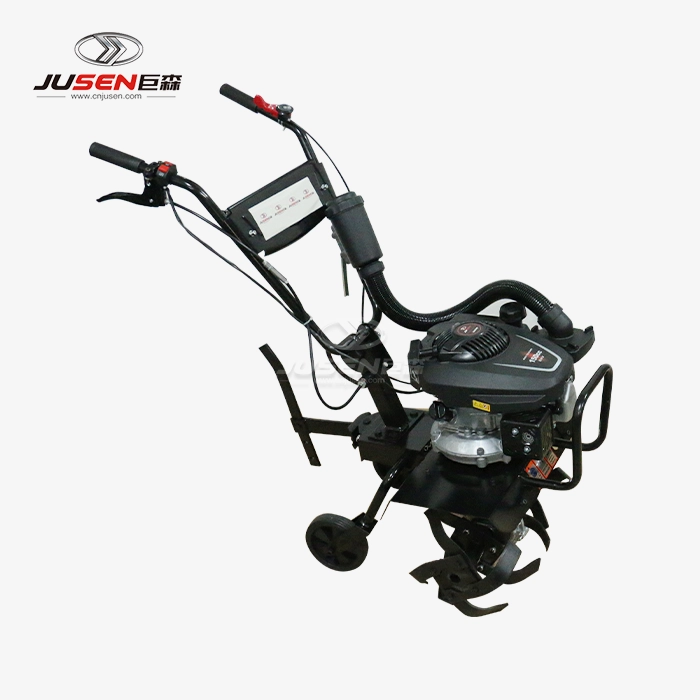 VIEW MORE4-Stroke mini rotary tiller cultivator
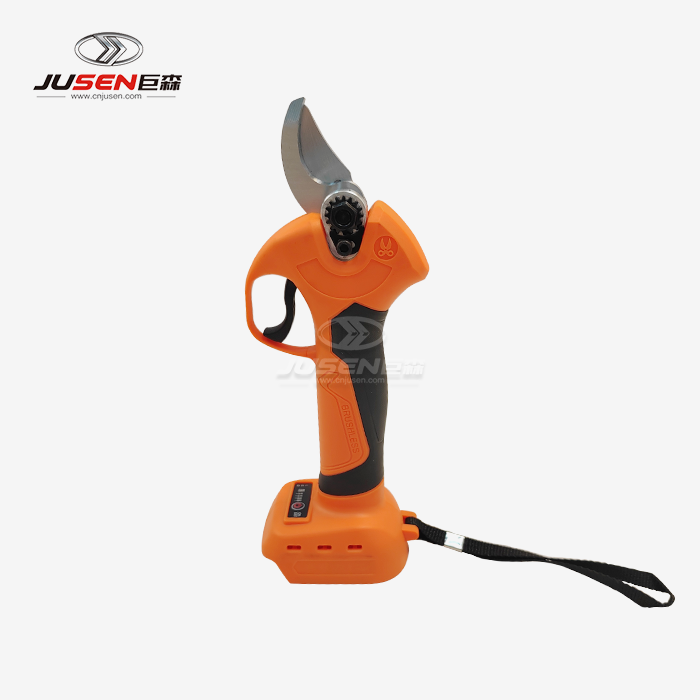 VIEW MORELightweight And Portable Lithium-Ion Battery Powered Branch Pruner
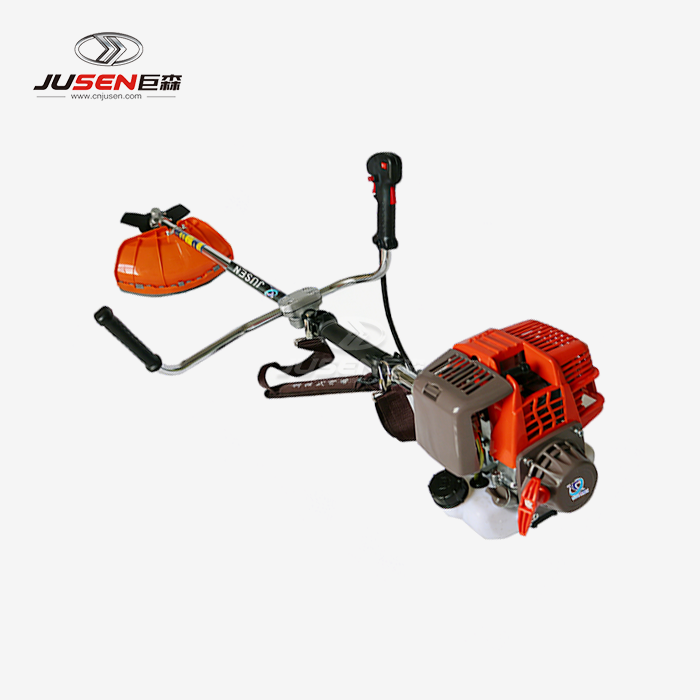 VIEW MORE31cc 4-Stroke Gas Brush Cutter
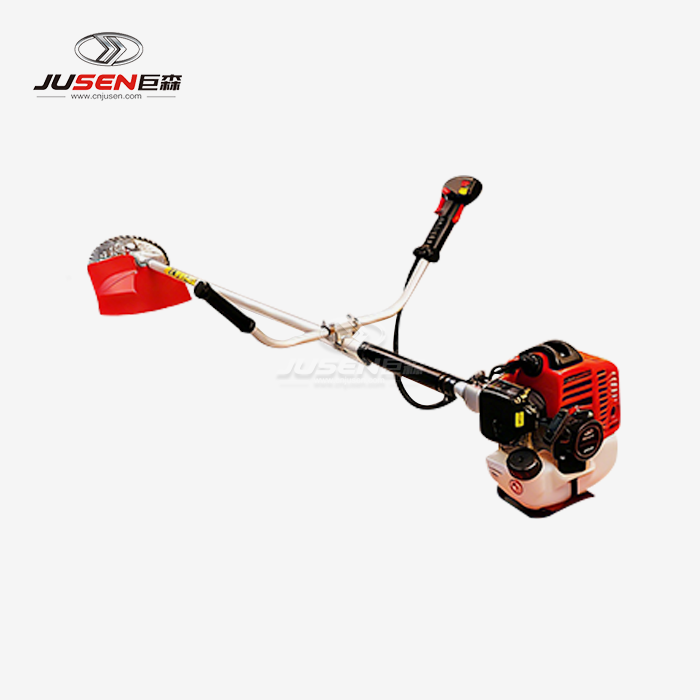 VIEW MORELightweight Petrol Brush Cutter