




Underground Courtyard Safe Room Installation Guide for Homeowners
A well-thought-out investment in family safety and long-term emergency preparation is the installation of an Underground courtyard safe room. These special shelters are a safe place for families to be during nuclear situations, terrible weather events, or security threats because they combine advanced engineering with useful design. Modern Underground courtyard safe rooms are different from traditional storm caves because they have advanced life-support systems, stronger structure designs, and flexible layouts that fit in perfectly with residential properties. This detailed guide will show you how to put up these protected structures and explain how they can keep your family safe in unpredictable situations.
Understanding Underground Courtyard Safe Rooms
Describes modern systems for protecting underground areas
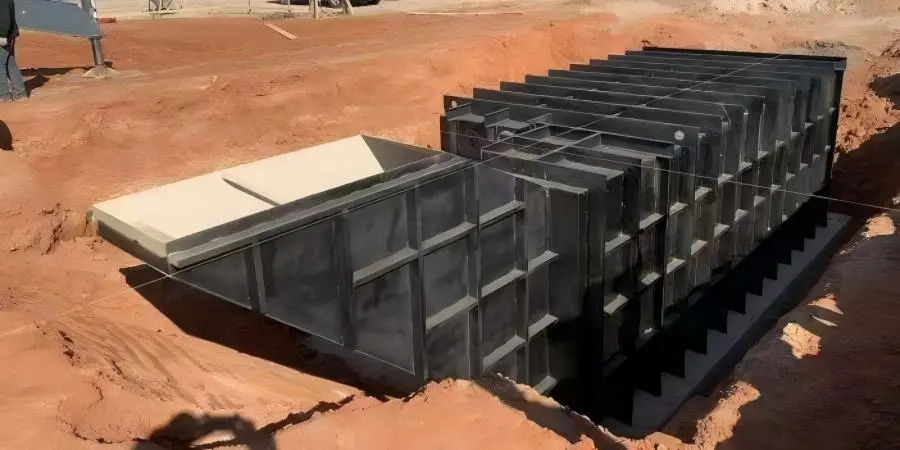
Underground courtyard safe rooms are very different from regular underground shelters or panic rooms that are above ground. These buildings were specifically made for their purpose and use prefabricated units with high-strength, all-steel frames that protect against a wide range of risks. The flexible design makes it easy to place under courtyards without messing up the landscaping that's already there. An Underground courtyard safe room that is built correctly has a four-layer protection structure: a 100mm all-steel main frame, a 5mm high-strength steel plate layer, a professional waterproofing layer, and a fire-resistant thermal insulation layer. Traditional building methods can't compare to this multi-layered technique when it comes to protecting the environment, blast defence, and impact absorption.
Key Advantages Over Alternative Shelter Solutions
Putting buildings underground has benefits like keeping the temperature stable and saving energy that buildings above ground don't have. Because soil is naturally insulating, it keeps rooms at stable temperatures all year and lowers the amount of energy needed for climate control systems. The Earth's protective effect against wind and moving objects makes it very hard for storms and other bad weather to get through. Underground entry points are much safer from break-ins because they are easier to hide and defend than buildings that are visible from above ground. The courtyard keeps the property's good looks while allowing quiet emergency access that doesn't get in the way of daily living areas.
Fundamental Construction and Safety Principles
Underground protection systems that work well are built around reinforced materials. The use of high-quality steel ensures that the structure stays strong even under heavy loads, and special sealing stops rainwater from getting in and causing moisture to build up. Proper ventilation systems keep the air clean enough to breathe even when people are inside for long amounts of time. A separate NBC filtration system removes and filters nuclear, biological, and chemical pollutants, keeping the air inside safe even when the outside world is dangerous. Water resistance measures include built-in closing systems that stop groundwater, dangerous gases, and dust particles from getting in. This keeps the inside of the building under control, no matter what the outside conditions are like.
Step-by-Step Installation Process for Homeowners
Initial Planning and Site Assessment
The first step in the construction process is a full study of the soil to find out its load-bearing ability and drainage properties. Before digging starts, professional geotechnical studies find out what the dirt is made of, how deep the water table is, and where the underground utilities are. Planned site layout takes into account how to get to tools, where to store materials, and how close the new building will be to current structures. To make sure the work is legal and follows local rules, permit applications, building code reviews, and zoning checks must be made. Homeowners should set aside two to four weeks for the planning stages so that there is time for engineering reviews and government approvals before the actual work starts.
Customisation Options and Design Integration
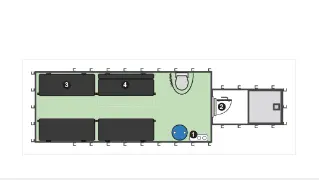
Modern Underground courtyard safe rooms can be changed in many ways to fit the needs of the family and the space available. Sizes can be changed to fit any need, from small single-family homes to large multi-room layouts that can fit large groups. Functional modules have places to sleep, bathrooms, places to store food, and places for contact tools. The ventilation design includes systems for bringing in fresh air, filtering NBC, and overpressure explosion-proof valves that keep the inside pressure at a safe level during blasts. Landscape integration makes sure that the entrance to the shelter fits in easily with the features of the courtyard. For example, hidden hatches under paving stones, decorative garden structures, or retaining walls keep the area looking nice while still allowing safe entry.
Customisation also includes the finishes inside, where families choose lighting systems, wall coverings, and storage options that make their homes comfortable to live in during long shelter stays. Through centralised platforms, smart control systems can be added to keep an eye on things like temperature, humidity, air quality, and security video feeds. With these technological improvements, simple bunkers become high-tech safe places that can be used for both emergencies and other purposes, like safe storage or climate-controlled leisure rooms.
Material Selection and Engineering Standards
Strong concrete supports make it possible to build a stable steel framework, and steel reinforcements all over the building make it stronger and better at distributing weight and absorbing impacts. When used in waterproofing layers and thermal shields, composite technologies give long-lasting performance that standard materials can't match. Best practices in engineering call for alternative safety systems. These include two ways for air to flow, backup power connection points, and multiple ways to get out of the building. This way, the building can still work even if the main systems fail. The high-strength steel framework takes and spreads out outside impact loads well, making the structure more stable than what is required by code.
The quality of the materials directly affects how long and reliably the building will last. Before it is used for production, premium steel is put through a lot of tests to make sure it has good tensile strength, corrosion resistance, and joint integrity. Waterproofing layers use industrial-grade polymers that have been used successfully in below-grade applications before. This keeps the structure from breaking down from regular dirt contact. Fire-resistant layers successfully slow the entry of high heat, making structures more resistant to fire and buying important time for people to stay safe during combined disaster scenarios.
Project Timelines and Contractor Coordination
Installation usually takes between 8 and 16 weeks, but it depends on the size of the shelter and how complicated the site is. It takes 1-2 weeks to dig, 2-3 weeks to build the base, 3–4 weeks to put the structure together, and another 2–3 weeks to add the finishing touches. To make it easier for contractors to work together, you need clear milestone checks, specific project plans, and regular communication procedures. To avoid expensive delays, supplier coordination makes sure that prefabricated parts, specialised tools, and finishing materials are delivered on time. Installation partners with a lot of experience keep extra time in their schedules in case of delays caused by bad weather, permit hold-ups, or unexpected conditions on the job site, all without affecting the total finish goals.
Comparing Underground Courtyard Safe Rooms with Other Solutions
Safety Performance Analysis
During tornadoes, Underground courtyard safe rooms are safer than above-ground options. In fact, FEMA studies have shown that people who stay in below-grade bunkers have much higher survival rates. Storm basements protect you from the weather in some ways, but they don't have the NBC filtration, temperature control, or long-term habitability features that modern Underground courtyard safe rooms do. People who break into panic rooms can't get in, but they can still be damaged by fire or bad weather, and they don't have the life-support systems that people need to stay in for a long time during nuclear or chemical situations. Underground facilities that are properly designed and built protect against all kinds of threats and can handle a number of different emergency scenarios.
Cost-Efficiency and Spatial Requirements
The price to install an Underground courtyard safe room ranges from $50,000 for a simple family unit to $200,000 or more for a fully customised room with lots of advanced features. Above-ground safe rooms cost 30–40% less at first, but they don't offer as much protection and take up valuable living area inside. At $10,000 to $30,000, storm cellars are the cheapest choice, but they don't have many features and don't protect against many threats. Different groups need different amounts of space. For example, a family of four needs at least 60 to 80 square feet, but 120 to 150 square feet is better for longer stays. Putting things underground saves garden space because the courtyard areas can still be used for normal activities.
Leading Manufacturers and Product Selection
The best manufacturers have a lot of experience with both home and business jobs and are good at engineering. Certifications from FEMA, ICC-500 compliance, and nuclear safety standards back up claims of performance and give buyers trust. For structural parts, warranties usually last between 10 and 25 years. For special systems like NBC filters, warranties must last at least 5 years. These investments can be made with monthly payments instead of huge lump sums, thanks to financing choices through manufacturer relationships or specialised lenders. After-sales support is what sets good makers apart. Full installation instructions, training on how to do upkeep, update paths, and quick technical support all ensure that the product is valuable for a long time after the initial purchase.
Maintenance, Safety Features, and Cost Considerations
Regular Inspection and Maintenance Protocols
To keep the integrity of the building, the ventilation system needs to be checked every three months. This includes replacing the filters and checking the airflow to make sure it's working right. Every year, waterproofing checks look at seals, drainage systems, and moisture sensors to see if they are breaking down before leaks happen. Every two to three years, structural health tests check the steel's stability, the concrete's soundness, and the door mechanism's ability to work. The emergency escape system needs to be checked on a regular basis to make sure that the ladders, doors, and exit routes stay clear and work. These safety steps make shelters last longer while still being ready for emergencies.
Cutting-Edge Safety Enhancements
To stay in touch with emergency services during disasters, emergency communication systems use satellite phones, radios, and backup internet connections. Particulates, chemical vapours, and biological agents are removed from the air through multistage methods that are specifically designed for underground settings. The separate NBC filtration system is very important for protecting people's lives because it filters outside air through special media that catch nuclear fallout particles, biological diseases, and chemical warfare agents. Blast-resistant doors can handle a lot of overpressure without breaking, and decontamination rooms give people entering the building a safe place to take off infected clothes and gear before going into the living areas.
Total Cost of Ownership Analysis
The biggest initial investment is the cost of installation, which includes digging, supplies, labour, and finished work. Every year, maintenance funds should set aside $1,500 to $3,000 for replacing filters, checking the system, and making small fixes. There are different ways to get money, such as home equity loans, emergency planning financing programs, and manufacturer payment plans with low interest rates. Insurance companies may lower homeowner's insurance rates in areas with a lot of natural disasters, which can help lower the costs of owning a home. Natural insulation and temperature control systems that work well keep energy costs low. Testing and conditioning systems frequently usually adds $20 to $40 per month to utility bills. Underground courtyard safe rooms prove to be an efficient investment when considering these natural insulation benefits.
Procurement and Installation Services: Choosing the Right Partner
Identifying Qualified Installation Contractors
Certified builders have special training in building underground shelters, which is different from general drilling or base work. Proven track records should include several finished home projects and client references who are ready to talk about their experiences. Technical ability is proven by credentials from safety compliance programs, manufacturer authorisation programs, and industry groups. Strong references from past clients can tell you a lot about how well you communicate, how well you stick to deadlines, how well you solve problems, and how quickly you respond to help requests after the installation is complete.
Custom-Built Versus Pre-Fabricated Options
Custom-built shelters give you the most options for sizes, layouts, and features, but they take longer to build and cost more to make. Factory production of pre-fabricated Underground courtyard safe room kits shortens the time it takes to install them while keeping quality in controlled manufacturing settings. Customisation in prefabricated systems strikes a balance between economy and individuality. Standard structure sections can be built with a variety of interior layouts, equipment choices, and finishes. Lead times for prefabricated options are 6 to 8 weeks, while lead times for fully custom plans are 12 to 16 weeks. After-sales support is usually more consistent with prefabricated systems because the makers keep parts on hand and use standard service procedures.
Project Execution Best Practices
When you communicate well, you set clear goals by writing clear contracts that spell out projects, deadlines, payment plans, and quality standards. Weekly progress meetings, picture documentation, and clear ways to solve problems when site conditions or plan changes come up are all part of good project management. Support after installation should include full system training, upkeep plans, contact information for suppliers of replacement parts, and the ability to get expert help in an emergency. Minimising risks means carefully screening contractors, making sure the project is properly insured, having clear specifications, and setting up payment plans based on milestones that reward contractors for completing the job successfully.
Conclusion
Underground courtyard safe rooms are high-tech security systems that use structural engineering, life-support technology, and useful design to keep families safe in a variety of emergencies. To get effective long-term performance from the building process, it's important to plan it out carefully, choose high-quality materials, and work with experienced contractors. Modern prefabricated solutions make it easier to get things while also offering a wide range of safety features, such as NBC filters, blast protection, and longer habitability. By carefully weighing the pros and cons of different options, clearly showing how much something costs, and following strict maintenance rules, these investments will last and give homes that care about family safety peace of mind.
FAQ
1. How long can families safely shelter in underground safe rooms?
Underground courtyard safe rooms that are properly prepared can be used for two to four weeks without any problems, based on the room's size, supplies, and system requirements. NBC filter systems are always working to clean the air we breathe, getting rid of pollutants while keeping oxygen levels safe. Practical length boundaries are set by the availability of water, food, and toilets. When people stay longer than two weeks, they need to carefully plan their food, trash, and psychological comfort steps to keep them healthy during long crises.
2. Do underground shelters require special permits?
Most places consider Underground courtyard safe rooms to be extra structures that need building permits, engineered plans and checks while they are being built. Different places have different permit needs. Usually, tighter rules apply in cities than in rural areas. Homeowner associations may put more limits on changes to the area or on making the entrances to the shelters obvious. By talking to local building departments early on in the planning process, you can avoid expensive compliance issues and make sure that the work is legal and won't hurt the property's value or chances of being sold in the future.
3. What maintenance costs should homeowners budget annually?
Maintenance costs usually run from $1,500 to $3,000. This includes replacing NBC filters ($400 to $800), servicing the ventilation system ($300 to $500), inspecting the waterproofing ($200 to $400), evaluating the structure ($400 to $800), and making other fixes or changes ($200 to $500). These investments keep systems running smoothly and make tools last longer, which ends up being much cheaper than fixing problems that happened because upkeep wasn't done regularly. Building relationships with qualified service providers guarantees quick action when problems appear, protecting the usefulness of the building and the long-term value of the investment.
Partner with JUSEN for Your Underground Safe Room Needs
JUSEN has been making high-quality protective shelters for 20 years and has a lot of engineering and manufacturing experience. They offer prefabricated Underground courtyard safe room options that meet the highest safety standards. Our four-layer composite protective structure, separate NBC filter systems, and wide range of customisation options give families a safe place to stay during nuclear situations, bad weather, and security threats. As a direct maker of Underground courtyard safe rooms, we keep tight quality control from choosing raw materials to delivering the finished product. This makes sure that every project gets the same level of performance. Together with homeowners, our experienced building team designs shelters that look great with the rest of the property and provide the best security possible.
We know that putting money into family safety means having faith in both the quality of the products and the trust of the suppliers. JUSEN's complete production system includes steel manufacturing, modular assembly, system integration, and performance testing all in one place. This gets rid of the organisational problems that come with buying from multiple vendors. Email our team at Sales1@cnjusen.com to talk about your unique needs, the conditions of your site, and your customisation tastes. We'll give you clear breakdowns of the costs and timelines for the project that are unique to your needs. This will help you make an informed decision about this important investment in family safety.
References
1. Federal Emergency Management Agency. (2021). "Safe Rooms for Tornadoes and Hurricanes: Guidance for Community and Residential Safe Rooms." FEMA P-361, Fourth Edition.
2. National Storm Shelter Association. (2022). "Standard for the Design and Construction of Storm Shelters." ICC 500-2020 Compliance Guidelines.
3. American Society of Civil Engineers. (2020). "Structural Design for Physical Security: State of the Practice." ASCE Manual of Practice No. 142.
4. Department of Homeland Security. (2019). "Protective Design Centre Technical Report: Underground Shelter Construction Standards and Best Practices."
5. International Code Council. (2021). "Residential Safe Room Design and Construction Standards." ICC Building Safety Journal, Volume 19, Issue 3.
6. Nuclear Regulatory Commission. (2018). "Radiological Emergency Preparedness Program Manual: Family Shelter Design Criteria." NUREG-0654/FEMA-REP-1, Revision 2.

USER EVALUATE
Here is the customer's evaluation of us
 VIEW MOREHand Held Olive Harvester
_1778216324004.webp) VIEW MORE52cc 2-Stroke Hand Pushed Sweeping Machine
VIEW MORE52cc 2-Stroke Hand Pushed Sweeping Machine VIEW MORE63cc 2-Stroke Post Hole Digger
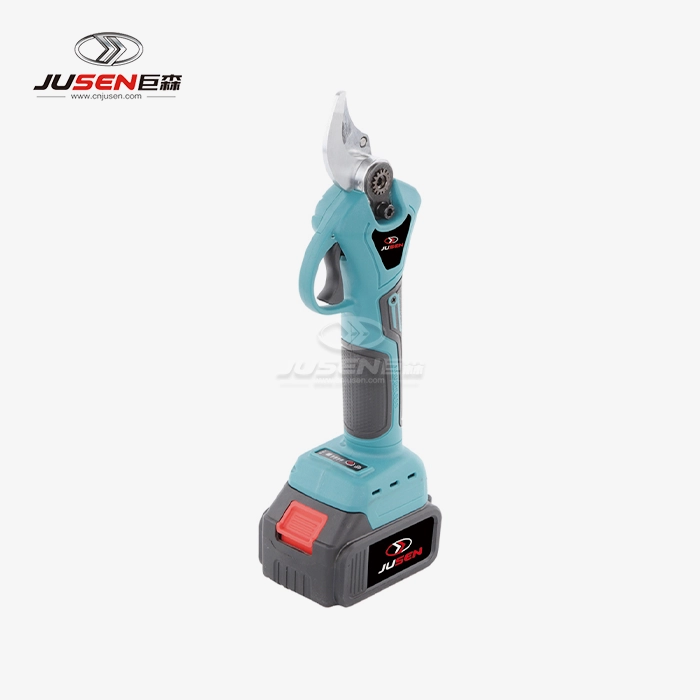 VIEW MORELong Reach Lithium-Ion Garden Shears 21v
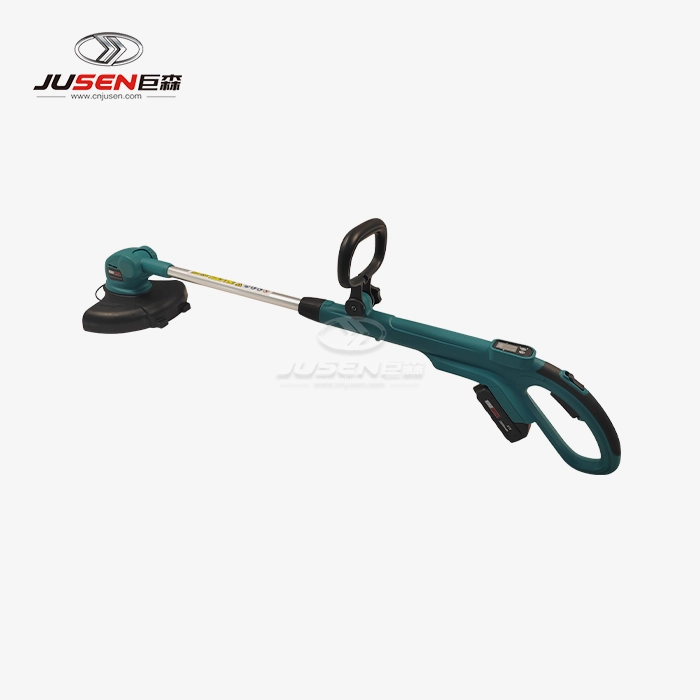 VIEW MORE21v Electric Grass Brush Cutter
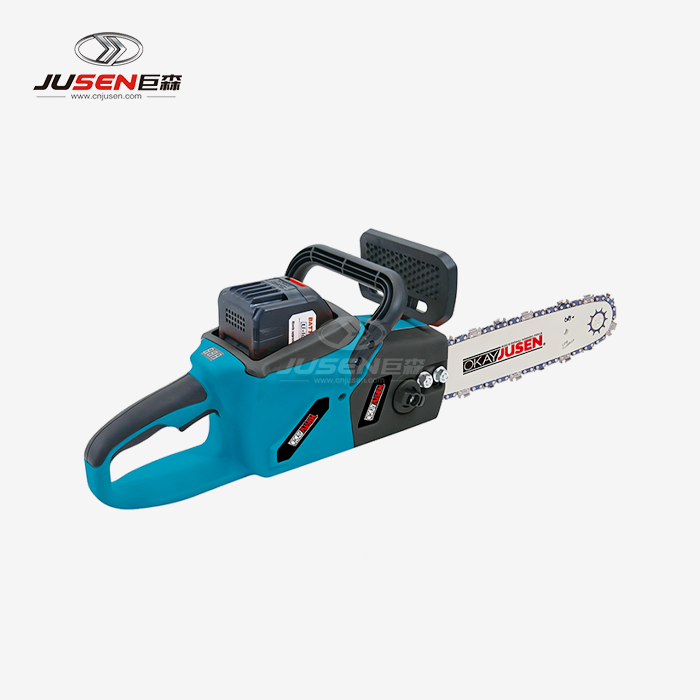 VIEW MORELightweight And Durable Brushless Electric Chainsaw
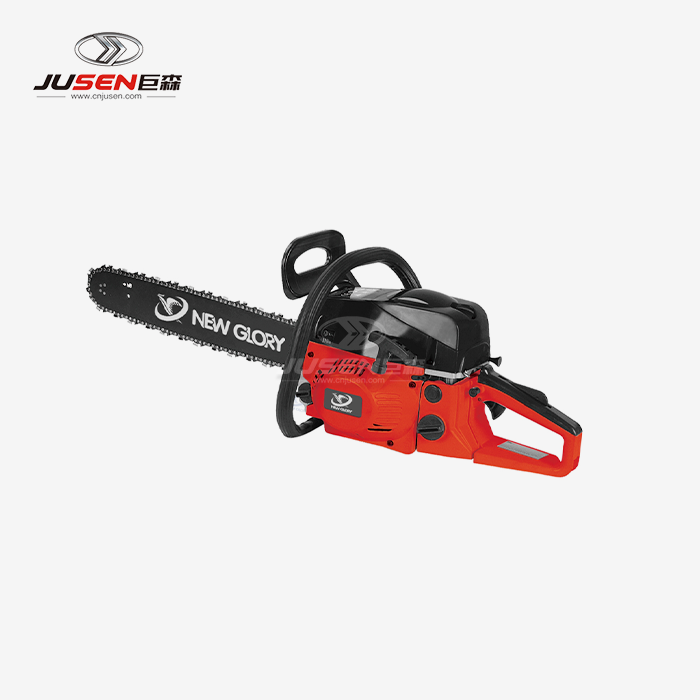 VIEW MORE52cc Strong Power Garden Gasoline Chainsaw
 VIEW MORE58cc 2-Stroke Gas Chainsaw