




Underground Courtyard Safe Room Design: What Are the Key
Underground courtyard safe room, structural stability, life-support systems, and customisation options are the most important factors to take into account when building an underground courtyard safe room. The protected shelters need to have a strong four-layer composite structure with high-strength steel frames, modern NBC filter systems, and full waterproofing. Important parts of the design are buildings that can withstand blasts, separate ventilation systems, exit paths in case of an emergency, and decontamination rooms. These underground bunkers are safe, have flexible plans, and can be made to fit the needs of a wide range of places, such as government buildings, corporate campuses, high-end homes, and industrial sites that need to be able to stay alive for a long time during extreme crises.
Understanding Underground Courtyard Safe Rooms: Purpose and Benefits
Shelters made below ground level are an important part of the defence against nuclear dangers, natural disasters, and security risks. The underground courtyard safe room is a special type of these protected structures that are made to make the best use of space while still providing excellent defence.
Why Subterranean Protection Matters
Protective bunkers placed under courtyards are useful from a military point of view because they are hidden and strong. Natural earth protection protects underground sites by absorbing radiation, reducing blast waves, and keeping heat in. These facilities fit right in with the way properties are already set up, so they don't affect how things look or work on the surface. Modern prefabricated underground bunkers are built using modular methods, which lets them to be set up quickly while still meeting strict safety standards.
Business Case for B2B Procurement
Companies that spend money on protective structures know that resilience has a direct effect on operating stability. A properly designed underground courtyard safe room keeps people safe, keeps important valuables safe, and shows that the company is responsible. Following safety rules protects companies from lawsuits and raises the value of their property. Durable, low-maintenance protective buildings are better purchases than temporary or above-ground options because they save money in the long run.
Regulatory Compliance and Standards
When installing underground protection facilities, they need to be in line with local safety standards, building rules, and environmental laws. For buildings to be safe from nuclear, biological, and chemical threats, they need to meet certain air standards, material requirements, and testing procedures. When you work with makers who have complete quality management systems, you can be sure that the goods you get will meet international safety standards and perform as promised.
Core Design Principles for Underground Courtyard Safe Rooms
A good protective shelter design uses a lot of different building skills to make places where people can live during long crises and protect themselves from outside threats.
Structural Integrity and Material Selection
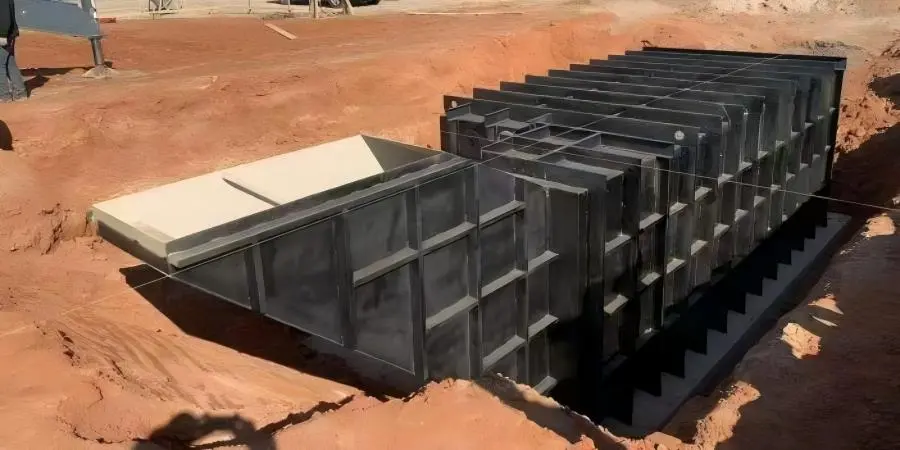
The choice of materials and the way they are built are the first steps in building effective security. Today's protection bunkers are made of four-layer composite structures with different types of parts that work together to protect against different types of threats. The main core is made up of a 100 mm all-steel main structure that can hold weight and prevent impact. A 5 mm high-strength steel plate layer is supported by this skeletal system. This plate layer is the main shield against blasts and entry.
Professional waterproofing materials stop rainwater from getting in and keep the inside of the building at the right humidity level. The top layer is both fire-resistant and thermally insulating. It stops heat from coming in during fires outside while keeping temperatures inside stable. This synergistic layering method provides layers of security that can't be achieved with a single material, which is a good way to deal with the complicated nature of emergencies.
Dimensional Planning and Capacity
Size choices for underground security facilities are based on how long they will be occupied and how many people will be working there. Minimum space requirements for each person depend on how long they are expected to be in the shelter. For longer cases, more space is needed for storing supplies, using the bathroom, and creating psychological safety zones. Ceiling heights need to be able to handle ventilation ducts, light fixtures, and equipment installs while still leaving enough room for people to stand up.
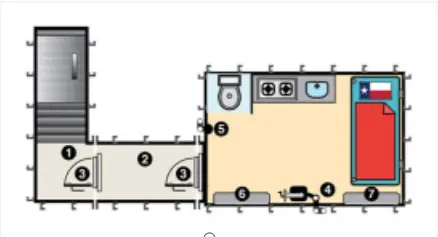
Planning the layout should include separate areas for sleeping, cooking, cleaning, keeping an eye on tools, and getting medical help in an emergency. Scalable setups are possible with modular design principles. This means that facilities can add more safety features or increase their capacity as the needs of the business change.
Ventilation and Air Quality Management
Without solid life-support devices, even the most advanced structural security won't work. Separate NBC filtering is an important part of staying alive in an underground courtyard safe room because it cleans the air by removing radioactive particles, biological pathogens, and chemical pollutants. Most of the time, these multistage filtering systems use both HEPA screens to get rid of particles and activated carbon beds to soak up chemicals.
Fresh air systems keep the pressure inside positive, so dirty air from the outside can't get in through seals or small holes in the structure. Overpressure explosion-proof valves hold the internal pressure at a safe level during blasts, keeping people inside and filter equipment safe from damage caused by shockwaves. Continuous air flow keeps oxygen levels high enough for long-term usage and stops carbon dioxide from building up.
Waterproofing and Moisture Control
When building underground, the groundwater and wet dirt around the site put steady hydrostatic pressure on the building. To stop water from getting in, complete waterproofing plans use both exterior coverings and internal draining systems. When structure parts are joined together with sealed joints, the capillary action that could move water through tiny holes is stopped. Interior dehumidification systems keep the humidity at the right level to protect electronics and stop mould growth that could damage the air quality.
Comparing Underground Courtyard Safe Rooms with Alternative Solutions
When making a purchase choice, it's important to carefully consider the pros and cons of each type of safe shelter.
Underground Versus Above-Ground Protection
Above-ground safe rooms are easier to get to and cost less to build, but they don't offer as much privacy or natural protection. To get the same amount of security, surface buildings need thicker walls and reinforcement, which raises the cost of materials and takes up more space. Earth overburden is used as extra covering in underground courtyard safe rooms. This lowers the need for structural support while increasing security against blasts and radiation.
Basement Conversions Versus Purpose-Built Installations
The idea of turning existing basements into safe havens is a cost-effective one, but it comes with a lot of sacrifices. Existing foundations, ceiling heights, and service lines can make it hard to build new things on top of old ones. Underground courtyard safe rooms that were built with safety in mind have better angles, built-in life-support systems, and building methods that were designed to be strong.
Prefabricated modular systems are a good compromise because they combine the cost savings of mass production with the performance benefits of protective structures that are specifically built for that reason. Before being sent to the construction site, these factory-built units are put through a lot of quality checks to make sure they work the same way everywhere.
Total Cost of Ownership Analysis
The initial costs of buying the building (Underground courtyard safe room) are only one part of its total costs. Long-term budgets are affected by the need for maintenance, operations preparation routines, and regular equipment replacement. Premium-quality materials are used to build high-quality protected shelters that last longer and need less upkeep. Lifecycle costs can be lowered by choosing makers with established supply chains and professional support. This is because replacement parts are easier to find, and experts can help with fixing problems.
Procurement and Installation: What B2B Clients Need to Know
To successfully set up a safe cover, you need to carefully choose your suppliers and carefully coordinate your project.
Manufacturer Evaluation Criteria
B2B buyers should give more weight to suppliers who can prove they can make things, have complete quality management systems, and know the relevant business. Direct makers who oversee their own production can keep an eye on quality and keep shipping times shorter than those of middleman distributors. Strong study and development skills allow for custom engineering solutions that fit the needs of a specific place or protect against specific threats.
Check the supplier's certificates, testing records, and example projects to make sure the performance claims are true. Manufacturers that work with the government, military bases, and important building projects usually have stricter quality standards and a history of success in tough situations.
Customisation and Scalability
Standard safe shelter layouts don't always work perfectly with the needs of a company. Customisation options include sizes, layouts, functional sections, internal finishes, and smart control systems that can be changed to fit your needs. Using modular building methods makes it easier to add on to or improve a facility in the future without having to rebuild it from scratch.
Discussing future needs during the original buying process will help make sure that the designs chosen can be scaled up if needed. Delivery times can be coordinated with building plans and budget cycles when production dates are flexible and can be changed based on order volume.
Installation Coordination and Regulatory Compliance
Multiple companies need to work together carefully to prepare the site, dig, give the crane access, and connect utilities. Manufacturers that offer "turnkey installation services" make project management easier and make sure that the right methods are used for building. Different areas have very different rules about how to get building permits for basement work. These rules include things like environmental reviews, utility clearances, and building permits.
Set up upkeep procedures during installation to help ensure long-term readiness for use. Plan regular checks of the building's filter systems, emergency gear, and structural stability to find problems before they get worse and stop protecting people.
Lighting, Emergency Preparedness, and Additional Functional Features
The operational success of protective shelters goes beyond just protecting structures; it also includes being able to house people and help in a disaster.
Illumination Systems and Energy Management
LED lighting (Underground courtyard safe room) uses less energy and produces less heat, which are both very important factors for basement spaces that are sealed off from the outside world. When the power goes out, backup lighting devices that use battery banks or emergency generators keep the lights on. Automated lighting settings change the level of brightness based on who is in the room and the time of day. This saves energy while still providing the right amount of light for different tasks.
When planning lighting plans, think about how living underground for a long time might affect your mental health. Full-spectrum LED lights that look like natural daylight help keep circadian rhythms in check and lower stress levels when people stay in a shelter for a long time.
Emergency Supply Management
Preparedness for all kinds of emergencies includes things like first aid items, contact tools, food storage, water storage, and toiletries. Systematic inventory management with shift plans keeps things always ready and stops perishable items from going bad. Figure out how much food and water to bring based on how many people will be staying at the shelter at most times and how long it will last, leaving some room for mistakes or longer emergencies.
Landline links, cellular repeaters, satellite phones, and radio transceivers are just a few of the technologies that should be included in communication systems to make them more reliable. Signals can be sent through the earth protection that would normally stop electromagnetic communications when an external receiver is connected.
Security and Monitoring Integration
Modern security systems turn buildings that are just there to protect people into places that are constantly controlled. Surveillance cams watch over entry spots and the area around buildings, so people inside can see what's going on outside without being seen. Intrusion alarms sound when someone tries to get in without permission, and access control systems only let people who are supposed to be there in. Integration with building control systems lets you check on the environment, tools, and occupancy numbers from afar.
Multiple systems are merged into a single interface by smart control platforms. This makes it easier for non-technical people to use it in high-stress emergencies. Facility managers are notified automatically when equipment isn't working right or when external parameters change in a way that needs their attention.
Conclusion
To build good protective infrastructure, you need to think carefully about the structure, life-support systems, and operating features that work together to make sure people can survive extreme situations. The underground courtyard safe room is perfect for businesses that want to protect their assets and be resilient. Its installation takes up little space and provides excellent insulation. Important factors for success include choosing manufacturers with a lot of experience, laying out the right customisation choices, and making sure there are clear upkeep rules. Customers in the business world can put up protective structures that work well for decades and meet strict safety standards and legal requirements by understanding basic design principles, comparing different options, and going through strict procurement processes.
FAQ
1. What distinguishes underground courtyard safe rooms from standard basement shelters?
Protective buildings that were made just for that purpose have four-layer composite structures with special blast-resistant construction, NBC filtration systems built in, and decontamination rooms. Normal basements don't have these specially designed safety features or life-supporting systems that are needed to stay alive for a long time during nuclear, biological, or chemical situations.
2. How long can occupants remain in protective shelters during emergencies?
Duration hinges on the availability of supplies, the ability to filter, and the systems in place to deal with trash. People can stay in buildings for weeks or months if they have enough food, drink, and air filtration. NBC filter systems clean the air all the time, and the amount of food and water that can be stored determines how much is available.
3. What maintenance requirements ensure continued operational readiness?
Inspections should be done every three months to make sure the filter system works, the emergency tools can be used, and the structure is still solid. Every year, problems with blast doors, exit devices, and communication systems are found and fixed. Filtration media should be replaced as directed by the manufacturer, which is usually every 5 to 10 years, but this can change based on the surroundings.
4. Can existing properties retrofit underground protective capabilities?
Conditions at the site decide whether upgrading is possible. New systems can be made on properties with enough garden area, stable soil and the right water table depth. To make custom solutions for each property, structural engineers look at things like load-bearing ability, drainage needs, and how utilities can be integrated.
Partner with JUSEN for Your Underground Courtyard Safe Room Supplier Needs
JUSEN brings 20 years of experience making high-quality products to the market for defensive infrastructure. We use the same dedication to quality and new ideas that have made us a trusted maker of yard tools since 2004. Our engineering team uses tried-and-true design methods and cutting-edge materials to make underground courtyard safe rooms that are safer than any standard in the world. Whether you're protecting business assets, government buildings, or private homes, we know that reliable safety is key to keeping things running smoothly.
Our wide range of customisation options means that your protected shelter will exactly meet the needs of the spot and its intended purpose. We have the technical knowledge and production capacity that B2B clients need, from the initial design advice to coordinating the installation and providing ongoing maintenance support. Talk to our team at Sales1@cnjusen.com about your needs for protective infrastructure and find out how our factory-direct method gives you better value, faster lead times, and quick customer service that turns difficult buying projects into successful installations.
References
1. Federal Emergency Management Agency. (2021). "Safe Room Design and Construction Guidance for Underground Facilities." FEMA Publication Series P-361.
2. American Society of Civil Engineers. (2020). "Structural Design Criteria for Blast-Resistant Underground Structures." ASCE Standards Committee Report.
3. International Code Council. (2022). "Building Code Requirements for Below-Grade Protective Shelters." ICC Safety Standards Manual.
4. National Institute of Building Sciences. (2019). "Life Safety Systems for Extended Duration Underground Occupancy." NIBS Technical Report 2019-04.
5. Department of Homeland Security. (2021). "NBC Filtration Standards for Protective Infrastructure." DHS Science and Technology Directorate Publication.
6. Institute of Civil Engineers. (2020). "Waterproofing and Moisture Control in Subterranean Construction." ICE Engineering Practice Guidelines Volume 12.

USER EVALUATE
Here is the customer's evaluation of us
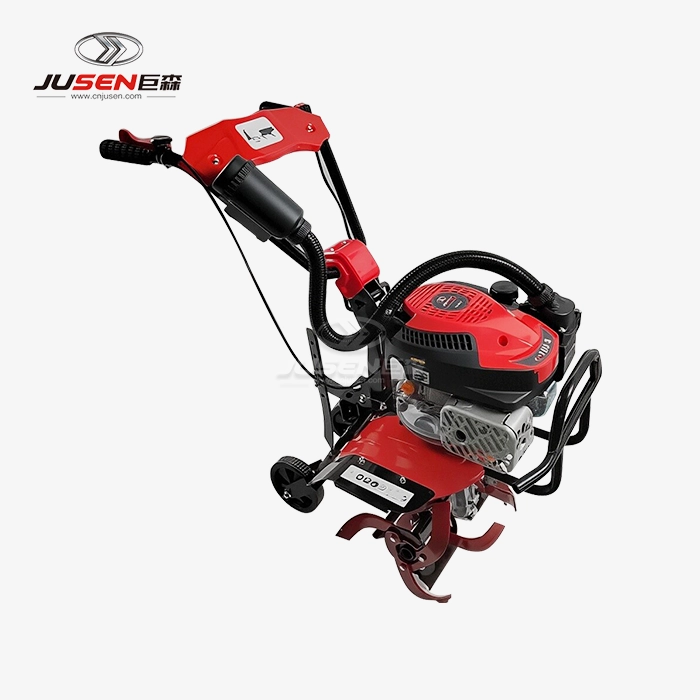 VIEW MORE4-Stroke Mini Tiller Cultivator
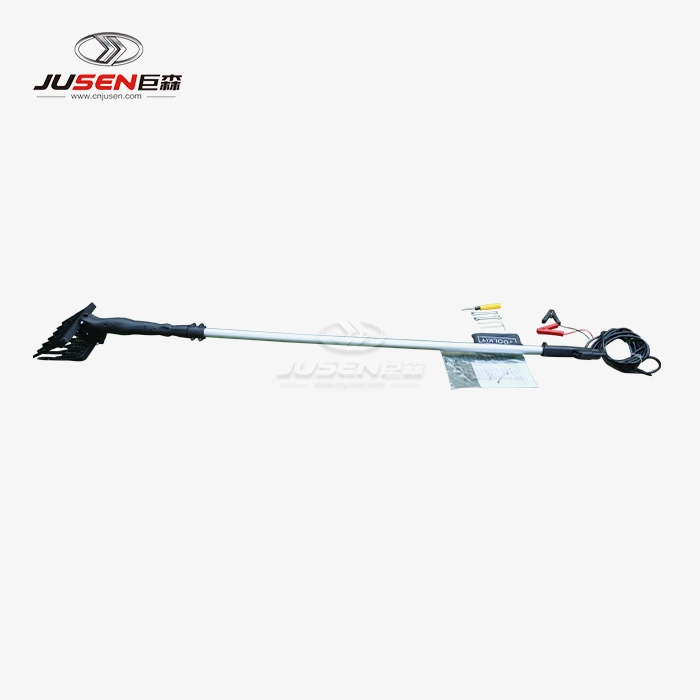 VIEW MOREHand Held Olive Harvester
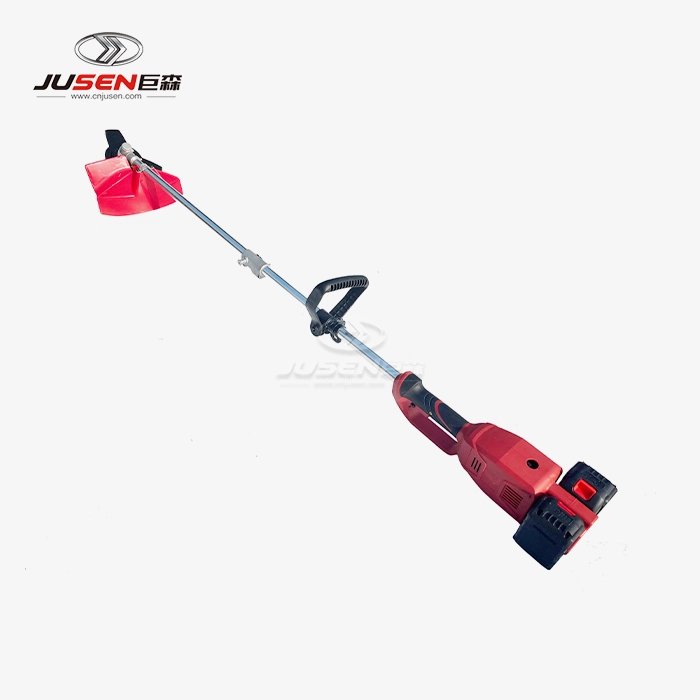 VIEW MOREMultifunctional Electric Brush Cutter
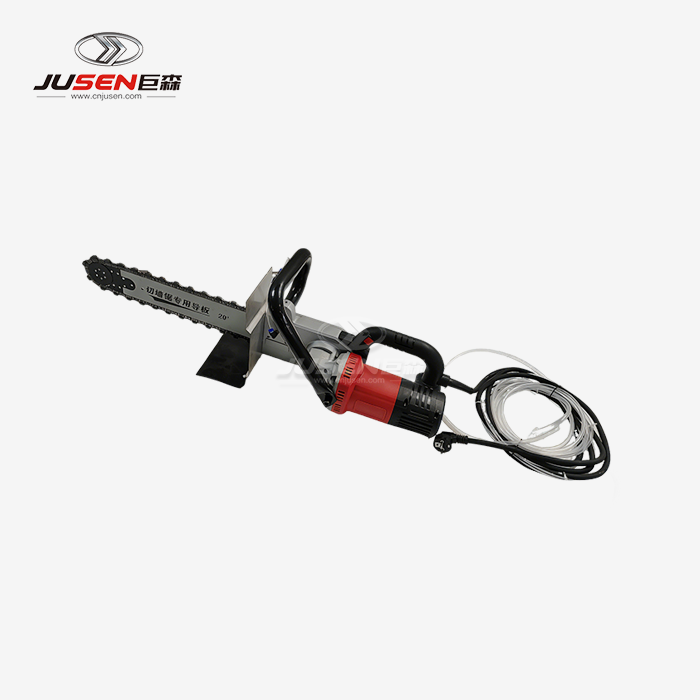 VIEW MOREHandheld Concrete Cutting Machine
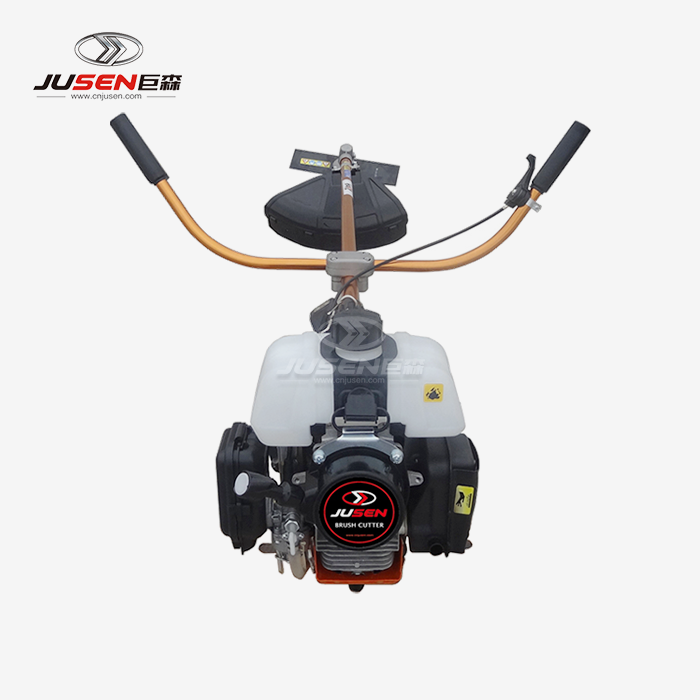 VIEW MORE42.7cc Garden Gasoline Brush Cutter
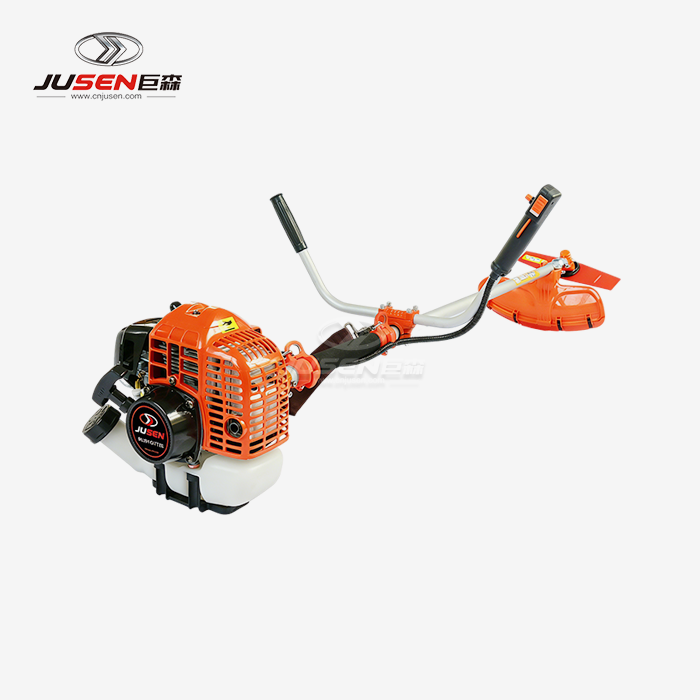 VIEW MORE41.5cc 2-Stroke Gasoline Brush Cutter
 VIEW MORE40.2cc Gas Weed Wacker
 VIEW MORE41.5cc Brush Cutter