



What Are the Benefits of an Underground Courtyard Safe Room Shelter?
Businesses and organisations that are thinking about investing in safety infrastructure need to ask themselves a very important question: how will they protect their employees, assets, and ability to keep running during security or disaster situations? Through specialised construction that combines structural strength with life-sustaining systems, an Underground courtyard safe room offers complete security. The four-layer protection structure of these prefabricated bunkers is made to resist nuclear fallout, harsh weather, and security risks while keeping the environment safe for long periods of time. This guide looks at the many benefits of these high-tech security systems and gives buyers useful information about how they are designed, built, and how much they will be worth in the long run.
Understanding Underground Courtyard Safe Rooms
What Defines a Subterranean Protection Facility
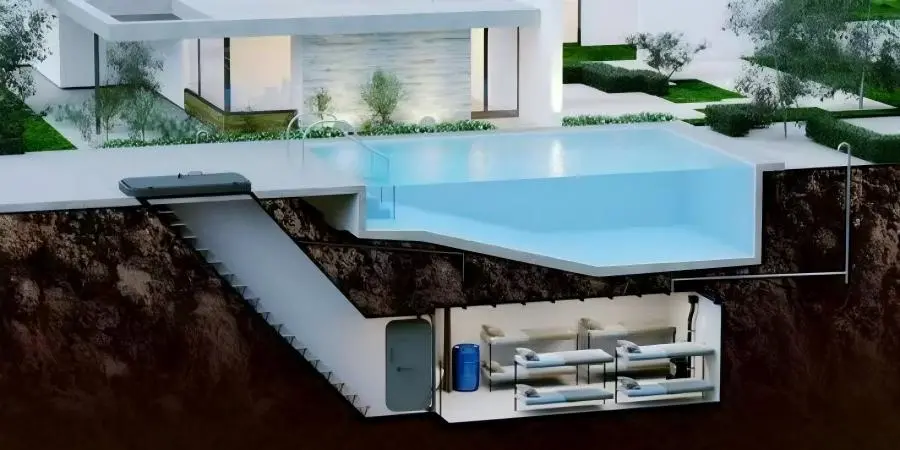
Below-ground security facilities are specialised buildings that are built into business, industrial, or public buildings. Unlike most basement conversions, these designed buildings are made up of separate modules that are put together on 100mm thick, high-strength steel frames. The building method uses 5mm layers of high-strength steel plates, professional drainage systems, and fire-resistant insulation to make the supports stronger and the walls warmer. This method, with many layers, protects against explosion forces, heat intrusion, water intrusion, and dangerous contaminants.
Core Purpose and Application Scenarios
These safety devices are being used more and more in factories, data centers, energy facilities, business campuses, and government buildings. The buildings have two purposes: they provide instant shelter during natural disasters like tornadoes, earthquakes, and harsh storms, and they also protect against planned threats like break-ins and explosions. Property managers at factories like these set up these setups because they keep important tools safe and keep the business running. They are used by data centers to protect the equipment that supports mission-critical operations because they know that downtime can cost more than $1,000 per minute.
Essential Safety Infrastructure Components
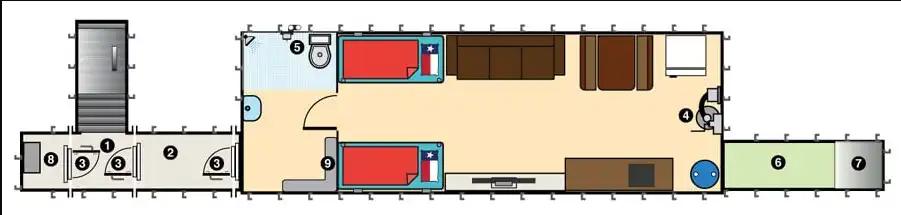
Modern underground bunkers have their own NBC filter systems that actively remove chemical, biological, and nuclear contaminants from the air that comes in. Fresh air venting systems keep the temperature and oxygen levels in check, and overpressure explosion-proof valves keep the pressure inside the building at a safe level when there is an outside blast. Blast-resistant doors can survive forces that are stronger than normal entry points, and decontamination rooms keep dirty materials from getting into living areas. When conditions on the surface get better, emergency exit systems with specific paths and ladders make it easy to get out quickly.
Core Benefits of Installing an Underground Courtyard Safe Room Shelter
Superior Protection Against Natural Disasters
By its very nature, an underground building, an underground courtyard safe room, is better than options that are above ground. During earthquakes, the nearby ground mass absorbs and spreads out the shaking, and the reinforced structure can withstand wind speeds of more than 250 mph, which is much faster than what is considered an EF5 tornado. Flood protection comes from sealing layers that are built in and smart drainage systems that keep water out even when whole surfaces are submerged. The four-layer hybrid safety structure, which is made up of a steel frame, protective plates, waterproofing, and heat barriers, offers more protection than most shelters.
When storm shelters are built underground, they are safe from projectiles that can damage buildings that are built above ground. During severe weather events, flying objects moving at very high speeds can destroy buildings on the ground. Positioning below ground completely gets rid of this weakness. During wildfires or industrial accidents, the fire-resistant layer slows down the entry of heat, giving people more time to find cover and eventually leave when conditions allow.
Enhanced Security and Access Control
A lot of installations are done because people are worried about privacy, especially on business sites and high-value private properties. Placement in a way that doesn't draw attention to itself in courtyards keeps the look nice while providing hidden defence. Controlled entrance points with video surveillance systems let security staff strictly control who comes in and out, making the building less vulnerable to break-ins. When safe rooms are obvious, they let potential enemies know where they are. But when courtyards are integrated, these facilities are hidden until they need to be used.
The buildings' blast protection is designed to work in situations other than natural disasters. Facilities that work with dangerous materials need filtration systems that keep people safe when the materials leak or equipment breaks down. Military and government buildings need to be safe from attacks that are planned, and the overpressure release valve device does a good job of reducing the effects of explosions and shockwaves. With these features, the technology goes beyond just protecting against bad weather and starts to protect against all kinds of threats.
Long-Term Cost Efficiency and Sustainability
Concerns about the initial investment often come up in procurement talks, but lifetime cost analysis shows that there are strong financial benefits. The earth's natural ability to control temperature means that heating and cooling costs are lower than for buildings on the surface. The ground mass keeps the temperature stable year-round, usually between 50°F and 60°F, which lowers the need for an HVAC system. Adding layers of insulation makes this effect stronger, making places that need very little energy to keep the temperature just right.
Return on investment is directly linked to durability. Steel and strengthened concrete construction doesn't break down easily as other building materials do. Maintenance needs are kept to a minimum when sealing and air systems work properly. With regular maintenance and part replacement, many systems can keep working for more than 50 years. Because they last so long, the starting costs are spread out over many years of use, and the cost of rebuilding damaged outdoor facilities after disasters is avoided.
Lowering your insurance premiums is another way to save money. Companies that insure homes that have approved storm shelters and emergency protection systems often offer lower rates because they see the property as having less risk. Business continuity benefits go beyond saving money on insurance. For example, keeping operations going during regional emergencies while rivals have to shut down for a long time gives you a competitive edge that protects your revenue in a way that is hard to measure but clearly useful.
Key Considerations in Underground Courtyard Safe Room Design and Construction
Materials Selection and Construction Methodology
Installations that work well Underground courtyard safe rooms, are built on high-quality steel and protected materials. To hold up under expected loads, high-strength steel frames need to meet certain tensile strength standards, which are usually higher than 50,000 PSI. When steel plate layers are being made, they are carefully checked for quality. Full-process quality tracking tools make sure that all production batches are the same. When chosen for these uses, waterproofing films must be able to stay flexible at high and low temperatures and forever attach to the materials they are attached to.
Construction goes through different stages, starting with digging up the spot and testing the dirt. Load-bearing capacity estimates are made for foundation work. These take into account both the structure's weight and the pressure of the earth around it. The building of the steel framework must follow exact engineering guidelines, and non-destructive testing methods must be used to check the soldered joints. When putting on a protective layer, you need to pay close attention to how the seams are sealed and how the membranes meet. NBC filtration equipment, ventilation pipes, and electrical systems must all be combined before the interior is finished during final assembly.
Customization for Operational Requirements
Each facility has its own set of practical needs and space limitations. We can build unique homes of any size, from small family homes that can fit four to six people to huge business buildings that can fit fifty or more people. Layouts can be changed to fit the needs of storing certain types of tools, medical supplies, food and water stores, and toilets. Depending on the length of time the space will be used and the client's tastes, interior finishes can range from basic to high-end domestic standards.
Smart control systems are a sign of a growing trend toward personalisation. Temperature, humidity, air quality, and system performance can all be tracked automatically by weather tracking that can be accessed from afar. Integration with current security systems lets control of the whole building be done from one place. Communication systems keep in touch with the company command offices and outside emergency services. With these technological improvements, simple shelters become high-tech command and control centers that help emergency responders work together.
Regulatory Compliance and Permitting
Commercial setups have to deal with complicated rules that change from place to place. When it comes to basement construction, building codes usually spell out the requirements for footing planning, egress standards, ventilation minimums, and electricity safety rules. Allowance times vary from 30 to 90 days, based on the size and complexity of the project and the workload of the local government. Hiring experienced workers who know the rules in your area speeds up the approval process and makes sure that rules are followed during building.
FEMA approval is a third-party endorsement of claims of disaster resistance. The ICC 500 and FEMA P-361 guidelines set the rules for checking storm shelters and measuring how well they work. Facilities that meet these requirements can get grants from programs that give money to businesses and schools in high-risk places. Engineering formulas, material certificates, and inspection reports are all examples of documents that must be kept. Professional project management is needed to keep track of all of these things so that they can be used for future audits and insurance claims.
Comparing Safe Room Options: Why Choose Underground Courtyard Safe Rooms?
Performance Advantages Over Alternative Designs
Above-ground bunkers and underground courtyard safe rooms are easier to get to, but they don't offer as much safety. Surface systems are still at risk of being hit by flying objects and getting too hot during flames. Even though basement renovations offer some safety, they often have problems with the structure because of the way the building was built and the ventilation. Putting panic rooms in homes or businesses is a great way to make them safer, but they don't have the natural safety needed for long stays during disasters.
Adding a courtyard gives you space benefits that you wouldn't get from other arrangements. Using open areas keeps operations running as smoothly as possible and makes the most of the room inside. Accessibility is still doable thanks to well-thought-out entry places that allow for quick movement of people in case of an emergency, while still keeping things safe during normal operations. This method strikes a good mix between a number of important factors, including safety, ease of entry, privacy, and the best use of space.
Energy Performance and Environmental Considerations
More and more, corporate environmental efforts affect investments in infrastructure. Building underground is good for the environment because it uses a lot less energy, and it passively controls temperature. Calculations of the carbon footprint show that they are less harmful than climate-controlled outdoor buildings that need to have HVAC systems running all the time. Longevity of materials cuts down on replacement rounds and the pollution that comes with them over the life of a building.
Space optimisation has environmental benefits that go beyond saving energy. Underground development keeps open areas available for useful use, which is helpful in densely populated cities and industrial parks with limited land. The aesthetic and practical value of courtyards is maintained while security equipment is hidden below. This two-use method makes the most of the property's usefulness without sacrificing safety or operating flexibility.
Procurement and Installation Strategies for B2B Clients
Selecting Qualified Manufacturers and Suppliers
Project success depends on how trustworthy the vendor is. When compared to wholesalers who rely on third-party fabrication, direct makers who do their own production have better quality control and faster delivery times. Signal engineering skills and a wide range of R&D powers are needed for complicated customisation. Experience working on projects in different countries shows that you can adapt to different regulatory settings and client needs in different markets.
Certifications and guarantees, an underground courtyard safe room is real way to lower danger. Certification for the ISO 9001 quality management system means that work methods are standardised. Material approvals list the grades of steel and the specs for each part. Manufacturers who offer structural guarantees that last between 10 and 20 years are sure that their products will last. Reliable sellers are different from transactional vendors because they offer after-sales service promises that cover upkeep, part replacement, and expert support throughout the operating lifecycle.
Cost Estimation and Financial Planning
A realistic price takes into account the size of the project, the level of customisation needed, the time needed to prepare the site, and any other systems that might be needed. Basic units for families start around $50,000 to $75,000, while business facilities that can fit bigger groups and have more advanced systems cost $200,000 to $500,000 or more. Site-specific factors, such as the type of soil, the level of groundwater, and any problems with entry, affect end prices by changing the amount of work needed for excavation and foundations.
When production schedules are flexible and can be changed based on order volume, procurement teams can plan installations that happen during longer building periods or times when the factory is closed. You can spread out your capital needs over several fiscal periods by leasing tools or getting a specialised business loan. Grant programs run by FEMA and state disaster management agencies help pay for projects that qualify, especially those that protect communities or build important infrastructure.
Installation Timelines and Maintenance Programs
Professional installation services speed up the project's finish and make sure the system is properly set up. Depending on how complicated the job is and how the weather affects excavation, the whole process usually takes between three and six months, from getting the permit to the final review. Turnkey approaches help clients by organising site preparation, structural installation, mechanical system integration, and internal finishing all through a single point of responsibility.
Maintenance methods keep the system reliable over many years of backup work. Once a year, inspections check the door locks, the performance of the filtration system, the operation of the air equipment, and the structure's strength. Schedules for replacing parts include things that run out, like filter media, and mechanical parts that need to be replaced. Professional maintenance contracts make sure that these works are done by qualified techs according to the manufacturer's instructions. This keeps the warranty valid and the equipment ready to use.
Conclusion
Underground courtyard safe rooms are strategic investments that offer full safety against natural disasters, security threats, and business interruptions. The four-layer hybrid protective structure includes steel frames, waterproofing systems, and NBC filtration technology. It makes strong shelters that can be occupied for long periods of time in harsh circumstances. Cost effectiveness comes from benefits like saving energy, lasting a long time, and keeping the business running that go beyond the original capital spending. Customisation lets different industries and applications meet their operational needs, and legal compliance and skilled installation make sure that the system works reliably. Businesses and groups that are looking at their disaster planning infrastructure should really think about these high-tech protection systems because they have been shown to work and will be valuable in the long run.
FAQ
1. How long does construction typically require from initial consultation to final installation?
Project schedules change depending on how complicated the customisation is and how the site is set up. Standard setups usually take between 90 and 180 days, which includes 30 to 60 days for permits, 14 to 30 days for site preparation and excavation, 30 to 45 days for building the structure, 14 to 21 days for integrating the mechanical systems, and 7 to 14 days for the final review. Timelines may be pushed back to 6 to 9 months for complicated projects that need a lot of customisation or have difficult site circumstances. Getting experienced makers involved early on in the planning process helps make plans that are realistic and fit the needs of the business and the budget.
2. What natural disasters do these facilities effectively protect against?
It has been proven that these installations protect against tornadoes (with winds exceeding EF5 levels), earthquakes (through seismic force dispersion), floods (through waterproofing and drainage systems), severe storms and hurricanes (with winds exceeding 250 mph), and wildfires (through thermal barriers and sealed construction). NBC filter devices protect against biological, chemical, and radiological threats. The multi-hazard design covers all the possible risks that businesses face, not just one type of threat. This gives companies full disaster preparedness tools.
3. What permitting requirements apply to commercial installations?
Most of the time, local building offices have to approve building licenses that deal with structural engineering, electrical systems, and plumbing. Environmental permits may be needed based on how much the site is being dug up and how the drainage system is designed. Verification of zoning compliance makes sure that an underground building doesn't break any rules about how the land can be used. FEMA licensing requires testing by a third party, which is optional, but it gives proof that you are eligible for insurance discounts and grants. Hiring workers who know what the local rules are makes it easier to follow the rules and ensures the job moves forward on time.
Partner with JUSEN: Your Trusted Underground Courtyard Safe Room Supplier
Your disaster planning infrastructure projects will be better because JUSEN has been making high-quality products for 20 years and has a track record of success. Our complete production system creates prefabricated underground shelters with strong four-layer protection, built-in NBC filters, and flexible layouts that can be changed to fit your exact operating needs. We have strict quality control from choosing the best steel to testing and final assembly, so you can be sure you'll have solid safety when you need it most.
Our engineering team works directly with your purchasing and building management staff to create custom plans that make the best use of space, follow all regulations, and stay within your budget. Our production schedules are open enough to fit your project timelines and order amounts, whether you need small installations for families or large business buildings.
Reach out to our technical specialists at Sales1@cnjusen.com to discuss your specific requirements and request detailed cost estimates. As an established Underground courtyard safe room manufacturer with international project experience, we provide comprehensive support spanning initial consultation through installation and ongoing maintenance. Discover how JUSEN transforms emergency preparedness challenges into strategic competitive advantages for your organization.
References
1. Federal Emergency Management Agency. "Safe Rooms for Tornadoes and Hurricanes: Guidance for Community and Residential Safe Rooms." FEMA P-361, Fourth Edition, 2021.
2. International Code Council. "ICC 500 Standard for the Design and Construction of Storm Shelters." International Code Council, 2020 Edition.
3. National Storm Shelter Association. "Guidelines for the Design, Construction, and Installation of Residential and Community Storm Shelters." NSSA Technical Bulletin, 2019.
4. American Concrete Institute. "Building Code Requirements for Structural Concrete and Commentary." ACI 318-19, 2019.
5. National Institute of Building Sciences. "Multi-Hazard Mitigation Council: Natural Hazard Mitigation Saves 2019 Report." Washington, DC, 2019.
6. U.S. Department of Homeland Security. "Protective Design Center Technical Resources: Blast-Resistant Design Standards for Critical Infrastructure." Science and Technology Directorate, 2018.

USER EVALUATE
Here is the customer's evaluation of us
 VIEW MOREAdjustable Electric Ring Saw
 VIEW MORESmall And Strong 21v Power Blower
 VIEW MORELong Reach Lithium-Ion Garden Shears 21v
 VIEW MOREMini Chain Saw Battery Powered
 VIEW MOREHandheld Concrete Cutting Machine
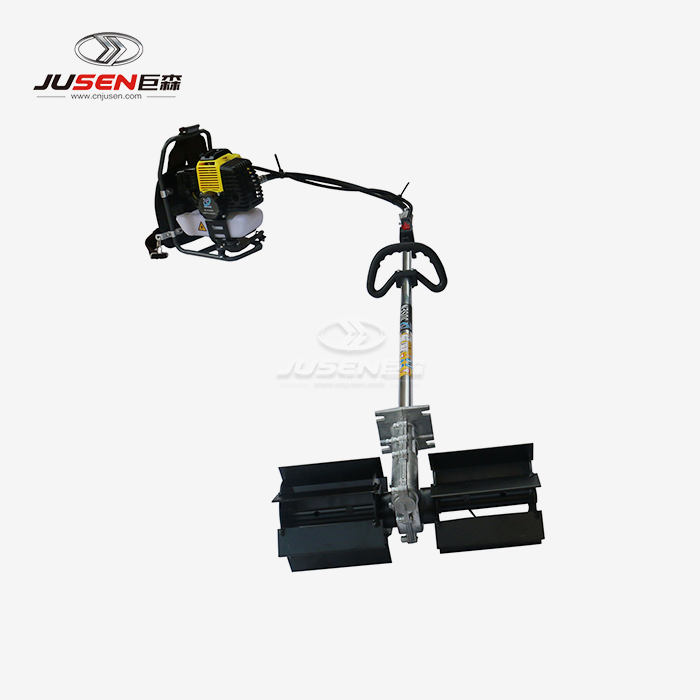 VIEW MORETrimmer Plus Brush Cutter
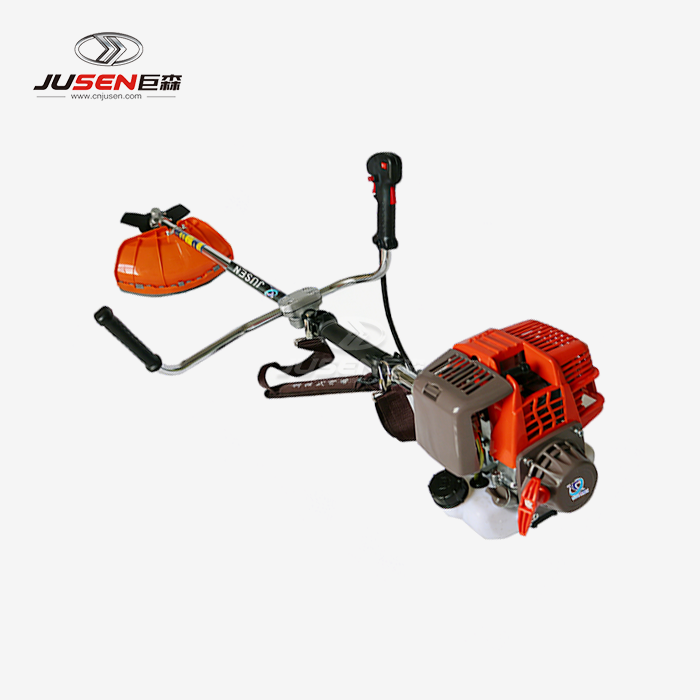 VIEW MORE31cc 4-Stroke Gas Brush Cutter
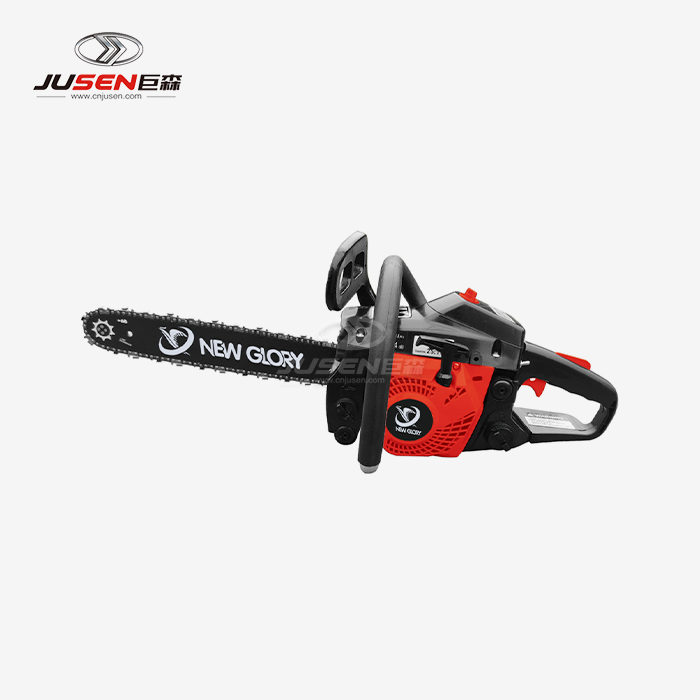 VIEW MORE40cc 2-Stroke Gasoline Chainsaw