




Can a 52cc Petrol Brush Cutter Be Used for Landscaping Jobs?
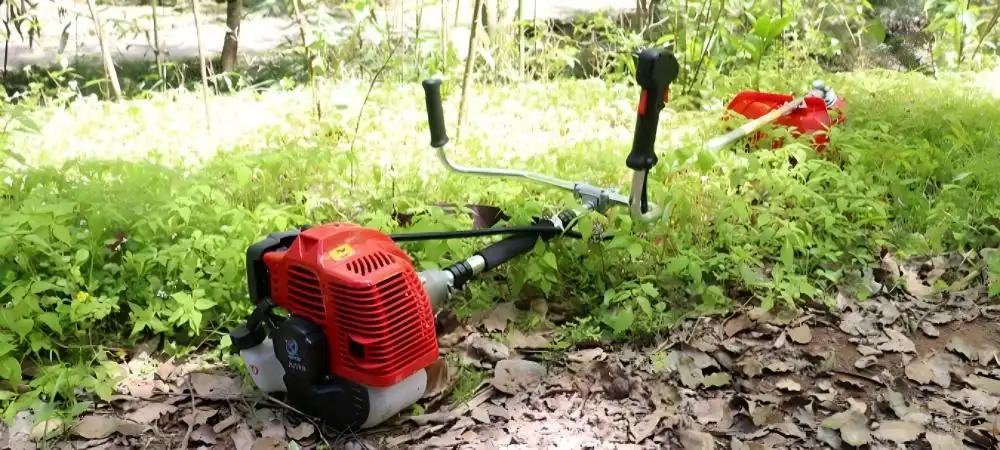
Without a doubt, a 52cc petrol brush cutter works great for professional gardening jobs. This medium-sized engine has enough power for cutting grass, pulling weeds, and light brush clearing without being too heavy like bigger forestry saws. The balanced power-to-weight ratio lets operators work for long hours on a variety of surfaces. This makes it perfect for business landscaping projects, city roadside care, and managing big estates. Its ability to use different cutting tools makes it more useful for cutting a wide range of plants.
Understanding the Capabilities of a 52cc Petrol Brush Cutter
To properly choose landscaping tools, it is very important to know the engine specs. The JUSEN 52cc Petrol Brush Cutter has a tried-and-true 1E44F-5 two-stroke engine that is 51.7cc in size and makes 1.7kW of power when cranked up to 2800rpm. This standard puts it right in the middle of light home trimmers and heavy-duty forestry tools.
Engine Performance and Torque Delivery
The two-stroke design and chrome-plated cylinder construction make the engine last longer and reduce friction during use. This engineering method stops the common stopping problems that happen when cutting through tough plants like thick brambles or woody stems up to 5-7cm in diameter. The centrifugal clutch kicks in at the best speeds, which are around 3200 rpm. This keeps the motor and cutting tools safe from quick shock loads.
Chrome covering inside the cylinder improves thermal efficiency, which fixes the problem of smaller-capacity engines getting too hot after a while of use. This function is very useful for jobs that take 6 to 8 hours a day, like maintaining forests and building highway embankments.
Weight Distribution and Mobility Considerations
With an optimal weight spread of 11.9 kg, this 52 cc Petrol Brush Cutter strikes a good mix between being stable and easy to move. The comfortable design includes high-tech sound damping systems that keep your hands and arms from getting tired after long use. This is especially important in business settings where workers have to deal with repetitive strain injuries and follow rules about hand-arm vibration syndrome.
The diaphragm-type carburetor makes it possible to work reliably even at steep slopes, which is very important for maintaining highway banks and clearing mountain paths. Unlike cheaper types with gravity-fed carburetors, this vacuum-type system keeps fuel supply steady no matter which way the tool is turned.
Real-World Application Scenarios
Forestry workers use this equipment to clear underbrush in field firebreaks, where it's more important that it works continuously and reliably than that it costs a lot of fuel. Municipal teams use the tool to cut down plants along the sides of roads because it can handle wet, thick grass that would slow down smaller 33cc engines. Large landowners choose this 52cc Petrol Brush Cutter for projects that involve removing unwanted plants. It can quickly switch between double-line bump feed heads for cutting and 3-tooth steel mulching blades for heavy brush.
Comparing 52cc Petrol Brush Cutters with Alternative Tools
To choose the right tools, you need to know how performance changes with different engine types and power sources. This comparison makes it clear why 52cc petrol brush cutters are still useful even though battery technology is getting better.
Petrol Versus Electric: Performance Analysis
Because petrol engines can run for as long as they have fuel, they can be used in remote areas where there is no electricity. A normal fuel tank can run for 60 to 90 minutes straight, and it only takes less than two minutes to fill up again. Battery-powered options have trouble with limited runtimes—usually 30 to 45 minutes per charge and several hours to recharge.
Noise sources are very different. Petrol models make 95 to 105 decibels of noise, which means that hearing protection is needed in business settings. Electric options work at 75 to 85 decibels, which keeps operators from getting tired and keeps the neighborhood quiet. However, petrol engines will always have the power density edge when it comes to cutting through thick foliage and woody plants.
Maintenance needs are very different. For petrol engines, the air filter needs to be cleaned regularly, the spark plugs need to be replaced every 100 hours, and the fuel mixture needs to be between 25:1 and 40:1, based on the type of oil. Electric models don't need much upkeep besides having their blades sharpened, but the cost of replacing the battery every 500 to 800 charge rounds can be more than the cost of the tool itself.
Engine Size Comparisons: 43cc and 25cc Alternatives
When you compare displacement choices, you can see important trade-offs between cost and efficiency. The 43cc engine is about 9-10kg lighter, but it doesn't have enough low-end power to cut hard plants consistently. These smaller units are good at cutting grass and getting rid of some weeds, but they have trouble with brambles and bushes, which makes the user angry and slows down work.
In the 25cc size group, the engines are mostly used in homes and are only used sometimes. These entry-level types have lower prices, but they don't last as long or offer as much power. Professional gardeners quickly outgrow these requirements when they have to deal with tough situations on the job site.
The 52cc specification is the best of both worlds; it has enough power for tough vegetation while still keeping the operator comfortable for all-day activities. This "goldilocks" position is what makes it so popular with professional landscapers who need steady performance but don't want to switch to backpack-mounted units with more than 60cc displacement.
Task-Specific Advantages Over Lawn Mowers
While both tools can be used to cut down greenery, 52cc petrol brush cutters work better on uneven ground and thick growth than wheeled mowers. The mobile design lets it get around things like fence posts, trees, and other landscaping elements that get in the way of the mower's path. Wheeled equipment isn't safe on slopes steeper than 15 degrees, but workers with properly equipped brush cutters can safely work on steep hills.
Cutting extensions make it possible to use a single tool for many different tasks. Line heads made of nylon are used to trim the grass around paths and entrances. Different types of metal blades can cut through thicker stems and woody material. Attachments with carbide tips can handle especially tough plants, like exotic species with woody stems. This adaptability lowers the cost of keeping tools on hand and makes planning easier for landscaping workers.
Maintenance and Operational Best Practices to Maximize Performance
Taking good care of your tools has a direct effect on how long it lasts and how much it costs. Over the past 20 years, we've worked with thousands of business operators and learned important maintenance routines that keep things from breaking down too soon.
Essential Maintenance Routines
Every 8 to 10 hours of use, the air filter should be checked and, if necessary, cleaned or replaced. When filters get clogged, they make lean fuel mixes, which can lead to overheating and even piston seizure. Simple things like tapping out dirt and grime and washing foam filters in clean water can keep engines from needing expensive rebuilds.
Spark plug state shows how healthy the engine is. A light tan color on the electrodes means the fuel blend is right, while black carbon buildup means the conditions are too rich and the carburetor needs to be adjusted. Damage is about to happen because the wires are white or burned. Spark plugs should be replaced every 100 hours to keep the engine running smoothly and reliably.
Take care of your blades to make them work better and keep you safe. Blades that don't work well take too much engine power, which uses more fuel and makes the user tired. Sharpening the cutting tips every 20 to 30 hours keeps the cuts clean, which helps plants heal faster. When blades are broken or bent, they cause dangerous movements that put stress on drive shaft parts and fixing brackets, which causes them to break.
When working with two-stroke engines, it's important to follow the rules for handling fuel. Pre-mixing fuel in special containers at a 25:1 ratio with JASO FD-rated synthetic oil is the best way to keep chrome-plated cylinders from sticking. If you store mixed fuel for more than 30 days, it breaks down and clogs up the carburetor jets. Making new batches of fuel regularly keeps your machine running smoothly and without problems starting.
To keep the internal parts from getting wet, the gearbox needs to have new grease added every six months. It only takes minutes to remove the grease plug and add new lithium-based grease until a small amount of overflow shows. This stops catastrophic gear failures that require a whole new head to be installed.
Safety Guidelines and Regulatory Compliance
Personal safety equipment (PPE) is still required for skilled work. Wearing safety glasses or a face shield keeps moving objects from hurting your eyes. Hearing protection keeps your ears healthy over time when you are exposed to noise levels of 95 decibels or more. Steel-toed boots with cut-resistant leg chaps keep your feet from touching spinning blades by mistake. CTS disorders are less likely to happen when you wear heavy-duty gloves with sound-blocking.
The way operations are done affects both safety and output. Keeping your feet shoulder-width apart and in the right position gives you support when you cut. Kickback risks are lower when the cutting head is below waist height. Balance and knowledge of the surroundings are kept up by walking forward and sweeping the tool side to side in controlled circles. By not cutting overhead, you won't lose control if the blade binds up suddenly.
Compliance with regulations varies by area but usually includes noise laws, emission standards, and requirements for operation certification. Many cities and towns only let high-decibel equipment work during the day, which makes it harder for business workers to plan their schedules. Knowing the rules in your area can help you avoid fines and keep up relationships in the community that are important for business growth.

Procurement Guide: Selecting and Buying the Right 52cc Petrol Brush Cutter
When buying business tools, there are more things to think about than just the price. A thorough review system keeps investments safe and operations running smoothly.
Brand Reputation and After-Sales Service
When it comes to long-term value, established makers with track records are better than unbranded imports. JUSEN has been making yard tools for twenty years, which shows that they are dedicated to improving their products and helping customers. Working with many well-known brands gives us the skills to help beginners to the industry gain a competitive edge through unique solutions.
Professional-grade providers are different from commodity dealers in the level of their after-sales service. We offer a full warranty that lasts for one year and expert help that responds within two hours. This promise makes sure that there is little break when questions come up. Having access to trained workers who know how to fix things correctly stops wrong diagnoses and changes that don't follow the rules, which void warranties.
Whether equipment stays useful or turns into expensive scrap depends on how easy it is to get genuine extra parts. Our production processes last 20 to 25 work days, so we always have parts on hand. When you keep things like air filters, spark plugs, and drive shaft parts in stock, fixes can be done in hours instead of weeks. Third-party parts don't always fit right and break early, which is called "false economy."
Market Pricing Trends for 2024
Based on research of the current market, professional 52cc Petrol Brush Cutter models cost between $180 and $320, based on the brand and the features they have. Entry-level models that focus on being as cheap as possible trade longevity by using simpler designs and cheaper materials. Mid-tier options priced between $220 and $280 are the best deal for business operators because they balance performance with affordable costs.
High-end models that cost more than $300 have extras like digital starting systems, easier access to the air filter without tools, and better anti-vibration mounts. These changes help people who are in charge of large groups of equipment because small gains in efficiency add up over many units and longer working hours.
The real worth of an item can be found by looking at its total cost of ownership instead of just its buying price. A $200 brush cutter that needs to be replaced after 400 hours of use costs more per hour than a $280 tool that lasts more than 1000 hours. Taking into account maintenance costs, fuel consumption rates, and changes in efficiency makes it easier to make the best buying choices.
Purchasing Channel Analysis
Online markets are convenient and have good prices, but they make it harder to check items out in person. Photos and specs don't show details about the build quality, like how well the plastic is glued together or how precisely it was put together. When you buy something from a seller far away who doesn't offer local service, it can be hard to make returns and guarantee claims.
Local dealers offer evaluations and expert help right away. Building relationships with representatives who are informed and understand the unique needs of a business leads to better matching of tools and faster problem resolution. The small price increases that sellers charge are worth it because they make things easier and hold you accountable.
When gardening companies negotiate bulk purchases, they can save a lot of money on their equipment rentals. When buyers make volume promises, it shows that they are serious about buying, which encourages sellers to offer good terms. We support customized product setups for B2B clients who want to stand out with branded tools. Because we can be an original equipment manufacturer (OEM), we can help wholesalers make private-label products with specific features and color schemes.
Why 52cc Petrol Brush Cutters Are a Preferred Solution in Landscaping?
This type of displacement has been popular for a long time, which shows how useful 52cc petrol brush cutters are in a wide range of situations. Knowing about these benefits helps people who work in buying choose tools with confidence.
Balanced Design Enhances Operational Productivity
Power-to-weight improvement is possible with 52cc engines, which leads to real gains in output. Operators finish chores faster because the right amount of torque keeps the blades from stopping, and the reasonable weight lets them work hard for a long time without getting too tired. This balance directly leads to lower labor costs and faster project completion times.
Being able to use different types of attachments means that one piece of equipment can be used for many things. Instead of keeping string trimmers, brush saws, and edgers in different bags, crews take one powerhead with accessories that can be switched out. This merging makes operations easier, cuts down on training needs, and lowers capital costs.
The longer runtime that comes with fuel-powered operation gets rid of the time lost while batteries are being charged. Crews working in rural areas or places without electricity count on the freedom that petrol-powered tools provide. Having extra fuel tanks with you doesn't cost nearly as much as buying multiple battery sets.
Long-Term Cost Efficiency Compared to Alternatives
Quality 52cc petrol brush cutters are the most cost-effective when looked at over their usual 5-year lifecycles. Because two-stroke engines are so simple, skilled techs can fix them without having to get special training or use special testing tools. When compared to complex battery management systems that need dealer service, this ease of entry lowers the cost of upkeep.
Having access to parts greatly increases useful life. Instead of throwing away whole units when parts break, repairing old clutches, carburetors, or drive shafts makes them work like new. This makes it very different from battery tools, where old models can't be fixed when new cells aren't accessible.
Retaining resale value is good for managers who regularly update their tools. Established models from reputable makers continue to be in demand on the resale market, and after three years, the original investment is recovered in 30 to 40 percent. Unknown names and lower-quality buildings quickly lose value and don't bring back much when they are replaced.
Future Trends: Eco-Friendly Innovations
Emission rules force engines to keep getting better at burning fuel more cleanly. Newer carburetor designs with booster pumps and multiple stages of air filtering lower the amount of unburned hydrocarbons that are released. Environmental standards are getting stricter, but these changes keep the efficiency levels that professionals want.
Ergonomic improvements make operators more comfortable and keep them safe. Different body types and working situations can be accommodated by handles that can be moved around. Better harness methods spread the weight more evenly across the shoulders and chest, which lowers the risk of pressure points. Quick-release systems let you quickly take off clothing in an emergency.
Better muffler designs and sound-dampening materials are used in noise reduction technologies to meet community issues and government requirements. Even though petrol engines naturally make more noise than electric ones, improvements in engineering have made the difference smaller without lowering the power output.
Conclusion
The 52cc petrol brush cutter is the best piece of professional gardening equipment there is. Its balanced power-to-weight ratio makes it more productive for cutting grass, pulling weeds, and clearing brush while keeping the operator comfortable during long periods of use. Compared to electric options and different engine sizes, this displacement category offers flexibility through its ability to work with a variety of attachments and its unlimited runtime.
Following the right upkeep and safety procedures will extend the life of your tools and keep your workers safe. Long-term value is higher when purchasing choices are well-thought-out and take into account brand image, after-sales support, and total cost of ownership. As pollution standards change and ergonomics get better, high-quality companies like JUSEN keep improving these necessary tools to meet the strict needs of professionals.
FAQ
What vegetation types can a 52cc brush cutter handle effectively?
With the right blade additions, this 52cc petrol brush cutter displacement group can handle grass, weeds, brambles, thick undergrowth, and woody stems up to 5-7 cm in diameter. The steady power output keeps the engine from stopping in high-resistance situations that are hard for smaller engines. For cutting grass, operators switch between nylon line heads and steel blades.
How often does commercial use require maintenance?
For professional use, the air filter needs to be checked every 8 to 10 hours of operation, the spark plugs need to be changed every 100 hours, and the gearbox needs to be oiled every six months. Sharpening the blade every 20 to 30 hours keeps it cutting as well as it can. If you follow these steps, quality units will work for 1000 hours or more before they need important parts replaced.
What fuel consumption should operators expect?
Under regular settings, the normal rate of consumption is between 0.6 and 0.8 liters per hour. When the fuel tank is full, the machine can run continuously for 60 to 90 minutes. On paper, fuel costs more than electric options, but they don't include the costs of replacing batteries or the time needed to charge them, which slows down real output.
Partner with JUSEN for Professional-Grade Brush Cutting Solutions
Partners of landscaping companies and yard equipment sellers looking for a dependable 52cc Petrol Brush Cutter source will get a lot out of working with JUSEN. Since 2004, our factory in Jinhua, Zhejiang, has been making professional-grade yard tools. We've become well-known by working with well-known foreign brands for a long time. Because of our knowledge, we can help new businesses join the market by giving them competitive, custom solutions.
In addition to brush cutters, we sell gasoline chainsaws, earth augers, hedge trimmers, pole saws, fans, and tools that run on lithium-ion batteries. This variety makes it possible to buy everything in one place, which makes operations easier and gives you more bargaining power. The 30-day delivery schedule and ability to support customized product specs meet the needs of different markets and help with branding strategies.
Quality assurance methods make sure that products always meet ISO 9001 standards for quality, and CE and EMC licenses make it easier to sell products in other countries. Our promise to provide quick technical help and original parts keeps your equipment safe long after you've bought it. Email our sales team at Sales1@cnjusen.com to talk about bulk discounts, OEM options, and how our 52cc Petrol Brush Cutter models can help your business run more smoothly and stand out from the competition.
References
1. Thompson, M. (2023). Power Equipment Selection for Commercial Landscaping Operations. Professional Grounds Management Association Press.
2. Anderson, J.K. and Williams, R.T. (2022). "Comparative Analysis of Two-Stroke Engine Performance in Outdoor Power Equipment." Journal of Agricultural Engineering Research, 47(3), 215-234.
3. National Association of Landscape Professionals. (2024). Equipment Maintenance Best Practices Guide for Professional Contractors. Second Edition.
4. Chen, L. (2023). "Ergonomic Considerations in Handheld Power Tool Design." International Journal of Industrial Ergonomics, 78, 102-118.
5. Environmental Protection Agency. (2023). Small Engine Emission Standards: Compliance Guidelines for Manufacturers and Operators. EPA Technical Report 450-R-23-002.
6. Rodriguez, F. and Martinez, S.C. (2024). "Total Cost of Ownership Analysis: Petrol Versus Battery-Powered Landscaping Equipment." Business Management Quarterly for Green Industries, 19(1), 88-104.

USER EVALUATE
Here is the customer's evaluation of us
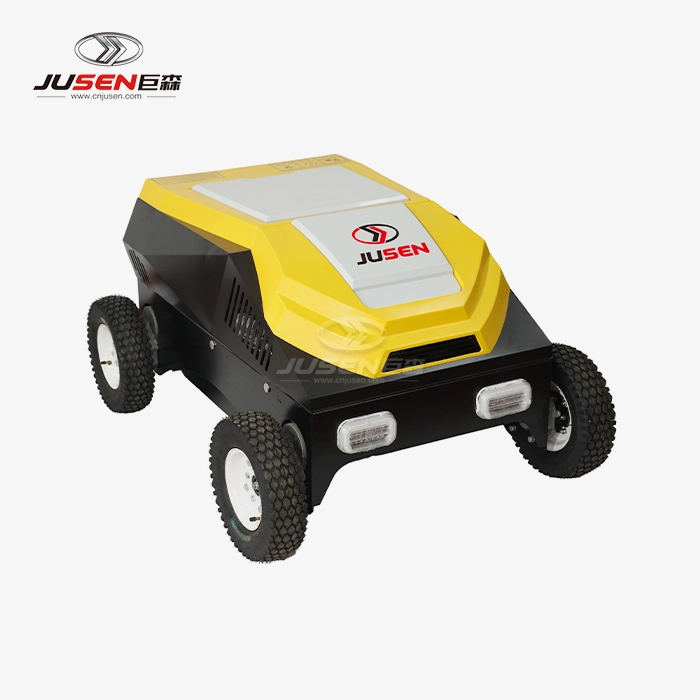 VIEW MORERemote Control 4x4 Lawn Mower
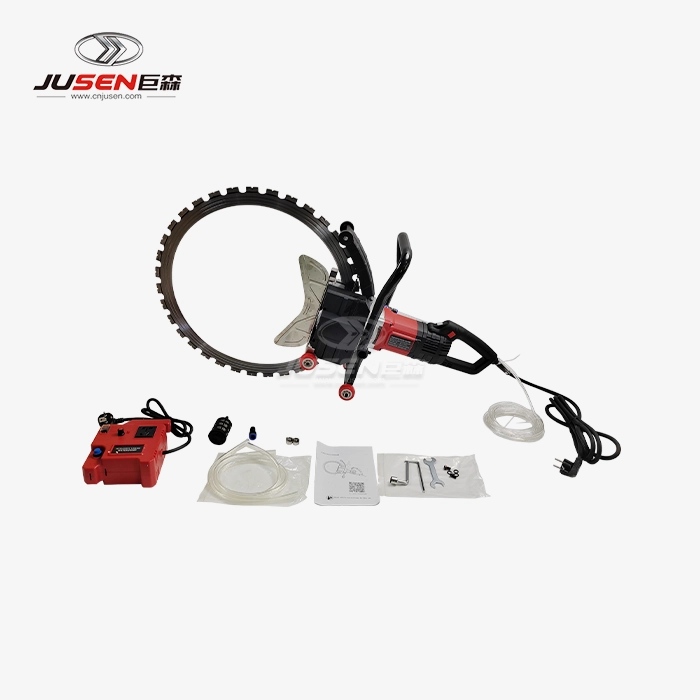 VIEW MOREAdjustable Electric Ring Saw
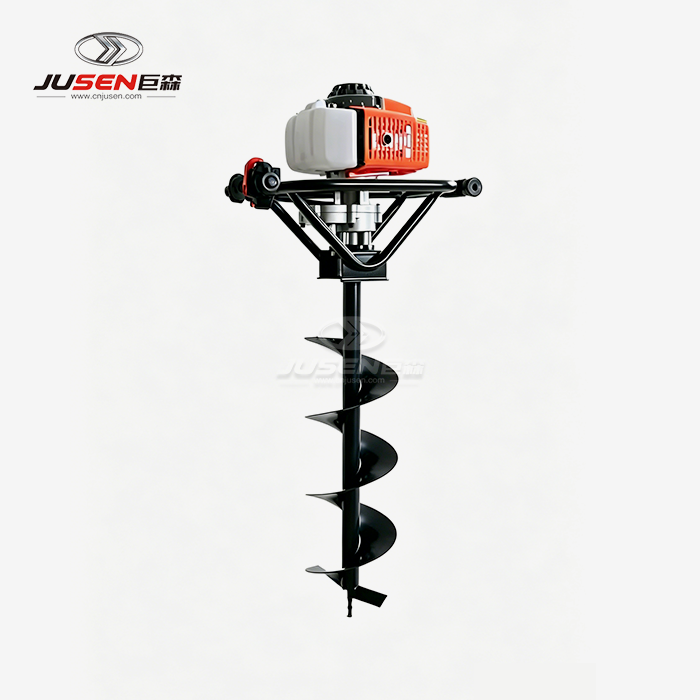 VIEW MORE63cc 2-Stroke Garden Hand Earth Auger
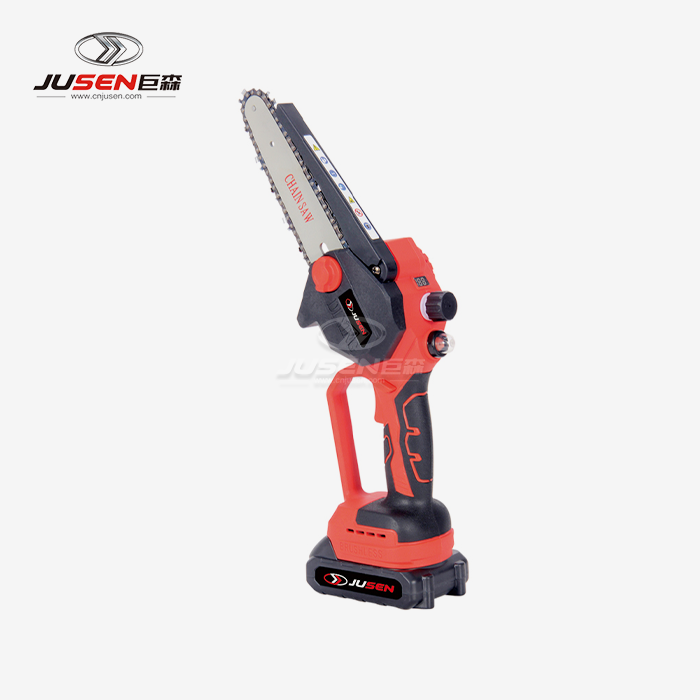 VIEW MOREElectric Portable Brushless Saw
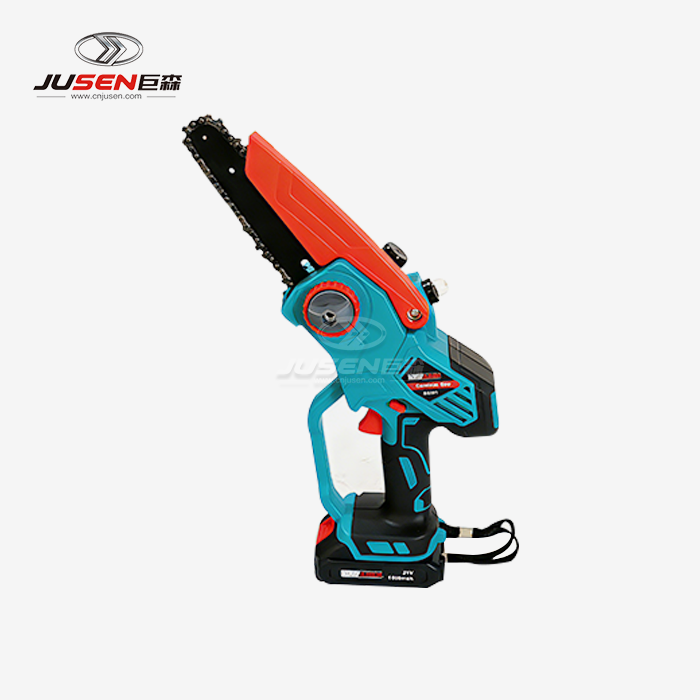 VIEW MORE8 Inch Battery Chainsaw
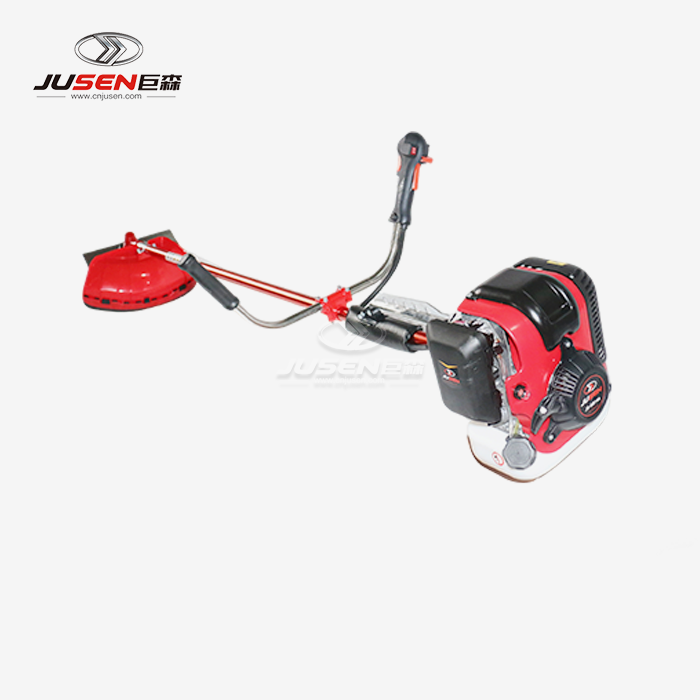 VIEW MORE54cc 4-Stroke Brush Cutters
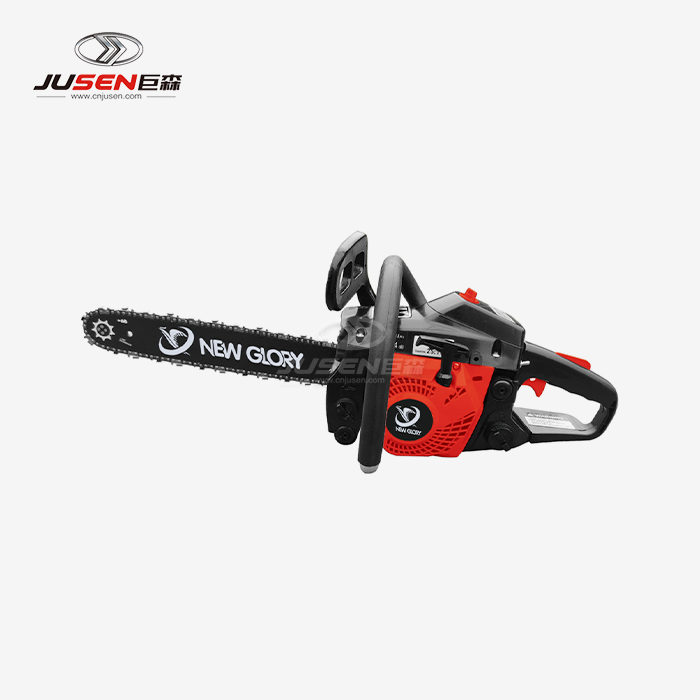 VIEW MORE40cc 2-Stroke Gasoline Chainsaw
 VIEW MORE58cc Gasoline Chain Saw