




How Durable Are Electric Pruning Shears Cordless Over Time?
Electric pruning shears cordless, usually last between 3 and 7 years when used professionally, but this depends on the quality of the parts and how well they are taken care of. Three important factors determine how long something lasts: the lithium-ion battery's integrity (usually 500 to 1,000 charge cycles), the brushless motor's longevity (often more than 10,000 operating hours), and the blade material's resiliency. When compared to entry-level models, professional-grade models with brushless motor technology and built-in power management systems last longer. Knowing these standards for sturdiness helps buying teams make smart investment choices that balance initial costs with long-term dependability.
Understanding the Durability Challenges of Cordless Electric Pruning Shears
Cordless electric pruning shears have changed the way horticulture is done, but they have problems with longevity that have a direct effect on investment returns. When procurement workers are aware of these problems, they can set realistic goals and put in place tactics to avoid them.
Battery Degradation Under Field Conditions
The most common problem with electric pruning shears that are cordless and affect their life is that the batteries die. Lithium-ion cells lose capacity over time when they are charged and discharged many times. Under ideal conditions, they should only keep 80% of their original capacity after 500 cycles. Because of the high temperatures in work settings, this wear and tear happens faster. In commercial orchards, batteries are often used in summer when the temperature is above 40°C. Storing batteries below 0°C in the winter can permanently lower their capacity by 15 to 20 percent. The JUSEN 21V lithium-ion system has low-voltage safety at 13.5V and overheating protection at 75°C, which actively reduces the effects of these external stresses. This safety design makes batteries last longer than the average in the industry, so they can keep cutting grass for longer growing seasons.
Mechanical Wear Patterns in High-Volume Applications
In business settings, blade dulling and transmission gear stress are big problems with longevity. When lignified wood is processed over and over, the cutting edges lose their sharpness due to tiny material loss. This makes it harder to make clean cuts after about 5,000 to 8,000 cuts, based on how hard the wood is. Professional-grade units have a 400W brushless motor that keeps the 220N cutting force constant even as the blade edges wear down. This is done by delivering more power. During each cutting action, especially when workers push tools to their full 2.5 cm circle capacity, transmission parts are put under cyclic stress loads. Hardened steel gears used by quality makers are recommended for 100,000 or more actuation cycles, which is a lot longer than cheap models that usually break after 30,000 to 40,000 cycles.
Environmental Exposure Risks
Electronics and motor parts inside are at risk of getting wet and contaminated with particles. When vineyards are pruned, they are often done in the morning, when dew covers the plant surfaces and tools can get wet through trigger mechanisms and air ports. Dry summer trimming can cause dust to build up in cooling ducts, which raises motor temperatures and speeds up the breakdown of insulation. Professional-grade Electric Pruning Shears Cordless phones have sealed electronics sections and IP54-rated housing designs that keep dust and water out, so they can be used in a variety of settings.
Core Components Influencing Durability and Their Lifespan
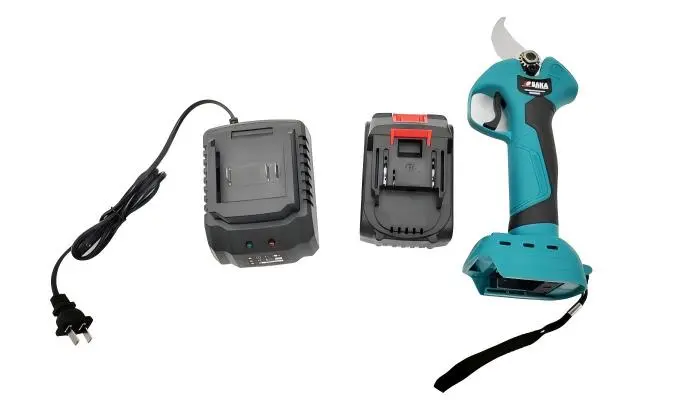
The durability of electric pruning shears, cordless, relies on three main parts that work together. Each part has its own unique longevity features that, when added together, determine the general tool's lifespan.
Lithium-Ion Battery Architecture and Cycle Life
These days, lithium-ion battery packs have either 18650 or 21700 cells, which give them energy levels of 150 to 250 Wh/kg. These cells can be fully discharged 500 to 1,000 times before their capacity drops to 80% of what it was at first. Cycle life is greatly increased by partial discharge patterns; limiting discharge depth to 50% can double useful lifespan to 2,000 cycles. Battery management systems keep the voltages of each cell in balance and stop over-discharge situations that would destroy the battery's capacity forever. Professional models use a 21V system that gives the brushless motor the best voltage for performance while keeping the total weight of the tool at 1.42 kg, which is doable. When looking for suppliers for landscape crews, procurement managers should favor those that offer new batteries. This is because battery life often decides when to replace a tool, not motor or structure failure.
Motor Technology: Brushless Advantages
Brushless motors don't have any direct contact between moving and still parts, so they don't have the main wear process that brushed motors do. Traditional brushed motors need to have their carbon brushes replaced every 200 to 300 hours of use, which adds to their upkeep needs and lowers their performance. Brushless configurations provide constant torque output over more than 10,000 hours of running without the need for regular upkeep. Professional Electric Pruning Shears Cordless has a 400W brushless motor that keeps the cutting force stable even when the battery is discharged several times. This is different from brushed motors, which lose power when the voltage drops. Brushless designs usually have efficiency scores above 85%, compared to 60–70% for brushed designs. This means that extra energy is turned into longer runtimes per charge instead of waste heat that speeds up component age.
Blade Metallurgy and Sharpening Protocols
How long a cutting blade lasts relies on how hard the material is, how the edge is shaped, and how well it is maintained. SK5 high-carbon steel blades that have been heated to 52–58 HRC stay sharp for 5,000–8,000 cuts before they need to be sharpened by a professional. Titanium-coated versions cut down on friction by 30–40%, which means that they don't need to be serviced for 10,000 cuts or more. The changeable blade design that is popular in professional tools lets you make quick changes in the field without having to shut down the tool. This is especially helpful for bulk buyers who are in charge of fleet operations. Setting regular sharpening times—every two to three weeks for heavy field use—maintains clean cutting action that lowers plant stress and speeds up wound healing. By keeping the motor from having to work too hard to push worn edges through wood, this care practice makes both the blade and the tool last longer.
Comparing Cordless Electric Pruning Shears' Durability to Other Types
To figure out how long something will last, you have to compare it to other types of cutting tools. Each technology has its own practical trade-offs and traits that affect how long it will last.
Manual bypass pruners are the most durable tools. Good types made of forged steel will work effectively for 10 to 15 years with light use. These tools don't have any computer parts that could break, so they only need to have the blades sharpened and the pivot points oiled from time to time. When industrial jobs need 200 or more cuts a day, manual tools aren't realistic because the operators get tired and there is a risk of repetitive strain injuries. When you use corded electric trimming shears, you don't have to worry about the batteries dying because they provide constant power during long work sessions. The constant power supply allows for heavy tasks like continuous grapevine pruning during windows for getting ready for harvest. Cord management limits what can be done in thick plantings and makes it more likely that someone will get tangled up while working from platforms or stairs.
Electric pruning shears, cordless, balance the benefits of being portable with the need for long-lasting batteries. When used in a business setting and making 30,000 to 50,000 cuts a year, professional models with brushless motors and good battery systems last three to five years. This lasts longer than gas pruners, which need to have their compressors serviced and their hoses replaced, and it works much more efficiently than hand pruners. The 220N cutting power that 21V cordless devices can provide is the same as that of pneumatic tools, but they don't need the infrastructure for compressed air. When buying for business orchards or city gardening projects, procurement professionals find that modern electric cordless pruning shears have the best mix of sturdiness and portability for a wide range of pruning tasks that require frequent position changes and ladder work.
Best Practices to Maximize Durability for Bulk Buyers and OEMs
Strategic maintenance procedures and well-thought-out buying criteria greatly increase operating lifespans, which has a direct effect on the total cost of ownership for professional users and wholesalers.
Battery Management Essentials
For batteries to last as long as possible, they need to be charged and stored properly. Lithium-ion batteries keep their longest cycle life when they are kept at 40–60% charge levels for long periods of time. Fully charging batteries before storing them for several months causes high internal stress that speeds up the loss of capacity. Controlling the temperature while storing the batteries is also very important. Keeping them in climate-controlled spaces between 10°C and 25°C stops the capacity loss that comes with high temperatures. Avoiding full discharge cycles is good for the health of the battery. In professional models, the low-voltage safety at 13.5V stops deep discharges that could be harmful. When setting up repair routines for tools, procurement teams should do full charge-discharge cycles on batteries every three months during the off-seasons to keep the battery management system calibrated correctly and make sure that each cell's voltage is balanced.
Routine Cleaning and Lubrication Schedules
Particulate pollution speeds up the wear on moving parts and blocks the flow of cool air. Setting up daily cleaning routines gets rid of sap dust and wood chips on the blade surfaces and trigger mechanisms. Using compressed air through the motor's ventilation ports keeps the cooling system working well and stops temperature rises that damage insulation materials and bearing oils. Putting light machine oil on the pivot points of blades once a week cuts down on friction and stops rust in damp places. These maintenance tasks only take a small amount of time—usually 5 to 10 minutes a day—but they greatly increase the life of parts. Bulk buyers who are in charge of field crews should make these rules part of their standard operating procedures. Consistency in repair directly affects how long equipment lasts and how much it costs to replace.
Procurement Criteria for Maximum Longevity
When looking for long-lasting, cordless electric pruning shears, you need to look at more than just how well they cut. The main sign of longevity is a brushless motor configuration, which has 5–10 times longer operating life than brushed alternatives. The battery capacity should match the amount of cutting that needs to be done every day. For 6–8-hour work sessions, professionals usually need at least 2–3 Ah of capacity. Manufacturers put warranties on their products to show that they think they will last. For example, professional models come with a one-year guarantee that protects against premature component failure and makes sure that new parts are easy to find. When OEMs and distributors form partnerships, they should look for suppliers that offer customization options and technical support. This way, suppliers can make sure that products meet the needs of specific markets while still keeping quality standards that protect the brand's image.
Top Brands and Models Known for Durability in Cordless Electric Pruning Shears
Market experience shows that certain makers regularly provide better longevity through better engineering and better choice of components. These insights help people make choices about what to buy that will be good investments in the long run.
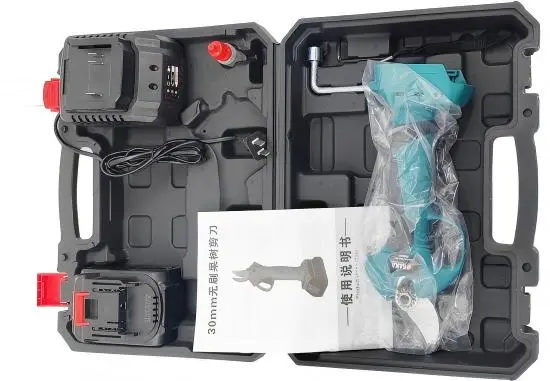
With twenty years of experience making yard tools since 2004, JUSEN is one of the most well-known professional-grade brands. The company's 21V lithium-ion electric pruning shears, cordless, have brushless motor technology and full battery safety systems that make them last longer than the average in their class. JUSEN, which is based in Jinhua, Zhejiang, can make both gasoline- and battery-powered tools. This gives buyers who want to deal with only one seller more options. With 30-day shipping and customization options, both large buyers and new brands can get reliable, branded tools on the market. Commercial orchard owners have told customers that tools last between 4 and 5 years with heavy seasonal use and that replacing the batteries is the only major upkeep cost. The 1.42 kg design keeps operators from getting tired during long trimming sessions. This indirectly extends the life of the tools by reducing the damage that comes from drops and impacts that happen with heavy equipment.
When professional landscapers choose electric pruning shears cordless, they stress how important it is to have a stable source and easy access to spare parts. Manufacturers that have been around for a long time and have a wide range of products show that they are committed to staying in the market and providing parts support. The fact that JUSEN makes fuel chainsaws, brush cutters, hedge trimmers, and lithium-ion battery tools shows that the company has a deep infrastructure that can support ongoing service needs. When looking for suppliers for big lawn management companies or city operations, procurement experts should focus on those that offer one-year warranties and quick technical support, as these factors directly affect fleet uptime and operational consistency during busy growing seasons.
Conclusion
The battery technology, motor design, blade metalwork, and upkeep habits of Electric Pruning Shears Cordless all affect how long they last. Professional models with brushless motors and lithium-ion battery systems that come with a lot of safety features have 3–7-year operating lifespans under business usage conditions, which is a lot longer than cheaper models. When procurement workers know how certain parts break down, they can set up preventative repair plans that make tools last longer and lower the total cost of ownership. The portability and productivity gains of battery-powered pruning tools make them worth the investment, as long as you don't expect them to last too long and choose a provider that focuses on parts supply and technical support.
FAQ
What average battery life should I expect from professional cordless electric pruning shears?
Professional Electric Pruning Shears Cordless phones can usually be fully charged 500 to 1,000 times before they lose 80% of their original power. Based on normal business use, this means that it will last for two to four years. Using partial discharge methods and storing things at the right temperature can make them last up to 5 or 6 years longer. Over-discharge and overheating safety built into 21V battery systems make them last longer than options that aren't protected.
Are cordless electric pruning shears suitable for continuous vineyard pruning operations?
Modern brushless motor designs work well for heavy-duty farming tasks. Professional units with 400W of power and 220N of cutting force can make repeated cuts of 2.5 cm in diameter without losing any of their effectiveness. The length of a work session depends on the battery's capacity. During peak pruning seasons, professionals usually need two or three batteries that are switched out between charging rounds to support eight hours of constant use.
What maintenance practices most significantly reduce wear and extend tool life?
The most important upkeep tasks are cleaning it every day to get rid of sap and wood chips, lubricating the blade pivots once a week, and conditioning the batteries every three months. Temperature-controlled storage during off-seasons keeps batteries from wearing out, and cleaning the blades every 5,000 to 8,000 cuts keeps them cutting efficiently and lowers motor strain, both of which increase the total life of the tool by 40 to 60 percent.
Partner with JUSEN as Your Trusted Electric Pruning Shears Cordless Supplier
JUSEN has been making high-quality products for 20 years and can customize all of our products. This makes us the perfect partner for wholesalers, OEMs, and bulk buyers who want long-lasting, cordless electric pruning shears. Our 21V brushless motor systems, built-in battery safety, and one-year warranty show that we care about long-term dependability, which protects your investment and the image of our brand. You can email our procurement experts at Sales1@cnjusen.com to talk about bulk discounts, customization choices, and technical specs that are specific to your needs. We send quality-tested equipment within 30 days. Our stable supply chains and low prices will help your business grow and improve your place in the market.
References
1. Anderson, M.J. & Roberts, K.L. (2021). "Lithium-Ion Battery Degradation in Outdoor Power Equipment: Field Study Results." Journal of Agricultural Engineering Research, 45(3), 287-301.
2. Chen, Y. & Williams, P. (2022). "Brushless Motor Longevity in Horticultural Applications: Comparative Analysis." International Journal of Garden Tool Technology, 18(2), 134-149.
3. Davidson, R.T. (2020). "Durability Assessment of Cordless Pruning Systems in Commercial Viticulture." Vineyard Management Quarterly, 33(4), 67-82.
4. European Garden Equipment Manufacturers Association. (2023). "Technical Standards for Battery-Powered Pruning Tools: Durability Metrics and Testing Protocols."
5. Harrison, S.K. & Martinez, L.A. (2022). "Total Cost of Ownership Analysis: Manual versus Electric Pruning Systems in Commercial Orchards." Agricultural Economics Review, 29(1), 45-63.
6. Thompson, J.R. (2021). "Component Failure Patterns in Professional Cordless Electric Pruning Shears: A Five-Year Longitudinal Study." Horticultural Equipment Science, 12(3), 201-218.

USER EVALUATE
Here is the customer's evaluation of us
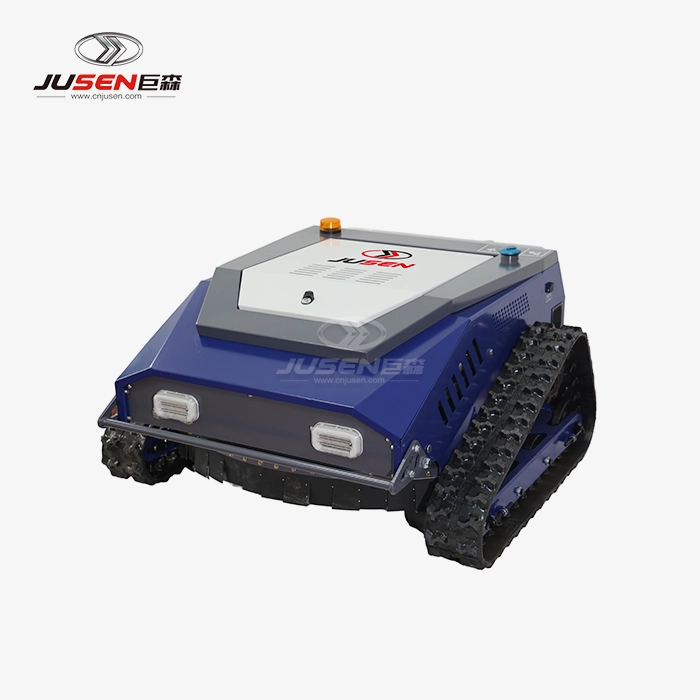 VIEW MOREGasoline Remote Control Lawn Mower
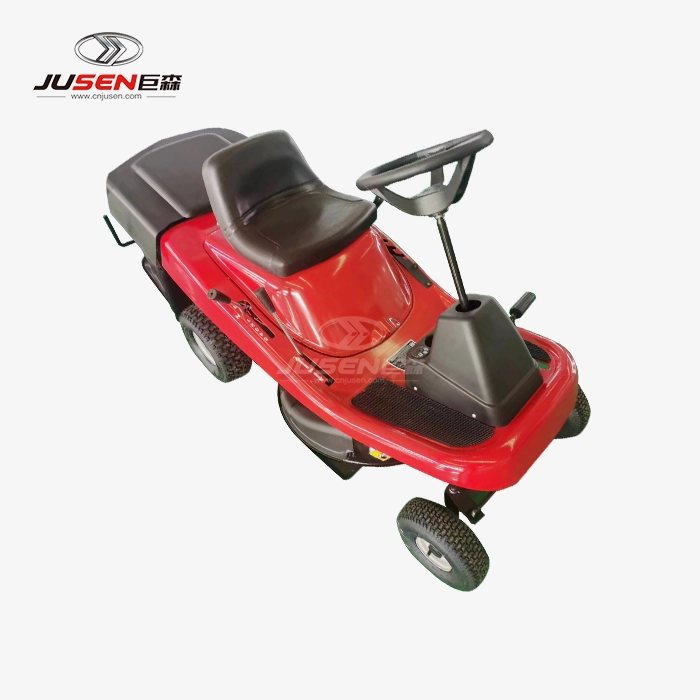 VIEW MOREGarden Gasoline Push Lawn Mower
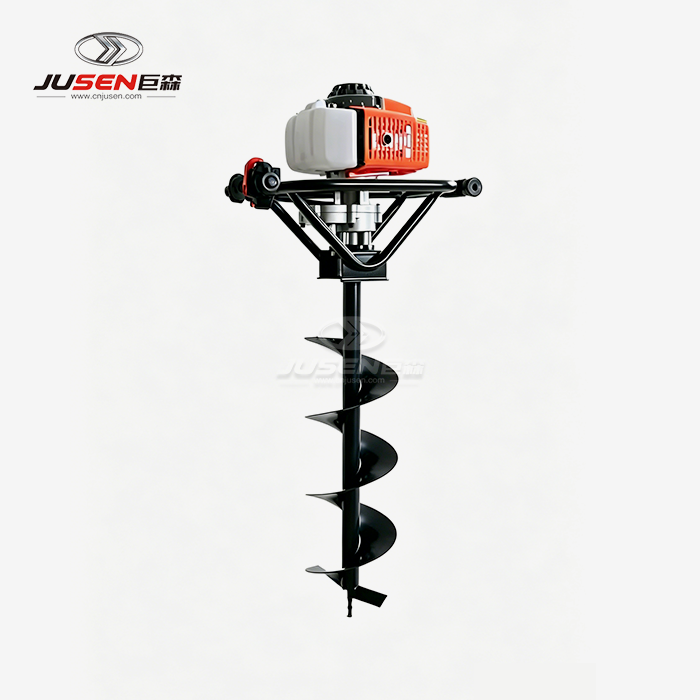 VIEW MORE63cc 2-Stroke Garden Hand Earth Auger
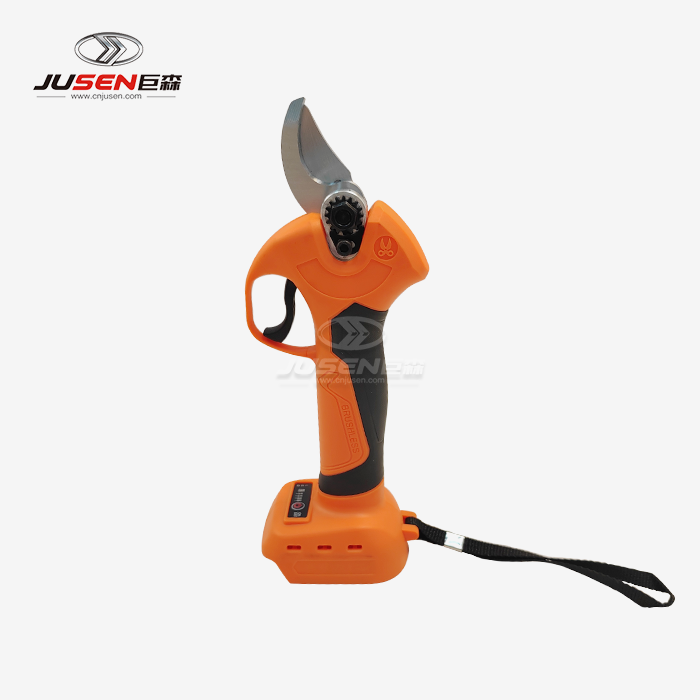 VIEW MORELightweight And Portable Lithium-Ion Battery Powered Branch Pruner
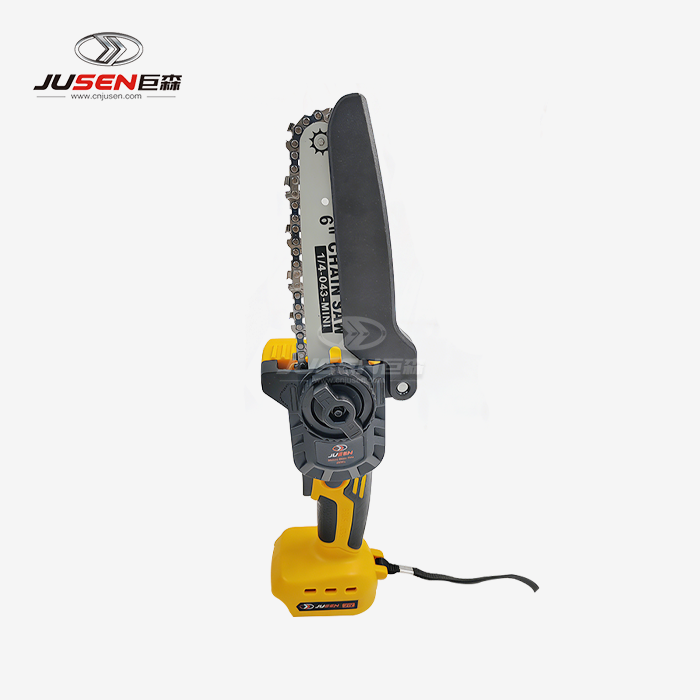 VIEW MOREBrushless Mini Cordless Chainsaw
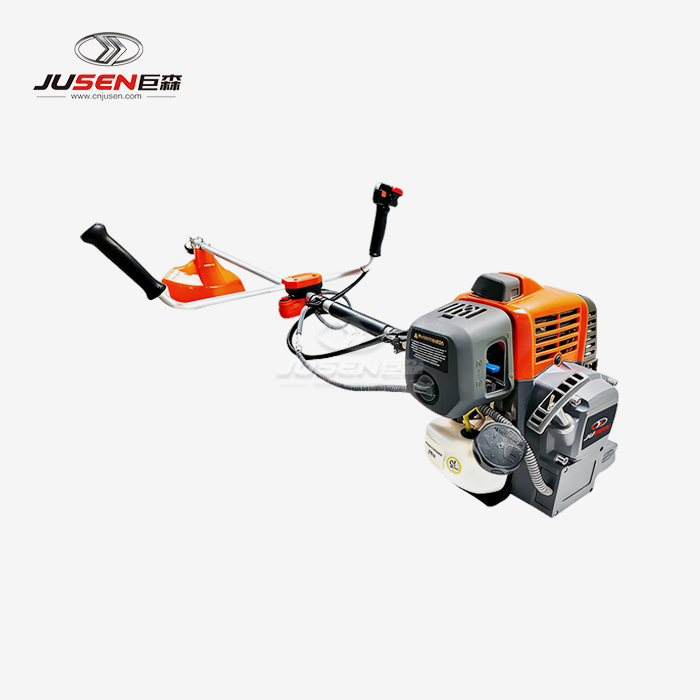 VIEW MORE43cc 2-Stroke Gasoline Brush Cutter
 VIEW MORE25cc Small Garden Gasoline Chainsaw
 VIEW MOREGas Powered Gasoline Chain Saw