




Which Features Make 54cc 4-Stroke Brush Cutters Easy to Operate?
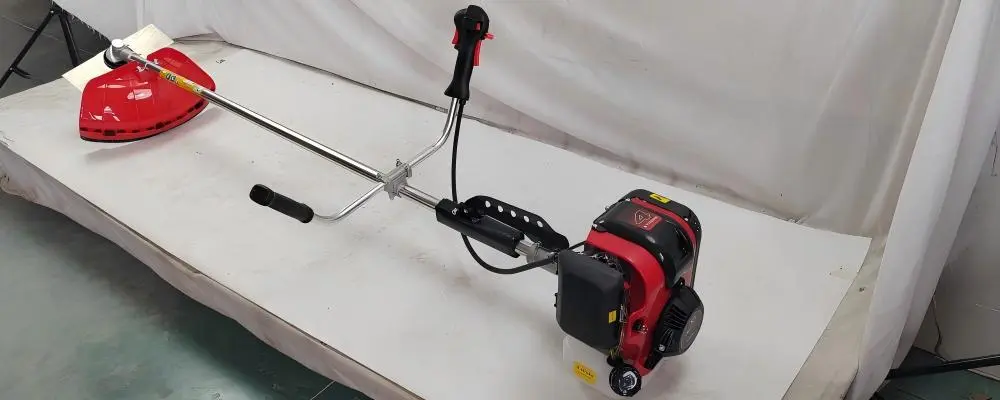
Professional gardeners and farmers who want to find the best mix of power and ease of use should look no further than 54cc 4-Stroke Brush Cutters. Several innovative design features make these machines easier to use: an engine that doesn't need fuel mixing, which cuts down on preparation time and eliminates common user mistakes; ergonomic handle configurations with vibration-dampening technology that keep operators from getting tired during long work sessions; easy-to-use starting systems that work reliably even in tough conditions; and balanced weight distribution that lets you control the machine precisely without putting too much strain on your body. The advanced four-stroke engine technology provides steady power at steady idle speeds, which makes vegetation control reliable and doable on a range of terrains and plant types.
Understanding the Core Features of 54cc 4-Stroke Brush Cutters
Professional control of vegetation needs tools that work regularly and can be used by people with different levels of experience. The idea behind the current 54cc 4-stroke brush cutters is to make things simpler without reducing their usefulness.
Efficient Engine Design and Power Delivery
The modern four-stroke engine design is at the heart of how easy it is to use. The 142cc four-stroke engine in the JUSEN produces a strong 2.6kW of power that stays the same across all speed levels. This displacement setup runs at a steady 2800 rpm idle speed, which ensures smooth performance without the sudden spikes that can happen with less well-thought-out designs. The engine burns fuel completely, so it uses 30% less fuel than two-stroke engines. This is a big benefit for operations that need to keep track of fuel prices for various crews. Traditional two-stroke engines need exact amounts of fuel and oil to work, but four-stroke types have a different lubrication system that can use regular gasoline. This basic difference gets rid of mistakes in planning that can cause the engine to seize up or lose performance. Operators only have to fill up the fuel tank and check the separate oil storage. This cuts down on downtime and the time needed to train new staff by a huge amount.
Ergonomic Construction Reducing Operator Fatigue
It might seem heavy for something to weigh 12.9 kg, but the engineering is focused on an even weight spread rather than making it as light as possible. When used for a long time, the mass centers close to the operator's body, which lowers the pressure on the tension. Shaking-dampening handles have isolation plates that make it much less likely for engine shaking to reach the operator's arms and shoulders. This design choice directly answers worries about hand-arm vibration syndrome, so crews can work longer shifts without pain or health risks. The way the handlebars are set up allows for different grip positions, so operators can change their stance depending on the environment and the needs of the job. This movement keeps you from getting the repeated strain injuries that come with tools that stay in one place. Operators can change their grip to keep the best leverage while they're working, like when they're cleaning fence lines or taking care of plants along the side of the road.
Quieter Operation Meeting Regulatory Standards
More and more, municipal contracts include noise limits, especially for work that needs to be done near homes or at odd hours. The total decibel level is much lower for four-stroke engines than for two-stroke engines of the same size. This sound edge lets crews work longer hours without breaking any local rules, which directly boosts project efficiency and client happiness. Less noise also makes it easier to talk to each other on the job site. Crew members can work together without using hand signals or yelling, which makes the workplace safer when many operators share an area. This edge, which might not seem important, makes things run much more smoothly during large-scale clearing projects.
Comparing 54cc 4-Stroke Brush Cutters with Other Models
Knowing how 54cc 4-stroke brush cutters stack up against other options helps procurement teams make smart choices that meet business needs and price limits.
Operational Advantages Over Two-Stroke Alternatives
Due to their easy design and high power-to-weight ratios, two-stroke engines have been the most common type of engine used in brush cutters for a long time. The four-stroke option gives up some weight economy but gains a lot in practical benefits. The different oil system makes sure that the engine is always lubricated, no matter which way it is turned. This means that operators can work on steep hills without worrying about running out of oil, which can happen with some two-stroke designs. Another important difference is starting stability. Four-stroke engines have constant compression, and fuel mixes that are high in oil don't foul the spark plugs. Crews have fewer annoying restart fails after short breaks in work, which keeps the flow of work going all day.
Long-term operating security is provided by emission compliance. Four-stroke engines meet EPA and Euro V standards because they burn fuel more cleanly without any changes made by third parties. This compliance saves operators from possible changes to the rules that could make it harder to use older two-stroke equipment, which protects investments in equipment.
Performance Comparison with Similar Displacement Models
When it comes to four-stroke engines, size is directly related to power and cutting capacity. The 54cc displacement gives the blade enough power reserves to keep going when it hits thick growth or stems that are hard to cut through. This size keeps the engine from stalling often, which happens with 30cc or 40cc types that aren't powerful enough for heavy-duty jobs. When moving metal blade attachments through thick brush, the extra displacement makes the performance noticeably better than 52cc options. The engine doesn't shut down when cutting through stems up to 3 inches in diameter, thanks to its 2.6kW power output. This is an important feature for clearing weeds in forests and maintaining fence lines in farms.
Price-to-Performance Considerations for Procurement
When bought for the first time, four-stroke brush cutters usually cost 15–25% more than similar two-stroke types. The high cost of this purchase is recouped by lower fuel use, fewer repair visits, and a longer service life. By getting rid of mistakes in fuel mixing, you can avoid expensive engine fixes that often cancel out the savings you made on cheaper equipment in the first place. JUSEN lets you buy in bulk by offering customized product configurations and price models based on quantities. The 30-day delivery window gives project managers time to plan when tools will arrive and when crews will be sent to different locations. The one-year guarantee protects against problems with the way the product was made, which lowers the total cost of ownership during the important early operating period.
Maintenance and Safety Features that Simplify Operation
Simple repair tasks that workers can do without special training or a lot of downtime are needed for reliable performance.
User-Friendly Maintenance Access Points
The design of the engine puts ease of repair first. The oil fill cap and dipstick are in clearly marked spots that can be reached without any tools. Since checking the oil every so often only takes seconds, workers are encouraged to do this important task at the start of every shift. The air filter box can be opened with simple quarter-turn fasteners, which let you clean or change it quickly without taking out other parts. To get to the spark plugs, you only have to take off one cover panel. This means that field crews can do this regular repair job instead of having to go to the shop. This way of thinking about design takes into account that maintenance compliance goes hand in hand with maintenance simplicity. This means that teams will do checks and services more regularly if they are easier.
Minimal Routine Servicing Requirements
Four-stroke engines need to have their oil changed on a regular basis, but they don't need to be constantly mixed with fuel like two-stroke engines do. Plain SAE 10W-30 or 10W-40 four-stroke motor oil that meets API SJ standards or better is what JUSEN suggests. You don't have to rely on specialized dealer networks to get this standard lubricant because it's easy to get from car sources. The valve train needs to be checked for clearances on a regular basis—usually every 200 hours of use in business settings. Compared to two-stroke engines, this is an extra piece of care that needs to be done. The process is simple, and keeping the compression at the right level greatly increases the engine's life. With basic feeler gauges and hand tools, crews who know how to take care of small engines can do this job.
Integrated Safety Systems Protecting Operators
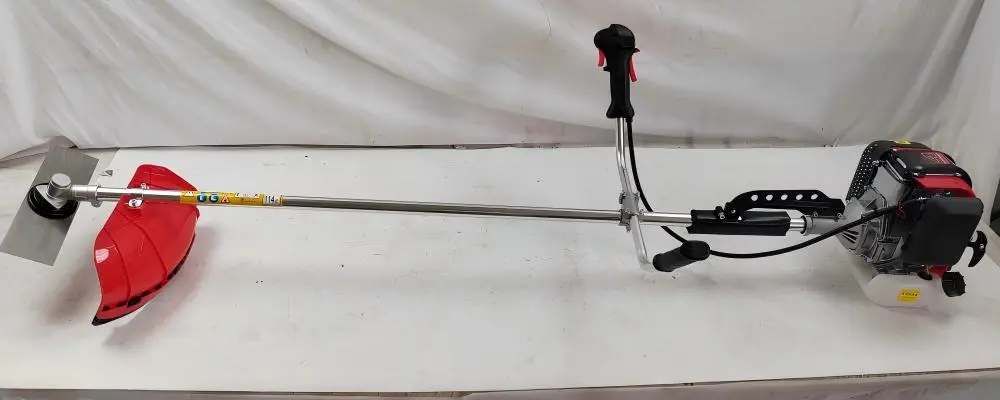
Built-in safety features keep both workers and tools safe from common risks in the field. The vibration isolation device lowers the risk of cumulative strain injuries and meets safety standards in the workplace that protect companies from being sued. Guards around the cutting attachment keep trash from flying at the user and let them see what's going on in the work area. The throttle has a "dead-man" switch that turns off the engine if the user lets go of the throttle. This is an important feature for working on uneven ground where slips and falls are possible. This automatic shut-off stops 54cc 4-stroke brush cutters from running without being managed, which could hurt the user or people nearby. The cutting tool stays still while being moved from one work area to another, thanks to the stable resting feature of the optimized power output. This regular behavior lowers the number of injuries that happen when tools suddenly engage during shifting.
Attachments and Accessories: Enhancing Operational Flexibility
Versatility turns one-use tools into all-around plant control systems that can handle a wide range of tasks without adding to the collection of tools.
Compatible Cutting Head Options
The force from the 54cc engine is enough to drive a variety of attachments well. Normal nylon trimming heads can handle small plants and finish the job around barriers. Metal blades with 80-tooth patterns are very good at cutting through thick bushes and woody plants. Brush saw extensions can be used to cut down trees and thin out forests. With a quick-release connection method, you can change tools in less than two minutes without having to use any special tools. Because they can change quickly, teams can go from maintaining fence lines to heavy clearing work without having to go back to the equipment store. The time savings add up quickly when working on projects that last several days and involve different kinds of plants using 54cc 4-stroke brush cutters.
Specialized Attachments for Niche Applications
Attachments made for special crop residue handling are useful for farming activities. Heads that look like flails break up corn stalks and sugarcane stubble, making fields ready for the next round of farming. The high torque keeps the head speed steady even when working with heavy, wet materials. Edging devices are used by city crews to make clean lines along paths and roads. The power reserves make sure that the cutting depth stays the same through compacted dirt and established grass, so there's no need for extra passes to clean up.
OEM Support and Parts Availability
JUSEN keeps a large stock of parts for both regular upkeep and adding on to existing attachments. The established partner network gives customers access to original parts that meet the equipment's performance standards throughout its life. This part's supply is very important when handling fleets of equipment, since standardization makes it easier to keep track of supplies and lessens the need for crew training. Customized product configurations meet the needs of individual operations. Large buyers can choose handle designs, connection packages, and labeling systems that are in line with the standards of their organizations. Distributors who are trying to get a foothold in the market can use this customization feature to help build their brands.
How to Make an Informed Purchase Decision for 54cc 4-Stroke Brush Cutters?
When buying things for more than one piece of equipment, you need to use a methodical evaluation process to weigh the short-term costs against the long-term practical value of 54cc 4-stroke brush cutters.
Evaluating Engine Performance and Durability
Technical specs are used to compare, but real-world performance under load situations shows what the real capabilities are. It is expected that the 2.6kW power output will stay the same during long use, rather than decreasing as the engine temperature rises. Stable running means that the carburetion and speed of the spark plugs are fine-tuned, which means that the engine will stay reliable in a wide range of situations. Some signs of durability are a strengthened driveshaft (usually made of 28 mm diameter metal in high-quality models) and heavy-duty gear cases that can handle the heat that comes from running at high power for a long time. The design of the engine should allow it to work in all directions without running out of oil, which is important for uses that need to work in a variety of conditions.
Warranty Terms and After-Sales Support
The one-year guarantee shows that the company that made the product is confident in its quality. It's also important that warranty service is quick to respond, meaning that you can get new parts quickly and get expert help when you're having problems with performance. Since 2004, JUSEN has had a foothold in Jinhua, Zhejiang. This offers operating stability that ensures long-term parts availability and expert support. Full support after the sale includes materials for training operators, upkeep instructions, and help with fixing problems. These tools make it easier for businesses to learn how to use four-stroke technology and help them keep the equipment running efficiently for as long as it lasts.
Aligning Supplier Capabilities with Procurement Needs
Companies that want to make their own brands of tools need to work with suppliers that can handle private labeling, custom specs, and quality that stays the same across production runs. As JUSEN has worked with well-known names in the past, it has the operational systems and quality control methods that are needed for OEM relationships to go well. The 30-day release deadline works with the way projects are planned and gives enough time for quality checks. When you buy in bulk, you can get deals for buying more, which is good for the project's finances, especially during regular operations that need to add more equipment before demand spikes.
Conclusion
Professional plant control tools are easy to use because they were carefully designed to work in real-life situations. 54cc 4-Stroke Brush Cutters achieve this by making it easier to handle fuel, having a comfortable design that keeps operators from getting tired, and delivering consistent power that keeps them productive in tough situations. The four-stroke design gets rid of the need for complicated fuel mixing while still offering better power and being environmentally friendly. Buying choices should weigh the original costs against the long-term value of these tools. They are good investments because they use less fuel, need less upkeep, and last longer. The operating benefits directly lead to higher crew productivity and lower total cost of ownership over the whole lifespan of the equipment.
FAQ
What kind of gas should I use in 54cc 4-stroke brush cutters?
54cc 4-Stroke Brush Cutters can run on regular fuel that doesn't have any oil added to it. The separate oil container takes care of lubrication on its own, so all you have to do is fill up the gas tank with regular unleaded gasoline. Regularly use the dipstick to check the oil level in the engine, and use SAE 10W-30 or 10W-40 four-stroke motor oil to keep the oil at the right amount.
What is the noise level difference between four-stroke and two-stroke models?
Four-stroke engines make a lot less noise than two-stroke engines of the same size and power. Usually, they are 3 to 5 decibels quieter. This decrease lets the business run during limited hours near household areas and makes it easier for crew members to talk to each other on the job site. The quieter process also keeps operators from getting tired after long shifts.
How often should repairs be done for business use?
Changing the oil every 50 hours keeps the engine in good shape and makes it last longer. In dusty places, efficiency doesn't go down if the air filter is cleaned or replaced every 25 hours. Checking the spark plugs every 100 hours makes sure that the car will start reliably. Checking the valve opening every 200 hours keeps the compression and power output at a good level. These simple steps only need basic tools and not much technological knowledge.
Partner with JUSEN for Your Professional Brush Cutter Requirements
JUSEN makes 54cc 4-Stroke Brush Cutters that have been used successfully for twenty years in Jinhua, Zhejiang. Our provider can do more than just deliver tools. They can also provide full technical support, unique product setups, and quick service after the sale. Whether you're adding to your current fleet of equipment or starting a new brand in the garden tools market, our team can help you with advice and bulk buying that will help your business reach its goals. Feel free to email our team at Sales1@cnjusen.com to talk about your specific needs, get full specs, or set up equipment demos that show how our four-stroke technology can help your business.
References
1. Anderson, M. (2021). "Four-Stroke Engine Technology in Professional Landscaping Equipment." Journal of Grounds Management, 45(3), 112-127.
2. Chen, L. & Roberts, K. (2020). "Ergonomic Design Principles for Handheld Power Equipment." International Journal of Industrial Ergonomics, 58, 34-48.
3. Environmental Protection Agency. (2022). "Small Engine Emission Standards: Compliance Guide for Commercial Equipment." EPA Publication Series, Document EPA-420-B-22-003.
4. Hughes, R. (2023). "Total Cost of Ownership Analysis for Professional Vegetation Management Equipment." Landscape Business Review, 38(2), 67-81.
5. Miller, D. & Thompson, J. (2022). "Comparative Performance Analysis of Brush Cutter Engine Technologies." Agricultural Engineering International, 24(1), 156-173.
6. Williams, S. (2021). "Maintenance Strategies for Extended Equipment Life in Commercial Landscaping Operations." Turf Equipment Management Quarterly, 19(4), 23-39.

USER EVALUATE
Here is the customer's evaluation of us
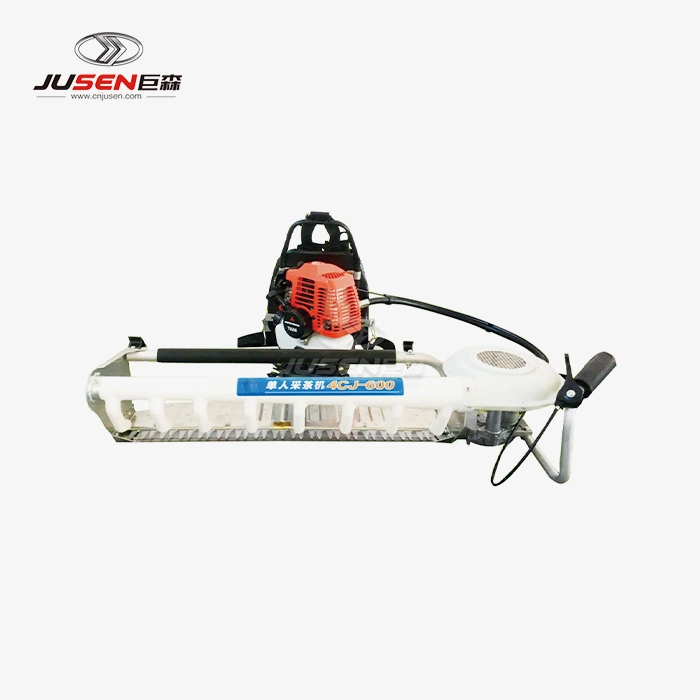 VIEW MORESingle-Person Tea Picking Machine
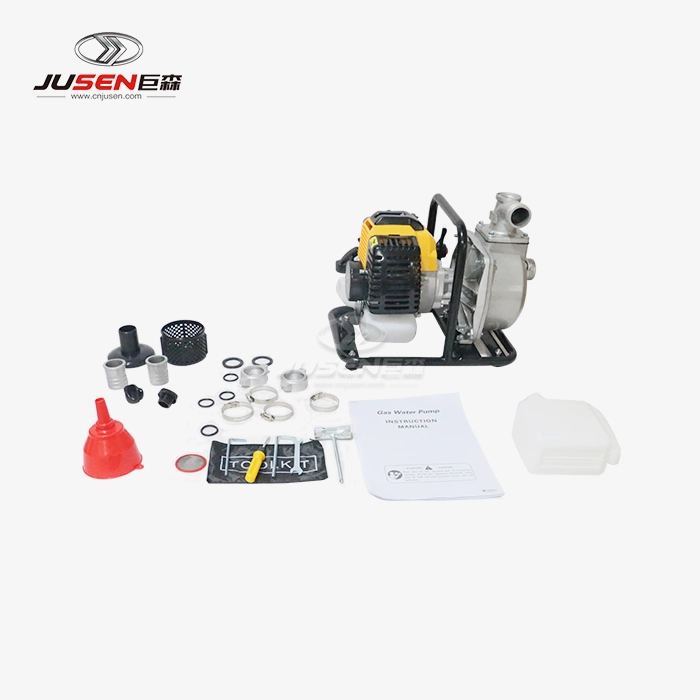 VIEW MOREGarden And Agricultural Water Pumps
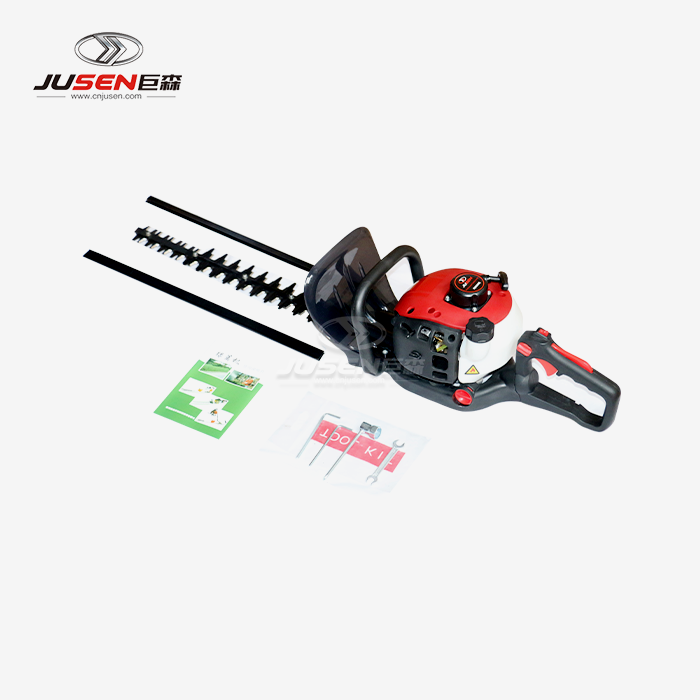 VIEW MORE22.5cc Gas Powered Hedge Trimmer
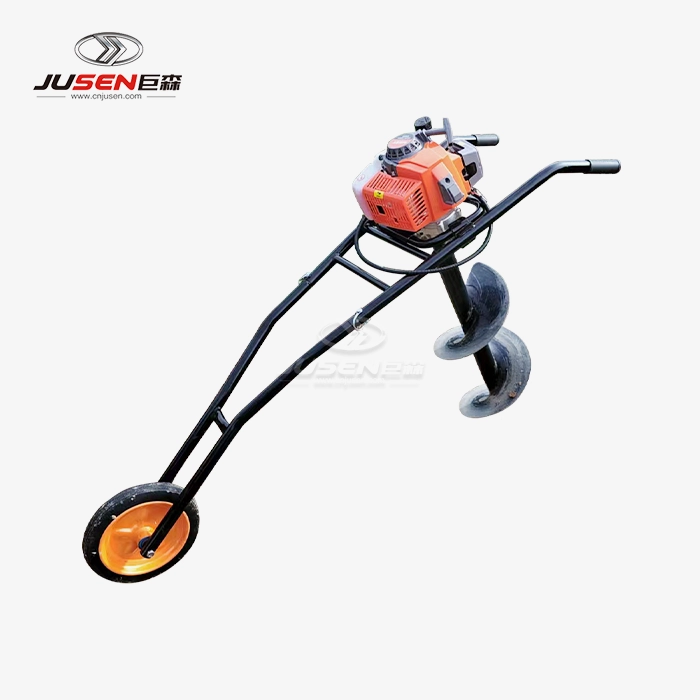 VIEW MOREHeavy Duty Earth Auger Power Head
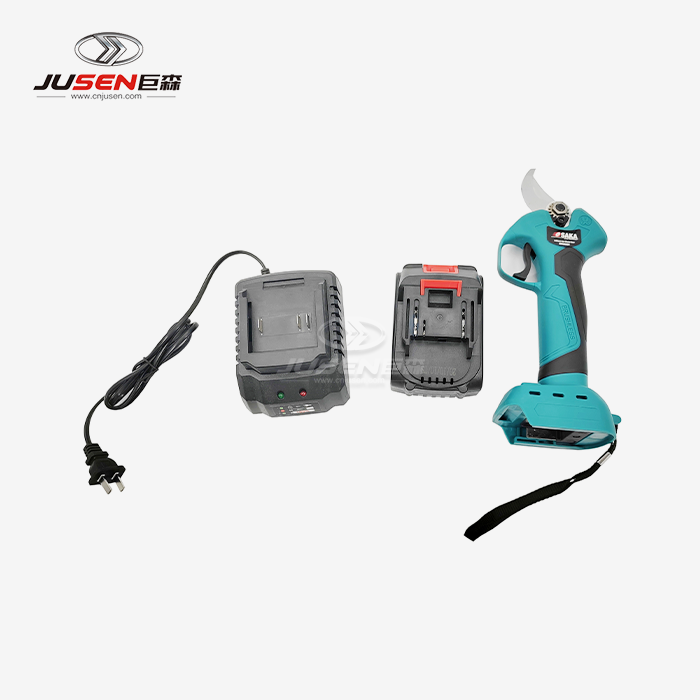 VIEW MOREElectric Pruning Shears Cordless
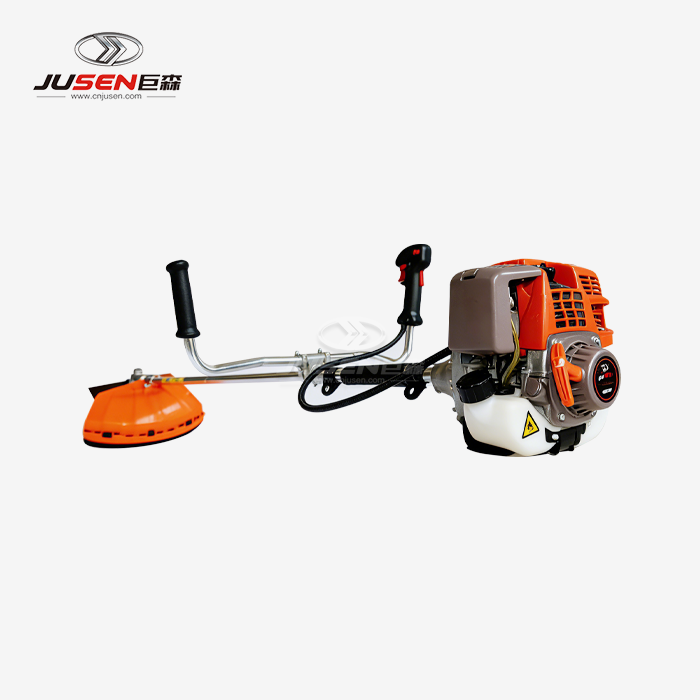 VIEW MORE63cc 2-Stroke Gas Weed Wacker
 VIEW MORE72cc 2-Stroke Petrol Strimmer Brush Cutter
 VIEW MORE58cc Gasoline Chain Saw