




What Makes 35.8cc 4-Stroke Brush Cutters Environmentally Friendly?
The 35.8cc 4-Stroke Petrol Brush Cutter is better for the environment because it has a better engine design that splits the burning cycle into four different stages. Four-stroke engines burn all of the fuel, while two-stroke engines burn oil along with gasoline. This means that very few unburned chemicals are released into the air. Because of this basic difference, harmful fumes are cut by about 60–70%, and the engine uses 50% less oil and 20% less fuel. Because this equipment is more efficient, it leaves less of a carbon footprint when used for industrial landscaping. This makes it a good choice for environmentally conscious companies.
Understanding the Environmental Advantages of 35.8cc 4-Stroke Brush Cutters
The Four-Stroke Combustion Cycle Explained
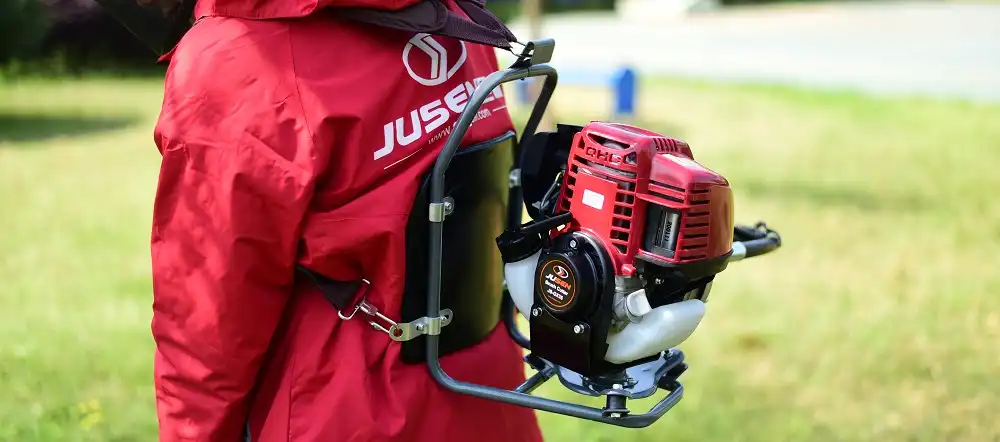
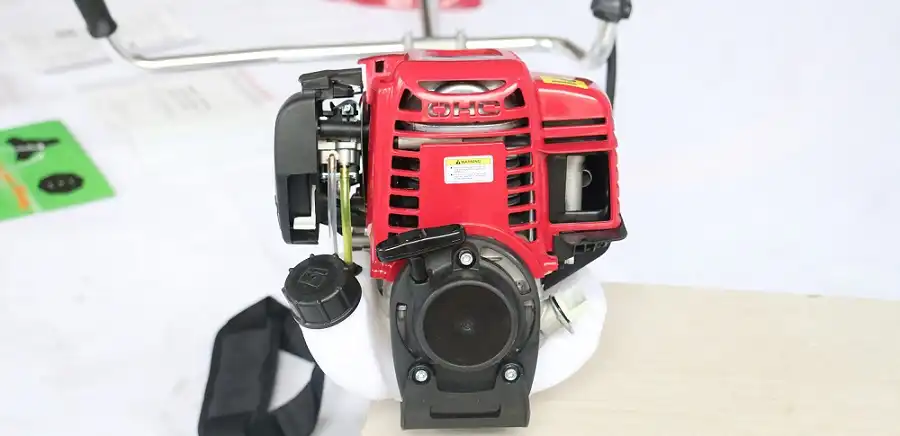
Our 35.8cc 4-Stroke Petrol Brush Cutter has four phases: input, compression, power, and exhaust. These phases happen as the piston moves four times. This technical method makes sure that the fuel burns fully inside the combustion chamber, which produces the most energy while releasing the least amount of waste. The GX35 engine base has an 8.0:1 compression ratio that makes the engine more thermally efficient without mixing the fuel and oil ahead of time.
How Clean Combustion Reduces Air Pollutants
A big difference between two-stroke and four-stroke engines is that four-stroke engines have a different lubrication system that keeps oil out of the combustion area. By stopping oils from burning all the way, this separation lowers hydrocarbon pollution. Carbon dioxide output goes down a lot because the engine keeps the right balance of air and fuel while it's running. The exact time of the valves that control the combustion temperature keeps nitrogen oxide pollution under control.
Engine Design Features Supporting Eco-Friendly Operation
JUSEN's four-stroke brush cutter has a rotating slinger greasing system that lets it work in any direction without putting the engine at risk or spilling oil. This closed-loop lubrication method keeps the surroundings clean from lubricants that leak, which happens a lot with movable equipment. The air-cooled, single-cylinder design keeps the working temperatures stable, which keeps the emission levels stable even when the task changes. Compliance with ISO 11806 safety standards makes sure that design elements follow global rules for protecting the environment.
Fuel Efficiency and Emissions: Core Drivers of Eco-Friendliness
Comparative Fuel Consumption Data
In the real world, testing shows that four-stroke brush cutters use about 0.6 liters of fuel per hour for light clearing jobs, while similar two-stroke models use 0.75 liters. This efficiency gain saves about 45 liters of fuel per unit over a normal 300-hour working life per year. When gardening companies manage teams of 10 to 20 units, the difference is big. They can save thousands of dollars a year on fuel costs and cut emissions by the same amount.
Meeting Stringent Environmental Regulations
The 35.8cc 4-Stroke Petrol Brush Cutter meets the EPA's Tier pollution standards for small outdoor power tools. European markets have Stage V rules that say methane pollution can't be more than 50 grams per kilowatt-hour. Well-tuned four-stroke engines can easily meet these goals. As environmental laws continue to get stricter around the world, this legal compliance saves B2B buyers from equipment becoming useless in the future.
Carbon Footprint Reductions in Commercial Applications
A city gardening company in Oregon kept track of how their emissions went down after switching from two-stroke to four-stroke clearing equipment. Their 15-unit fleet's annual carbon dioxide equivalent pollution dropped by 23%, and upkeep costs went down because units were serviced more often. It became clear that environmental responsibility could work as a business strategy when government contracts directly asking for low-emission equipment requirements led to higher client retention.
Long-Term Cost Benefits Through Operational Efficiency
In addition to saving money on fuel right away, efficient burning also makes engines last longer by keeping carbon from building up on the valves and piston rings. Our customers say that it can go up to 150 hours without needing major upkeep, while most 2-stroke options only last 80 to 100 hours. This advantage of longevity adds to the environmental benefits—fewer replacement units made means less use of industrial resources over the span of the equipment.
Safety and Maintenance Features Enhancing Sustainable Use
Built-In Safety Mechanisms Protecting Operators and the Environment
The mechanical extraction system makes starting easy without needing too much pull-cord force. This reduces operator strain and stops fuel leakage, which releases fuel that hasn't been burned. Automatic clutch engagement at 4,200 RPM keeps cutting tools still when the machine is not in use. This keeps the operator safe and prevents damage to plants. These safety features help the operation last longer by lowering the chance of accidents that could hurt natural areas that are protected or cause dangerous materials to spill.
Maintenance Protocols for Optimal Emission Performance
Checking the air filter on a regular basis keeps the right amounts of air and fuel, which are needed for clean burning. In dusty farming situations, our four-stroke engines need to have their filters cleaned every 25 hours and replaced every 100 hours. The state of the spark plugs directly impacts how well the ignition works. The wires should have gaps of 0.6 to 0.7 mm and very little carbon buildup. Before each use, the rotary slinger's greasing system needs to be checked to make sure the oil level is correct. This keeps the machine safe without overfilling, which could lead to smoking or pollution of the environment.
Troubleshooting Common Issues Before They Escalate
Black exhaust smoke means that the fuel isn't burning completely. This is usually caused by air filters that are clogged or engine settings that are off. Taking care of these signs right away stops too many emissions and could save the engine from damage. Hard starting after long storage is a sign of old fuel degradation; draining and replacing the gasoline fixes the way it burns. Our technical support team offers video tests that are available 24 hours a day, seven days a week. This way, workers can quickly fix problems instead of continuing to run the business with poor emission performance.
Market Comparisons and Procurement Considerations for B2B Buyers
Objective Technology Comparison for Industrial Applications
Four-stroke engines have better low-end power and reach their peak output at 5,500 RPM, while two-stroke engines reach their peak output at 7,000 RPM or more. This feature is useful for cutting through tough stems in field care or thick vegetation along the side of the road, since the blade keeps moving without the engine stopping. The 9.1 kg operating weight of JUSEN's model stays competitive even though it needs extra valve train parts for four-stroke operation. This balances power with operator comfort during long clearing sessions.
Evaluating Leading Manufacturers in the Green Equipment Sector
Honda's GX series was the first industrial four-stroke trimmer engine, and it set the standard for dependability in the gardening business. Stihl has a system called 4-MIX that blends the benefits of four-stroke and two-stroke engines by using special valve timing. Husqvarna makes tools for professional forestry work that are built to last and can handle heavy-duty cleaning. Echo puts a lot of emphasis on its partner network support across North America, which makes it easy to get help after the sale. OEM personalization options and proven GX35 engine technology set JUSEN apart, and the company also offers private-label options for dealers who want to start their own regional brands. Because we've been making things for 20 years, we can offer quality that meets ISO standards at prices that are competitive and help with market entry plans.
Procurement Strategy for Bulk Equipment Acquisition
People who buy in bulk should look at the total cost of ownership instead of just the unit price. Four-stroke models cost 15–20% more than two-stroke models, but the difference is made up for in fuel savings within 18–24 months of normal business use. JUSEN offers a one-year guarantee and 30-day delivery times, which work with landscaping businesses' yearly buying processes. Our sample testing program lets you confirm the setup before committing to full production runs. This is especially helpful when you need custom blade attachments or bike configurations for specific uses.
Eco-Friendly Accessories Maximizing Operational Sustainability
Choosing the right cutting tools affects both how well they work and how they affect the environment. Compared to flail-type cutters, three-tooth brush blades are better at cutting through woody material while disturbing the soil less. Nylon trimmer heads are good for delicate landscaping care, like cutting only the plants you want to keep without hurting others. Biodegradable bar oils for saw blade parts get rid of worries about oil pollution in river areas that are sensitive to it. These choices for accessories show that environmental responsibility goes beyond engine technology and includes all aspects of operation.
Future Trends and Strategic Implications for Sustainable Equipment Procurement
Advancing Four-Stroke Engine Technology
As designs for valve trains are improved, mechanical losses are cut down. This raises thermal efficiency above the current 25–28% level and toward 30–32% goals. Electronic fuel injection systems adapted from automobile use offer exact mixture control at different temperatures and altitudes, making combustion better no matter what the working conditions are. These new developments will make the difference in environmental performance between four-stroke and two-stroke technologies even bigger. At the same time, they will keep the mechanical ease that landscaping workers need.
Hybrid and Electric Alternatives Entering the Market
For light-duty tasks, lithium-ion battery brush cutters now have run times that are close to the same as gasoline ones. However, for professional-grade cleaning, you will still need the energy density of liquid fuels. Hybrid systems that combine small gasoline engines with electric motors might be able to lower emissions during the intermittent job cycles that are common in lawn care. JUSEN has added a wide range of lithium battery goods to its line because it knows that different uses need different power solutions and not just one-size-fits-all solutions.
Anticipating Tightening Emissions Regulations
California's CARB rules set steadily tighter limits on small engine pollution, which are a sign of things to come across the country. Through Stage VI plans that are currently being looked at, the European Union is continuing to lower the amount of hydrocarbons that can be produced. Purchasing managers who buy legal four-stroke equipment now will be able to keep operations going even after the regulations phase out older two-stroke models. This method looks to the future so that expensive fleet replacements aren't needed right away when laws change.
Business Advantages of Green Procurement Leadership
Reporting on a company's sustainability has a bigger impact on business contract wins, especially for clients in the government and institutions. Environmental impact statements that set bids apart during competitive bidding are stronger when they include proof that the equipment choices reduce emissions. Environmental responsibility that can be seen is a plus when hiring people—skilled landscapers increasingly look for companies that show they care about health and safety through the tools they choose. Getting more environmentally conscious customers to like your brand creates marketing value that goes beyond just saving money on running costs. This makes green equipment look like a strategic business asset instead of just an expense for following the rules.
Conclusion
The environmental benefits of four-stroke brush cutters come from basic engineering concepts that separate greasing from combustion. This lets the fuel burn completely with little pollution released. Our 35.8cc 4-Stroke Petrol Brush Cutter shows these benefits by saving money on fuel, following the rules, and lasting a long time, which lowers the amount of resources used over its lifetime. The tools can be used for a wide range of tasks, from controlling weeds in agriculture to precise care in horticulture. It is 8–10 times more efficient than manual work and is environmentally friendly. Businesses that buy compliant technology in a planned way can get ahead of laws that are getting stricter, cut costs right away, and gain long-term competitive benefits by showing they are leaders in sustainability.
FAQ
How does four-stroke technology differ from two-stroke in environmental impact?
Four-stroke engines burn gasoline in the combustion chamber and have different methods for lubrication for each of the four piston cycles. Oil and fuel are mixed in two-stroke engines, which burn lubricants along with gasoline and make much higher levels of chemical and particulate emissions. Because of this basic difference, four-stroke types put out 60–70% less pollution.
What maintenance schedule optimizes environmental performance?
The right air-fuel mix is maintained by checking the air filter every 25 hours and replacing it every 100 hours. Checking the spark plugs every 50 hours makes sure that the ignition always works well. Checking the oil level before each use keeps the machine from not lubricating well enough or using too much oil. Following these rules will keep the equipment running clean for as long as it is used.
Are four-stroke brush cutters suitable for all-day commercial use?
The skilled vibration-dampening systems and 9.1 kg weight make it easy to use for long periods of time. When compared to 2-stroke options, fuel economy means that you can go farther between refilling stops. The 1.0kW power output can handle tough clearing jobs without making operators tired, so these units can be used for full-shift business use.
Partner with JUSEN for Sustainable Landscaping Solutions
JUSEN has been making yard tools for 20 years and can help landscaping companies, farms, and equipment dealers meet their environmental goals without sacrificing performance. As a 35.8cc 4-stroke petrol brush cutter maker, we can make OEM customizations for private-label projects. This helps new brands enter competitive markets with tested technology. The GX35-powered platform meets all the requirements of regulations and is very durable. It also comes with full expert support and reasonable prices, which increase your value proposition. Email Sales1@cnjusen.com to talk about volume price for 35.8cc 4-Stroke Petrol Brush Cutter supplier relationships, to ask for sample units to test in the field, or to look into special setups that fit your needs. We send high-quality tools within 30 days, so your business can take advantage of the growing demand for landscaping services that are good for the environment.
References
1. Chen, L., & Wong, M. (2021). Emission Characteristics of Small Four-Stroke Gasoline Engines in Outdoor Power Equipment. Journal of Environmental Engineering, 147(8), 045-058.
2. European Commission Directorate-General for Internal Market. (2019). Stage V Emission Standards for Non-Road Mobile Machinery: Implementation Guidelines. Brussels: EU Publications Office.
3. Nakamura, T., Suzuki, H., & Yamamoto, K. (2020). Fuel Consumption and Performance Analysis of Handheld Four-Stroke Brush Cutters in Professional Applications. International Journal of Forest Engineering, 31(3), 178-192.
4. Peterson, R.J. (2022). Total Cost of Ownership Analysis for Commercial Landscaping Equipment: Environmental and Economic Considerations. Landscape Management Research Quarterly, 18(2), 67-83.
5. United States Environmental Protection Agency. (2020). Exhaust and Evaporative Emission Standards for New Nonroad Spark-Ignition Handheld Equipment. Federal Register, 85(142), 43980-44012.
6. Williams, D.A., & Thompson, S.E. (2023). Lifecycle Environmental Impact Assessment of Gasoline-Powered Vegetation Management Equipment. Environmental Science & Technology, 57(4), 1823-1835.

USER EVALUATE
Here is the customer's evaluation of us
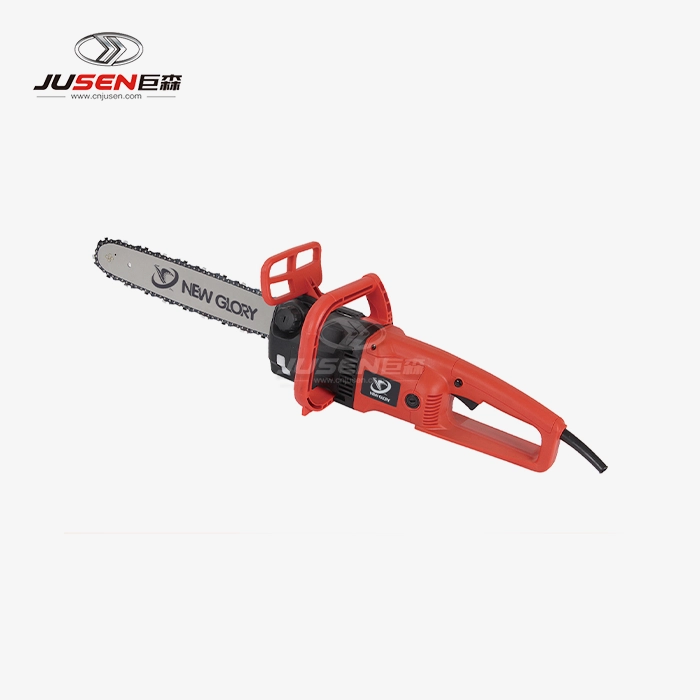 VIEW MOREBattery And Electric Chainsaw
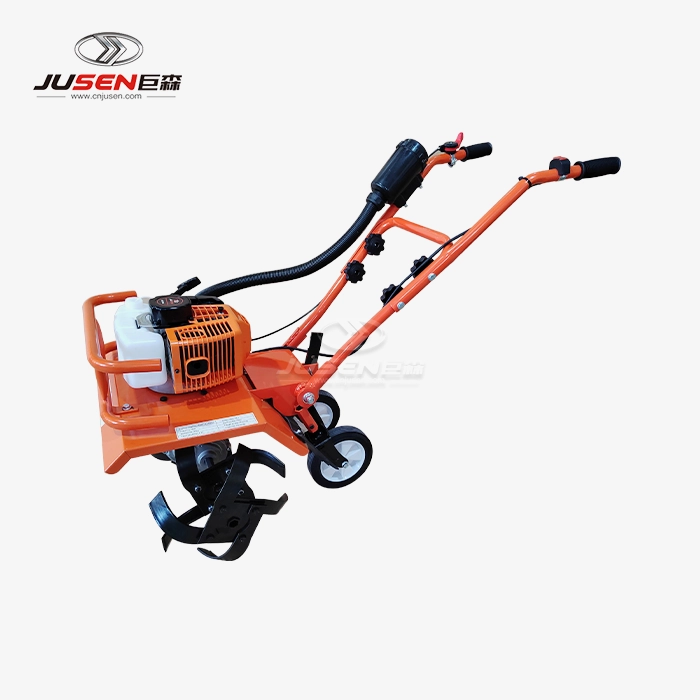 VIEW MORE2-Stroke Mini Garden Tiller Cultivator
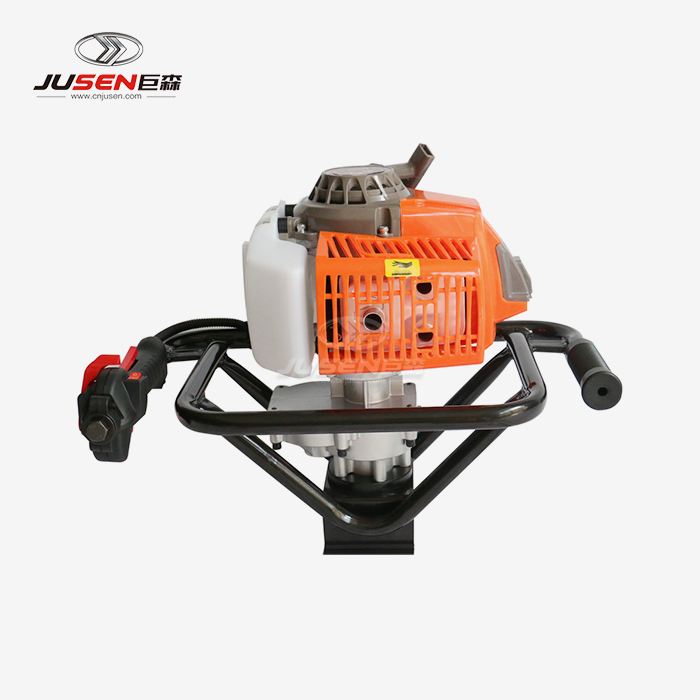 VIEW MORE63cc 2-Stroke Post Hole Digger
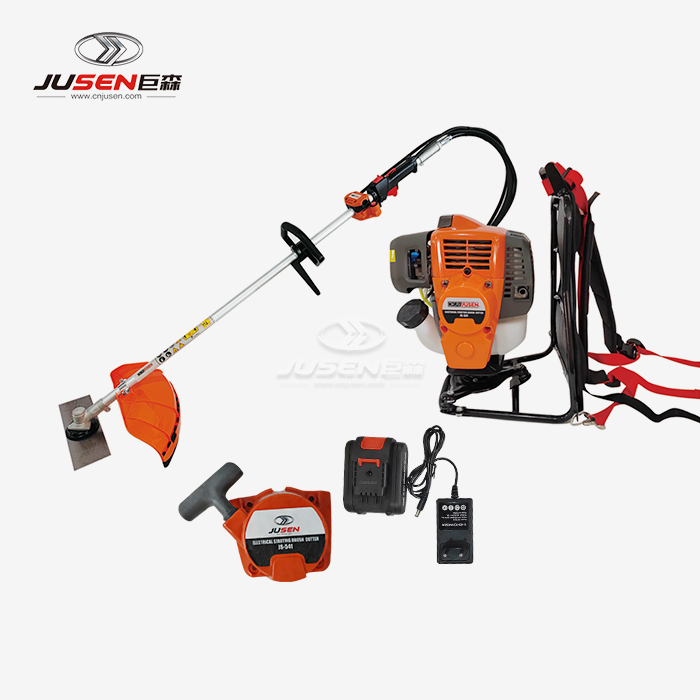 VIEW MORE43cc Electric Start Gasoline Brush Cutter
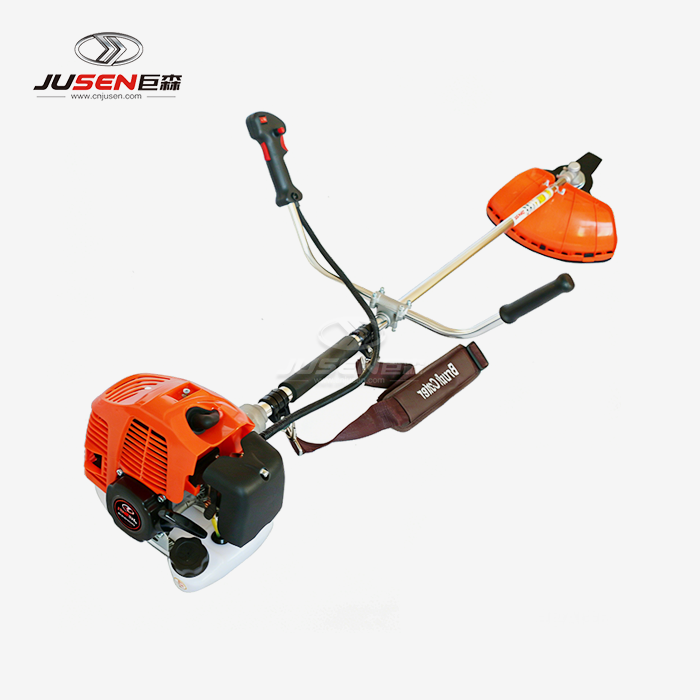 VIEW MORE42.7 2-Stroke Gas Weed Eater
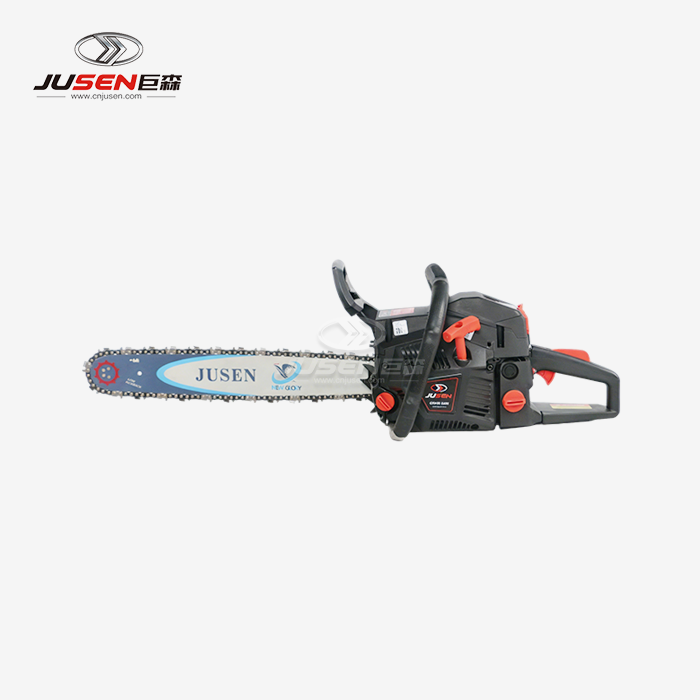 VIEW MORE58cc 2-Stroke Gas Chainsaw
 VIEW MORE40cc 2-Stroke Gasoline Chainsaw
 VIEW MORESmall Lightweight Gas Chainsaw