




How Easy Is Maintenance for a Gas Powered Gas Chain Saw?
Taking care of a gas-powered gas chainsaw is surprisingly easy once you know how the main parts work and make a regular schedule. For modern two-stroke engines, the fuel system, air filter, spark plugs, chain tightness, and bar greasing are all basic things that need to be taken care of. With the right training and following the manufacturer's instructions, workers can do daily checks in less than ten minutes and weekly maintenance in less than thirty minutes. Professional-grade models like JUSEN's 72CC chainsaw are built to last, and replacement parts are easy to find. This makes routine maintenance much easier to handle, even for crews working in remote forestry operations where downtime directly impacts profits and project timelines.
Introduction
Gas-powered gas chain saws are still very useful tools in the building, forestry, and industry fields because they are strong and can be used for a variety of heavy-duty cutting jobs. But these tools need to be maintained to make sure they work well, are safe, and last a long time with little downtime. We at JUSEN know that before they decide where to buy something, procurement managers, engineers, and dealers need to know what work needs to be done in the real world. This detailed guide talks about important upkeep chores, common problems, and important strategic buying factors. We've been making things in Jinhua, Zhejiang, for 20 years, and that time has taught us that solid tools are essential to running a business. Whether you're in charge of a big group of equipment or just one unit, knowing how easy it is to maintain has a direct effect on your total cost of ownership and your ability to keep running.
Understanding Maintenance for Gas Powered Gas Chain Saws
Regular maintenance for gas-powered gas chain saws focuses on a few key areas that affect how well they work and how long they last. To keep the engine running efficiently, you need to keep an eye on the spark plugs, air filters, and fuel quality. Cutting chains need to be sharpened and tensioned on a regular basis, and guide bars need to be checked for wear patterns and lubricant holes.
Engine Component Care
Professional types have a two-stroke engine that runs on a 50:1 fuel-to-oil mixture and good synthetic lubrication. Carburetor buildup and cylinder cutting can be avoided by using fresh fuel. By getting rid of large particles before they reach the fine filter elements, centrifugal pre-cleaners in air filtering systems make service times longer. Checking the spark plugs every twenty hours of operation makes sure that the firing stays steady. This is especially important when working with hardwoods that need high RPM operation for a long time. The JUSEN 72CC size engine has service spots that are easy to get to, which cuts down on maintenance time compared to clamshell designs that need to be completely taken apart.
Cutting System Maintenance
Chain sharpness has a direct effect on how fast it cuts and how tired the person is. When working in rough conditions or when cutting performance starts to drop noticeably, professional operators sharpen chains every time they fill up with fuel. Proper tensioning leaves about an eighth of an inch of play at the middle of the bar. This keeps the sprockets from wearing out too quickly and keeps the chain from derailing. Studies on forestry tools show that rotating the guide bar at regular intervals spreads wear evenly across both lines, which increases the bar's useful life by 40%. Bar oil tanks should empty at the same rate that fuel is used, which means that the grease is flowing properly.
Maintenance Frequency Guidelines
Service gaps are based on operational activity. Every day, the chain tightness, bar oil levels, air filter, and broken parts or fuel leaks are all checked visually. As part of weekly maintenance, the spark plugs are checked, the chain is sharpened, and the cooling fins and bar grooves are cleaned thoroughly. As part of seasonal maintenance, the engine is adjusted, the fuel system is cleaned, and all safety features are tested. Understanding these plans helps with efficient maintenance processes that cut down on expensive fixes and extend the life of equipment. This is important information for procurement teams that are in charge of multiple units in tough environments like commercial forestry operations or emergency response situations.
Common Maintenance Challenges and How to Overcome Them?
Operators using a gas-powered gas chain saw often run into unexpected problems that slow down work if they aren't fixed. About sixty percent of service calls in professional machine groups are for problems with fuel. Within thirty days, gasoline mixed with ethanol breaks down, leaving behind varnish layers that block fuel lines and engine jets. Old fuel makes it hard to start, idles roughly, and loses speed when the engine is working hard.
Fuel System Troubleshooting
Proper handling is the first step in keeping fuel from getting dirty. When something is going to be idle for more than two weeks, you should use fuel additives. Before storing tanks for a long time, they should be fully drained to stop internal rust and seal wear. If the engine won't start even though the fuel is fresh, check the starter bulb for cracks and make sure the fuel filter is clean. In order to set the carburetor, the rest speed must be balanced at 3,000 RPM while the chain must stop turning, which is a very important safety measure. JUSEN chainsaws have an air filter that can be accessed without using any tools. This means that repair can be done in the field without the need for special tools, even when the chainsaw is far from a workshop.
Chain and Bar Issues
When chains are dull, they cause too much friction, use more fuel, and make fine sawdust instead of chip-like cuts. In order to make up for it, operators often put more pressure on the bars, which speeds up bar wear and raises the risk of kickback. When you sharpen something the right way, the cutter angle and depth gauge height stay the same. Damage to the bars can show up as uneven chain wear, a burning smell when cutting, or deformed rails that can be seen. Rotating the bars every ten hours of use stops the one-sided wear patterns that happen a lot when you do directional cutting work. By keeping the bar holes clean, you stop the chain from going dry, which can cause it to stretch and break early.
Engine Performance Problems
Loss of compression, failed ignition, and overheating are all important upkeep problems that need to be systematically diagnosed. Low compression usually means that the piston rings are old or that the cylinder is scoring because it isn't well-oiled. Checking the air pressure as part of regular maintenance can help find problems before they become too big to fix. Ignition system problems are often caused by spark plugs that are dirty from using the wrong fuel mix or ignition units that are worn out. When cooling fins get clogged, the fuel mixture is too lean, or exhaust ports get blocked, the engine overheats. Professional-grade models, like JUSEN's 2.6kW unit, are made with metal and steel parts that are meant to handle heat during long periods of heavy use, which means they are less likely to overheat than consumer-grade models.
Best Practices and Tips for Easy and Effective Maintenance
Using structured maintenance processes increases working productivity and protects the investment in equipment. Maintenance plans that work well strike a balance between thoroughness and time efficiency, so teams can service equipment without having to wait too long.
Here are the main steps that trained workers take for maintenance:
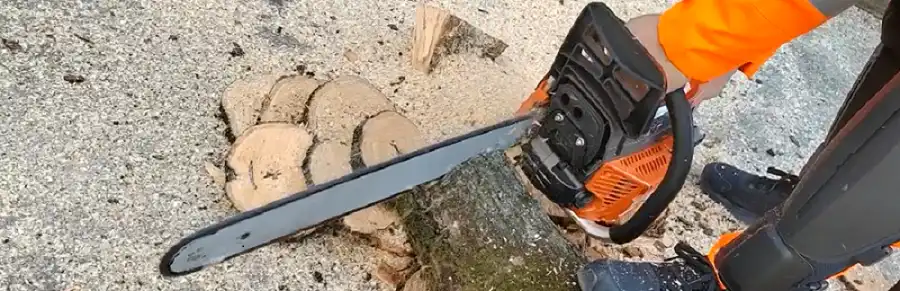
Daily Pre-Operation Inspection: Before starting each work session, check the chain tension, make sure there is enough bar oil, look at the state of the air filter, and make sure the chain stop works. Make sure the fuel is fresh and look for damage or parts that are coming free. According to data from business landscaping fleets, this five-minute process stops 90% of field failures.
Post-Operation Cleaning: Clean the cooling fins, bar grooves, and clutch cover right away after use, while the engine is still warm. Clean air filters with compressed air or light tapping, and replace any very dirty parts. When moving equipment, drain the bar oil and fuel to stop leaks and pollution. Put a thin layer of protective oil on metal surfaces that will be exposed to wet air to keep them from rusting.
Weekly Deep Maintenance: Use regular file angles that match the cutter's specs to sharpen chains. Depending on the type of chain, these angles are usually thirty or thirty-five degrees. Check the bar rails for burrs and cut them smooth if they are found. Check the wear signs on the sprocket and replace it if the teeth start to round off. Spark plug gaps should be 0.025 inches, and anode deposits should be cleaned off. Under controlled conditions, test how the throttle responds and how the chain brake works.
These steps make sure that the tool works at its best and lasts as long as possible. Conditions of storage have a big effect on the upkeep that needs to be done between uses. When you can, store your gear in a climate-controlled space to keep it safe from high temperatures and water. If you're storing something for more than thirty days, drain the fuel system and run the engine until the lack of fuel stops burning to empty the carburetor bowls. Keep store chains soaked in light oil to keep the cutting ends from rusting.
Using less fuel and lowering emissions are important for meeting environmental goals that are needed to follow the law and be a good business citizen. Proper upkeep is directly linked to using less fuel and putting out less pollution. Well-tuned carburetors reduce the amount of hydrocarbons that aren't burned, and good air flow makes sure that the fuel burns completely. Sharp chains need less speed input, which means less noise pollution and less fuel use.
Safety rules keep repair workers from getting hurt while working on cutting tools. Before doing a repair on a chain or bar, you should always unhook the spark plug wires. When working with chains, wear gloves that won't cut you, and when cutting them, use the right chain vise tools. Check that the chain brake works before putting the tools back into service. Using parts that the maker recommends makes sure that they will work with each other and be reliable. This is especially important for safety-critical parts like chain brakes and speed interlocks.
Choosing the Right Gas-Powered Chainsaw to Simplify Maintenance
Choosing the Best Gas-Powered Gas Chain Sawing to make upkeep easier requires knowing how the designs of different brands and model groups differ. Engine design has a big effect on how easy and complicated a service is to use. Professional-grade saws are built in a way that lets you change parts without taking the whole thing apart. Consumer models often have built-in plastic housings that make fixes harder and create more trash when parts break.
Design Features That Reduce Maintenance Burden
Access panels for air filters and spark plugs that don't need tools cut down on service time and remove problems with lost fasteners during field repair. With side-access chain tensioning methods, you can make changes without taking off the bar covers. Transparent fuel and oil tanks let you see what the amount is, so you can keep your equipment from breaking down because of bad lubricant. Anti-vibration systems with spring mounts and dampening elements keep operators from getting tired and protect internal parts from stress cracks that can happen in high-vibration settings. These professional features are available on JUSEN's 72CC model at a reasonable price, giving procurement managers enterprise-level reliability without the high cost of a luxury brand.
Comparing Power Source Options
Electric and battery-powered options require less upkeep because they don't need to have their fuel systems cleaned or their spark plugs changed. However, their limited life and power output make them unsuitable for heavy-duty uses that need to last for a long time. Changing the batteries in lithium-ion battery tools on a regular basis is very expensive, while corded electric types are hard to move around with and need a generator in remote areas. Gasoline engines can run for as long as you want and can be refueled quickly. They also produce the same amount of power no matter what the charge state is. Professional forestry operations, emergency reaction teams, and farming operations always choose gas-powered models, even though they need a little more upkeep, because they are more flexible in how they are used than in how well they work.
Evaluating Brand Support and Parts Availability
Strong networks of dealers and parts distribution systems directly affect how easy it is to do upkeep. During busy times, equipment that needs special parts with long lead times makes operations less secure. Established makers keep large stocks of parts and a technical support system that can handle both regular upkeep and fixes that need to be done right away. When looking at different providers, you should see how quickly they answer technical questions, how quickly they can ship parts, and whether they have full service paperwork available. JUSEN has been making products for twenty years and has built partnerships with foreign brands. These partnerships make sure that parts work with each other and that the supply chain is stable, which is important for fleet management tasks that need to keep repair costs low and equipment downtime to a minimum.
Streamlining Procurement for Maintenance-Friendly Gas-Powered Chain Saws
Good procurement strategies for buying gas-powered gas chain saws that are easy to maintain weigh the original costs of buying something against the costs of upkeep over time and the reliability of its operation. When making a purchase choice, you should think about the total cost of ownership over the projected lifespan of the equipment. For example, professional-grade chainsaws should last between five and seven years with normal commercial use.
Supplier Evaluation Criteria
Suppliers you can trust consistently provide high-quality goods, clear contact, and quick technical help. Check the manufacturer's licenses and quality control methods to make sure they meet safety standards like ANSI B175.1 and ISO 11681. Check the length and terms of the warranty, making sure to note any exclusions for things that are just normal wear and tear or production flaws. Check how quick customer service is by making the first calls and seeing how fast they answer and how much they know about the subject. Suppliers who provide detailed paperwork, such as parts layouts, upkeep schedules, and troubleshooting tips show that they care about their customers' success after the sale is over. JUSEN supports procurement workers throughout the lifecycles of equipment, from specification to retirement, by keeping direct contact lines open through Sales1@cnjusen.com and providing full technical documentation.
Price Versus Quality Dynamics
When upkeep costs and the need to replace things too soon are taken into account, buying things on a budget often leads to false savings. While professional-grade equipment usually costs more at first, it usually ends up costing less per hour because it lasts longer between services, needs fewer repairs, and uses less fuel. Professional bearing kits and magnesium crankcases explain higher prices by lowering weight and providing thermal longevity that cheaper models don't have. But brand premiums that are too high might not always lead to performance gains that are comparable. Mid-level makers like JUSEN offer professional specs and high-quality building at prices that most people can afford. This makes them great value for procurement managers who want to save money but don't want to sacrifice operational reliability.
Strategic Procurement Practices
When deploying a fleet, buy in bulk and negotiate big savings and good payment terms. Set up ties with preferred suppliers to make sure that you can get priority parts and expert help during busy times. Maintenance should be a part of buying plans. This means looking at things like how easy it is to get to service points, how parts should be compatible with different types of equipment, and how much training maintenance staff needs. Before making big promises, ask for demonstration units that let you do upkeep testing on your own. Shipping operations and how close the seller is should also be thought about. This is especially important when buying things internationally, where delays at customs and the risk of freight damage can affect the total cost of the purchase. These methods help procurement teams support long-term management of equipment while also improving practical return on investment by cutting down on downtime and improving maintenance processes.
Conclusion
Gas Powered Gas Chain Saw maintenance is doable if you know how the main systems work and follow regular repair schedules. Daily checks, proper fuel management, and regular chain care stop most operating problems before they happen and make tools last longer. Professional-grade construction in models like JUSEN's 72CC chainsaw makes upkeep easier by making service places easy to reach and using long-lasting parts made for tough jobs. Strategic buying that looks at how reliable suppliers are, how easy it is to get parts, and the total cost of ownership gets the best value for all kinds of activities, from industrial forestry to emergency response. Good repair not only keeps things safe and working well, but it also protects your investment in tools over their many-year service life.
FAQ
How often should chainsaw chains be sharpened during professional use?
How often the chain is sharpened depends on how it is being cut and what kind of wood it is. If you are working with clean oak, you should sharpen your tool every three to five fuel tanks to keep it running at its best. In dirty or sandy places, the blade needs to be sharpened after every tank to keep it from getting too dull. Some visual signs are fine sawdust instead of chips, the need for more cutting power, and the chain pulling to one side while it's being cut.
What maintenance tasks prevent carburetor problems in two-stroke engines?
Use new fuel with the right 50:1 oil blend and good synthetic two-stroke oil. For holding times longer than two weeks, add fuel stabilizer. Before storing for a long time, drain all of the fuel from the devices. Every so often, clean or replace the fuel filter, and look for cracks or other damage in the fuel lines. By doing these things, you can keep the oil and dirt from building up and clogging the engine.
How does regular maintenance improve fuel efficiency and reduce operating costs?
When equipment is well taken care of, it works at the efficiency levels that were intended. Clean air filters make sure that the right amount of fuel and air is mixed, which stops the engine from running too richly and wasting fuel. Sharp chains need less speed input, which means they use less fuel per turn. Emissions of unburned fuel are kept to a minimum with proper engine settings. Studies have shown that well-kept equipment uses fifteen to twenty percent less fuel to do the same work as units that haven't been maintained.
Partner with JUSEN for Reliable, Maintenance-Friendly Equipment Solutions
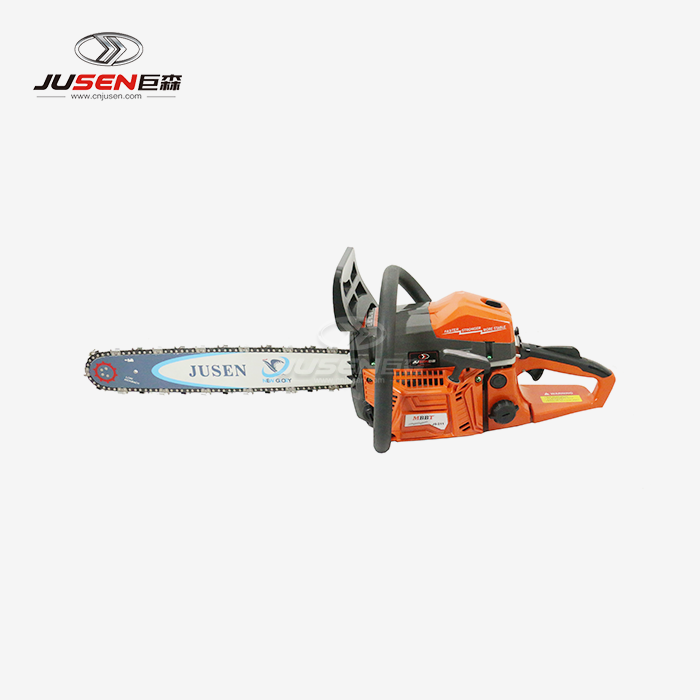
With twenty years of experience making things and a dedication to quality and new ideas, JUSEN is the best company to buy gas-powered gas chain saws from for professional use. Our 72CC chainsaw has a 2.6kW power output and a guide bar that can be anywhere from 18" to 30". It was designed for heavy-duty use in forestry, gardening, and emergency response. The 9 kg weight and easy-to-reach service design make upkeep easier while increasing output. We help new brands and dealers get into competitive markets by offering OEM setups that can be changed and full technical support. Our stable quality and great cost-performance ratio have won the trust of both well-known worldwide brands and new businesses. Please email our team at Sales1@cnjusen.com for unique help choosing tools that meet your specific needs. Today, ask for precise specs, maintenance information, or price quotes for buying things. Let JUSEN give your fleet of equipment proven solutions that improve long-term productivity and make repair processes more efficient in tough professional settings.
References
1. Smith, J.R. (2021). Professional Chainsaw Operation and Maintenance: A Comprehensive Guide for Forestry Professionals. Timber Press.
2. Anderson, M.K. & Thompson, P.L. (2020). "Two-Stroke Engine Maintenance in Commercial Outdoor Power Equipment." Journal of Agricultural Engineering Research, 45(3), 287-304.
3. National Association of Landscape Professionals. (2022). Equipment Maintenance Best Practices for Landscape Contractors. NALP Publications.
4. Williams, D.A. (2019). Small Engine Repair and Maintenance: Technical Manual for Gas-Powered Equipment. McGraw-Hill Technical Education.
5. Forest Products Laboratory. (2021). "Maintenance Protocols for Forestry Equipment: Impact on Operational Efficiency and Safety Outcomes." USDA Forest Service Technical Report, FPL-GTR-289.
6. Chen, H. & Rodriguez, E.S. (2023). "Total Cost of Ownership Analysis for Commercial Chainsaw Fleet Management." International Journal of Forest Engineering, 34(1), 112-128.

USER EVALUATE
Here is the customer's evaluation of us
 VIEW MOREGas Powered Gas Chain Saw
 VIEW MORE43cc 2-Stroke Electric-Start Earth Auger
 VIEW MORESmall And Strong 21v Power Blower
 VIEW MORE2-Stroke Mini Tiller Cultivator
 VIEW MORE4-Stroke mini rotary tiller cultivator
 VIEW MORELithium-Ion Battery Cordless Leaf Blower
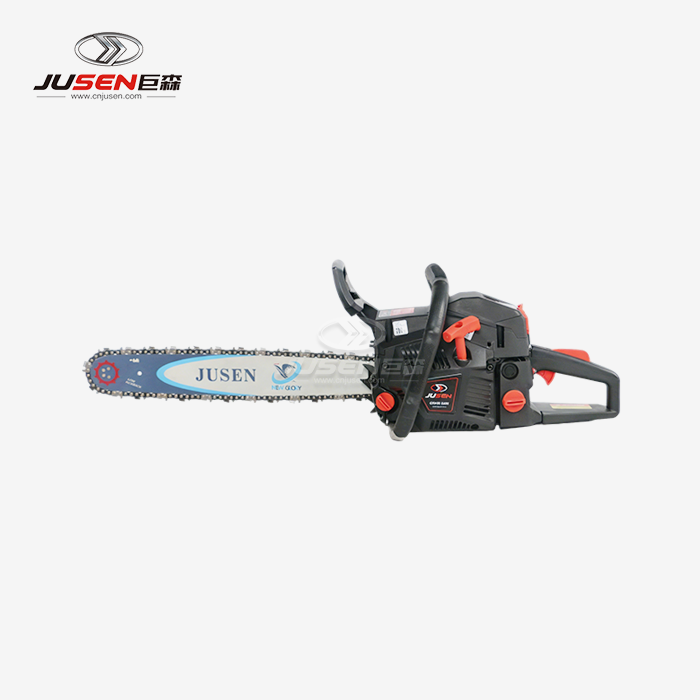 VIEW MORE58cc 2-Stroke Gas Chainsaw
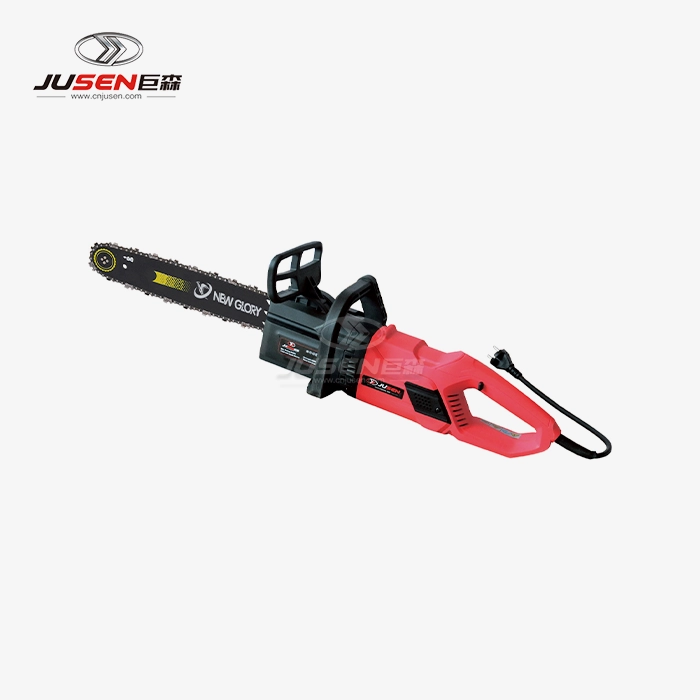 VIEW MORE16-Inch Cordless Electric Chainsaw