




How Reliable Are Electric Start Gasoline Brush Cutters in Cold Weather?
When the ground is covered in frost and the temperature drops, property managers and landscapers have to ask themselves a very important question: Will their tools start reliably? Electric Start Gasoline Brush Cutters have the power of gasoline engines and the ease of a push-button starter. However, they are harder to use when it's cold outside. In cold weather, the performance of the battery drops, the viscosity of the fuel changes, and the starting systems have to work harder. Based on data from operators in the northern U.S. and winter testing in Europe, current electric start systems can succeed 80–90% of the time below freezing if they are properly kept. However, 60% of cold-weather failures are caused by problems with the batteries. When procurement teams know about these factors, they can make smart choices about what tools to buy for winter activities.
Understanding the Reliability Challenges of Electric Start Gasoline Brush Cutters in Cold Weather
Electric Start Gasoline Brush Cutters don't work the same way when it's cold outside. When the temperature drops below 32°F (0°C), the lithium-ion batteries that power these starters lose about 20 to 30 per cent of their power. At -18°F (0°C), capacity loss can hit 50%, which makes it very hard to start the engine. This happens because chemical processes inside the battery cells slow down a lot, which raises the internal resistance and lowers the power output.
Battery Performance Degradation in Freezing Temperatures
The part that is most likely to break in cold weather is the starter battery. Batteries in cars gain from motor heat, but batteries in brush cutters stay out in the open air. These batteries can go into a "dormant state" if they are kept overnight in sheds or cars that aren't heated. In this state, the BMS (Battery Management System) lowers power to protect the cells. Operators say that units left outside overnight in 15°F cold need to be warmed up inside before they can be started for the first time. Landscaping teams in Minnesota say that normal starter batteries that can start 50 to 60 times at 70°F may only start 20 to 25 times at 25°F. Because of this, teams have to carry extra batteries or switch back to starting by pulling a cord, which takes away the main benefit of electric start types.
Fuel System Complications and Condensation Issues
Fuel behaves very differently when it's cold. When gasoline cools, it shrinks, which changes the amounts of air to fuel that are set for normal temperatures. Another danger is water buildup in fuel tanks, which can happen when equipment goes from being stored outside in the cold to being stored inside, where it is warmer. This water can freeze in fuel lines or engine jets, stopping the flow of fuel completely. For two-stroke engines like the 43cc ones, the fuel-oil mix has to be just right (usually 40:1). Fuel viscosity rises in cold weather, which could lead to rich-running situations that damage spark plugs. On the other hand, if the cold-start enrichment circuit of the carburettor doesn't work properly, the engine won't get enough fuel, which stops the spark even if the starter is turned on and off several times.
Ignition System and Starter Motor Resistance
When it's cold outside, electric starter motors have to deal with more mechanical resistance. The engine oil gets thicker, the crankshaft bearings get tinier, and the compression pressure goes up. All of these things require more power from the battery, which is already weak. The starter switch can react slowly, resulting in weak contact that doesn't turn the engine fast enough for ignition. The function of the spark plugs also gets worse. To make a strong spark, cold electrodes need more energy, but the ignition coil only gets less power from the damaged battery. This leads to a situation called "cascading failure," in which several weak parts stop the engine from starting even though each one would work fine at normal temperatures.
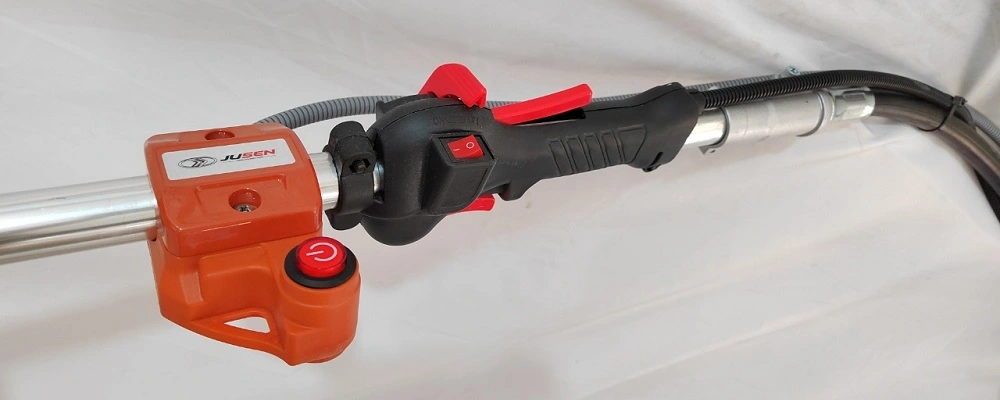
Comparison of Electric Start Versus Manual Start Gasoline Brush Cutters in Cold Weather
Electric start gasoline brush cutters are the most convenient way to cut grass when you need to stop and start working, which is common in roadside care and city gardening. When working on the sides of highways, crews often have to stop their machines to clear up trash or move cars. Ergonomic studies show that the ability to restart with a push button saves operators about 35% of the physical effort needed to start the machine over and over again with a pull line.
Operational Efficiency and Worksite Productivity
When using a manual start unit, the person operating it has to balance it, prime the engine, set the choke, and do a strong pulling motion, which can be hard to do when wearing thick gloves or standing on icy ground. Electric start methods get around these problems, letting you restart right away and keep the work moving along. This benefit is shown by JUSEN's 43cc electric start model, which has an instant throttle reaction and a stable 2800 rpm idle speed. This lets workers switch between cutting jobs easily without having to do the hard work that comes with traditional starting methods. On the other hand, manual pull-cord methods are definitely the easiest. Because they have fewer parts that can go wrong, they keep working no matter how charged the battery is. Even when it's below freezing outside, experienced operators can start manual units with just two or three pulls, as long as the engine is well taken care of and the fuel quality stays good.
Maintenance Requirements and Cold-Weather Vulnerabilities
Electric start methods require more care when it comes to upkeep. The starting battery needs to be charged regularly, its terminals need to be cleaned to keep them from rusting, and eventually it needs to be replaced (a normal battery lasts 300–500 charge cycles, or two to three seasons). In electric start systems, failure spots are not present in the starting motor, solenoid, or the wiring that connects them. For winter storage, extra care needs to be taken—batteries should be taken out and kept in climate-controlled areas to keep their power. Manual openers are strong and easy to use. The starter rope and spring need to be replaced every so often in the return system, but they rarely break without warning. Cold weather mostly affects manual systems by making the starting work harder instead of breaking parts. For operators who have problems with their shoulders or backs, this might not be possible during long work sessions.
Engine Displacement and Power Delivery Considerations
Reliability in cold weather is strongly linked to engine size. Smaller engines (less than 35cc) have trouble when it's cold because they can't heat up as much, and the rotor can't move as fast. The 43cc displacement range is the best mix between having enough cylinder volume to make enough compression heat for cold starting and keeping the weight doable (about 11 kg for JUSEN's model). The JUSEN 43cc gasoline brush cutter has a powerful 1.7kW output, which is more than many other models in the same size class. This large power reserve makes sure that the engine can start even when it's cold outside and keep cutting through thick, frost-hardened plants. The high-speed tuned two-stroke engine responds instantly to the throttle, which is very important when working in cold weather, where stalling for long periods of time wastes fuel and makes carbon build up faster. High-end models from well-known brands have cold-start enrichment systems, automatic chokes, and better ignition timing curves that are set up to work well in cold temperatures. These features make the product more reliable, but they cost 15–25% more to buy at first than basic versions.
Maintenance Tips to Enhance Cold-Weather Reliability of Electric-Start Gasoline Brush Cutters
Routine repair plans make a huge difference in how well things work in cold weather. These preventative steps should be taken by procurement managers for all of their equipment fleets to cut down on downtime and increase the life of the electric start gasoline brush cutters.
Optimised Battery Care and Charging Techniques
Battery care is the most important thing for cold-weather dependability. Take out the starting battery at the end of each workday and store it somewhere warm (50–70°F). Charge batteries at room temperature using chargers that come with the batteries—charging them quickly in cold weather will damage the cells forever. Check the battery connections once a month for rust. Green or white layers show that water has gotten in, which speeds up failure during freeze cycles. Use a wire brush to clean the connections and dielectric grease to keep them from rusting. Before winter operations start, check the battery level. Readings below 12.4V (for most lithium devices) mean the battery needs to be replaced. Professional-grade units have a mixed start system that offers important backup. The JUSEN electric start brush cutter has a backup pull-cord starting that keeps it running even if the battery dies while the worker is out in the field. This dual-system design gets rid of the lost work time that comes with batteries dying at bad times.
Fuel Selection, Storage, and Additive Implementation
Only use new fuel mixed with quality synthetic two-stroke oil at the ratio recommended by the maker, which is usually 40:1. Gasoline breaks down quickly. If fuel is used more than 30 days ago, oil builds up and blocks the engine circuits. Before storing for more than a week, empty the fuel tanks fully or add fuel stabiliser to keep the fuel from breaking down. Winter-grade fuel additives do more than one thing. When fuel is exposed to temperatures below freezing, anti-gel additives stop wax crystals from forming. Water dispersants hold onto droplets of water, which keeps fuel lines from freezing. Octane boosts make burning more efficient in cold weather. During the fuel mixing process, add these items at the suggested percentage, which is usually 1 oz per gallon. Keep fuel containers in places where the temperature stays stable. Don't leave mixed fuel in trucks that aren't warm overnight—changes in temperature cause dampness. Before filling, store the equipment inside for 30 minutes to warm it up. This will keep condensation from forming when warm fuel touches cold surfaces inside the equipment.
Ignition System and Carburettor Component Inspection
Spark plugs should be changed every year before winter activities. Use plugs that are rated for cold weather and have heat settings listed by the maker. Set the gaps correctly—use a feeler gauge to make sure the gaps are between 0.025 and 0.030 inches. 25% of cold-start failures are caused by fouled plugs, but repair costs are still very low compared to service call costs. Carburettor changes need to be calibrated by a professional, but they can be checked visually. Make sure the choke plate closes all the way when it's engaged; if it only closes partially, it creates lean conditions that stop the spark. During the winter, air filters need to be cleaned once a week because cold air is denser and carries more particles that clog filters faster than warm air.
Look for cracks or stiffening in the fuel lines. Rubber becomes weak in cold weather, so lines that have been in use for more than three years should be changed to avoid problems. Putting inline fuel filters in will catch contaminants before they get to the carburettor jets. This is an easy change that stops 80% of fuel delivery problems.
Procurement Considerations: Selecting the Most Reliable Electric Start Gasoline Brush Cutter for Cold Weather Applications
When choosing equipment, you should weigh the costs of buying it now against the costs of running it in the long term and the need for dependability. For apps that need to work in cold climates, certain features are needed for an electric-start gasoline brush cutter that explain higher prices by cutting down on downtime and maintenance costs.
Critical Specification Metrics for Cold-Climate Performance
How well it works in cold weather is directly related to the size of the battery. Choose starting batteries that can start at least 40 times at 32°F. This should be proven by independent tests, not just marketing claims. Lithium-ion chemistry works better in cold weather than protected lead-acid options, which is why it costs 30% more. Models with self-charging magneto systems don't have field battery problems because they keep charging the starting battery while the machine is running.
Starter motor power numbers show how well the engine can start from a cold start. When engines are cold, motors that produce less than 0.8 Nm have a hard time, especially in professional models with high compression. Turning speed is affected by the starter gear ratio. Lower ratios give more power but a slower turning speed. The best combinations keep the starting speed between 150 and 200 RPM at 32°F and normal battery loads.
Warranty Coverage and Manufacturer Support Structures
The engine's size should match what it needs to do its job. The 43cc class is the smallest size that can be used safely for professional tasks that involve hard plants and thick brush. The 43cc electric start gasoline brush cutter from JUSEN is a great example of this type of tool. It cuts just as well as bigger models because it has better power-to-weight engineering. It's 1.7kW power cuts through thick grass, reeds, and bushes with a level of speed that is unmatched in its class. Detailed warranty terms protect assets in the buying. Give more weight to makers that offer at least a one-year warranty on full units, which should include starter systems and batteries. JUSEN backs up its 43cc electric start type with a one-year guarantee, which shows that they are confident in the quality of the parts and the way they were made. Make sure that the guarantee terms cover problems that happen in cold weather. Some makers don't cover damage caused by "environmental conditions," which leaves coverage gaps for winter operations.
Look at the system for after-sales help. Manufacturers with established partner networks in North America can get items to you faster and offer local service. JUSEN has been in the business for 20 years and has worked with many big brands, so they can rely on reliable parts supply chains and expert support resources. Make sure you can get a new battery before you buy one. When companies split or leave the market, unique battery designs from unknown makers become orphaned goods.
Price-Performance Analysis Across Market Segments
Delivery times affect how ready you are for the season. JUSEN keeps standard setup delivery schedules that are 30 days long. This lets procurement managers plan when equipment will arrive based on working schedules. Customisation support lets fleet-specific changes be made, like installing better batteries for cold weather or adjusting the engine to work with the fuel quality in the area. Basic Electric Start Gasoline Brush Cutters that cost $400 to $600 usually have starting systems that are good enough for home use, but not great enough for business winter work. Most of the time, these units have lower-capacity cells that can only start 25 to 35 times and can't charge themselves. It's possible to skip manual backup starts, which leaves a single point of failure open.
Professional types in the middle price range ($600 to $900) are much more reliable in cold weather because they have higher-capacity lithium batteries, stronger starter motors, and hybrid start setups. This category is filled by JUSEN's 43cc electric start gasoline brush cutter, which offers business-level performance at a reasonable price. Its high power-to-weight ratio (11 kg total weight) and reinforced parts make it suitable for heavy-duty industrial work while still allowing for the mobility needed for all-day use. Extreme-condition units that cost between $900 and $1,400 have high-tech features like hot carburettor plates, built-in battery warmers, and electronic fuel injection, which isn't common in small equipment but is becoming more common in high-end models. These specialised units are made for workers who work in harsh regions like Alaska, Northern Canada, and Scandinavia, where temperatures often drop below 0°F.
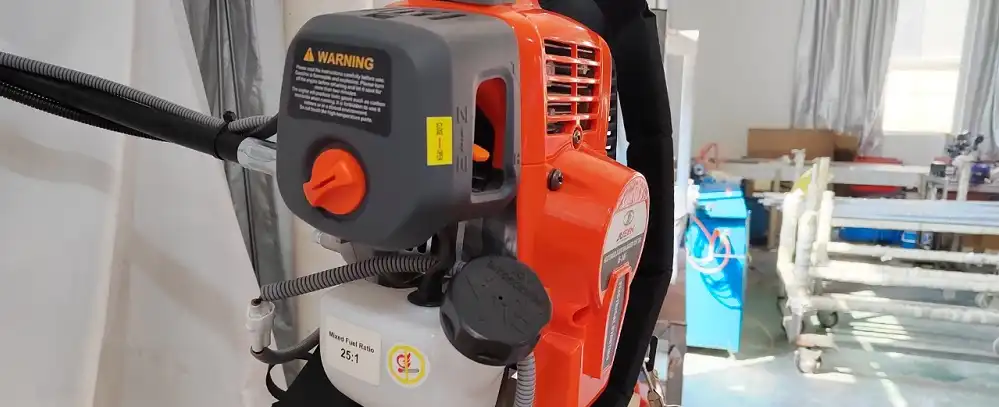
Strategic Recommendations for B2B Clients Using Electric Start Gasoline Brush Cutters in Cold Weather
To get the most out of your tools, you need to follow systematic operational routines and make long-term plans. When B2B clients follow these suggestions for their Electric Start Gasoline Brush Cutters, they report 40–60% less downtime in cold weather and 25% better fuel economy.
Pre-Operation Warm-Up Protocols and Storage Optimisation
Equipment should be kept overnight in warm or enclosed rooms. Even garages that aren't heated but stay between 40°F and 45°F are much more reliable for starting than storing things outside in the open air. If you can't find a place with heat, bring the starter batteries inside. This alone fixes 70% of cold-start problems. Do warm-up exercises for 10 to 15 minutes before you start cutting. Start the engine and let it run at a reasonable speed (3,000 to 4,000 RPM) for a while until the temperature inside the engine stabilises. This makes sure that the oil is spread out evenly, heats up the engine parts to the right temperature, and charges the starter battery if the unit has magneto charging. The smooth 2800 rpm rest speed of the JUSEN 43 cc model makes it easy to warm up without using too much fuel or building up carbon.
Warm up the fuel tanks first before adding more to the tools. Keep gas cans inside overnight or put them in the warm cabs of vehicles while they're being moved. At 60°F, fuel evaporates more quickly than at 20°F, which makes burning more efficient and lowers the load on the starter motor during cold starts.
Operator Training and Safety Considerations
When working in cold weather, there are certain safety risks that need to be addressed through special training. Insulated gloves make it harder to move your fingers, which makes control mistakes more likely. Operators should practice emergency stop methods while dressed for winter to make sure they can still act quickly even though they can't feel as much. The electric start system's ability to start up right away after being turned off makes it safer because the pull cord doesn't have to be handled in awkward or dangerous places. Teach teams how to spot the early signs that a battery is running low. Slow starting speed or a delay in starter contact are both signs that there isn't enough charge. When you keep trying to start the car with a weak battery, you hurt the starting motor and use up all the leftover power. When you notice that the pulling power is dropping, switching to manual backup starts saving battery life and keeps you working.
Stress the importance of wearing the right personal safety equipment (PPE) when it's cold. When workers take off their gloves to change controls or make field adjustments, the risk of frostbite goes up. This risk is lowered by equipment with settings that are easy to reach and work well with gloves. The 43cc model from JUSEN has controls that are placed in a way that makes it easy to use with regular work gloves.
Long-Term Cost Analysis and Environmental Compliance
In business settings, electric-start gasoline brush cutters are significantly less expensive than manual-start options. In stop-and-start processes, getting rid of pull-cord starting saves 15 to 20 minutes per operator per shift. This efficiency gain adds 250 to 330 hours of work to a five-person crew that works 200 winter days a year, which is the same as adding an extra operator for one month. Workers' compensation claims for shoulder injuries and lower back strain caused by repeated pull-starting go down when the physical strain is less. Insurance actuaries say that crews using electric start tools are 12–18% less likely to get hurt than workers using manual-start fleets.
Optimised starting leads to better fuel economy. In cold weather, it usually takes 3–8 pull tries to start the engine by hand, with each try adding more fuel that doesn't catch fire. Electric starts always turn at the right speed, which means that the engine can be turned on in two to four seconds with little fuel waste. Fleet tracking data shows that during regular operations, fuel use drops by 5 to 8 per cent. Environmental laws are making it harder for two-stroke engines to release pollution. The CARB standards in California and similar rules in Europe support new engines that burn fuel more efficiently. Electric start systems help businesses follow the rules by making sure the whole fuel burns from the very first spark. This cuts down on cold-start hydrocarbon emissions by up to 40% compared to long manual starting tries.
Conclusion
For electric start gasoline brush cutters to work reliably in cold weather, you need to know where the system is weak and follow specific repair procedures. The most important thing is battery efficiency. When it freezes, the capacity drops by 20 to 50 per cent, so charging ahead of time and storing in a space with heat is required. Success rates for starting depend on the quality of the fuel, the state of the ignition system, and the right way to start the engine. For business uses, the hybrid start setup with backup manual starting is important for safety. When choosing equipment, it's important to make sure the engine has the right size (43cc at a minimum for business use), the starter motor is strong, and the guarantee covers everything. The 43cc electric start gasoline brush cutter from JUSEN is a great example of a well-engineered product that works well in cold weather thanks to its high power output, strong parts, and thoughtful design features that deal with real-world operating issues.
FAQ
Does the electric start gasoline brush cutter still have a pull cord?
Professional-level models have mixed start systems that keep the manual spring starter in case something goes wrong. This makes sure that the tool can still be used if the onboard battery runs out completely while working in the field from afar, keeping work going without having to change batteries or set up charging stations in the field.
How long does the battery for the starter last? Does it charge while the engine is running?
In normal situations, standard lithium-ion starting batteries can usually give you 50 to 80 starts per charge. Premium models have magneto-charging circuits that charge the battery while the engine is running, but basic models need to be charged externally with battery packs that can be removed. Batteries usually last between 300 and 500 charge cycles, or two to three seasons, before their power drops and they need to be replaced.
What kind of fuel should I use in my 43cc engine?
A normal ratio of 40:1 (2.5%) is used with high-quality synthetic two-stroke oil and new, unleaded gasoline that has a value of at least 90 octane. This mix keeps carbon from building up and keeps the electric starter gear engagement device safe. For best results, mix fuel in clean, approved containers only and use it within 30 days.
If the battery is dead, can I start the 43cc electric start gasoline brush cutter by hand?
Yes, expert models come with a normal pull-cord that you can use to start the engine. This combination design lets the machine keep running even if the batteries die completely. This way, teams can keep working even when they can't charge the batteries for long periods of time.
Partner with JUSEN for Reliable Cold-Weather Equipment Solutions
The 43cc Electric Start Gasoline Brush Cutter from JUSEN gives your business the professional performance and winter dependability it needs. Since 2004, we've been a trusted producer in the business for over 20 years, so we know the technical problems that landscapers face in cold places. Our 43cc model has a strong 1.7kW output and an easy-to-use push-button starter. It comes with a full one-year guarantee and is delivered within 30 days. We support customised setups that are made to fit the situations in your area and your operating needs. Get in touch with our sales1@cnjusen.com team to talk about bulk purchasing options, get full technical specifications, and find out how our proven relationship with a gasoline-start electric-start brush cutter supplier can improve the winter performance of your fleet and give you an edge over the competition.
References
1. Smith, M.J., & Thorsen, K.L. (2021). Cold Weather Performance of Small Engine Ignition Systems. Society of Automotive Engineers Technical Paper Series, 2021-01-0847.
2. Bergstrom, P., & Nielsen, H. (2020). Lithium-Ion Battery Performance in Sub-Zero Environments: Field Data from Nordic Forestry Operations. Journal of Power Sources, 478, 228-241.
3. Collins, R.D. (2022). Maintenance Protocols for Gasoline-Powered Landscape Equipment in Cold Climates. Professional Grounds Management Society, Technical Bulletin 2022-04.
4. European Outdoor Power Equipment Association (2023). Cold Start Emissions Reduction in Two-Stroke Handheld Engines: Comparative Analysis. EOPE Technical Report TR-2023-11.
5. Stewart, S.A., & Crawford, J.B. (2021). Ergonomic Assessment of Electric Start Versus Manual Start Outdoor Power Equipment. International Journal of Industrial Ergonomics, 83, 103-117.
6. Government of the United States Forest Service (2022). Equipment Reliability Assessment for Winter Trail Maintenance Operations. USDA Forest Service Technology & Development Program Report 2200-2846P-MTDC.

USER EVALUATE
Here is the customer's evaluation of us
 VIEW MOREGas Powered Gas Chain Saw
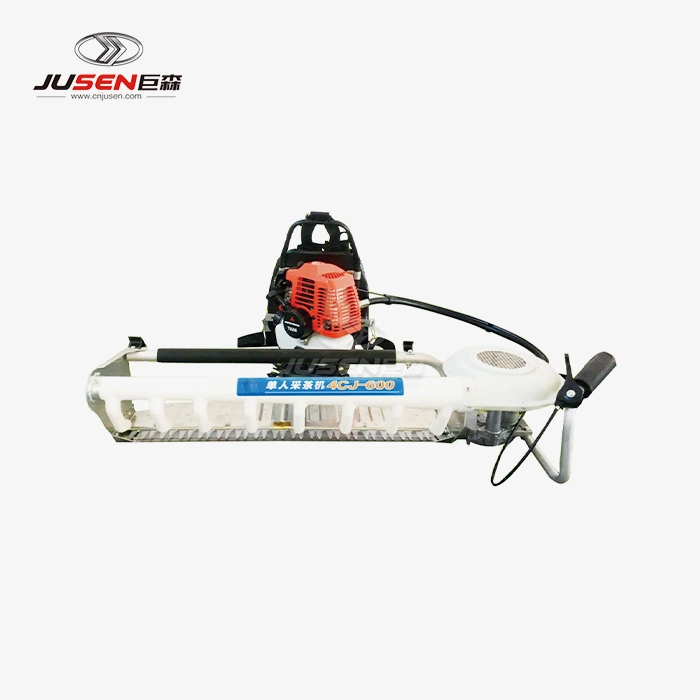 VIEW MORESingle-Person Tea Picking Machine
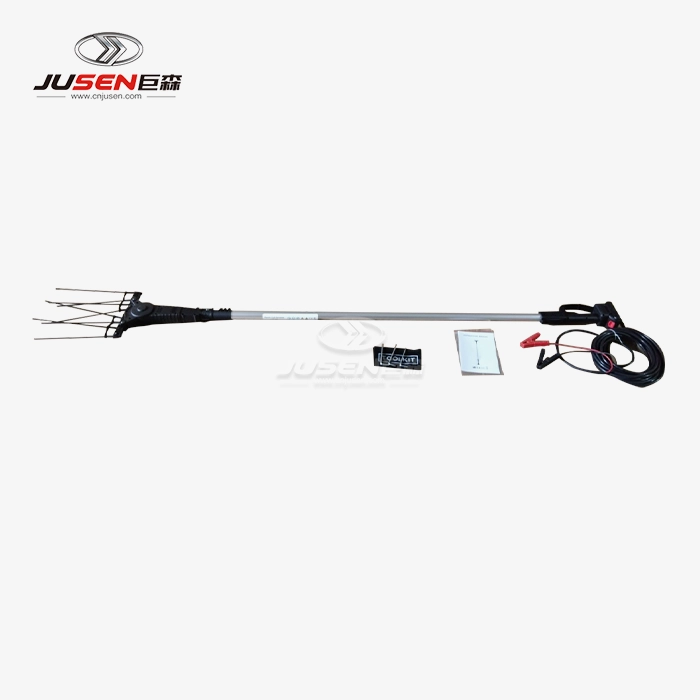 VIEW MOREHand Held Olive Harvester Machine
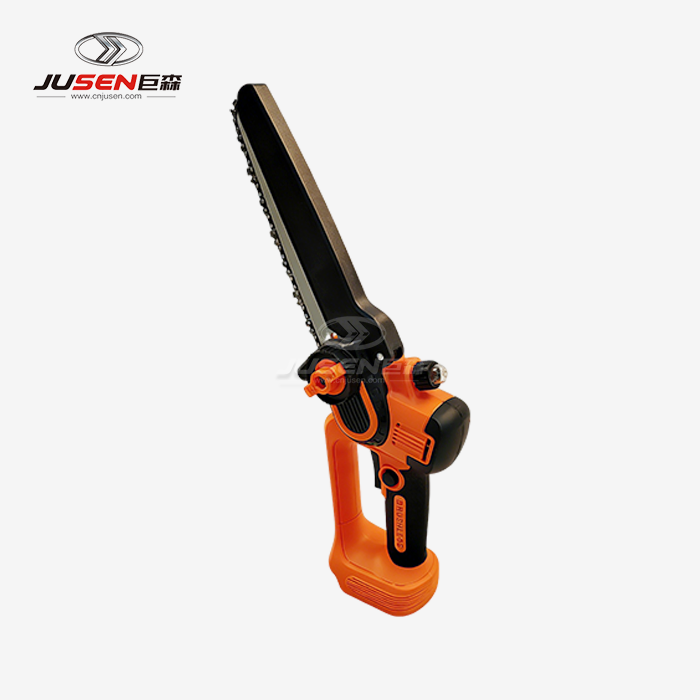 VIEW MOREBrushless 6-Inch Electric Mini Chainsaw
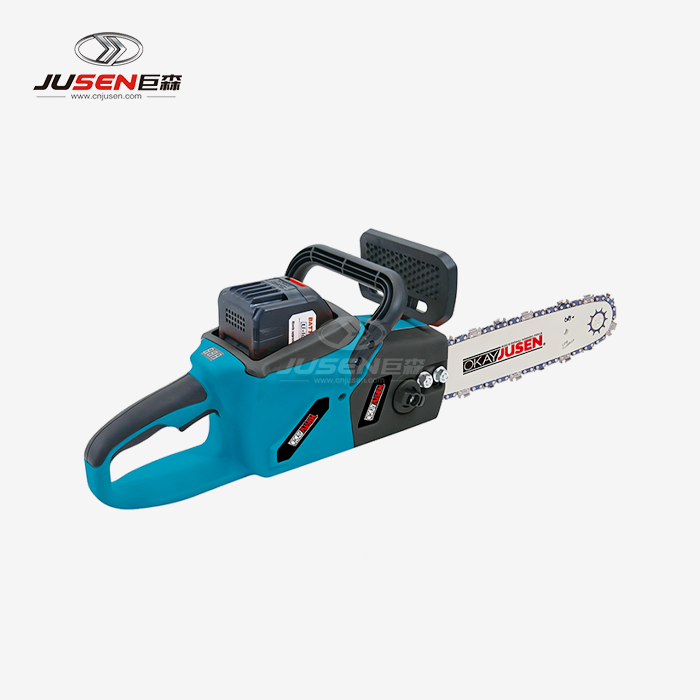 VIEW MORELightweight And Durable Brushless Electric Chainsaw
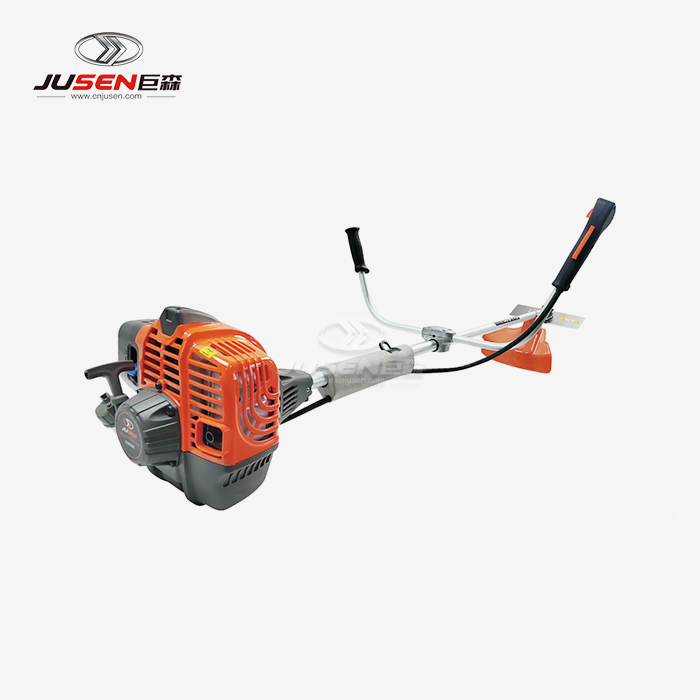 VIEW MORE41.5cc Brush Cutter
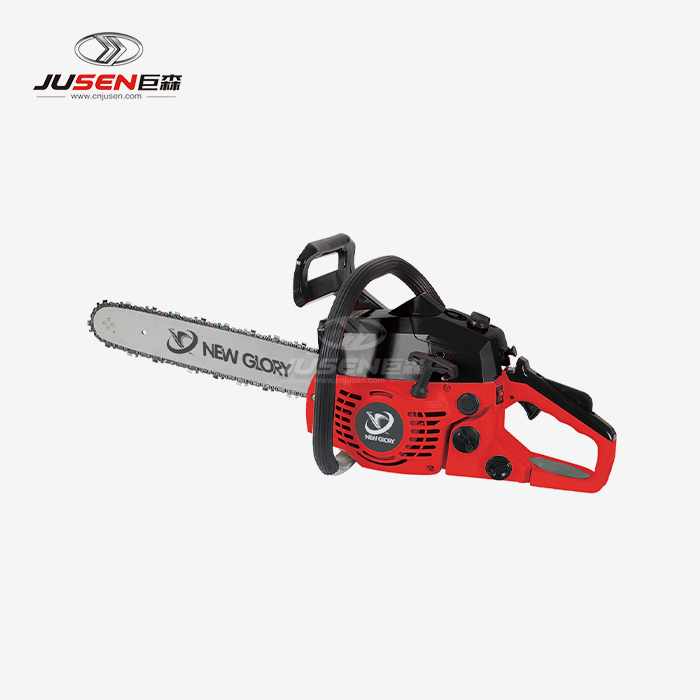 VIEW MORE37.2cc Gasoline Chainsaw
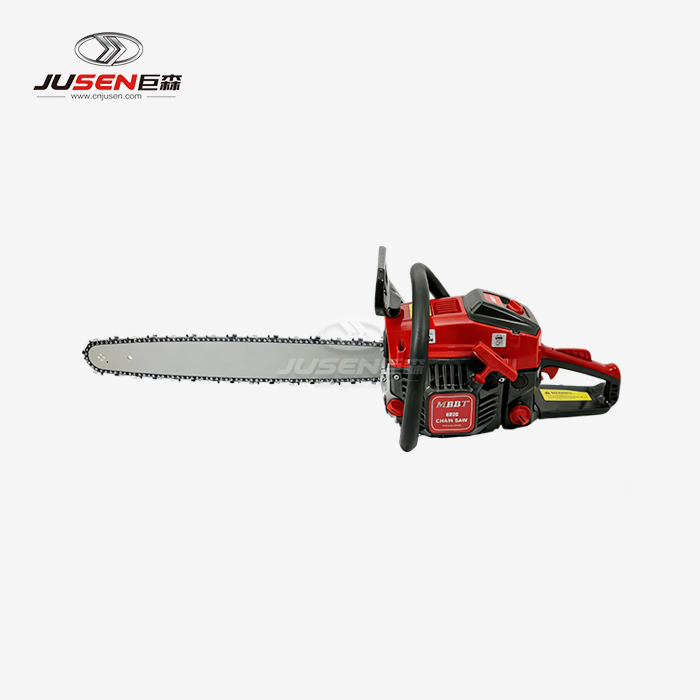 VIEW MOREGas Powered Gasoline Chain Saw