




How Do You Maintain a Mini Chain Saw Battery Powered?
The mini chainsaw battery-powered needs to be charged correctly, stored properly, and inspected regularly in order to stay in good shape. Lithium-ion batteries should only be charged with chargers that are compatible with them. They should also be stored at 40 to 60% capacity in cool, dry places, and the contacts should be cleaned regularly to stop rust. These steps will make the battery last longer, save you money on replacements, and make sure that the cutting works reliably during tough jobs. Whether you work in business landscaping, forestry management, or private yard maintenance, taking good care of your batteries has a direct effect on how much you get done and how long your tools last.
Understanding the Challenges of Maintaining Battery-Powered Mini Chainsaws
Operators of electric cutting tools in business settings still have to deal with batteries dying quickly. Most current mini chain saw battery-powered models use lithium-ion battery cells, which lose some of their power over time when they are charged and discharged many times. Extreme temperatures speed up this process. Using batteries when the temperature is below 32°F or above 104°F drastically reduces their useful life.
Common Battery Degradation Factors
The most harmless damage is caused by bad charging habits. When cells are overcharged, too much electricity is put into them, which creates heat that breaks down the chemicals inside. On the other hand, letting batteries drain fully before charging them stresses the cells and shortens their overall cycle life. Studies from battery research centers show that keeping the charge level between 20% and 80% can increase the battery's lifespan by up to 40% compared to fully discharging and charging it.
Financial Impact on B2B Operations
When battery repair stops, purchasing managers and other procurement workers have to pay a lot of money. Depending on the voltage and size, a single lithium-ion battery refill for a professional-grade mini chain saw battery powered will cost between $80 and $200. When you multiply this by truck operations—landscaping companies may have anywhere from 10 to 50 units—it puts a lot of pressure on the budget. Unplanned downtime adds to these costs by causing lost work and pushing back project deadlines.
Environmental Stress Factors
Battery connections and internal circuits corrode when they are exposed to humidity and water. When dust builds up in battery compartments, it creates electrical resistance. This makes the tool's motor driver draw too much power, which wastes heat. To avoid these operating risks, professionals who work in forests or agriculture must put protective storage and regular cleaning at the top of their list of priorities. Addressing these problems requires systematic maintenance protocols that balance operational demands with preventive care. The parts that follow explain useful steps that buying teams and end users can take right away to keep their equipment investments safe.
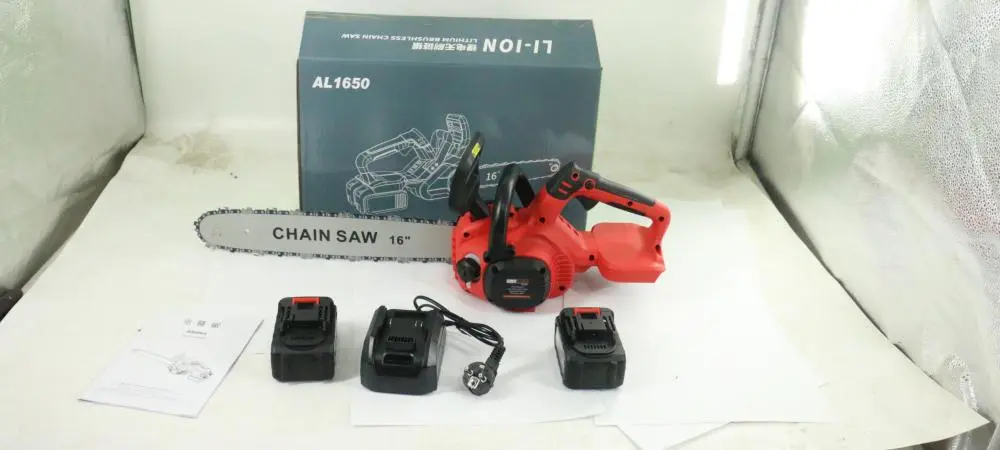
Core Principles for Effective Maintenance of Mini Chain Saw Batteries
Four basic things are needed to take good care of batteries: charging them at set times, storing them in a safe place, checking them regularly, and following the manufacturer's instructions. These rules are the same for all battery types and tool brands, but the exact details depend on the mini chainsaw battery-powered model.
Charging Discipline and Cycle Management
Lithium-ion batteries work best when they are charged with equipment that is allowed by the maker. The JUSEN JS-4CJ-600 type has 36-60V lithium-ion technology, so it needs chargers that are tuned to its voltage range to keep it from getting damaged by overcharging. Smart charges that stop the flow of power automatically when the cells reach full capacity take away the need to guess. Partial charging offers distinct advantages over full-cycle charging. Adding power to batteries during lunch breaks or between jobs keeps them ready without putting cells through the stress of a deep shutdown. This approach proves particularly valuable for professional landscaping crews who rotate multiple battery packs throughout the workday.
Storage Environment Control
Keeping an eye on the temperature while the battery is being stored keeps the chemistry intact. The best temperatures for storage are between 50°F and 77°F, and the relative humidity should be less than 60%. Some high-quality lithium-ion packs have thermal monitors built into their battery management systems. However, these sensors become useless after a while of being exposed to harsh circumstances. Storage charge levels matter significantly. Batteries that are kept at full charge lose power faster because the internal voltage stress is higher. The suggested storage charge is between 40% and 60% of the cell's capacity. This is enough to keep the cell healthy without putting too much stress on the voltage. Before putting batteries in controlled settings, operators who want to store them for the winter should charge them to this range.
Routine Physical Inspection
Visual inspection finds issues early on, before they become major problems. Battery cases should be checked every month to make sure they don't have any cracks, bulges, or deformities. Swollen batteries show harm to the cells inside and are unsafe to use. These units need to be taken out of service right away and thrown away properly through approved recycling programs. Battery terminals and contacts demand particular attention. Metal surfaces get white or green powdery coatings called "corrosion," which raises the electrical resistance and makes power flow less efficient. Light surface dirt can be removed with a dry cloth. For tough rust, rubbing alcohol on a cotton swab will clean it gently. These fundamental practices form the baseline for professional battery maintenance. Companies that make these practices part of their standard operating procedures say that their batteries last longer and cost less to replace across all of their equipment lines.
Step-by-Step Battery Maintenance Techniques for Mini Chain Saws
Putting general ideas into practice through repair processes turns them into workable workflows. The following methods cover the whole Mini chainsaw battery-powered battery lifetime, from installing it to fixing problems to deciding when to replace it.
Battery Selection and Compatibility Verification
Matching battery specifications to tool requirements prevents compatibility issues and performance problems. The JUSEN JS-4CJ-600 operates on 36-60V lithium-ion batteries, delivering 2400W rated power through its brushless motor. If you use batteries that aren't in this power range, the motor could get damaged, or the cutting might not work well. Capacity ratings, measured in ampere-hours, determine runtime between charges. Professional users handling extended projects benefit from higher-capacity batteries (4.0Ah or greater), while residential users performing occasional yard maintenance find 2.0Ah to 2.5Ah packs sufficient. Procurement teams should stock varied capacities to match diverse operational demands within their organizations.
Proper Installation and Removal Procedures
Battery installation requires attention to alignment and secure seating. Before inserting a battery pack, inspect the tool's battery compartment for debris or damage. Align the battery rails with the tool's guide slots, then slide the pack firmly until you hear a click. Electrical resistance is caused by loose connections, generating heat, and reducing cutting efficiency. Removal procedures protect both the battery and the tool. Depress the battery release button fully before attempting to slide the pack free. Forcing removal without disengaging the latch damages retention mechanisms and creates loose connections in subsequent uses. Always remove batteries before performing chain adjustments, blade changes, or any maintenance requiring direct contact with cutting components.
Charging Methods and Best Practices
Charging methods have a direct effect on how long a battery lasts. Position chargers on stable, non-flammable surfaces away from combustible materials. Ensure adequate ventilation around charging equipment—lithium-ion batteries generate heat during charging cycles, and proper movement keeps temperatures from building up around charging equipment. Monitor charging progress through indicator lights or digital screens. Most good chargers signal completion through color changes or audible alerts. Remove batteries promptly after charging completes—leaving fully charged batteries on chargers for extended periods contributes to unnecessary voltage stress. Modern chargers incorporate trickle-charge features that minimize this risk, but prompt removal remains the preferred practice.
Troubleshooting Common Battery Issues
Rapid capacity loss indicates either cell degradation or charging system problems. Test batteries with alternative chargers to isolate the issue. If multiple batteries exhibit similar behavior with one charger, replace the charging unit. If capacity loss affects only one battery across multiple chargers, cell degradation requires battery replacement. Batteries failing to accept charges may suffer from deeply discharged states, triggering protection circuitry. Some advanced chargers include reconditioning modes that attempt recovery through controlled low-current charging. Success rates vary, and batteries requiring reconditioning often exhibit reduced capacity even after recovery. These step-by-step procedures equip maintenance personnel with systematic approaches to battery care.
Comparing Battery Types and Their Maintenance Requirements
The choice of battery formula affects how much upkeep is needed, how well it works, and the total cost of ownership. Knowing the differences between lithium-ion technology and nickel-cadmium technology helps people who buy Mini Chain Saw Battery Powered make smart choices about what tools to buy.
Lithium-Ion Battery Characteristics
Lithium-ion batteries are the most popular type of cordless power tool battery due to their superior energy density and minimal memory effect. This technology is used by the JUSEN JS-4CJ-600 to deliver 2400W power output while maintaining a manageable weight of just 5.85 kg. This power-to-weight ratio enables extended operation without operator fatigue, critical for professional arborists and landscaping contractors. Maintenance requirements for lithium-ion batteries emphasize temperature control and partial charging practices. These batteries tolerate partial discharge cycles without performance degradation, allowing operators to recharge whenever convenient rather than waiting for complete depletion.
Nickel-Cadmium Battery Properties
Nickel-cadmium batteries work well in a wide range of temperatures and can handle being dropped and hit more easily than lithium-ion battery alternatives. However, they suffer from memory effect—a phenomenon where incomplete discharge cycles gradually reduce usable capacity. Users must periodically discharge NiCad batteries completely before recharging to maintain full capacity. Environmental concerns surrounding cadmium disposal have driven many manufacturers away from NiCad technology. Recycling requirements add an administrative burden to battery lifecycle management, and disposal costs factor into total ownership calculations. Most professional-grade battery-powered tools now standardize on lithium-ion technology, simplifying fleet management for large organizations.
Performance Comparison in Professional Applications
Lithium-ion batteries deliver consistent voltage output throughout discharge cycles, maintaining cutting speed and torque until capacity depletes. This characteristic proves valuable when cutting hardwoods, where power consistency prevents blade binding. The JUSEN model's 14m/s chain speed remains stable across the battery discharge curve, enabling uniform cutting performance. NiCad batteries exhibit voltage drop during discharge, resulting in gradually decreasing power output as capacity diminishes. While this behavior provides a warning of impending depletion, it reduces cutting efficiency during the latter portion of each charge cycle. Professional users prioritizing consistent performance gravitate toward lithium-ion technology despite its higher initial cost.
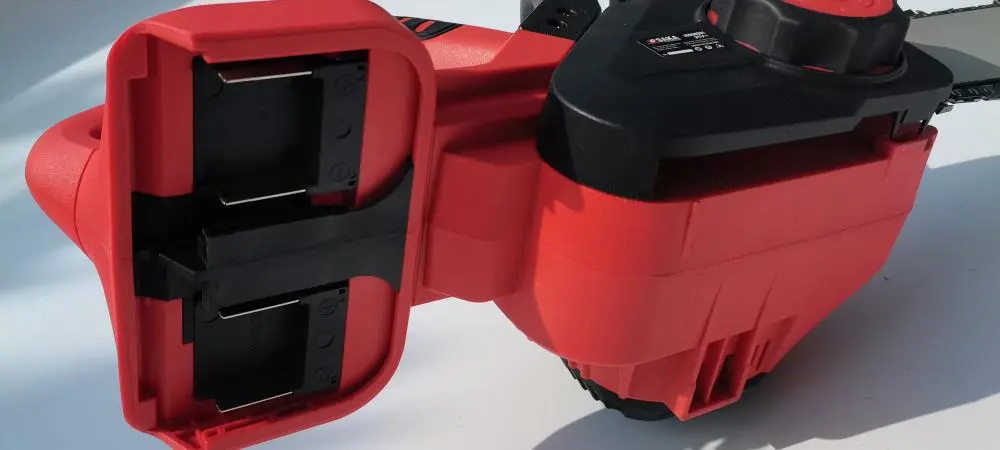
Enhancing Battery Performance Through Smart Procurement and Usage Strategies
Proper battery repair is even more helpful when you buy the right mini chainsaw battery-powered and run your business in the right way. Procurement decisions extending beyond the initial purchase price create long-term value through reduced operating costs and improved productivity.
Selecting Quality Manufacturers and Warranty Coverage
Equipment longevity correlates strongly with manufacturer reputation and support infrastructure. JUSEN has been making tools for 20 years, demonstrating the production consistency and quality control systems necessary for reliable professional tools. Established manufacturers maintain parts availability and technical support networks that prove invaluable when troubleshooting equipment issues. Warranty terms reveal the manufacturer's confidence in product durability. The one-year warranty accompanying JUSEN battery-powered equipment provides recourse for defects and premature failures. Procurement professionals should document warranty terms, coverage exclusions, and claim procedures before finalizing purchases to ensure smooth issue resolution.
Comprehensive Equipment Bundles
Purchasing complete systems, including batteries, chargers, protective cases, and spare components, simplifies fleet management. Multi-battery bundles enable continuous operation through battery rotation—while one battery powers the tool, others charge or remain ready as spares. This approach eliminates downtime and maximizes labor productivity during intensive projects. Protective storage solutions extend battery life by shielding units from physical damage and environmental exposure. Hard cases with foam inserts secure batteries during transport and provide organized storage. These investments prove cost-effective by reducing premature replacements due to accidental damage.
Operator Training and Documentation
Effective maintenance requires that all equipment users understand proper care procedures. Organizations should develop written protocols covering charging practices, storage requirements, and inspection schedules. Brief training sessions ensure new employees learn correct techniques before operating equipment independently. Documentation supports accountability and continuous improvement. Maintenance logs tracking battery performance, replacement dates, and failure modes reveal patterns that inform future procurement decisions. This data helps identify whether specific battery models meet organizational needs or require specification changes for subsequent purchases.
Sustainability and Safety Considerations
Properly maintained batteries support environmental responsibility through extended service life and reduced disposal frequency. Lithium-ion batteries contain recyclable materials—establishing relationships with certified recycling facilities ensures responsible end-of-life management. Safety protocols around battery handling prevent workplace incidents. Training should cover thermal runaway recognition, proper extinguisher selection for lithium-ion fires, and emergency response procedures. While quality batteries include protective circuitry preventing most hazards, comprehensive safety awareness remains essential. These strategic considerations transform battery maintenance from reactive repair into proactive asset management.
Conclusion
To keep mini chain saw battery-powered in good shape, you need to be careful about how you charge them, how the environment affects them, and how often you check them. Lithium-ion batteries running tools like the JUSEN JS-4CJ-600 work reliably as long as users follow the charging, storing, and handling instructions provided by the maker. Professionals in procurement should choose equipment that has strong maker support, long contracts, and designs that are easy to maintain. Quality tools, following the right care instructions, and smart buying choices all work together to keep costs low and output high. Companies that spend money on battery repair tools and training for workers see a clear return in the form of longer-lasting equipment and less downtime.
FAQ
What charging frequency maximizes battery life?
It is best to charge lithium-ion batteries when they reach 20 to 30 percent of their remaining capacity. Cells are less stressed when batteries aren't fully discharged or charged when they still have at least 50% of their capacity. Professional users should charge batteries during natural work breaks rather than waiting for full depletion.
How do I identify when battery replacement becomes necessary?
Batteries requiring replacement exhibit runtime reduction exceeding 40% compared to new conditions, physical swelling or deformation, inability to accept full charges, or excessive heating during normal use. Capacity testing with known loads provides objective measurements for replacement decisions.
Can I use third-party chargers with my cordless chainsaw?
Damage can be avoided by using chargers that are made to work with your Mini Chainsaw Battery Powered, power, and chemicals. Manufacturer-supplied chargers include safety features calibrated to battery requirements. Third-party chargers lacking proper certifications may deliver incorrect voltage or current, causing premature failure or safety hazards.
Partner with JUSEN: Your Trusted Mini Chainsaw Battery-Powered Manufacturer
JUSEN specializes in delivering professional-grade mini chain saw battery-powered equipment backed by 20 years of manufacturing excellence. Our JS-4CJ-600 model combines 2400W rated power, 16-inch guide bar capacity, and 36-60V lithium-ion technology to meet demanding operational requirements. We support bulk procurement with 30-day delivery timelines and customization options tailored to your specifications. Procurement professionals benefit from our one-year warranty coverage and comprehensive technical support. Contact our team at Sales1@cnjusen.com to discuss your requirements with experienced specialists who understand B2B procurement needs. Whether you're establishing a new equipment fleet or upgrading existing inventory, JUSEN delivers the quality, reliability, and support your operations demand.
References
1. Battery University. "Lithium-Ion Battery Care: Charging and Storage Best Practices." 2023 Edition. Battery Research Institute Publications.
2. Thompson, R. and Martinez, J. "Maintenance Protocols for Professional Cordless Power Equipment." Journal of Industrial Tool Management, Vol. 34, Issue 2, 2023.
3. Professional Landscaping Equipment Association. "Battery Performance Standards and Maintenance Guidelines for Commercial Applications." Technical Report Series, 2022.
4. Chen, L. "Comparative Analysis of Battery Chemistries in Outdoor Power Equipment." International Journal of Power Tool Engineering, 2023.
5. Occupational Safety and Health Administration. "Safe Handling and Storage of Lithium-Ion Batteries in Professional Settings." Workplace Safety Guidelines, Updated 2023.
6. Green Industry Equipment Council. "Total Cost of Ownership Analysis: Battery vs. Gasoline Power Systems." Industry White Paper, 2023.

USER EVALUATE
Here is the customer's evaluation of us
 VIEW MORE43cc 2-Stroke Electric-Start Earth Auger
 VIEW MORESpraying Machine Gas Powered
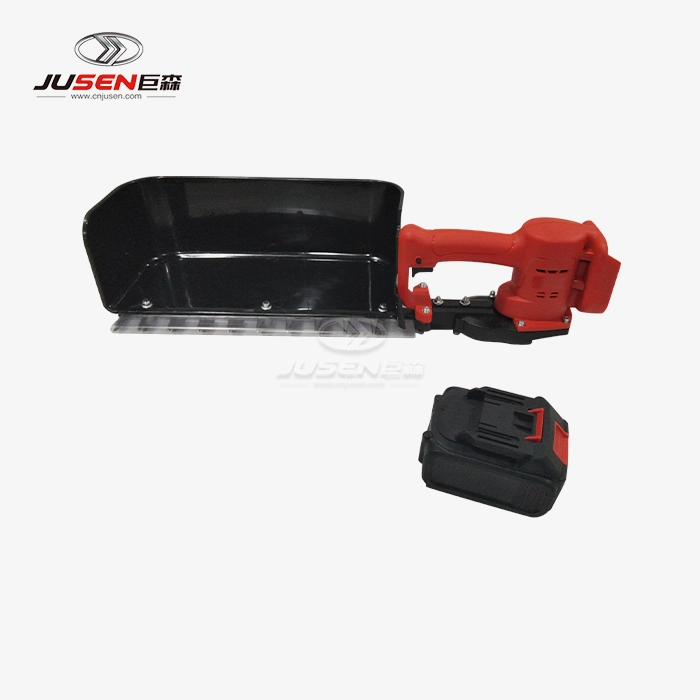 VIEW MORE21v Lithium-Ion Brushless Hedge Trimmer
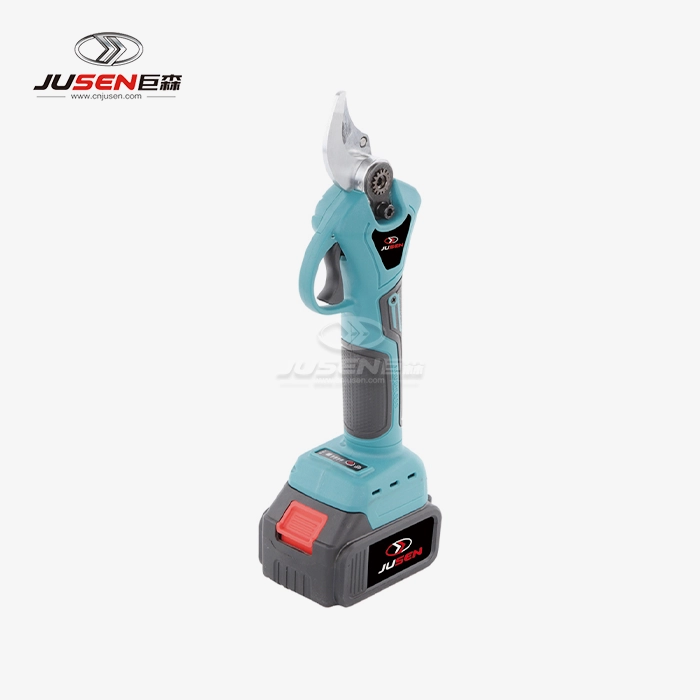 VIEW MORELong Reach Lithium-Ion Garden Shears 21v
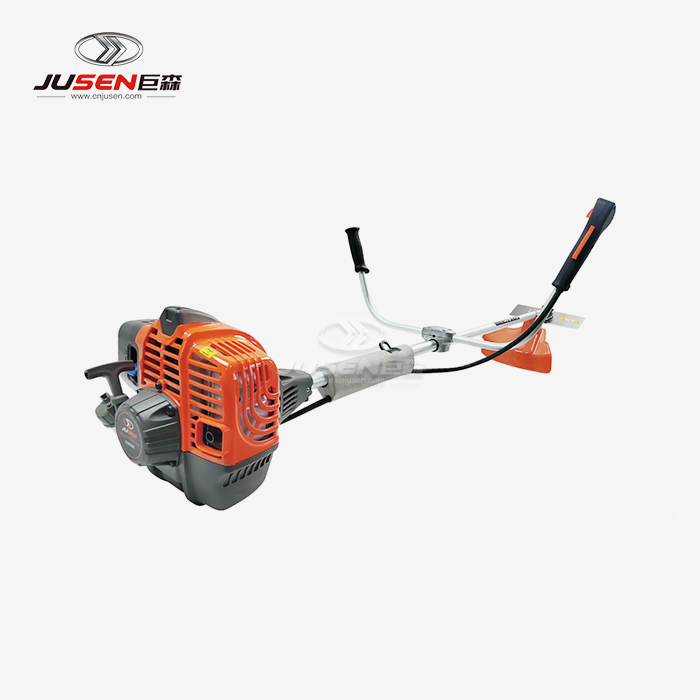 VIEW MORE41.5cc Brush Cutter
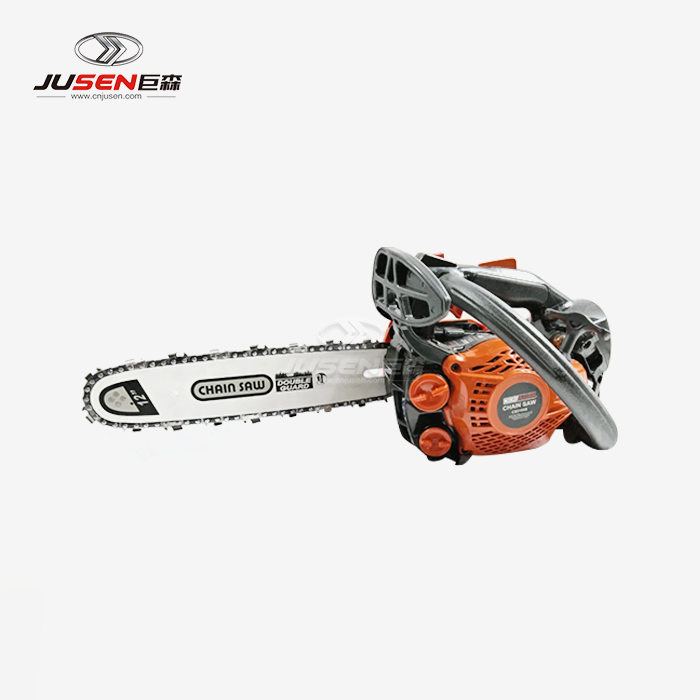 VIEW MORE25cc Small Garden Gasoline Chainsaw
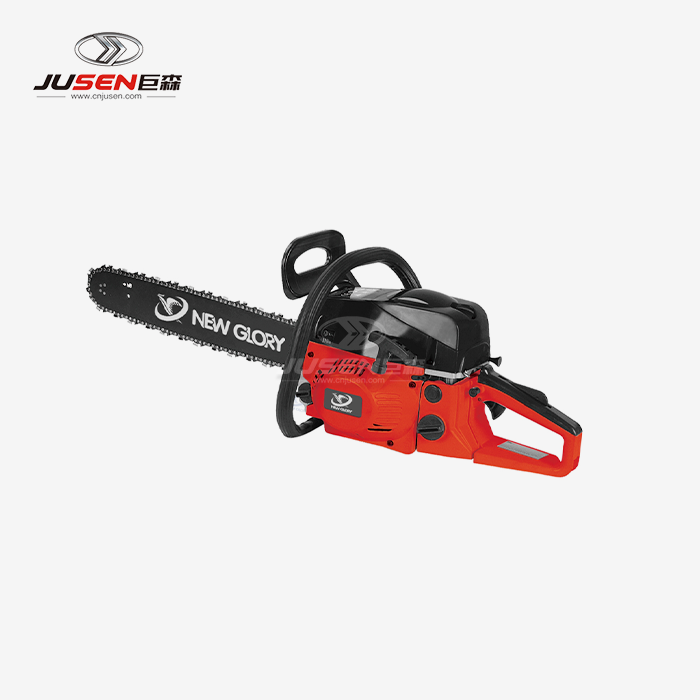 VIEW MORE52cc Strong Power Garden Gasoline Chainsaw
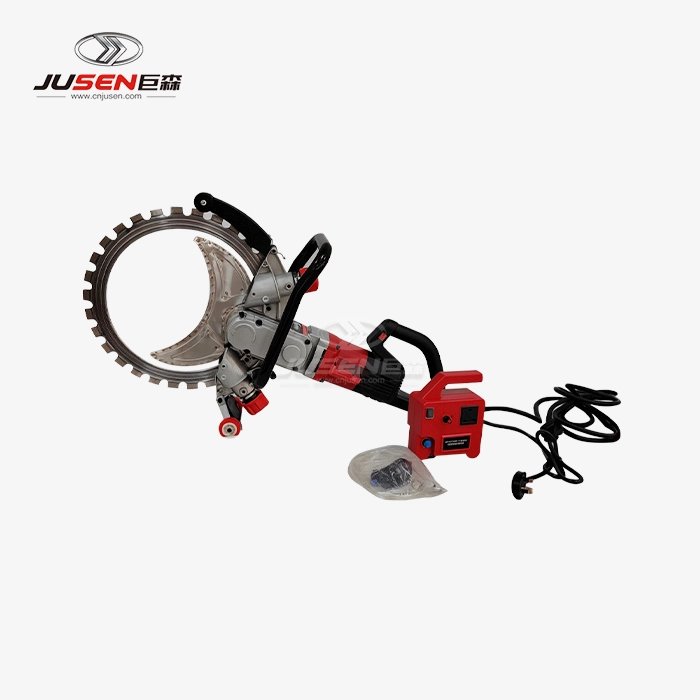 VIEW MOREElectric Ring Saw Wall Cutting Machine