




How Efficient Is Fuel Consumption in a 58cc Gas Chainsaw?
Fuel waste is still a big part of how much it costs to run professional-grade cutting tools for landscapers, forestry teams, and equipment sellers. A basic 58cc gas chainsaw uses between 0.6 and 0.9 liters of fuel every hour when everything is working as it should. But the real amount used varies on how the saw is used, how much work needs to be done, and how well the saw is maintained. This mid-displacement platform gets the job done while also using little gas. You can use it for heavy-duty jobs without having to worry about using too much fuel like bigger models do. Buying managers can figure out the total cost of ownership and pick models that meet the needs of the business better when they know these efficiency factors.
Introduction
It's now very important for businesses that buy skilled cutting tools from each other that the tools use little fuel. There are many uses for the 58cc gas chainsaw in business and industry. It is strong enough to handle tough work and doesn't use too much fuel. This article talks about how important these tools are for jobs like farming, gardening, and forestry, all of which have high costs that cut into earnings.
The original buy price and the long-term costs of running the business make it hard for buying managers to decide what to do. More than just the price of fuel is affected by how well fuel is used. It also changes how productive workers are, how well they take care of the surroundings, and how long technology is down. These days, two-stroke engine technology has come a long way. The newer versions burn fuel more efficiently and pollute less than the older ones. This guide looks at engine physics and maintenance tips and compares performance data to help business buyers find the most fuel-efficient models that give the best performance and value over long periods of use.
Understanding Fuel Consumption in a 58cc Gas Chainsaw
Fuel Consumption Benchmarks and Measurement Standards
For chainsaws that run on gasoline, fuel economy is shown by how much fuel is used per hour, which is generally given in gallons or liters. A well-kept 58cc gas chainsaw that is only cutting light loads needs about 0.6 to 0.9 liters of gas every hour. When doing heavy work like cutting down trees or constant pushing, the range of consumption may go up, while when doing lighter work like trimming, the range may go down. These standards help buying teams set goals that are attainable when they are coming up with useful budgets and evaluating various models.
Engine Design and Combustion Principles
The displacement of 58cc gas chainsaw models shows how much the piston moves inside the cylinder during one full stroke. It can make between 2.4kW and 2.6kW of power, which is enough to move guide bars through thick wood up to 24 inches deep without stopping. Two-stroke engines make more power per unit volume than four-stroke engines because each piston turn completes a burning cycle. For this method to work with JASO FD synthetic oils, the fuel and oil need to be mixed, usually 40:1 or 50:1. When the fuel is burned, the molecular energy in it is turned into mechanical force. A lot of what makes the process work well is the setting of the engine, the time of the spark, and the amount of air to fuel.
Factors Influencing Real-World Consumption Rates
There are a lot of practical things that affect how much fuel is used that aren't needed. The load resistance changes based on the length of the guide bar. An 18-inch bar doesn't need as much power to keep the chain going as a 24-inch bar does, so more fuel is used. When you cut wood, the amount of resistance you get depends on how big it is and how much water is in it. Technique is very important for the driver. If they use the throttle too fast or let it run for too long, they lose fuel. How well the engine works and how changeable the fuel is are both affected by the weather. How sharp a chain is has a direct effect on how well it cuts. Because a dull chain makes the engine work harder, it burns more gas and cuts less quickly. The density of the air can change depending on things like gravity. This means that the engine needs to be tweaked to keep the right mix of air and fuel for burning efficiently.
Key Features of 58cc Gas Chainsaws That Impact Fuel Consumption
Advanced Carburetor Technology and Fuel Delivery Systems
A big step forward in fuel supply accuracy is the all-position diaphragm-style carburetor. When the saw is going, the fuel flow stays the same with a diaphragm carburetor, but not with a gravity-fed system. This technology makes sure that the engine doesn't run out of gas when cutting at an angle or on ground that slopes. So the fire stays steady, and the engine doesn't run too fast, which burns fuel. The carburetor jets can be changed to fine-tune the fuel flow over a large RPM range. At low speed (L), the low-speed (L) screw controls the fuel blend when the engine is at rest. If you turn the engine all the way up, the high-speed (H) screw sets the mixing. If you make the right changes, the fuel will burn all the way through, getting the most energy from each molecule and letting out the least amount of unburned hydrocarbons through the exhaust. These days, carburetors have booster pumps that temporarily add more fuel when the throttle is quickly opened and closed. This keeps the engine from hesitating and stops it from being rich for long amounts of time, which can happen with older systems. When you accurately dose the fuel, you spend less during the speed response phases, which happen a lot when you're cutting.
Enhanced Air Filtration and Intake Efficiency
If you change the amount of air to fuel, air filter devices can change how well fuel is used. Small pieces of sawdust are caught by high-efficiency filters that use folded paper or two-stage foam elements. These filters keep enough airflow to support burning. If you keep the filter clean, the engine will get enough air to burn the fuel all the way through. A blocked filter, on the other hand, stops air from moving, which makes the mixture too thick. It means that extra fuel flows through the combustion chamber but is not burned. This wastes fuel and makes the spark plug and exhaust system clog up. Professional models have a way to reach the filters that doesn't need any tools. Having this makes it easy to clean and check the filter often, so it works well all day.
Ignition System Optimization and Combustion Control
Capacitor Discharge Ignition (CDI) methods make sure that the spark time is always the same, no matter what the RPM is. This makes sure that the engine always starts, even if the temperature or load changes. When the spark time is right, the pressure of the combustion process is at its highest level at the best piston position. This makes the most of the mechanical work that each combustion event does. These days, ignition systems change the timing based on the engine speed. When the RPM is faster, the timing moves forward to make up for the shorter amount of time the flame has to spread. That is, this adjustment makes sure that all the fuel is burned, no matter what the setting is. This makes things work better while also reducing smog.
Automatic Chain Lubrication Systems and Friction Management
The automatic oil pump that can be changed does affect how well the whole system works, but it doesn't change how much fuel is used. The friction resistance goes down when you properly grease the bars and chain. The engine can keep the chain speed up with less power. Because the amount of oil can be changed, workers can make sure that the machine is well-oiled for the job. In this case, longer bars need more flow when it's hot outside, while shorter bars need less flow when it's cold outside. This improvement stops putting too much oil on, which burns bar oil, and not putting enough oil on, which makes friction worse. The costs and effectiveness of running the business are both confusingly affected by these issues. The technology in these expert saws is different from that in home models. The JUSEN JS-CS5800W has high-tech features like a tuned all-position carburetor, an air filter that works well and is easy to service, a reliable CDI ignition, and an oil pump that can be changed. This combination keeps the fuel economy stable in challenging situations and lets the vehicle run for longer periods of time without needing to be serviced. Professional 58cc gas chainsaws incorporate these systems to balance power and efficiency.
Practical Maintenance Tips to Maximize Fuel Efficiency
Air Filter Inspection and Cleaning Protocols
Every five hours, or more often if the job is being done in a dusty area, the air filter needs to be checked. When the filter is only partly clogged, the engine runs "rich," which means it loses fuel and builds up carbon on the top of the piston and the exhaust port. There are various ways to clean different kinds of filters. For instance, foam filters need to be cleaned with warm soapy water and then put in a little oil. On the other hand, you can use compressed air or tap on pleated paper screens to get rid of dust that is stuck inside them. There needs to be new filter media when there are tears or a lot of wear on it. Most of the time, this simple fix makes a big difference in how much fuel an old 58cc gas chainsaw needs.
Spark Plug Service and Combustion Chamber Maintenance
The spark plug should be checked every 25 hours of use and changed at least once a year, or every 100 hours. When electrodes wear out, the voltage needed to make a spark goes up. This could cause misfires when the engine is under load, which wastes fuel. One way to help with the evaluation is to look at the spark plugs. The combustion is going well if the electrode is tan or light gray. If there are black sooty deposits, the engine is running too richly or not burning properly, and if there are white deposits, the engine is running too leanly. When the gap is set right, which for most 2-stroke engines is between 0.5 mm and 0.65 mm, the spark works well. It is important to regularly clean the combustion chamber and exhaust port of carbon so that the compression and exhaust flow are at the right amounts for the machine to work well.
Carburetor Tuning and Fuel System Maintenance
The carburetor is set for each season to take into account changes in the density of the air around the engine. This keeps the best air-fuel ratios. The process starts with heating the engine up so it can work. The rest speed is then set to about 3,000 RPM, which stops the chain from moving. The low-speed mixing screw is set up so that it moves smoothly and doesn't make too much smoke. It is set so that the highest RPM is reached without going too lean, which could damage the engine, when the engine is at full power. When you tune this, you need to pay close attention because settings that are too rich waste fuel and settings that are too lean could cause the pistons to seize up.
The fuel filter inside the tank needs to be changed once a year to keep the engine clean. Air leaks out of old fuel lines that are cracked. This keeps fuel from getting to the engine and makes it run badly. These easy-to-fix parts keep the fuel meters that are needed for savings in good shape.
Chain Maintenance and Cutting Performance Preservation
When the chain is sharp and properly tensioned, it cuts quickly and efficiently with little effort from the engine. This instantly cuts down on fuel use. It takes longer to cut when chains are dull because workers have to use more power and higher RPM. This uses a lot more fuel. Every day, professionals keep the chain sharp by using round files that are the right size for the chain pitch and leaving the cutter angles and depth gauge settings alone. This keeps the saw working within the range of how well it should, so it doesn't have to work too hard to make cuts that use too much fuel.
Safety and Operational Guidelines Affecting Fuel Use
Throttle Management and Power Application
Skilled workers use a speed that changes based on how hard the material is to cut. In the past, they would run at full speed no matter what the load was. This stops them from making the same mistake. When cutting down trees or smaller pieces of wood, half power gives you the right chain speed while using a lot less gas. You have to go full speed when driving the bar deep into big oaks because that's the only way to keep the bike from wobbling. The average amount of fuel used for a wide range of cutting tasks goes down when this power application is used. Smooth changes in the throttle stop the engine from getting temporarily rich when you speed up. This makes the engine even more efficient.
Minimizing Idle Time and Non-Productive Running
When you sit for a long time, you lose fuel and don't make anything. Whenever you need to take a break longer than two minutes, like when you move from one cutting area to another or talk about plans, you should turn off the tools. Today, engines can start up again and again, so this method works. It saves fuel not to let the engine warm up for longer than the manufacturer suggests. Most new 2-stroke engines, for instance, only need 30 to 60 seconds to start up before they can run with small loads. These habits save a lot of fuel when used during longer workdays and seasonal times.
Work Planning and Cutting Technique Efficiency
Overall engine running time is cut down by reducing the number of moves and setting changes that are not needed. Some ways to cut down on the time that equipment is on are to group similar jobs together, keep work areas clean, and plan cut routines. This will help you save fuel and make better cuts. For example, keep the chain moving at the right speed, put the bar in the right place, and let the saw cut at its own pace instead of pushing it.
Equipment Selection Matching Application Requirements
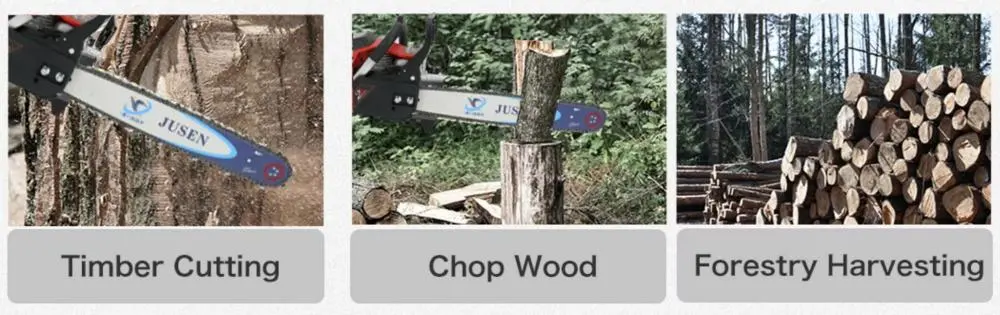
To work quickly, you should always use tools that are the right size for the job. For the best gas economy, use a 58cc gas chainsaw for tasks that are within its power range. For example, cut down trees up to 20 inches in diameter, split firewood, clean up after a storm, and do general yard work. It wastes fuel to use this displacement for jobs that are better suited to smaller saws, and it causes too much stress and poor performance to try to use it for jobs that need a bigger displacement. The saw will only work as well as it can when it is properly matched to its job. These ways of using technology are in line with how it is made and how it is kept in good shape. These three things work together to save money and protect the environment when it comes to fuel economy.

Making the Right Procurement Decision Based on Fuel Efficiency
Evaluating Fuel Consumption Specifications and Real-World Performance
You need to think about more than just the price when you decide what to buy. One important part of figuring out how much something is worth over its useful life is figuring out how much it costs to run. It's possible to compare things based on what the manufacturer says, but real-world performance data is more useful. Realistic expectations are based on usage numbers from tests that were done by a third party under load conditions that are similar to the ones that will be used. Sites for professional machinery and industry groups will sometimes post numbers that show how much fuel different kinds of equipment use. Teams in charge of buying things should ask for test units to be sent out into the field so that they can see how much fuel is used while normal work tasks are being done. This way of doing a study shows that there are gaps between what people say are the standards and what really happens. It also looks for models that do work well instead of just making claims.
Brand Reputation and Engineering Quality Assessment
It costs a lot of money for big companies to study burning, the engineering of materials, and the efficiency of manufacturing. All of these things have a direct effect on fuel economy. Even though expensive brands cost more, they often get better gas economy, which more than makes up for the extra cost by lowering the cost of running the car. Since a lot of skilled users give feedback, brands that use that feedback have made their products better. This helps them deal with issues that slow down makers who aren't as well-known. But you should look into new companies that offer professional-grade specs at fair prices, as long as they have the right service and guarantee systems in place.
Total Cost of Ownership Analysis Framework
A full buying study looks at more than just the price of the item being bought. It also checks out the cost of fuel, repairs, lost time, and how long the tools will last. It takes 700 liters of fuel to run a lawnmower for 1,000 hours a year at 0.7 liters per hour. With the price of gas in the U.S. right now, this means that the costs to run it each year are very high. When set up the same way, a model that uses 0.8 liters of oil per hour costs an extra 100 liters per year. This adds up over the 5 to 7 years that most machines last. When you look at the full picture of the finances, it's usually better to buy more expensive equipment that works better and lasts longer. This is because the selling price, the cost of fixes, the length of the warranty, and the availability of new parts all play a role.
Sourcing Strategies and Supplier Relationship Development
Authorized sellers sell brand-new equipment that comes with a full guarantee, professional support, and easy access to parts that will keep the equipment running well for as long as it's required. You can get training, help with service issues, and tips on specs through these links, which are worth more than the price of a transaction. When you buy something illegally, you might get gray-market goods that don't come with a warranty or fake goods that use cheap parts that make the product less reliable and effective.
This business, JUSEN, began in 2004 in Jinhua, Zhejiang. They've been making professional-grade yard tools for twenty years. Our tech team has worked with well-known foreign brands and learned how to make things burn better, pick the right materials, and make sure everything is made correctly. This means we can sell high-quality tools at prices that small businesses and newbies to the market can afford. Because they care about good value, they made the JS-CS5800W model, which has 2.4kW of power and the same fuel use as more expensive models. It has a magnesium metal frame and a chrome-plated cylinder, which makes it strong enough for professional use. Professional engineering that wasn't cut to save money can be seen in the all-position carburetor, the flexible oil pump, and the anti-vibration system. You can trust us to help you with technical issues, and our one-year guarantee gives you peace of mind.
People who work in buying and want to start their own private label brands will find our OEM customization choices very useful. Packing, labels, and changes to specs that are made just for your brand help build it while keeping the quality of production and fuel economy that are needed to succeed in the market. Our production cycle lasts 20 to 25 days, and our minimum order amounts are low enough that both new and established dealers can use them to source a reliable 58cc gas chainsaw.
Conclusion
Businesses can make more or less money with 58cc gas chainsaws, depending on how well they use fuel. Modern engineering has made changes that can be tested. For example, the spark plugs now fire at the right time, and the air filter is better. With these tools, simple things like saving fuel become real competitive benefits. A piece of equipment will continue to work as efficiently as expected for as long as it is used, and good operating methods will keep waste to a minimum while it is in use.
There are better buying decisions when they are based on a full cost analysis that includes predictions of how much fuel will be used, how often the equipment will need to be fixed, and how long it will last. Landscapers, forestry crews, and farm care teams that need to cut a lot of wood without using a lot of fuel will find the 58cc displacement platform to be the best fit. You get the best value when you buy from companies that have both low prices and a history of good engineering. This will help your business run more smoothly and make money in the long run.
FAQ
What is the average fuel consumption rate for a 58cc gas chainsaw during typical operation?
A well-kept 58 cc gas chainsaw will use about 0.6 to 0.9 liters of fuel per hour when it is used with a light load. How hard you cut, how thick the wood is, how long the guide bar is, and how you use it all affect how much you use. Heavy-duty tasks, like cutting down trees, cause consumption to rise, while smaller tasks, like weeding, cause consumption to drop.
How does the amount of fuel to air affect how fast and well the engine works?
Fuel-to-oil ratios of 40:1 or 50:1 are best for current 58cc two-stroke engines that use high-quality JASO FD synthetic oils. The right amounts of each blend make sure that the burning process works as well as it can and that there is enough lubricant. Too thick of a mix wastes fuel and leaves behind carbon deposits. Too lean a mix can cause the engine to freeze up totally. Never go against what the maker says, and only use high-quality 2-cycle oils made for work tools.
Does regular repair really make a difference in how much fuel old machines use?
Your fuel use is directly linked to how well you take care of your car. When you clean dirty air filters, replace old spark plugs, and set the carburetor, you can often cut the amount of fuel used by 15 to 25 percent in tools that haven't been in for a while. When you sharpen the chain, it makes it easier to cut, so the engine can run at lower speeds. The money you spend on these upkeep tasks will quickly pay for itself because they save you money on gas.
How does the fuel economy of a 58cc gas mower stack up against electric models?
Gas-powered models can run for longer and have more power per unit area. This is useful for heavy-duty cutting and jobs that need to be done from afar. Options that run on batteries don't need fuel, but they can't run all the time and can't make enough power for tough jobs. If you need long-lasting power and quick filling for professional gardening and woodland work, the 58cc gas platform is still the best choice. This is because it is easier to use than battery systems.
Partner with JUSEN for Fuel-Efficient Professional Cutting Solutions
Your business will either save money on fuel or have to deal with rising costs if you don't choose the right 58cc gas chainsaw provider. JUSEN has been making things for twenty years and is committed to creating quality that boosts efficiency in a measurable way. With 2.4 kW of power, an all-position carburetor, and a strong chrome-plated cylinder design, our JS-CS5800W model is made for professionals. Its low price also makes it stand out from other brands, whether you're starting your own business or getting tools for a farming crew. We know that gas mileage isn't just a number; it tells you how much money you can make over the tool's lifetime. Send us an email at Sales1@cnjusen.com to talk about what you need. Let us help you find the best 58cc gas chainsaw supplier deals. We can do things like OEM branding, changes to specs, and volume pricing. There's always someone on our technical support team who can help you make sure that your gear keeps working right for longer. This keeps your money safe and helps your business grow.
References
1. Anderson, M. and Thompson, R. (2021). Small Engine Fuel Efficiency: Engineering Principles and Operational Optimization. Professional Equipment Publishers.
2. Forestry Equipment Institute. (2022). Comparative Analysis of Mid-Displacement Chainsaw Performance and Fuel Consumption. Annual Technical Report, Volume 18.
3. Larson, D. (2020). Two-Stroke Engine Technology: Modern Advances in Combustion Efficiency and Emission Control. Industrial Press.
4. National Association of Landscape Professionals. (2023). Equipment Operating Cost Analysis: Fuel Consumption Benchmarks for Professional Cutting Tools. Industry Research Division.
5. Peterson, J. and Martinez, K. (2022). Maintenance Impact on Professional Chainsaw Performance and Operational Economy. Journal of Arboriculture and Equipment Management, 47(3), 156-174.
6. Wilson, S. (2021). Procurement Strategies for Professional Outdoor Power Equipment: Total Cost of Ownership Framework. Business Equipment Quarterly, 29(2), 34-51.

USER EVALUATE
Here is the customer's evaluation of us
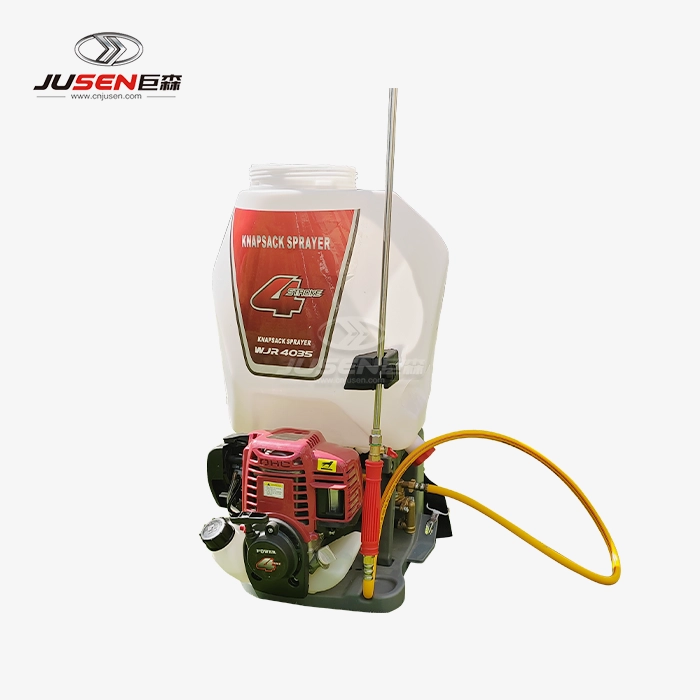 VIEW MORESpraying Machine Gas Powered
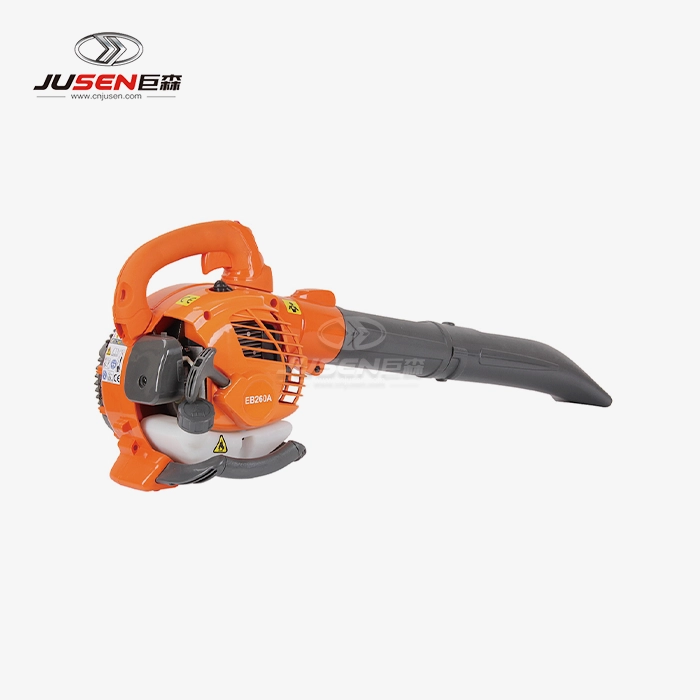 VIEW MOREHand Held Gas Blower
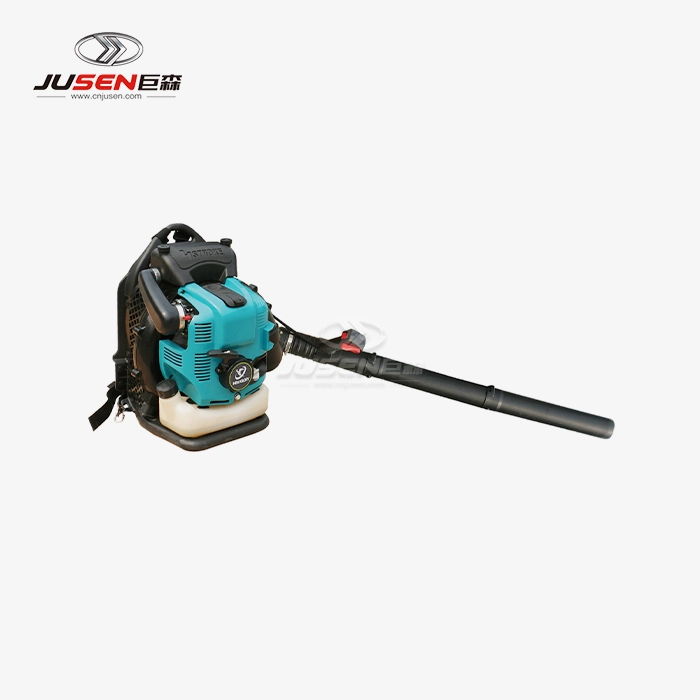 VIEW MORE4-Stroke High-Efficiency Blower
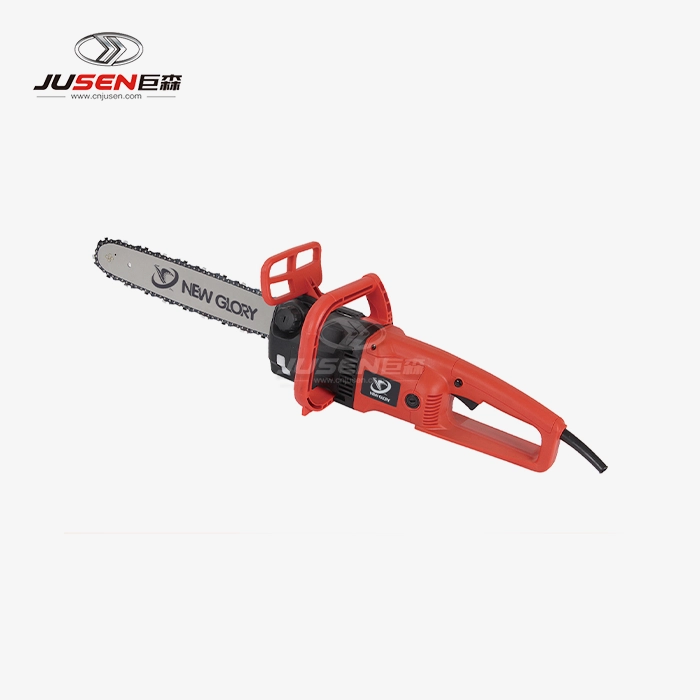 VIEW MOREBattery And Electric Chainsaw
 VIEW MORE63cc Double-Handed Grip Handle Earth Auger
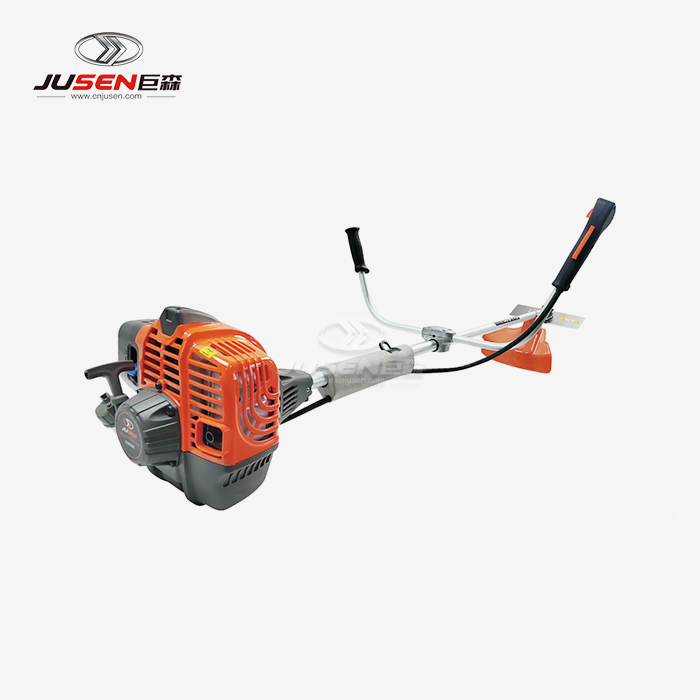 VIEW MORE41.5cc Brush Cutter
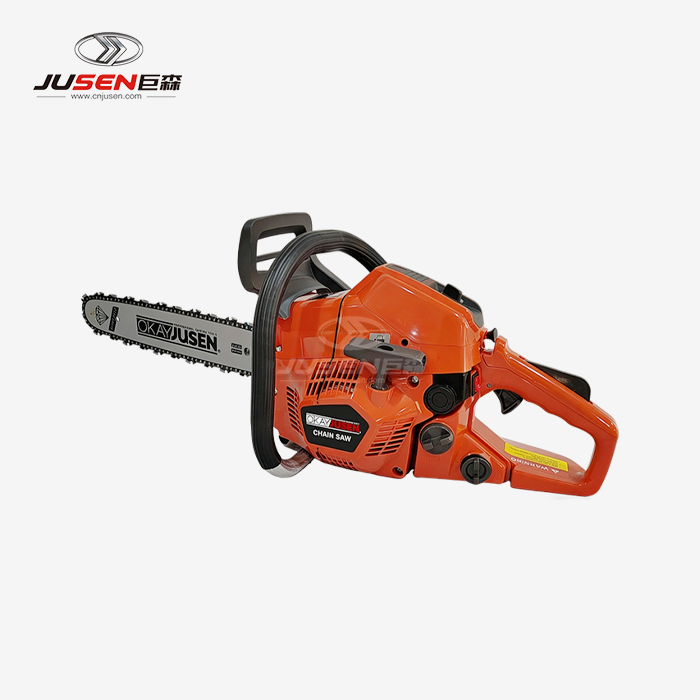 VIEW MORE43cc 2-Stroke Gasoline Chainsaw
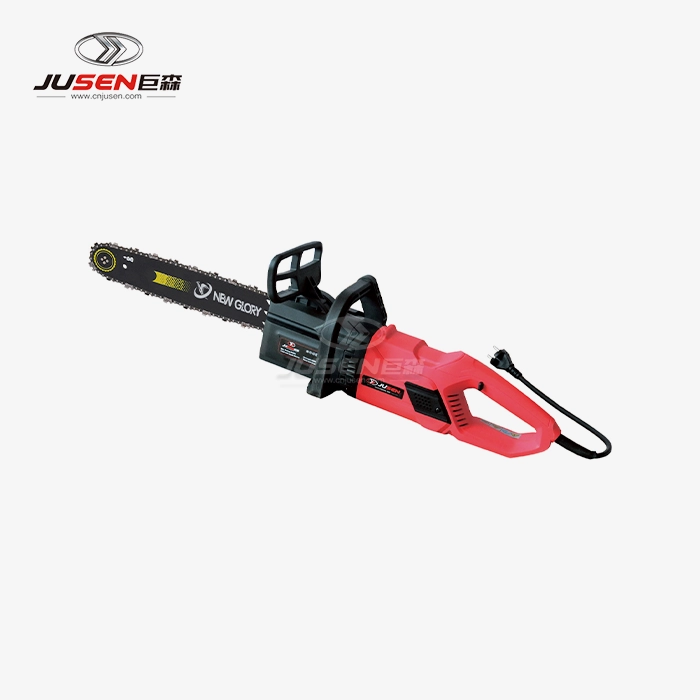 VIEW MORE16-Inch Cordless Electric Chainsaw