




Which Features Make a 52cc Petrol Brush Cutter Durable?
When buying outdoor power tools, durability is the most important thing that sets a good purchase apart from a bad one that costs a lot. The longevity of a 52cc petrol brush cutter relies on how well its core parts are designed. These include the two-stroke engine's integrity, the quality of the materials used in key parts, and the transmission system's strength. Chrome-plated cylinders don't wear down easily in hot weather, high-grade metal cases don't break down easily in harsh environments, and precision-machined crankshafts make sure that the torque delivery stays the same even after years of heavy use. These features, along with proper care and operations discipline, turn a regular cutting tool into a dependable workhorse that can handle the rough conditions of professional forestry and gardening tasks.
Understanding Durability in 52cc Petrol Brush Cutters
Durability is more than just life. In professional settings, it refers to the equipment's ability to keep working well even when it's under constant operating stress, with as little unplanned downtime as possible. When purchasing managers look at 52cc petrol brush cutters for business fleets, durability has a direct effect on the total cost of ownership. This includes everything from the cost of new parts to the amount of work that can be done.
What Defines Durability in Commercial Applications
Professional-grade brush cutters have to deal with tough situations that home models never have to. When wood firebreak care is done every day, tools are put through rough dust, extreme temperatures, and repeated mechanical stress. The vacuum-type diaphragm engine must work well on steep hills so that the clutch system engages thousands of times without slipping, and the drive shaft transfers power without twisting. When equipment can't handle these conditions, it slows down operations and forces workers to stop working on projects while they wait for fixes or replacements.
Common Durability Challenges in Field Environments
Component wear can show up in several different ways. Friction between the piston rings and the sides of the cylinder slowly lowers compression, which makes it hard to start and loses power. Metal parts get worn out over time because of vibration, especially where the engine mounts to the shaft assembly. Aluminum housings and electrical links rust when they are exposed to water and fuel waste. Knowing these patterns of failure helps workers spot early warning signs and take preventative steps before small problems get worse and the whole piece of equipment breaks down.
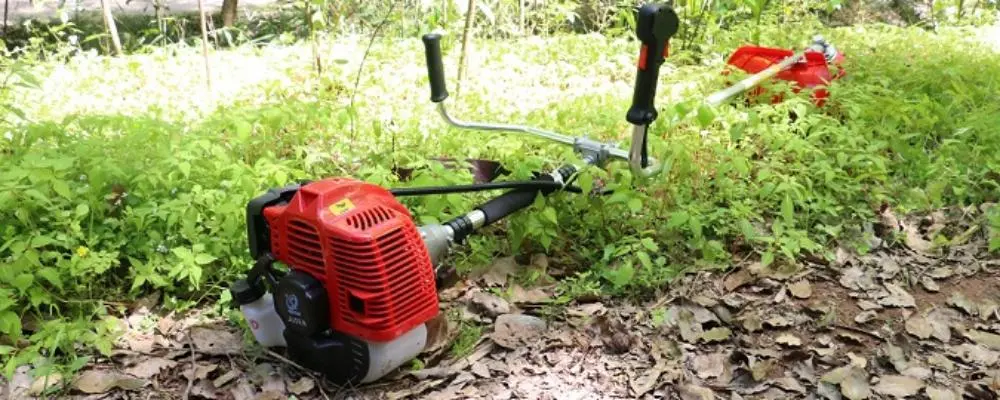
Core Features Contributing to the Durability of 52cc Petrol Brush Cutters
When you look at the technical details of long-lasting brush cutters, you can see how well they were designed. The JUSEN 52cc Petrol Brush Cutter is a good example of this method because it uses the 1E44F-5 engine base, which produces 1.7kW of power and has been shown to be reliable in continuous-duty situations. This displacement class is in the middle of trimming tools that aren't powerful enough and forestry saws that are too heavy. It has the right amount of force for cutting woody stems up to 7 cm in width.
Engine Design and Component Quality
The power-to-weight ratio of a two-stroke engine is naturally better, but how long it lasts rests entirely on the quality of its parts. Chrome-plated cylinder bores don't get scored and keep their compression specs over thousands of hours of use. When the engine is running at high temperatures, the metal makes a hard, low-friction surface that keeps the aluminum piston covers from scratching the cylinder walls. For small cost savings, manufacturers who don't use this process give up long-term dependability. The crankshaft unit has to handle a lot of spinning force, especially when the blades are engaged and cutting resistance causes sudden load spikes. Forged steel crankshafts that are precisely balanced spread these forces equally across the bearing surfaces, stopping them from wearing out too quickly. When stressed over and over, inferior crankshafts made from cast materials develop tiny cracks that finally break in a catastrophic way. When the engine speed reaches about 3200 RPM, the centrifugal clutch system engages to protect the engine and cutting tools from damaging shock loads.
Material Selection in Critical Components
Material science is also very important for making sure that equipment lasts a long time. The drive shaft that goes from the engine to the cutting head needs to be able to handle both twisting stress and side-to-side shaking. When heated the right way, high-carbon steel rods keep their shape even when they're sending full power through plants that are holding them together. The shaft case, which is usually made of aluminum alloy tubes, has to be rigid while also being light. The JUSEN model does this by distributing the weight of 11.9 kg in the best way possible, which keeps operators from getting tired without affecting the structure's strength. Attachments for cutting heads are the ones that get worn down the most. Three-tooth steel blades, when cutting through thick foliage, are hit over and over, which would break less durable metals. Attachments with carbide tips last longer in rough places where regular steel edges wear down quickly. To keep these parts from coming loose during use because of vibrations, the quick-change mounting system must hold them in place with no room for error.
Fuel System Engineering and Thermal Management
Consistency in fuel delivery is what separates effective tools from units that have problems. Diaphragm carburetors work at all angles, which is very important for maintenance work on hillsides where gravity-fed systems don't work. The vacuum-actuated fuel pump keeps the mixing ratios the same, no matter how full the tank is. This stops lean situations that can cause the piston to seize up. A proper air filter keeps carburetor jets clean, since even tiny particles can mess up the atomization of fuel and make the engine run erratically. Thermal control has a direct effect on how long a component lasts. Two-stroke engines make a lot of heat when they're running all the time, especially when they're clearing firebreaks for six to eight hours a day. Enough cylinder fin area lets this heat escape into the wind around the cylinder, keeping temperatures below the limits allowed by metals. When operators let grass clippings and other garbage build up on cooling fins, they create insulation that speeds up wear and failures due to warming.
Maintenance and User Practices to Maximize Durability
The durability of equipment relies on both the quality of its making and the way it is used. Even the most durable 52cc petrol brush cutters break down early if they are ignored or used incorrectly. Setting up routine maintenance plans increases the life of an asset while lowering its total running costs by cutting down on the number of emergency fixes needed and the time between major overhauls.
Essential Maintenance Routines
Cleaning on a regular basis gets rid of built-up dirt and grime that speeds up wear. To keep the exhaust flow going properly, operators should clean the spark arrestor screens, check the air filters for dirt, and remove grass clippings from the cooling fins after each use. Internal splines don't get galled if the drive shaft is oiled at the times recommended by the maker. Gearboxes need to have their gear oil changed on a regular basis to get rid of metal wear bits that build up between the teeth that meet.
Most operating problems can be avoided by keeping up with fuel system repair. Two-stroke engines need exact amounts of oil to gasoline, usually 25:1 when using high-quality JASO FD-grade oil. When operators guess at measures or use motor oil from an automobile, they add factors that lead to carbon buildup, ring sticking, and faster bore wear. Carburetor varnishing can be avoided by using fresh fuel. Gasoline that has been in the tank for a long time forms layers that block jets and openings.
The Critical Role of OEM Parts
Long-term stability is greatly affected by replacing parts. Original Equipment Manufacturer (OEM) parts are made to exacting standards that make sure they fit and work right. Aftermarket options often change the dimensions in ways that cause extra problems. If the clutch drum doesn't fit correctly, dirt could get in and damage the bearings. When piston rings aren't made to the right specifications, they can't keep the compression level, which lowers power output and raises fuel usage. OEM parts cost more at first, but they stop the chain of problems that happen when parts don't work together.
Storage and Seasonal Preparation
Proper keeping methods keep things from breaking down during the off-season. Before putting the car away for a long time, draining the fuel system gets rid of the volatile chemicals that leave varnish layers. Putting fogging oil on the cylinder tube will keep it from rusting in damp places. Keeping electronics in climate-controlled areas stops the buildup of water that damages metal surfaces and electrical connections. These simple steps keep equipment in good shape and make sure it's ready right away when work needs to return.
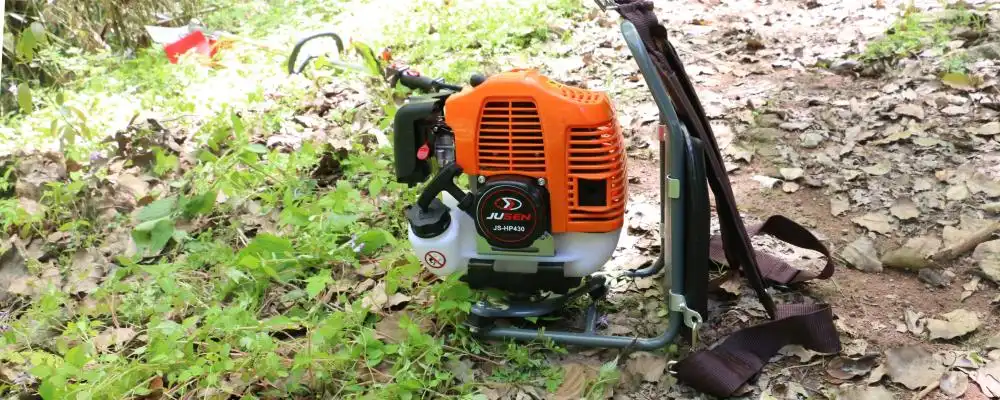
Comparing 52cc Petrol Brush Cutters: Which Brands and Models Lead in Durability?
There are a lot of different 52cc petrol brush cutters on the market, but not all of them last as long. Well-known brands put a lot of money into improving their tech and setting up quality control methods that make their products work better in the real world. Some of the biggest names in the industry, like Husqvarna, STIHL, Makita, Echo, and Kawasaki, have built their identities on decades of reliable products backed by strong guarantee coverage and quick technical support networks.
Evaluating Brand Engineering Strengths
Each maker comes up with their own technology solutions to problems that come up with durability. German engineering practices stress tight tolerances for making strong mechanical designs. Japanese makers use advanced metalworking techniques along with methods for reducing weight. Knowing about these moral differences helps people who buy things match the features of tools to the needs of specific operations. Established in 2004 in Jinhua, Zhejiang, the JUSEN brand has twenty years of manufacturing experience working with big industry players and using what they've learned to make high-performance models with better cost-performance ratios.
Warranty Programs and After-Sales Support
The length of the warranty shows how confident the maker is in the product's reliability. One-year warranties that cover both parts and work show that the company cares about quality, while limited warranties with a lot of exclusions show that reliability issues are likely to happen. The JUSEN product comes with a one-year warranty and expert help that responds within two hours. This means that operating problems can be fixed before they cause downtime. Having access to original substitute parts through well-established distribution networks means that repairs can be done quickly when maintenance is needed.
Real-World Performance Data
Professional and user reviews give you more useful information than what the marketing says. When equipment is used regularly in hard woodland tasks, it shows signs of wear and tear that aren't seen when it's used for fun. When city maintenance crews use the same models across all of their fleets, they can compare data on failure rates and repair times. When comparing different models, procurement teams can learn a lot from these first-hand accounts. This is especially true for large purchases where stability has a direct effect on daily budgets.
How to Procure Durable 52cc Petrol Brush Cutters for Your Business?
Strategic buying weighs the costs of the original purchase against the costs that come up over the course of the product's life. When you think about how often you need to replace a 52cc petrol brush cutter, how much it costs to run, and how often it needs to be maintained, the lowest price is rarely the best deal. A methodical review process looks at many elements that together figure out the total cost of ownership.
Cost-Benefit Analysis Beyond Purchase Price
Fuel economy affects operating costs over the life of an item. Models that use less fuel per hour have lower direct running costs and can work for longer periods of time without having to stop and refuel. Power output compared to engine displacement shows how efficiently the engine works. Engines with higher output for the same size usually have better engineering, which is linked to longer reliability. The JUSEN model's 1.7kW output from 52cc displacement shows this economy edge. It has enough power for demanding tasks while still using a fair amount of fuel.
Sourcing from Authorized Suppliers
Buying from approved sellers makes sure that the product is real and gives you access to the manufacturer's support networks. There are times when fake equipment gets into the supply chain, especially in internet markets where it's hard to check. On the surface, these units may look like real goods, but they may have low-quality parts that break quickly. Authorized providers show proof that they follow the rules for quality control and factory oversight. Customers in the United States and other countries can use the JUSEN distribution network, which offers 30-day shipping times and customization choices for specific uses.
Volume Purchasing Considerations
When you buy a fleet of vehicles, you can get better prices and make sure that the equipment is the same across all of your businesses. Sticking to a single model makes it easier to train operators, keep track of parts, and do upkeep. If you commit to buying a lot of something, the maker might be willing to make compromises, such as giving you a longer guarantee, faster technical support, or custom specs that meet your specific operating needs. These strategic partnerships are especially good for garden stores, city governments, and big gardening companies because they make operations more efficient in ways other than just lowering unit costs.
Conclusion
In conclusion, 52cc petrol brush cutters last a long time because engineers make choices about how the engine is designed, what materials are used, and how well the machines are made. Long-term dependability is built on chrome-plated cylinders, precisely made crankshafts, and strong transmission parts. These technical features, along with disciplined care and correct operating methods, help equipment last as long as possible. Total cost of ownership is minimized by making purchases after carefully examining guarantee coverage, brand image, and real-world performance data. The JUSEN 52cc model is a good example of these durability principles because it uses tried-and-true parts, well-known manufacturing methods, and a full support network. This makes it ideal for professional landscaping and large-scale property maintenance tasks where equipment dependability directly affects profits and productivity.
FAQ
What maintenance schedule extends the life of my equipment?
Most problems with longevity can be avoided by doing routine maintenance every 10 hours. Check the spark plugs for damage, clean the air filter, and grease the drive shaft. After 50 hours, change the spark plug and look for wear in the clutch. As part of seasonal maintenance, the fuel system is cleaned, and the oil in the engine is changed. Following these schedules will keep the equipment running at its best for as long as it is used.
How do extra parts change how reliable something is over time?
Aftermarket parts may not fit or work as well because they have different sizes. Even though they save money at first, parts that don't work together often cause problems that cost more than the cost of the original part. OEM parts follow the design specs to make sure there are enough gaps, that the materials work well together, and that the functions work well together. Professional operations put OEM parts at the top of their list to stop failures from spreading and to keep repair plans that are easy to plan.
Can this engine handle rough landscapes and tough environments?
The diaphragm carburetor design works consistently at very steep slopes, which makes it good for maintaining hillsides and clearing embankments. The engine keeps delivering the same amount of fuel no matter what direction it is facing. This keeps the engine from getting too lean, which can damage it. Enough power is available to handle thick plants and woody growth up to 7 cm in thickness, meeting the needs of projects that maintain forest firebreaks and restore land.
Partner with a Trusted 52cc Petrol Brush Cutter Manufacturer
JUSEN sells enterprise-level clearing equipment that is designed to work well in challenging business settings. Our 52cc Petrol Brush Cutter has a chrome-plated structure and a proven 1E44F-5 engine. It also comes with a full one-year guarantee. We have been making things in Jinhua, Zhejiang, for twenty years, so we can help both well-known companies and new brands that are just starting. We offer customized product details, shipping times of 30 days, and technical help that gets back to you in two hours or less. Our established quality control systems and vast OEM collaboration knowledge help purchasing managers find reliable equipment with great cost-performance ratios. Contact our team at Sales1@cnjusen.com to talk about your unique needs and find out how JUSEN can improve your business's operations with long-lasting, high-performance clearing tools made for heavy-duty use in the forestry, property management, and gardening industries.
References
1. Anderson, M. (2023). Small Engine Durability Engineering: Principles and Practices for Two-Stroke Power Equipment. Industrial Press.
2. Chen, L., & Roberts, P. (2024). Material Selection in Outdoor Power Equipment: Balancing Weight, Cost, and Longevity. Journal of Mechanical Engineering Applications, 18(3), 245-267.
3. European Garden Machinery Industry Federation. (2024). Emission Standards and Engine Technology Evolution in Handheld Equipment. EGMIF Technical Report Series.
4. Kawamoto, T. (2023). Maintenance Protocols for Commercial Landscaping Equipment. Professional Grounds Management Quarterly, 29(2), 112-128.
5. National Association of Landscape Professionals. (2024). Equipment Procurement Guidelines: Total Cost of Ownership Analysis for Commercial Operations. NALP Industry Standards Publication.
6. Thornton, R., & Martinez, J. (2023). Comparative Durability Assessment of Mid-Displacement Brush Cutters in Forestry Applications. Arboriculture & Urban Forestry, 49(4), 301-319.

USER EVALUATE
Here is the customer's evaluation of us
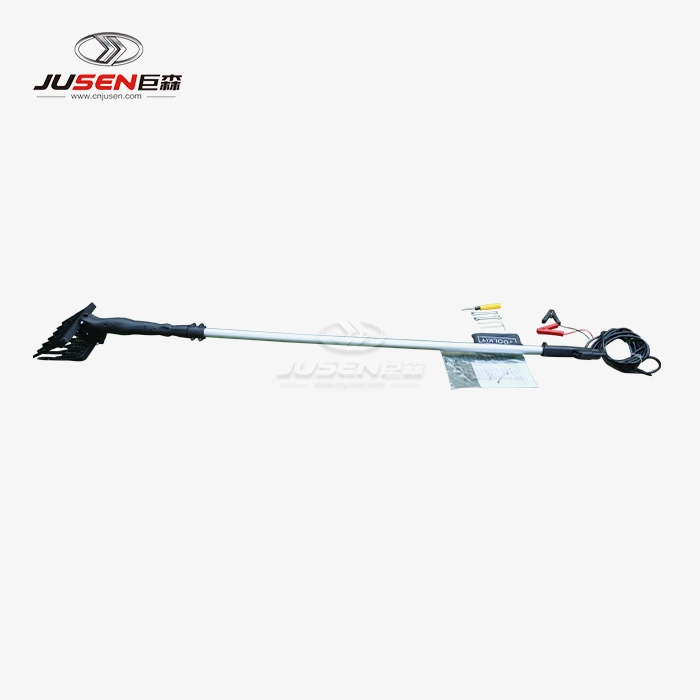 VIEW MOREHand Held Olive Harvester
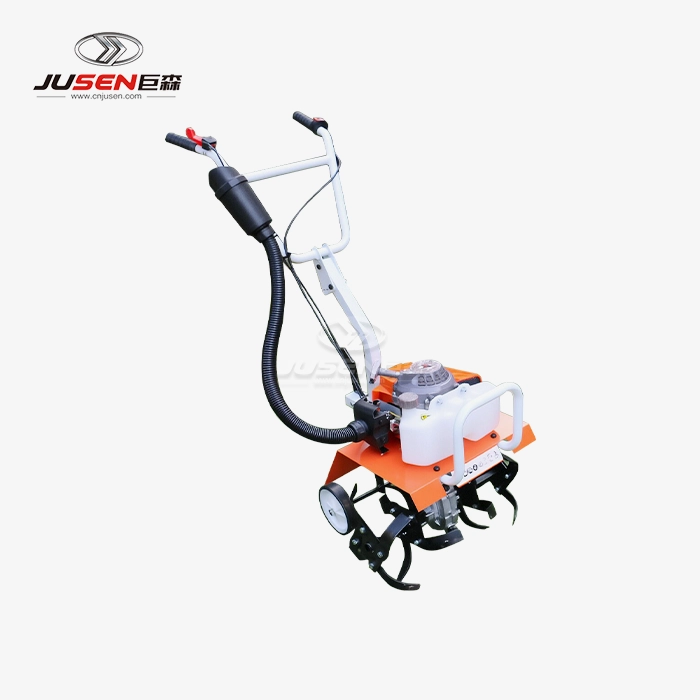 VIEW MOREHandy 2-Stroke 63cc Petrol Mini Tiller
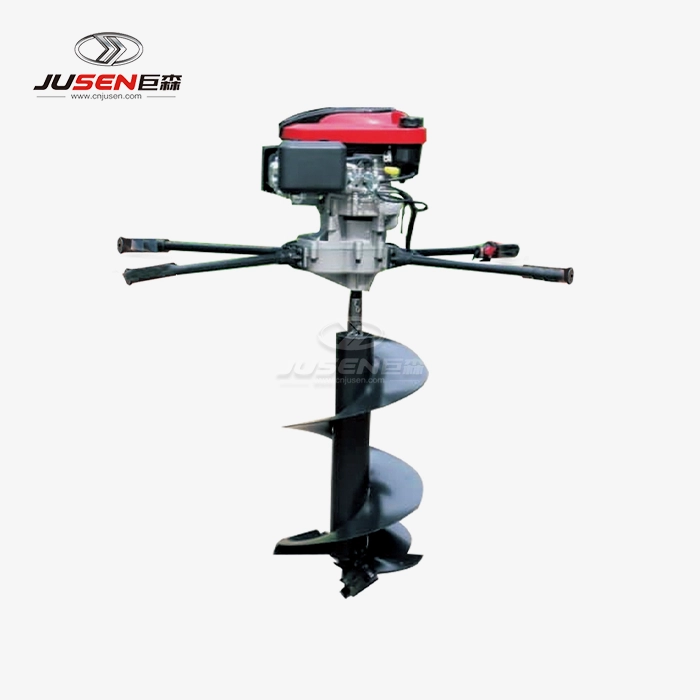 VIEW MOREBig Power 196cc Earth Auger
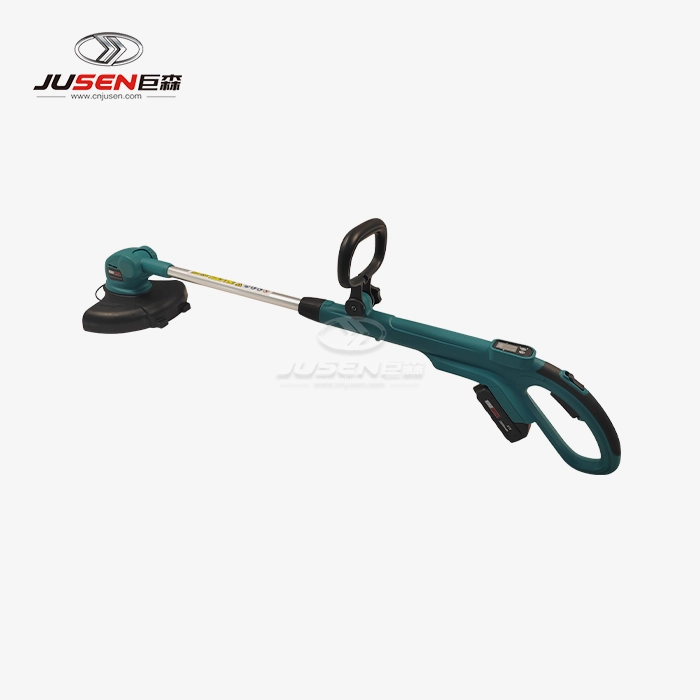 VIEW MORE21v Electric Grass Brush Cutter
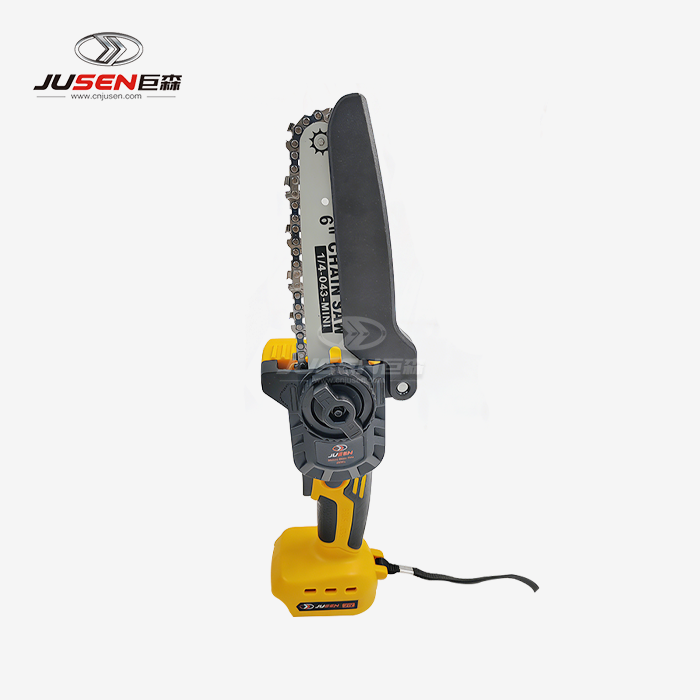 VIEW MOREBrushless Mini Cordless Chainsaw
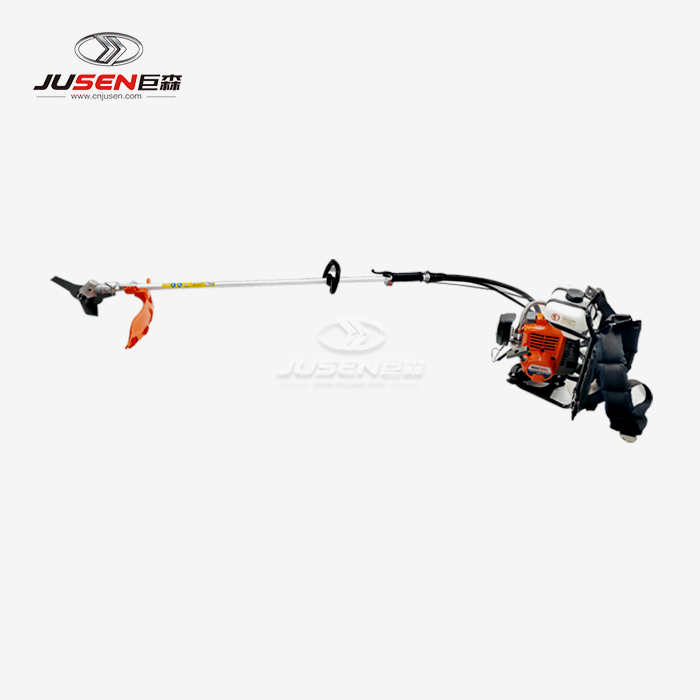 VIEW MORE43cc Float Type Garden Use Backpack Grass Brush Cutter
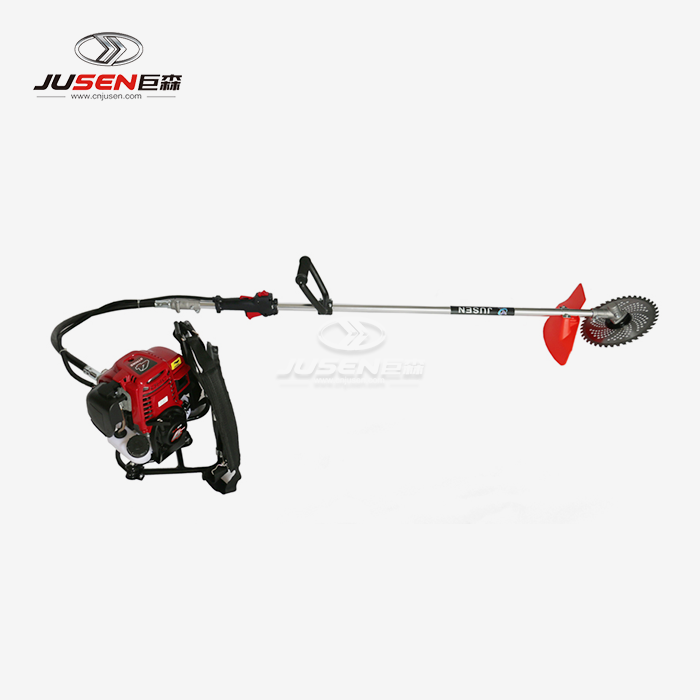 VIEW MOREGarden Tools Gasoline Backpack Brush Cutter
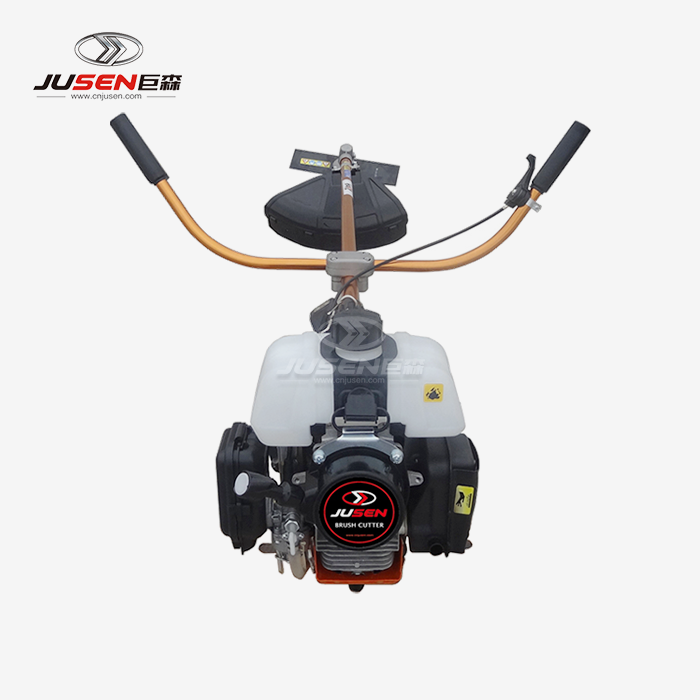 VIEW MORE42.7cc Garden Gasoline Brush Cutter