




Can Beginners Operate a Gas Powered Gas Chain Saw Confidently?
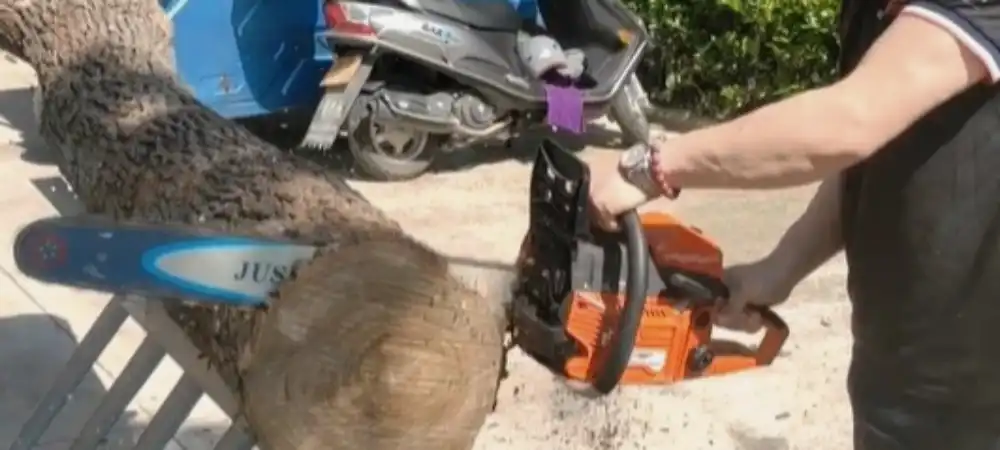
A gas-powered gas chainsaw can be used safely and effectively by beginners as long as they get the right training, follow safety rules, and understand how it works in general. Some of the features that make modern gas-powered gas chainsaws easier to use are anti-vibration systems, automatic chain cleaning, and stops that are triggered by inertia, which makes them much easier to start. You can help new users get better over time by getting tools with settings that are easy for them to use and lots of safety features. This will also meet the safety standards needed in professional farming, forestry, and gardening.
Understanding Gas-Powered Gas Chain Saws for Beginners
Engine Types and Fuel Systems
Gas-powered gas chain saws have either two-stroke or four-stroke engines that use gasoline mixed with oil. Most people use two-stroke engines because they are easy to build and have more power per pound of weight. A 50:1 mix of gasoline and oil works best for these engines. That is, 2.6 ounces of high-quality FD-rated synthetic oil should be mixed with every gallon of gasoline. It keeps the inside parts well-oiled, which stops carbon buildup and cylinder cutting, both of which are bad for performance.
Key Components That Define Performance
Someone feels more sure of themselves when they know how a gas-powered gas chainsaw works. The size of the engine, which is measured in cubic centimeters, is directly linked to how well it cuts. Most beginner saws have 30–40cc engines that are good for light cuts. Heavy-duty saws with 50cc to over 90cc engines can cut down large trees. How far you cut and what kind of job you have will depend on how long the guide bar is. It can be anywhere from 12 inches to 36 inches or longer. The pitch and length of the chain must match the size of the sprocket and bar to make sure the chain cuts well and properly.
Advantages Over Electric and Battery Alternatives
These are popular with professionals because they are easy to move and provide steady power, which is useful in places where energy isn't available or isn't enough. Gas-powered gas chain saws that run on batteries are easier to use and make less noise, but they only last a short time and lose power when they're full. Electric ones with wires make it harder to move around, but they don't mix fuel. Since they can be refueled quickly, gas-powered gas chain saws are better for clearing land for farming, storm cleanup, and forestry work that needs to be done in rural places than battery chainsaws. These tools give B2B clients technical information that helps them decide if the workers are skilled enough and the right fit for the job.
Safety and Best Practices for Beginner Operators
Essential Protective Gear
For people who have never used a gas-powered gas chainsaw before, safety is still the most important thing. This job requires safety gear like helmets with built-in face shields and hearing protection, gloves that can withstand Gas Powered Gas Chain Saws, eye protection that meets ANSI Z87.1 standards, and boots or pants made with fibers that don't fray when cut. Boots with steel toes and non-slip soles will keep your feet steady on rough ground. A study on workplace safety found that this full set of gear cuts the chance of getting hurt by up to 80%.
Startup and Shutdown Procedures
If you know how to turn on something the right way, you can trust it, and it will last longer. People should check the fuel level, put on the chain brake, and make sure the chain tension is low enough that it can be pulled slightly by hand before they start. Sometimes, you need to open the choke, ready the engine (if it has one), and pull the starting cord with moderate force to get the car going when it's cold outside. Turn on the engine and slowly remove the choke. Wait 30 to 60 seconds for the engine to wake up. For 20 seconds, leave the saw alone to cool down the inside. This is the right way to turn it off. After that, stop the engine and put the chain brake on.
Environmental and Cutting Safety
Checking out the surroundings can help you avoid accidents. Check to see if the ground is stable before making cuts. Also, look for risks like widow-makers (dead trees) in the sky and make sure there are clear ways out. The weather makes things less safe. It's harder to tell when a tree will fall when there are strong winds, and footings are less stable when it rains. Some ways to cut that lower the risk of kickback are to keep your feet shoulder-width apart, keep the saw close to your body, and not cut above shoulder height. Before using, tests are done to see things like how sharp the chain is, how well the bars are cleaned, and how sound the fuel line is. These tests give workers confidence and lower the risk of accidents.
Maintenance and Troubleshooting Tips to Build Operator Confidence
Routine Maintenance Essentials
Regular care for a saw makes it last longer, work better, and build trust in the user. Making sure the chains are sharp is the most important part of upkeep. Too-dim chains need too much downward force, make sawdust instead of wood chips, and raise the risk of returns. Every two hours or whenever they start to lose their edge, professional workers sharpen chains. Making sure the cutting angle stays correct requires round files that are the right size for the chain's pitch.
It is important to check the automatic oiler system every day. Everyone who works with gas-powered gas chainsaws needs to make sure that the oil tank is full of bar and chain oil before each use. Gasoline-based motor oil doesn't stick well to high-speed chains, so the bars wear out faster. If you look at the oiler output while running the saw close to a light-colored surface, you can tell if the oil is being spread out enough.
Common Beginner Problems and Solutions
Engines that are flooded, old fuel, or spark plug gunk are the main reasons why cars won't start. If you can't get the engine to start after several tries, remove the spark plug and pull the starting line several times. This will get rid of any extra fuel. If you change the spark plug once a year and mix new fuel within 30 days, you can avoid most starting problems.
Chain strain can be bad and put people in danger when it's not done right. There shouldn't be any room for the chains to get too tight against the bar. Derailments can happen if the bars and chains are too loose, and they wear out faster if they are too tight. If you check the tension when the saw is cold and then make another change after the first warm-up, you can account for thermal expansion. If there is too much shaking, it means that the anti-vibration plates are worn out, the chain tightness is off, or the guide bar rails are broken and need to be fixed right away. Business clients can save money on repair costs and downtime with simple maintenance routines and useful solutions. Workers can also get the tools they need to fix small problems on their own.
Comparing Gas-Powered Chain Saws with Other Types for Informed Decisions
Power Output and Runtime Analysis
Gas-powered gas chain saws have the most power and can be used for a very long time because they can be refueled quickly. Most 50cc gas engines make between 3.0 and 3.5 horsepower, which is enough to cut down 20-inch diameter trees all the time. Devices with 40-volt batteries work about the same for 30 to 45 minutes before they need to be charged again, which takes an hour to an hour and a half. People who use electric types with lines can only be 100 feet away from power sources and still get power.
Portability and Application Suitability
Gas-powered gas chainsaws work best in rural areas or big businesses because they can provide power all the time, have longer bar lengths, and don't need to be hooked up to the power grid. Teams that work in forestry, crisis response, and gardening need tools that can safely do their jobs in places that don't have access to the power grid. If you need to work inside to keep the air moving, you can use a battery-powered saw. You can also use it in places that can't have a lot of noise, like public parks during business hours.
Selection Criteria and Brand Considerations
The buying teams have to think about the engine displacement and how it affects the amount of cutting that needs to be done. They also have to think about how the weight is distributed so that operators don't get tired, as well as features like automatic oilers, tool-free chain tensioning, and sound-dampening systems. Product lines like Husqvarna, STIHL, Echo, and Makita have been around for a long time and are known for making reliable tools with full guarantees and big partner networks. But great new companies like JUSEN are making options that are good for professionals and don't cost too much. This is great for businesses that are starting new processes or adding to their lines of tools. This comparison helps teams that are buying things pick out the right gear for their business, their budget, and their ability to keep it in good shape over time.
Procurement Considerations for Gas-Powered Gas Chain Saws
Supplier Evaluation and Market Channels
To buy well, you need to know where to find sellers and how to get their goods to you. Business-to-business buyers should look at both well-known partner networks and direct links to producers. Authorized sellers can help you quickly in your area, let you try out the product, and have a well-established network of repair shops. Direct connections with manufacturers, especially those that let original equipment makers (OEMs) work with them, can lead to better cost-performance ratios, bulk pricing, and more ways to customize the product.
When choosing how reliable a seller is, people who work in procurement should look at how much they can produce, how well they follow quality standards like ISO 9001 and CE, and how long they've been in business. Firms that have been making goods for many years show that they are steady and have gotten better at how they make things. Reading reviews from people who buy similar things can tell you a lot about how long a product will last and how good the customer service is after the sale.
Warranty and Service Contract Analysis
When you buy something, a full warranty saves your money and shows that the company behind it believes in the quality of the item. For at least one year, professional-grade gas-powered gas chain saws should come with business warranties that cover mistakes in the way they were made. Longer guarantees are also available. Not having to wait for technical help or parts is covered by service contracts, which keep processes running, which costs a lot of money. Some parts wear out quickly, like chains, bars, spark plugs, and air filters. Check to see if your sources keep enough of these parts on hand.
JUSEN Product Specifications and Value Proposition
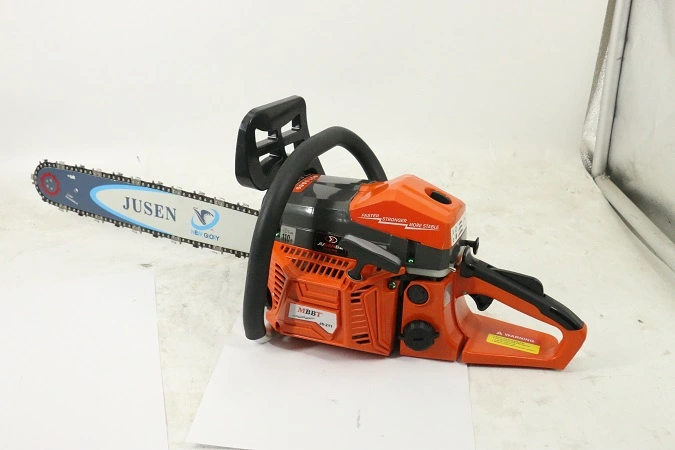
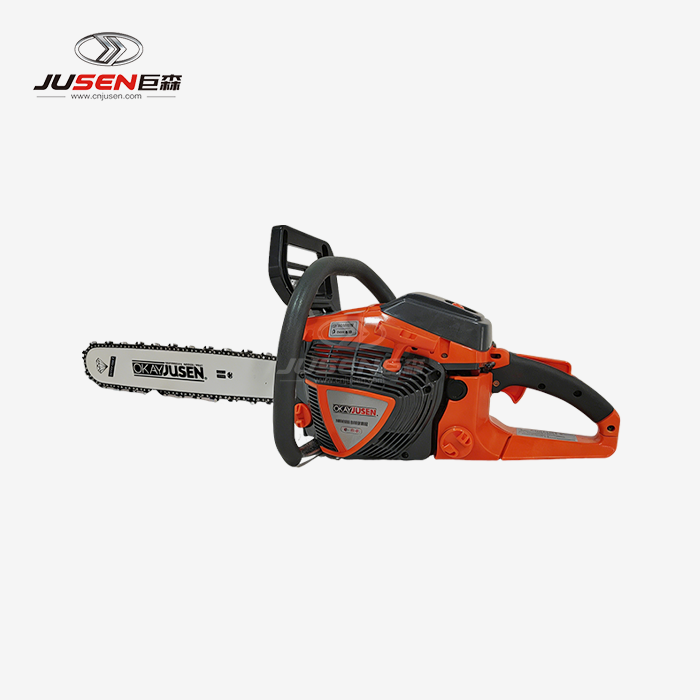
The JUSEN Gas-Powered Gas Chainsaw works like a professional tool and costs less than other types that do the same thing. This 72CC engine has 2.6kW of power, a lot of torque, and a top cutting speed of 13,000 RPM. It doesn't slow down when this much power is used to do hard things like cutting down a lot of trees or cleaning up after a storm. With a rest speed of 3,000 RPM, you have full control over small tasks, and the machine stays quick for bigger ones.
That's what makes this plan valuable: it's flexible. With guide bar lengths ranging from 18 inches to 30 inches, you can cut a wide range of things without having to use a bunch of different tools. Long-term use is easy with the 9 kg weight because it has the right amount of power. The best strength-to-weight ratios can be found in metal, steel, and high-grade, custom-shaped plastics. These materials also keep the temperature stable under long-term load.
Because they can make changes, wholesalers and private label companies that want to make their names stand out can do so. Color choices and setup options from the OEM can help a business stand out in the market. Buyers believe their decisions because JUSEN has been making and working with well-known foreign brands for 20 years and is able to adapt to new needs. If a business wants to start or grow its product lines with high-quality, reliable tools, JUSEN is a good partner because they offer fair prices, help with design, and tech that has been used before.
Conclusion
New users of gas-powered gas chain saws can do so safely if they get the right training, use high-quality tools with the most up-to-date safety features, and know how to do simple maintenance. Gas-powered gas chain saws are necessary for professional forestry, gardening, farming, and first responders in emergencies because they always have power, are movable, and can run for a long time. Power needs should be weighed against the operator's skill level, the application's needs, and how reliable the power source is. You can use gas-powered gas chain saws in your business without compromising safety standards or operating efficiency as long as you choose makers with a history of success, a strong support network, and products that are easy for newbies to use.
FAQ
Can complete beginners safely use gasoline chainsaws?
After being taught how to turn them on, cut, avoid kickback, and shut them down in case of an emergency, even people who have never used these tools before can safely use them. People learn faster and stay safe when they have supervised practice lessons with workers who have done this before. It's easier to learn if you choose types that don't shake, have automatic chain brakes, and aren't too heavy.
What maintenance tasks are critical for sustained performance?
Cleaning the chain often keeps it working well and lowers the chance of kickback. Checking the automatic oiler feature before each use will keep the bars from getting damaged from not having enough oil on them. Putting in new fuel mixed with the right amounts within 30 days stops oil from building up in the engine and keeps it from having trouble starting. To keep the engine running well, clean the air filter when it gets dirty and change the spark plugs once a year.
How do buyers choose appropriate engine sizes?
Making sure that the engine's size is right for the job makes sure that it works well. A 30–40cc engine is best for light work like trimming and limbing. Engines with 40 to 50cc sizes work best for basic property care. For skilled tree cutting, 50–70cc saws work best. For cutting or gathering big hardwoods, you need 70cc or more. The biggest diameter and the hardness of the materials that are generally cut are used to choose the right standard.
Partner with JUSEN for Your Gas-Powered Gas Chain Saw Supplier Needs
When you're ready to buy some tools, JUSEN has professional-grade gas-powered gas chain saws that are made to last, do their job well, and be a good deal. When we first started our business in September 2004, we worked with big foreign brands and helped new businesses get started in the market. Not only do we sell regular gas-powered gas chain saws, but we also have brush cutters, earth augers, pole saws, hedge trimmers, and lithium-ion battery tool lines. This makes it simple to get everything you need from a single place. It's clear from the 72CC gas-powered gas chainsaw that we care about good tech and getting the most out of our money and time. Wholesalers, rental companies, and end users building equipment fleets can get a lot of value from buying in bulk, having OEM customize choices, and getting a full guarantee. Our skilled staff can give you specific tips on how to match the specs of tools with your business's needs. This makes sure that the purchases made are in line with goals for speed.
Contact our team right away at Sales1@cnjusen.com to talk about your particular needs, get full specs, and explore business options. JUSEN has a 20-year history of stable quality and quick service that makes sure your business gets reliable, high-performance tools that boost productivity and give it a competitive edge in tough professional settings. This is true whether you need equipment right away or are looking for a manufacturing partner for private label development.
References
1. American National Standards Institute. (2017). "Safety Requirements for Gasoline-Powered Chain Saws." ANSI B175.1-2017 Standard.
2. Occupational Safety and Health Administration. (2019). "Logging Operations: Chain Saw Safety and Operating Procedures. " OSHA Technical Manual, Section VIII, Chapter 4.
3. International Society of Arboriculture. (2020). "Best Management Practices: Chain Saw Operation and Maintenance for Tree Care Professionals. " ISA Technical Publication.
4. Forest Resources Association. (2018). "Chain Saw Operator's Manual: Safe and Efficient Operation." Professional Logging Equipment Guidelines, Fourth Edition.
5. National Institute for Occupational Safety and Health. (2021). "Preventing Chain Saw Kickback Injuries in Forest Work." NIOSH Publication No. 2021-115.
6. Society of American Foresters. (2019). "Power Equipment Selection and Procurement for Commercial Forestry Operations." SAF Professional Development Series, Volume 12.

USER EVALUATE
Here is the customer's evaluation of us
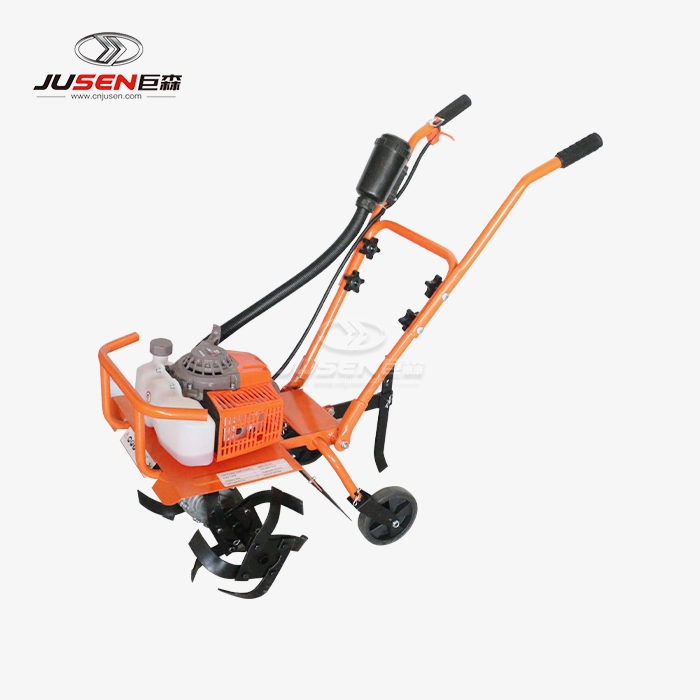 VIEW MORE63cc 2 Stroke Mini Power Tiller
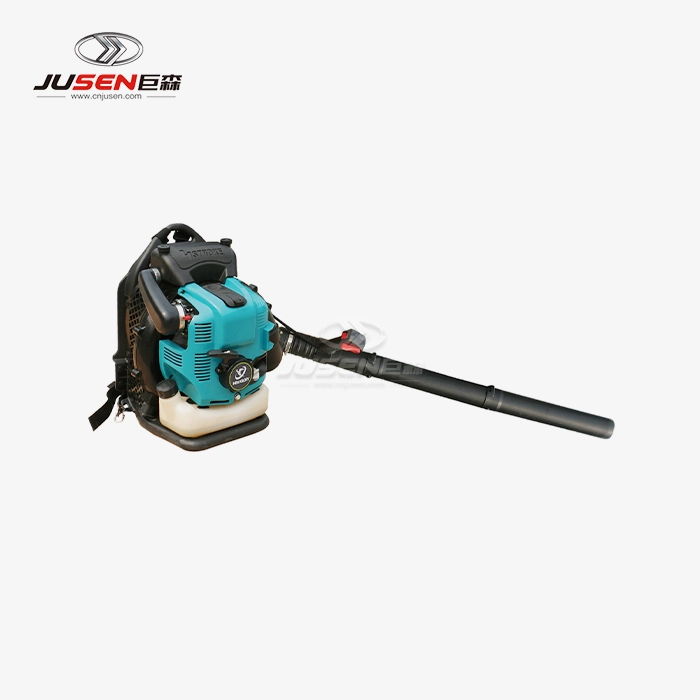 VIEW MORE4-Stroke High-Efficiency Blower
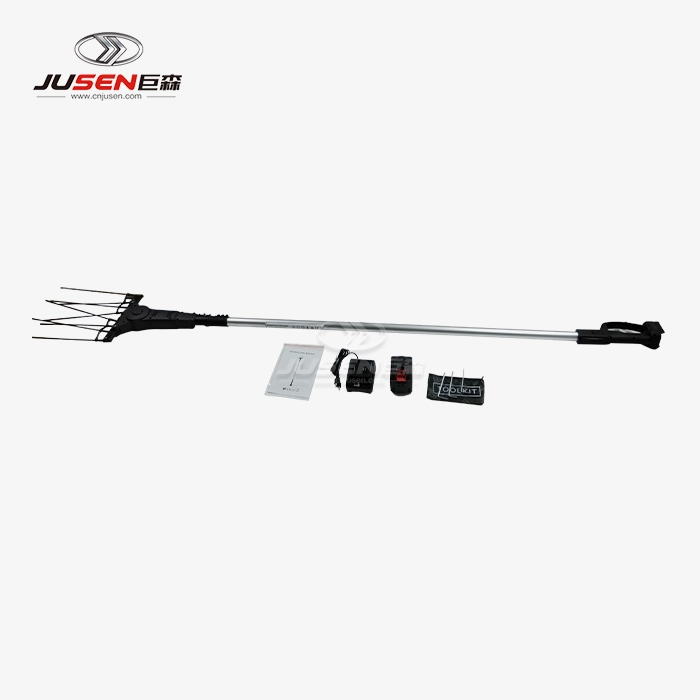 VIEW MOREBattery Olive Harvester
 VIEW MOREElectric Pruning Shears Cordless
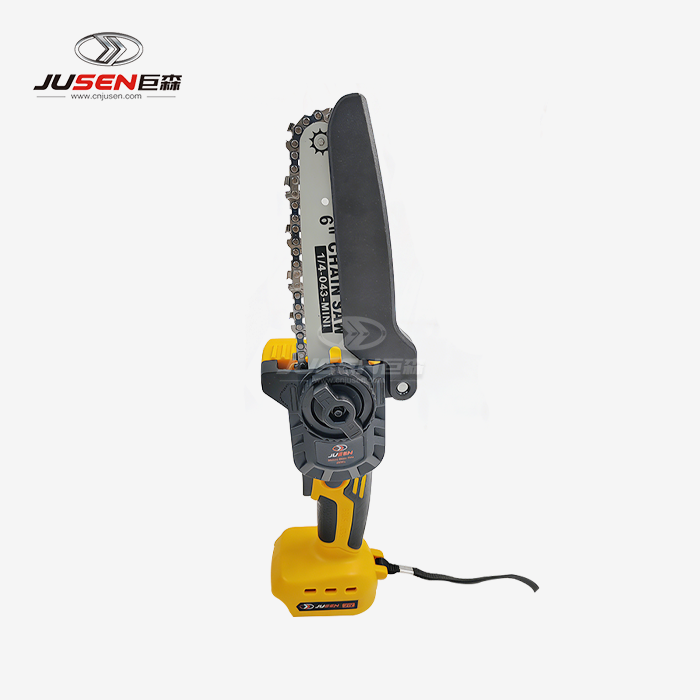 VIEW MOREBrushless Mini Cordless Chainsaw
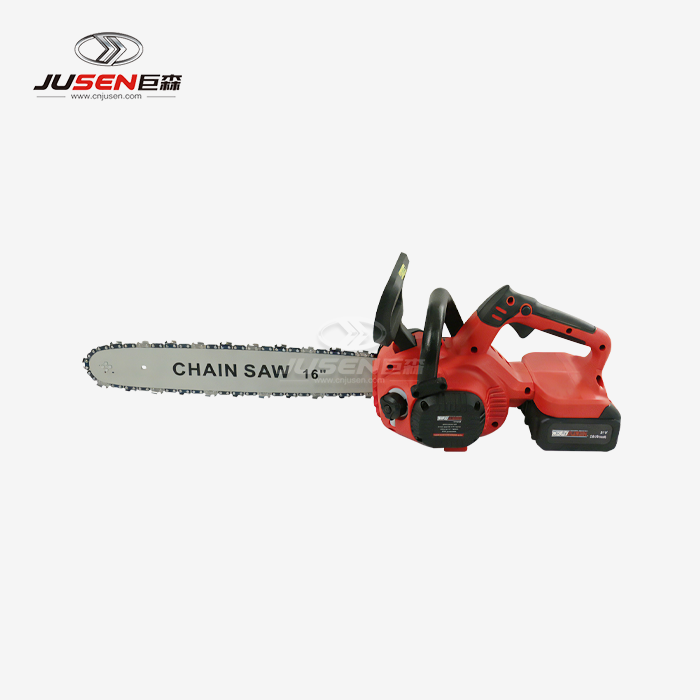 VIEW MOREMini Chain Saw Battery Powered
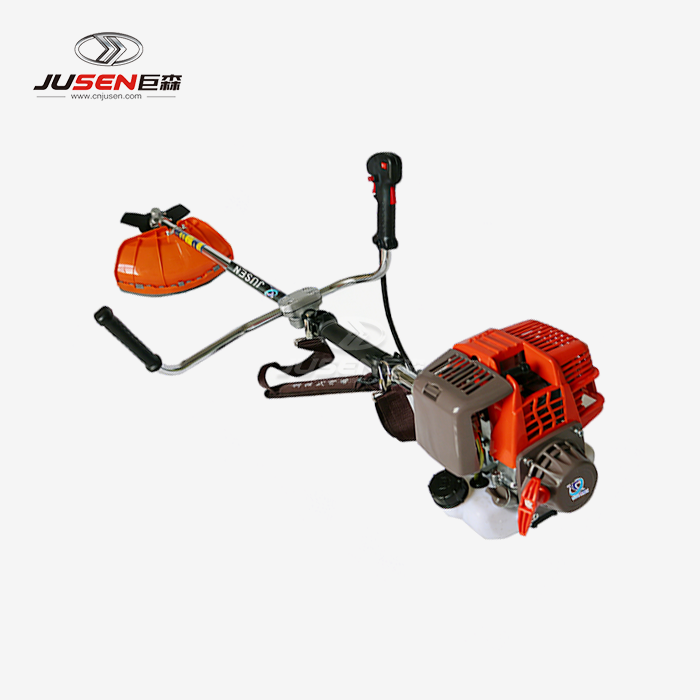 VIEW MORE31cc 4-Stroke Gas Brush Cutter
 VIEW MORE65cc Gas Powered Chainsaw