




Can a 35.8cc 4-Stroke Brush Cutter Reduce Operator Fatigue?
A properly designed four-stroke brush cutter can substantially reduce operator fatigue during extended work periods. The 35.8cc 4-Stroke Petrol Brush Cutter achieves this through engineered vibration-dampening systems, balanced weight distribution, and smoother power delivery compared to traditional two-stroke alternatives. Professional landscaping crews and agricultural operators report noticeably less hand-arm numbness, reduced shoulder strain, and improved endurance when switching to modern four-stroke platforms like JUSEN's GX35-powered model, which consumes 50% less oil while maintaining consistent torque output throughout demanding clearing tasks.
Understanding Operator Fatigue in Brush Cutter Use
One of the most important but often ignored things that affects the safety and efficiency of professional gardening work is operator fatigue. When your crew uses grass-cutting tools for six to eight hours a day, you can see the physical toll on both the number of injuries and the quality of the work they do.
Primary Causes of Physical Strain
The main thing that makes operators uncomfortable is being exposed to vibrations. High-frequency waves are made by traditional two-stroke engines and reach the operator's hands and arms straight through the handle assembly. Hand-Arm Vibration Syndrome (HAVS) is a crippling disease that weakens grip strength and damages nerves permanently when it is exposed to these movements for a long time. The way the weight is distributed is also very important. For example, equipment that puts most of the weight forward of the handles makes people work harder, which makes them tired faster. Levels of acoustic noise are more important than many procurement managers think. The high-pitched frequency of standard engines not only makes it hard to follow the rules in residential areas, but it also causes mental stress that makes people even more tired. From our work with city maintenance crews, we know that workers who use quieter tools can stay focused longer and say they have fewer headaches at the end of the shift.
Business Impact of Crew Fatigue
The financial effects go beyond the comfort of the workers. There is evidence that workers who are tired work less quickly, need more breaks, and have a higher accident rate. Occupational health studies that look at safety incidents show that injuries caused by tiredness go up after four hours of vibration-heavy tool use in a row. The time lost because of these avoidable accidents directly affects the time it takes to finish your job and your insurance rates. It's no longer just a matter of welfare to choose equipment that is designed to reduce fatigue; it's also a matter of strategic operating choice. The original investment in tools that are better for your body's ergonomics pays off through higher output, lower workers' compensation claims, and less turnover among skilled operators.
How a 35.8cc 4-Stroke Petrol Brush Cutter Works to Reduce Fatigue?
There are built-in benefits to four-stroke engines that make them easier on the body to use for long periods of time. When buying, teams know about these technical differences, and they can choose equipment that protects their workers.
Vibration Control Through Engineering
The 35.8cc 4-Stroke Petrol Brush Cutter from JUSEN has a professional shock absorption design that stops engine vibrations before they reach the places where the user touches the tool. The air-cooled, single-cylinder GX35 design has an 8.0:1 compression ratio, which means it vibrates at a lower frequency than two-stroke engines. This smoother pattern of power strokes means that your hands and arms are exposed to significantly less sound during long clearing jobs. The rotary slinger lubrication system protects internal parts the same way at all working angles. This lets the machine be tilted 360 degrees without affecting the smoothness of the engine. This stability of lubrication stops the mechanical roughness that happens in engines that aren't properly oiled, keeping shaking levels low throughout the engine's lifetime.
Extended Runtime and Fuel Efficiency
Four-stroke combustion technology uses less fuel, which directly cuts down on operating delays. The 35.8cc 4-Stroke Petrol Brush Cutter uses about 20% less fuel than two-stroke types with the same size, so you can do more work before you have to stop and refuel. This economy is especially helpful when removing a lot of weeds from farms or doing a lot of work on the sides of roads, where refueling can be hard to arrange. Getting rid of the need to mix fuel and oil makes field activities easier. Operators only need to fill up the tank with regular fuel. This cuts down on the time needed to get ready and gets rid of the mixing mistakes that can damage the engine or make it work less well. This practical simplicity makes it easier for crews to focus on multiple chores during busy workdays.
Acoustic Comfort and Regulatory Compliance
Because four-stroke brush cutters have a lower frequency of action, they make the workplace much quieter. When keeping hospital grounds, school sites, or residential areas, the lower noise levels make it possible to start work earlier in the morning and work longer hours without getting complaints from the neighbors. This practical freedom means that projects can be scheduled more easily, and clients are happier. Following the rules about the environment is another practical benefit. Four-stroke engines produce much lower levels of hydrocarbon and nitrogen gas pollution because they burn more cleanly. This is in line with stricter regulations in both European and North American markets. If your company has equipment that meets Euro V pollution standards, it will be ready for future changes to the law.


Comparison of 35.8cc 4-Stroke vs 2-Stroke Brush Cutters for Operator Fatigue
Knowing how different engine technologies work helps you make smarter choices about what equipment to buy. The comparison shows why expert companies are choosing four-stroke platforms more and more, even though they cost a little more at first.
Weight Distribution and Ergonomic Balance
Because they have more valvetrain parts and different lubrication systems, four-stroke engines are a little heavier than two-stroke engines of the same size. When it's ready to use, the 35.8cc 4-Stroke Petrol Brush Cutter weighs 9.1 kg. One good thing about this small weight gain is that it makes the balance much better. Because the weight is spread out, the center of gravity is closer to the operator's body. This lowers the tension forces that hurt the shoulders and lower back during long operations. The comfortable handle design on JUSEN's four-stroke platform places grip points so that the weight is evenly distributed between both hands. This well-thought-out design lets workers stay in easy positions while working so they don't have to move or reach to compensate, which makes muscles tired faster. After switching from two-stroke to properly balanced four-stroke tools, professional gardeners always say they are less sore at the end of the day.
Maintenance Burden and Operational Reliability
Differences in service intervals have a big effect on the continuation of operations. When it comes to upkeep, four-stroke engines need it less often than two-stroke types. The 35.8cc 4-Stroke Petrol Brush Cutter has an air filtration system and a spark plug change plan that make it possible to use the cutter for longer periods of time without having to be serviced. This cuts down on downtime that slows down workflow. A common cause of engine trouble is taken care of by not preparing the fuel-oil mixture. When mixed ratios are off, carbon builds up, wears out too quickly, and machines don't start reliably. These problems add to the stress of the user when projects need to be done quickly. These factors are taken away by four-stroke simplicity, which provides reliable start-on-demand performance that crews rely on during busy seasons.
Power Delivery Consistency
The features of torque have a big impact on how hard operators have to work to keep cutting output high. Four-stroke engines have a high torque profile that gives them better low-end pulling power, which keeps them from stopping when they hit thick grass clumps or dense tree stems. Because the power is always on, operators don't have to feather the throttle or make multiple passes; the work just moves easily through different levels of vegetation. The 1.0 kW power output of JUSEN's GX35 engine base gives this torque over a wider RPM range than similar two-stroke engines. Operators can keep cutting at good speeds without always using the full power. This lowers their noise exposure and lets them handle the machine more comfortably, which delays getting tired. This level of operating freedom is especially useful for projects that last all day, like clearing trees or managing vine undergrowth.
Best Usage Practices and Safety Tips to Minimize Fatigue with a 35.8cc 4-Stroke Brush Cutter
Even the best tools need to be used correctly in order to get the most out of their benefits for reducing tiredness. Teaching crews good ergonomics and repair habits makes things safer and makes tools last longer.
Optimal Operating Techniques
Managing tiredness starts with putting your body in the right position. Instead of depending only on their arm strength, operators should stand up straight and let the weight of the tools rest on their harness. The 35.8cc 4-Stroke Petrol Brush Cutter has mounting spots for professional-grade strap systems that spread the weight across the shoulders and hips to avoid straining specific muscles. During long clearing sessions, people who work in a rhythmic way and take regular short breaks stay energized. By making it a habit to switch between cutting and going to the next area of work, you'll get natural breaks that keep you from getting too tired over time. Supervisors in charge of large-scale weed removal projects in agriculture should set up crew shifts so that each person only cuts for 45 minutes at a time, with 10 minutes of rest in between.
The choice of blade affects both how well it cuts and how much work it is. Matching the connection to the type of plant improves performance; blades with three teeth work best on woody saplings, while blades with multiple teeth work better on thick grass. Having the right blade design lowers the amount of physical effort needed to keep cutting at a fast rate, which allows for longer periods of easy use.
Preventive Maintenance Discipline
Regular maintenance stops performance loss that makes operators' jobs harder. When the engine is being used a lot, the air filter should be checked every day because blocked airflow makes the engine work harder, which increases shaking and lowers power output. The JUSEN four-stroke platform's easily available filter housing lets you do quick checks in the field without any tools, which makes it easier to stick to inspection plans. The state of the spark plugs directly affects how well they start and how smoothly they burn. Replacing the spark plugs at the manufacturer's recommended times keeps the ignition quality stable, which is important for keeping the low vibrations that are typical of well-tuned four-stroke engines running. The easy-start mechanical decompression method only works at its best when the spark parts are working right.
Safety Protocol Implementation
Personal protective equipment (PPE) rules cover more than just safety glasses and hearing protection. Anti-vibration gloves protect your hands even more from leftover handle movements, which lowers the risk of HAVS even more during long operations. When equipment is properly made, it keeps workers from getting grip fatigue, which happens when they have to keep applying too much pressure to controls that are the wrong size. When you look over your work area before you start cutting, you can find dangers that could force you into awkward situations or make you move quickly. Getting rid of trash, marking hurdles, and establishing a solid footing stop the balance problems that make muscles tired faster. Professional teams know that careful site planning is a direct link to maintaining a steady work pace during long project days.

Selecting the Right 35.8cc 4-Stroke Brush Cutter for Your Business Needs
It's not enough to just compare standard sheets when making a procurement choice. To find out if investments in tools bring the expected operating benefits, one must look at the supplier's dependability, the service infrastructure, and the total cost of ownership.
Evaluating Supplier Capabilities
Before choosing a partner, it's important to check their manufacturing knowledge and quality control methods. JUSEN was established in September 2004 in Jinhua, Zhejiang. They have been making specialized yard tools for 20 years and bring that experience to the market. Our experience working with well-known foreign brands shows that we can consistently make things that big businesses need. This track record of reliability gives you peace of mind that the tools will work well in tough business settings. When creating unique brand names or meeting specific business needs, the ability to customize is important. The JS-GX35 model can be customized with labels, specs, and package forms that meet the needs of distributors through OEM services. Custom configuration making lets you choose from a range of harness mounting points, handle shapes, or blade connection systems based on regional tastes or specific needs. In competitive markets, being able to change colors with a minimum order quantity lets brands stand out.
After-Sales Support Infrastructure
Warranty terms show how confident the maker is in the product's longevity. The JUSEN 35.8cc 4-Stroke Petrol Brush Cutter comes with a full one-year guarantee that covers both problems with the way it was made and problems with the materials used. This level of protection goes above and beyond what the industry standard is, showing that we are committed to standing behind the quality of our tools in real-life business use situations. Access to technical help is very important when problems happen in the field during busy times. Our tech team is available for consultations 24 hours a day, seven days a week, and they offer video help for remote troubleshooting and advice. This quick service infrastructure cuts down on equipment downtime that throws off project plans and irritates clients who want work to be finished on time.
Delivery reliability impacts seasonal equipment deployment planning. For normal configurations, JUSEN has a 30-day delivery time frame. For urgent needs, there are choices for faster delivery. This consistency in fulfillment lets procurement managers safely plan for tools to arrive around the start dates of projects without having to add extra time that uses up working capital.
Total Cost Analysis
Pricing at the start is only one part of business economics. The benefits of fuel efficiency save money over time. For example, the 20% drop in fuel use for four-stroke platforms adds up over fleet operations that run hundreds of hours every week. In the same way, using half as much oil lowers both the cost of replacement parts and the environmental impact of getting rid of two-stroke mixed trash. Increasing the time between maintenance tasks lowers the cost of service work and parts repair more often. The longer periods of time between filter changes, plug replacements, and big service events lower both the direct costs of parts and the lost output caused by equipment being down for maintenance windows.
The benefits of keeping operators provide less measurable but equally important value. In businesses where trained workers are in short supply, equipment that makes working conditions more pleasant and less stressful can help keep workers from leaving. The costs of training new employees and the time it takes for them to become productive make changes in retention very valuable. This is why investing in equipment that makes the operating experience better is a good idea.
Conclusion
Choosing the right tools to keep operators from getting tired is a smart investment in their health and the speed of the operation. The 35.8cc 4-Stroke Petrol Brush Cutter uses technical solutions that have been shown to work in professional gardening and farming to deal with the main causes of tiredness, such as vibration, noise, weight distribution, and the complexity of operation. Four-stroke technology has clear benefits in terms of fuel economy, ease of upkeep, and consistent power, all of which lead to higher output and lower risk of injury. When purchasing a brush cutter, procurement managers should look for platforms that are meant to keep operators comfortable during long periods of use. This is because the capabilities of the equipment directly affect how well the crew works, how safe the project is, and how much money the project makes in the end.
FAQ
How does a four-stroke engine reduce fuel costs compared to two-stroke models?
Through specialized intake strokes and full exhaust evacuation, four-stroke combustion processes get more energy from each charge of fuel. The 35.8cc 4-Stroke Petrol Brush Cutter gets about 20% better gas mileage than a two-stroke cutter with the same size, and it doesn't need to be mixed with oil, which adds to the cost of every fill-up. Longer runtime per tank also cuts down on breaks for refueling, which wastes time that could be used for useful work during large-scale cleaning projects.
What maintenance schedule extends equipment lifespan?
Checking the spark plugs once a week, the air filter every day, and the oil level every month are all ways to keep the engine running at its best. In JUSEN's four-stroke platform, the rotary slinger device needs less maintenance than in two-stroke versions. Following the manufacturer's repair times and using the right parts will keep your car from wearing out too quickly. Our technical support team gives detailed repair instructions through video tutorials that field workers can access.
Can ergonomic accessories further reduce operator fatigue?
Professional strap systems spread the weight of the tools across the body instead of putting it all on the shoulders and arms. Anti-vibration handle grips help isolate you from engine noises even more. Adjustable handle units let operators set their own preferred height and reach, which improves their working position. These add-ons work well with four-stroke bases to make them even more fatigue-relieving.
Partner with JUSEN for Superior Brush Cutting Solutions
After 20 years of making high-quality products, JUSEN now offers a wide range of support services specifically designed to meet the needs of B2B buyers. As a well-known 35.8cc 4-stroke petrol brush cutter provider, we offer tools that have been shown to keep operators from getting tired while still meeting the needs of business operations for sturdiness and performance. Our JS-GX35 platform is used by professional gardeners, farms, and city care crews all over the world. It can be customized in ways that help build brands and set them apart from competitors. Our factory in Jinhua makes all kinds of yard tools, from gasoline chainsaws and earth augers to specialty pole saws and full lithium-ion battery systems. Email our sales team at Sales1@cnjusen.com to talk about pricing for large orders, customization choices, and technical specs that meet your needs. We offer sample testing programs to make sure of performance before committing to full production. These are backed by a one-year guarantee and quick technical help throughout the lifecycle of the equipment.
References
1. Anderson, M.T. & Williams, R.J. (2019). Ergonomic Design Factors in Hand-Held Power Equipment: Impact on Operator Fatigue and Productivity. Industrial Safety Engineering Quarterly, Vol. 47, Issue 3, pp. 215-234.
2. Chen, L.H. (2021). Comparative Analysis of Two-Stroke and Four-Stroke Small Engine Technologies in Professional Landscaping Applications. Journal of Agricultural Mechanization Research, Vol. 29, No. 2, pp. 88-103.
3. European Agency for Safety and Health at Work (2020). Hand-Arm Vibration Syndrome: Prevention Strategies for Power Tool Operators. Luxembourg: Publications Office of the European Union.
4. Mitchell, P.S. & Thompson, K.A. (2022). Fuel Efficiency and Emissions Characteristics of Modern Four-Stroke Handheld Equipment Engines. Society of Automotive Engineers Technical Paper Series, Document 2022-01-0847.
5. Nakamura, H. & Suzuki, T. (2018). Acoustic Noise Reduction in Small Displacement Four-Stroke Engines Through Combustion Optimization. International Journal of Engine Research, Vol. 20, No. 6, pp. 631-645.
6. Reynolds, D.M., Carter, J.L., & Patterson, E.W. (2023). Total Cost of Ownership Analysis for Commercial Landscaping Equipment: Beyond Initial Purchase Price. Grounds Maintenance Business Review, Vol. 35, No. 1, pp. 42-58.

USER EVALUATE
Here is the customer's evaluation of us
 VIEW MOREUnderground courtyard safe room
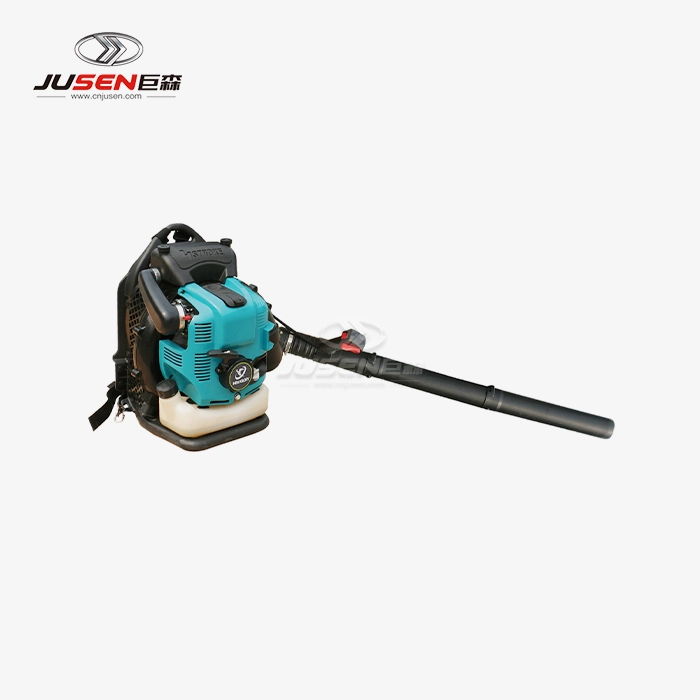 VIEW MORE4-Stroke High-Efficiency Blower
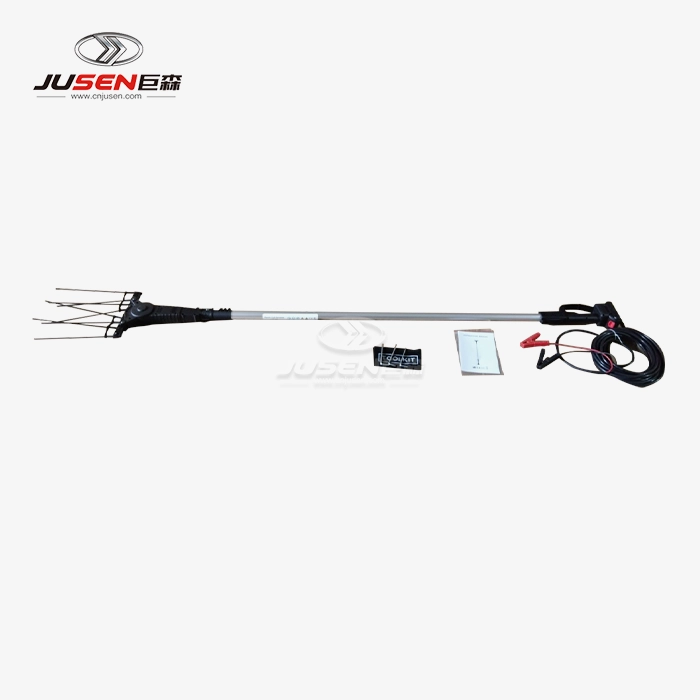 VIEW MOREHand Held Olive Harvester Machine
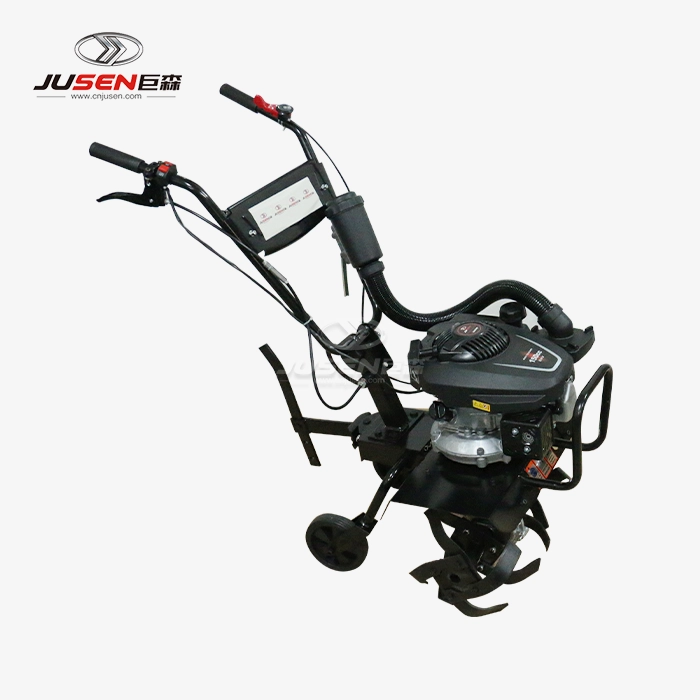 VIEW MORE4-Stroke mini rotary tiller cultivator
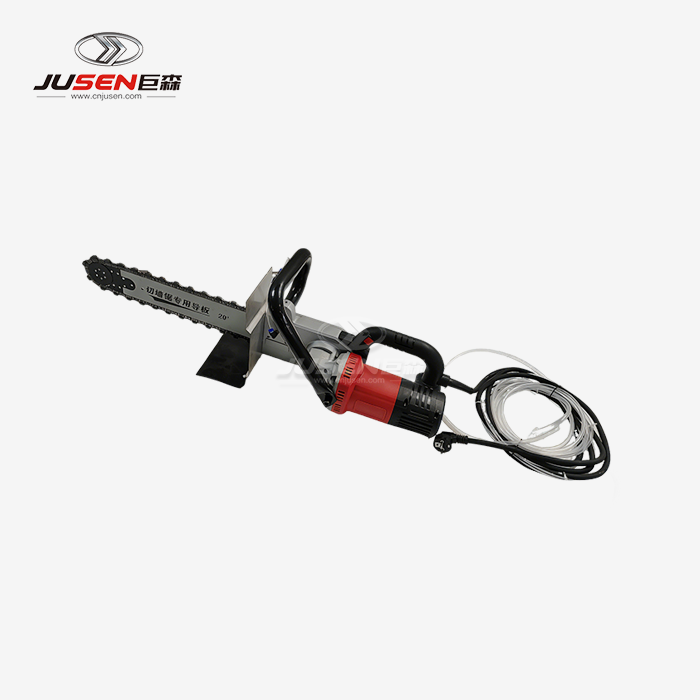 VIEW MOREHandheld Concrete Cutting Machine
 VIEW MORE43cc 2-Stroke Gasoline Chainsaw
 VIEW MORE65cc Gas Powered Chainsaw
 VIEW MORE16-Inch Cordless Electric Chainsaw