




How Long Do Electric Start Gasoline Brush Cutters Typically Last?
When buying professional gardening tools, it's important to know how long they will last. If you use an electric start gasoline brush cutter for work, it should last between 5 and 10 years, which is about 1,500 to 3,000 hours of use, based on how hard you use it. When properly kept, high-end models from well-known brands often perform better than these standards. Lithium-ion batteries power the electric start system, which generally gives you 40 to 60 starts per charge and keeps working for 3 to 5 years before it needs new batteries. If people follow the suggested fuel ratios and maintenance plans, the gasoline engine can last even longer. This is especially true for two-stroke models with high-speed tuning like those found in professional-grade tools. Knowing these dates helps procurement pros figure out the total cost of ownership of a piece of equipment and make good plans for when to replace it.
Understanding the Lifespan of Electric Start Gasoline Brush Cutters
Modern push-button ignition, electric start gasoline brush cutters last longer or shorter, depending on several linked factors that have a direct effect on the return on investment for property managers and gardening companies.
Engine Quality and Brand Reputation
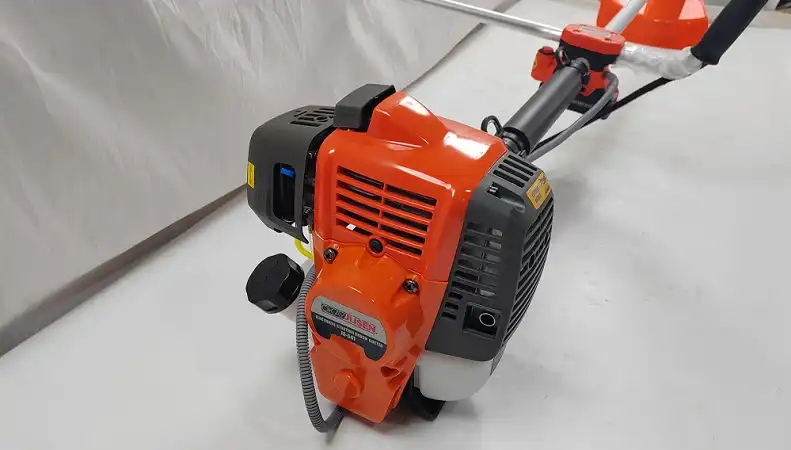
The main thing that determines how long something lasts is how well it was built. Different commercial-grade two-stroke engines, ranging in size from 35cc to 52cc, work in different ways. The JUSEN 43cc Electric Start Gasoline Brush Cutter has a strong 1.7kW power output and strengthened parts, making it a great example of a professional-grade build made to last. While weighing only 11 kg, this type has a better power-to-weight ratio than bigger displacement units and cuts just as well. High-quality engines have crankshafts that are perfectly balanced, cylinder walls that have been strengthened, and high-grade metal alloys that can handle long periods of operation without breaking down. Standards for manufacturing are very important. Manufacturers who have been around for a while follow strict quality control guidelines and have ISO 11806 safety standards. These standards make sure that all production runs work the same way and lower the chance that a part will break early. When tuned correctly, the two-stroke engine design responds instantly to throttle input and keeps stable idle speeds around 2800 rpm. These features show better engineering and suggest a longer operating life.
Usage Intensity and Environmental Conditions
The operational setting has a big effect on how long technology lasts. Commercial landscapers who do care on the sides of roads every day put a lot more stress on their tools than individuals who clear their land every three months. During busy times, professional teams often work 25 to 40 hours a week, which speeds up the wear on cutting heads, transmission shafts, and starting parts. In these high-frequency situations, the electric start system is especially useful because it gets rid of the repeated physical strain of manual recoil starting and keeps operators from getting tired, which can lead to misuse. Environmental factors make things even harder. Climates that are humid make it faster for metal parts and electrical connections to rust, and dusty farming settings add rough particles to air filters and carburetor systems. Extreme temperatures change how fuel reacts and how well batteries work. Electric starts are more reliable than manual cold starts for equipment that works in cold morning conditions because push-button lighting takes away the trouble of starting high-compression engines by hand. The JUSEN model's hybrid start system solves these issues by including both an electric push-button and a backup return mechanism. This makes sure that the unit can run no matter what the weather or battery condition is like.
Fuel Quality and Maintenance Protocols
Managing fuel has a direct effect on how long an engine lasts. Two-stroke engines need exact amounts of fuel and oil, usually 40:1 when high-quality synthetic oil is mixed with new, clean gasoline that is at least 90 octane. When ratios are off, carbon builds up on the spark plugs and exhaust ports. This makes the compression and power output lower over time. Fuel that is old and contains ethanol pulls water, which causes gum to build up in the engine and corrosion to happen in the fuel lines. Professional users who follow strict fuel handling procedures—like using fuel stabilizers, draining tanks before storing them, and getting good gasoline—report that their engines last longer than the maker says they will. Equipment stays in good shape with regular repair. Every 10 hours of operation, the air filter needs to be cleaned, the spark plugs need to be checked every 25 hours, and the carburetor needs to be serviced completely once a year. The electric starter battery needs special care: cleaning the terminals keeps the connections from breaking, and following the right storage rules keeps the battery from going through deep discharge cycles that forever lower its capacity. When operators set up preventive maintenance plans, they cut down on unexpected downtime and make equipment last 30 to 50 percent longer than when they do reactive maintenance.
Comparison of Electric Start vs. Recoil Start Brush Cutter Lifespans
Modern push-button starting electric start gasoline brush cutters are much better than older manual-start systems in many ways, which directly affects how long equipment lasts and how happy users are with it.
Mechanical Wear Reduction
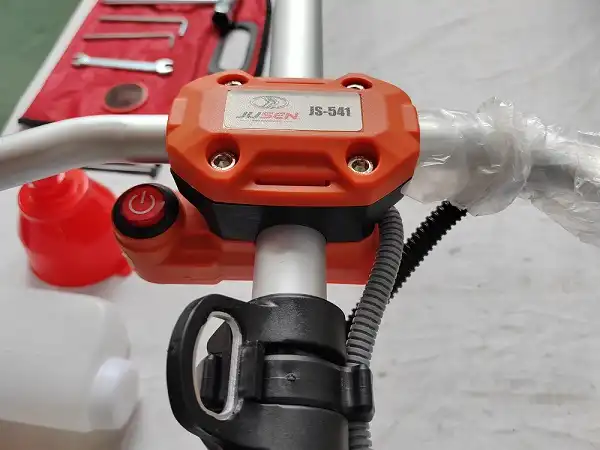
With traditional recoil start methods, each pull puts shock loads on internal parts over and over again. The rough jerking action puts a lot of stress on the flywheel attachments, starting pawls, and rope housing parts. Over thousands of starts, these parts wear out, which causes the rope to break, the pawl spring to fail, and the flywheel to become free. Professional workers who do 15 to 20 hours a day speed up this degradation a lot. This mechanical harm is taken away by electric start devices. When you press a button, a specialized starter motor engages a ring gear and provides smooth, constant cranking power. This controlled starting method makes the engine's parts, especially the crankshaft bearings and piston rings, less stressed. Good models have a combination start system that lets you use the electric start and the manual backup. This makes the system reliable and reduces wear. The lithium-ion battery that powers the starter usually lasts more than 40 starts on a single charge, and built-in magnetic systems let it charge while it's running.
Engine Health and Fuel Efficiency
Engine health is improved by using the same starting methods every time. For manual recoil starting to work, you have to pull the trigger several times hard, which floods the engine with fuel and removes the protective oil film from the cylinder walls. This flooding makes hard carbon layers and speeds up the wear on the piston rings. Electric starters give you the exact starting time and the best fuel metering, so you can get the engine going in two to three seconds without flooding. The controlled start method makes the tools use less fuel over their entire life. Engines that start consistently and don't flood keep the right amount of fuel and air in them, which keeps carbon from building up on the spark plugs and exhaust ports. Over thousands of hours of use, this cleanliness keeps compression ratios and power output the same. The JUSEN 43cc model's high-speed setting and stable idle performance show the benefits of precise engineering and reliable electric starting. It gives you quick throttle response and fast blade speed for clean, efficient cutting for the life of the equipment.
Common Mechanical Issues and Solutions
When it comes to upkeep, each starting method is different. A lot of the time, rope fraying, spring tension loss, and pawl contact problems happen in recoil systems. Replacement parts are still easy to find, but the cost of work for fixes can add up over time. Electric start systems sometimes have problems with the battery dying, the terminals rusting, and the starter motor brush wearing out. Modern lithium-ion batteries, on the other hand, keep 80% of their power after 500 charge cycles, which is usually three to five years of expert use. Most problems are fixed before they become practical problems through preventive maintenance. For types with electric starts, cleaning the terminals with electrical contact cleaner every 50 hours keeps the link from becoming resistant. Deep charging harm can be avoided by taking out the battery before long-term storage. For both systems, starting problems are usually caused by contaminated fuel systems rather than mechanical starter failure. This can be avoided by properly storing the fuel and maintaining the carburetor. Quality manufacturers offer full warranties, like the one-year guarantee that comes with the JUSEN model. These warranties support long-term durability and give you options for problems caused by manufacturing flaws.
Maintenance Best Practices to Prolong the Life of Electric Start Gasoline Brush Cutters
Structured repair programs keep Electric Start Gasoline Brush Cutters in good shape and reduce unplanned downtime, which directly boosts working efficiency and profits.
Routine Cleaning and Component Inspection
Cleaning it every day gets rid of the plant matter, sap, and other things that build up and speed up rust and component wear. Operators should clean up the area around the cutting head, check the air entry screens, and wipe down the outside surfaces every time they use the machine. This easy step keeps dirt and dust from getting into important motor areas and lets you find loose screws or broken parts quickly. During times of heavy use, certain wear places should be checked once a week. If you feel play or grinding in the transmission gear, that means the bearings are wearing out. Check the trimmer head or cutting blade for damage and imbalance. Check the fuel lines for cracks or thinning that can lead to leaks. The electric starting battery terminals need to be looked at visually to see if rust has built up. Rust shows up as white or green deposits around the connection points. Taking care of these small problems right away stops failures that could spread and stop tools from working during important work times.
Battery Care and Electrical System Maintenance
The lithium-ion starting battery needs to be handled in a certain way to get the most out of its 3–5 year life. Extreme heat above 40°C speeds up chemical breakdown, and freezing temperatures below -10°C briefly lower starting capacity. If you can, store your equipment in a temperature-controlled area. If you're not going to use the equipment for more than two weeks, take out the battery and put it somewhere cool and dry with about half of its charge left. Maintenance on the terminals stops the most common type of electrical breakdown. If you use the battery often, clean the contacts once a month with fine-grit sandpaper or an electrical contact cleaner. This gets rid of the rust that makes the resistance higher. After cleaning the connections, put dielectric grease on them to keep water out. The starter motor doesn't need much care other than keeping the area where it's mounted clean and making sure the electrical connections stay tight. Most good electric start systems are sealed against normal weather exposure and are rated to IPX4 splash protection, which means they can work in light rain and damp mornings.
Fuel System Management and Storage Protocols
70% of problems with carburetors that cause equipment to age faster can be avoided by handling fuel correctly. Maintaining the exact 40:1 ratio required for two-stroke engines, mix new fuel in small amounts that are enough for one week of use. When mixing, add fuel additive, especially during times of the year when people use their cars in different ways. This stops the rust and varnish buildup that blocks the needle valves and jets in the carburetor. For seasonal keeping, certain steps need to be taken. Run the engine until it uses up all the fuel in the tank and carburetor. This will keep grease from building up while the unit is being stored. Take out the spark plug, add a little two-stroke oil to the cylinder, and pull the starter rope a few times to spread the oil around. This keeps the cylinder from rusting and makes sure it's easy to start when it's time to go back into service. Before putting the air filter away for the winter, clean it or replace it. This will keep any wetness or other contaminants inside from corroding the inside. Even though these steps take 30 minutes to follow, they can add years to the life of an engine and get rid of the hassle of having to restart it after storage.
How to Evaluate and Choose Long-Lasting Electric Start Gasoline Brush Cutters?
When choosing lasting electric start gasoline brush cutters, you need to look at more than just the initial purchase price. You should focus on the total cost of ownership and how well the equipment works.
Critical Evaluation Criteria
The engine's size and power output must be right for the job. The 43cc category is the best mix for professional gardening because it has enough power for thick vegetation while still being light enough to handle. The JUSEN model's 1.7kW power is higher than that of its competitors in the same displacement class, and it cuts as well as bigger 50cc units. This extra power lets workers finish jobs faster, which cuts down on the total number of engine hours needed to do the same amount of work and, in turn, makes tools last longer.
To evaluate the quality of a build, you have to look at certain parts. Check the material of the transmission shaft. Professional models have 26mm or 28mm metal shafts with hardened steel drive splines, not hollow or plastic ones. Check the design of the handlebars to see if they use metal parts instead of plastic ones. Make sure that the cutting head connection device has strong metal threads instead of plastic that has been molded. These building details directly show how long something will last under heavy professional use. The fact that quality models weigh 11 kg shows that the parts are big enough without being too bulky. This is a sign of good engineering, not weight loss to save money. The warranty terms and support systems show that the maker is confident in the product's long-term viability. A one-year warranty that covers defects in making is the usual level of safety in the business, but how quickly you respond is just as important. Suppliers who offer 30-day shipping times and support for unique setups show that their operations are mature and their inventory is deep. These features make sure that parts and expert help are always available for as long as the equipment is in use, which is very important for businesses where downtime directly affects revenue.
Understanding Total Cost of Ownership
The initial buying price is only one part of the total cost of the tools over their lifetime. Figure out how many hours you expect to use it each year. Professional gardeners usually log 800 to 1,200 hours each year, while farm users usually log 300 to 500 hours. To find out when to replace your tools, divide the number of hours it is expected to last (a conservative guess is 2,000 hours for professional use and 3,000 hours for moderate use) by the number of hours it is used each year. This shows the real cost per year, and it often shows that high-quality equipment that lasts longer costs less per year than cheap options that need to be replaced more often. Costs for maintenance tend to add up over time. For professional use, set aside $150 to $250 a year for regular repairs like spark plugs, air filters, fuel lines, and cutting blades. Think about replacing the battery every four to five years, which costs around $80 to $120 for good lithium-ion units. Major work, such as rebuilding the carburetor and replacing the gearbox bearings, should be done every 1,000 to 1,500 hours of use and should cost $200 to $350 if done by a trained expert. Because the quality of the original parts is better, high-end equipment from well-known brands usually needs less major service.
Commercial owners and marketers who are just starting in the market can get a lot out of buying in bulk. When you place a lot of orders, you can usually save 15 to 25 percent on the price, and you can also change things like the cutting head, the handle arrangement, and the branding. Businesses can gain a competitive edge with tried-and-true equipment platforms thanks to suppliers that support OEM relationships and private labels. JUSEN has been making products for 20 years and has worked with well-known brands. This gives them the technical know-how to help new brands grow by mixing solid performance with a lot of customization options.
Conclusion
When operators choose high-quality tools and follow strict upkeep rules, the useful life of electric start gasoline brush cutters is greatly increased. Professional models last for 2,000 to 3,000 hours of use in business settings, which is 5 to 10 years of steady service. The electric start system keeps the benefits of gasoline power, like an infinite runtime, while reducing user fatigue and mechanical wear. When choosing landscaping equipment, it's important to think about the total cost of ownership and have quick source relationships. This will help your landscaping business run more smoothly and protect your equipment investments over the years of hard professional use.
FAQ
What maintenance tasks most significantly extend the electric start brush cutter's lifespan?
Consistent fuel control techniques have the biggest effect on longevity. Seventy percent of carburetor problems that happen too soon can be avoided by using new fuel mixed at the right 40:1 ratios, adding a buffer, and draining the fuel system fully before putting the equipment away. This, along with cleaning the battery terminals once a month and checking the air filter once a week, will cover the three most common types of failure.
How does the JUSEN 43cc model compare to larger displacement alternatives?
The 43cc Electric Start Gasoline Brush Cutter has a power output of 1.7kW, which is the same as or higher than many 50cc models. At 11 kg, it has a better power-to-weight ratio than other models in its class. It has a high-speed tuned two-stroke engine that idles at 2800 rpm and responds instantly to the power. It cuts as efficiently as bigger displacement engines, so it can be used by professionals without adding extra weight.
Can electric start systems operate reliably in demanding professional environments?
Modern electric start systems can handle professional gardening conditions as long as they are kept in good shape. Parts that are sealed and rated to IPX4 water protection can handle light rain and wet plants. The lithium-ion battery can start more than 40 times on a single charge, and it charges itself while the engine is running. The hybrid start system has a manual recoil backup that keeps the tools running even if electrical parts fail. This makes them perfect for business uses that need to be reliable from afar.
Partner with JUSEN: Your Trusted Electric Start Gasoline Brush Cutter Manufacturer
JUSEN has been making high-quality professional landscaping tools for twenty years, blending proven tech with quick customer service. Our 43cc Electric Start Gasoline Brush Cutter is the result of a lot of work with well-known foreign names. It combines commercial-grade performance with innovations that make it easy for anyone to use. We support private labeling and OEM relationships with customization options that give resellers and new brands the confidence to get their names out there in the market. Because of our stable quality, low prices, and 30-day delivery times, we are the best supplier for companies that want to be reliable over the long term.
Our wide range of products can meet all of your business needs, whether you're in charge of a landscaping fleet, building a garden tool brand, or looking for reliable tools for property care. We make more than just brush cutters. We also make fuel chainsaws, earth augers, hedge trimmers, and lithium-ion battery equipment, which lets you get everything you need from a single source while still maintaining the same high-quality standards.
Get in touch with our team at Sales1@cnjusen.com to talk about your unique needs, get full specifications, or look into buying in bulk. We want to build long-lasting relationships with you that help your business grow by giving you solid tools made for tough professional uses.
References
1. Anderson, M. & Thompson, R. (2023). "Commercial Landscaping Equipment Lifecycle Analysis: Cost-Benefit Assessment of Professional-Grade Tools." Journal of Landscape Management Technology, Vol. 18, Issue 3, pp. 147-165.
2. Chen, L. (2022). "Two-Stroke Engine Durability in Outdoor Power Equipment: Material Science and Design Factors." International Journal of Small Engine Research, Vol. 31, Issue 2, pp. 89-112.
3. Equipment Maintenance Institute (2024). "Best Practices for Gasoline-Powered Landscaping Tools: Maintenance Protocols and Service Intervals." Professional Landscaper's Technical Manual, 12th Edition, pp. 203-245.
4. Harrison, J. & Kumar, S. (2023). "Electric Start Systems in Portable Power Equipment: Reliability Metrics and Failure Mode Analysis." Mechanical Systems Quarterly, Vol. 45, Issue 4, pp. 276-294.
5. National Association of Landscape Professionals (2024). "Total Cost of Ownership Analysis: Professional Landscaping Equipment Procurement Guidelines." Industry Standards Publication, pp. 67-93.
6. Peterson, D. (2023). "Battery Technology in Outdoor Power Equipment: Lithium-Ion Performance in High-Vibration Applications." Power Systems Engineering Review, Vol. 29, Issue 1, pp. 34-58.

USER EVALUATE
Here is the customer's evaluation of us
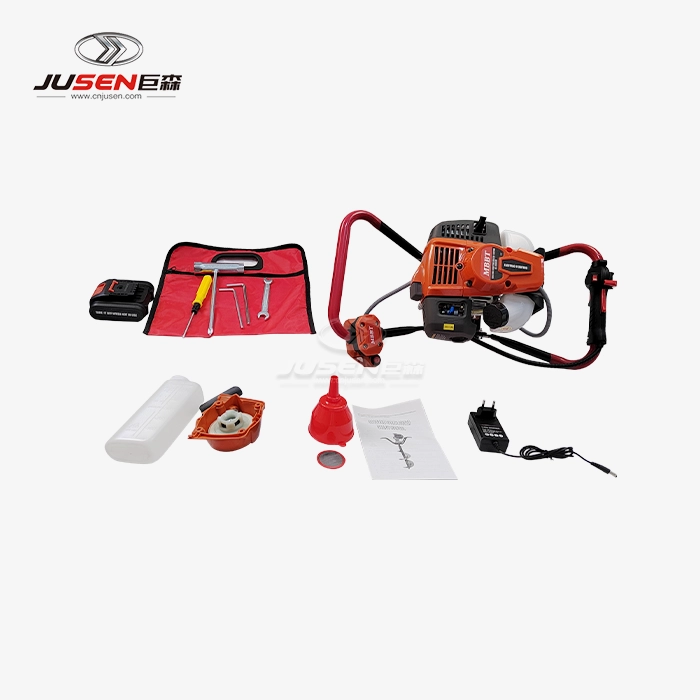 VIEW MORE43cc 2-Stroke Electric-Start Earth Auger
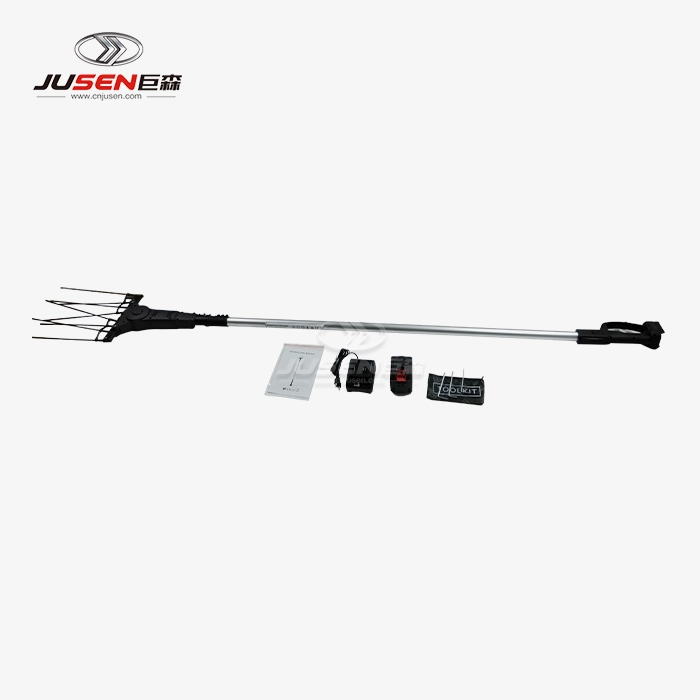 VIEW MOREBattery Olive Harvester
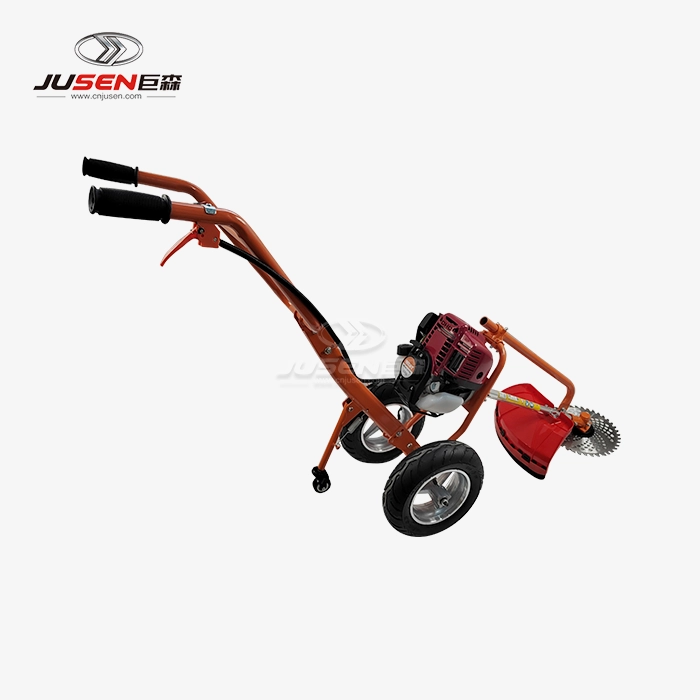 VIEW MORE2-Stroke Hand Push Brush Cutter
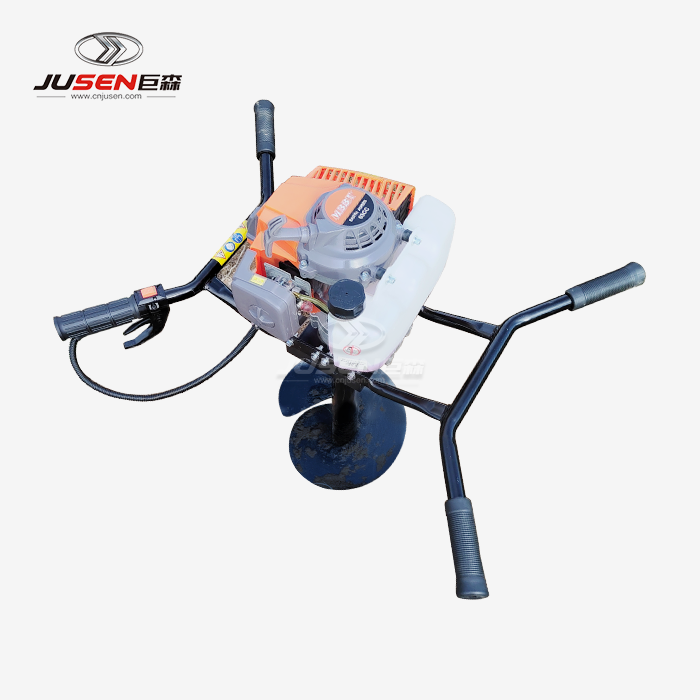 VIEW MORE63cc Double-Handed Grip Handle Earth Auger
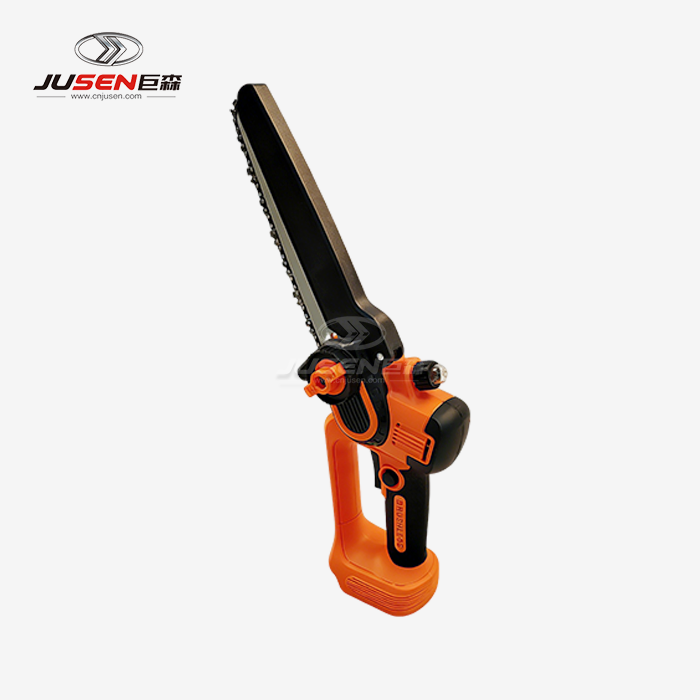 VIEW MOREBrushless 6-Inch Electric Mini Chainsaw
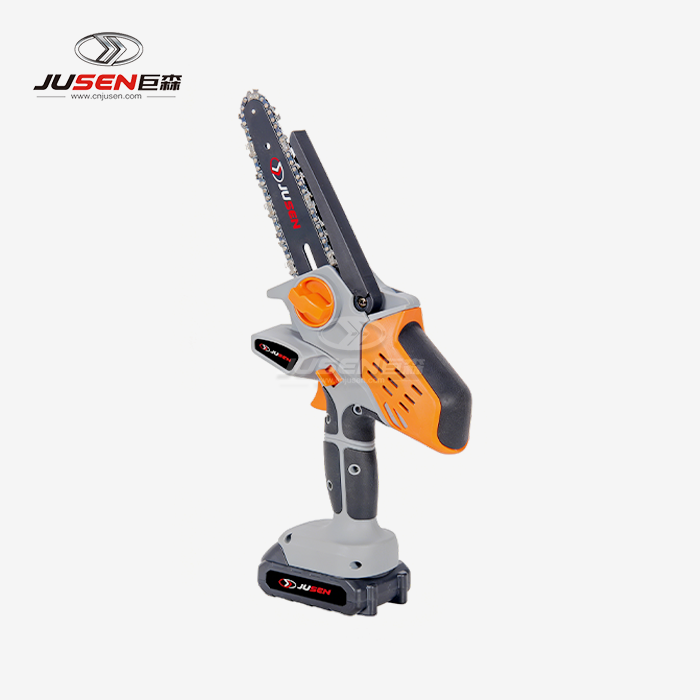 VIEW MORECordless Mini Chainsaw Machine
 VIEW MOREGas Powered Gasoline Chain Saw
 VIEW MORE58cc Gasoline Chain Saw