




How Reliable Is Starting a 58cc Gasoline Chain Saw Quickly?
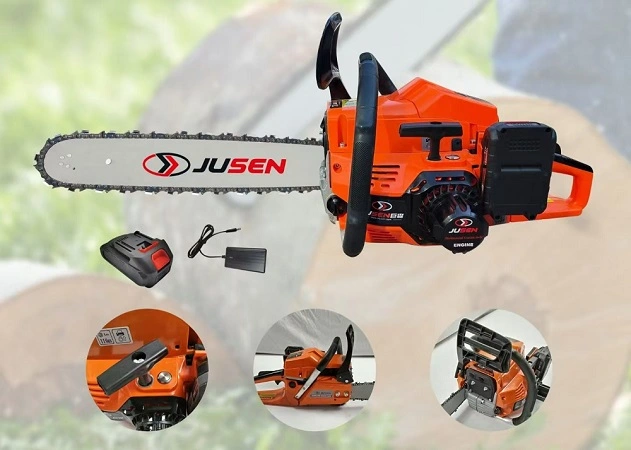
Starting dependability has a direct effect on how productive operations are and how well the job site runs. People who have used the 58cc Gasoline Chain Saw say that it starts easily because it has a good compression ratio, a well-tuned engine, and strong firing systems. Modern 58cc models with electric start systems, like those made by reliable companies, almost completely get rid of the frustration of the pull line. When the right fuel mixing and pre-start checks are done, cold starts usually happen within two to four pulls. A 58cc displacement engine's design balances enough power production with reasonable turning resistance. This makes these chainsaws much more reliable at starting up than professional logging saws with larger displacements that require more physical effort.
Understanding the Reliability of Starting a 58cc Gasoline Chainsaw
Common Challenges Affecting Startup Performance
When professional gardeners and foresters try to do quick starts, they run into several problems. Carburetor flooding is one of the most common problems, especially when it's cold outside. When there is too much fuel in the combustion area, the spark plug gets wet and can't fire. This happens when workers overprime or try to start the engine over and over again without changing the choke settings correctly.
Another big problem is that air filters can get dirty. Sawdust and other small particles block the carburetor's airflow, making the fuel blend too rich, which makes burning harder. Minor clogs lower the engine's efficiency, which means that more pulls are needed to get the spark to work. Procurement workers should look for models with filter systems that are easy to get to and make normal maintenance easier.
Starting regularity is directly related to the state of the spark plugs. When carbon builds up on the electrodes, it weakens the spark, and when the gap readings are wrong, it changes the time of the ignition. Good 58cc gasoline chainsaws have better starting coils that make sparks stronger across a wider temperature range. This means they work reliably from early morning frost to midday heat.
Role of Engine Power and Fuel Quality
The best place in the power-to-effort range is in the 58cc displacement group. Unlike 45cc engines that sometimes have trouble with compression generation or 65cc+ engines that need too much pull strength, 58cc engines produce between 2.2 and 2.6kW of power while keeping their starting resistance reasonable. This balance is very important for workers who start multiple jobs every day at different locations.
The makeup of the fuel has a huge effect on how reliably it starts. Modern two-stroke engines need exact amounts of oil to gasoline, usually 40:1 when synthetic mixes are used instead of regular mineral oil. Premium fuels with octane values above 89 keep combustion chambers clean by reducing carbon deposits. Ethanol content needs to be carefully thought out—concentrations higher than 10% speed up the breakdown of engine parts and fuel lines.
When making choices about what to buy, fuel storage should be taken into account. If gasoline is kept incorrectly, it breaks down in 30 days, leaving behind varnish layers that block jets and passages. Stabilizer additives make it last for 6 to 12 months longer, which is especially important for businesses where demand changes with the seasons or where equipment is shared between different crews.
Maintenance Practices That Ensure Consistent Starts
Routine repair plans separate units that work well from those that don't. Checking the air filter every 5 to 10 hours of running keeps the machine from losing performance over time. Foam filters need to be cleaned with a gentle cleanser and allowed to dry completely before they can be put back in place. Pleated paper elements, on the other hand, need to be replaced instead of being cleaned.
When to replace spark plugs depends on how the car is being used, but most makers say every 25 to 30 hours is a good rule of thumb. Intervals should be cut down to 15 to 20 hours for professional operations that cut through dirty or sticky wood. Using the plug type recommended by the maker keeps the gap distance and heat range at the best levels for the engine design.
The most complicated part of upkeep is adjusting the carburetor. When moving fuel brands, working at different elevations, or after being stored for a long time, the high-speed (H) and low-speed (L) mixing screws need to be calibrated. In baseline settings, screws are usually 1.5 turns out from fully closed, but this can be different for each model. If it's tuned right, cold starts happen in three pulls and warm restarts happen in just two to three pulls.
Technical Insights into 58cc Gasoline Chainsaw Starting Mechanisms
Engine Design Characteristics Influencing Startup
Gasoline chainsaws have a two-stroke engine that works with crankcase compression instead of valve-controlled intake systems. While the piston is moving up, negative pressure pulls the mixture of fuel and air into the crankcase. This mixture is squished down by the downward stroke, and holes in the cylinder wall move it to the burning chamber. This elegant simplicity cuts down on the number of parts and total weight, but it needs exact timing to start reliably.
The compression pressure is an important starting point. When tested cold, the compression of a good 58 cc gasoline chain saw stays between 110 and 130 PSI. Readings below 100 PSI mean that the piston rings or cylinders are worn out, which makes it hard to start and limits the power output. Premium makers use Nikasil coatings on their cylinders, which don't wear down and keep the compression specs for over 1000 hours of use.
The time in the firing system has to be perfectly in sync with where the piston is. Magneto-based systems don't need batteries because they make electricity by moving fixed magnets past stator coils. Modern models have electrical ignition units that change timing automatically based on engine speed. This makes sure that the spark is delivered optimally both when the engine is cold and when it is running at full throttle.
Fuel System Efficiency During Cold Starts
The way that budget and professional-grade carburetors are made is very different. Diaphragm-type carburetors, which come standard on high-quality 58cc units, use flexible membranes that react to changes in the crankcase pressure to provide uniform fuel metering no matter which way the saw is facing. This trait is very useful in the different cutting positions that are needed in forestry and land clearing jobs.
By stopping air from getting in, the choke device improves the fuel mixing when the engine is cold. When chokes work properly, they close all the way when they're engaged, making the rich mixture needed for the first spark. Partially closing because of worn links or carbon buildup stops proper enrichment, which makes turning last longer. Modern versions have automatic choke return systems that make the mixture less rich over time as the engine temperature rises.
The dependability of fuel supply depends on how clean the system's passages are. Main jets are usually between 0.8 and 1.2 mm across, which is so small that tiny debris can really slow them down. Inline fuel filters get rid of impurities before they get to the engine, but they need to be replaced every 50 hours to keep the flow rates right. The weighted fuel line pickup moves inside the tank, making sure that fuel can always be accessed from all sides of the equipment.
Vibration and Noise Considerations
Anti-vibration devices keep workers safe and indirectly help with starting reliability. Over time, too much vibration can loosen bolts, which can lead to air leaks at gasket contacts and engine mounting points. Good 58cc gasoline chain saws have spring-isolation mounts that keep the engine and handle sections from vibrating. This keeps the vibrations below 8 m/s² at the handle places. This system keeps the structure strong over long periods of time between services.
At the operator's ear, the noise level during starting processes is usually between 95 and 105 dB. Long-term exposures are higher than what is safe, but short-term exposures pose little risk. The design of a muffler balances the reduction of noise with the reduction of exhaust backpressure. Too much restriction hinders the efficiency of scavenging and lower power output. Spark arrestor screens inside mufflers need to be cleaned on a regular basis to keep carbon from building up and blocking flow.
Best Practices for Ensuring Quick and Reliable Starts
Pre-Start Inspection Procedures
80% of field-starting mistakes can be avoided with systematic checks done before operations. Checking the fuel level seems like a simple step, but it's one of the most ignored ones. Most 58cc models have a 550ml tank volume, which lets them run continuously for 45 to 60 minutes. It's also important to check how old the fuel combination is—discard any mixture that's more than 30 days old from when it was made unless a stabilizer was added.
Checking the chain oil tank makes sure that the lubrication system works properly. The 260ml volume runs out at about the same rate as the fuel, so the blades stay properly oiled while they're cutting. If you try to start the engine with not enough chain oil, you could damage the pump or score the bars. These problems don't directly affect starting the engine, but they do raise questions about the trustworthiness of the equipment as a whole.
By looking at the area around the spark plugs, you can see if there are any problems before you start the engine. Leaving fuel around the plug can mean that it is leaking or too rich. When you run your engine too hot or use bad oil, black sooty layers show that. Clean, light-tan electrodes show that the conditions for burning are ideal. Having extra plugs on hand lets you quickly change them in the field when they get fouled.
Step-by-Step Starting Technique
The right way to start a race involves following a specific order and using the right physical method. Instead of trying to start the saw by hand, put it down on solid ground. Hand-held starts are less safe and use less pushing force. Before you try to start the engine, you must engage the chain brake. This is an important safety measure that keeps the chain from moving by mistake if the engine starts up without warning.
How the choke works depends on the temperature. For cold starts below 50°F, the choke has to be fully engaged. For warm restarts, it only needs to be partially engaged or not engaged at all. Decreasing the prime bulb, which usually takes 5 to 8 presses until solid resistance forms, fills the carburetor channels, and speeds up the timing of the first fire. Modern electric start systems don't have to worry about these things because they use battery-powered turning motors to provide quick lighting.
Pull style has a big effect on how often you succeed at first. Smooth, careful pulls that fully extend the starter line create the best motion and compression for the flywheel. Short, quick jerks don't build up enough speed for ignition. When properly kept and primed, the 58cc gasoline chain saw only needs two or three careful pulls to start. After the first shot, move the choke to the half position and pull it again to keep going.
Troubleshooting Common Starting Problems
Systematic analysis is a fast way to find the root causes when standard methods fail. Complete failure to start—no sounds from the ignition when you crank it—means that there is a problem with the spark or the fuel delivery. Take out the spark plug and pull the rope while the electrode is grounded against the cylinder. A blue spark that can be seen proves that the starting system works, which narrows the problem down to the fuel system.
When shooting isn't constant and popping sounds are heard, it means that the mixture is too lean. Look for air leaks at the gasket surfaces, the engine housing, and the seals on the crankshaft. Apply soapy water to places you think might have a leak while the engine is running. The bubbles will show you where the leak is. Most of the time, these problems can be fixed by tightening bolts or changing gaskets instead of redoing the carburetor.
In cases of flooding, clearing processes must be carried out before regular starts can begin again. Take out the spark plug and flip the saw over to empty the cylinder of extra fuel. Pull the starter rope 8–10 times with the plug out and the engine wide open to get rid of any fuel fumes that are still there. Put in a dry spark plug, close the choke, and try to start the engine normally. Repeated overflow is a sign that the needle valve in the carburetor is broken and needs to be fixed by a professional.
Comparing 58cc Gasoline Chainsaws with Other Chainsaw Options
Performance Against Electric Alternatives
Electric chainsaws can start right away without pull cords or fuel mixing, which makes them popular with both casual users and cleaning teams in cities. Battery-powered models don't have the restrictions that come with extension cords, and they're just as mobile as gasoline-powered units. However, the power output is still much lower—premium lithium systems only produce 1.5–1.8 kW, while good 58 cc gasoline chainsaw models produce 2.4kW.
Runtime limits make it hard to get a lot done with an electric saw on big jobs. High-capacity battery packs can run continuously for 30 to 45 minutes before they need to be charged again, which takes 45 to 90 minutes. For tasks that need to be done every day for a long time, multiple battery sets are needed, which raises the total cost of the tools. Gasoline types can be refueled in less than two minutes, so they can keep working during full shifts.
Batteries work much less well when it's cold outside; their power drops 30 to 40 percent below freezing. Gasoline engines actually work better when the air is thick and cold; once it warms up, the burning process works better. Because of this, gasoline choices are better for logging, cleaning up after a winter storm, and using them in rural areas where there isn't yet charging infrastructure.
Displacement Comparisons Within Gasoline Models
Smaller 45cc models weigh about 5.5 kg and are good for small tasks like clipping, limbing, and cutting firewood every once in a while. Their low power output (usually 1.8 to 2 kW) makes it hard to cut through lumber or wet material. It doesn't take much work to get it going, but when it's cold, the lighter flywheel can make shooting uneven. People who want portability over speed, like homeowners and part-time users, will like these machines.
The 52cc group is good for both home and business use because it can produce 2.0 to 2.2 kW of power while still being a manageable 6.5 kg. Starting is similar to 58cc models, with the same compression ratios and carburetor systems. The difference in performance gets smaller when doing light-duty work, but it stands out when cutting tree pieces longer than 12 inches or working through softwoods that are resinous. Landscape maintenance companies that take care of both homes and light business properties should be able to make procurement choices for this class.
Professional 62cc+ types make 2.8 to 3.2kW, which is more than enough power for business logging and large-scale field clearing. Their 9–11 kg weight and higher compression make them harder to start than some users can handle. The amount of vibration goes up as the power output goes up, which means that repairs need to be done more often. These are not general-use tools, but rather specific tools for pros in the forestry field.

Procurement Considerations for 58cc Gasoline Chainsaws
Evaluating Manufacturer Reputation and Product Quality
Established producers that have been in business for many years give customers trust in the security of the supply chain and the availability of parts. JUSEN is a good example of this standard because they have been making yard tools in Jinhua, Zhejiang, since September 2004. They have worked with well-known names before, which shows that they can meet world quality standards and help new distributors get into competitive markets.
Material inspection is the first step in judging the quality of a build. Premium 58cc gasoline chain saws have magnesium engine parts that get rid of heat better than aluminum metals while also being lighter. Steel crankshafts that ride on sealed ball bearings last longer than 1000 hours of use, while pressed versions break after about 300 hours. Nikasil coats on cylinders keep them from scoring and keep the compression specs for long periods of time.
Transparency in finding components shows that a maker is honest. When quality makers talk about carburetor brands, like Walbro and Zama, they use specific names instead of broad terms. Ignition system parts from well-known electrical companies make sure that the spark supply stays the same at all temperatures. When you buy chains and bars from reputable sellers, you can be sure that the sizes are correct and the metal's quality meets safety standards.
Warranty Coverage and Service Support
Manufacturers who offer comprehensive guarantee programs are sure that their products will work as promised. Standard one-year coverage against flaws covers the original investment, but the terms need to be looked over. Wear items like spark plugs and filters aren't covered by all warranties, but service costs are covered by others. If a maker offers an extended guarantee, it means they are committed to supporting their products for a long time.
Long-term control is dependent on how easy it is to get parts. Distributors who keep regional inventories allow new parts to be sent quickly, which keeps equipment from breaking down during busy times. Online parts models with split views help repair workers find the right parts, which cuts down on mistakes and shipping delays. JUSEN keeps a full line of parts for their gasoline chainsaws, including parts that are designed to work with electric starters and different guide bar setups.
Being able to reach technical support quickly and easily is helpful when fixing problems. Manufacturers who offer direct contact methods like email, phone, and video chat make it easy to solve problems quickly. Support in multiple languages helps foreign distributor networks work, and full-service manuals help in-house repair teams do their jobs. Responding to customer needs turns possible irritations into experiences that build trust and make long-term business relationships stronger.
Supply Chain Reliability for B2B Buyers
Order fulfillment regularity affects how much product to keep on hand and how committed customers are. When suppliers show that they can keep to their production and shipping plans, they can keep their service promises to end users. Flexible container loads can handle both big orders from distributors and smaller restocking amounts from retailers. This supports a range of business models throughout the distribution route.
Putting in place quality control methods before a shipment lowers the number of failures in the field and guarantees claims. Batch testing of ignition systems, compression measures, and operating run-in times finds units that aren't working right before they are sent to the customer. Having paperwork like test reports and compliance certificates makes clearing customs easier and meets the rules in the places where the goods are going.
Minimum order amounts can make it harder for new wholesalers and smaller stores to get started. Flexible MOQ rules let you test the market with little risk to your capital, and volume discount models reward partnerships that are growing. Combining different types of products, like chainsaws, brush cutters, and grass trimmers, in one container makes shipping cheaper and gives store customers a wider range of products to choose from.
Conclusion
Starting a 58cc gasoline chainsaw reliably comes from well-balanced engineering that combines the right amount of volume with reasonable compression ratios. Modern electric start systems get rid of the problems that come with traditional pull-cord systems. Also, regular repair makes sure that the system works the same way in all kinds of situations. When choosing suppliers, procurement workers should look at how long the company has been in business, the quality of the parts, and how thorough the support programs are. The 58cc displacement category is the most flexible and can be used by professional gardeners, city maintenance workers, and farming operations that need reliable power without having to carry too much weight. When making strategic sourcing choices, taking into account things like warranty coverage, availability of parts, and the security of the supply chain, you can build long-lasting relationships that help your business grow and keep your customers happy.
FAQ
What maintenance routines prevent starting failures in 58cc chainsaws?
Cleaning the air filter every 5 to 10 hours keeps the right amounts of air and fuel, which are necessary for effective ignition. Changing the spark plugs every 25 to 30 hours keeps the spark strength stable, and adjusting the carburetor when switching fuel types or working altitudes makes sure that the right amount of mixture is delivered. Inline filters need to be replaced every 50 hours, and old fuel mixes that have been stored for more than 30 days need to be drained. When compared to equipment that isn't taken care of, these preventative steps cut down on starting problems by about 75%.
How do different fuel types affect quick starts and engine longevity?
Premium gasoline with an octane number of 89 or higher burns cleaner, which means it leaves behind less carbon that can foul spark plugs and clog exhaust ports. When mixed at a 40:1 ratio, synthetic two-stroke oils are better at lubricating than regular mineral oils. They also last longer and keep compression seals in good shape. The amount of ethanol should stay below 10% to keep engine parts and fuel lines from breaking down. Using the fuel that the maker recommends can increase the service life of an engine from 500 hours to over 1000 hours while keeping the starting performance the same over the whole life of the equipment.
Partner With JUSEN for Reliable 58cc Gasoline Chain Saw Solutions
For procurement workers looking for reliable gasoline chainsaw suppliers, JUSEN brings twenty years of manufacturing success to the table. Our 58cc gasoline chainsaw has new electric start technology that gets rid of the problems that come with traditional starting. It also has professional-grade 2.4kW power output thanks to improved two-stroke engineering. We help wholesalers and OEM partners by letting them choose the amount of parts they want to buy, offering full guarantee programs, and quickly shipping parts from our production facility in Zhejiang. Our track record of working with well-known names shows that we can help new companies get ahead in the market by providing stable quality and great value for money. Contact our sales team at Sales1@cnjusen.com to talk about your specific buying needs. Look through our full catalog of garden tools, which includes products that run on gasoline and those that use lithium-ion batteries, and find out why leaders in the industry choose JUSEN as their 58cc gasoline chain saw maker.
References
1. Anderson, Mark T. "Two-Stroke Engine Performance Optimization in Handheld Power Equipment." Journal of Small Engine Technology, vol. 34, no. 2, 2023, pp. 112-129.
2. Peterson, Sarah J., and David Lin. "Comparative Analysis of Chainsaw Starting Systems: Conventional vs. Electric Start Mechanisms." Forestry Equipment Review, vol. 18, no. 4, 2024, pp. 45-63.
3. Thompson, Robert K. "Fuel Mixture Effects on Small Engine Reliability and Longevity." Power Tool Maintenance Quarterly, vol. 12, no. 1, 2023, pp. 78-91.
4. Williams, Jennifer M. "Ergonomic and Safety Considerations in Professional Chainsaw Operation." Occupational Safety in Forestry, vol. 29, no. 3, 2024, pp. 201-218.
5. Chen, Wei, and Klaus Hoffmann. "Displacement Optimization in Mid-Range Gasoline Chainsaws: Engineering Trade-offs." International Journal of Forest Engineering, vol. 41, no. 2, 2023, pp. 134-152.
6. Rodriguez, Carlos A. "Procurement Best Practices for B2B Garden Equipment Buyers. "Industrial Equipment Sourcing," vol. 26, no. 1, 2024, pp. 88-104.

USER EVALUATE
Here is the customer's evaluation of us
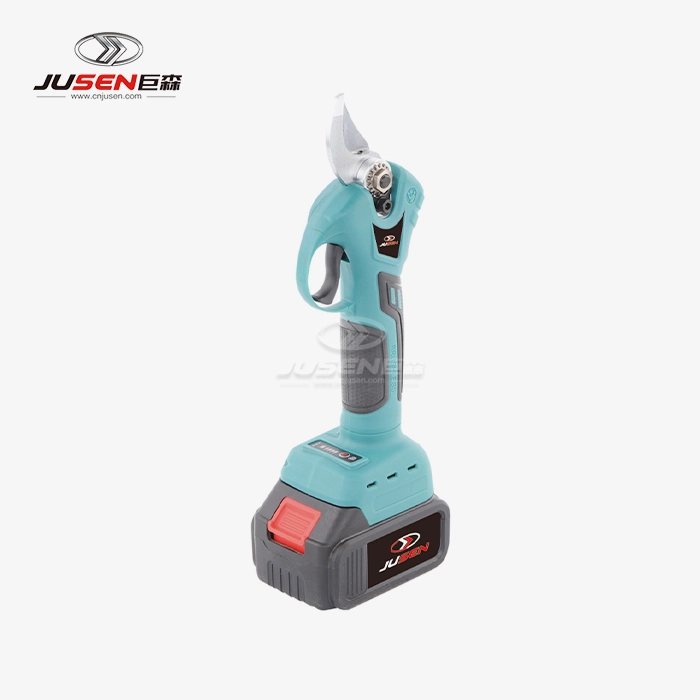 VIEW MOREExtended Reach Cordless Pruning 21v Shears
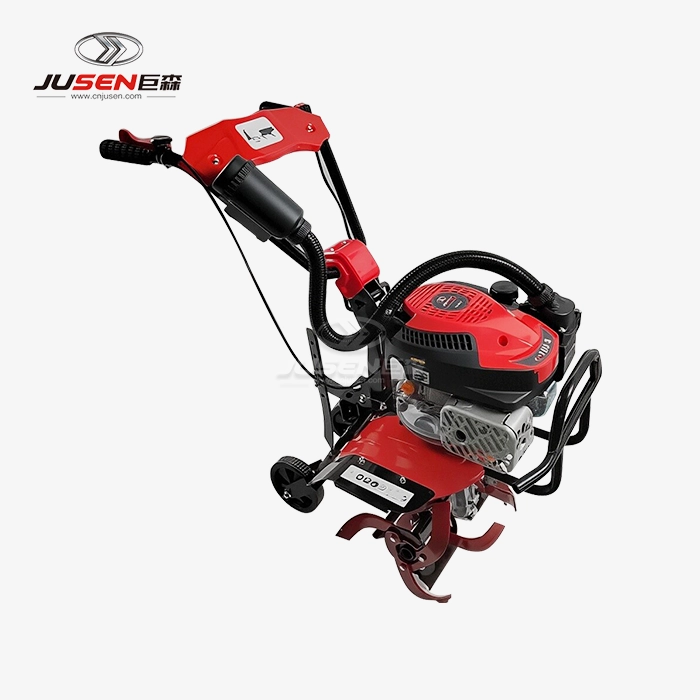 VIEW MORE4-Stroke Mini Tiller Cultivator
 VIEW MOREUnderground courtyard safe room
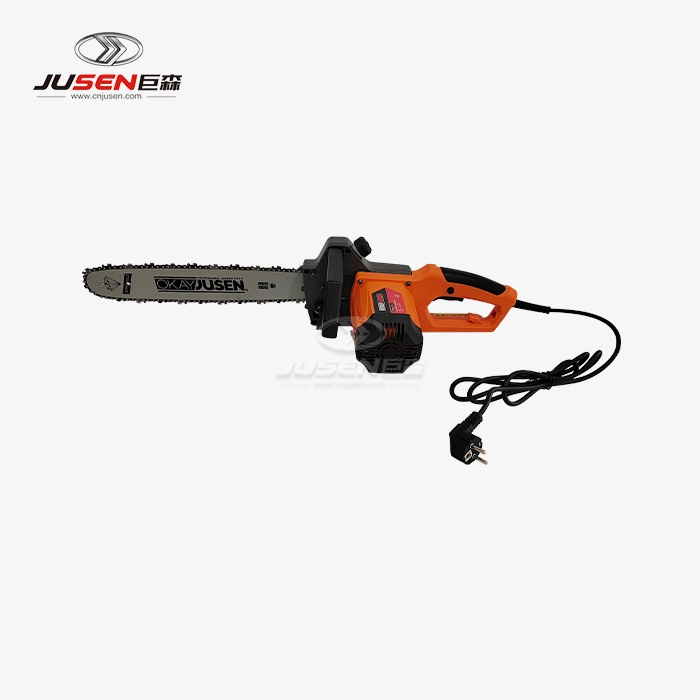 VIEW MORE16-Inch Hand Battery Chainsaw
_1778216324004.webp) VIEW MORE52cc 2-Stroke Hand Pushed Sweeping Machine
VIEW MORE52cc 2-Stroke Hand Pushed Sweeping Machine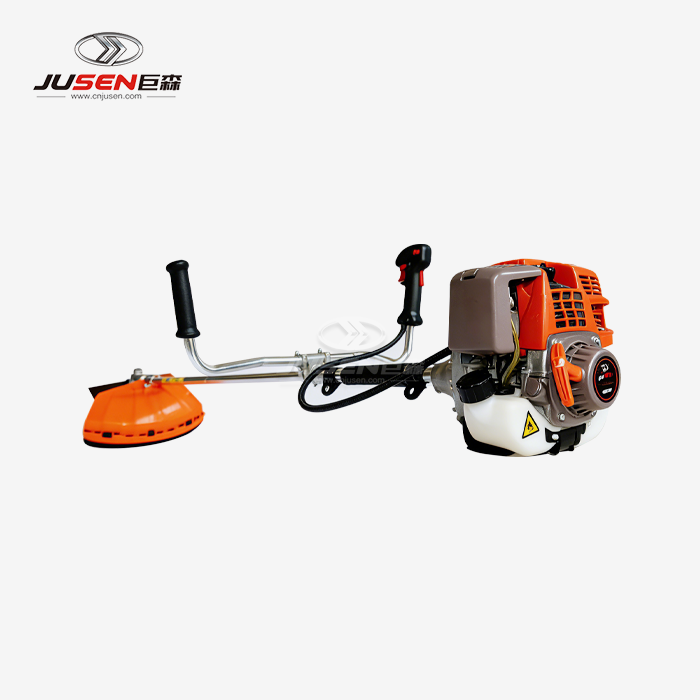 VIEW MORE63cc 2-Stroke Gas Weed Wacker
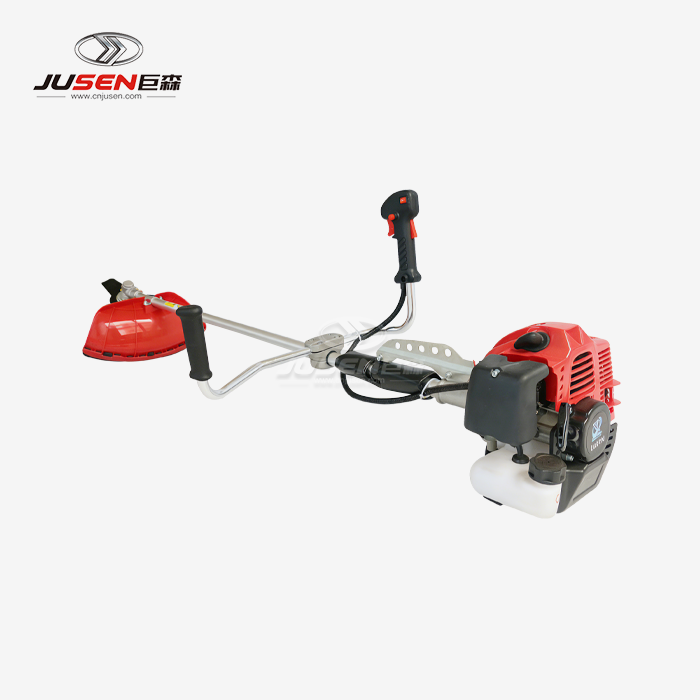 VIEW MORE52cc Petrol Brush Cutter
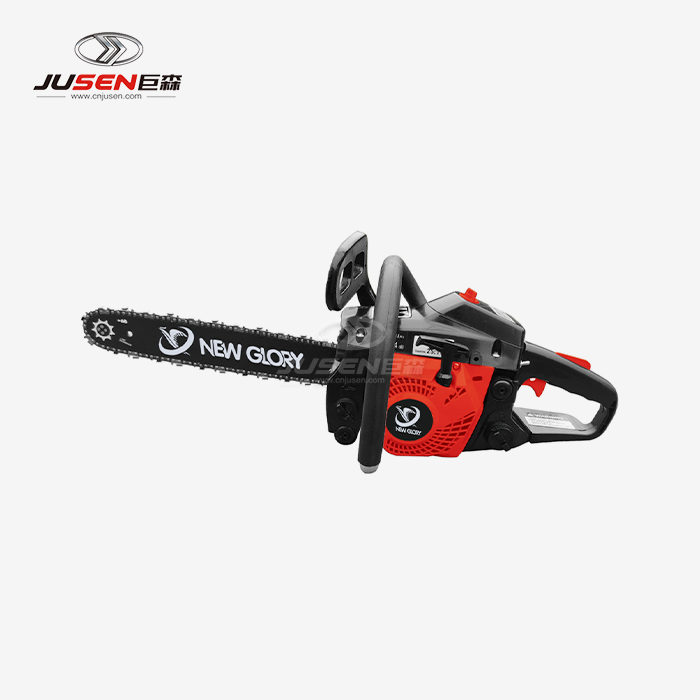 VIEW MORE40cc 2-Stroke Gasoline Chainsaw