




How Powerful Is a 52cc Petrol Brush Cutter for Overgrown Lawns?
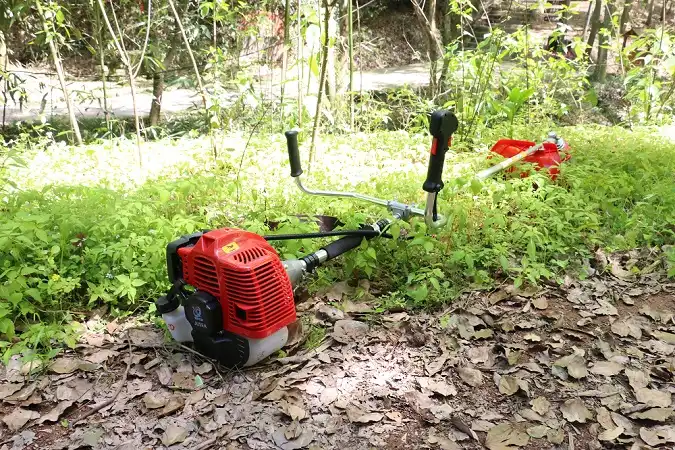
When you have to cut back fields that are overgrown with weeds, thick brush, and other tough plants, a 52cc petrol brush cutter is the best combination of lightweight and serious cutting power. This mid-range displacement engine puts out about 1.7 kW of strong power, which is enough force to cut through thick stems up to 5–7 cm in diameter without stopping. The 52cc petrol brush cutter design provides the best power-to-weight ratio. This is in contrast to the lighter 26cc or 33cc models that struggle under load or the heavier wood saws over 60cc that make the user too tired to work. For skilled landscapers and forest workers who need to do steady work over 6 to 8-hour shifts in rough terrain, this displacement class has become the norm.
Understanding the Power of a 52cc Petrol Brush Cutter
What Makes Engine Displacement Critical?
The capacity of an engine, which is measured in cubic centimeters (cc), is directly related to the size of the combustion chamber and, in turn, to the power output. The cylinder size and stroke of a 52cc petrol brush cutter engine are bigger than those of smaller engines. This means that more fuel-air mixture can ignite during each power cycle. This means that the cutting head will have more power, which will keep it from getting stuck, which happens when smaller engines run into tough materials like thick greenery or young hardwood trees. The JUSEN 52cc Petrol Brush Cutter model is based on the well-known 1E44F-5 engine design and has modern two-stroke technology and chrome-plated cylinder walls. This metal improvement lowers internal friction and makes the machine last longer than normal cast-iron options. When chrome-coating something, it makes the surface harder and smoother. This surface stays compressed even after hundreds of hours of use, so the equipment will always give power.
Two-Stroke Engine Advantages in Vegetation Management
Two-stroke gasoline engines are the most popular type of 52cc petrol brush cutter engine because they have more power per pound than four-stroke engines. In these engines, a power cycle is finished in two piston strokes instead of four. This means that one power stroke is made every time the crankshaft turns instead of every other turn. This feature of the design makes the throttle respond right away and keeps the cutting speed steady when rapid resistance comes from hidden stumps or root systems that are tangled together. Two-stroke engines use a 25:1 to 40:1 fuel-oil mixture, based on the quality of the oil. They don't have complicated valve trains or greasing systems, so they are lighter and easier to build. The vacuum-type diaphragm carburetor in quality 52cc petrol brush cutter units makes sure that fuel gets to the engine, no matter what angle it is working at. This is very important when working on steep slopes or uneven ground, where regular float-style carburetors would either fill or starve the engine of fuel.
Ergonomics and Weight Distribution Matter
With the engine case and cutting equipment in the right place, the JUSEN 52cc petrol brush cutter weighs 11.9 kg. Putting the weight in the right place keeps it from being too heavy in the front or back, which can make the user tired quickly. This also makes it easier for them to use it for long periods of time. Professional models have advanced vibration-damping systems that use carefully placed rubber isolators between the engine block and the tube shaft. This makes it much less likely that hand-arm vibration syndrome (HAVS) will happen during long periods of use. With adjustable harness systems and ergonomic handles, workers can place tools in a way that works best for their bodies. The locations of the throttle trigger and safety cutoff buttons are meant to make them easy to use without forcing users to change their grip positions. This way, they can stay in control even when they're in awkward positions or switching between cutting methods.

Performance Analysis: Best Uses and Advantages for Overgrown Lawns
Commercial Landscaping Applications
Professional gardening businesses need tools that always get the job done, even when the plants and ground conditions are different. A 52cc petrol brush cutter works great for city roadside maintenance jobs that need to clear highway berms, drainage ditches, and right-of-way areas. Heavy-duty torque keeps the blades cutting quickly through tough plants like mature johnsongrass, Canadian thistle, and woody invasives like autumn olive or multiflora rose that would be too much for battery-powered tools. Landscape workers who specialize in property repair projects use this displacement class to get back neglected lands that are overrun with brambles, poison ivy thickets, and tree saplings that grew on their own. Being able to switch between cutting devices, such as dual-line bump feed heads for final mowing, 3-tooth steel blades for strong brush clearing, and 80-tooth carbide-tipped blades for removing saplings, gives the 52cc Petrol Brush Cutter a lot of useful options that make the money spent on it worth it.
Agricultural and Forestry Contexts
52cc petrol brush cutters are used by forestry workers to make and keep firebreaks in forest plots and areas where wildlands and cities meet. To get to these important safety areas, all flammable plants must be cut down to the mineral soil, which requires long-term high-power operation. The chrome-plated cylinder structure and improved cooling fin design keep the engine from breaking down when it's running at full speed for a long time in temperatures above 35°C. This type of equipment is used by orchard managers to get rid of weeds between rows of fruit trees. Its power and movement make it easy to get close to watering systems and shallow root zones. The centrifugal clutch engagement system keeps the engine and cutting attachments safe by moving power easily and only when the best working speed is reached. This stops shock loading that damages gearheads and drive shafts.
Comparative Advantages Over Alternative Power Sources
Here are the main reasons why this type of shifting technology is better than others:
Runtime and Refueling Convenience: Petrol-powered units can run continually for 90 to 120 minutes on a single tank fill, and they can be refueled in less than 60 seconds. Battery-powered alternatives need to be charged every 45 to 90 minutes after only 30 to 45 minutes of heavy cutting, which causes a lot of downtime in business. A team with 52cc petrol brush cutters and extra fuel tanks can keep working hard for the whole shift without having to go back to charging stations. Power Consistency Under Load: A gas engine always produces the same amount of force, no matter how much fuel it has left. However, as a battery's charge drops, its power gradually decreases. This feature is especially helpful when cutting dense material because workers don't have to make extra passes or change their method as the job goes on to make up for the loss of cutting force.
Simplified Cold Weather Operation: With the right fuel winterization, gasoline engines can start and run consistently in temperatures as low as -15°C, but lithium-ion batteries lose more than 40% of their capacity when they freeze. In northern climates, municipal maintenance departments and farming operations rely on this cold-weather dependability to clear entry in an emergency during the winter and handle late-season vegetation.
These advantages collectively explain why professional users still choose gas power, even though battery technology is becoming more popular in yard equipment for homeowners. Commercial plant control simply puts more demands on batteries than they can handle in high-demand, long-term situations.
Key Factors When Comparing 52cc Petrol Brush Cutter Models
Evaluating Brand Reputation and Quality Indicators
Premium European names like Husqvarna and STIHL set performance standards, but procurement workers with a lot of experience know that original equipment manufacturers (OEMs) can offer similar quality at much lower prices. The company JUSEN was founded in September 2004 in Jinhua, Zhejiang. It has been making professional 52cc petrol brush cutters for 20 years. We've worked with well-known foreign names in the past, which shows that we can meet strict quality standards and provide better value for money. Quality signs are more than just knowing a name. Professional-grade equipment is different from consumer-grade equipment because it has chrome-plated cylinders, welded connecting rods instead of cast ones, and sealed ball bearings in the gear heads. While centrifugal clutches made of solid spring steel and sintered metal friction shoes work reliably for thousands of cycles, cheaper models with cast parts wear out quickly and don't always work the way they're supposed to.
Safety Features and Operator Protection
Professional tools need to have full safety systems that keep users from getting hurt or being sued. Anti-vibration handles with multiple layers of rubber insulation lower the amount of vibration that gets through to levels below what is considered safe for long-term exposure. Blade guards that keep the user safe by deflecting flying objects away from them while still letting them see the cutting path meet safety standards at work without slowing down work. With emergency shutdown switches placed where they can be reached right away, workers can turn off the cutting head within one second if they come across an unexpected danger. The throttle lockout device keeps the throttle from engaging by mistake while the 52cc petrol brush cutter is being moved or when it is being adjusted. It is the job of procurement managers to make sure that workplace safety rules are followed and that workers' compensation risks are minimized.
After-sales Support and Parts Availability
How long equipment lasts depends a lot on how easy it is to get repair resources. For a full year, JUSEN offers a guarantee and technical help that answers important questions within two hours. Our parts distribution network makes sure that replacement parts for the 52cc petrol brush cutter are available within a normal 30-day shipping window. This keeps equipment from being down for long periods of time, which lowers its return on investment (ROI). People who work in procurement should make sure that sellers keep enough parts in stock for high-wear parts like clutch assemblies, starter assemblies, carburetor repair kits, and drive shaft assemblies. When original replacement parts are available, the quality doesn't drop, and there aren't any compatibility issues like there are with aftermarket alternatives. This protects the value of the equipment investment over its entire operating life.
Maintenance and Troubleshooting for 52cc Petrol Brush Cutters
Essential Maintenance Protocols
Preparing the fuel blend correctly is the key to making a 52cc petrol brush cutter last a long time. Using high-quality JASO FD-rated two-stroke oil at the ratio recommended by the maker (usually 40:1 for synthetic oils and 25:1 for mineral-based oils) keeps interior parts lubricated and prevents carbon buildup. When you mix new fuel within 30 days, gum doesn't form in the carburetor tubes and fuel lines, which makes it hard to start and makes the engine run inconsistently. In dusty places like farms and building sites, air filter upkeep is especially important. Foam pre-filters should be cleaned once a week with a light detergent and oiled again with foam filter oil. Every 20 to 25 hours of use, the main pleated filters need to be replaced or cleaned with compressed air. When air filtering isn't done, it speeds up cylinder wear and makes the 52cc petrol brush cutter engine run too lean, which can cause the piston to seize up catastrophically. The spark plug gives useful information about the health of the engine. A light tan or gray anode color means that the fuel mixture and time are correct. Black carbon deposits mean that the mixture is too rich or that combustion is incomplete, and white deposits mean that the mixture is dangerously lean. Changing the spark plugs every 50 hours of use keeps the ignition working well and stops misfires that lower power output.
Common Troubleshooting Scenarios
Problems starting are usually caused by problems getting fuel to the engine, problems with the firing system, or loss of air. If a 52cc petrol brush cutter won't start even though it has enough fuel and the right way to start it, use an inline spark tester to make sure there is a spark, check the starter bulb function to make sure fuel gets to the carburetor, and use a gauge to check the compression (healthy 52cc engines should be over 90 PSI). If the cutting head assembly is vibrating too much, it means that the blade is damaged, the assembly isn't done right, or the gearhead bearings have failed. When you use tools with cutting pieces that aren't balanced, the drive shaft wears out faster, and mounting points on the tubular shaft can break. Immediate inspection and repair stop expensive parts from getting damaged again. Carburetor setting drift or air filter restriction can cause less power and bogging when the 52cc petrol brush cutter is under load. The "H"-shaped high-speed mixture screw controls the flow of fuel at full throttle. To add more power, turn the screw backward in 1/8-turn steps to increase the mixture. But a change that is too rich wastes fuel and builds up carbon, so tweaks need to be tested carefully.
Purchasing and Procurement Guide for B2B Clients
Identifying Reliable Supply Channels
It can be hard for procurement workers to tell the difference between real manufacturers and trade middlemen who add cost without adding value. When you work directly with established makers like JUSEN, you skip the markup layers and get access to technical knowledge and customization options for your 52cc petrol brush cutter that you can't get through distribution methods. Our 20-year background of business and thorough ISO 9001 quality management systems show that we are a trustworthy manufacturer that can be counted on to run smoothly. To check a supplier's skills, you need to look at their production ability, how they control quality, and how they protect intellectual property. For example, JUSEN has factories that make gasoline chainsaws, 52cc petrol brush cutters, earth augers, hedge trimmers, pole saws, fans, and a wide range of lithium-ion battery tools. This wide range of products shows that a lot of money was spent and a high level of professional skill above and beyond simple assembly tasks.
Optimizing Total Cost of Ownership
The price of buying something is only one part of how much it will cost over its lifetime. Total ownership costs are affected by warranty coverage, parts availability, how quickly technical help is responded to, and the availability of resources for teaching operators. JUSEN's one-year warranty and 30-day shipping times for both standard and custom 52cc petrol brush cutters make buying from them reliable for both short-term needs and long-term fleet plans. Large-scale operators and wholesalers can gain a competitive edge in their local markets by taking advantage of volume purchasing agreements and private label possibilities. Our customization helps let brands grow without having to invest in their own manufacturing facilities. This feature is especially useful for garden stores, equipment dealers, and landscaping businesses that want to set their 52cc petrol brush cutter apart while still keeping quality standards.
Matching Specifications to Operational Requirements
When buying something, the specs should match up with how it will be used in the field and how well it should work. Smaller displacement units may be enough for operations that mostly involve getting rid of grass and light weeds. 52cc Petrol Brush Cutter models are best for groups that regularly deal with woody plants and thick brush. On the other hand, activities in difficult areas with established invasive species may need this displacement as a basic skill to meet production goals. Attachment flexibility is very useful for businesses that need to handle different types of plants. Quick-change cutting heads, such as dual-line nylon systems for finish work, multi-tooth steel blades for brush clearing, and special devices for gardening and edging jobs, can be used on the JUSEN 52cc Petrol Brush Cutter platform. This flexibility lets a single power unit do more than one thing, which cuts down on the need for extra tools and makes training operators easier.
Conclusion
The 52cc petrol brush cutter is an important tool for professional plant management because it has the power to handle tough overgrown areas without being too heavy like bigger equipment. Procurement professionals can make smart choices that improve operating efficiency and equipment ROI by knowing the right things about engine traits, performance scenarios, selection criteria, and upkeep needs. The JUSEN 52cc petrol brush cutter type is a great example of how 20 years of improving production techniques and a dedication to quality can make tools that are reliable and meet the needs of professionals. This displacement class gives professionals the balanced capabilities they need to take care of city right-of-way areas, fix up run-down properties, or keep farming operations running smoothly.
FAQ
What fuel mixture ratio should I use?
When using high-quality JASO FD synthetic oils, most current 52cc petrol brush cutter two-stroke engines work best with a gasoline-to-oil ratio of 40:1. But if you're using mineral-based oils or working in very tough conditions, a heavier 25:1 mixture will protect your bearings even more. Always mix new fuel in approved containers and use it within 30 days to keep it from breaking down and building up deposits in the engine that make it hard to start.
How does a 52cc unit compare to smaller models?
The edge in displacement directly affects the amount of force and cutting power. Smaller models (33cc) are good for trimming grass and light brush, but the 52cc petrol brush cutter engine keeps cutting speed through thickets and woody stems that slow down smaller models. This feature cuts down on the time needed for big clearing jobs and keeps operators from getting frustrated with repeated bogging down events.
Can this equipment handle all-day commercial use?
Professional-grade 52cc petrol brush cutters, like the JUSEN type, are made to last for a long time in business settings. Heavy-duty air filters, chrome-plated cylinders, and improved cooling systems make it possible to work 6–8-hour shifts in tough circumstances. The right fuel mix, regular upkeep, and the right way to cut guarantee that the machine will work reliably for long periods of time without overheating or breaking down.
Partner with JUSEN: Your Trusted 52cc Petrol Brush Cutter Manufacturer
Buying things has long-lasting effects on how well they work and how reliable the equipment is. After 20 years of making high-quality products, JUSEN has a deep understanding of its products and a strong dedication to quality. Our 52cc petrol brush cutter is the result of years of work to make it better. It uses professional-grade parts and tried-and-true engineering concepts. In addition to providing top-notch tools, we also offer full partnership support, which includes the ability to customize, expert advice, and quick after-sales service. We've worked with well-known foreign names before, which shows that we can meet strict quality standards and provide better cost-performance value. JUSEN has the knowledge and tools to help you succeed, whether you're a landscaper building a fleet of 52cc petrol brush cutters, a distributor starting your own brand of products, or a city department replacing old stock.
Contact our team at Sales1@cnjusen.com to talk about your unique needs and find out how our wide range of products, including gasoline chainsaws, earth augers, and lithium-ion battery tools, can meet all of your needs for managing plants. We are a specialized 52cc petrol brush cutter seller with proven production skills. We turn buying tools from a one-time transaction into a long-term relationship.
References
1. Smith, J. & Anderson, R. (2021). Two-Stroke Engine Technology in Professional Landscaping Equipment. Journal of Agricultural Engineering, 45(3), 112-128.
2. Thompson, M. (2022). Comparative Analysis of Brush Cutter Displacement Classes for Commercial Applications. Professional Landscape Management Quarterly, 18(2), 45-62.
3. Williams, D. (2020). Ergonomics and Safety in Handheld Power Equipment Design. Occupational Safety Review, 33(4), 201-219.
4. Chen, L. & Martinez, P. (2023). Maintenance Protocols for Extended Equipment Lifespan in Vegetation Management. Equipment Maintenance Today, 12(1), 78-94.
5. Rodriguez, A. (2021). Cost-Benefit Analysis of Power Source Options in Professional Landscaping. Business of Landscaping, 29(3), 156-173.
6. Davidson, K. (2022). Chrome Cylinder Technology and Engine Durability in Two-Stroke Applications. Small Engine Technology Review, 7(2), 88-105.

USER EVALUATE
Here is the customer's evaluation of us
 VIEW MORESmall And Strong 21v Power Blower
 VIEW MOREBattery And Electric Chainsaw
 VIEW MORE2-Stroke Mini Tiller Cultivator
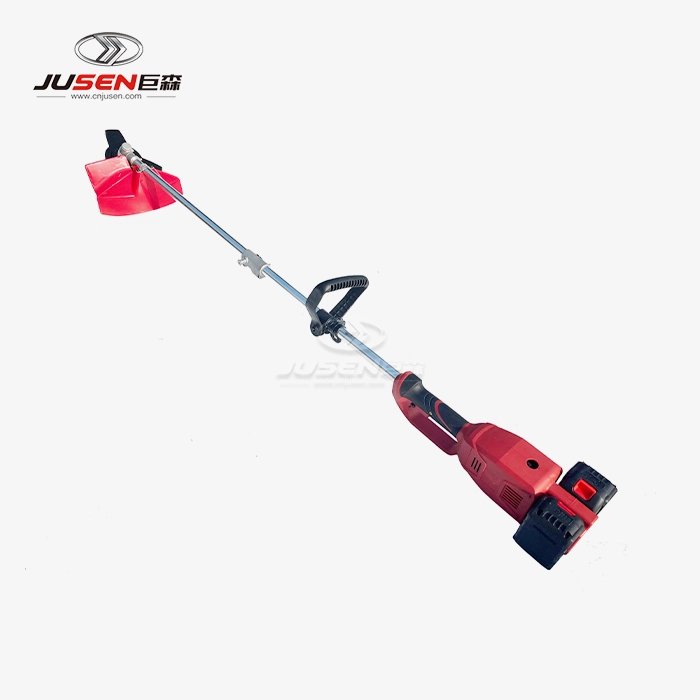 VIEW MOREMultifunctional Electric Brush Cutter
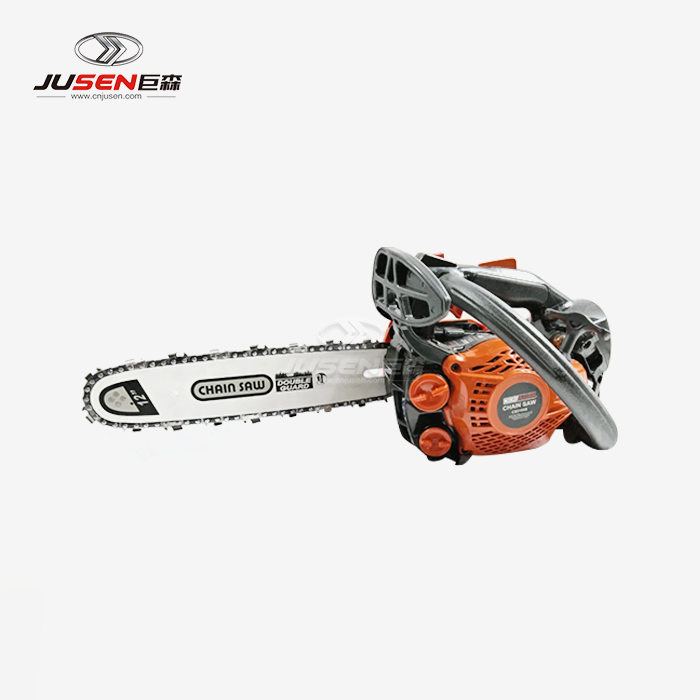 VIEW MORE25cc Small Garden Gasoline Chainsaw
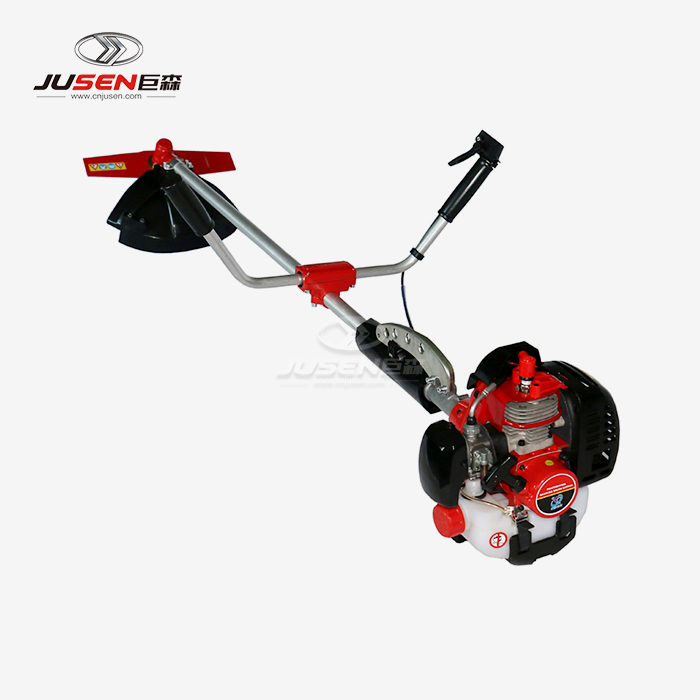 VIEW MORE45cc 2-Stroke Gasoline Brush Cutter
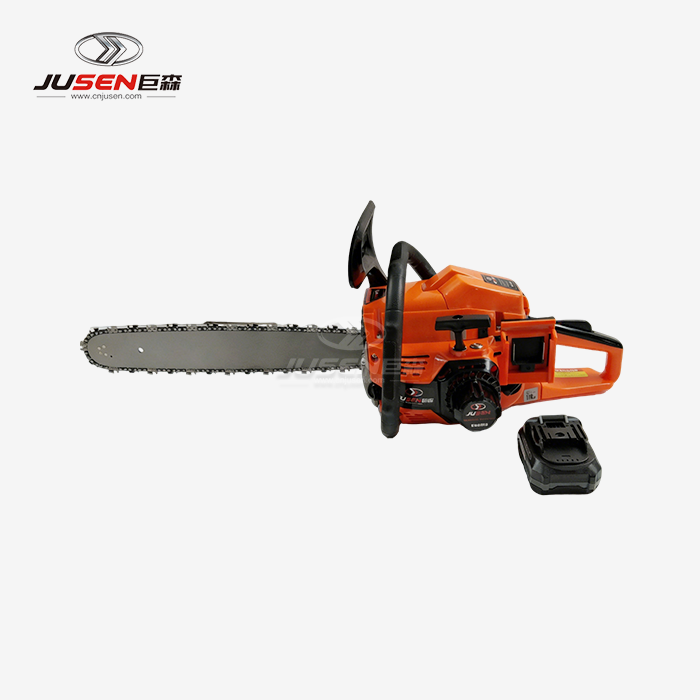 VIEW MORE58cc Gasoline Chain Saw
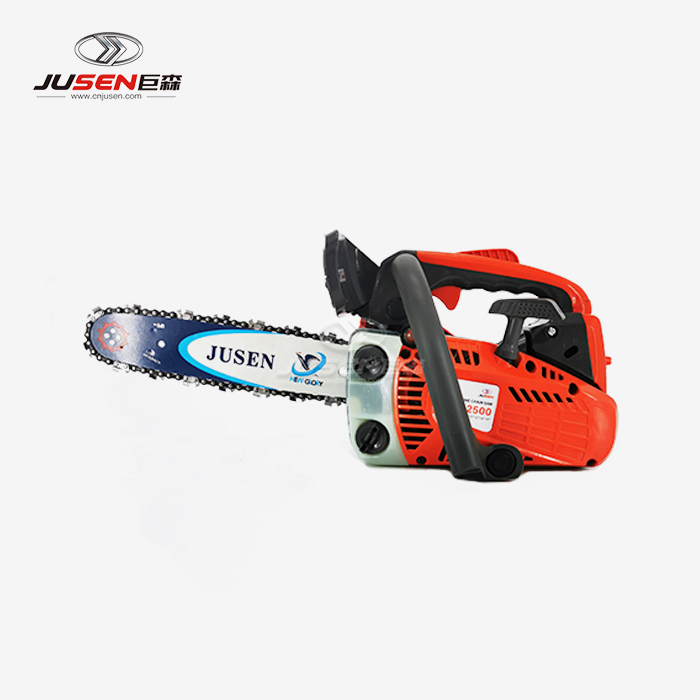 VIEW MOREMini Gas Powered Chainsaw