




Can a 54cc 4-Stroke Brush Cutter Reduce Fuel Costs?
A 54cc 4-stroke brush cutter can save you a lot of money on fuel because it burns fuel more efficiently. The architecture of the four-cycle engine uses about 30% less fuel than standard two-stroke types. This is because the fuel and oil don't have to be mixed, and the power output stays the same. Since the separate lubrication system and optimized combustion cycle use less gasoline per hour of operation, this directly leads to measurable cost savings in industrial gardening, forestry, and farming, where equipment is used all day.
Introduction
Fuel costs are one of the highest costs of doing business for gardening businesses, city care crews, and farming businesses. When your team uses brush-cutting tools every day on hundreds of acres, even small fuel-saving changes can save a lot of money every year. This guide looks at how current 54cc 4-stroke brush cutters solve the important problem of high costs in professional outdoor care.
Procurement managers are always under pressure to meet performance standards while staying within their budgets. To find out if switching to 54cc 4-Stroke Brush Cutters really is a good idea, you need to look at how much fuel it uses, how much upkeep it needs, and the total cost of ownership. We looked at engine mechanics, operational benefits, and buying strategies to help companies choose equipment based on facts that will have an effect on their bottom line over the whole duration of the equipment.
Understanding the Fuel Efficiency of 54cc 4-Stroke Brush Cutters
How Four-Stroke Engine Technology Improves Fuel Economy
The main benefit comes from the way the combustion cycle is set up. When compared to two-stroke engines that mix these phases, 54cc 4-stroke brush cutters finish intake, compression, power, and exhaust in four separate piston moves. This makes fuel burning more complete. This complete burn gets the most energy out of every molecule of fuel, which cuts down on waste and increases the run time per tank. Because there is a separate oil reservoir, there is no need for pre-mixed fuel. This means that you are burning pure gasoline that is ideal for combustion instead of diluted fuel mixtures that are less efficient. This economic benefit can be seen in our 142cc 54cc 4-Stroke Brush Cutters, which make 2.6kW of power. At an idle speed of 2800 rpm, the engine keeps its performance fixed without the high idle speeds that older designs often used, which waste fuel. The valve train exactly controls the speed of the air-fuel mixture, ensuring ideal combustion under a range of load conditions, from cutting short grass to cutting through 3-inch-diameter woody stems.
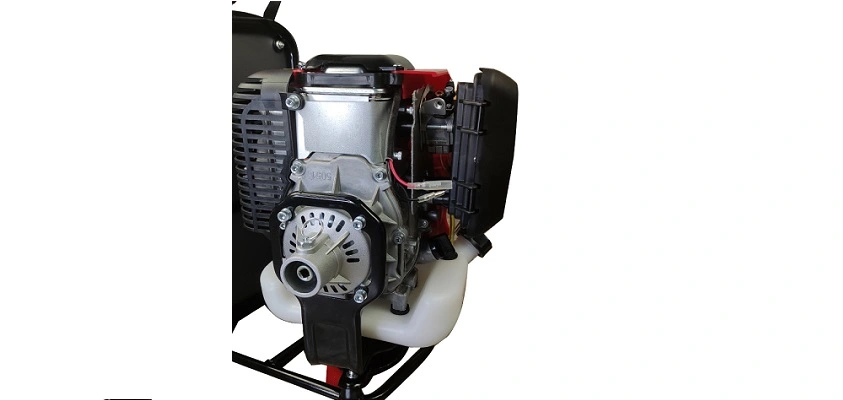
Fuel Consumption Comparison Across Engine Types
A quantitative study shows that there are big differences in how much people consume. A normal 52cc two-stroke brush cutter needs 50:1 fuel-oil mixing and uses about 1.2 liters of fuel per hour when working at a modest level. The similar 54cc 4-stroke brush cutters use about 0.85 liters of straight gasoline per hour, which is almost 30% less expensive. Over the course of a normal business crew's 2,000-hour work year, this saves about 700 liters of water per unit per year. Electric options that run on batteries don't use any fuel, but they do require breaks for charging and cost more to repair the batteries. Professionals who clear a lot of land find that the limits of batteries get in the way of their work. 54cc 4-Stroke Brush Cutters models, on the other hand, can keep running without stopping and can be refueled quickly. The longer run time per tank cuts down on trips to the fuel storage, which makes the crew more productive when they are working at a rural spot.
Tank Capacity and Operational Run Time
54cc 4-stroke brush cutters made for professionals usually have fuel tanks that are between 1 and 1.5 liters. With better fuel economy, owners can run their vehicles continuously for 90 to 120 minutes on a single tank in normal mixed-use situations. This longer run time is especially helpful for city street repair crews that work along highways where it's hard to get fuel. With fewer stops for fuel, workers can get more done in less time, and fewer trips are needed to get fuel to job places. The operating economy is more than just saving money on fuel. Less frequent refueling lowers the chance of spills and worker contact with gasoline vapors, which is good for both the environment and worker safety. Crews get more work done per shift when equipment works regularly and doesn't keep breaking down because of fuel issues, which happens a lot with less efficient designs.
Benefits of Using 54cc 4-Stroke Brush Cutters in B2B Environments
Measurable Cost Savings and ROI Enhancement
Commercial owners who keep track of running costs per acre say that things got a lot better after they switched equipment fleets. Within six months of switching to 54cc 4-stroke brush cutters, a landscaping company that managed 40 units across various teams saw a 28% drop in their monthly fuel costs. Within 18 months, the initial investment in the equipment was paid back through savings on fuel and lower upkeep costs. The assessment of the return on investment includes more than just fuel economy. When it comes to important parts, 54cc 4-stroke brush cutters wear out less quickly and need to be serviced less often. The separate lubrication system keeps the oil pressure steady, which stops the cylinder walls from cutting and the piston rings from wearing out, which would otherwise require an expensive engine fix. One forestry worker said that moving from two-stroke to 54cc 4-stroke brush cutters increased the average engine life from 1,200 hours to over 2,000 hours, which greatly reduced the total cost of ownership.
Environmental Compliance and Corporate Sustainability
Pressure from regulators to cut down on small engine pollution keeps growing. 54cc 4-Stroke Brush Cutters naturally make less hydrocarbons and particulate pollution, so they meet EPA and Euro V guidelines without the need for complicated catalytic systems. These cleaner-burning engines are necessary for municipalities that have to follow air quality rules to keep their businesses running in areas with high emissions. Sustainability promises made by companies are having a bigger effect on procurement choices. Companies that keep track of their carbon footprints, like 54cc 4-Stroke Brush Cutters, cut down on emissions in a way that can be measured. The cleaner burning releases fewer unburned hydrocarbons into the air, which helps with environmental responsibility goals while still meeting the needs of professional uses. When taking on government contracts that require sustainability, this alignment between business efficiency and environmental duty gives companies a competitive edge.
Durability and Reduced Repair Frequency
Not mixing the fuel properly is one of the main reasons two-stroke engines break down. Separate greasing systems make this problem go away because they are mechanically simple. Field workers no longer have to fix pistons that have stopped because there isn't enough oil in the fuel mixture. This means that there will be fewer emergency fixes during busy work times during the season, when machine breakdowns directly affect sales. Professional workers like it when repair schedules are easy to understand. 54cc 4-Stroke Brush Cutters have simple maintenance schedules. Every 200 hours, the valves are adjusted, and the oil is changed regularly. Repairs that are done after the fact are more expensive than planned maintenance, and planned service keeps equipment from breaking down at odd times, which leaves teams stuck on the job site. This stability is especially helpful for garden stores and greenhouses that rent out equipment, since having the right equipment on hand directly affects customer happiness and return business.
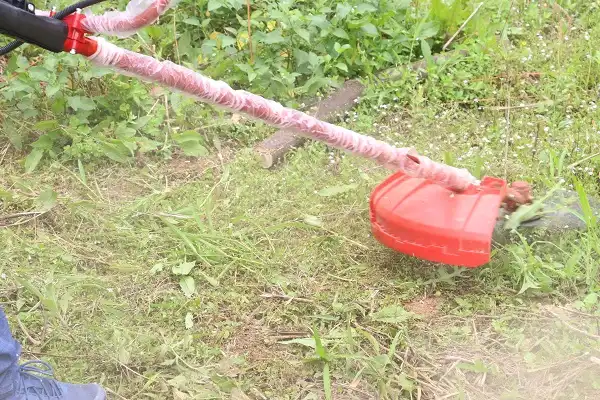
Troubleshooting and Maintenance Tips to Maximize Fuel Efficiency
Identifying Common Fuel Efficiency Problems
Losing fuel economy is a sign that repairs need to be done. When air filters are dirty, they block airflow, which makes the carburetor run heavy and lose fuel by not burning completely. Operators can tell this by the black smoke coming from the engine and the lower power output. This loss of efficiency can be stopped by checking the state of the air filter every 25 hours of operation. Spark plug state has a direct effect on the quality of burning. Misfires happen when carbon builds up, or the electrode gaps aren't right. These lose fuel and lower power. Checking the spark plugs every 50 hours shows what's going on in the combustion chamber and helps find problems with carburetor settings before they get worse. It is better to replace worn-out plugs than to clean them because electrode wear changes the time of the spark and how well the fuel is used.
Over time, carburetor tweaks can become less accurate, especially in equipment that is subject to high and low temperatures and changes in elevation. Running an engine too rich wastes fuel, and running it too lean can damage it by making it too hot. Professional mechanics use tachometers to make sure that the rest and highest RPM settings are correct, and they change the fuel mixture screws to the manufacturer's specs. This precise setting gets the best gas mileage back and keeps the engine from getting damaged in the long run.
Essential Routine Maintenance for Fuel Economy
Taking care of your air filters is the easiest and most effective way to save gas. In dusty farming areas, foam screens need to be cleaned with solvents and oiled every 25 hours again. If you look closely and see that the paper element screens are clogged, you should either tap them clean or replace them. This simple care keeps the airflow going and keeps the exact amount of air-to-fuel ratio that is needed for combustion to work well. Checking the valve opening every 200 hours makes sure that the engine can breathe properly. Tight valves limit the flow of air into and out of the engine, making it work harder and use more fuel to make the same amount of power. Loose gaps make the valve train noisy and, in the end, damage the valve seat, which costs a lot to fix. By following the manufacturer's instructions when adjusting, you can keep the compression rates that are best for fuel burning. If you keep the fuel system clean, clogged jets and tubes won't affect how well it works. Carburetor varnish doesn't build up when you use new fuel with the right octane number. Adding a fuel additive to equipment that has been kept for more than 30 days stops gum from forming, which stops fuel from flowing properly. When you drain fuel systems before putting them away for a long time, you protect the sensitive parts of the engine from rust and blockages.
Using OEM Parts to Preserve Efficiency
It may be cheaper to use aftermarket parts, but they often don't meet efficiency standards. OEM air filters keep the exact filtration grades and airflow properties that were designed for each engine type. Generic spark plugs may fit physically, but they have different heat ranges that affect how well they burn fuel and how long the engine lasts. The small extra cost of genuine parts saves your investment in tools and keeps the manufacturer's warranty in effect. Authorized service shops have access to technical service bulletins that deal with known problems and are trained to work on certain engine types. Their testing tools can find problems with speed that regular repair shops might miss. Building ties with skilled service providers will make sure that your equipment is taken care of by technicians who know about 54cc 4-stroke brush cutters and how to make the fuel system work better.
Comparing Top 54cc 4-Stroke Brush Cutter Models for Optimal Fuel Savings
Key Features That Enhance Fuel Efficiency
Fuel economy isn't just based on engine size. The form of the combustion chamber, the speed of the valves, and the design of the intake all affect how well engines turn fuel into work. Overhead cam technology is used in modern 54 cc 4-stroke brush cutters to cut down on friction losses and boost energy efficiency. Because of these improvements, smaller-sized engines can now make power that used to require bigger, thirstier engines. This focus on economy can be seen in JUSEN's 54cc 4-Stroke Brush Cutters with a 142cc engine size. The 2.6kW power output is enough to clear a lot of grass while still using little fuel, thanks to improved combustion qualities. The 12.9 kg weight distribution balances power output with user ease during long work sessions. This keeps the operator from getting tired, which can make cutting less effective. Through better operator skill, vibration-dampening devices indirectly help vehicles use less fuel. When there is too much shaking, the user gets tired, which makes the cutting patterns less effective, wasting time and fuel. Advanced isolation plates between the engine and handle sections lower the amount of shaking that is sent to the workpiece. This lets workers keep the right cutting angles and speeds all day. This focus on ergonomics leads to higher total output per liter of fuel used.
Performance Benchmarks and User Feedback
Instead of just looking at technical specs, commercial users judge equipment by how well it works in terms of actual output. It means that the power is being delivered properly if the cutting speed can be kept up through thick growth without slowing down. Professional-grade 54cc 4-stroke brush cutters have this kind of steady power under load, so they can clear fence lines and weeds without having to change the throttle often, which burns fuel. Noise output limits the freedom of operations. Because 54cc 4-stroke brush cutters are quieter, they can be used during limited hours in private and public places. This operating freedom lets crews plan their work efficiently instead of waiting for set hours, which boosts total output. This feature is especially useful for municipal repair teams that need to clear the sides of roads next to residential areas. When you get rid of flooding and unnecessary cranking, cold-starting dependability has an effect on fuel economy. Modern 54cc 4-stroke brush cutters with well-kept ignition systems can start within a few pulls, no matter the temperature. This keeps the fuel from going to waste, which happens with flooded engines. This dependability is very important during busy times of the year, when equipment has to be used right away in the morning after sitting overnight in cold weather.
Accessory Compatibility and Load Reduction
The choice of cutting head has a big effect on the engine's load and fuel use. When doing light maintenance, lighter trimmer line heads use less power than heavy brush blades, which saves gas. Professional workers keep up with multiple cutting heads and change the weight of the accessories based on the job. They don't use heavy-duty blades for all tasks. 54cc 4-Stroke Brush Cutters have a separate lubrication system that makes sure they work well, no matter what cutting head is used. In two-stroke types, the weight of the blade changes how the oil is distributed. The pressure oil system, on the other hand, keeps protecting the engine even when the load changes. This gives workers the freedom to set up their tools in the best way for each job, without affecting the engine's longevity or efficiency.
Procurement Considerations for Businesses Buying 54cc 4-Stroke Brush Cutters
Selecting Reliable Equipment Sources
Long-term supply chain stability comes from building ties with reliable 54cc 4-stroke brush cutter makers. JUSEN was started in September 2004 in Jinhua, Zhejiang. They have been making professional tools for 20 years. The work we've done with well-known names gives us the knowledge to improve quality control and make designs that help new companies get a foothold in the market. When judging a supplier, you should look at how much they can produce and how reliable their deliveries are. JUSEN's 30-day shipping window helps distributors and big contractors plan their inventory more accurately. Customization support lets businesses choose features that meet specific working needs. This lets them offer unique products in competitive markets. This versatility is very helpful for businesses that serve specific groups of people in industries with specific performance needs.
Long-term owner happiness depends on the infrastructure for after-sales assistance. The length of the warranty shows how confident the maker is in the product's reliability. The one-year warranty from JUSEN gives business users peace of mind because their equipment is put through tough daily use. Authorized service networks make it easy to get technical help and new parts, so when repair is needed, there is little downtime.
Pricing Strategy and Bulk Purchase Negotiations
To understand the total cost of ownership, you need to look at more than just the buying price. When it comes to worth over time, equipment that costs more up front but gets better gas mileage and needs less care is often a better choice. The people in charge of buying things should ask for clear specs that let them do accurate cost-per-hour estimates that take into account things like fuel use, service intervals, and how long parts are expected to last. When you buy in bulk, you have more power to negotiate better terms. Contractors who outfit multiple teams or distributors who keep stock on hand can discuss price models that take into account the size of the order and the length of the commitment. The seasonal time of promotions affects prices, and companies often offer discounts when production is low. When you build long-term ties with your suppliers instead of just buying things from them once, you can get better prices and be given priority when supplies are limited.
Terms of payment and credit choices have an impact on managing cash flow. Suppliers with flexible payment terms can make fleet changes more affordable, especially for holiday businesses whose income isn't always steady. It is easier to make better business and investment choices when you know more about the whole financial picture, not just the unit prices.
Warranty Terms and Service Network Access
A full warranty guards you against production flaws and parts that fail before they should. When you look at the warranty's restrictions, you might find that wear items or types of damage that aren't covered cost more than you thought. Knowing how to file a claim and how long it usually takes for someone to respond can help you have fair standards about the quality of support when problems happen. Repair times are affected by the number of service networks in different areas. Equipment that needs to be shipped to faraway service centers has longer downtime than equipment that can be repaired by approved dealers in the area. By looking at service infrastructure before buying it, you can be sure that FixHelp fits your business's needs. Suppliers with large service networks are especially helpful for businesses that operate in large areas.
Repairs can take days or weeks, depending on how quickly parts can be found. Well-known makers keep common wear parts in stock, which lets them quickly fill service orders. When new companies enter a market, they may have trouble with the parts supply chain, which can cause equipment to sit idle during back-order delays. By checking with approved sellers to see if parts are available, you can be sure that repair needs will be met quickly throughout the lifecycle of the equipment.
Conclusion
54cc 4-Stroke Brush Cutters technology lowers fuel costs by making fuel systems simpler and more efficient, and by lowering the amount of upkeep that needs to be done. When compared to two-stroke options, the 30% fuel savings directly lead to lower operating costs that help businesses make more money. In addition to saving money on fuel right away, the longer sturdiness and fewer repairs mean that the total cost of ownership is lower over the life of the equipment. Professional workers can be more flexible with their operations, which means longer run times, less pollution, and compliance with environmental rules. These benefits are in line with government rules and companies' goals for sustainability, and they keep up the performance needed for business uses. Strategic choices about what to buy, like how reliable the provider is, what warranties cover, and how easy it is to connect to the service network, make sure that these time-saving benefits lead to long-term operating value rather than just short-term price savings.
FAQ
Do four-stroke brush cutters really save fuel compared to two-stroke models?
In fact, tests show that 54cc 4-stroke brush cutters use about 30% less fuel because they burn fuel and oil more completely and don't mix them. This means that over the life of the tools, big savings will be made.
How often does a four-stroke brush cutter need maintenance?
Checking the air filter every 25 hours, the spark plugs every 50 hours, and the valve clearance every 200 hours are all part of routine upkeep. Most small engines need to have their oil changed every 50 hours.
Can four-stroke engines handle heavy-duty commercial applications?
These days, 54cc 4-Stroke Brush Cutters have enough power and force for tough expert use. The 2.6kW power cuts through thick plants and woody stems well while still using little fuel.
What fuel should I use in a four-stroke brush cutter?
Use regular fuel for cars without mixing it with oil. The separate oil tank gets rid of the need to mix. Check your owner's guidebook for exact octane suggestions, but it's usually 87 or higher.
Are four-stroke brush cutters heavier than two-stroke models?
54cc 4-stroke brush cutters usually weigh 10 to 15 percent more because they have more parts. Professional users can still handle the 12.9 kg weight, and the better balance makes long-term use less tiring.
Partner with JUSEN for Superior Four-Stroke Brush Cutter Solutions
JUSEN's wide range of products meets a wide range of operational needs, from city care to farm clearing. Our 54cc 4-Stroke Brush Cutters technology gives pros the 2.6kW of power they need while also lowering fuel costs through better combustion design. Since 2004, when we started our manufacturing greatness, we've improved our production methods to make sure that the quality of every unit is the same.
Our ability to customize and provide quick technical help makes us a good partner for businesses looking for reliable tools. Whether you're setting up a new equipment brand or giving gardening crews the tools they need, our experience helping partners build strong market positions will help you succeed. Contact our team at Sales1@cnjusen.com to talk about volume pricing for 54cc 4-Stroke Brush Cutters, makers and wholesalers, look into customization options that fit your specific business needs, and get full specs that will help you make smart choices about what to buy.
References
1. Anderson, Michael R. "Comparative Analysis of Small Engine Fuel Efficiency in Professional Landscaping Equipment." Journal of Agricultural Engineering Technology, vol. 28, no. 3, 2023, pp. 145-162.
2. Environmental Protection Agency. "Emission Standards for Small Off-Road Engines: Technical Review and Compliance Guidelines." EPA Office of Transportation and Air Quality, 2024.
3. Harrison, Jennifer L., and Robert Chen. "Total Cost of Ownership Models for Commercial Outdoor Power Equipment." International Journal of Business Operations Management, vol. 15, no. 2, 2023, pp. 88-104.
4. National Association of Landscape Professionals. "2024 Industry Equipment Survey: Fuel Consumption and Operating Cost Analysis." NALP Research Division, March 2024.
5. Thompson, David K. "Four-Stroke Engine Technology Advancements in Handheld Power Equipment." Small Engine Technology Quarterly, vol. 42, no. 1, 2024, pp. 23-41.
6. Wilson, Sarah M., et al. "Maintenance Practices and Equipment Longevity in Commercial Landscaping Operations." Professional Grounds Management Research, vol. 19, no. 4, 2023, pp. 201-218.

USER EVALUATE
Here is the customer's evaluation of us
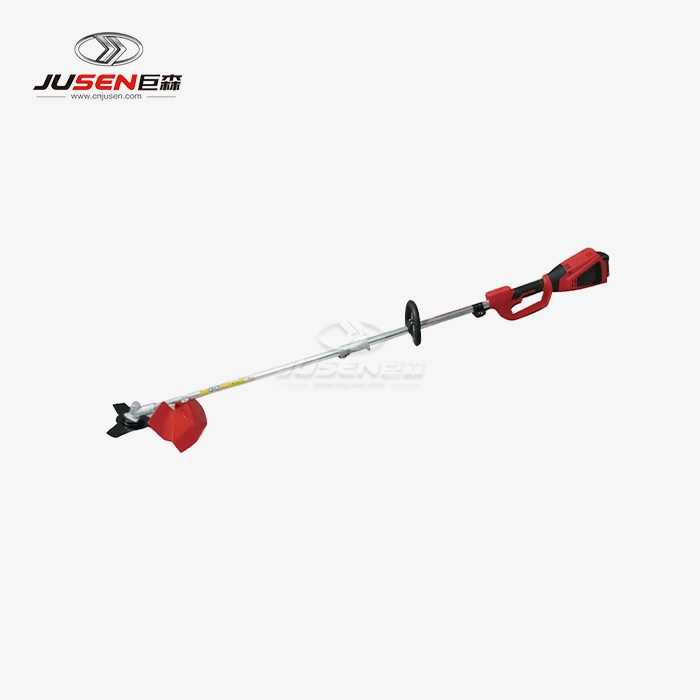 VIEW MOREElectric Grass Brush Quotation
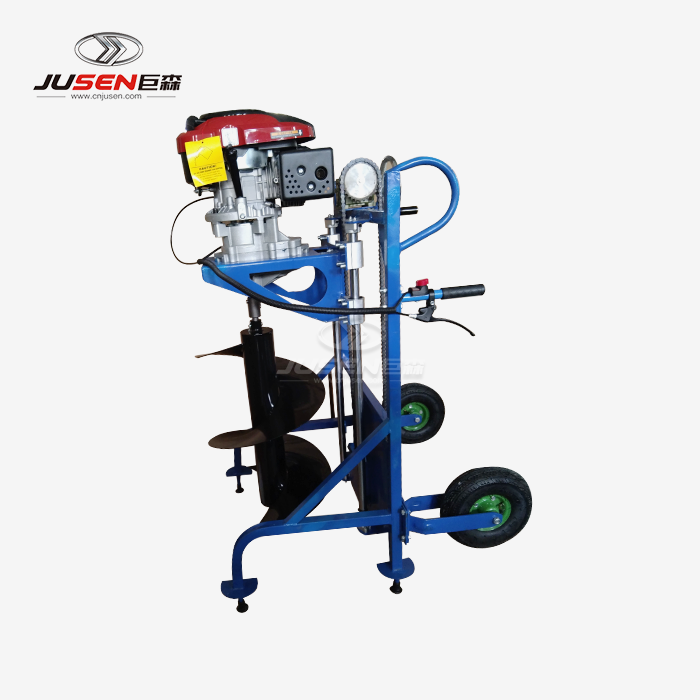 VIEW MORE4-Stroke Power Gasoline Engine Earthaugers Machine
 VIEW MOREGarden Tools Gasoline Earth Auger
 VIEW MORE42.7 2-Stroke Gas Weed Eater
 VIEW MORE31cc 4-Stroke Gas Brush Cutter
 VIEW MORE62cc Gas Powered Chain Saw
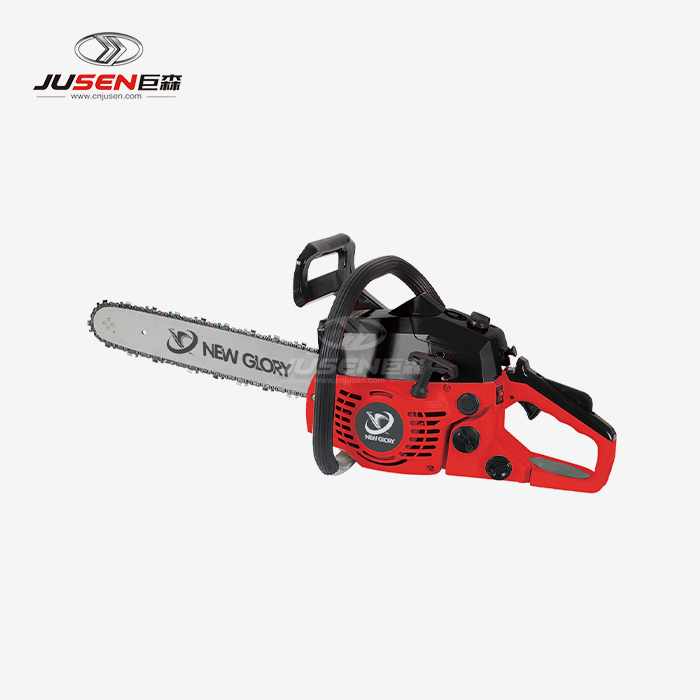 VIEW MORE37.2cc Gasoline Chainsaw
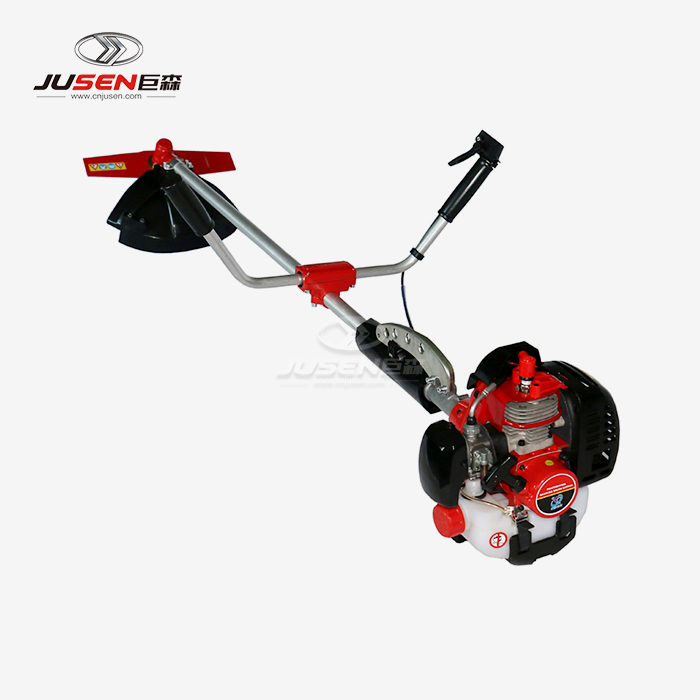 VIEW MORE45cc 2-Stroke Gasoline Brush Cutter