




How Durable Is the Chain on a 65cc Gas Powered Chainsaw?
Under normal operating conditions, the chain on a professional 65cc gas-powered chainsaw will last between 200 and 400 hours. The long life comes from being made of high-carbon chrome steel and being heated in ways that make it hard, with Rockwell hardness values between 52 and 58 HRC. When paired with JUSEN's optimized 3.2kW engine output and precise carburetor tuning, these chains keep cutting at the same level for the whole time they are in use. This makes them reliable tools for industrial logging and professional forestry work.
Understanding Chain Durability on 65cc Gas-Powered Chainsaws
Material Quality and Manufacturing Precision
The durability of a chain starts during the making process, when the choice of materials determines the basic performance traits. Professional-grade chains made for 65cc gas-powered chainsaws are made of high-carbon chrome steel that doesn't wear down easily and keep their edge over long cutting sessions. To make something, exact pressing, heat treatment, and grinding are used to make sure that all of the cutting teeth are the same hardness. JUSEN works with licensed chain makers who follow ISO 11681-1 standards to make sure that all of their parts meet strict limits for size. The drive links, which fit into the grooves in the sprocket and guide bar, are heated up even more so they can handle the stress that a 65cc gas-powered chainsaw engine running at 12,500 RPM puts on them. This attention to mechanical detail means that the tool can be used in the field for longer periods of time without needing to be sharpened.
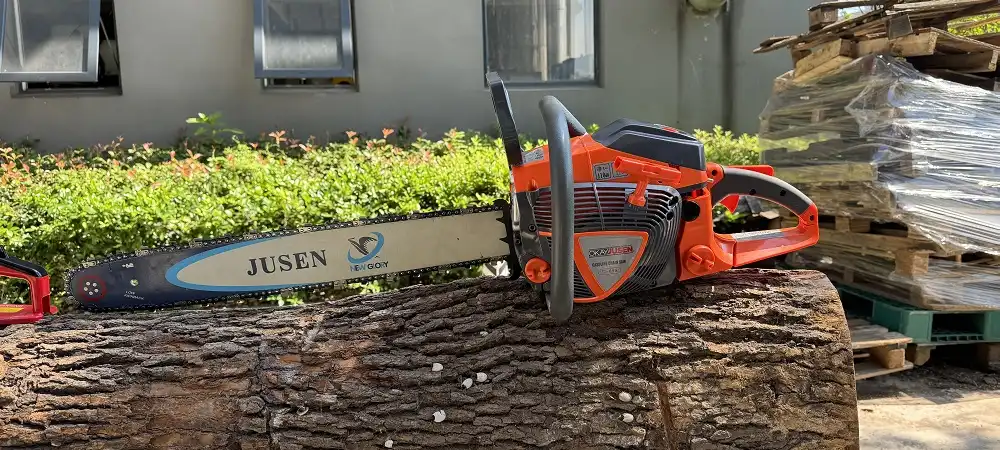
Engine Power and Chain Speed Dynamics
When movement and chain motion are related, they make wear patterns that are different from those in smaller engines. A 65cc 2-stroke motor makes a lot more power than a 50cc motor. This means that when cutting hardwoods like oak or hickory, the chain is put under more cutting force. If the chain doesn't meet the right hardness requirements, this extra mechanical stress speeds up wear. JUSEN's technical method to this problem is to choose components that are perfectly matched. Our split-magnesium crankcase design keeps the power supply steady, stopping the changes in RPM that wear out chains unevenly. The Nikasil-plated cylinder cuts down on friction losses, which means that power gets to the 65cc gas-powered chainsaw cutting chain efficiently instead of being lost as heat inside the engine unit.
Noise Emissions and Environmental Considerations
The state of the chain has a direct effect on the noise level during cutting activities. Chains that are dull or not properly tensioned make the engine work harder, which raises the decibel level above what is acceptable at work. Professional users know that keeping chains sharp not only increases the life of parts but also makes workplaces safer and more legal. The link also applies to how well emissions are controlled. When the chains are sharp enough, the engine keeps the right fuel-to-air ratio without needing too much speed input. This efficiency cuts down on hydrocarbon emissions and boosts fuel economy, meeting both government rules and operating cost worries that matter to procurement professionals looking at total ownership costs.
Maintaining Chain Durability: Best Practices for 65cc Gas-Powered Chainsaws
Routine Cleaning and Lubrication Protocols
Cleaning the drive links and guide bar grooves after an operation gets rid of sawdust, resin layers, and other waste. This is the first step in good upkeep. These impurities are like sandpaper and make the chain and bar tracks wear out faster. After each work session, we suggest cleaning with compressed air and then applying a light oil to keep the surface from oxidizing while it's being stored. Bar oil quality has a big effect on how long a chain lasts. Using the right oils keeps a protective film between the chain and guide bar. This lowers the heat caused by friction, which can dull cutting edges and weaken rivets. When JUSEN equipment is working at full capacity, the oil pump is calibrated to produce about 0.4 liters of oil per hour. This makes sure that there is enough oil to lubricate without loss.
Tension Adjustments and Wear Prevention
Keeping the chain at the right strain stops it from stretching too soon, which can cause the drive link to break. When chains are set up correctly, they should have a little give on the bottom of the guide bar. This means that the chain can usually be pulled away from the bar by about 3mm before it meets resistance. When you over-tension the chain and drive gear wear out faster because of more friction. When working in areas with wide ranges of temperatures, it's even more important to check the tension often. When it's cold, metal contracts, which makes chains looser. When it's used for a long time, heat expands, which makes the chains tighter. Professional workers know that this easy maintenance task is one of the best ways to make chains last longer and cost less, so they do it more than once during long shifts.
Fuel Quality and Performance Optimization
The fuel blend has a direct effect on how well the engine works and, as a result, how long the chain lasts. To keep carbon from building up and lowering engine power, JUSEN suggests mixing JASO FD-rated synthetic oil with new unleaded gasoline at a 50:1 ratio. Fuel system problems make it so that power isn't always delivered evenly. This makes chains work harder during cuts, which speeds up wear patterns and shortens the service life. Calibration of the carburetor is also very important. Our Walbro carburetor systems have exact H and L screw adjustments that keep the engine idling at 2,800 RPM while reducing top speeds to keep the engine from running too lean. This adjustment makes sure that the engine always sends the same amount of force to the chain. This stops the power spikes and drops that wear down cutting teeth unevenly.
Safety Protocols and Protective Measures
Chain harm that lowers both safety and durability can be avoided by treating chains the right way. Staying away from dirt, rocks, and metal that is lodged in the wood keeps the edge much sharper for longer. Just one touch with dirty bark can dull a chain as much as cutting clean wood for several hours. Professional teams teach operators how to spot dangers and change their cutting methods to avoid them. When the 65cc gas-powered chainsaw starts to kick back, the quick-response chain brake system works in less than 0.12 seconds, meeting ANSI B175.1 guidelines. This safety feature keeps the chain from getting badly damaged when it hits an object at high speed and stops suddenly. This safety feature will keep working for as long as the equipment is in use, as long as the brakes are tested regularly.
Comparing Chainsaw Chains: 65cc Gas-Powered Chainsaw vs Other Models
Displacement Impact on Chain Stress Factors
Different size categories of engines have different working features that affect how long a chain lasts. A 50cc engine usually makes 2.5 to 2.8 kW of power, which is enough for 18-inch bars cutting softwoods and other light-duty tasks. The lack of power, on the other hand, causes the chain to stall and wear out too quickly when these smaller engines are used with longer bars or on hardwood floors. The 65cc gas-powered chainsaw group gets rid of these problems by delivering more power. The 3.2kW power from JUSEN keeps the chain speed steady when it's under load. This stops the jerky cutting that wears out drive links and chains before they should. When bucking logs with 24-28-inch bars, this constant performance really stands out. This is where sustained power makes professional-grade tools different from consumer models.
Larger 70–90cc engines have even more power, but they are heavier, which makes the user tired and makes it harder to turn. The 65cc gas-powered chainsaw displacement is just the right size for professional arborists and logging companies that need to be able to carry their tools around all day without losing cutting power. This ideal range in the power-to-weight ratio means that chains are under the right amount of stress without being subjected to the high forces that damage parts in oversized machinery.
Gas vs Electric Chain Wear Patterns
When compared to gas engines, electric and battery-powered equipment wears in different ways. Electric motors give off power right away, while 2-stroke engines build up RPM slowly, which can put stress on chains during start-up processes. Battery models also lose power as the charge runs out, which makes the cutting speeds unpredictable and causes the cutting teeth to wear unevenly. When running on gas, the speed stays the same throughout the fuel tank. The 65cc gas-powered chainsaw engine's thermal control system makes sure that the power output stays stable no matter how hot or cold it is outside or how hard the work is. This dependability is very important in business settings where workers count on the chain working reliably during long shifts that use up more battery power than the battery can handle.
Bar Length Influence on Chain Longevity
The choice of guide bar has a direct effect on the chain's longevity because it changes the shape of the cutting arc and the amount of chip clearance. In some situations, longer bars can lower the stress on each tooth by spreading the cutting forces over more teeth at the same time. But longer bars also mean more frictional surface area, which means the engine needs more power to keep the chain speed at the right level. JUSEN's 65cc gas-powered chainsaw platform works well with 20-28-inch bars, giving you a lot of options without sacrificing speed. When paired with this engine, a 20-inch bar gives you fast cutting speeds that are great for limbing. On the other hand, a 28-inch setup is great for felling and bucking large-diameter trees. Businesses can extend the life of their chains by matching the length of the bars to the needs of each job, rather than using the same setups for all of them.
Procurement Insights: Selecting and Buying Durable Chains for 65cc Gas-Powered Chainsaws
Brand Compatibility and Certification Standards
To choose a replacement chain, you need to pay close attention to the pitch, gauge, and drive link specs that make sure it works with a certain type of 65cc gas-powered chainsaw. Professional 65cc gas-powered chainsaws usually use 3/8-inch pitch chains with a .050 or .063-inch gauge, but the exact specs depend on the maker. JUSEN chainsaws can use standard setups that work with major brand chains. This makes buying less complicated for companies that have teams of different kinds of equipment. Quality certifications give people who work in procurement concrete ways to measure success. Chains with ISO 9001 production certifications and ANSI B175.1 safety compliance show that they meet well-known standards in the business. These credentials show that makers have quality control systems that make sure goods are always the same. This lowers the variability that makes planning for inventory management and equipment upkeep harder.
Warranty Terms and Supplier Reliability
Warranty coverage shows that the company that made the product is sure that it will last. Defect coverage for premium chains usually lasts between 90 days and a year, protecting buyers against flaws in the making that show up during normal use. We tell procurement teams to look at both the price and the terms of the warranty. Broad coverage usually means better metals and production methods. Supplier dependability goes beyond the quality of the products they sell and includes things like regular delivery and access to expert help. Since 2004, JUSEN has worked with logging companies and landscaping companies all over North America to build partnerships built on quick contact and dependable product availability. This track record is important when machine breakdowns directly affect making money and finishing projects on time.
Bulk Ordering Strategies and Cost Optimization
When you buy in bulk, you can save a lot of money on things that you use up quickly, like chains. Many wholesalers have tiered pricing, which means that when you buy more than one chain at the same time, the cost per unit goes down. For businesses that use a lot of 65cc gas-powered chainsaws every day, keeping enough new chains on hand saves money because they don't have to buy them on the spot, and it also makes sure that workers can keep working while the machines are being serviced. Bulk sales also make it possible to strategically place supplies on job sites and in service areas. Having chains that are already set up cuts down on the time it takes to fix broken equipment, which keeps projects on schedule. Because of this, operating effectiveness leads to measurable cost savings that often go beyond the direct price benefits gained through volume discounts.
Real-World Case Studies: Chain Performance Across Applications
Commercial Logging Operations Feedback
Professional forest teams in the Pacific Northwest say that if they follow JUSEN's repair guidelines, chains last an average of 300 to 350 hours. These operations work with a mix of hardwood and softwood species, which makes for tough test conditions that show how long tools will last in heavy industrial use. What operators really like about this chain is that it cuts just as well at the beginning as it does at the end, with no sudden drops in performance. One wood company kept track of the costs of maintaining a group of 12 65cc gas-powered chainsaws over the course of 18 months. By using planned sharpening plans and correct tensioning methods, they were able to increase the average chain life by 40% compared to their previous baseline. Their yearly chain purchase costs went down by about $3,200 because of this change, and equipment downtime that had been hurting gathering output went down at the same time.
Arborist Service Applications
Tree service businesses have their own problems that make them test the sturdiness of chains in different ways than logging businesses do. In cities, secret dangers like nails, wire, and pieces of fence that quickly wear down chains can be found. Professional arborists who use JUSEN tools say that high-quality chains rebound better from these unexpected hits than cheaper options, and they can still keep their useful edges even after coming into contact with light contaminants. A well-known tree care company in the Midwest kept track of how often they replaced the chains on different types of equipment. Based on their tests, chains that were used with 65cc gas-powered chainsaws that were properly kept had a 25–30% longer service life than the same chains that were used on equipment that wasn't properly tuned. This finding shows how important it is for the whole system to work well, since the state of the engine directly affects how long a component lasts.
After-Sales Support Impact on Chain Life
How long chains stay useful in field service depends a lot on how easy it is to get expert help. JUSEN gives users access to technical experts and detailed upkeep documentation that help them get the most out of their tools. This help is especially helpful for new groups that are still setting up their training and repair plans. Another important thing to think about after the sale is the supply of parts. Suppliers who keep enough product on hand and can fill orders quickly are helpful for businesses that are in remote areas or have to stick to tight project schedules. Because JUSEN has a distribution network all over North America, replacement chains get to customers within the normal shipping times. This keeps machines from being down for long periods of time while parts are being sourced from foreign suppliers.
Conclusion
When it comes to professional-grade gas chainsaws, the chain's durability depends on more than just the quality of the materials used. When you follow the right upkeep steps, the 65cc gas-powered chainsaw displacement class gives you the best mix of power output, weight management, and operating versatility. This makes the chain last the longest. When procurement professionals understand how engine performance, chain specs, and operating conditions are connected, they can make smart choices that lower the total cost of ownership. JUSEN has been dedicated to making high-quality products for 20 years, so their customers can get tools that are designed to handle tough professional tasks. Our all-around method includes precise engine design, choosing compatible parts, and quick expert help to make sure that our products work well in a wide range of North American forestry, landscaping, and farming tasks.
FAQ
How often should chains be replaced on 65cc equipment?
Replacement times depend on how often they are used and how well they are maintained. Commercial users usually replace chains after 200 to 400 hours of use, but if they are sharpened properly, this range can be extended. Damaged drive links, broken rivets, or cutting teeth worn below the minimum height requirements are all clear signs. Keeping detailed service logs helps figure out the best time to change something based on how it works, not on a plan.
Does fuel quality affect chain durability?
The type of fuel has a direct effect on how well the engine runs, which in turn has an effect on how the chain wears. Using new gasoline mixed with JASO FD synthetic oil in the right amounts ensures even power delivery, which stops the uneven cutting forces that come with bad combustion. If you use dirty fuel in your engine, it won't work right, which puts extra stress on the chains and could shorten their life by 20 to 30 percent compared to equipment that is properly powered.
What signs indicate excessive chain wear?
During regular checks, operators should keep an eye on a number of wear signs. Cutting visibly rounded edges, uneven cutting performance that needs more downward pressure, and sawdust production instead of chip formation are all signs of softness that need to be fixed right away. When drive links wear out, they lose their tight fit in the guide bar gap, and when chains are stretched, they sag too much even after the right tensioning changes have been made.
Partner with a Trusted 65cc Gas-Powered Chainsaw Supplier
Professional foresters, gardeners, and equipment dealers are welcome to look at JUSEN's full line of professional-grade chainsaws and spare parts. We are a well-known company with 20 years of experience in the field, so we can give businesses the quality and dependability they need. Our engineering team is ready to talk with you about your unique application needs and suggest the best equipment setups that balance performance with operating efficiency. Get in touch with our sales team at Sales1@cnjusen.com to talk about bulk prices, technical details, and how our proven product line can help your business grow.
References
1. American National Standards Institute. (2017). Safety Requirements for Gasoline-Powered Chain Saws - ANSI B175.1-2017. Washington, DC: American National Standards Institute.
2. Forest Resources Association. (2019). Logger's Guide to Chainsaw Maintenance and Operation. Rockville, MD: Forest Resources Association Technical Release.
3. International Organization for Standardization. (2018). ISO 11681-1:2018—Machinery for forestry—Portable chainsaw safety requirements and testing - Part 1: Chainsaws for forest service. Geneva: ISO Central Secretariat.
4. National Institute for Occupational Safety and Health. (2020). Logging Safety and Health—Chainsaw Operations. NIOSH Publication No. 2020-117. Atlanta, GA: Centers for Disease Control and Prevention.
5. Society of Automotive Engineers. (2016). SAE J2116 - Classification and Specification of Two-Stroke-Cycle Gasoline Engine Oils. Warrendale, PA: SAE International Standards.
6. Timber Producers Association. (2021). Best Management Practices for Chain Saw Operations in Commercial Logging. Technical Bulletin Series 2021-04. Portland, OR: Timber Producers Association.

USER EVALUATE
Here is the customer's evaluation of us
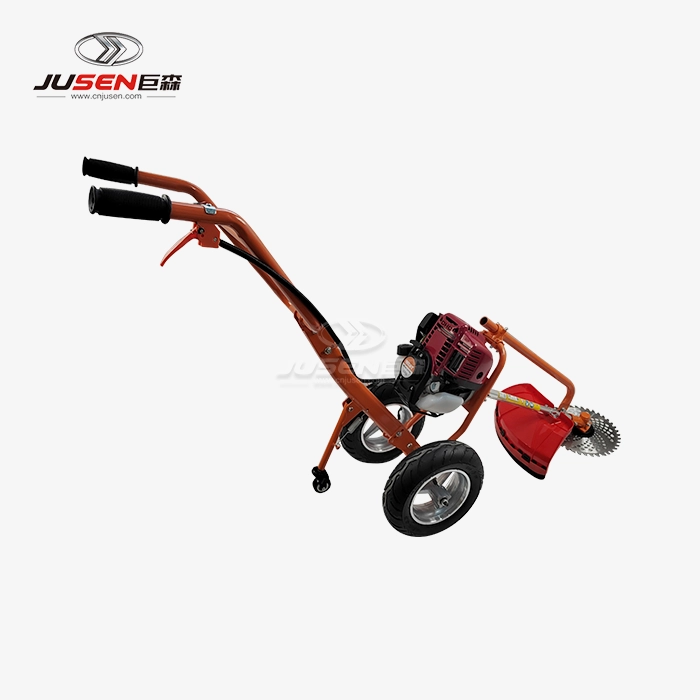 VIEW MORE2-Stroke Hand Push Brush Cutter
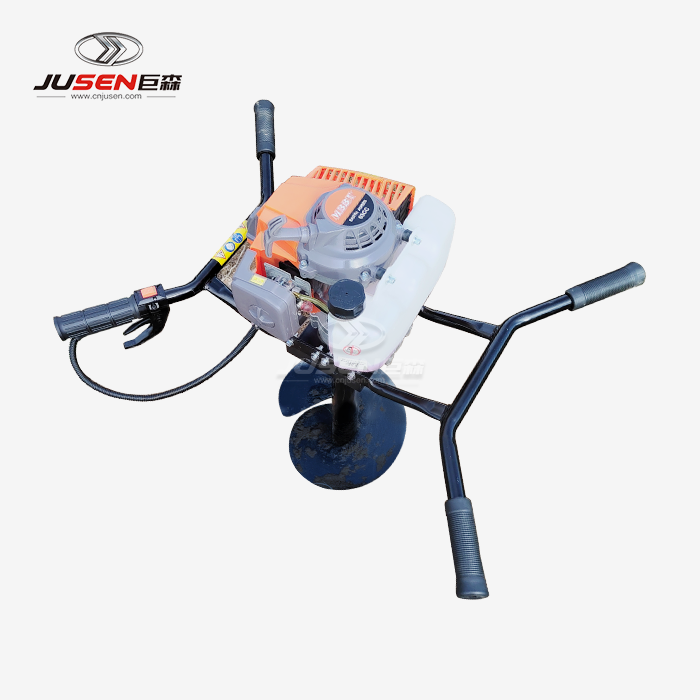 VIEW MORE63cc Double-Handed Grip Handle Earth Auger
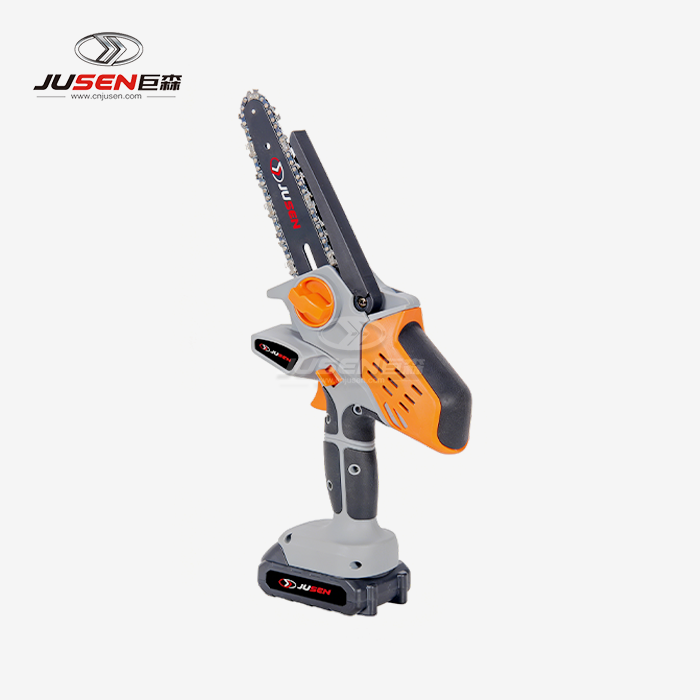 VIEW MORECordless Mini Chainsaw Machine
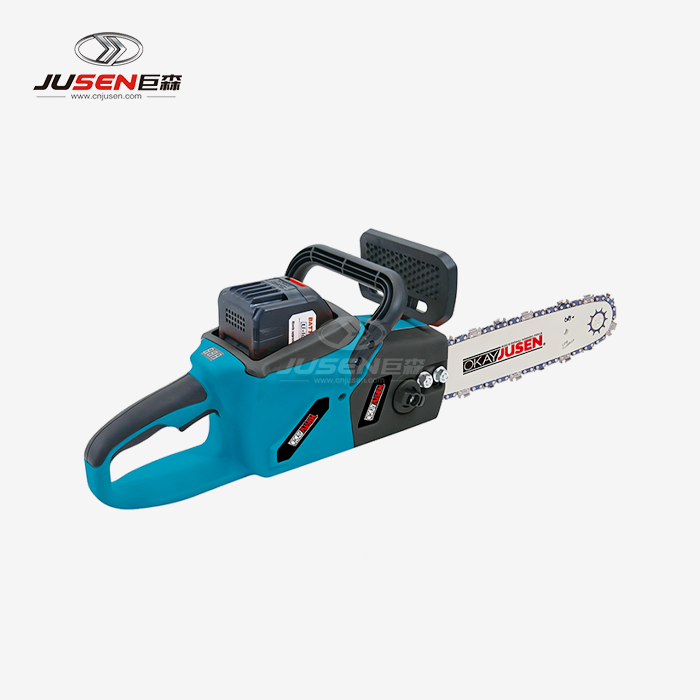 VIEW MORELightweight And Durable Brushless Electric Chainsaw
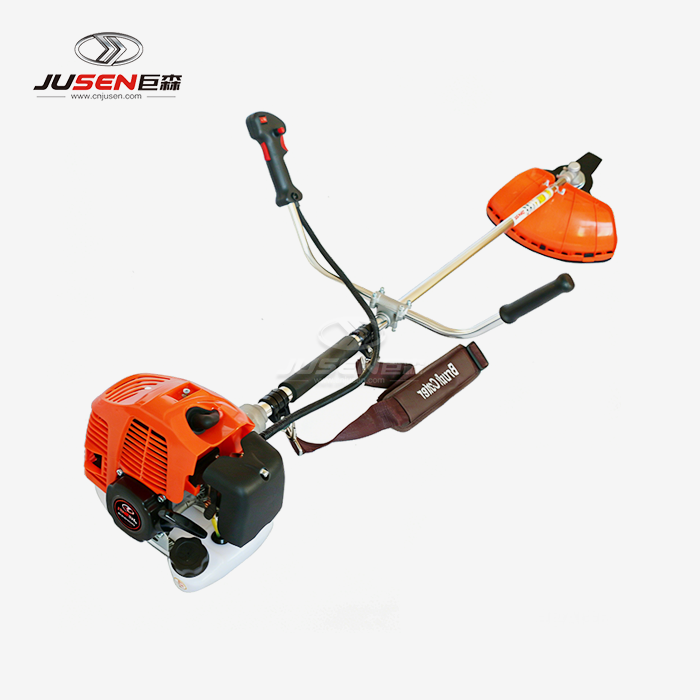 VIEW MORE42.7 2-Stroke Gas Weed Eater
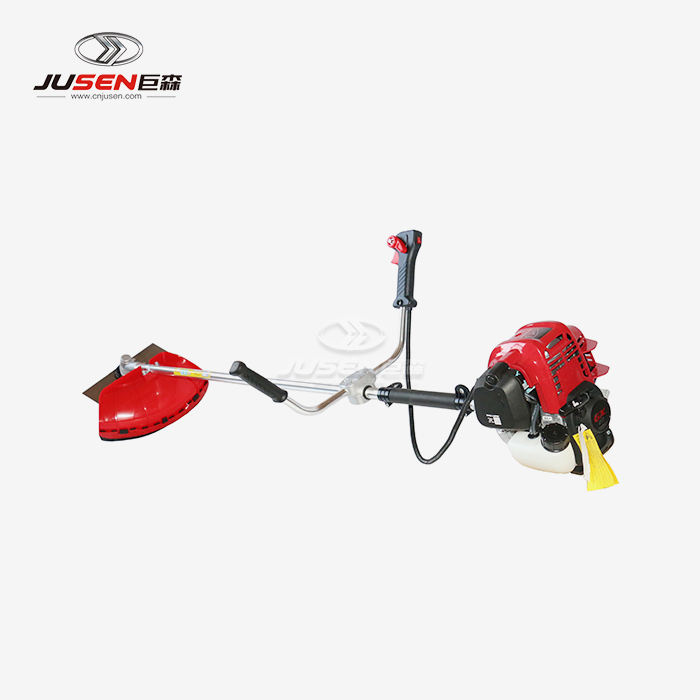 VIEW MORE50.7cc 4-Stroke Petrol Brush Cutter
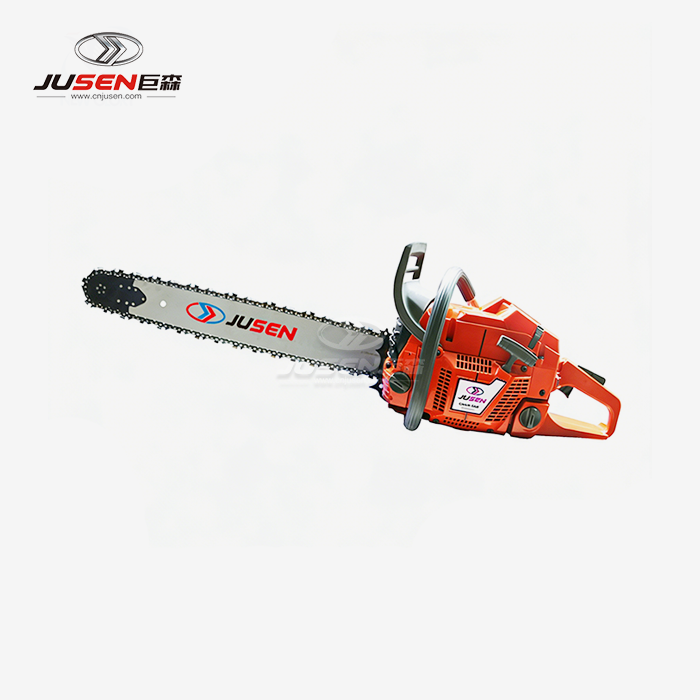 VIEW MORE62cc Gas Powered Chain Saw
 VIEW MOREGas Powered Gasoline Chain Saw