




Future-Proof Your Home Security with an Underground Courtyard Safe Room
If you want to protect your family and property for a long time, an Underground courtyard safe room is one of the best options you can find right now. This new shelter design combines cutting-edge engineering with useful functionality. It protects against all kinds of disasters, environmental hazards, and security threats. These prefabricated underground shelters are built under courtyards and have four-layer heavy-duty protective structures that provide the highest level of safety while still allowing for comfort and ease of access during emergencies.
Understanding Underground Courtyard Safe Rooms: Features and Benefits
What Makes These Shelters Unique
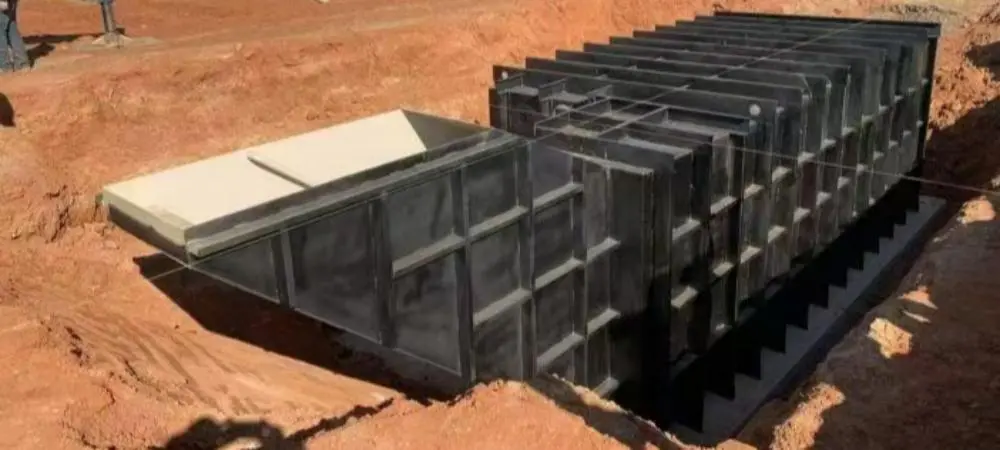
Putting safe rooms underground under gardens has benefits that regular shelter plans just can't match. Because it is strategically placed below ground level, it naturally keeps out high temperatures, and the patio layout lets natural light and air flow be controlled. The frames of these bunkers are made of high-strength steel and are put together in modules. They are resistant to blasts, fire, water damage, and physical impacts. The design theory is based on making safe havens where people can stay alive during long-term emergencies.
Core Protective Capabilities
Underground safety bunkers depend on a complex four-layer hybrid system to keep their structures strong. The base is made up of a 100 mm steel main frame that spreads out and absorbs outside forces. On top of this is a 5 mm layer of high-strength steel plate that protects against blasts and impacts. The third barrier is a professional waterproofing membrane, which stops groundwater from getting in and keeps the inside dry. The last layer is fire-resistant and thermally insulating. It stops heat from getting in and makes the whole thing last longer in harsh conditions. This multi-layered method provides redundancy that keeps things safe even if some parts are hacked.
In addition to building parts, these safe rooms have special life support systems built in. The separate NBC (Nuclear, Biological, and Chemical) filtration system cleans the air all the time, getting rid of harmful contaminants before they reach people. Overpressure explosion-proof valves and fresh air movement systems work together to keep the internal pressure positive. This keeps dangerous gases from getting in through any small openings. With these additions, a simple shelter becomes a real place to live for a long time.
Added Value for Property Owners
Putting in an underground security bunker under your backyard will protect you and raise the value of your home at the same time. More and more, real estate markets are realising how valuable homes are that have high-tech security systems, especially in areas that are prone to bad weather or other dangers. The location in the courtyard keeps the above-ground room for gardening, patios, or planting, and the shelter is still easy to get to without being in the way. This smart use of space is appealing to homeowners who don't want to give up style for safety.
Designing and Constructing an Underground Courtyard Safe Room: Best Practices and Innovations
Planning for Optimal Functionality
A thorough site assessment and spatial planning are the first steps to a successful implementation. The location in the courtyard must be big enough to fit the shelter while still allowing for drainage, air flow, and emergency exits. Before deciding where to put something, engineers look at the soil's makeup, the water table level, and any current utility lines. Planning ahead of time keeps changes from being too expensive during construction and makes sure that the finished shelter fits in perfectly with the other buildings in the area.
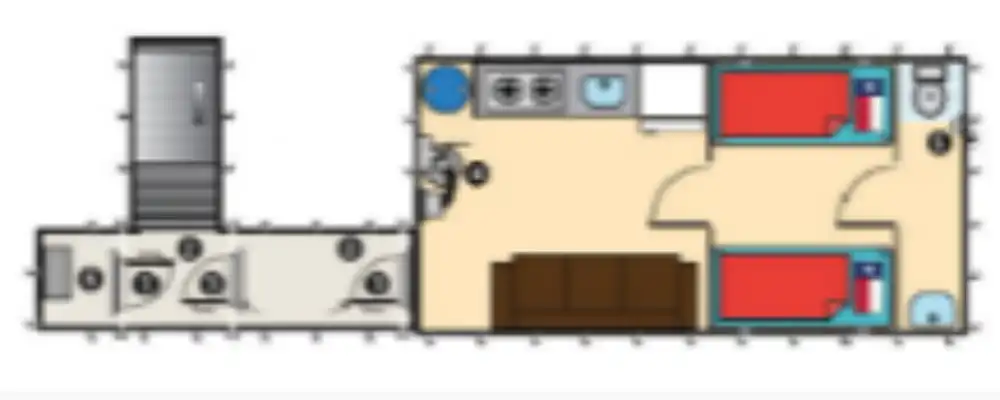
When planning the space inside the Underground courtyard safe room, you need to think carefully about how many people can fit and how long they will need to stay. Families who plan to stay in shelters for a long time need safe places to sleep, bathrooms, places to store goods, and cosy living spaces. The flexible design theory lets internal plans be changed to fit the wants of each family. In addition to standard configurations, some installations have rooms for stronger communication equipment, storage for medical supplies, or separate rooms for decontamination.
Construction Materials and Methodology
To build a nuclear fallout shelter, you need to use high-quality materials that will last and work well in harsh circumstances. The framework is made of carefully chosen steel alloys that meet strict requirements for composition and strength. Welding procedures follow strict quality standards to make sure that every joint stays structurally sound. Industrial-grade materials that have been tried to last for a long time against underground pressure and chemical contact are used in the sealing layer.
Here are the benefits this method brings to construction:
- Earlier installation times: prefabricated parts come ready to be put together, which cuts down on the time needed for construction on-site compared to options that use poured concrete. Installing crews can finish structure work in weeks instead of months with the flexible method, which causes property owners less trouble.
- Consistency in quality: Parts made in factory-controlled settings have exact measurements and tested material qualities. Before leaving the production facility, every steel plate, weld joint and protective layer is inspected. This gets rid of the variation that is typical in field building.
- Flexible Adaptation: The modular framework lets you make changes without affecting the structure's strength. Buyers can choose the exact inner dimensions, door layouts, and equipment setups that meet their needs while still keeping the core protected functions.
These building perks ease worries about how hard the job will be and how long it will take. The simplified method cuts down on both the cost of labour and the trouble that comes with building. This means that more property owners can get improved safety.
Innovative Environmental Control Systems
Modern underground bunkers use high-tech air systems to keep the inside of the shelters healthy and comfy. The fresh air system brings in air from outside and filters it with NBC before sending it to all parts of the shelter. People can combine the amount of filter with their comfort needs based on the danger level outside by changing the air exchange rates. When chemical or biological events happen, the system goes into maximum filtration mode, which gets rid of 99.97% of all particles and contaminants in the air.
Keeping the temperature and humidity under control is harder in underground places. Passive geothermal effects work with the thermal insulation layer to naturally keep the inside temperature stable. Extra temperature control equipment can be added to make the space more comfortable for long stays. Waterproofing systems keep water from building up, which could cause mould to grow or materials to break down. This protects the structure of the building and the health of the people who live or work in it.
Comparing Safe Room Options: Why Choose an Underground Courtyard Safe Room?
Protection Effectiveness Analysis
When looking at different types of shelters, underground courtyards always do better than aboveground choices for a wide range of threat types. Surface-level safe rooms are directly hit by blasts, weapons, and fire, so they need more support to provide the same amount of safety. There are some good things about basement conversions, but they usually don't have the special building and life support systems that are needed for long-term emergencies. Storm shelters are good for protecting against storms, but they don't usually have NBC filters or long-term habitability features.
Being underground protects against radiation by itself, as the earth around them acts as a natural barrier. When nearby explosions send out blast waves, they don't reach buried structures and don't build up enough pressure to damage them. Extreme heat and fire don't have much of an effect on underground installations because the thermal mass of the soil around them absorbs temperature changes. These inactive safety features work with the active systems that are built into the building.
Cost and Maintenance Considerations
The original cost of an underground safety shelter is higher than the cost of a normal storm shelter, but the comparison of their lifetime costs shows that they are worth it. The long-lasting steel construction is much better at stopping corrosion and structural damage than alternatives made of concrete or wood. When waterproofing systems are installed correctly, they get rid of the moisture problems that many basement conversions have. This cuts down on maintenance needs and prevents expensive repairs. The modular design makes it easy to replace parts if they break, so the whole system doesn't have to be redone.
When making purchases, people should think about the total costs of owning, which go beyond the purchase price. Quality shelters with full guarantees from reputable makers lower risk and give you peace of mind. Delivery lead times, installation support, and service agreements all play a part in planning the practical implementation schedule and budget. When buyers work with well-known makers, they get access to technical know-how and tried-and-true installation methods that make sure the job is done right.
Manufacturer Credentials Matter
Choosing suppliers with proven experience in making protective structures has a big effect on the success of the project. Products from companies with strong quality management systems, modern production facilities, and a lot of research and development resources are more reliable. Working on projects in different countries shows that you can adapt to different legal settings and business needs. Instead of forcing buyers into standard configurations, direct manufacturers who offer customisation support can make solutions fit the needs and conditions of each site.
Quality assurance methods for the underground courtyard safe room that cover the whole production line, from getting the raw materials to checking the finished product, make sure that everything can be tracked and that people are held responsible. Buyers should make sure that possible providers check and test finished units thoroughly before selling them. Certifications from well-known testing groups give you more credibility and show that you follow safety rules. All of these things make people more confident in the skills of the maker and the dependability of the product.
Navigating Procurement and Installation: A Buyer's Guide
Product Configuration Options
There are a variety of underground security bunkers on the market, from normal premade units to systems that are made just for the customer. The sizes and features of prefabricated shelters are already set, which saves money and cuts down on delivery times. When the conditions at the site are standard, these units work well for simple installations. On the other hand, you won't be able to change the layout of the rooms or add special equipment that isn't included.
People who buy customised safe rooms can choose the exact sizes, functional modules, interior finishes, and smart control systems that will be used. This method works well for projects that have specific site limitations, capacity needs, or equipment interaction needs. During the planning process, the engineering team works with customers to find the best options for safety, usefulness, and cost. Custom projects take longer to get approved for design and make, but they provide answers that are exactly what is needed.
Financial Planning and Investment Protection
Knowing how all the costs work together helps buyers make good budgets and avoid surprises during implementation. The base price of the shelter includes production and standard features. However, you will have to pay extra for preparing the site, arrangements for shipping, fitting labour, and any custom changes that you want to make. Some suppliers offer financing options that let buyers spread out the costs over longer periods of time. This makes it easier for buyers who are on a tight budget to buy. The long-term investment is protected by service agreements that cover regular upkeep and emergency repairs.
Production plans change based on the number of orders, and projects are prioritised by makers based on proven due dates and deposit payments. There may be extra fees for rush orders, but they make sure that they get delivered on time. Standard production usually takes a few weeks from the time an order is confirmed until it is shipped. Installation can take longer based on how complicated the site is. Clear contact with providers about expected delivery dates and milestones keeps problems with cooperation and delays at bay.
Installation Partnership and Support
For installation to go smoothly, it takes coordination between many people, such as excavation contractors, utility companies, and shelter installation experts. Reputable makers give clear instructions on how to install their products and offer expert help throughout the process. Some companies offer "turnkey" services that take care of the whole process, from preparing the site to final commissioning and training the people who will be living there. This all-around method makes things easier for buyers and makes sure that the right parts are installed according to engineering standards.
The terms of a warranty should be carefully read because they change a lot from one provider to the next. Comprehensive contracts cover both problems with the way the product was made and promises of performance, giving you options if problems arise after installation. The length of the guarantee should match the expected service life of the main parts. For example, structural parts should be covered for decades, and motor systems should be covered for at least a few years. Manufacturers you can trust stand behind their goods with helpful customer service and new parts that are easy to find.
Maintaining and Optimizing Your Underground Courtyard Safe Room
Essential Maintenance Protocols
To keep the shelter working well, it needs to be inspected and maintained regularly, paying special attention to important systems and building parts. To make sure there is enough movement and filtering, the ventilation system needs to have its filters changed and tested on a regular basis. Mechanical parts like fans and overpressure valves need to be oiled and checked for proper operation on a regular basis. Every year, you should check the waterproofing to see if there are any signs of water getting in or seals breaking down that could make the security less effective.
Monitoring the health of a structure is all about finding rust, stress cracks, and other types of damage early on, before they get worse. Protective coatings on steel surfaces may need to be replaced every so often to keep them from rusting. Door hinges, locking mechanisms, and seals need inspection and adjustment to ensure reliable operation when needed. Keeping a stock of important extra parts on hand lets you fix things quickly in an emergency without having to wait for parts to be ordered.
Addressing Common Challenges
Even though Underground courtyard safe rooms are built well, underground installations have problems that need to be managed in a proactive way. The risk of corrosion goes up in places with a lot of damp or harsh underground chemistry. Wear and tear are avoided by regularly checking weak spots and maintaining protective coatings. Controlling the temperature and getting rid of contaminated items quickly are needed to stop mould growth in any organic materials brought into the shelter. When mechanical systems break down, people inside can't get air flow or control the temperature, so it's important to have backup tools and the ability to fix things.
Preventive repair is an investment that pays off by keeping safety levels high and extending the life of the equipment. Fixing small problems during regular inspections keeps big problems from happening and needing expensive emergency repairs. Keeping track of maintenance tasks provides a service history that shows proper care and can be useful for insurance claims or selling the property later. Many sellers offer maintenance service plans that include regular checks and fixes. This makes sure that important systems get the care they need from experts.
Future-Proofing Through Technology Integration
More and more modern shelters have smart monitoring systems that show real-time information about the safety, performance, and conditions of the system. Sensors keep an eye on the temperature, humidity, and quality of the air, and they can also tell when someone is trying to get in without permission. Internet-connected tracking lets owners check on the shelter from afar, even when no one is there, so they can be informed of problems that need to be fixed. These technologies improve both safety and the dependability of operations.
In addition to bodily dangers, security improvements add monitoring systems, stronger communication tools, and the ability to direct things from afar. When shelter systems are connected to home automation platforms, they can instantly respond to threats by starting to filter or block off airflow. As technology changes, modular shelter designs can be updated to include new equipment without having to change the structure. This makes sure that the installation stays up to date with the latest technology.
Conclusion
Underground courtyard safe rooms represent a proven approach to comprehensive family protection, combining advanced engineering with practical functionality. The four-layer protective structure, specialized life support systems, and customizable configurations create secure environments capable of sustaining occupants through extended emergencies. Proper supplier selection, professional installation, and diligent maintenance ensure these critical systems perform reliably when needed most. The investment in quality protection delivers both tangible security benefits and peace of mind that your family has refuge available regardless of external threats.
FAQ
What protection does an underground courtyard safe room provide?
These specialized shelters deliver comprehensive protection against multiple threat categories, including natural disasters, blast events, fire, radiation exposure, and NBC (Nuclear, Biological, Chemical) contaminants. The four-layer structural design combines impact resistance, waterproofing, and thermal insulation, while integrated filtration systems maintain safe interior air quality during external hazards.
How long does installation typically require?
Installation timelines vary based on site conditions and customisation complexity. Standard prefabricated units typically require two to four weeks for complete installation, including site preparation, shelter placement, and system commissioning. Customized configurations may extend timelines to accommodate design approval and specialised manufacturing requirements before installation begins.
Can existing properties accommodate these shelters?
Most properties with adequate courtyard space can accommodate underground safe room installation. Site assessment evaluates soil conditions, drainage patterns, utility locations, and access requirements to determine feasibility. Retrofit installations require more extensive site work than new construction projects, but remain viable for many existing homes.
What maintenance does the shelter require?
Routine maintenance includes quarterly filter replacements, annual waterproofing inspections, and periodic testing of mechanical systems. Structural elements require minimal maintenance beyond corrosion monitoring and protective coating renewal every several years. Comprehensive maintenance protocols provided with installation ensure proper long-term performance.
Secure Your Family's Future with JUSEN Underground Protection Solutions
JUSEN brings two decades of manufacturing excellence to the underground courtyard safe room market, delivering protection solutions built to exacting standards. Our comprehensive production capabilities, from steel structure fabrication through final assembly and testing, ensure every shelter meets rigorous quality benchmarks. We support customisation across dimensions, layouts, and functional configurations, adapting our proven designs to your specific requirements. As a direct manufacturer and trusted underground courtyard safe room supplier, we control quality throughout production while offering competitive pricing and flexible delivery schedules. Contact our team at Sales1@cnjusen.com to discuss your protection needs and receive detailed specifications for our underground courtyard safe room systems.
References
1. Federal Emergency Management Agency (2020). Safe Rooms for Tornadoes and Hurricanes: Guidance for Community and Residential Safe Rooms. FEMA P-361, Fourth Edition.
2. National Storm Shelter Association (2019). Standard for the Construction and Performance of Storm Shelters. ICC/NSSA 500-2020.
3. American Society of Civil Engineers (2018). Blast Protection of Buildings. ASCE/SEI 59-11.
4. Department of Homeland Security (2021). Handbook for Rapid Visual Screening of Buildings to Evaluate Terrorism Risks. FEMA 455.
5. International Code Council (2022). International Residential Code for One- and Two-Family Dwellings. Chapter 4: Foundations and Appendix F: Radon Control Methods.
6. Portland Cement Association (2017). Design and Construction of Concrete Residential Safe Rooms. Engineering Bulletin 224.

USER EVALUATE
Here is the customer's evaluation of us
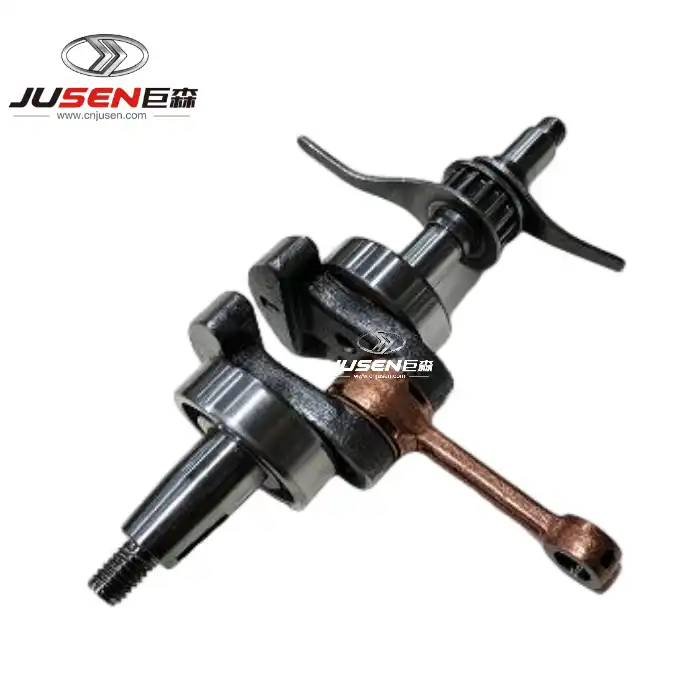 VIEW MOREGX35 Brush Cutter Crankshaft
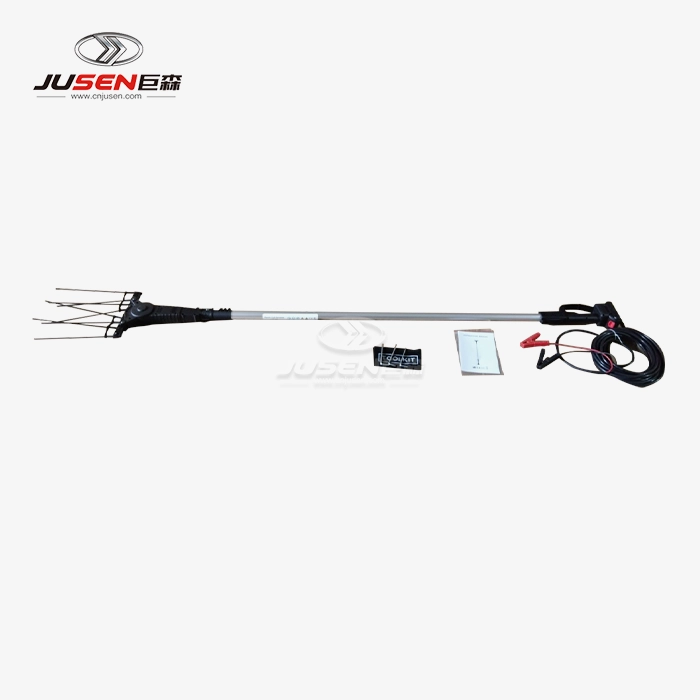 VIEW MOREHand Held Olive Harvester Machine
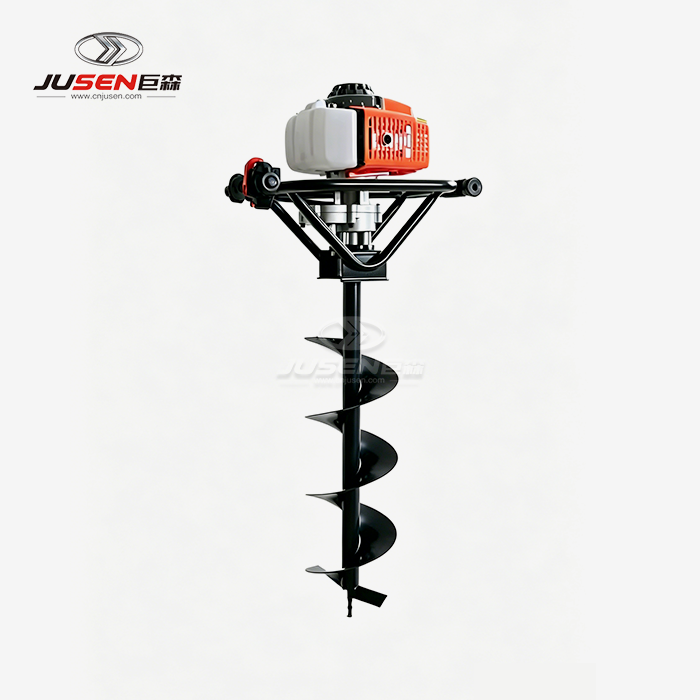 VIEW MORE63cc 2-Stroke Garden Hand Earth Auger
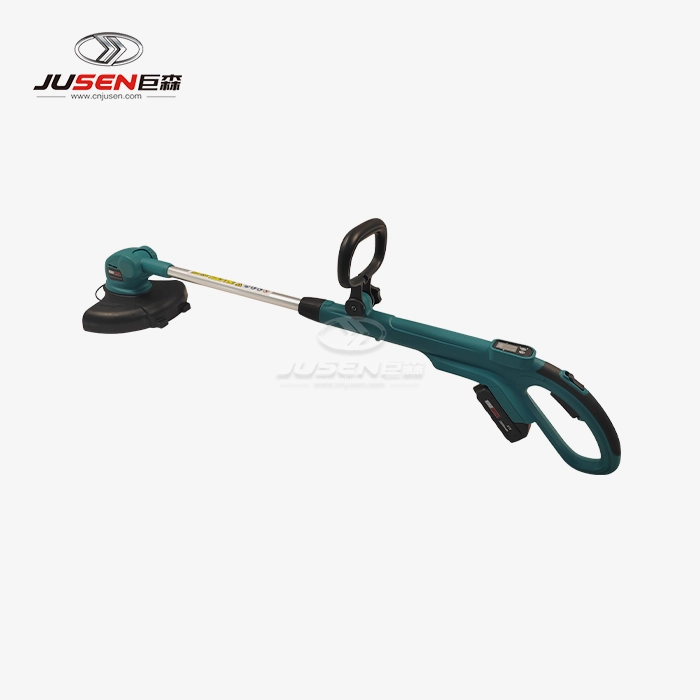 VIEW MORE21v Electric Grass Brush Cutter
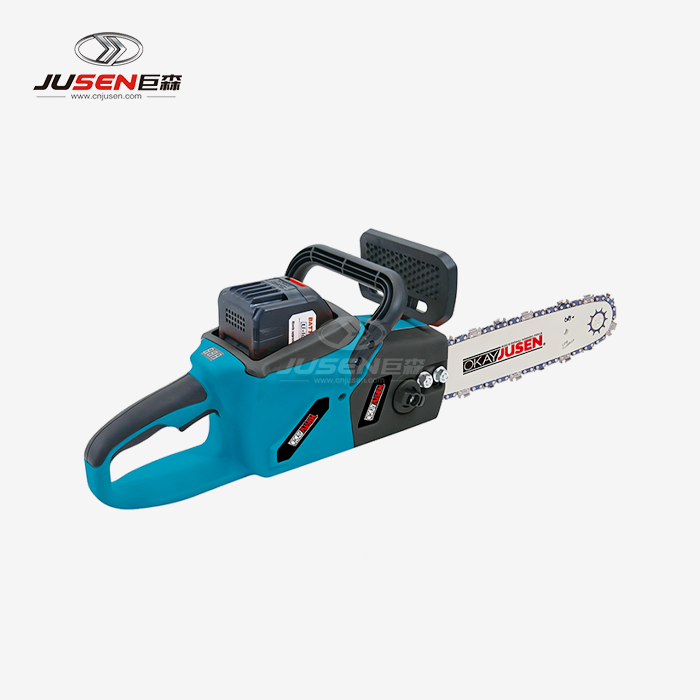 VIEW MORELightweight And Durable Brushless Electric Chainsaw
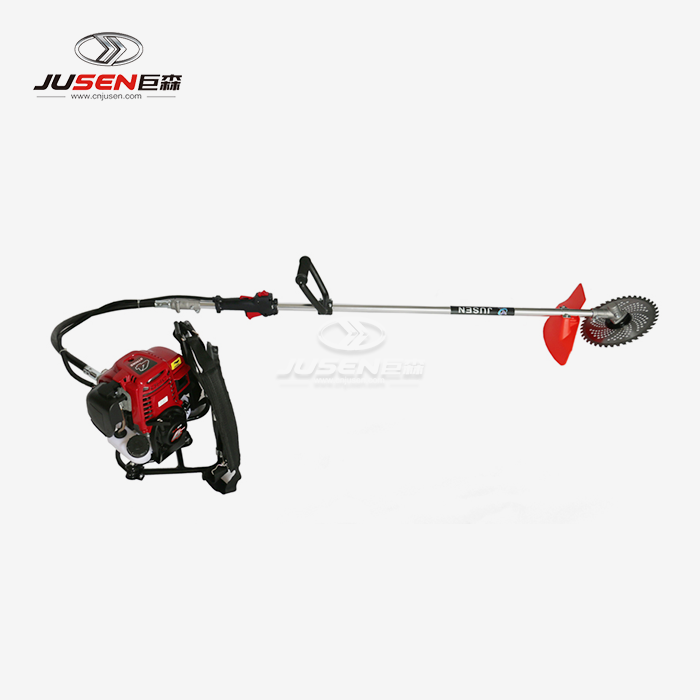 VIEW MOREGarden Tools Gasoline Backpack Brush Cutter
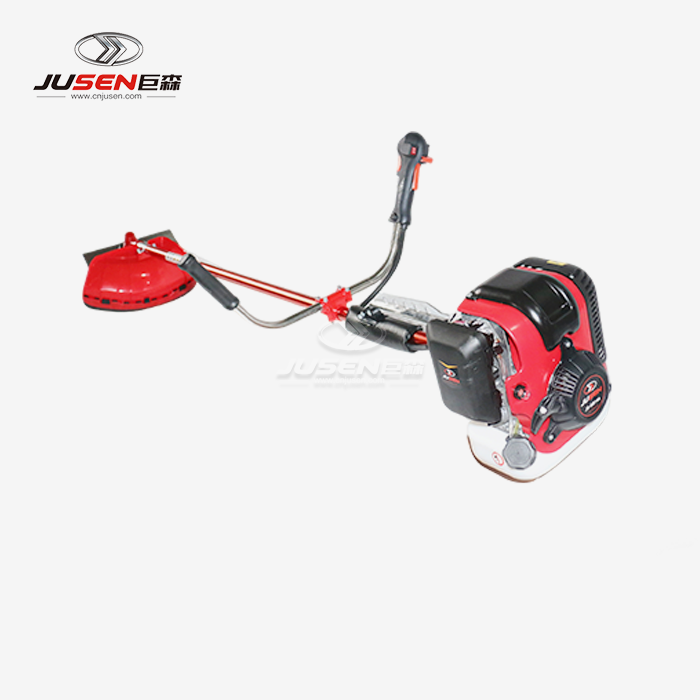 VIEW MORE54cc 4-Stroke Brush Cutters
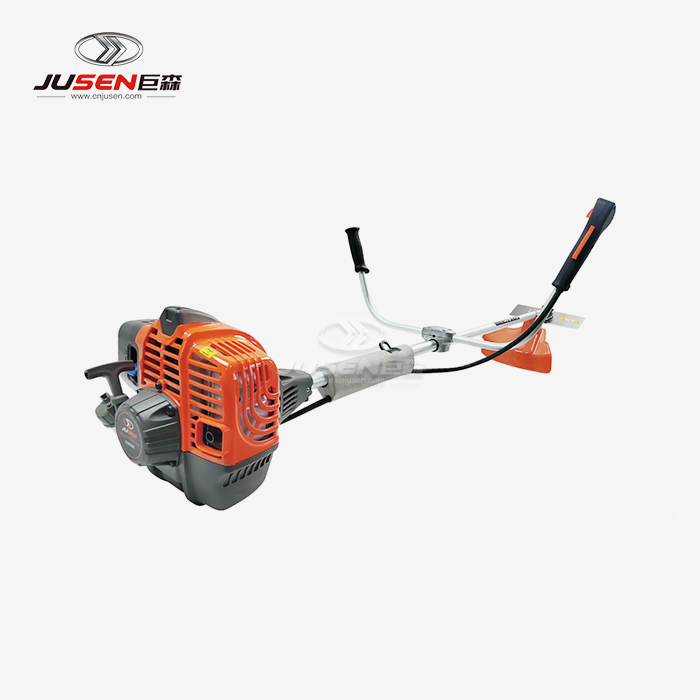 VIEW MORE41.5cc Brush Cutter