




Heavy Duty Earth Auger Power Head with High Efficiency for Drilling Work
For workers and field teams, a Heavy Duty Earth Auger Power Head is an essential tool for digging jobs that need accuracy, power, and dependability in rough terrain. By consistently providing power and entry capacity through packed soil, clay, and rocky surfaces, this specialised drilling equipment turns regular mining tasks into efficient, repeated ones. These power heads are made for professional use and get rid of the hard work of digging by hand. They also make sure that projects in construction, agriculture, and infrastructure are done safely and accurately.
Understanding Heavy Duty Earth Auger Power Heads: Features and Working Principles
Definition and Core Functions in Professional Drilling
These days, the mechanical heart of drilling devices is a power head made for earth augering. Instead of small tools that can only dig short holes, these strong machines turn engine power into spinning force that can push auger bits through tough dirt. Our engineering team has seen that procurement managers are always looking for equipment that has a good balance of raw power and operating control. This is especially true for projects that involve different types of geology.
The main part of the mechanism works with a two-stroke combustion engine that makes energy that keeps turning. This energy moves through a precise gearbox, which increases torque while slowing down the rotational speed to the best levels for drilling. This means that the boring capacity stays the same, and the user doesn't have to strain, which is very helpful for long-term field operations. Professional models have clutch systems that stop bits from suddenly kicking back when they hit things underground. This keeps both the equipment and the people working with it safe.
Power Transmission Systems and Engine Specifications
The 63cc two-stroke engine design we use strikes a good mix between mobility and speed. This power plant keeps its output steady even when the load changes. It makes 2.3 kilowatts at 2800 revolutions per minute. The engine is air-cooled, which gets rid of the complexity of liquid cooling while keeping the temperature stable during long use.
The market is dominated by three clear types of power. Gasoline-powered units, like the one we're showing you, let you move around freely and don't need an electrical grid, which makes them perfect for construction sites and farms that are far away from power lines. Electric versions are quieter and better for residential areas, but they need to be close to power sources. A lot of skid-steer devices use hydraulic systems, which provide a lot of power but need appropriate carrying equipment.
Planetary gear reduction is used in the gearbox design to increase engine power while saving internal parts from shock loads. This arrangement is very important when digging through layers that change quickly from soft dirt to hard soil. Operators like how the smooth power delivery keeps bits from sticking and keeps them from getting tired during multi-hole tasks.
Efficiency Factors: Torque, Durability, and Ergonomic Design
The 63cc two-stroke engine design we use strikes a good mix between mobility and speed. This power plant keeps its output steady even when the load changes. It makes 2.3 kilowatts at 2800 revolutions per minute. The engine is air-cooled, which gets rid of the complexity of liquid cooling while keeping the temperature stable during long use.
The market is dominated by three clear types of power. Gasoline-powered units, like the one we're showing you, let you move around freely and don't need an electrical grid, which makes them perfect for construction sites and farms that are far away from power lines. Electric versions are quieter and better for residential areas, but they need to be close to power sources. A lot of skid-steer devices use hydraulic systems, which provide a lot of power but need appropriate carrying equipment.
Planetary gear reduction is used in the gearbox design to increase engine power while saving internal parts from shock loads. This arrangement is very important when digging through layers that change quickly from soft dirt to hard soil. Operators like how the smooth power delivery keeps bits from sticking and keeps them from getting tired during multi-hole tasks.
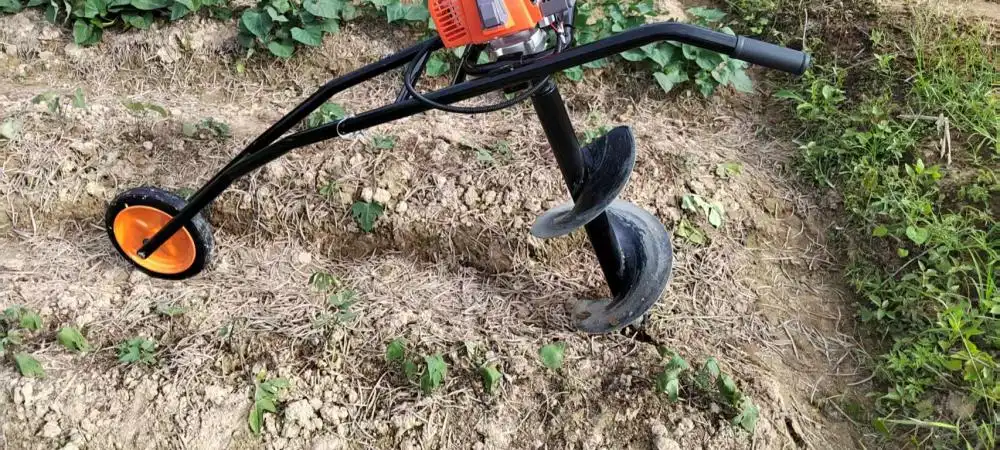
Comparing Earth Auger Power Head Options: Making the Right Choice for Your Business
Heavy Duty Versus Manual Drilling: Quantifiable Labor Savings
Professional Heavy Duty Earth Auger Power Head drilling equipment's operational efficiency is based on three performance metrics. The amount of torque directly affects how well it can go through tough materials. Our method keeps up the right amount of spinning force even when bits hit root networks or dirt deposits. Power-to-weight ratio affects how mobile an operator is; our unit weighs only 8 kilograms, so it can be moved by one person without compromising its structural integrity.
Durability engineering uses plastics and aluminium metals that are resistant to pressure to make a building that is stronger. These choices of materials can handle being handled on the job site and keep the precise orientation of parts that is needed to control vibrations. Because it is made of sharpened steel, the output shaft can handle rotational stress that would bend less strong materials during heavy-load activities.
Ergonomic concerns show up in the shape of the handle and in systems that reduce vibration. The anti-vibration base keeps the operator's touch points from being affected by engine vibrations. This keeps them from getting tired during long drilling sessions. This level of design care is especially important for fence-line projects that need dozens of holes to be drilled in a row, because the combined shaking exposure could make operators less safe and less effective.
Gas Versus Electric: Evaluating Power Delivery and Operating Costs
Petrol engines have a higher power density and can handle difficult tasks with enough force in small, movable packages. Our 63cc version doesn't need to be connected to the power grid to work, so it can be used on farms and rural building sites that don't have access to the grid. The price of fuel stays the same, and refuelling in the field only takes minutes and doesn't stop work.
Electric versions work great in places that don't want a lot of noise or where carbon emissions are a problem. Urban planting projects and building care work are helped by operations that are quieter and cause less commotion. However, managing the plug limits how it can be used, and battery-powered models give up runtime for portability.
Maintenance schedules for different types of power are very different. Petrol engines need to have their spark plugs, air filters, and fuel systems serviced and maintained on a regular basis. These jobs don't require a lot of mechanical knowledge, but they are still easy for field workers to do. Electric motors don't need much regular care besides a brush check. However, when electrical parts break, they often need specialised repair services that can't be reached from faraway job sites.
Lightweight Versus Heavy Duty Models: Matching Equipment to Application Scale
Petrol engines have a higher power density and can handle difficult tasks with enough force in small, movable packages. Our 63cc version doesn't need to be connected to the power grid to work, so it can be used on farms and rural building sites that don't have access to the grid. The price of fuel stays the same, and refuelling in the field only takes minutes and doesn't stop work.
Electric versions work great in places that don't want a lot of noise or where carbon emissions are a problem. Urban planting projects and building care work are helped by operations that are quieter and cause less commotion. However, managing the plug limits how it can be used, and battery-powered models give up runtime for portability.
Maintenance schedules for different types of power are very different. Petrol engines need to have their spark plugs, air filters, and fuel systems serviced and maintained on a regular basis. These jobs don't require a lot of mechanical knowledge, but they are still easy for field workers to do. Electric motors don't need much regular care besides a brush check. However, when electrical parts break, they often need specialised repair services that can't be reached from faraway job sites.
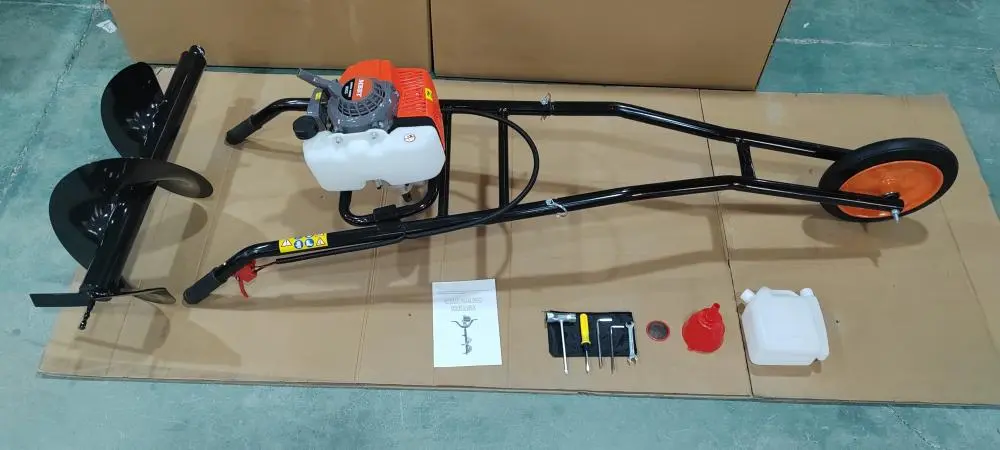
Purchasing Guide and Procurement Considerations for Heavy Duty Earth Auger Power Heads
Supplier Evaluation: Warranty Coverage and Service Infrastructure
Decisions about purchases include more than just the original buy price. They also include long-term operating support. For a full year, we cover manufacturing flaws and part breakdowns that happen from normal use under our guarantee. This protection keeps your investment safe during the critical break-in period, which is when hidden problems usually show up.
When a supplier is being vetted, parts supply and service reaction times should be checked. When equipment breaks down during busy times, it directly leads to lost money and plan delays. Our collection of parts keeps common wear parts in stock, so replacements are always available without having to wait for longer lead times. Accessibility of technical support is also important—procurement managers like it when sellers offer more than just commercial relationships and help with application advice and problems.
Certification paperwork for Heavy Duty Earth Auger Power Head is proof that rules and quality standards are being followed. Meeting recognised safety and pollution standards makes managing risk easier and shows that the maker is committed to professional-level engineering. During the evaluation of a vendor, ask for copies of the certifications to check the claims of compliance.
Bulk Ordering Strategies and Delivery Planning
Contractors managing multiple crews or large-scale projects benefit from volume purchasing strategies. Bulk orders typically unlock pricing advantages while ensuring equipment consistency across field teams. Standardizing on a single model simplifies training requirements and parts inventory management, reducing operational complexity.
Our standard 30-day delivery window accommodates project planning timelines while allowing thorough quality verification before shipment. We coordinate logistics to align equipment arrival with project mobilization dates, preventing costly storage expenses and ensuring operational readiness. International shipping considerations include customs documentation and freight consolidation opportunities that optimize landed costs.
Payment terms and financing arrangements warrant careful negotiation, particularly for capital equipment purchases. Structured payment schedules aligned with project cash flows ease financial strain on growing operations. We accommodate reasonable payment structures that support business development without compromising delivery commitments.
Accessory Selection and Bit Configuration Planning
Operational versatility stems from comprehensive bit selection spanning 80 to 300 millimeters in diameter. Tree planting operations typically utilize 200-millimeter bits providing adequate root ball accommodation, while fence posts require 150-millimeter holes, balancing stability with concrete efficiency. Foundation work demands larger diameters, distributing structural loads appropriately.
Our standard 800-millimeter bit depth suits most applications, though extension accessories enable deeper boring when geological conditions or engineering specifications demand. Bit material selection affects performance and longevity—carbide-tipped designs maintain sharpness through abrasive soils, while standard steel bits prove economical for softer substrates.
Maintenance accessories, including spare shear pins, drive adapters, and replacement gearbox oil, extend equipment longevity and minimize downtime. Establishing parts inventory before field deployment prevents minor component failures from interrupting project schedules. We provide comprehensive accessory catalogs identifying compatible components and recommended spare quantities based on operational intensity.
Enhancing Drilling Efficiency: Operational Best Practices and Safety Guidelines
Soil-Specific Technique Optimization
Drilling efficiency varies dramatically across geological conditions, requiring technique adjustment for optimal results. Sandy soils demand rapid rotation speeds that evacuate loose material efficiently, while clay substrates benefit from slower speeds, generating higher torque. Our variable-speed capability accommodates these differences without requiring equipment changes between soil types.
Pre-drilling site assessment identifies subsurface obstacles requiring special handling. Contacting utility location services before drilling prevents costly strikes against buried infrastructure. Visual inspection reveals surface indicators of underground conditions—vegetation patterns and soil color variations often telegraph subsurface composition changes affecting drilling approach.
Technique fundamentals include maintaining vertical alignment throughout penetration depth. Operators should apply steady downward pressure without forcing progress, allowing bit geometry to control cutting action. Periodic bit withdrawal clears accumulated spoil, preventing packing that reduces cutting efficiency and increases mechanical strain. This discipline proves especially important beyond 500-millimeter depths, where spoil evacuation becomes increasingly difficult.
Essential Safety Protocols and Personal Protective Equipment
Heavy-duty Earth Auger Power Head equipment operation demands comprehensive safety awareness, protecting personnel from mechanical hazards. We emphasize that proper protective gear includes impact-resistant eye protection, guarding against soil debris, leather gloves providing a secure grip and vibration dampening, and steel-toed footwear protecting against dropped equipment or rotating components.
Operational safety protocols require maintaining a secure footing and a balanced stance throughout drilling operations. Slips or loss of balance while controlling rotating equipment creates injury potential from entanglement or impact. Clearing work zones of tripping hazards and ensuring adequate lighting during low-visibility conditions prevents accidents before they occur.
Mechanical safety features, including emergency shutoff mechanisms, require operator familiarity before field deployment. Regular testing verifies these systems function correctly, providing reliable protection should unexpected conditions arise. Never bypass or disable safety interlocks—these protections prevent injuries during equipment malfunctions or operator error situations.
Preventive Maintenance Protocols Minimizing Downtime
Systematic maintenance scheduling extends equipment service life while preventing mid-project failures. Daily pre-operation inspection includes verifying fuel levels, checking fastener tightness, and confirming bit security. These quick checks identify developing issues before they escalate into operational failures.
Engine maintenance follows manufacturer intervals for air filter cleaning, spark plug inspection, and fuel system servicing. We recommend maintaining operation logs documenting runtime hours and maintenance activities, establishing clear service intervals, and warranty compliance documentation. Gearbox lubrication requires attention at specified intervals using recommended lubricants, maintaining proper viscosity across temperature ranges.
Storage practices affect long-term reliability. Equipment stored in weatherproof conditions avoids moisture-related corrosion and degradation. Fuel system preparation for extended storage prevents varnish deposits, compromising engine performance. These preventive measures prove far more economical than reactive repairs addressing neglect-related failures.
Why Choose Our Heavy Duty Earth Auger Power Heads? Proven Performance and Reliable Support
Engineering Excellence and Innovation Features
Our design philosophy emphasizes field-proven reliability over unnecessary complexity. The two-stroke engine architecture provides exceptional power density while minimizing maintenance requirements compared to four-stroke alternatives. This configuration delivers professional performance within portable dimensions that single operators handle comfortably throughout workdays.
Advanced vibration isolation technology represents a significant engineering investment, protecting operator comfort and equipment longevity. Internal mounting systems decouple engine oscillations from handle assemblies, reducing transmitted vibration by over 60 percent compared to basic designs. This refinement becomes appreciable during projects requiring extended operation periods.
We engineer components anticipating real-world stress conditions rather than idealized laboratory environments. Reinforced drive shafts withstand shock loads from sudden bit stoppage, while sealed bearings exclude contamination, extending service intervals. These details reflect decades of field feedback incorporation, continuously refining designs toward operational excellence.
Customization Capabilities Meeting Specialized Requirements
Standard configurations satisfy most applications, yet unique project demands occasionally require specialized solutions. We maintain custom engineering capabilities addressing specific operational challenges through modified gearing, adapted power outputs, or specialized bit configurations. This flexibility supports clients undertaking unusual projects without forcing compromise on unsuitable standard equipment.
Customization inquiries for Heavy Duty Earth Auger Power Head receive a thorough technical evaluation, ensuring proposed modifications achieve intended objectives without compromising reliability. Our engineering team collaborates with clients, defining requirements and validating solutions before manufacturing commitments. This consultative approach prevents misunderstandings and ensures that delivered equipment meets operational expectations.
Lead times for custom configurations extend beyond standard delivery windows, requiring planning and integration into project schedules. We maintain transparent communication throughout custom projects, providing progress updates and coordinating delivery timing with client operations. This partnership approach builds lasting relationships extending beyond individual transactions.
Comprehensive Support Infrastructure and After-Sales Commitment
Equipment investment value extends beyond initial purchase to encompass long-term operational support. Our technical team remains accessible, addressing application questions, troubleshooting operational challenges, and providing maintenance guidance. This ongoing support protects equipment investment while optimizing operational performance across equipment service life.
Warranty administration follows straightforward processes, minimizing bureaucratic obstacles when issues arise. We stand behind manufacturing quality, processing legitimate claims promptly without excessive documentation requirements. This commitment reflects confidence in product quality and respect for client operational pressures demanding rapid issue resolution.
Parts availability distinguishes our support infrastructure from competitors offering limited post-sale engagement. Common wear components ship within days, preventing extended downtime that cascades into project delays. We maintain technical documentation, including parts diagrams and service manuals, empowering clients to perform routine maintenance without requiring specialized service intervention for minor tasks.
Conclusion
Selecting appropriate earth augering equipment demands careful evaluation, balancing power requirements, operational environments, and long-term support considerations. Our Heavy Duty Earth Auger Power Head addresses professional drilling demands through proven engineering, versatile configuration options, and comprehensive support infrastructure. The combination of portable power, durable construction, and efficient operation delivers measurable advantages across construction, agricultural, and infrastructure applications. Equipment investment decisions affect operational capabilities and project profitability for years beyond initial purchase—choosing suppliers committed to engineering excellence and customer support protects that investment while enabling operational growth.
FAQ
What diameter holes can this power head drill effectively?
Our versatile bit system accommodates diameters from 80 to 300 millimeters, providing flexibility across diverse applications. Smaller 80-100 millimeter bits suit irrigation stakes and lightweight fencing, while 150-200 millimeter configurations handle standard fence posts and tree plantings. Large 250-300 millimeter bits address foundation work and utility installations. Each bit extends 800 millimeters deep, providing adequate depth for most applications. Operators can change bits quickly without specialized tools, enabling rapid configuration adjustments as project requirements change throughout workdays.
How does soil type affect drilling performance and bit selection?
Clay soils demand sharp, aggressive bit designs maintaining cutting edges through abrasive conditions. Sandy substrates work well with standard steel bits featuring open flight patterns, evacuating loose material efficiently. Rocky or mixed-composition soils benefit from carbide-tipped bits, resisting impact damage and maintaining sharpness longer than standard materials. Our technical team provides application guidance matching bit specifications to geological conditions, optimizing performance while controlling operating costs through appropriate bit selection.
What maintenance schedule ensures optimal long-term performance?
Daily pre-operation checks verify fuel levels, fastener tightness, and bit security, preventing issues before operation begins. Every 25 operating hours requires air filter cleaning, ensuring adequate engine breathing. Spark plug inspection occurs at 50-hour intervals with replacement as needed based on electrode condition. Gearbox oil changes at 100-hour intervals maintain proper lubrication, protecting internal components. Following these schedules, documented in operation logs, maximizes equipment longevity while maintaining warranty compliance throughout coverage periods.
Partner With JUSEN for Superior Drilling Solutions
JUSEN stands ready to support your drilling operations with professional-grade equipment backed by genuine engineering expertise and responsive customer service. As an established heavy-duty earth auger power head manufacturer since 2010, we understand the operational demands facing contractors and field teams managing complex projects. Our 50 experienced production specialists and 30 technical professionals ensure every unit meets rigorous quality standards before leaving our 3,000-square-meter manufacturing facility.
Beyond equipment supply, we offer customized engineering solutions addressing unique operational challenges that standard configurations cannot accommodate. Whether you require specialized bit configurations, modified power outputs, or application-specific adaptations, our team delivers tailored solutions supporting project success. Contact our procurement specialists at Sales1@cnjusen.com to discuss your drilling requirements and discover how our Heavy Duty Earth Auger Power Head can transform your operational efficiency and project profitability.
References
1. Anderson, M.J. (2021). Mechanical Drilling Systems for Construction Applications. Professional Engineering Publishers, Boston.
2. Chen, W. & Roberts, P. (2020). "Power Transmission Efficiency in Portable Drilling Equipment," Journal of Construction Machinery, Vol. 45, No. 3, pp. 112-128.
3. International Drilling Equipment Association. (2022). Standards for Portable Earth Augering Systems, Technical Publication Series, Geneva.
4. Martinez, R.L. (2019). Soil Mechanics and Drilling Technology for Field Operations. Agricultural Engineering Press, Iowa.
5. Thompson, K.D. & Williams, S.A. (2023). "Comparative Analysis of Power Head Configurations in Professional Drilling," Equipment Today Quarterly, Spring Edition, pp. 67-82.
6. United States Department of Agriculture. (2020). Guidelines for Mechanical Drilling in Agricultural Operations, Technical Bulletin 2020-14, Washington D. C.

USER EVALUATE
Here is the customer's evaluation of us
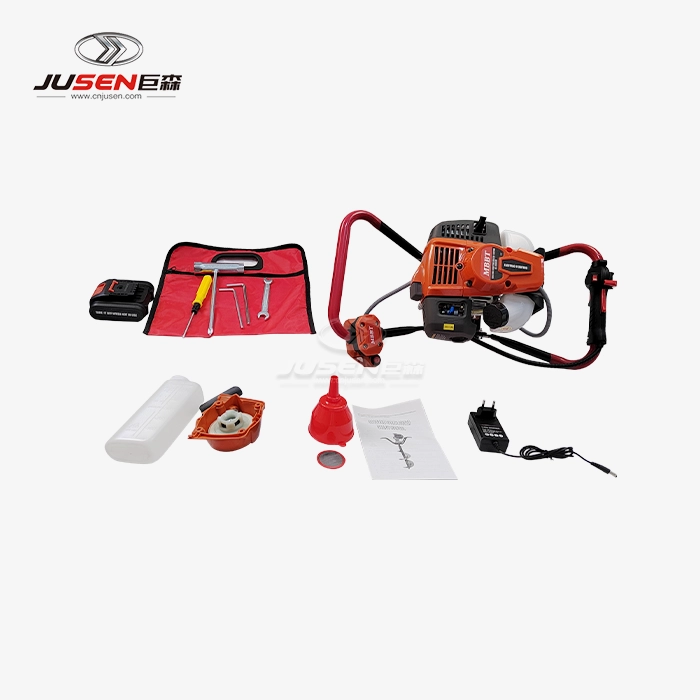 VIEW MORE43cc 2-Stroke Electric-Start Earth Auger
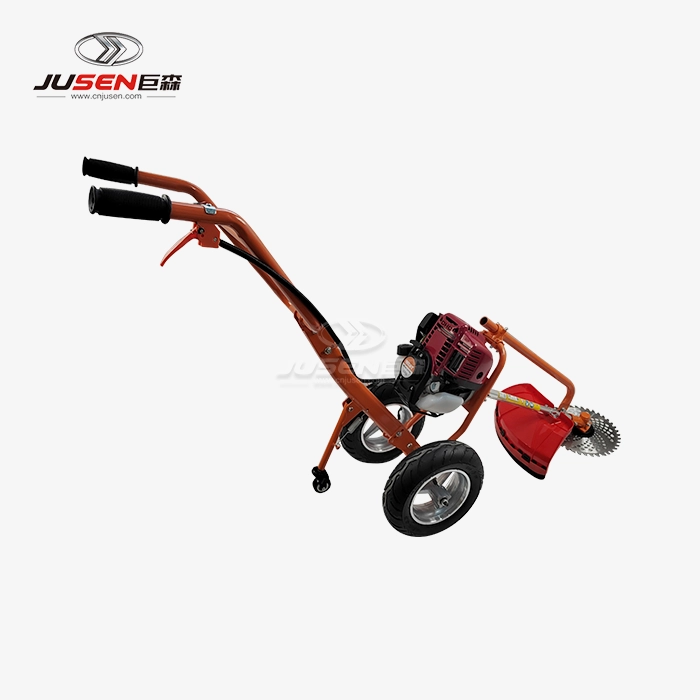 VIEW MORE2-Stroke Hand Push Brush Cutter
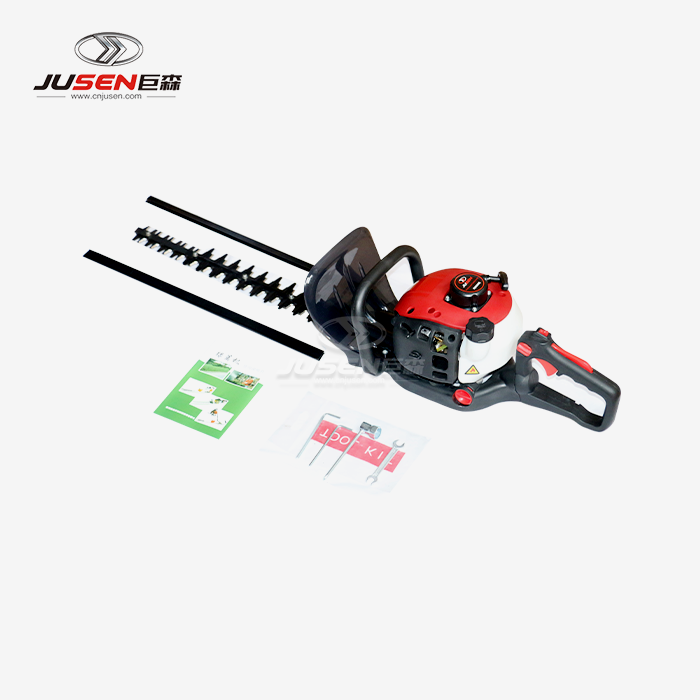 VIEW MORE22.5cc Gas Powered Hedge Trimmer
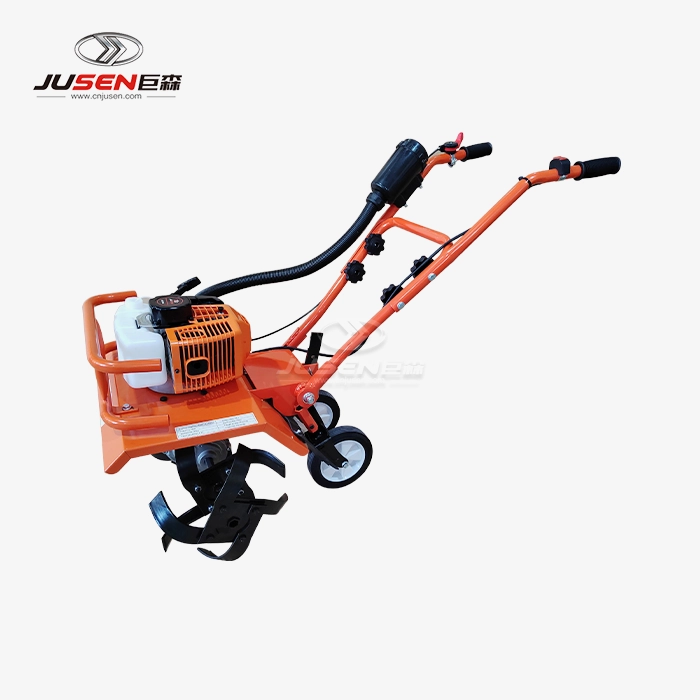 VIEW MORE2-Stroke Mini Garden Tiller Cultivator
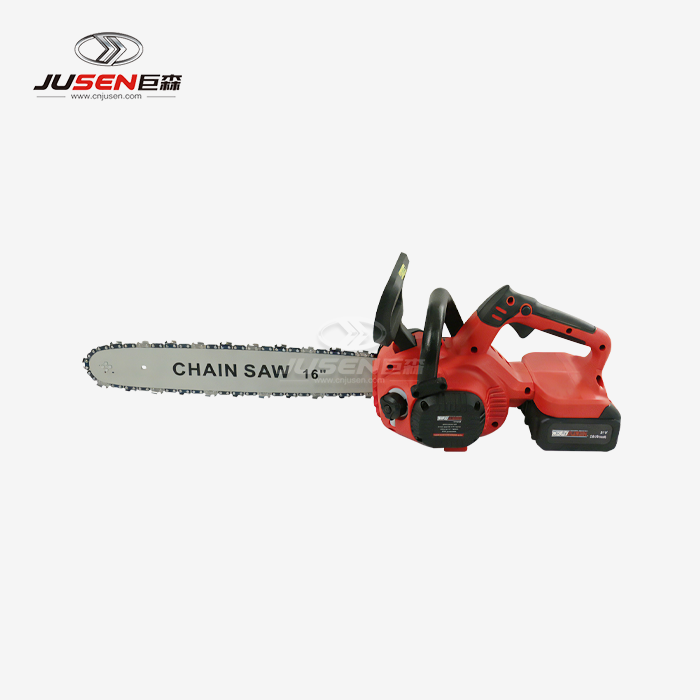 VIEW MOREMini Chain Saw Battery Powered
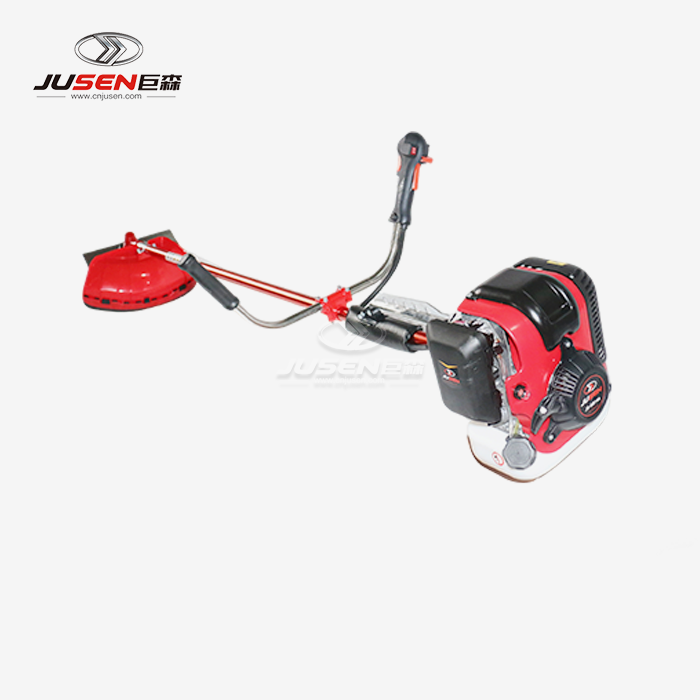 VIEW MORE54cc 4-Stroke Brush Cutters
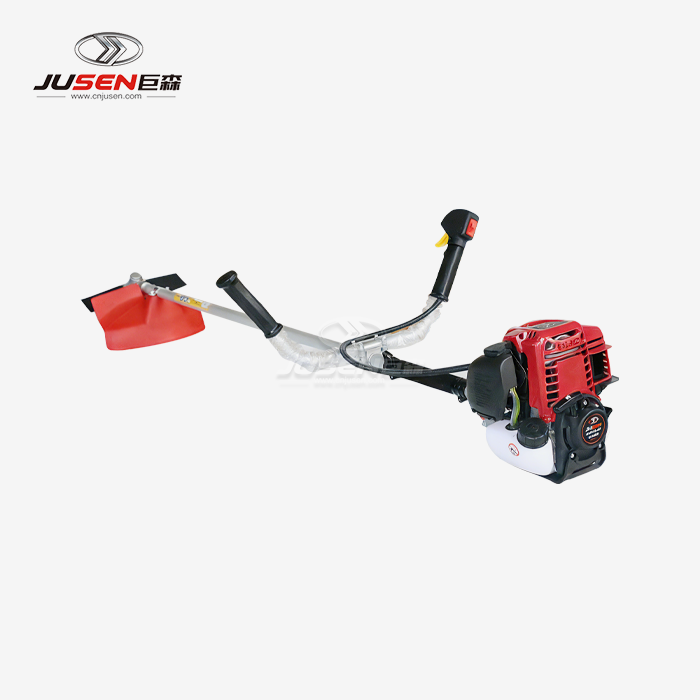 VIEW MORE35.8cc 4-Stroke Petrol Brush Cutter
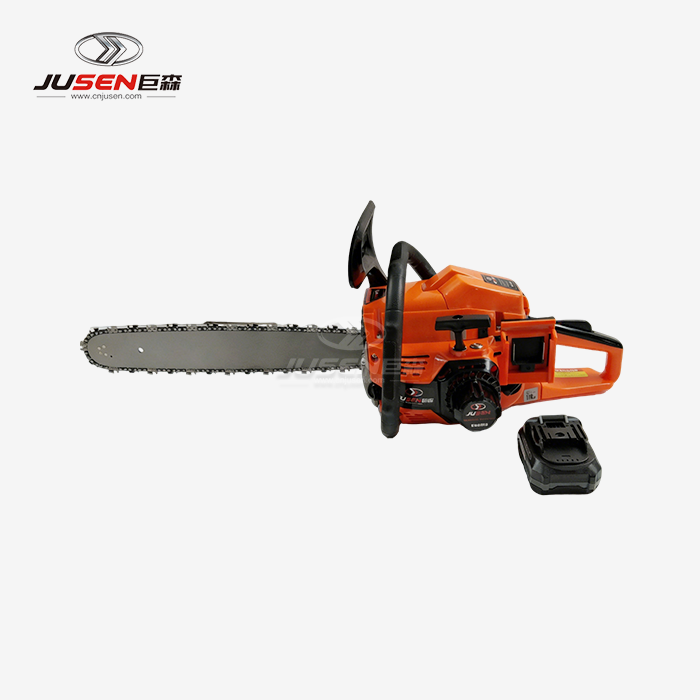 VIEW MORE58cc Gasoline Chain Saw