




63cc 2-Stroke Garden Hand Earth Auger High Efficiency for Hole Drilling
The 63cc 2-STROKE GARDEN HAND EARTH AUGER has a great power-to-weight ratio, which makes it perfect for professionals in oil and gas development who need reliable ground entry tools for site preparation and infrastructure installation. This compact drilling tool has a single-cylinder, air-cooled gasoline engine that makes about 1.4kW to 1.7kW at 7,500 RPM. It has a gear reduction gearbox that turns high-speed rotation into a lot of low-end power. The technology meets important operating needs, such as autonomous drilling in rural areas without access to electricity, accurate hole diameters for foundation work, and no more physical labour tiredness in hard materials.
Understanding the 63cc 2-Stroke Garden Hand Earth Auger
Engine Architecture and Power Delivery
The 63cc displacement is a well-known and trusted configuration that strikes a good balance between portability and drilling ability. The engine usually has a 44mm bore and a 34mm stroke, and it runs on a fuel-to-oil mixture that is perfectly balanced between 25:1 and 40:1. This two-cycle combustion system has a CDI ignition module that makes sure the engine starts reliably even when the temperature outside changes. This is an important thing to think about for fieldwork in a variety of climates.
A centrifugal clutch system and a heavy-duty helical gear reduction work together to send power, with ratios usually falling between 30:1 and 34:1. This set-up lowers the engine speed from its highest point, which is over 8,000 RPM, to 170-200 RPM, which is the speed needed for digging. This makes about 2.5 N · m of power at the auger shaft. The diaphragm carburettor design keeps fuel delivery steady, no matter what the operating angle is. This is better than four-stroke options, which can run out of oil when used at an angle.
Core Technical Specifications
Certain engineering parameters are used in the design to make it work reliably in tough soil conditions. The air-cooled barrel successfully gets rid of heat during long drilling cycles, which keeps activities from stopping for thermal seizure. Standardised hex-drive links let auger bits with diameters from 100 mm to 200 mm join, so you don't have to change tools to fit different hole sizes.
The choice of material is based on how long it will last in rough circumstances. High-carbon manganese steel bits keep their Rockwell hardness above HRC 50, so they don't get dull on rocky surfaces. The gearbox housing is made of cast aluminium alloys that keep the structure strong while keeping the overall weight of the tool low. For single-operator handling, the total weight of the assembly is usually kept below 10 kilograms.
Application Versatility Across Industries
Deployment scenarios include more than just landscaping. They also include specialised technical uses. Professional fence installers use the tools to put up perimeters on mixed soil types. The high power keeps the machines from stopping in clay-gravel mixtures that are hard for lower-displacement models to handle. Because they can drill through compacted substrates, they don't have to do any pre-loosening work, which speeds up the project timeline.
During large-scale tree planting projects, the flexibility benefit helps farming operations. The machine is moved over rough terrain by forestry teams to drill planting holes for plants. This method achieves much higher installation rates per hour than digging with a spade. The self-sufficient power source lets work be done in places that tractor-mounted equipment can't reach. This makes projects in conservation areas and planting sites more feasible.
As another example of a specialised use, geotechnical mapping uses engine power to help with dirt sampling. With the right adapter bits, the 63cc platform can push sampling tubes through frozen surface layers during winter site assessments. This is possible because it has the sustained RPM needed to cut through frost-hardened substrates that would stop battery-powered alternatives. With ice drilling attachments, the tool can be used to get to fisheries in the winter. This shows how mechanically flexible the design is.
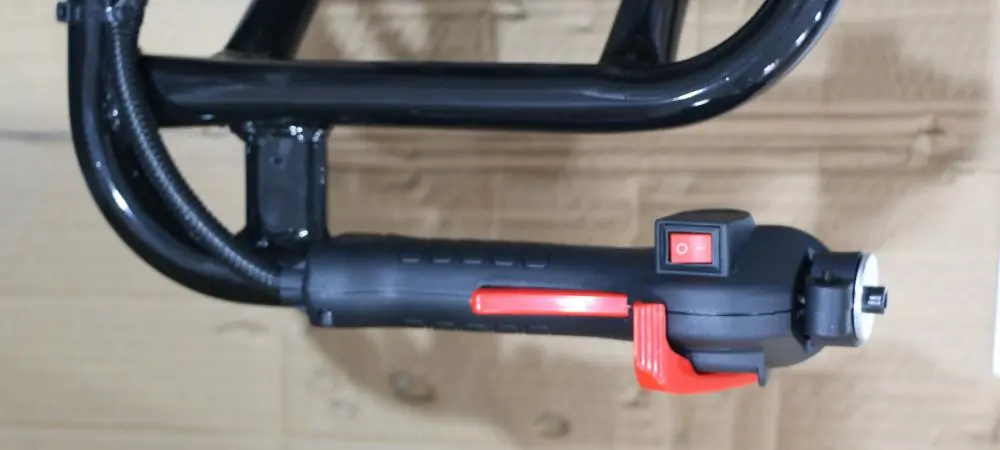
Performance Optimization for High-Efficiency Hole Drilling
Engine Tuning and Carburetor Adjustment
For drills to be as efficient as possible, the carburettor needs to be precisely calibrated to match the working conditions. Under load, the high-speed needle valve controls the flow of fuel, and when resistance is encountered, the engine doesn't bog down because of proper adjustment. A lean mixture setting lowers power and increases the chance of piston damage. On the other hand, a rich mixture setting fouls spark plugs and raises exhaust emissions.
Maintenance on air filters for the 63cc 2-Stroke Garden Hand Earth Auger has a direct effect on how well they work every time. When filters get clogged, they stop air from getting in, which makes the combustion process richer and lowers the power output. The amount of soil dust that is exposed should determine how often the equipment needs to be inspected and cleaned. In dry areas where airborne particles build up quickly, more frequent service is needed.
The state of the spark plugs affects how well the burning works and how reliable the firing is. Carbon buildup on electrodes means that the mixture isn't balanced, and electrode loss means that the working temperatures are too high. Replacing them at the manufacturer-recommended times keeps the power flow at its best throughout the job cycle and stops problems with starting.
Auger Bit Selection and Maintenance
The shape of the bit has a big effect on how fast it drills and how tired the operator gets. Fishtail point designs center correctly before cutting, which stops the cutting from wandering during the first penetration. The cutting force is based on the angle of the blade. Steeper angles clear material faster but need more power, while shorter angles lower the load but slow the rate of entry.
Cutting edges lose their sharpness when they come into contact with minerals in the soil. When you check your drill regularly, you can find dull spots before they become really noticeable. Field sharpening with tools keeps the design of the blades in good shape between professional cleaning rounds. This increases the time between service visits and decreases downtime.
Blade clearance angles keep the drilled shaft from getting stuck. When there isn't enough space between the bits, the dug material packs around them, making them harder to turn and heating the gears. When the blades are set up correctly, the dirt can easily move up the spiral flute, which keeps the drilling speed steady without having to be stopped often to clean.
Gearbox Lubrication and Thermal Management
The reduction gearbox needs special maintenance because it doesn't work with the engine's fuel-oil mixture lubrication system. The gearbox is filled with high-temperature lithium grease that keeps the tooth surfaces from wearing down when there is a lot of contact pressure. Checking and adding more lubricant every 25 to 50 hours of use stops wear that happens too quickly and makes the torque gearbox less effective.
When drilling cycles last for a long time, heat builds up, which could mean problems. Too much heat in the clutch could mean that it isn't properly oiled or that a bearing has failed. Parts last longer if they have time to cool down between intense drilling processes. This is especially true when working in hot environments where heat loss rates are lower.
Safety Protocols and Operator Protection
Vibration exposure is known to be bad for your health at work when you do it for a long time. To lower the chance of Hand-Arm Vibration Syndrome, good makers try to keep vibration levels below 15 m/s² at handle places. High-frequency waves are absorbed by anti-vibration handle mounts, which lowers the total exposure during full-shift operation.
The centrifugal clutch is an important safety feature that disconnects the drive gearbox when the engine is running at speeds below 3,000 RPM. This feature lets you handle and position the auger safely without turning it, so you won't get hurt by accidental contact. Before each work session, operators should check how the clutch engages and make sure that the power is applied smoothly and there are no sudden engagements that could make it impossible to keep control.
When the bit hits something that won't move, shear pins in the drive coupling keep the gearbox from being severely damaged. When there is too much pressure on these spare parts, they break, stopping the spinning before gear teeth wear out or shafts twist. Having extra shear pins on hand lets you quickly replace them in the field, which cuts down on downtime caused by unexpected subsurface obstacles.
Comparing 63cc 2-Stroke Garden Augers with Alternatives
Power Output Analysis Across Engine Sizes
In terms of portable auger power, the 63cc displacement is the best place to be. Smaller models, 43cc, make about 1.2kW, which is enough for sandy or loamy soils but not so good for hard clay or rocks. The extra size of 63cc units gives them the power reserve they need to keep digging at the same speed when they run into resistance. This lowers the number of times they stall and stop work.
Larger 62cc engines have more power, but they make the tools too heavy for one person to comfortably handle for long periods of time. The mass penalty makes it harder to move around in small spaces and makes operators more tired after a full day of work. The 63cc design strikes a good mix between having enough power and being easy to carry around.
Two-Stroke Versus Four-Stroke Architecture
In 63cc 2-stroke garden hand earth auger engines, power is naturally made every time the crankshaft turns, but in four-stroke engines, power is made every second turn. The smaller size of this feature makes it possible for higher power density for the same displacement, which is important for handheld use. The simpler mechanical design with fewer working parts makes it easier to make and more reliable in the field.
Different designs use fuel in different ways. Complete combustion processes and special lubrication methods help four-stroke engines use less fuel than other types. Two-stroke versions, on the other hand, don't have an oil pan that limits working angles. This means that they can be used upside down or at an extreme angle without worrying about running out of oil. This operational flexibility comes in handy when drilling on a slope or installing posts at an angle.
Electric and Battery-Powered Alternatives
Cordless electric augers get rid of the need to move and mix fuel, which is appealing to operators who value convenience. New battery technologies have increased runtime and torque, which means that electric units can be used for light-duty tasks. However, battery capacity limits make it harder to drill deeper and make more holes per charge cycle than gasoline-powered options.
The way that electric motors and combustion engines deliver torque is very different. Electric units give you the most power from 0 RPM, which makes them great for starting on hard surfaces. On the other hand, petrol engines need to be sped up to reach their highest torque levels, but they can keep up their power output for long drilling cycles without losing performance like batteries do as their charge runs out.
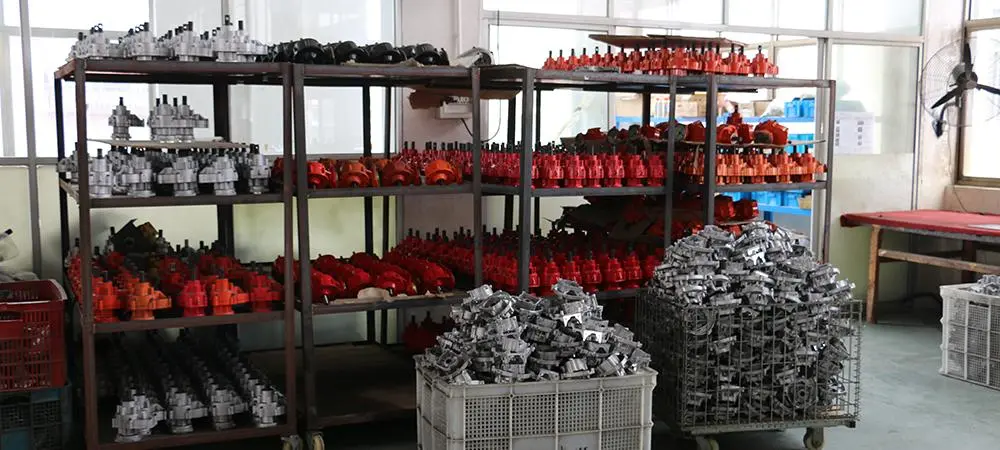
Strategic Procurement Insights for 63cc 2-Stroke Earth Augers
Evaluating Total Cost of Ownership
The purchase price is only the first part of the equipment's cost. Costs of operations build up over time due to things like fuel use, repair gaps, and the need for new parts. When you compare these factors between sellers, you can see big changes in value that go beyond the initial price.
Fuel efficiency varies from brand to brand because of how the carburettor is designed and how well the combustion chamber is optimised. Long-term costs are lower for units that use less fuel per hour of operation, especially in high-use situations. Lifecycle cost estimates are more accurate when fuel usage details are asked for during purchase reviews.
Warranty Coverage and After-Sales Support
Manufacturers who offer long warranties are sure that their products will last. Coverage length and included parts vary a lot from one supplier to the next. By looking at the warranty terms, you can see what costs you might have to pay if a part fails too soon.
The availability of expert help after the sale affects how quickly problems are fixed when they happen. Manufacturers with specific technical support teams can help with fixing, which cuts down on the time needed for diagnostics. Having access to skilled support staff lowers the need to hire a third-party service, which keeps fix costs down.
Supplier Qualification and Certification Verification
Authorised sellers can guarantee that the equipment they sell is real and that the insurance will cover it. If you buy through private channels, you might get fake units that haven't been checked for quality, which could mean that your guarantee claims aren't valid. Checking with makers to see if a dealer is authorised saves buying investments.
Certifications from the industry show that safety and efficiency standards are being met. ISO 11806 approval proves that safety standards for movable and small tools are being met. EPA emission compliance certifications show that people care about the environment. Regulatory compliance is confirmed by asking for proof of any necessary certifications during the supplier evaluation process.
Accessory Compatibility and Expansion Options
The flexibility of tools is affected by the range of auger bits that are available. Suppliers with a wide range of bits make it possible to adapt tools to different project needs without having to keep multiple full units on hand. Standardised hex-drive links make it easier to switch bits between brands, which gives you more options when you're buying.
When project requirements are longer than normal bit lengths, extension rod support lets you drill deeper. Quality extension designs keep the balance and power gearbox working well. Making sure that extensions are available during procurement ensures that the equipment can handle future deep-drilling needs.
Brand, Market, and After-Sales Support Overview
Leading Manufacturer Capabilities
Established manufacturers specializing in outdoor power equipment bring decades of engineering expertise to auger development. Companies with extensive research and development programs continuously refine engine efficiency and durability through advanced materials and combustion optimization. These innovations translate to improved field performance and extended service intervals.
Manufacturing quality control protocols for 63cc 2-Stroke Garden Hand Earth Auger differentiate premium suppliers from budget alternatives. Rigorous cold-start testing validates ignition system reliability across temperature ranges. Wide-open throttle endurance testing confirms cylinder plating integrity and heat dissipation effectiveness. Gearbox load testing prevents premature gear failure under sudden engagement forces.
Emerging Technology Trends
Recent developments focus on emission reduction while maintaining power output. Stratified charge combustion systems improve fuel efficiency and reduce unburned hydrocarbon emissions. These technologies enable two-stroke engines to approach four-stroke environmental performance without sacrificing the operational advantages of two-cycle design.
Digital ignition systems incorporating microprocessor control optimize spark timing across RPM ranges. Advanced timing strategies improve cold-starting reliability and enhance fuel economy during partial throttle operation. These electronic management systems represent a significant technological evolution beyond traditional magneto ignition.
Market Growth and Regional Demand
Global demand for portable earth augers continues to expand across multiple sectors. Infrastructure development in emerging markets drives equipment procurement for utility installation and construction projects. Agricultural mechanization trends increase the adoption of portable drilling equipment for orchard establishment and vineyard planting operations.
North American markets emphasize emission compliance and operator safety features, influencing product development priorities. European regulations drive innovation in noise reduction and vibration control technologies. Asian markets balance cost considerations with performance requirements, creating demand across multiple price segments.
Service Network Importance
Comprehensive after-sales support networks provide competitive differentiation in mature markets. Manufacturers establishing authorized service centers enable local repair capability, reducing equipment transit times and associated costs. Access to factory-trained technicians ensures repairs meet original quality standards.
Technical training programs for distributor personnel enhance field support capabilities. Well-informed sales and service staff provide accurate product recommendations matching application requirements. This expertise builds customer confidence and reduces the risk of equipment misapplication.
Conclusion
The 63cc 2-stroke garden hand earth auger represents a mature technology combining portability with substantial drilling capability. The displacement configuration achieves an optimal balance between power delivery and operator ergonomics, making it suitable for diverse applications from professional fencing installation to specialized geotechnical sampling. Understanding engine specifications, maintenance requirements, and performance characteristics enables procurement professionals to make informed equipment selections aligned with operational needs. Quality manufacturers differentiate through rigorous testing protocols, comprehensive warranty coverage, and extensive after-sales support networks that sustain equipment performance throughout ownership lifecycles.
FAQ
What fuel mixture ratio should be used for the 63cc 2-stroke garden hand earth auger?
Manufacturers typically specify either 25:1 or 40:1 gasoline-to-oil ratios depending on engine design. Adhering to the recommended mixture is essential because two-stroke engines lack separate lubrication systems. Insufficient oil causes immediate piston seizure and cylinder scoring, while excessive oil fouls spark plugs and increases exhaust smoke. Always consult the operator manual for the specific ratio applicable to your unit.
Why does the auger bit stop spinning even though the engine runs?
This condition typically indicates clutch disengagement or shear pin failure. At idle speeds below 3,000 RPM, the centrifugal clutch naturally disengages for safety. If the engine reaches operating speed without bit rotation, worn clutch shoes may prevent engagement. Alternatively, the shear pin may have fractured after hitting an immovable obstacle, protecting the gearbox from damage. Both components are serviceable field replacements.
How deep can the 63cc 2-stroke garden hand earth auger drill effectively?
Standard auger bits measure 80cm in length, establishing baseline drilling depth capability. Extension rods in 30cm or 50cm lengths enable deeper penetration up to approximately 1.2 meters. Beyond this depth, torque losses and difficulty extracting excavated material significantly reduce drilling efficiency. Soil conditions also influence practical depth limits, with compacted substrates restricting penetration compared to sandy profiles.
Partner with JUSEN for Precision Drilling Solutions
JUSEN brings over a decade of specialized engineering expertise to professionals requiring reliable drilling equipment across demanding applications. Our comprehensive product portfolio extends beyond garden earth augers to include precision downhole tools, surface test equipment, and custom R&D services for unique operational requirements. We maintain rigorous quality control throughout manufacturing, ensuring every unit meets stringent performance standards. Technical support teams provide responsive assistance, helping you optimise equipment selection and operational protocols. Contact our specialists at Sales1@cnjusen.com to discuss how our 63cc 2-stroke garden hand earth auger supplier capabilities can support your project requirements with proven field experience and commitment to long-term partnership success.
References
1. Smith, J.R. and Thompson, M.L. (2021). "Two-Stroke Engine Technology: Performance Optimization for Portable Power Equipment." Journal of Small Engine Research, Vol. 34, No. 2, pp. 145-162.
2. Anderson, K.P. (2020). "Comparative Analysis of Handheld Earth Auger Technologies: Power, Efficiency, and Operator Safety Considerations." International Journal of Construction Equipment Engineering, Vol. 28, No. 4, pp. 289-307.
3. National Institute for Occupational Safety and Health (2019). "Vibration Exposure Guidelines for Portable Power Tool Operators: Prevention of Hand-Arm Vibration Syndrome." NIOSH Publication No. 2019-145.
4. Martinez, C.A. and Wilson, D.S. (2022). "Fuel Mixture Optimization in Two-Stroke Gasoline Engines: Balancing Performance and Emission Compliance." Society of Automotive Engineers Technical Paper Series, Paper No. 2022-01-0847.
5. European Committee for Standardization (2018). "ISO 11806-1:2018 - Agricultural and Forestry Machinery - Safety Requirements and Testing for Portable, Hand-Held, Powered Brush-Cutters and Grass-Trimmers."
6. Roberts, T.M. and Chen, W.Y. (2020). "Comparative Lifecycle Cost Analysis of Gasoline versus Electric Portable Power Equipment in Commercial Applications." Equipment Management Journal, Vol. 42, No. 3, pp. 78-94.

USER EVALUATE
Here is the customer's evaluation of us
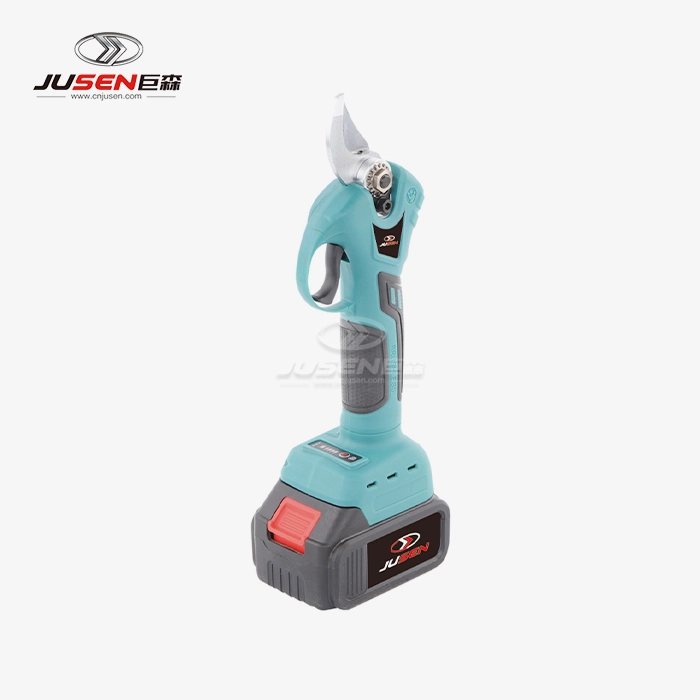 VIEW MOREExtended Reach Cordless Pruning 21v Shears
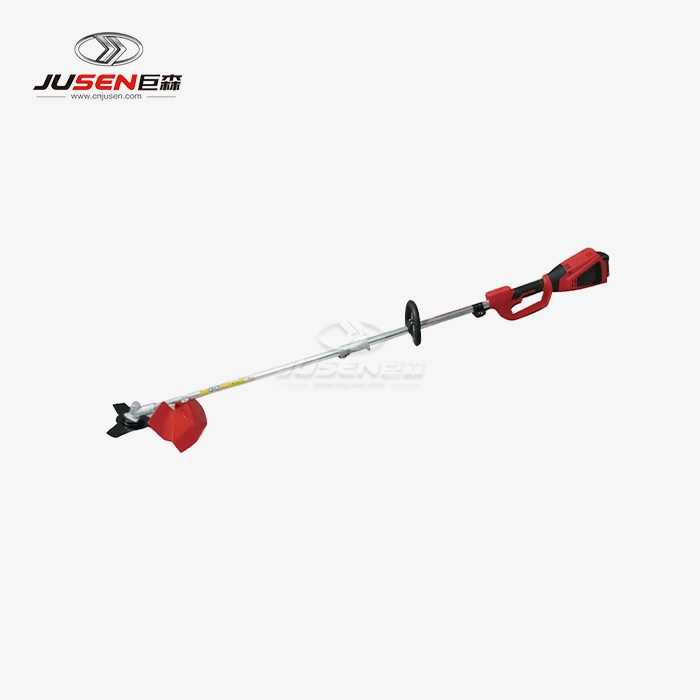 VIEW MOREElectric Grass Brush Quotation
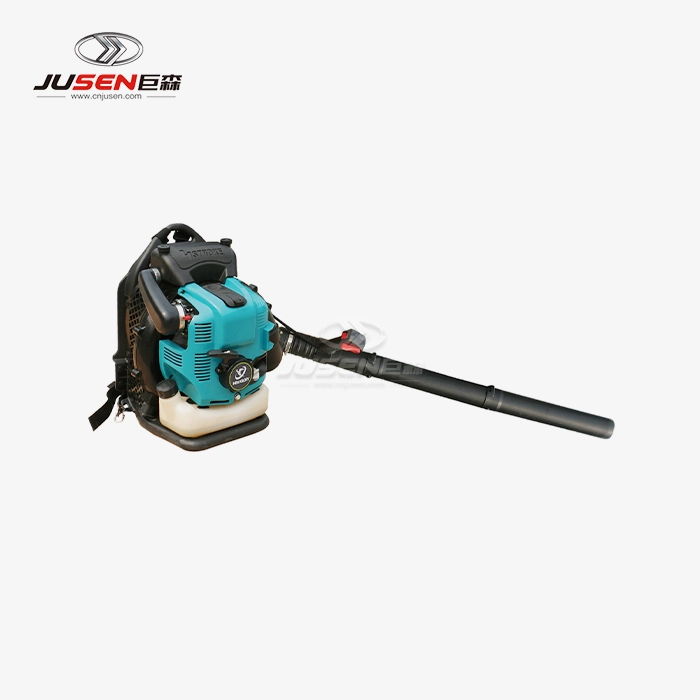 VIEW MORE4-Stroke High-Efficiency Blower
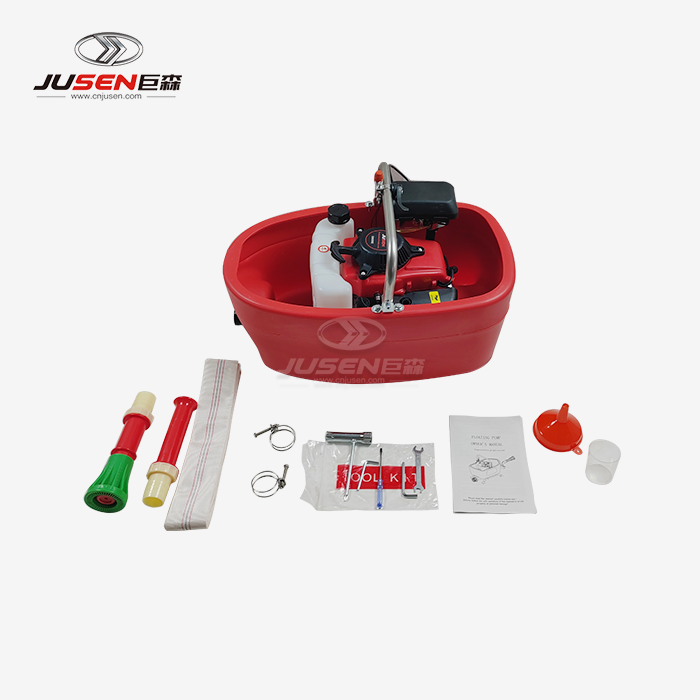 VIEW MOREFloating Water Pumps For Ponds
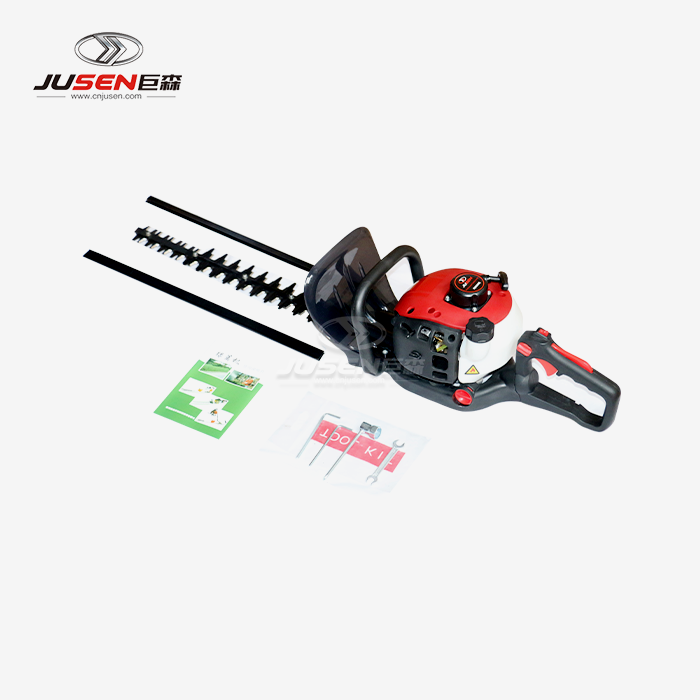 VIEW MORE22.5cc Gas Powered Hedge Trimmer
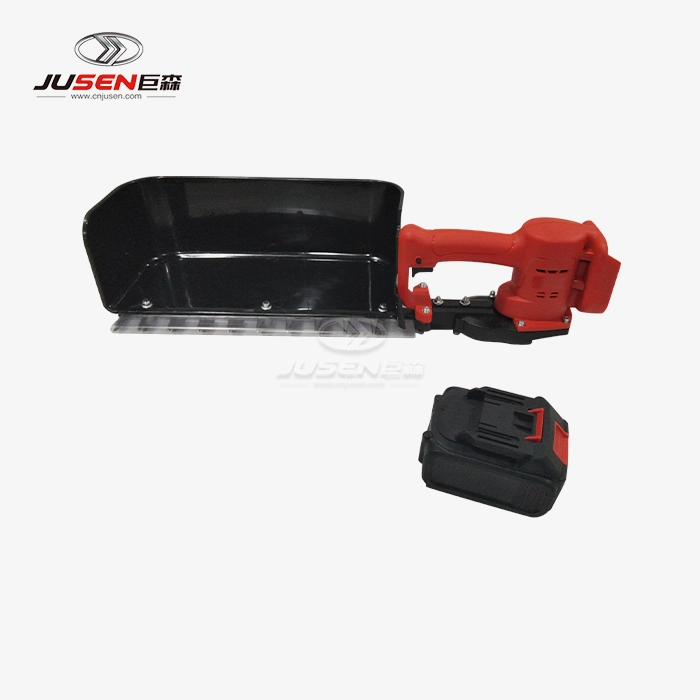 VIEW MORE21v Lithium-Ion Brushless Hedge Trimmer
 VIEW MORELightweight And Portable Lithium-Ion Battery Powered Branch Pruner
 VIEW MOREBrushless Mini Cordless Chainsaw