




Powerful 63cc 2-Stroke Handheld Earth Auger for Garden and Farm Use
There is a strong tool called the 63cc 2-Stroke Garden Hand Earth Auger that works well for digging holes in the ground for farming and gardening. This portable power tool has a single-cylinder engine with a displacement of 52 cubic centimetres and intelligent gear reduction technology. At its peak RPM, it produces about 1.4kW to 1.7kW of power. Unlike manual post-hole diggers that wear out their operators or battery-powered electric models that can only run for a short time, this gasoline-powered equipment uses a 30:1 to 34:1 gear reduction transmission to turn high engine speed into a lot of low-end torque. As a result, a small earth auger was made that can drill exact holes through hardened clay, rocky layers, and frozen topsoil, all of which are impossible to do by hand.
Understanding the 63cc 2-Stroke Garden Hand Earth Auger
The engineering behind this category of earth drilling equipment reveals why it has become indispensable for professional contractors and agricultural enterprises. At its core, the 63cc displacement represents an optimal balance point between portability and performance capability.
Engine Architecture and Power Delivery
When it comes to two-stroke engines, the bore-by-stroke size is usually 44mm x 34mm. The fuel-to-oil ratio for this setup is very carefully calculated and is generally between 25:1 and 40:1, but this can change based on the manufacturer's instructions. This 63cc 2-stroke garden hand earth auger doesn't have a separate oil sump, so the lubrication comes from the fuel mixture itself. This lets it work at different angles without the oil starvation problems that happen with four-stroke models.
The process of making electricity starts with a CDI (Capacitor Discharge Ignition) system that makes sure the engine starts reliably in cold weather, usually after three pull tries. The diaphragm carburettor controls the flow of fuel in different directions, so the machine works the same way whether it's digging on flat ground or sloped ground. The centrifugal clutch system is fed by engine speeds that go over 7,500 RPM. It engages automatically at about 3,000 RPM to protect both the user and the machinery when the machine is starting up or when it is not in use.
Transmission and Torque Multiplication
The helical gear reduction assembly is the most important part of any good handheld earth auger. The gearbox boosts power to about 2.5 N · m by lowering the auger bit's working speed from 170-200 RPM, down from over 8,000 RPM at the engine's output. With this multiplication, operators can push auger bits with diameters from 100 mm to 200 mm (4 to 8 inches) through tough soils.
High-temperature lithium-based grease is usually used in the gear housing, and it needs to be checked every 25 to 50 hours of use. Proper lube keeps heat from building up and keeps gear teeth from wearing out too quickly during long drilling sessions. Shear pins are built into the drive train by good manufacturers. These spare parts break when the bit hits something that it can't move, like buried rocks or concrete, protecting the expensive gearbox internals from catastrophic damage.
Material Standards and Auger Bit Construction
The 63cc 2-stroke yard hand earth auger's digging bits go through strict steps to choose the right materials. Manganese steel metals with Rockwell hardness grades above HRC 50 can be used for a long time in mineral-rich soils without wearing down. The fishtail point design keeps the bit in place during the first entry, and the spiral turns effectively move the material that was dug up and out of the hole.
Cutting blades that can be replaced make auger bits last longer because they can be used with dull edges instead of having to replace whole systems. Standard bit lengths are 80 cm (30 to 32 inches), but extension rods that are 30 cm or 50 cm long can be used to drill depths of up to 1.2 meters before power loss and problems moving the dirt get in the way of work.
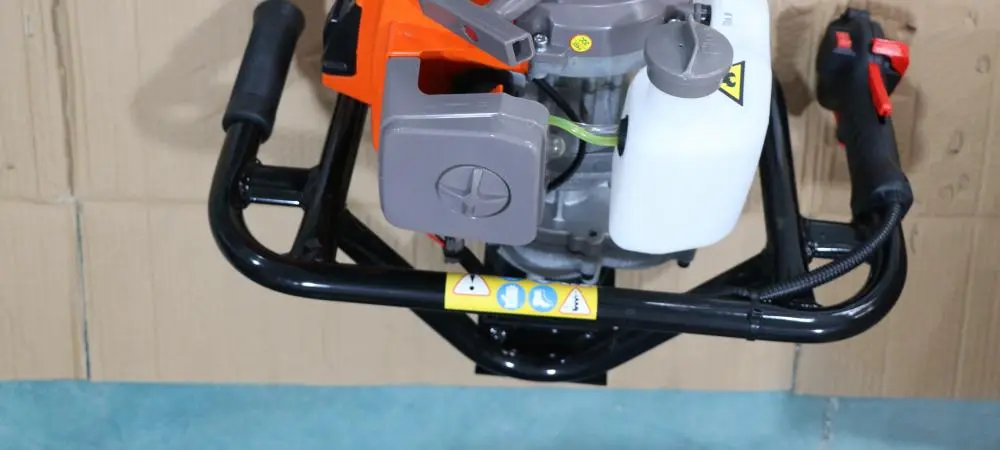
How to Use and Maintain Your 63cc 2-Stroke Earth Auger Effectively
Maximizing the operational lifespan and safety performance of your handheld earth auger requires adherence to proven startup procedures and preventive maintenance protocols.
Operational Procedures Across Soil Conditions
Before they start drilling, operators should make sure that the fuel mixture ratio matches what the manufacturer says it should be. When mixtures are too lean and don't have enough oil in them, the pistons seize up, and the cylinders get scored right away. When mixtures are too rich, too much smoke and carbon build up. Once the engine is full of fuel, putting the choke on makes it easier to start it cold. These days, most 63cc 2-stroke garden hand earth augers can get the spark within three pull-cord attempts.
In clay soils that are packed down, slow downward pressure lets the spinning bit find its way without putting too much stress on the engine. In rocky terrain, the auger flights have to be lifted every so often to clear out small pieces of rock. When drilling into frozen ground, it's best to make pilot holes with bits that are smaller than the final holes and then use full-size augers to make them bigger. To counteract reactive torque forces, operators should keep a firm two-handed grip on ergonomic handles and place their body weight directly above the drilling axis.
Preventive Maintenance Schedule
The life of an engine rests on how often the air filter is checked and cleaned. When dust builds up, it makes it harder for oxygen to get in. This makes the fuel-rich mixture weaker and causes more carbon to build up on the piston crowns and spark plugs. It may be necessary to tune the high-speed carburettor adjustment screw (H-screw) to get the best fuel flow under load, especially when running at different temperatures or levels.
As directed by the maker, gearbox upkeep includes looking for and adding more gear grease at regular intervals. The engine's lubricant comes from fuel, but the reduction gearbox uses its own grease to keep metal from touching metal when the power load is very high. As part of maintaining an auger bit, you should remove any packed dirt from the helical flights every time you use it and check the cutting edges for too much wear. Sharpening services or installing new blades can improve cutting efficiency before it slows down drills.
Troubleshooting Common Operational Issues
If the engine of a 63cc 2-stroke garden hand earth auger turns over but the bit doesn't move, the centrifugal clutch or shear pin likely needs to be fixed. When clutch shoes are worn out, they can't engage the drive shaft even when the RPM is right, so they need to be replaced. Broken shear pins are meant to fail before damage to the gearbox happens, so they can be easily replaced with parts that come from the manufacturer.
Engine bogging down when it's under load usually means that the carburettor needs to be tuned or the fuel filters are jammed. Most of the time, power loss problems can be fixed by cleaning or changing the air filter element. If you're having trouble starting your car, it could be because the spark plugs are dirty or the ignition coil is wearing out. You can fix either problem by replacing the parts, which you can do from authorised parts providers.
Comparing 63cc 2-Stroke Earth Augers with Other Options
Procurement professionals evaluating earth drilling solutions encounter multiple technology platforms, each presenting distinct operational characteristics and cost implications.
Two-Stroke Versus Four-Stroke Engine Technology
The main benefit of two-stroke engines is that they have more power per pound of weight. A 63cc 2-stroke garden hand earth auger has about the same amount of torque as a larger-displacement four-stroke unit, but it is much lighter. The advantage of flexibility is very important for workers who work on large sites or rough ground and have to move their tools around a lot.
Four-stroke engines are better for places that don't want a lot of noise, like private gardens, because they make less pollution and are quieter. But these benefits come with more complicated mechanics, higher prices, and tighter requirements for how the machine must be oriented while it's running. Four-stroke designs are less flexible than two-stroke designs. They can't be used at very steep angles, and they have a separate oil sump.
Gasoline Versus Electric Power Sources
Electric augers that are driven by batteries are good for businesses that want to cut down on noise and pollution. Electric types are quiet, which is helpful for urban gardening workers who work near buildings that are already occupied. But the limited life of batteries makes it hard to get big jobs done quickly. In normal dirt conditions, a single battery charge can usually support 20 to 30 bore holes before it needs to be charged again, which slows down work.
The 63cc 2-stroke yard hand earth auger doesn't need to be connected to electricity, which makes it perfect for farming, logging, and building infrastructure in areas that haven't been developed yet. Refuelling only takes seconds, while charging a battery takes hours. Peak torque from petrol engines is higher than what an electric motor can produce, especially when drilling through rock or root-filled soils, where long-term power delivery is key to success.
Garden Earth Augers Versus Traditional Post Hole Diggers
Manual post-hole diggers use clamshell blades and handles that work like scissors to remove soil in small pieces. While manual tools don't need any fuel or maintenance, they are very hard to use and make holes with inconsistent diameters. If the ground is good, a two-person crew using hand diggers could dig 10 to 15 post holes per hour.
The same crew uses a 63cc 2-stroke garden hand earth auger to drill 40 to 60 holes an hour, all of which are the same diameter and depth. The automated method removes operator tiredness, keeps quality constant across hundreds of bore holes, and allows for speed with just one operator, where traditional methods need two-person teams. The cost of renting equipment quickly pays for itself in saved labour, especially on jobs that need dozens or hundreds of holes.
Selecting and Purchasing the Best 63cc 2-Stroke Garden Hand Earth Auger
Investment decisions regarding earth drilling equipment demand careful evaluation of performance specifications, manufacturer support infrastructure, and total cost of ownership considerations.
Key Performance Specifications for 2024 Models
Leading manufacturers have come up with ergonomic improvements that make long drilling sessions less tiring for operators. Rubber isolators in anti-vibration handle systems keep vibrations to less than 15 m/s². This keeps Hand-Arm Vibration Syndrome (HAVS) from happening when the tools are used for long periods of time. Quick-release bit fixing methods make it possible to change the auger without using any tools. This cuts down on the time needed to set up for each width.
Traditional pull-cord methods are no longer the only way to start an engine. Some high-end 63cc 2-stroke garden hand earth auger models have spring-assisted starting, which lowers the amount of pull force needed by 40%. This makes them more suitable for operators with different levels of physical ability. Transparent fuel tanks with built-in measurement marks help workers keep track of how much fuel is being used and plan when to refuel without stopping work.
Pricing Structures and Warranty Considerations
Handheld earth augers made for business use usually cost between USD 280 and USD 580, but this depends on the quality of the engine, gearbox, and extras that come with the machine. Entry-level models work well for casual use, while professional-grade units are worth the extra money because they last longer and come with better maker support.
Different sellers offer very different warranty terms. Engine parts, gearbox assemblies, and structural elements should all be covered completely for at least 12 months when used in a business setting. Extended warranty options are a great way to protect things that get a lot of use, like rental fleet operators or large-scale farming businesses. Managers in charge of buying things should carefully read the parts of warranties that don't cover things like not doing regular upkeep or using the right fuel mixture. These parts can get rid of coverage even if the products were made defectively.
Authorized Supplier Networks and Parts Availability
The long-term value of tools rests a lot on how easy it is to get new parts. Before making a final purchase, buyers should make sure that suppliers keep spark plugs, air filters, clutch assemblies, and auger bits in stock. When unexpected parts fail, suppliers that offer overnight shipping or regional distribution centers help keep downtime to a minimum.
Generic distributors can't compare to authorised dealer networks when it comes to training materials, technical documentation, and application support. When comparing 63cc 2-stroke yard hand earth augers, you should choose ones from companies that have a well-established technical support system that can answer questions about how to use the auger and fix problems with it directly.
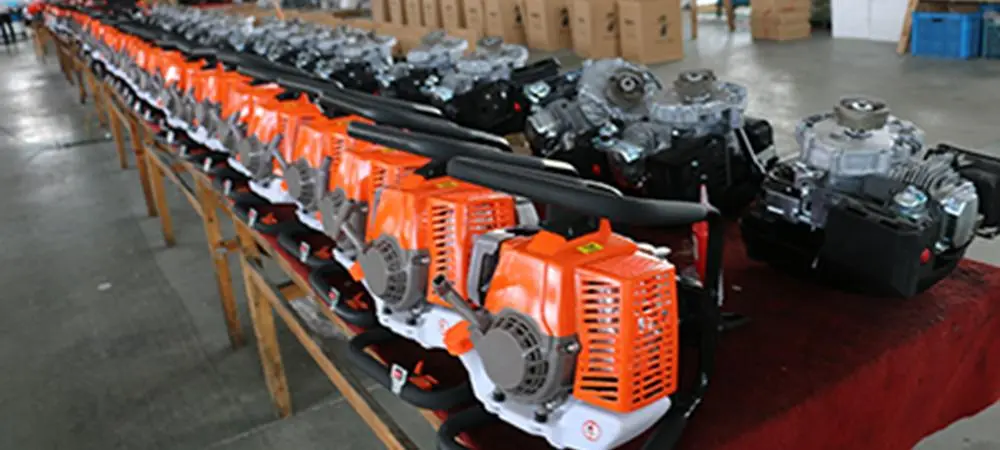
Practical Applications and Real-World Use Cases
The versatility of modern earth augers extends across diverse industries, each leveraging the tool's unique capabilities to solve specific operational challenges.
Agricultural and Forestry Operations
Large-scale reforestation projects demonstrate the productivity advantages of mechanized drilling. Forestry contractors tasked with planting thousands of saplings across mountainous terrain rely on portable handheld earth auger equipment that operators can transport through areas inaccessible to vehicle-mounted drilling rigs. The 63cc engine provides sufficient power to penetrate root-laden forest soils while maintaining portability across steep grades.
Vineyard establishment represents another demanding application. Precise hole spacing and uniform depth ensure consistent vine development and irrigation system integration. The fishtail point design on quality auger bits centers each bore hole exactly at surveyed positions, maintaining geometric accuracy across acres of plantings. A single operator with a 63cc 2-stroke garden hand earth auger can prepare 200-300 planting positions per day, matching the output of three workers using manual methods.
Commercial Landscaping and Infrastructure Development
Fencing contractors face constant pressure to complete installations rapidly without sacrificing structural integrity. Post hole uniformity directly affects fence panel alignment and gate operation. Mechanical drilling eliminates the diameter variations inherent in manual digging, ensuring consistent concrete pour volumes and structural loading across entire fence runs.
Signage installation crews working along highways and commercial properties depend on rapid borehole creation in varied substrates. The ability to drill through compacted roadside fill, clay hardpan, and gravelly soils without equipment changes streamlines workflow. The 63cc 2-stroke garden hand earth auger handles diameter requirements from 100mm for light signage to 200mm for structural sign foundations using quick-change bit systems.
Geotechnical Sampling and Specialized Applications
Environmental consulting firms conducting soil contamination assessments utilize specialized sampler attachments compatible with standard handheld earth auger drive systems. The consistent rotational speed and torque output from quality 63cc engines enable retrieval of undisturbed soil cores for laboratory analysis. Portable gasoline power eliminates dependency on vehicle-mounted equipment, reducing site disturbance during sensitive environmental investigations.
Ice fishing enthusiasts and winter researchers employ auger bits designed for frozen water penetration. The ability of two-stroke engines to operate at various angles proves essential when drilling at ice surface angles or through slush layers. The sustained torque delivery cuts through 60cm ice thickness that would exhaust battery-powered alternatives or require heavier gasoline engines exceeding practical portability thresholds.
Conclusion
The 63cc 2-stroke garden hand earth auger represents a proven intersection of power, portability, and operational versatility. Through careful engineering of engine displacement, transmission ratios, and material selection, this equipment category addresses the core challenges facing contractors, agricultural operations, and specialized drilling applications. Procurement professionals evaluating earth drilling solutions should prioritize models with verified quality control processes, comprehensive warranty coverage, and established parts distribution networks. The operational advantages—rapid drilling speeds, consistent hole quality, and fuel-independent operation—translate directly into measurable productivity gains and reduced labor costs. Understanding the technical specifications, maintenance requirements, and application-specific performance characteristics enables informed investment decisions that align equipment capabilities with project demands.
FAQ
What fuel mixture ratio does the 63cc 2-stroke garden hand earth auger require?
Most manufacturers specify either 25:1 or 40:1 gasoline-to-oil ratios. Precise adherence prevents piston seizure from insufficient lubrication or excessive carbon buildup from overly rich mixtures. Always reference the operator manual for your specific model before mixing fuel.
Why does my auger bit stop rotating while the engine runs?
This condition typically indicates centrifugal clutch wear or a broken shear pin. The clutch naturally disengages below 3,000 RPM during idle. If the engine revs properly but power doesn't transfer, inspect the clutch shoes for glazing or the shear pin for fracture. These safety components sacrifice themselves to protect expensive gearbox assemblies when bits encounter immovable obstacles.
How deep can these handheld earth augers drill effectively?
Standard 80cm bits reach approximately 75cm depth before soil evacuation becomes inefficient. Extension rods enable depths approaching 1.2 meters, though torque transmission and material removal challenges reduce productivity beyond this range. The 63cc 2-stroke garden hand earth auger maintains optimal performance within the 30-100cm depth range across most soil types.
What regular maintenance does the gearbox require?
The reduction gearbox operates independently from engine lubrication, requiring lithium-based high-temperature grease inspection every 25-50 operating hours. Insufficient lubrication causes premature gear wear and overheating. Most models feature accessible fill ports for straightforward maintenance without specialized tools.
Partner With JUSEN for Your Earth Auger Needs
Baoji Changyou Petroleum Equipment Co., Ltd (JUSEN) brings over a decade of precision manufacturing experience to the handheld drilling equipment sector. While our core expertise lies in downhole well testing tools and surface test equipment for the oil and gas industry, our engineering capabilities extend to custom R&D solutions for specialized drilling applications. Our 3,000-square-meter facility houses 50 experienced craftsmen and 30 professional technicians who understand the critical importance of quality control, durability testing, and performance consistency.
We recognize that procurement managers evaluating 63cc 2-stroke garden hand earth auger suppliers prioritize reliable performance, comprehensive after-sales support, and access to genuine replacement components. JUSEN maintains rigorous quality standards across all manufacturing processes, ensuring every unit meets international safety specifications, including ISO 11806 compliance. Our technical team provides consultation services to help match equipment specifications with your specific soil conditions and operational requirements.
For quotations on bulk orders, custom specification requirements, or technical discussions regarding earth drilling solutions, contact our sales team at Sales1@cnjusen.com. We offer competitive pricing for volume purchases, comprehensive warranty coverage, and expedited shipping to project sites worldwide. As an established 63cc 2-stroke garden hand earth auger manufacturer with proven expertise in precision mechanical systems, JUSEN delivers the reliability and technical support your operations demand.
References
1. Society of Automotive Engineers (2021). Small Engine Design and Performance Standards for Handheld Power Equipment. SAE International Technical Paper Series, Vol. 4, pp. 112-145.
2. American Society of Agricultural and Biological Engineers (2022). Soil Penetration Equipment: Comparative Analysis of Mechanized Drilling Systems. ASABE Standards Documentation, Publication ASAE S414.3.
3. National Institute for Occupational Safety and Health (2020). Hand-Arm Vibration Syndrome Prevention in Power Tool Operations. NIOSH Publication No. 2020-167, Centers for Disease Control.
4. International Organization for Standardization (2019). Portable Hand-Held Combustion Engine-Driven Garden Equipment: Safety Requirements and Testing. ISO 11806-1:2019 Standard Documentation.
5. Equipment and Engine Training Council (2023). Two-Stroke Engine Technology: Advances in Efficiency and Emissions Control. EETC Technical Bulletin 47-2023, pp. 23-41.
6. Journal of Agricultural Engineering Research (2022). Comparative Field Performance of Mechanized Earth Augers in Variable Soil Compositions. Volume 89, Issue 3, pp. 201-218, Agricultural Engineering Press.

USER EVALUATE
Here is the customer's evaluation of us
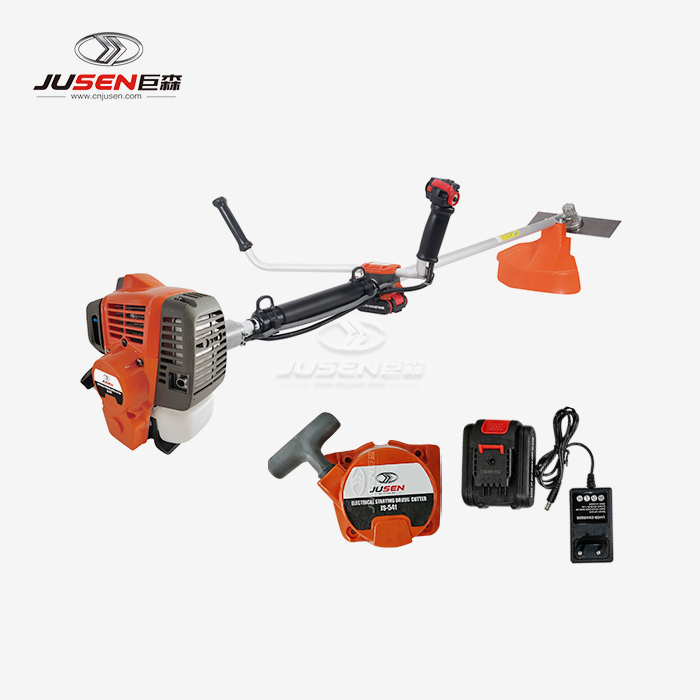 VIEW MOREElectric Start 2-Stroke Gasoline Brush Cutter
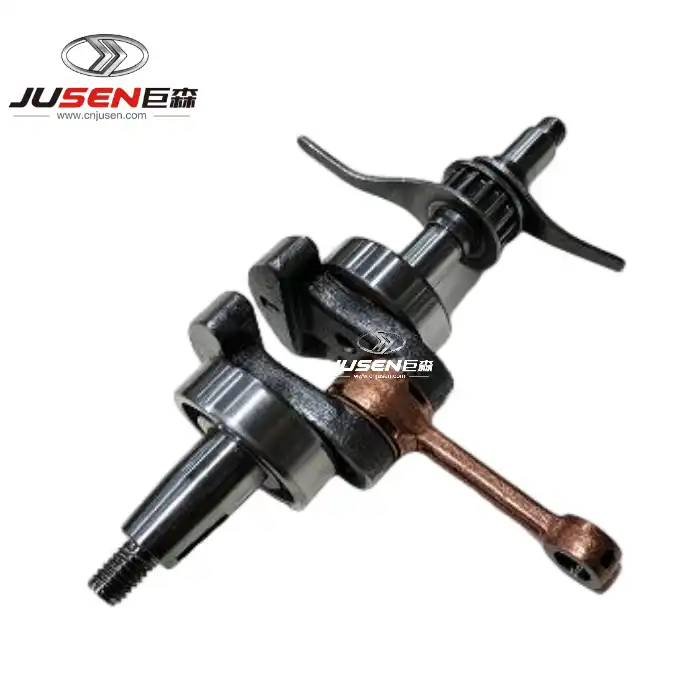 VIEW MOREGX35 Brush Cutter Crankshaft
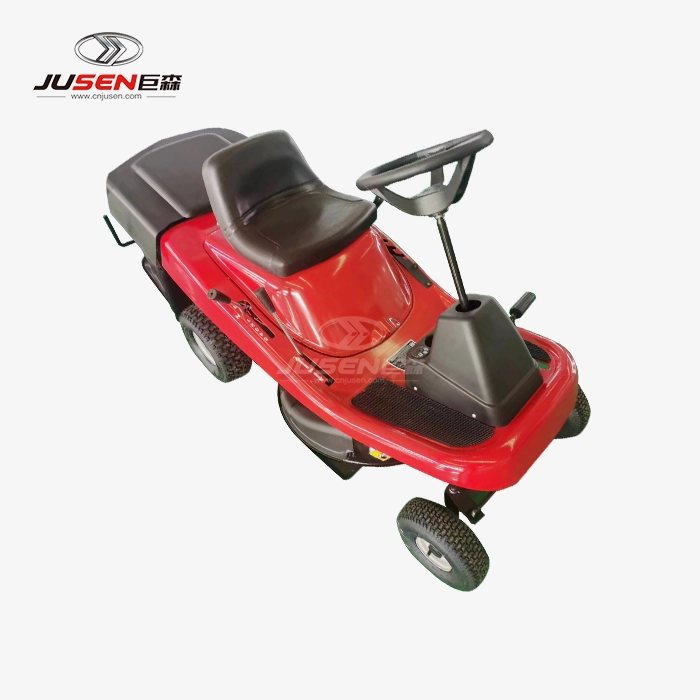 VIEW MOREGarden Gasoline Push Lawn Mower
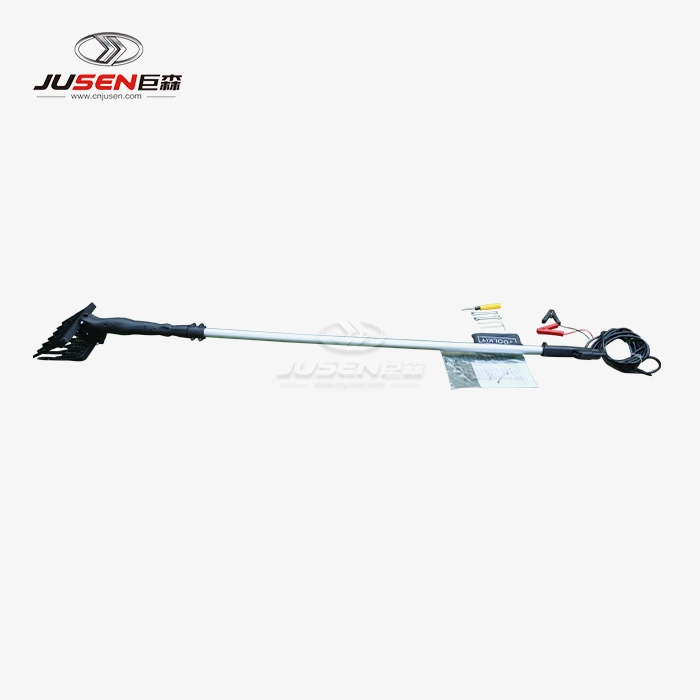 VIEW MOREHand Held Olive Harvester
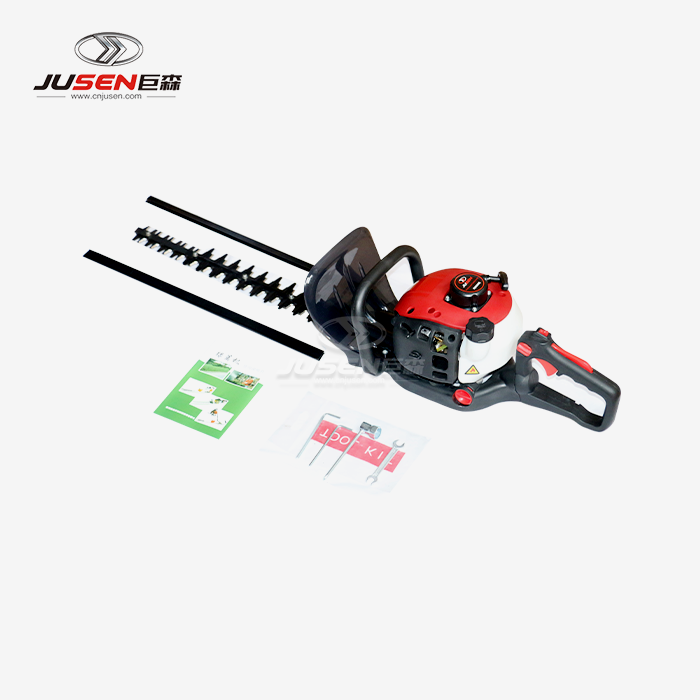 VIEW MORE22.5cc Gas Powered Hedge Trimmer
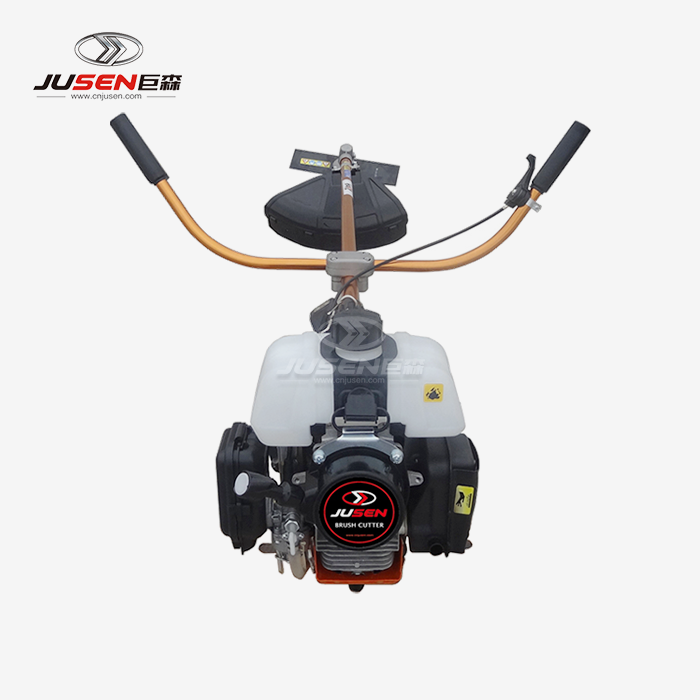 VIEW MORE42.7cc Garden Gasoline Brush Cutter
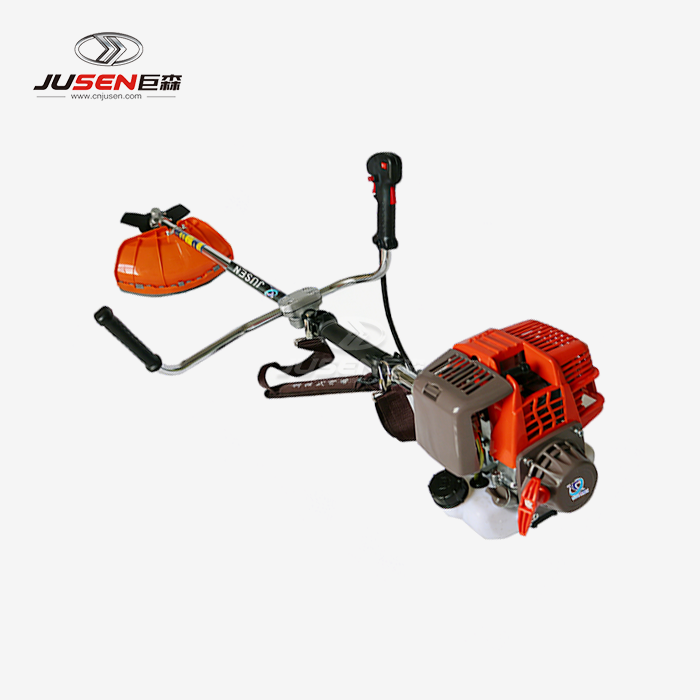 VIEW MORE31cc 4-Stroke Gas Brush Cutter
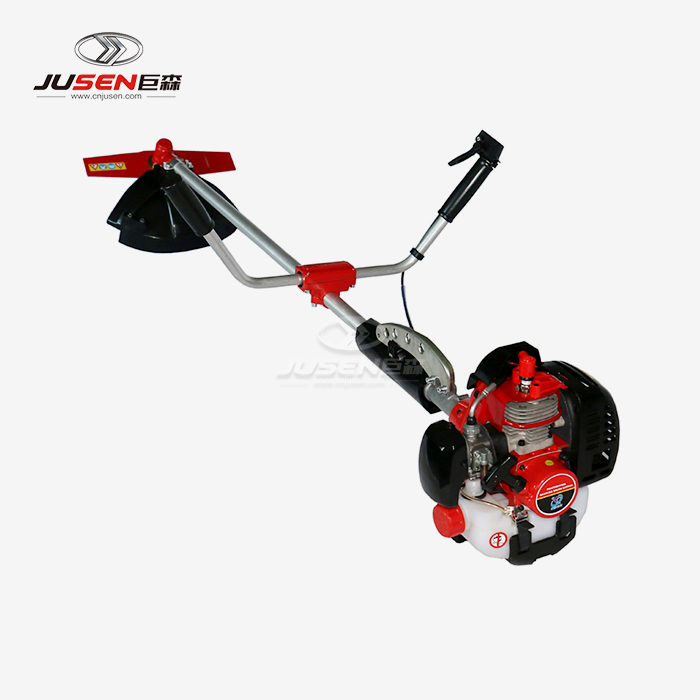 VIEW MORE45cc 2-Stroke Gasoline Brush Cutter