




How Do You Choose the Best 35.8cc 4-Stroke Petrol Brush Cutter?
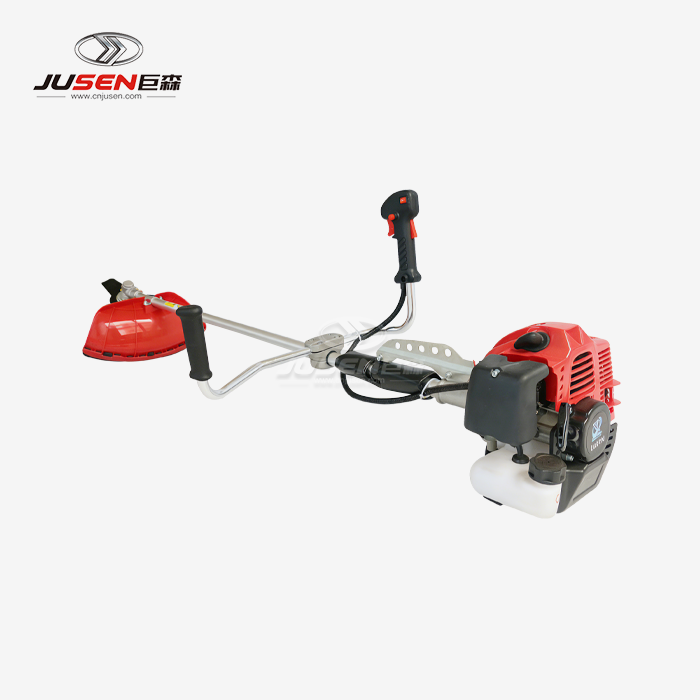
To pick the best 35.8cc 4-Stroke Petrol Brush Cutter, you need to look at its engine technology, how well it works, and how much it will cost you in the long run. The 35.8cc 4-Stroke Petrol Brush Cutter works at its best because it has an advanced combustion design that keeps fuel and oil from mixing, cuts emissions by up to 60%, and gives you more power for tough vegetation control. To get the most out of their money, professionals should look for models with GX35 engine bases that have rotary slinger lubrication systems, meet ISO 11806 standards, and have been used in business settings for a long time.
Understanding 35.8cc 4-Stroke Petrol Brush Cutters: Key Features and Benefits
How Does 4-Stroke Engine Technology Work?
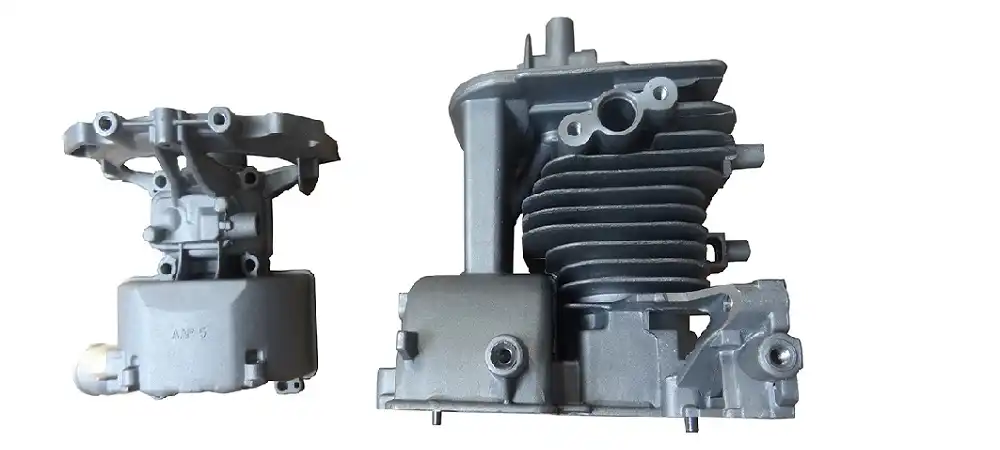
The main benefit of a four-stroke engine is that it has different fuel and oil sources. In contrast to traditional two-stroke engines, this technology completes combustion across four separate piston movements: intake, compression, power, and output. This makes the engine run cleaner and use fuel more completely. The GX35 engine base in good brush cutters has an 8.0:1 compression ratio and a single-cylinder air-cooled architecture that keeps working at the same level of efficiency even after a lot of use in fields or on city cleaning projects.
Superior Fuel Economy and Environmental Compliance
When you run a landscaping business or a farming company with multiple units, operational costs have a direct effect on your bottom line. When compared to two-stroke types, 35.8cc 4-Stroke Petrol Brush Cutters use about 50% less oil and 20% less fuel. This efficiency means that truck operations can save real money. The lower levels of hydrocarbon and NOx emissions also make sure that stricter environmental rules are followed. For example, many places now require industrial outdoor power tools to meet Euro V standards. In addition to meeting legal requirements, the lower emissions profile makes the workplace safer for your workers. Noise and emission limits are often written into care contracts for hospital areas, school buildings, and residential communities. The lower-frequency sound pattern of the four-stroke engine is much quieter than the high-pitched whine of two-stroke engines, which means that work can be done at odd hours without bothering people.
Enhanced Durability Through Advanced Lubrication
The rotating slinger pumping lubrication device is a big step forward in engineering. This system makes it possible to tilt the engine 360 degrees without the risk of it seizing up, which is a problem that has always existed with standard four-stroke designs. In forestry uses, workers can tilt the equipment as needed to clear steep slopes or work on uneven ground without stopping the flow of lubrication. The method keeps a protected oil film on all cylinder wall surfaces, no matter which way they are facing. This makes the engine last longer and keeps important parts from wearing out. Parts that are made to meet ISO 11806 safety standards go through a lot of quality checks. Compression testing shows that the engine can idle steadily at 3,100 ± 200 RPM and work well under full power. Vibration analysis checks how the concentricity of the rigid drive shaft and clutch drum balance works to lower the risk of hand-arm vibration syndrome during long periods of use. These quality controls make sure that the gear you buy will work reliably season after season.
Comparing 35.8cc 4-Stroke Brush Cutters: Making an Informed Decision
4-Stroke Versus 2-Stroke Performance
When looking at different engine systems, knowing how they work helps match the right tools to the needs of the job. The quick reaction of the throttle and lighter build of two-stroke engines make them ideal for occasional home use. The 35.8 cc 4-stroke petrol brush cutter design, on the other hand, has a lot more low-end torque—about 1.6 Nm at 5,500 RPM—which keeps the engine from stopping when the blade attachments hit woody stems or thick fibrous vegetation, which is common when clearing undergrowth in vineyards and maintaining plantations. Different technologies have very different maintenance needs. Two-stroke types need exact mixing of fuel and oil at certain ratios, which leaves room for operator mistakes that can hurt engines. Four-stroke engines run on straight gasoline, which makes filling fleets easier and gets rid of mixing problems. Four-stroke equipment has longer service intervals because its cleaning systems are different, which keeps carbon from building up on the spark plugs and exhaust ports.
Petrol Power Versus Electric Alternatives
Even though battery-powered brush cutters have come a long way, gasoline-powered types are still the best for business use. The 1.0kW power output of good gasoline engines is higher than what current battery technology can handle for long work sessions. Most cordless electric types can run for 45 to 60 minutes with a modest load, while gasoline-powered tools can keep going with only short breaks to refuel. For teams handling big area contracts or farming sites that are far away and don't have easy access to charging stations, gasoline is still the best option. Mobility is another thing to think about. Battery tools add weight to the pack, which makes the user more tired. Gas-powered tools, on the other hand, spread the weight more ergonomically. Well-designed four-stroke brush cutters are built to be as light as 9.1 kg, which strikes a good balance between manoeuvrability and power output. This makes them easy to use for full workdays. Professional mowers who have to go to a lot of different properties need tools that keep working well without needing extra batteries or time to charge between jobs.
Evaluating Engine Quality and Brand Reputation
The dependability and availability of parts for the GX35 engine base set new standards for the industry. Procurement managers can be sure that equipment will work for a long time if it is built on a known engine design. When choosing a provider, look at how well they've done in the past with professional-grade outdoor power tools. Companies that have been making things for 20 years or more have the scientific refinement and quality control methods needed to make commercial tools that last. The length of the warranty shows how confident the maker is in the product's reliability. Comprehensive one-year guarantees that cover engine parts and transmission kits are a sign of strict testing procedures that happen before the goods are delivered. Vendors who give expert advice and video support 24 hours a day, seven days a week, show that they care about their customers' success after the sale. These services after the sale are very helpful for fixing operational problems or teaching new team members how to properly handle tools.
Procurement Guide: Where and How to Buy the Best 35.8cc 4-Stroke Petrol Brush Cutter
Selecting the Right Purchasing Channel
There are several ways for B2B buyers to find suppliers, and each has its own benefits. Authorised sellers offer local guarantee service and hands-on equipment demonstrations, so you can try it out before you buy it. Online platforms for industrial tools make it easy to compare prices from different makers and see which ones are the cheapest. If you want to buy in bulk, work with a distributor, or place a custom order that can't be filled through normal methods, it's best to deal directly with makers like JUSEN. Direct connections with manufacturers allow for flexibility that isn't possible through middlemen. When you use OEM services, you can add your own name, change specifications, and get packaging that fits with your brand. Working directly with experienced makers gives you a strategic edge in competitive markets, whether you're starting a new equipment rental business, growing a farm supply company, or making sure that all of the equipment in the city's fleet is the same.
Understanding Total Cost of Ownership
The purchase price is only one part of the costs of the tools. Over the life of the equipment, operating budgets are affected by how much fuel is used, how often repairs are needed, and the cost of upkeep parts. The fuel economy of four-stroke engines saves hundreds of dollars a year per unit compared to options that aren't as fuel-efficient. When you're figuring out the return on investment for farming or landscape care contracts, these savings should be taken into account. Equipment performance is directly affected by how easy it is to get spare parts. Manufacturers with established global distribution networks make sure that new parts get sent out fast so that equipment that isn't being used doesn't lose too much money. Check prices and wait times for 35.8 cc 4-stroke petrol brush cutter parts before committing to a source. When you have fast parts supply chains and technical support infrastructure, the competitive edge you get from less downtime often makes up for a little higher starting equipment costs.
Warranty Coverage and Supplier Credibility
Full guarantee terms protect your investment against flaws in the making process and give you options if performance problems arise. For at least one year of regular business use, the standard coverage should cover engine assemblies, transmission parts, and structural elements. Carefully look over the warranty's exceptions. Limits on operating hours or types of blade attachments can make the coverage much less useful in heavy-use situations. When judging a supplier's trustworthiness, manufacturing certificates and compliance paperwork should be checked. Production facilities that are ISO-certified have quality control systems that make sure the equipment they make always meets the written standards. Companies that sell their goods in other countries usually have tighter quality controls than companies that only sell their goods in their own country. This is because exporting requires them to follow a wide range of regulatory standards. Before placing a big order, asking for sample units to be tested in the field helps to back up what the seller says about performance and durability.
Best Practices and Usage Tips for Maximising Brush Cutter Performance
Optimising Operation Techniques Across Vegetation Types
To be as efficient as possible and keep the tools from breaking, different cutting situations call for different methods. If you need to clear thick green areas, like those used for rice farming or roadside maintenance, run the cutter at full speed before you start cutting. This will let the blade hit its best RPM. The high torque profile keeps the cutting motion going through dense growth by stopping it from bogging down when it hits obstacles. If you need to cut woody roots in apple undergrowth, use three-tooth blade clips instead of nylon line heads, which aren't strong enough to cut fibrous material well. The ability to operate in all 360 degrees is especially useful on steep ground and berms. To stay in control and avoid strain, place your body uphill from the tools when working on steep banks. The rotary slinger's lube system keeps protecting engine parts no matter what angle they're at, so they can cover rough ground without any problems. Because it can be used in so many ways, this equipment is always chosen by city workers to maintain highway shoulders and clear drainage channels.

Establishing Routine Maintenance Schedules
Preventive maintenance keeps things in good shape, so they last longer and don't need expensive fixes. The four-stroke engine makes maintenance easier because you can use straight gasoline without worrying about adding oil. In dusty farming areas, check and clean the air filter every 10 hours. This is because restricted airflow lowers power output and raises fuel usage. Spark plugs should be replaced as often as the maker suggests, usually every 100 hours of use, to keep the engine running reliably and the throttle response smooth. The rotary slinger's lube system needs to be checked every so often to make sure there is enough oil in it. Unlike other sump systems, this one uses centrifugal force to spread the oil, which means it needs less upkeep and protects the engine better. Check for signs of wear on the gear case bevel gears, as these parts are put under a lot of stress during heavy cutting processes. Putting the right grease on the drive shaft splines keeps them from sticking and makes the transmission last longer. By following these simple steps, you can keep your tools running at their best during busy work times.
Safety Equipment and Proper Handling Procedures
Professional safety standards say that people who use 35.8 cc 4-stroke petrol brush cutters must wear certain safety gear. Eye and ear protection that won't break when hit, steel-toed boots, and cut-resistant leg protection should all be worn by operators. Quality units have a professional shock absorber design that lowers vibration transfer. However, if you are exposed to it for a long time, you still need to take breaks often to avoid hand-arm vibration syndrome. Set up rotation plans for team members to keep each person from getting too exposed during long clearing projects. The right way to store your investment between uses will keep it safe. Before putting the car away for a long time, drain the fuel from the tank and run the engine until the carburettor is empty. This will keep gum from building up and making it hard to start. Keep tools in dry, safe places that are away from chemicals that break things down. Take off the blade attachments and clean the cooling fins and air entry screens of any dirt to keep the equipment from rusting and to make sure it cools properly when it's put back into service. These actions show the skilled standards that set gardening businesses apart from farming businesses that do well.
Matching Product Features to Your Business Needs: Tailoring Your Choice
Segmenting Applications by Operational Scale
The 35.8cc 4-Stroke Petrol Brush Cutter displacement class is good for small property maintenance companies that take care of home yards and light commercial landscapes because it has enough power without being too heavy like bigger displacement models. Because manual scythes are 8–10 times less efficient than manual ones, one user can cover a lot more ground in a day, which directly increases service capacity and profits. Because it is small and light, the operators don't get tired as quickly, which means they can work longer without sacrificing the quality of the cuts. Agricultural operations that take care of big fields or clear undergrowth in vineyards need heavy-duty tools that can keep working for a long time. The high torque and 1.0kW power output make it easy to move heavy plants without stopping often. Professional-grade parts made to last through constant use give you the sturdiness you need for all-day use in the field during harvest seasons. The steady performance and low failure rate keep breaks from being too disruptive during key operating windows or when the weather only allows a few working days.
For industrial forestry purposes and city street upkeep, you need to be able to work in a variety of terrains and plant densities. Crews can clear different areas without having to carry around a lot of different tools because the blade clips can fit different types of blades, from multi-tooth cutting discs to brush saw blades. This flexibility makes it easier to keep track of tools and train crews when they are sent to different job areas.
Evaluating Customisation and Configuration Options
Manufacturers that offer full customisation services have strategic benefits that go beyond selling standard goods. Customizing colors to match company branding makes it easier for people to recognise teams when they're working in public places or on customer sites. Garden shops and nurseries that are building private-label tool programs can make it easier for retailers to show off their tools by using custom packaging styles. These branding options will help your products stand out in crowded markets and help customers remember you. Specifications can be matched to individual operating needs thanks to the flexibility of the technical configuration. Based on how the bike is usually used, handlebar designs, throttle control placement, and shoulder harness connection places can be made more comfortable for the user. OEM services make it possible to make these changes on a large scale for fleet sales, which makes sure that all of your equipment is consistent. Working with makers who have done custom setup projects before will help you avoid costly problems where equipment capabilities don't match up with what you need in the field.
Warranty and After-Sales Support Considerations
How quickly vendors respond when technology needs repairs has a direct effect on the continuity of operations. Problems can often be fixed online by manufacturers who offer expert support 24 hours a day, seven days a week. With video help, techs can show your maintenance staff how to do repairs, which builds their skills and reduces downtime. This all-around support system is especially useful for businesses that run out of more than one place or for farming sites that are far away. Buying things is easier when you work with makers who are used to doing business with other countries. Companies that have been in business for 20 years or more have honed their shipping methods, paperwork needs, and quality control standards to avoid common problems that come up with imports. Standard delivery times of 30 days from well-known suppliers allow for accurate planning of projects, and faster choices can be used for pressing equipment needs. These practical efficiencies help keep the supply chain running smoothly and make sure that merchandise is always restocked.
Conclusion
To choose the best brush cutting tools, you need to find a balance between power output, operational efficiency, longevity, and the total cost of ownership. The 35.8cc 4-Stroke Petrol Brush Cutter engine technology has clear benefits in terms of fuel economy, emissions compliance, and ease of upkeep that have a direct effect on how much money a business makes. Equipment built on tried-and-true GX35 engine platforms and backed by full insurance coverage gives professional companies the dependability they need. Making sure that the displacement class, weight limits, and customisation options are right for your needs guarantees the highest level of output in home landscaping, agricultural management, and industrial maintenance settings.
FAQ
What distinguishes four-stroke from two-stroke brush cutters?
Four-stroke engines have different methods for oil and fuel, so they don't need to be mixed ahead of time. They also use 50% less oil and 20% more fuel efficiently. The design makes more low-end torque, which keeps the engine from stalling in thick greenery. It also runs more quietly, which is good for places that don't like noise, and it meets the strict emission standards that are becoming more and more required for business equipment.
Can this gear handle rough ground and different angles?
Quality models have rotary slinger lube systems that let them work in all directions without damaging the engine. This feature is very important for clearing steep slopes, keeping drainage systems, and working in forests, where operators have to tilt equipment at a steep angle while still making sure that oil flows to important engine parts.
What kinds of blade extensions work best for different kinds of plants?
Nylon line heads are good for cutting light grass and weeds in gardens that are kept up. Multi-toothed steel blades are good for cutting thick green growth in farms. Woody twigs and trees that grow in orchard undergrowth and field clearing can be cut with three-tooth or brush saw blades. By choosing the right tools for the job, you can cut more efficiently and keep your machine from wearing out too quickly.
How does warranty support keep business capital safe?
Full one-year guarantees that cover engine modules and transmission parts give customers a way to get their money back if a product is defective. Building partnerships with suppliers that offer quick technical help and easily available spare parts cuts down on the costs of downtime, which has a big effect on running budgets and the ability to meet contractual obligations in business settings.
Partner with JUSEN for Professional-Grade Brush Cutting Solutions
JUSEN has been making products for 20 years and has a lot of experience in the professional landscaping and farming tools fields. The company that makes our 35.8 cc 4-stroke petrol brush cutter specialises in making reliable, high-performance tools based on the GX35 engine technology. With a power output of 1.0kW, better fuel economy, and the ability to make many changes, we help landscaping companies, farming businesses, and equipment dealers gain a competitive edge through high-quality tools. Our production facilities in Jinhua, Zhejiang, use ISO-certified quality control methods to make sure that every unit performs at the same level. We offer full OEM services, including custom labels, changing specifications, and designing packages, which lets private brands grow. During the lifecycle of our tools, our expert team is available 24 hours a day, seven days a week for consultations and video support. Typical shipping times of 30 days make planning your purchases easier.
JUSEN gives professional operations the quality, creativity, and support they need, whether they're providing professional crews, adding more products to stores, or setting standards for city fleets. Email our team at Sales1@cnjusen.com to talk about your specific needs, ask for sample evaluation units, or look into custom configuration options that match the powers of the equipment with your business requirements.
References
1. International Organisation for Standardisation. "ISO 11806: Agricultural and Forestry Machinery - Safety Requirements and Testing for Portable Hand-Held Brush Cutters and Grass Trimmers." 2021 Edition.
2. Mitchell, Robert D. "Four-Stroke Engine Technology in Outdoor Power Equipment: Emissions, Efficiency, and Operational Advantages." Journal of Agricultural Engineering Research, Vol. 78, No. 3, 2022, pp. 234-247.
3. Thompson, Jennifer L. "Comparative Analysis of Two-Stroke and Four-Stroke Engines for Commercial Landscaping Applications." Professional Grounds Management Quarterly, Spring 2023, pp. 45-58.
4. European Commission. "Non-Road Mobile Machinery Emission Standards: Compliance Requirements for Commercial Outdoor Power Equipment." Regulation EU 2016/1628, Updated Implementation Guide, 2023.
5. Anderson, Mark T. "Total Cost of Ownership Calculations for Professional Landscape Maintenance Equipment." Business of Landscaping Journal, Vol. 15, No. 2, 2023, pp. 112-128.
6. National Institute for Occupational Safety and Health. "Hand-Arm Vibration Syndrome Prevention in Forestry and Landscaping Operations: Engineering Controls and Best Practices." Technical Report NIOSH 2023-142, July 2023.

USER EVALUATE
Here is the customer's evaluation of us
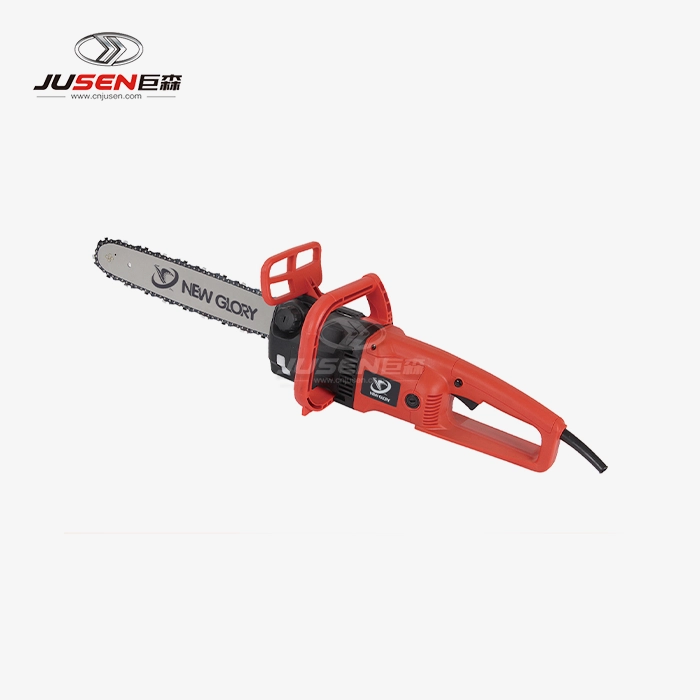 VIEW MOREBattery And Electric Chainsaw
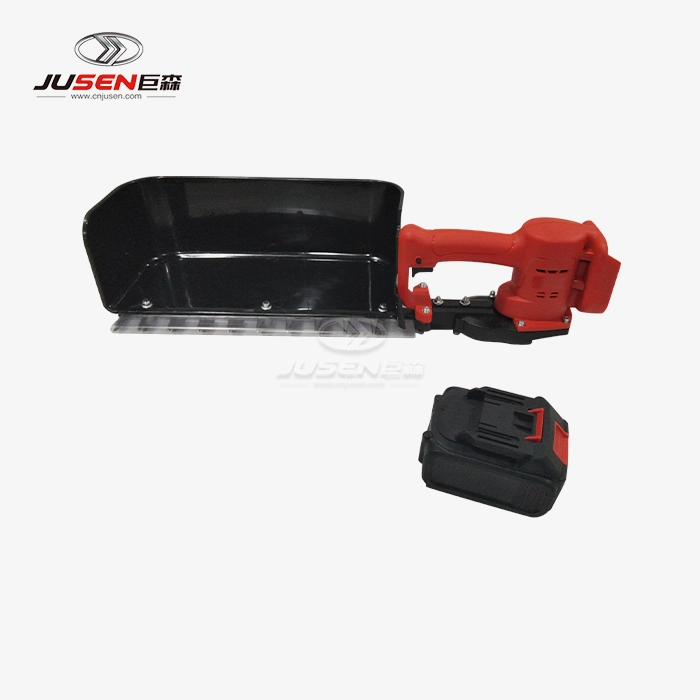 VIEW MORE21v Lithium-Ion Brushless Hedge Trimmer
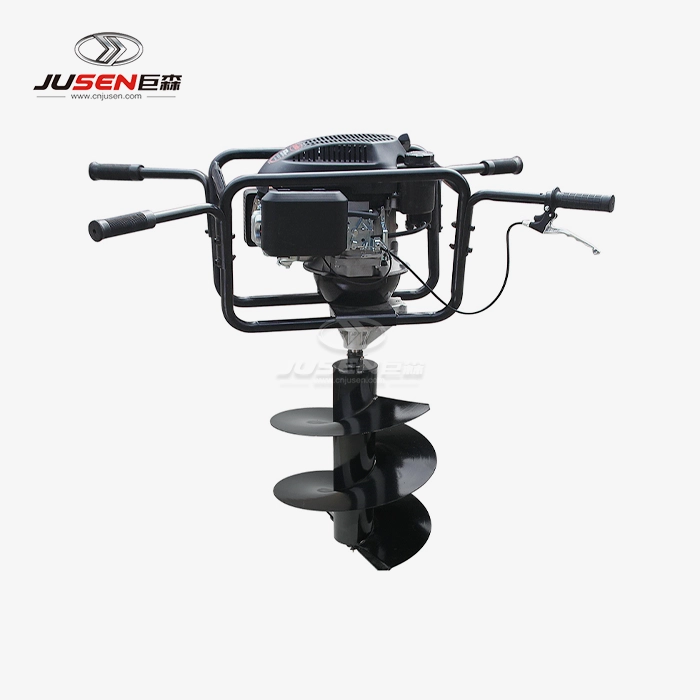 VIEW MOREGarden Tools Gasoline Earth Auger
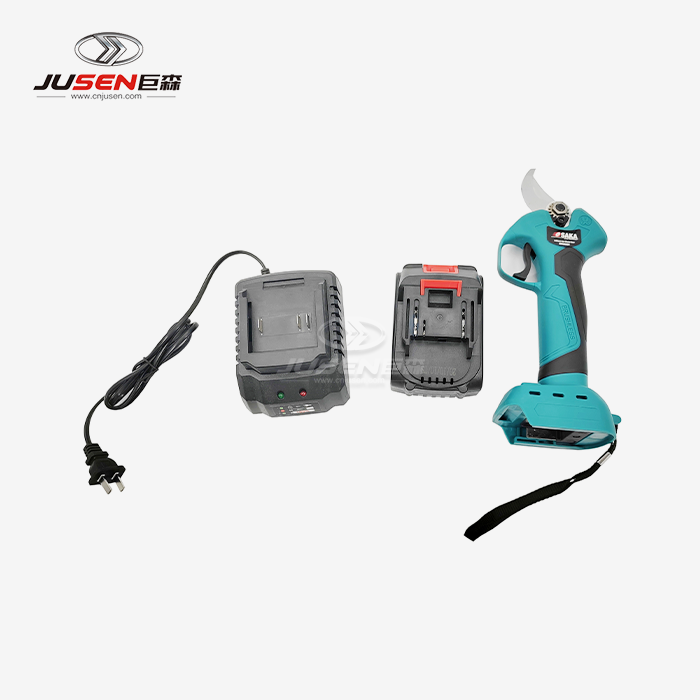 VIEW MOREElectric Pruning Shears Cordless
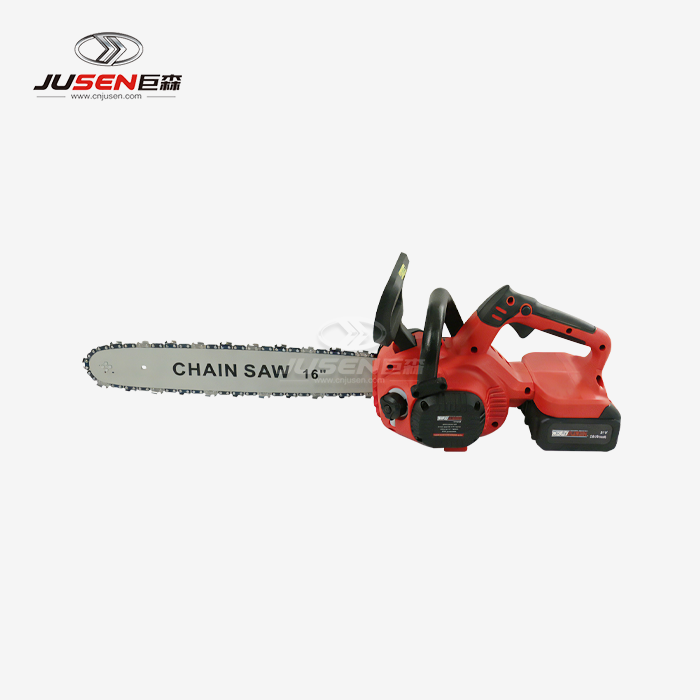 VIEW MOREMini Chain Saw Battery Powered
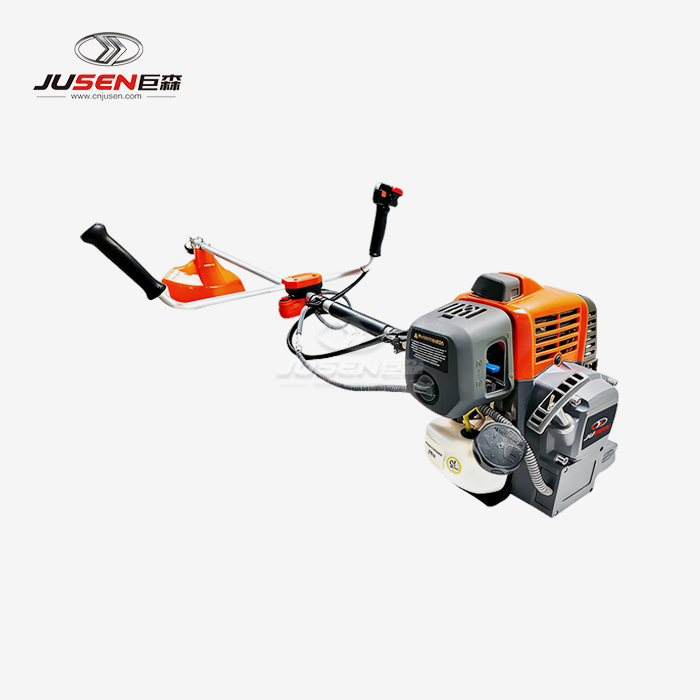 VIEW MORE43cc 2-Stroke Gasoline Brush Cutter
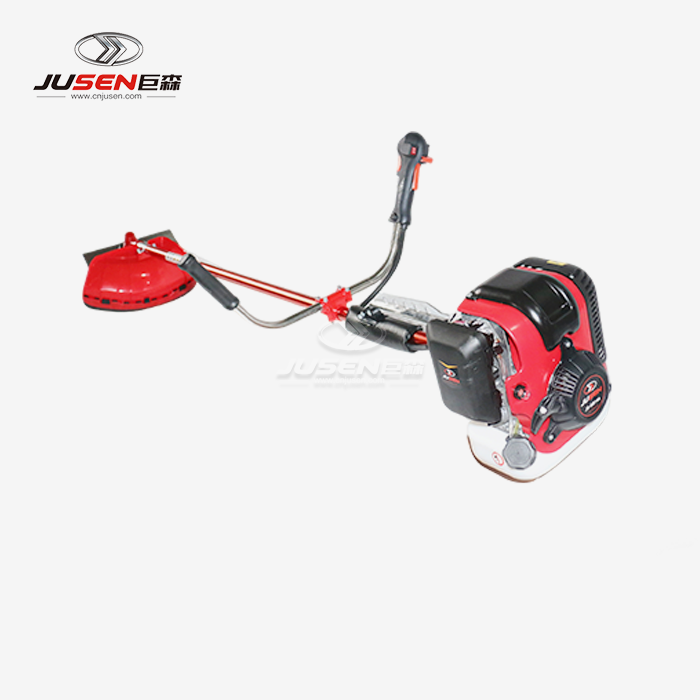 VIEW MORE54cc 4-Stroke Brush Cutters
 VIEW MORE52cc Petrol Brush Cutter