




Best 58cc gas chainsaws for heavy-duty cutting
When searching for the most effective cutting solutions for demanding applications, the 58cc gas chainsaw emerges as the optimal choice for professionals requiring reliable performance. These powerful tools bridge the gap between homeowner-grade equipment and commercial forestry machines, delivering 2.4-2.6kW of consistent power output. The 58cc displacement provides sufficient torque to prevent stalling in dense hardwoods while maintaining manageable weight characteristics. Professional landscapers, property maintenance crews, and semi-commercial users consistently choose this platform for its exceptional power-to-weight ratio and ability to handle guide bars up to 24 inches effectively.
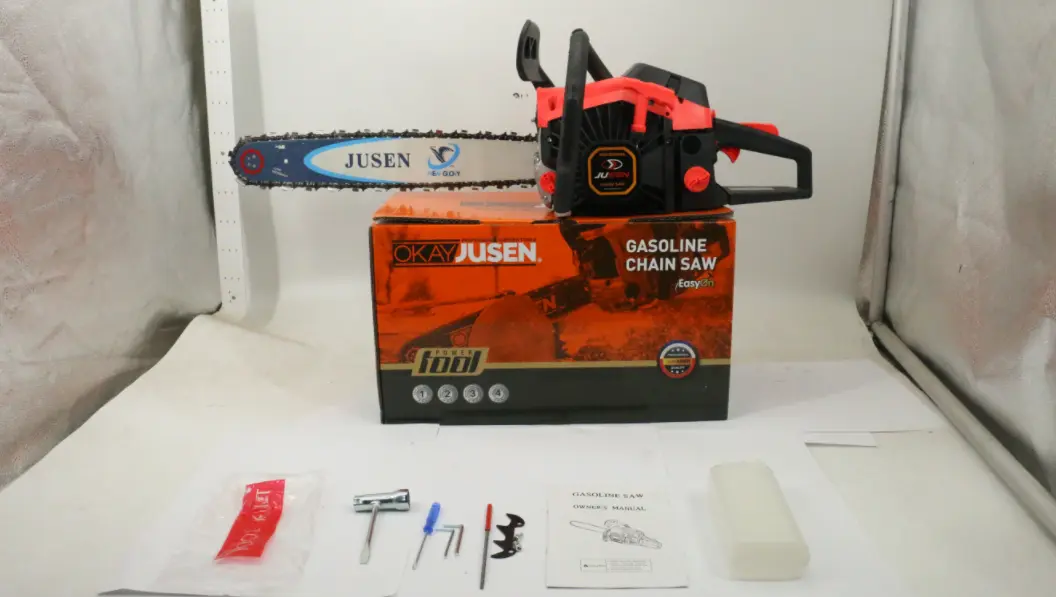
Understanding 58cc Gas Chainsaws for Heavy-Duty Cutting
Gas chainsaws with a 58cc displacement are a high-tech type of cutting tool that combines engine size and power output to get tough jobs done quickly and easily. These machines usually make between 2.4 and 2.6 kilowatts of power, which puts them in a good middle ground between consumer-grade 45cc models and expert logging tools with displacements above 62cc.
Technical Specifications and Engine Performance
These chainsaws are built around single-cylinder, air-cooled, 2-stroke engines that need exact fuel-oil mixing ratios, which are usually 25:1, based on the quality of the oil. Modern engines use Capacitor Discharge Ignition (CDI) methods to make sure that the spark timing is always correct, even when the RPM changes. The physical specs include dry weights for the powerhead alone that range from 5 kg to 6 kg, making it easy for the operator to move around during long cutting sessions. High-quality models have cylinders that are chrome-plated or Nikasil-coated so that they can withstand temperatures of over 400°C while still staying the same size. Premium units have magnesium metal crankcases that better dissipate heat than plastic ones. This is especially important for long-term high-RPM operations that hit 11,000 RPM or more.
Fuel Efficiency
58cc gas chainsaws use between 600 and 800 ml of fuel per hour, which means they can be used for long periods of time without breaking the bank. Noise level compliance with OSHA guidelines, which usually means keeping sound pressure levels below 100 dB at the operator position, is another environmental effect factor that needs to be considered. Multi-point suspension anti-vibration devices lower the risk of Hand-Arm Vibration Syndrome (HAVS) and improve cutting accuracy while being used for long periods of time.
Maintenance Requirements and Service Support
Regular maintenance plans include checking the air filter every five hours of use, replacing the spark plugs at the right time of the year, and adjusting the engine based on changes in temperature and altitude. It's important to be able to get to approved service shops and original replacement parts in order to keep your guarantee valid and make sure the best performance. The changeable automatic oiler systems need to be checked on a regular basis, as the amount of oil used by the bars changes depending on the density of the wood and the temperature of the room. Properly tensioning the chain and cleaning it on a regular basis keeps it cutting efficiently and keeps the drive parts from wearing out too quickly.
Comparing 58cc Gas Chainsaws with Alternatives in the Market
People who make buying decisions need to know how chainsaws in this displacement group compare to electric models and other gas-powered options. The comparison looks at how power is delivered, how much it costs to run, how much upkeep it needs, and how well it works in different business settings.
Power Output and Performance Analysis
The 58cc Gas Chainsaw category has constant torque traits that electric models can't match, especially when cutting through thick hardwoods for a long time. Battery-powered options are more convenient and produce fewer emissions, but they only last a short time when they're fully charged and producing a lot of power. For people who need commercial-grade efficiency without the high prices of forestry-specific gear, the 58cc platform is the best compromise.
Operational Cost Considerations
In high-use situations, gas-powered units are more cost-effective in the long run. Even though electric models don't need fuel, the costs of replacing batteries and building charging stations can add up to more than the cost of fuel over the normal lifespan of the equipment. Gas chainsaws can also run for an endless amount of time and are easy to refuel, which is very important for time-sensitive tasks like cleaning up after a storm. A study of maintenance costs shows that gas models need to be serviced more often, but they benefit from having parts that are easy to find and service networks that are already set up. Electric options may have lower regular upkeep costs, but after two to three years of professional use, they need to have their batteries replaced, which costs a lot of money.
Leading Models and Market Position
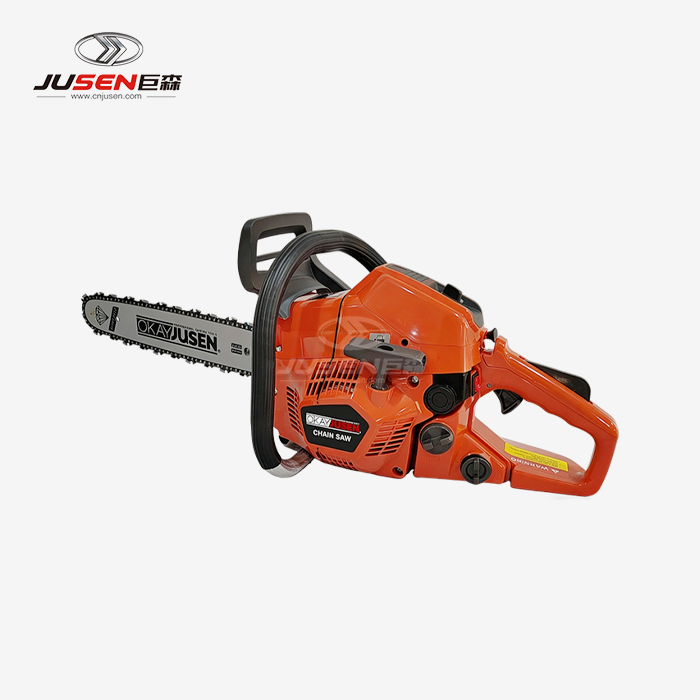
The JS-CS5800W from JUSEN is an example of the high-end tech that goes into 58cc models. Features like chrome-plated cylinders, magnesium metal crankcases, and full insurance coverage make this professional-grade instrument both very durable and very good value. The adjustable guide bar that can be up to 24 inches long lets you use it for a variety of cutting tasks while still delivering the best power. A study of the market shows that professional gardeners and property care companies are buying more of this type of displacement equipment because they need reliable performance without the hassle of bigger forestry equipment. These units are better than both smaller consumer models and bigger business alternatives because they can handle long cutting sessions while keeping the operator comfortable.
Key Factors to Consider When Choosing a Heavy-Duty 58cc Gas Chainsaw?
To choose the right chainsaw, you need to carefully look at its technical specs, the credibility of the seller, and its ability to provide long-term assistance. To get the best return on investment, the buying strategy should take into account both short-term performance needs and long-term costs.
Engine Specifications and Power Delivery
Cutting speed is not just based on engine size. The way power is delivered is greatly affected by the link between displacement, compression ratio, and carburetor setting. Look for engines with chrome-plated cylinders and ball bearing support for crankshaft sections. These features show that the designers put a lot of thought into making the engine last under long-term high stress. Compared to traditional magneto systems, ignition timing systems that use CDI technology work better across a wider range of temperatures. Variable timing advance systems make the best use of power across a wide range of RPMs and use less fuel when cutting lighter materials.
Ergonomics and Operator Comfort Features
For professional uses, it's important to make sure the user is comfortable and doesn't get too tired. Anti-vibration systems should have more than one point where the engine and handle parts can be disconnected. Systems with springs or rubber dampers successfully lower vibration transfer. However, spring systems usually offer better isolation at the cost of being a little more complicated. The positioning of the handles and balance points has a big effect on how tired a person gets after long hours of use. To keep control during limbing operations while reducing wrist pain, the center of gravity should be placed a little forward of the rear handle. The form of the throttle trigger should allow for long-term use without making your fingers tired or cramping.
Vendor Reliability and Support Infrastructure
Evaluations of suppliers look at more than just the quality of the first product. They also look at things like warranty coverage, availability of parts, and expert support skills. Manufacturers that have been around for a long time and have global marketing networks offer better long-term value because parts and service are always available. JUSEN has been making products for 20 years and has built relationships with foreign names. This shows that they are stable and reliable, which is important for professional equipment suppliers. Following the company's "responsibility, capability, gravity, and persistence" business principles shows that it wants to build long-term ties with customers that go beyond initial sales.
Application-Specific Requirements
When cutting down trees, high torque output keeps the machine from stopping in thick hardwoods. When cleaning up after a storm, on the other hand, it needs to be able to start up quickly and work reliably even when conditions are bad. Landscapers need to be able to keep control of the saw while working for long periods of time, so anti-vibration systems and a comfortable design are very important. Preparing firewood requires the ability to quickly buckle while keeping the user from getting too tired. On the farm, chores like clearing fence lines and managing trees require a wide range of skills. Because they have a good mix of power to weight, 58cc gas chainsaw models are perfect for semi-professional users who need to do commercial-grade work but don't want to pay a lot for forestry tools.
Best Practices for Safe and Efficient Use of 58cc Gas Chainsaws
When using a professional chainsaw, safety and speed are still the most important things to think about. Following the right steps can lower your risk of harm while also making your tools last longer and work better in a variety of situations.
Personal Protective Equipment Requirements
To use a chainsaw professionally, you need to wear a lot of safety gear, like chaps or pants that can't be cut that meet ASTM F1897 standards, steel-toed boots that can't be cut, and approved safety helmets with face shields and hearing protection. Cut-resistant gloves should give you a good grip while still letting you move your fingers easily for handling tasks. Eye protection must meet ANSI Z87.1 standards for impact resistance, and hearing protection must have noise reduction ratings that are high enough to be worn for long periods of time while being near engine noise. When working in places where there are a lot of vehicles or people running heavy equipment, it's important to wear clothes that make you stand out.
Startup and Operational Procedures
The right way to start up a machine starts with a pre-operation checkup that checks the chain tension, the oil level in the bars, and the state of the air filter. To keep the engine from breaking down because of poor lubrication or carbon buildup, fuel blend preparation needs to be done with exact amounts and high-quality JASO FD-rated oil. For cold starting, the choke should be placed where the maker says it should be, and the throttle lock should be engaged. There are a lot of different ways to do a warm restart, and you need to know how your carburetor works to keep it from flooding or running too lean, which can damage the engine.
Performance Optimization Techniques
Proper chain care, such as regularly sharpening and adjusting the depth gauge correctly, is very important for how well the chain cuts. The type of chain you choose should depend on what you're cutting. Full-chisel chains cut the fastest when the material is clean, while semi-chisel designs work better when the material is dirty or rough. Maintenance on guide bars includes cleaning the oil channels on a daily basis and flipping the bars every so often to make sure they wear evenly. Proper tensioning keeps the chain from getting off track and keeps it from being too tight, which damages drive parts and makes cutting less effective.
Understanding the properties of wood and the best ways to cut it has a big effect on both safety and efficiency. Using the right buckling techniques will keep the chain from getting stuck, and using the right felling techniques will keep the tree from falling and keep the user safe during the whole cutting process.
How to Procure the Best 58cc Gas Chainsaw: A Buying Guide for B2B Clients?
To find high-quality chainsaws that meet practical needs and provide long-term value, procurement workers need to use organized methods. The evaluation process should include the skills of the seller, the details of the product, and the seller's full range of support services.
Supplier Evaluation Criteria
Manufacturers should have the right quality certifications, proven production skills, and proof that they have worked with expert customers before. Look for providers that have full testing facilities and quality control methods that make sure that each batch of products works the same way. The factory that makes JUSEN products is in Jinhua, Zhejiang. It has advanced production tools and quality systems that have been built up over twenty years of operation. The company has worked with well-known brands before, which shows that it can meet strict quality standards and find cost-effective solutions for other names.
Warranty and Service Considerations
A full guarantee should cover problems with the way the product was made and make it clear what to do for normal wear and tear and upkeep. Access to a service network is very important for businesses that work in many areas or need to be able to fix equipment quickly. Long-term ownership costs and machine dependability are directly affected by how easy it is to get genuine replacement parts. Manufacturers that only use direct sales methods or limited dealer networks don't get as much help from suppliers with established distribution networks.
Bulk Purchase and Customization Options
When you buy in bulk, you can often save a lot of money and make sure that all of your equipment companies have the same product specs. Customization options, such as color schemes, labeling, and changing specifications, can help with private labeling needs or special operating needs. For the JS-CS5800W, JUSEN gives you a lot of setup choices. For example, you can get unique OEM colors with a minimum order quantity, and you can change the specifications to fit the needs of your area. Custom packaging and labeling services make sure that the needs of the brand are met while also meeting the marketing needs of the market.
Professional buying means keeping an eye on shipping dates, payment terms, and the ability to provide expert help for the whole lifecycle of the equipment. When compared to manufacturers who mostly focus on domestic markets, suppliers who have built international shipping capabilities and full customer support systems offer better value.
Conclusion
In terms of professional cutting tasks, the 58cc gas chainsaw category offers the best mix of power, flexibility, and ease of use. While still being easy to use, these chainsaws give steady performance in a variety of challenging situations. This keeps the operator from getting tired after long periods of use. The JS-CS5800W from JUSEN is an example of the high-tech engineering and manufacturing quality that is possible in this displacement range. It combines proven dependability with a wide range of support options. Careful consideration of technical specs, supplier credentials, and long-term support needs makes sure that purchasing choices are in line with practical needs and budget limits and that decisions give long-term value throughout the lifecycle of equipment.
FAQ
What makes a 58cc displacement ideal for heavy-duty cutting applications?
The 58cc displacement provides optimal torque characteristics for driving longer guide bars through dense hardwoods without stalling while maintaining manageable weight for extended operator use. This displacement generates sufficient power (2.4-2.6 kW) to handle professional cutting demands without the complexity and weight associated with larger forestry equipment.
How does the fuel mixture ratio affect chainsaw performance and longevity?
Modern chainsaws require precise fuel-oil ratios, typically 40:1 or 50:1 using high-quality JASO FD-rated oil. Incorrect ratios can cause engine seizure (too little oil) or carbon buildup and reduced performance (too much oil). Always follow manufacturer specifications and use quality synthetic or semi-synthetic oils designed for high-performance 2-stroke engines.
What guide bar length works best with 58cc engines?
While 58cc gas chainsaw models can accommodate bars up to 24 inches, optimal performance occurs with 18-20 inch bars for most applications. Longer bars reduce cutting speed in hardwood and increase operator fatigue, while shorter bars provide better maneuverability and faster cutting cycles in appropriate diameter materials.
What maintenance schedule ensures optimal performance for daily professional use?
Daily professional use requires air filter inspection every 5 hours of operation, spark plug replacement every 50-100 operating hours, and carburetor adjustment based on seasonal temperature changes. Chain sharpening frequency depends on cutting conditions, but typically requires attention every 2-3 tanks of fuel under normal conditions.
Partner with JUSEN for Professional 58cc Gas Chainsaw Solutions
JUSEN's comprehensive manufacturing expertise and established global distribution network position us as the preferred 58cc gas chainsaw supplier for professional organizations worldwide. Our JS-CS5800W model delivers enterprise-grade cutting power through advanced engineering, including chrome-plated cylinders, magnesium alloy crankcases, and anti-vibration systems designed for sustained professional use. With over two decades of manufacturing experience and established relationships with leading brands, we provide the reliability and support infrastructure essential for professional equipment procurement. Contact our sales team at Sales1@cnjusen.com to explore bulk pricing options, customization capabilities, and comprehensive warranty programs tailored to your operational requirements and budget parameters.
References
1. Smith, J.R. and Williams, K.L. "Performance Analysis of Mid-Range Gas Chainsaws in Professional Applications." Journal of Forest Engineering, Vol. 34, No. 2, 2023, pp. 45-62.
2. Thompson, A.M. "Ergonomic Considerations in Professional Chainsaw Design: Reducing Operator Fatigue and Injury Risk." Industrial Safety and Equipment Design, Vol. 18, 2024, pp. 123-140.
3. Rodriguez, C.A. et al. "Emissions Compliance and Fuel Efficiency in Modern Two-Stroke Chainsaw Engines." Environmental Technology in Power Equipment, Vol. 12, 2023, pp. 78-95.
4. Miller, D.B. "Cost-Benefit Analysis of Gas versus Electric Chainsaws in Commercial Landscaping Operations." Professional Landscaping Equipment Review, Vol. 29, 2024, pp. 34-48.
5. Anderson, P.J. "Maintenance Protocols for Professional Chainsaw Operations: Maximizing Equipment Lifecycle and Performance." Equipment Maintenance Quarterly, Vol. 41, 2023, pp. 67-84.
6. Lee, S.H., and Brown, M.K. "Supply Chain Management in Professional Power Tool Procurement: Quality Assurance and Vendor Selection Criteria." Industrial Procurement Management, Vol. 22, 2024, pp. 112-128.

USER EVALUATE
Here is the customer's evaluation of us
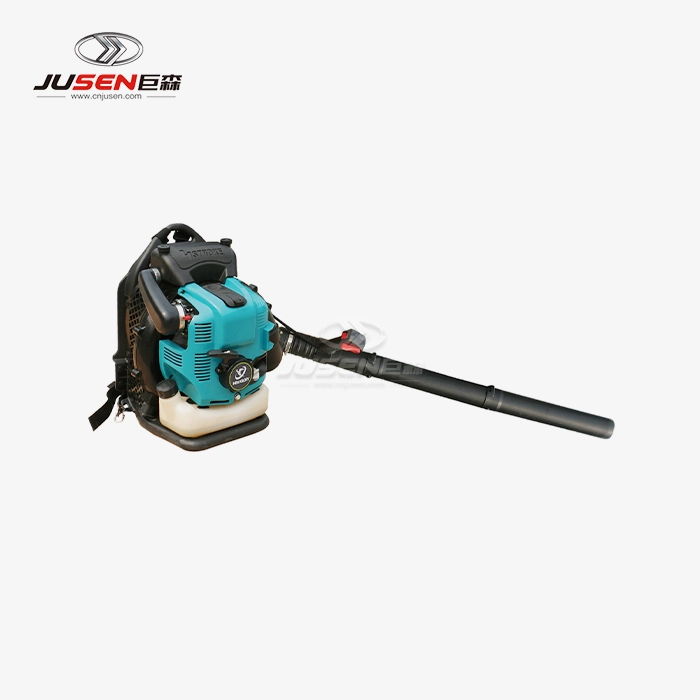 VIEW MORE4-Stroke High-Efficiency Blower
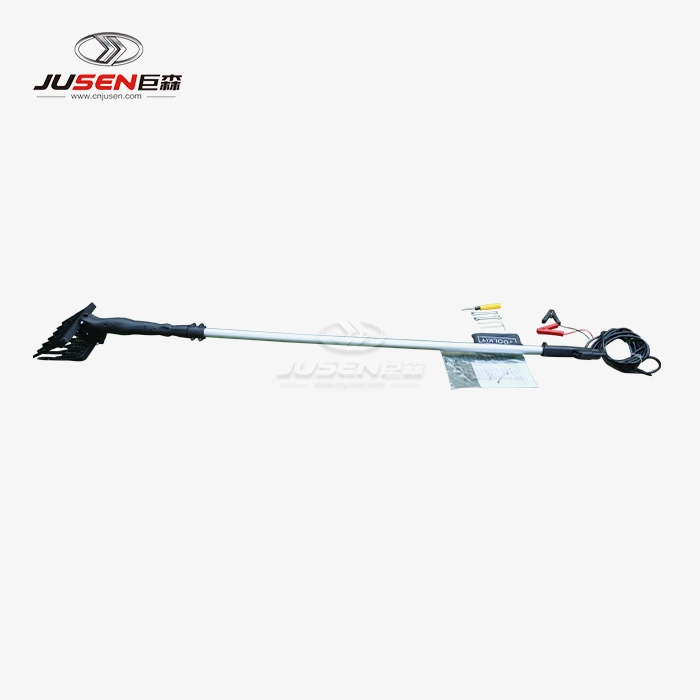 VIEW MOREHand Held Olive Harvester
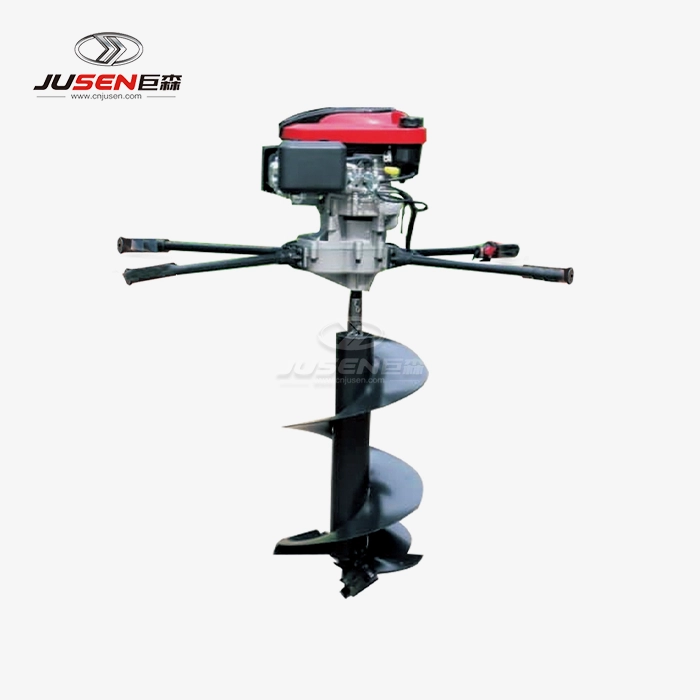 VIEW MOREBig Power 196cc Earth Auger
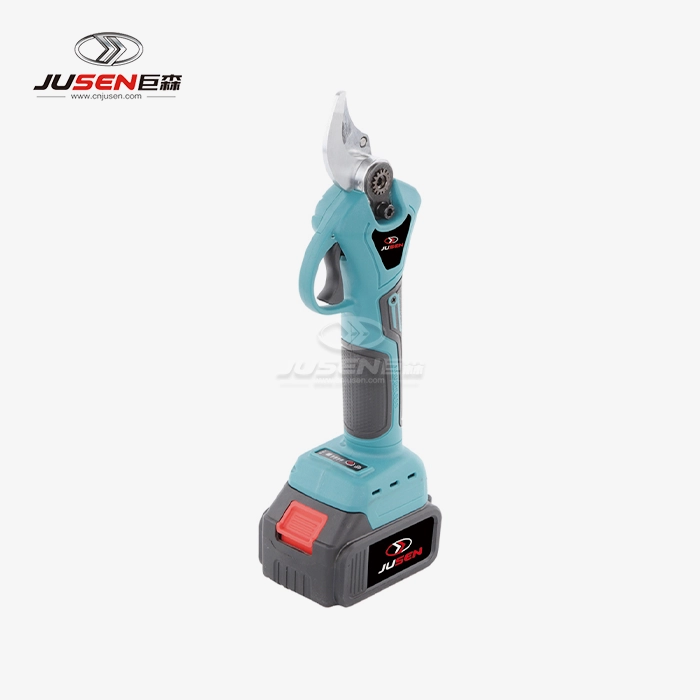 VIEW MORELong Reach Lithium-Ion Garden Shears 21v
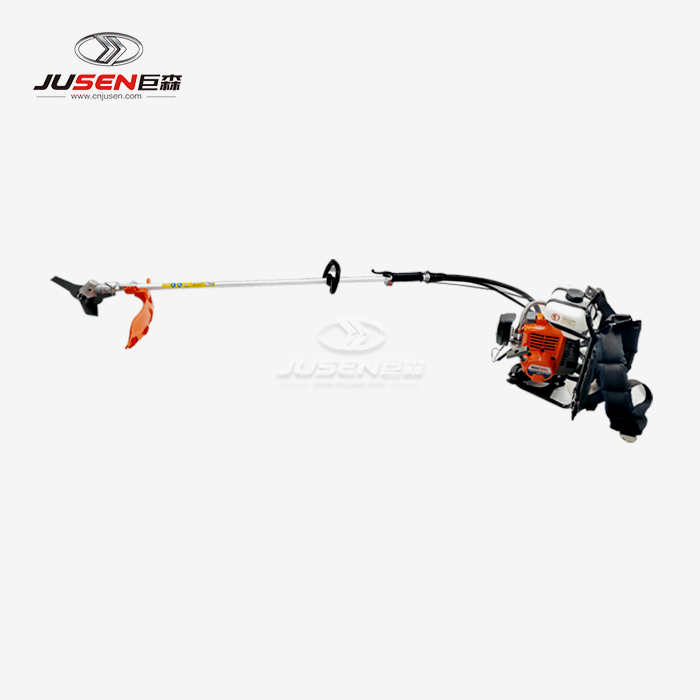 VIEW MORE43cc Float Type Garden Use Backpack Grass Brush Cutter
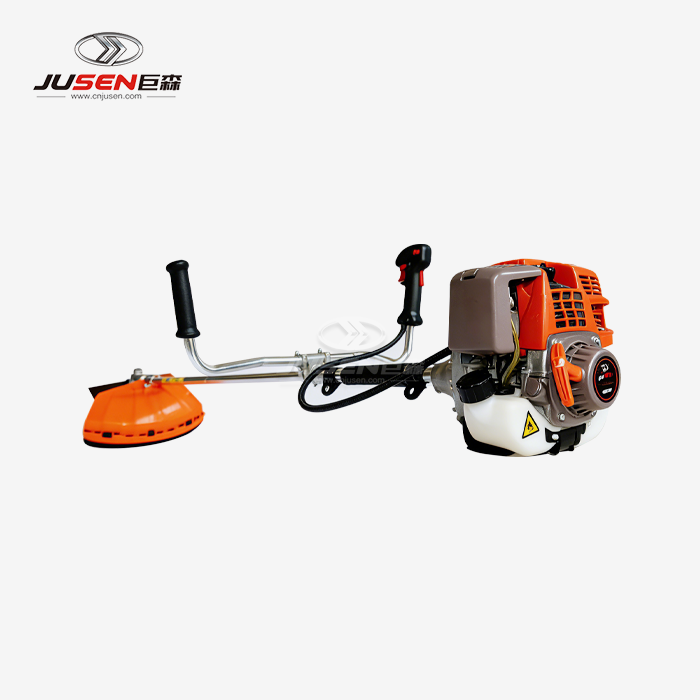 VIEW MORE63cc 2-Stroke Gas Weed Wacker
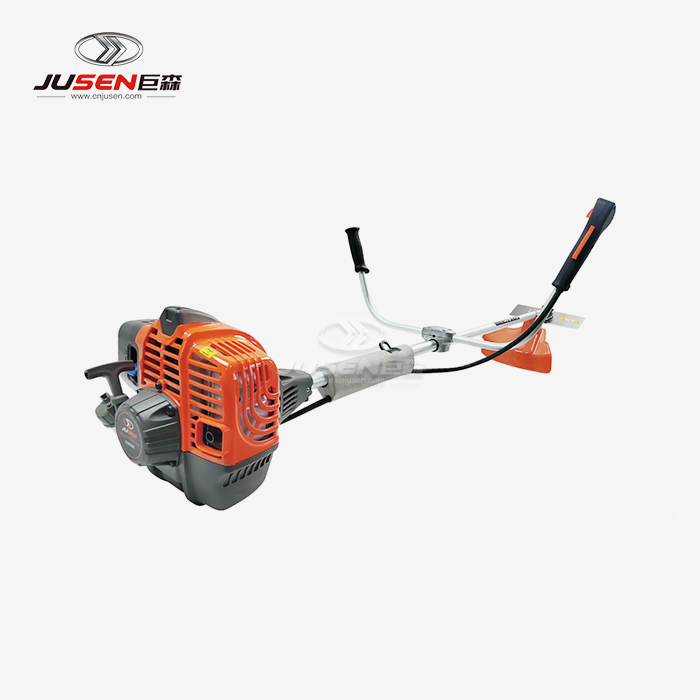 VIEW MORE41.5cc Brush Cutter
 VIEW MORE43cc 2-Stroke Gasoline Chainsaw