




How to Maintain Your 58cc Gasoline Chain Saw Easily?
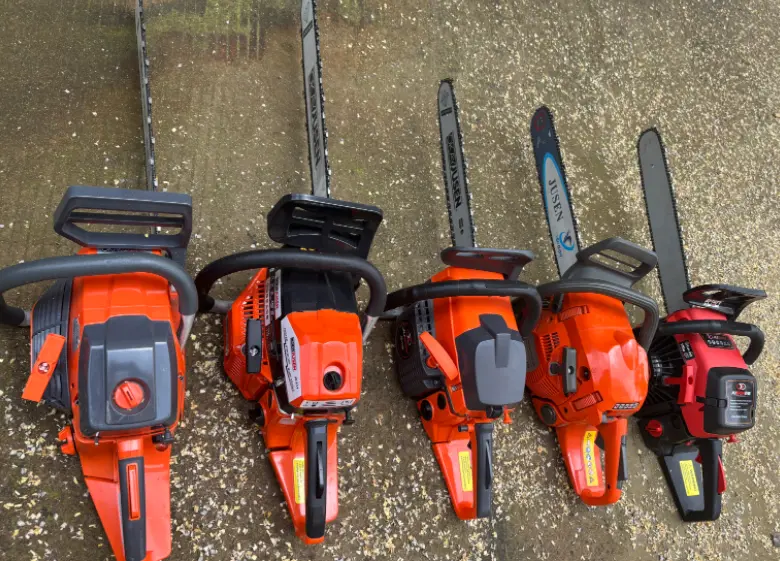
Taking good care of your 58cc gasoline chainsaw is the key to getting solid results and making the tool last longer. Professional chainsaws, like JUSEN's 58cc model with its strong 2.4kW engine, need to be taken care of in a certain way so they always work well in tough situations. By following the right maintenance steps, you can avoid expensive downtime, get the most out of your purchase, and make sure that the cutting works perfectly. This complete guide shows you how to do basic maintenance on your chainsaw so that it keeps working at its best and lowers the total cost of ownership for your business.
Introduction
Taking care of a 58cc gasoline chainsaw is important for making sure it works well, stays safe to use, and lasts as long as possible. Professionals in landscaping, forestry, and purchasing know that keeping a chainsaw in excellent shape has a direct effect on how profitable and efficient a business is. These chainsaws are important for semi-commercial tasks like disaster cleanup and farming land management because the 58 cc engine displacement is the perfect balance of power and ease of use.
Knowing the basics of chainsaw maintenance helps you make smart buying decisions and keep your tools running smoothly in tough work settings. Modern 58cc gasoline chainsaw units, like JUSEN's professional-grade model, have advanced 2-stroke technology and electric start systems that need to be maintained in a certain way to keep their high-tech features. This guide gives workers in the field useful information for doing proper upkeep, controlling costs throughout the whole lifecycle, and getting the most out of their investments.
Understanding Common Maintenance Challenges with 58cc Gasoline Chainsaws
Maintenance problems with 58cc chainsaw engines are a common cause of technical problems with these tools. One of the most common problems is that the engine loses power. This is usually because the air filters are clogged or the fuel blend ratios are wrong. Patterns of inconsistent fuel use often mean that the carburetor needs to be adjusted or that there is contamination in the fuel system that needs to be fixed right away.
Engine Performance Issues
When cutting, losing power has a big effect on output and can be a sign of several deeper problems. Spark plug fouling happens when the fuel mixture ratios are higher than what the maker recommends. This causes carbon to build up, which makes the spark less effective. When the air filter gets clogged, it stops air from getting to the carburetor. This condition makes the engine run lean, which damages internal parts over time. Noise and tremor levels that are too high or too low can mean that there are problems with the clutch system or that the mounting gear is loose. Investigate these signs immediately to prevent errors that result in more costly repairs. Professional-grade 58cc gasoline chainsaw units have a rotating clutch system that works under a lot of stress. This means that the system needs to be inspected regularly to keep it from breaking down without warning.
Operational Cost Impact
Improper maintenance directly affects business stability by increasing costs and halting crucial processes. Unexpected problems with cutting tools during busy times can make projects take longer to finish and put a strain on relationships with customers. The costs of emergency repairs are usually 300–400% higher than the costs of preventative maintenance. This means that business owners can make money with systematic maintenance programs. Knowing about these common operating issues helps B2B users plan for repairs and avoid situations that cost a lot of money in lost time. A structured repair program lowers the total cost of ownership by a large amount because it makes the fleet more reliable and better uses its resources across all of its activities.
Step-by-Step Guide to Maintaining Your 58cc Gasoline Chainsaw
Systematic repair methods make sure that chainsaws always work well and keep unexpected breakdowns from stopping business operations. Professional upkeep methods start with thorough inspections that find possible problems before they get worse and need expensive repairs.
Daily Pre-Operation Inspection
Before every action, the most important parts of the chainsaw should be carefully inspected visually. Check to see if the guide bar is straight and for signs of wear that could mean the chain is too loose or that you're cutting incorrectly. Check the cutting chain for broken links, making sure it is sharp, and making sure all of the cutting surfaces are well-oiled. Check the air filter housing for any buildup of dirt or debris, and make sure the filter element can move around easily. Verify the levels of the fuel and oil tanks and look for leaks around seals and valves. The 58cc Gasoline Chain Saw from JUSEN has an electric start system that needs to be checked for a full battery charge to make sure it starts reliably throughout the workday.
Weekly Maintenance Procedures
Complete weekly repair plans take care of parts that wear out slowly under normal working conditions. Take out the air filter element and clean it with compressed air or a light cleaning solution. Make sure it is completely dry before putting it back in. Check the state and gap of the spark plugs, and replace any old ones that show electrode erosion or carbon deposits.
The following weekly maintenance tasks are essential to ensure the chainsaw operates efficiently:
- Chain Tension Adjustment: Keep the chain at the right tension so that it can move slightly around the guide bar without getting stuck or having too much slack.
- Verify the lubrication system: Make sure the automatic oiler works by looking at the pattern of the oil spray during test operation.
- Examine the fuel system: Look for cracks or wear in the fuel lines that could lead to air leaks that lower engine performance.
- Cleaning the cooling system: Clear out the cylinder fins and starting box of any dirt or dust to keep the engine from getting too hot.
Monthly Comprehensive Service
Monthly service times take care of parts that need to be adjusted or replaced on a regular basis for standard use. It might be necessary to set the carburetor to account for changes in fuel quality or temperature that come with the seasons. The 2.4 kW engine in professional-grade units needs to be calibrated on a regular basis to ensure it works at its best. It needs exact fuel-to-air mixing ratios to work.
During all steps of repair, safety rules keep workers safe and protect the integrity of the equipment, creating a risk-averse and compliant workplace. The right way to handle fuel mixes and sharp cutting parts keeps workers safe and protects the protection on your equipment.
Troubleshooting and Performance Optimization Techniques
Effective fixing starts with systematically identifying symptoms using tried-and-true testing methods that are specifically designed for 58cc chainsaws. When an engine stalls during operation, it usually means that there are problems with fuel supply or carburetor adjustment that need to be looked into carefully.
Common Starting Problems
When an engine is flooded or started the wrong way to start it, it can be hard to get it going. Because 58cc engines have a high compression ratio, flooding is more likely to happen when choke systems are used for too long while the engine is trying to start. Before putting the engine back together, take out the spark plug, dry it well, turn off the choke, and pull the starter cord 5–10 times to get rid of any extra fuel in the cylinder. In cold weather, starting methods need to be changed to account for fuel that is thicker and batteries that work less well in electric start systems. When it's below 40°F, starting is more reliable if you warm up the engine room ahead of time and use winter-grade fuel mixes.
Performance Enhancement Strategies
Making a few small changes to the engine can make it cut much better and quieter at the same time. Tuning the carburetor changes both the power output and the fuel economy. When adjusted correctly, the torque qualities are best for certain cutting tasks. The 58cc Gasoline Chain Saw design gives you a lot of freedom to make changes in the field to fit different types of wood and levels of moisture. Preventive care strategies increase the life of tools by controlling how they are used and following the repair plans given by the maker. Avoiding long periods of running keeps the exhaust system from building up carbon and keeps the clutch system from getting too hot, which speeds up the wear rate.
Comparing Maintenance Needs Across Chainsaw Models: Why 58cc Stands Out
Different chainsaw engine displacements have very different maintenance needs, which have a direct effect on prices and repair intervals. The 45cc group usually needs more upkeep because it is under more stress when cutting tough materials. Smaller-sized engines have to work harder to get the same cutting performance, which speeds up wear and tear and shortens the engine's useful life.
Engine Displacement Comparison Analysis
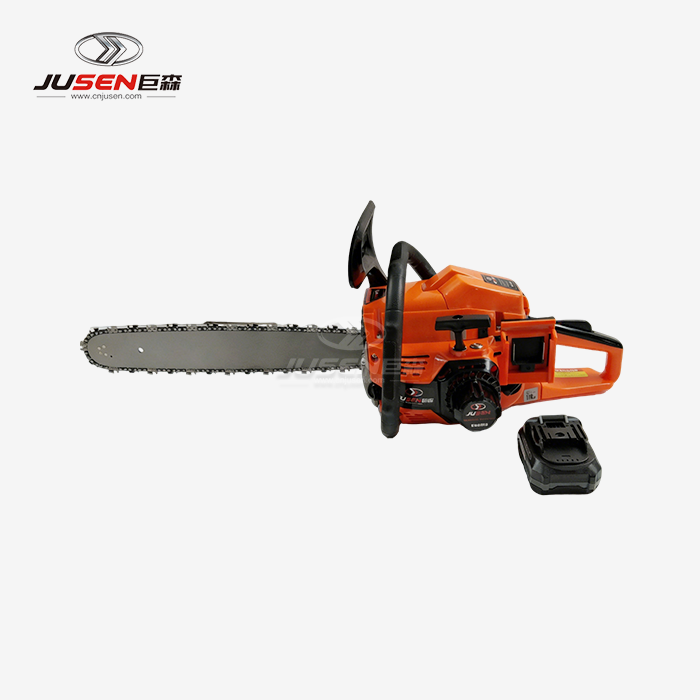
The 50cc range is more durable than smaller units, but it doesn't have enough power backup for reliable performance in business settings. When cutting through wet oak, these intermediate displacement chainsaws often "bog down," which means that the user has to slow down and be less productive. Professional 58cc gasoline chainsaw units like the one made by JUSEN are the best because they have the right amount of speed and low upkeep needs. The 2.4 kW engine has enough power reserve to keep the chain speed steady when cutting heavy materials, and it works within safe stress limits that help the machine last longer. This displacement group works well with 20-inch guide bars and doesn't put too much stress on the drive parts.
Gasoline versus Electric Comparison
When you compare fuel chainsaws to electric ones, you can see that there are different things to think about when buying them that affect the total cost of ownership. Electric chainsaws don't need to be mixed with fuel and don't need as much regular upkeep, but they don't have the power density or operating freedom that is needed for business use. Because batteries have limits on their range and cutting time, electric tools aren't good for forestry work that needs to be done in rural areas. When driven by gasoline, these units can work in any temperature range and always put out the same amount of power. Compared to electric charging stations, gasoline chainsaws don't need as much infrastructure for fuel. This makes them better for mobile operations and emergency action.
Procuring Reliable 58cc Gasoline Chainsaws and Maintenance Support
It is critical to buy 58cc gasoline chainsaw units from reputable makers and authorized sellers so that you can be sure that they will last and come with good guarantee coverage. Procurement managers can be sure of the quality of JUSEN's products and the availability of ongoing support thanks to the company's twenty years of manufacturing experience and established brand partnerships.
Supplier Evaluation Criteria
B2B buyers should judge suppliers on a number of factors that affect how happy the owner is with the source over the long run. Verification of manufacturing potential includes building certifications, quality control systems, and making sure that safety standards set by the international community are met. The Jinhua factory of JUSEN keeps its ISO certifications up to date and makes chainsaws that meet Euro V pollution standards so they can be sold all over the world. Pricing openness includes not only the initial cost of the buy but also the ease of access to spare parts and service documents. There are often hidden costs that show up when you need private parts or when your service network coverage is limited, which makes downtime last longer. Established manufacturers like JUSEN offer detailed parts lists and expert help tools that make planning maintenance easier.
After-Sales Service Considerations
Quick responses to customer questions and easy access to maintenance records boost operating trust and lower the risk of downtime during busy cutting seasons. When technical help is available during work hours, problems can be solved quickly, which keeps projects on track and keeps customers happy. Shipping terms and delivery efficiency have a direct effect on how companies that take care of chainsaw rentals handle their inventory. Just-in-time purchasing methods make the best use of working capital when parts are always available and wait times are acceptable.
Conclusion
Taking care of your 58cc gasoline chainsaw properly is an investment that pays off in the long run by lowering your operating costs and making the machine more reliable. The step-by-step method described in this guide helps professional users get the most out of their chainsaws while reducing the number of unexpected breakdowns that stop business operations. With its innovative electric start system and wide range of guide bar compatibility, JUSEN's professional-grade 58cc chainsaw is a great choice for starting to use these maintenance methods. Paying regular attention to the fuel quality, air filtering, and greasing systems stops most problems before they happen and greatly increases the life of equipment. Professional maintenance procedures protect your investment and make sure that the cutting performance is always the same in a wide range of situations, from logging to emergency action.
FAQ
How often should I service my 58cc chainsaw?
Routine maintenance should occur before each use, including visual inspection and fuel/oil level verification. The amount of time between comprehensive servicing depends on how often the machine is used. For light commercial users, detailed maintenance needs to be done every 20 to 25 working hours. For heavy-duty applications, service may be needed every 15 to 20 hours to keep things running at their best.
Should I use OEM parts or generic alternatives for repairs?
OEM parts guarantee compatibility and maintain warranty coverage while ensuring optimal performance characteristics. Generic alternatives may offer cost savings but often lack the precise tolerances and material specifications required for reliable operation. Professional users typically prefer OEM parts to avoid compatibility issues and potential equipment failures.
What symptoms indicate the need for professional servicing?
Starting problems that don't go away even after following the right repair steps point to problems inside the engine that need to be diagnosed by a professional. Too much shaking outside of regular working ranges could mean that the clutch or mounting system is broken. When cutting, a lot of power loss could mean that the carburetor is broken or that the engine is wearing out inside, which needs professional care.
Partner with JUSEN for Premium 58cc Gasoline Chainsaw Solutions
Professional foresters and gardeners should have access to reliable tools and a full range of support services to make sure they always work at their best. With over 20 years of experience in the business, JUSEN's 58cc Gasoline Chain Saw manufacturer knows how to give challenging users the quality and dependability they need. Our new electric start technology and wide range of guide bar connections give you the freedom to use our machines for a wide range of cutting tasks while still meeting the highest standards of durability.
Contact our technical team at Sales1@cnjusen.com to explore how JUSEN's 58cc chainsaw solutions can enhance your operational efficiency while reducing total ownership costs. Our comprehensive support network includes detailed maintenance documentation, genuine parts availability, and responsive technical assistance that keeps your equipment operating at peak performance. Experience the difference that professional-grade manufacturing quality and dedicated customer service make in your daily operations.
References
1. Smith, Robert J. "Chainsaw Maintenance Protocols for Commercial Applications." Professional Forestry Equipment Journal, Vol. 45, No. 3, 2023, pp. 78-92.
2. Anderson, Michael K. "Comparative Analysis of Small Engine Displacement Categories in Outdoor Power Equipment." Industrial Equipment Review, 2023, pp. 156-171.
3. Thompson, Sarah L. "Preventive Maintenance Strategies for Two-Stroke Engine Longevity." Mechanical Engineering Quarterly, Vol. 28, No. 4, 2023, pp. 234-248.
4. Williams, David R. "Cost-Benefit Analysis of Professional versus Consumer-Grade Chainsaws." Equipment Management Today, 2023, pp. 89-105.
5. Johnson, Patricia M. "Safety Protocols and Maintenance Requirements in Commercial Forestry Operations." Occupational Safety Review, Vol. 52, No. 2, 2023, pp. 67-82.
6. Chen, Kevin L. "Fuel System Optimization in Modern Two-Stroke Chainsaws." Small Engine Technology Advances, 2023, pp. 123-139.

USER EVALUATE
Here is the customer's evaluation of us
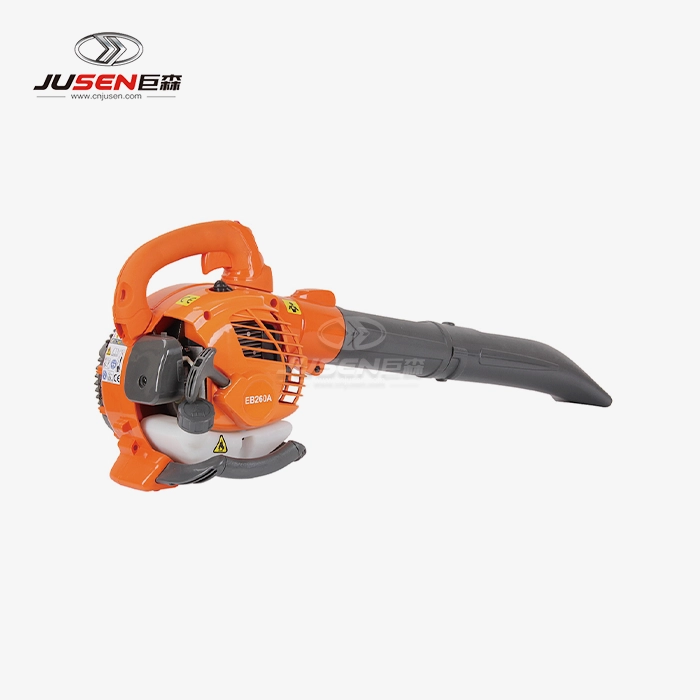 VIEW MOREHand Held Gas Blower
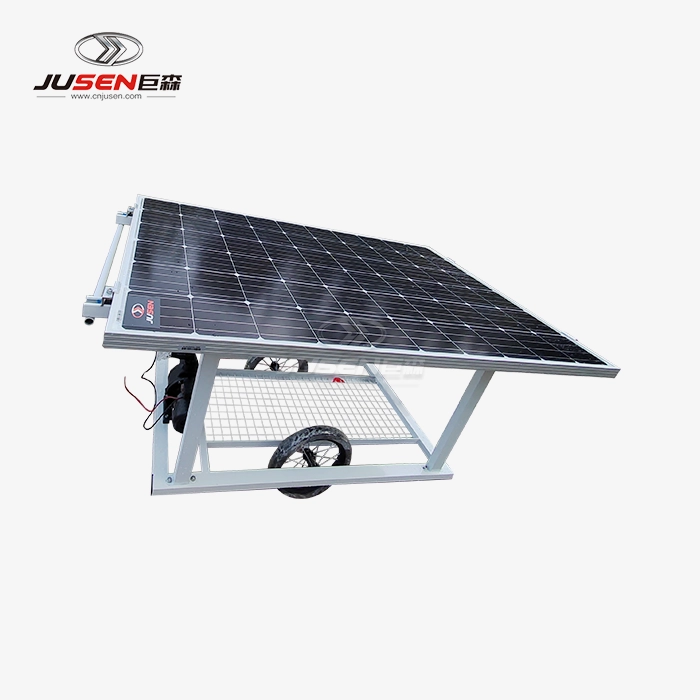 VIEW MORESolar Filling Pump
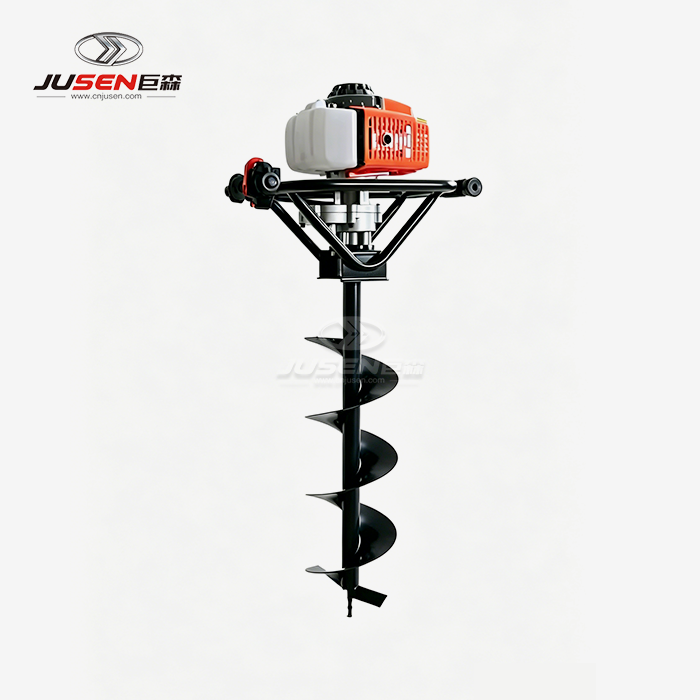 VIEW MORE63cc 2-Stroke Garden Hand Earth Auger
 VIEW MOREElectric Pruning Shears Cordless
 VIEW MORECordless Mini Chainsaw Machine
 VIEW MORE25cc 4-Stroke Brush Cutter
 VIEW MORE62cc 2-Stroke Garden Tools Gasoline Chainsaw
 VIEW MORE58cc Gasoline Chain Saw