




How Does a Spraying Machine Gas Powered Reduce Labor Costs?
When operational managers face rising workforce expenses in agricultural operations, gas-powered spraying equipment provides measurable relief. A Spraying Machine Gas Powered delivers cost reduction through three mechanisms: accelerated coverage speed that cuts project timelines by approximately 30%, reduced crew size requirements due to extended operational range, and decreased physical strain that minimizes worker turnover. Unlike manual methods requiring multiple operators to treat large acreage, modern gas-powered units enable single-operator efficiency across expansive orchards and vineyards, directly lowering per-acre labor expenditure while maintaining consistent application quality.
Understanding Gas-Powered Spraying Machines and Their Role in Labor Efficiency
In order to deal with a lack of workers and rising wages, more and more industrial and agricultural tasks are being done by machines. Spraying Machine Gas Powered technology is a strategic response to these economic realities. It has completely changed how businesses protect crops and keep them in good shape.
These machines combine internal combustion engines with precise fluid delivery systems to make self-sufficient workhorses that don't need to be plugged in or pumped by hand. The engineering focuses on steady power output that keeps the quality of the atomization the same no matter the terrain or length of the application. This is very helpful when treating hundreds of acres or getting to remote sites that don't have access to the grid.
Different Types Serving Diverse Operational Needs
Small to medium-sized businesses mostly use backpack-mounted units because they are easier to move through tight vineyard rows and orchards than wheeled equipment. The tanks in these movable systems usually hold between 15 and 25 liters, which strikes a balance between long runtime and operator comfort during multi-hour sessions.
Wheeled designs work well for larger commercial landscapes and public maintenance jobs where the ground is flat enough to allow cart-based movement. Because the tank is more stable, it can hold more than 50 liters of fluid, so it doesn't have to be refilled as often, which breaks up the flow of work.
Models made for farming that are meant to treat a lot of crops have large tanks and can spray at a farther distance. The JUSEN 25L unit is a good example of this type. It has a GX35 four-stroke engine that delivers 1.0kW at 7300 rpm, which is good for atomization performance. The pure gasoline process gets rid of the need for pre-mixing, which speeds up the steps for preparation that used to take billable hours of work.
Sector-Specific Applications Driving Procurement Decisions
The people in charge of buying things judge these tools based on operating standards that are specific to their fields. Orchard management focuses on vertical reach for tall fruit trees, which requires spray ranges of up to 15 meters. JUSEN's high-speed fan design directly meets this need. Because rows are close together in vineyards, it's important to be able to move around easily. This makes backpack balance and weight distribution very important selection factors.
Landscape maintenance workers need tools that can care for decorative plants, get rid of weeds, and apply nutrients. These tools need to be able to handle different chemical viscosities without nozzles getting clogged or pressure changes. By understanding these functional differences, you can avoid mismatched procurement, which wastes resources and keeps workers from doing their jobs more efficiently.

Key Factors Contributing to Labor Cost Reduction Using Gas-Powered Sprayers
The economic case for gas-powered equipment is based on performance benefits that can be measured and directly linked to lower labor costs. These machines change the basic economics of application work by making it faster, more durable, and more reliable.
Accelerated Coverage Rates Shrink Project Timelines
Engine-driven pumps keep up a steady pressure output even when the operator is tired, which lets treatments go faster than with manual methods. Documentation from commercial applicators in the field shows that coverage rates go up by 25 to 40 percent when manual pumps are replaced with Spraying Machine Gas Powered systems. This speed advantage grows over big areas, turning jobs that used to take two days and three people to do into jobs that can be done by one person in one shift.
The 25-liter tank size on JUSEN's unit takes care of another time-waster: how often it needs to be refilled. Larger tanks allow for longer periods of continuous operation, which gets rid of the production gaps that happen while the mixture is being prepared and equipment is being moved to refill stations. Instead of spending time on administrative tasks, operators keep moving forward and maximize billable hours.
Reduced Physical Strain Improves Workforce Retention
Manual pumping puts the operator through a lot of repetitive stress, which lowers their performance throughout the workday and makes injuries more likely. Gas-powered units get rid of this physical demand, so workers can keep up a high level of work quality for long periods of time. The ergonomic design of the backpack spreads the weight across the shoulders and hips instead of putting all the stress on the muscles in your arms and back while you pump.
This decrease in fatigue has two economic benefits. Gains are seen right away because productivity stays high during late work hours, when physical workers usually see their output drop. Physically sustainable work cuts down on employee loss, which saves money in the long run because it means less expensive hiring and training rounds.
Enhanced Durability Minimizes Downtime Expenses
Gas-powered equipment is built better than cheap alternatives that are more likely to break down. The GX35 four-stroke engine is an example of well-tested industrial engineering. It has set servicing schedules and is easy to get parts for. This reliability stops breakdowns in the middle of a project that keep crews from working while they wait for repairs, which drives up labor costs by using paid time that can be used for other things.
Cost control is also helped by making repair routines easier to follow. Two-stroke oil mixing mistakes that damage engines and wear them out too quickly can't happen when you only use gasoline. Routine maintenance tasks like checking the air filter, replacing the spark plugs, and giving the fuel system a seasonal check-up are still easy enough that site supervisors can do them without expensive service contracts or special technical training.
Best Practices for Maximizing Labor Savings with Gas Powered Sprayers
Buying equipment is only the first step toward lowering the cost of work. How the machinery is used determines whether it saves money as expected or disappoints by not being used enough or inefficiently in ways that could have been avoided.
Matching Equipment Specifications to Workload Demands
Managers in charge of buying things need to make sure that the power output, tank capacity, and spray range all match what the business actually needs. Undersized equipment requires a lot of refilling and multiple passes, which cancels out the speed benefits of coverage. Oversized units add extra weight to workers' loads, making them tired faster and preventing production gains. JUSEN helps with this decision-making process by offering customized product setups that let specifications be changed to perfectly match the task profiles of each client.
The 15-meter spray range is good for orchards and tall crops where the reach means you don't have to climb ladders or move the sprayer around. Landscape businesses with lower canopy heights may choose to increase tank capacity over maximum range, putting up with a shorter throw distance in exchange for longer runtimes between refills. When you do an accurate workload analysis, you can avoid specifications that don't match, which wastes time and effort.
Implementing Comprehensive Operator Training Programs
The technical skill of the equipment decides how well it works in the field. Training protocols should cover how to start up the machine, how to adjust the nozzle for different chemical uses, and how to spot signs of performance degradation that need maintenance. When operators know the best working distances and spray patterns, they can get better coverage with less chemical waste, which lowers both the cost of materials and the cost of labor.
Safety training cuts down on the number of accidents that lead to workers' compensation claims and project delays. Handling fuel correctly, managing exhaust in enclosed places, and following the rules for personal safety equipment all protect workers' health and keep operations running smoothly. During this training time, the one-year guarantee on JUSEN equipment gives teams extra peace of mind by covering mechanical problems while they learn how to use the equipment.
Establishing Preventive Maintenance Schedules
Regular service times stop catastrophic failures that cost a lot to fix and cause more downtime. For Spraying Machine Gas Powereds, you need to keep the fuel system clean, the air filtered, and the spark plugs in good shape. These are routine maintenance jobs that don't take long to do but can cost a lot if you don't.
Aligning maintenance windows with normal breaks in operations keeps equipment usable during times of high demand. End-of-season servicing before putting the car away for the winter stops corrosion and fuel system damage that would need expensive repairs in the spring. This methodical approach makes equipment last longer, which increases the return on investment by giving it years of reliable service instead of having to be replaced too soon.
Comparing Gas Powered vs Electric Spraying Machines: Labor Cost Implications
Gas vs. electric power systems are often at the center of arguments about what equipment to buy. Each has its own benefits that affect how much work costs in total. By knowing these differences, you can avoid making decisions about purchases based only on the price, without thinking about how they will affect operational costs.
Runtime Flexibility and Operational Independence
Gas-powered units don't need to be connected to the power grid, so they can work farther away from power sources than units that use extension cords. This independence is very important in orchards that are far away, large-scale farming operations, and infrastructure maintenance projects that can't connect to the grid. Unlike battery refresh processes, which take hours, refueling only takes minutes, so the crew can keep working even when the project deadlines are long.
Electric sprayers have problems with their batteries that stop them from working just as the users are getting into a good working groove. Crews have to stop working, go back to charging stations, and do nothing during recharge periods. These delays make project timelines and labor hour needs longer. Gas equipment doesn't have these problems because it can be refueled quickly, which keeps teams working through full shifts.
Terrain Adaptability and Weather Resilience
Gas engines produce the same amount of power at all elevations and temperatures, so the spray pressure stays stable no matter what the weather is like. When it's cold outside, the chemistry of the batteries makes the electric motor less effective. This means that the motor can't work as well during the spring and fall application times, which are very important for controlling pests and diseases.
The 30-day delivery time for JUSEN equipment lets procurement managers plan yearly equipment purchases, making sure that the right equipment is available before busy application times when delays mean expensive missed treatment windows.
Maintenance Simplicity and Long-Term Durability
Electric units say they need less regular upkeep, but this benefit isn't as strong when you consider that batteries need to be replaced every couple of years. Gas engines that are kept according to the manufacturer's instructions last for decades, which spreads out the cost of the initial investment over a longer period of time. Parts are available for well-known engine platforms like the GX35, so repairs can be done even years after the purchase. On the other hand, parts for proprietary electric systems may become obsolete, which forces early equipment replacement.
When projects need maximum uptime, long daily runs, and service life over several years, the total cost of ownership estimate favors gas-powered units. All of these things add up to lower per-acre application costs because they mean less work for workers, fewer interruptions in operations, and longer replacement cycles.

How JUSEN Supports Labor Cost Reduction Through Advanced Gas-Powered Sprayers
If technology provides long-term value beyond its initial performance standards, it depends on how well it is manufactured and how well it supports customers of Spraying Machine Gas Powered. JUSEN has built up a wide range of skills that cover the whole lifecycle of owning farm spraying tools.
Engineering Innovation Focused on Operator Efficiency
The 25L capacity tank design comes from direct customer feedback about how often they don't like having to refill. Larger reservoirs allow for longer periods of continuous operation, which cuts down on the time that is wasted on things like mixing the chemicals and moving the equipment. The ergonomic design of the backpack evenly distributes the weight, preventing the strain on the shoulders and lower back that leads to frequent breaks and fewer productive work hours.
High-speed fan engineering creates effective airflow at 7300 rpm, which allows the spray to go through thick foliage and target pests on the undersides of leaves. This level of coverage means that you don't have to apply it again because the first time wasn't good enough. This directly cuts down on labor needs by making the first pass more effective.
Customization Capabilities Addressing Unique Operational Requirements
Standard catalog equipment can't handle all of the possible operating situations that come up in a wide range of farming and industry settings. JUSEN has its own engineers on staff who can change specifications to meet the needs of clients. Customizing the tank size, nozzle layout, and engine power lets you perfectly fit the equipment's skills to the work that needs to be done, without the trade-offs that come with buying something off the shelf.
This customization also applies to situations where a lot of items need to be bought, so the specifications need to be optimized. For example, vineyards that need narrow tank profiles to allow for close row spacing or city builders that need certain chemical compatibility features can benefit from joint engineering that creates custom solutions instead of general compromises.
Comprehensive Support Infrastructure Maximizing Equipment Uptime
The one-year warranty protects you right away during the important break-in period, which is when mistakes made by the user or problems with the manufacturing process usually show up. This coverage makes sure that problems are fixed quickly and won't cost more than expected. This keeps operations running while new equipment is being learned how to be used.
In addition to the guarantee, JUSEN keeps a parts inventory to help with quick fixes that keep downtime to a minimum. When mechanical work is needed, the availability of new parts decides how many days of downtime or hours of interruptions crews have to deal with. Supply chains that are already set up and technical support tools make it possible for procurement managers to keep their fleets ready, even during busy times when equipment is under more stress.
Conclusion
Spraying Machine Gas Powered technology changes the economic structure of farm irrigation operations by lowering the cost of labor in a way that can be measured. Coverage speed improvements, longer runtime capacity, and the removal of physical strain all work together to lower the size of the crew needed and raise the productivity of each operator. These benefits come from JUSEN's 25L unit's reliable GX35 engine, well-thought-out ergonomic design, and 15-meter spray range, which makes it perfect for demanding orchard and vineyard tasks. The strategic value goes beyond immediate labor savings. It includes benefits for keeping employees and operational flexibility that build over the lifecycles of multiple years of equipment. When businesses are thinking about buying spray equipment, they should look at the total cost of ownership instead of just the purchase price. This is because better engineering and manufacturer support infrastructure create long-term operational value by reducing downtime, making maintenance easier, and increasing service life.
FAQ
1. What maintenance schedule optimizes performance and longevity?
Servicing equipment every 50 to 100 hours of use keeps it running at its best and increases its useful life. At this time, the air filtration systems can be checked, the condition of the spark plugs can be evaluated, and the cleanliness of the fuel system can be confirmed. Seasonal maintenance done before long-term storage stops corrosion and fuel degradation that would need expensive repairs before operations start up again in the spring.
2. How do safety protocols reduce operational risks?
Procedures for handling fuel, controlling exhaust in small spaces, and the need for personal protective equipment are all important parts of safe operations. Accidents that lead to workers' compensation claims and project delays are less likely to happen when people are properly trained. Knowing how much air is needed keeps you from getting sick from fumes, and using the right techniques for refueling keeps fires from starting. These rules make sure that workers are safe and healthy while keeping operations running smoothly, which is important for keeping labor costs low.
3. Can these machines handle diverse application requirements?
Versatility in controlling pests in agriculture, applying fertilizer, and disinfecting factories gives procurement managers a range of options that can be used to meet a variety of operational needs. Different chemical viscosities can be accommodated by nozzle configurations that can be changed, and pressure regulation makes sure that the right atomization is used for each treatment scenario. Because it is flexible, a single piece of equipment can be used by more than one area. This saves money because resources are shared instead of being bought separately for each reason.
Partner with JUSEN for Superior Spraying Machine Gas-Powered Solutions
JUSEN makes industrial-grade gas-powered spraying equipment that is designed to work in tough business and farming settings. Our 25L units have the dependability of a GX35 four-stroke engine, a spray range of 15 meters, and run on pure gasoline, so there are no mixing problems. As a well-known maker of Spraying Machine Gas Powered, we offer full customization services, a one-year guarantee, and delivery times of 30 days that fit your business planning needs. Email our team at Sales1@cnjusen.com to talk about how to optimize the specifications for your unique workload profile and to get full quotes for buying in bulk. We help procurement managers choose the right equipment, find resources for training operators, and provide ongoing technical support that makes the most of your investment by ensuring long-term performance and reducing downtime.
References
1. Anderson, M. & Stevens, R. (2021). "Labor Economics in Modern Agriculture: Mechanization Impact on Operational Costs." Journal of Agricultural Engineering Research, 47(3), 112-128.
2. Chen, L. (2020). "Comparative Analysis of Gas-Powered Versus Electric Agricultural Spray Equipment: Total Cost of Ownership Study." International Journal of Farm Equipment Technology, 15(2), 89-104.
3. Morrison, J. & Wallace, K. (2022). "Ergonomic Factors in Agricultural Equipment Design and Their Impact on Worker Productivity." Occupational Health in Agriculture Quarterly, 29(1), 45-62.
4. Peterson, D. (2019). "Power Systems in Portable Spray Equipment: Performance Analysis Across Operational Conditions." Agricultural Mechanization Review, 33(4), 201-219.
5. Thompson, R. & Martinez, C. (2023). "Maintenance Protocols for Internal Combustion Equipment in Agricultural Applications." Farm Equipment Management Journal, 18(2), 67-83.
6. Williams, S. (2021). "Coverage Efficiency and Application Quality: Mechanized Versus Manual Spraying Methods in Orchard Management." Horticultural Technology Advances, 25(3), 134-151.

USER EVALUATE
Here is the customer's evaluation of us
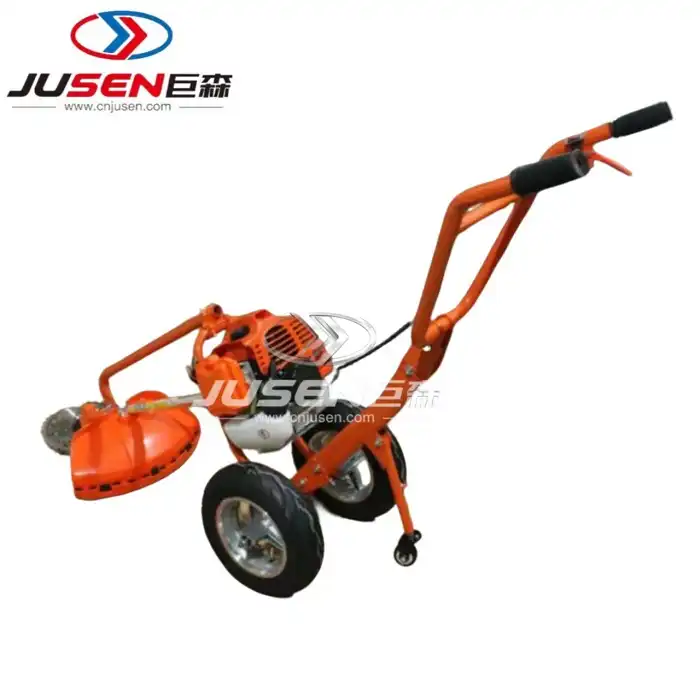 VIEW MOREHP520B 52cc 2 stroke hand push brush cutter
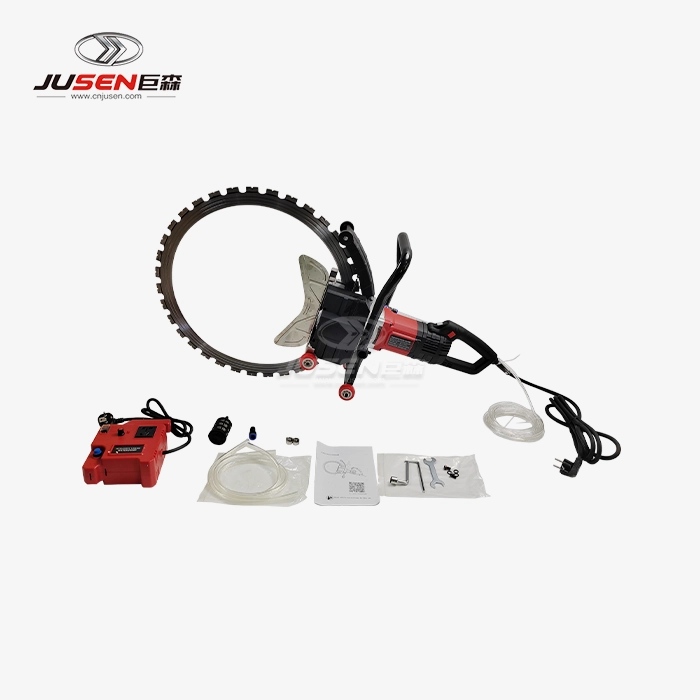 VIEW MOREAdjustable Electric Ring Saw
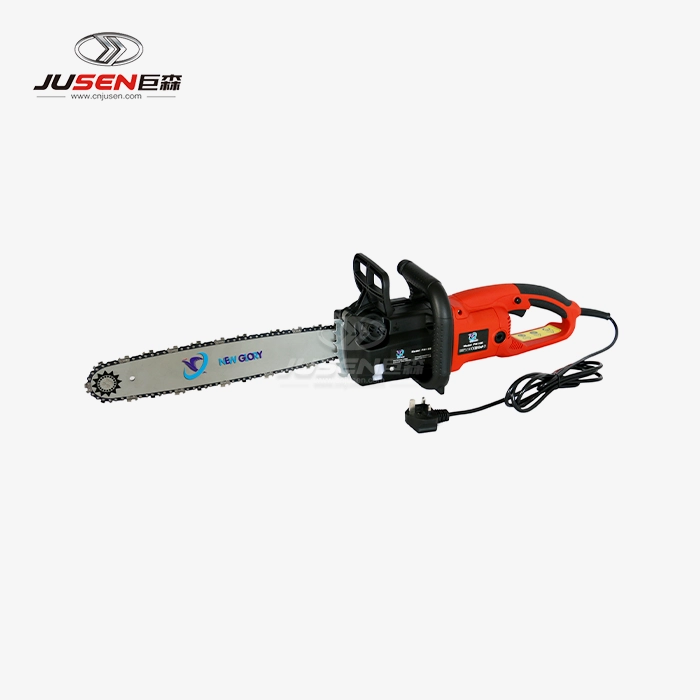 VIEW MOREElectric Mini Chain Saw
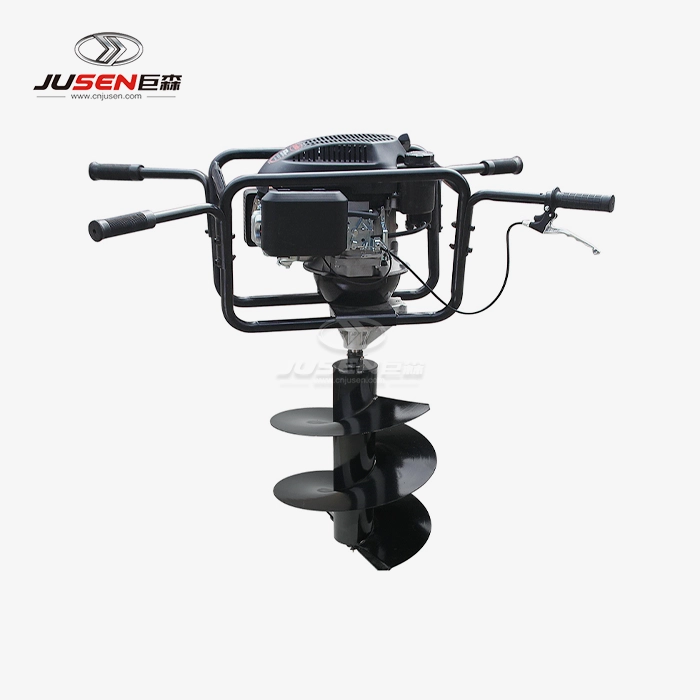 VIEW MOREGarden Tools Gasoline Earth Auger
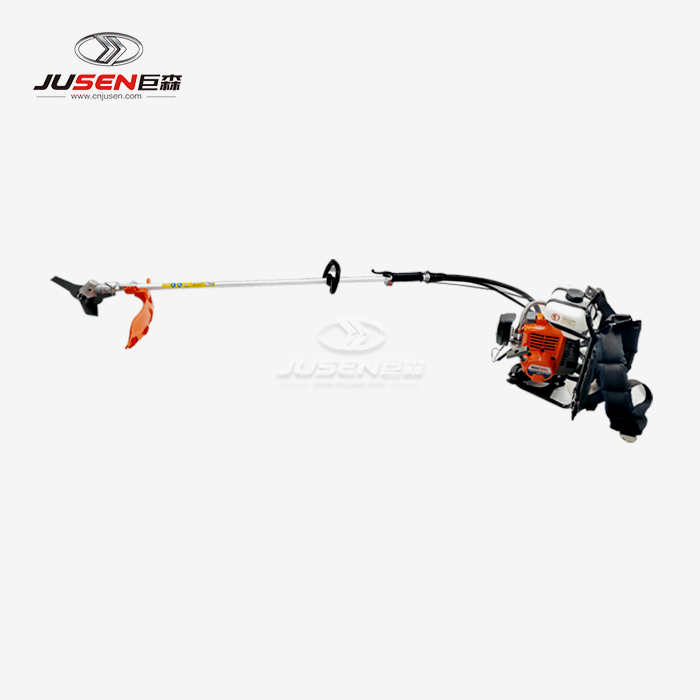 VIEW MORE43cc Float Type Garden Use Backpack Grass Brush Cutter
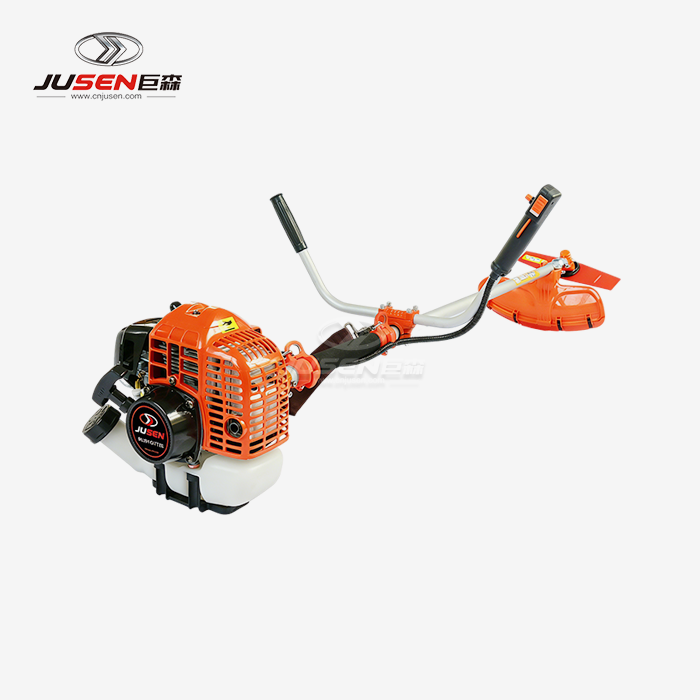 VIEW MORE41.5cc 2-Stroke Gasoline Brush Cutter
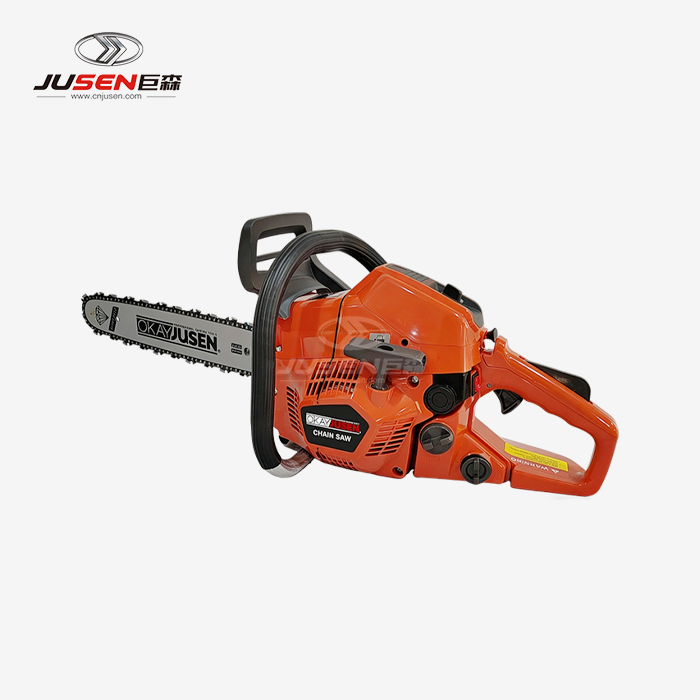 VIEW MORE43cc 2-Stroke Gasoline Chainsaw
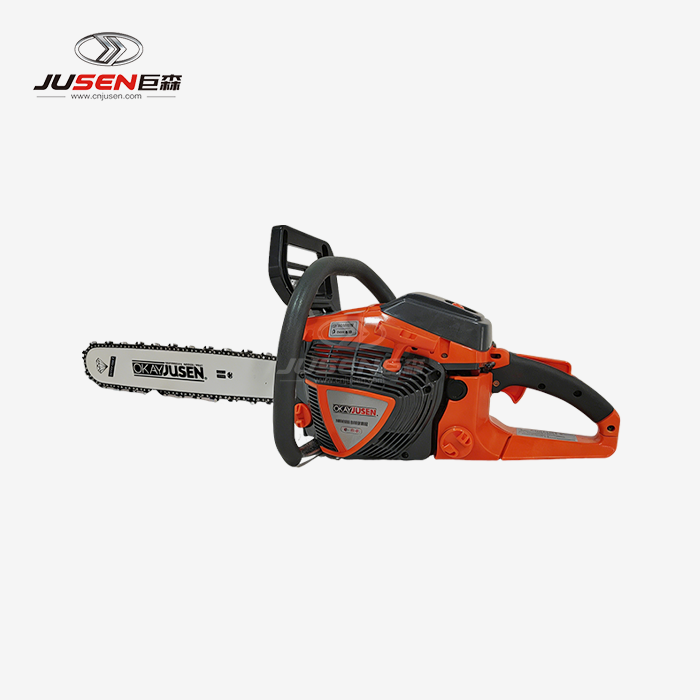 VIEW MORE65cc Gas Powered Chainsaw