




How Does Electric Pruning Shears Cordless Compare to Manual Shears?
The way experts and amateurs approach trimming has changed thanks to Electric Pruning Shears Cordless. Cordless electric shears use lithium-ion batteries and brushless motor technology to automatically cut, while traditional manual shears depend on hand strength and repeated pressing movements. This basic change gets rid of up to 80% of the hard work while still making clean cuts consistently over long work sessions. It's not just about convenience when comparing these two types of tools; it's also about efficiency, operator health, and long-term operating economics that have a direct effect on business results.
Introduction to Pruning Shears: Manual vs Electric Cordless
For many years, people have used pruning shears by hand in farming and gardening. Simple lever mechanics turn the pressure you put on these tools with your hand into cutting force. Manual shears are cheap and don't need to be plugged in, but they have a lot of problems. After a long time of use, professional workers often get repeated strain injuries, like carpal tunnel syndrome and tendonitis. When pruning is in full swing, lawn teams say that hand fatigue slows down cutting by about 40% after just three hours of nonstop work.
The move toward Electric Pruning Shears Cordless is in line with a larger trend in the industry to put worker safety and efficiency first. Battery-powered types automatically move the blades, so you don't have to worry about the physical strain of cutting by hand. Electric Pruning Shears Cordlesshttps://www.aedger.com/cordless-pruning-shears can be used for all-day farming thanks to improvements in battery energy density and brushless DC motor efficiency. Instead of pneumatic options that need compressor systems or connected models that make it hard to move around, cordless designs let you freely move through trees, vines, and gardening sites.
Adoption rates in business settings have sped up a great deal. Vineyard managers say that when workers move to battery-powered pruning tools, their output goes up by 200 to 300 percent, and at the same time, accident claims go down. The municipal landscaping offices also say that they are more productive, especially when they have to do a lot of maintenance jobs during the summer. More and more people are starting to accept them because they make cutting more consistent, make operators more comfortable, and speed up the whole process. These are all things that give businesses that handle labor-intensive trimming operations a direct competitive edge.
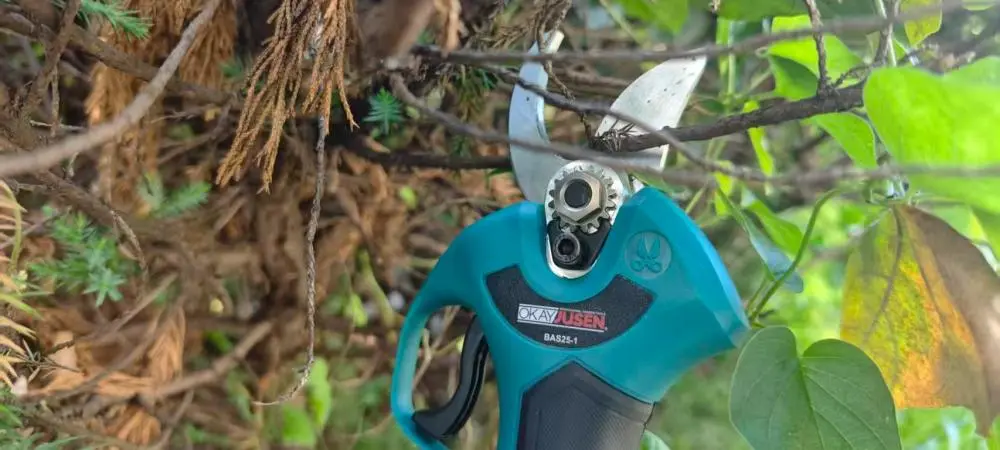
Key Performance Comparison: Electric Cordless vs Manual Pruning Shears
Cutting Efficiency and Speed
Timed cutting tests make the difference in performance between manual and electric cordless pruning shears. With manual shears, the user has to squeeze the blade all the way through for each cut. This means that even experienced workers can only make about 15 to 20 cuts per minute on twigs that are about 2 cm across. Electric types with brushless motors can cut the same material 30 to 40 times per minute with little help from the user. With its 400W motor system and 220N cutting power, the JUSEN 21V electric pruning shear can cut through branches up to 2.5 cm in diameter without having to be repositioned or try more than once, which is a typical problem when manual tools reach their limits.
Precision is another important aspect of success. Manual shears depend on the operator's ability to keep their hands steady and their grip strength, which naturally decreases after long sessions. No matter how long the user has been cutting with Electric Pruning Shears Cordless, the cutting force stays the same. This regularity is especially helpful in business orchards and wineries, where even pruning has a direct effect on the quality of the crops that are grown. When compared to the crushing damage that can be done by tired people using hand tools, clean, exact cuts heal faster and make plants less likely to get pathogens.
Ergonomics and Operator Fatigue
The practical benefits of electric pruning shears, cordless, go beyond just making work easier. People who prune trees by hand have to use 15–25 kg of grip force for every cut, which they have to do hundreds or thousands of times a day. The muscles, nerves, and joints in your hands are under a lot of stress from doing this over and over again. Medical studies show that skilled pruners who use hand shears get hurt about 30% of the time every year. The injuries can be anything from minor inflammation to nerve damage that ends their career.
Electric shears that run on batteries completely change this risk profile. The motor generates all the cutting force, so operators only need to place the blade and press a button. The JUSEN electric model is carefully balanced so that cutting high or with a long reach doesn't put too much stress on your wrists. Manual shears put all the work-related stress on the hand and wrist. Electric shears, on the other hand, spread the weight more evenly and don't require you to grip them over and over again. Professional gardening teams say that workers can happily use electric pruning shears cordless for eight-hour jobs without getting hand tiredness, which is what stops people from pruning by hand after four to five hours.
Battery Life and Operational Continuity
Concerns about battery life have generally kept people from using electric tools in the field. These concerns are successfully addressed by modern lithium-ion technology. Professional-grade Electric Pruning Shears Cordless tools with 21V battery systems can work continuously for 4 to 6 hours at normal rates, which is enough for most one-shift jobs. Advanced battery management systems keep an eye on the voltage and temperature of each cell, stopping both over-discharge harm and heat shutdown during hard cuts.
Planning operations can help improve battery life even more. Companies that use electric trimming tools usually keep their charging systems in rotation, changing out dead batteries during breaks or shift changes. Because makers like JUSEN offer customization choices and 30-day delivery, buying teams can order the right amount of equipment for their workers, making sure there are enough battery backups. This methodical approach gets rid of the power interruptions that people who don't like electric tools often point out. Manual shears, on the other hand, never have power problems, but they do have human limits that electric options get around.
Environmental Impact and Noise Considerations
Sustainability is becoming a bigger factor in buying choices in both gardening and farming. Electric pruning shears, cordless, don't give off any direct pollution when they're in use, which is very different from gasoline-powered shears that are still commonly used in some business settings. Even though manual shears don't cause any emissions either, the efficiency gap means that the same amount of work takes a lot more hours of work, which means more vehicles, break rooms, and other resources.
Noise pollution is another environmental issue that needs to be thought about, especially for gardening jobs in cities. Manual shears work almost quietly, which is a real benefit in places where noise is a problem, like schools, hospitals, and private areas. Electric pruning shears, cordless, make a modest amount of noise, about 70 to 75 decibels, which is about the same level of noise as a regular conversation and a lot quieter than gasoline-powered equipment that goes over 95 decibels. This sound profile lets city maintenance crews do cutting work for longer periods of time without bothering people or breaking noise laws.
Safety Features and Risk Management
Safety rules at work require that risks related to tools be carefully evaluated. Manual trimming shears can be dangerous because they can cause injuries from repeated strain and blade contact when they are being cleaned or adjusted. When it comes to electric pruning shears, cordless, the powered blade movement adds more safety concerns that need to be addressed. Quality makers add several layers of safety, such as trigger guards that stop the tool from being accidentally activated, automatic blade retraction systems, and motor shutdown functions that stop the tool from working if safety rules aren't followed.
There are built-in safety features in the JUSEN Electric Pruning Shears Cordless that protect users and extend the life of the motor and battery. At 13.5V, low-voltage safety kicks in to keep the battery from being damaged by over-discharge. At 75°C, overheating safety kicks in, giving the motor time to cool down before it can be used again. These automated safety features make it easier for operators to make decisions while also stopping the damage to equipment and possible safety issues that can happen when workers push tools past their safe limits. The one-year guarantee backs up the manufacturer's faith in these safety systems and gives procurement teams peace of mind about the reliability of the equipment.
Practical Benefits of Electric Cordless Pruning Shears for B2B Procurement
Time and Labor Cost Reduction
The business case for electric pruning shears (cordless) is based on increased output that lowers the cost of labor immediately. Imagine a gardening business that is in charge of 50 acres of decorative shrubs that need to be pruned every so often. A skilled worker can cut about 0.8 acres of land every day with hand shears, so the project will take 80 workdays, or eight days of work by a 10-person crew. When that same company uses Electric Pruning Shears Cordless, each worker's output goes up to 2.5 acres per day, and the job is finished with just four workers in five days, for a total of 20 workdays. This 75% drop in work hours saves money right away, even after taking into account the cost of buying new tools.
Along with faster speeds, electric tools offer accuracy that can't be matched by traditional methods. When workers use hand shears, their output usually drops by 30 to 40 percent between morning and afternoon classes because they get tired. Cordless electric pruning shears keep working at a steady rate throughout shifts, so there are no drops in productivity that make projects take longer to finish. When comparing original buy prices to long-term operational economics, procurement managers should take these long-term gains in efficiency into account when figuring out the total cost of ownership.
Industry Versatility and Application Range
Electric pruning shears, cordless, work great in a wide range of business settings. In commercial farms, where crews have to work on thousands of vines every day during the dormant season, they make spur pruning and cane picking easier. The cordless design gets rid of the risks of snagging and limited movement that come with using air tubes or extension cords that go through trellis systems. People who work in orchards with lots of apple, citrus, and stone fruit plants like how powerful and accurate electric shears are. They can cut structural branches up to 2.5 cm in thickness and make clean cuts that are needed to keep pathogens out.
Electric pruning shears, cordless, are very useful for taking care of trees and decorative plants in cities. They are especially useful for business grounds maintenance companies and city gardening departments. The lightweight design makes it easier to work from above and on ladders, and the instant-on feature lets workers quickly move between workplaces that are far apart. People who grow at home have also started using battery-powered pruning tools, especially those who have big rose gardens, fruit trees, or decorative hedges that they can't cut by hand. This wide range of uses in both business and home settings opens up many market possibilities for B2B providers.
Maintenance Requirements and Durability
The total cost of ownership includes not only the price of buying something but also the cost of repairs and replacements over time. Sharpening, lubricating the pivot point, and replacing the spring are all easy upkeep tasks that most people can do themselves with their own pruning shears. Electric Pruning Shears Cordless devices need more care when it comes to the motors, batteries, and electrical parts. Good makers make these tools so that they can be serviced in the field. They do this by using standard fasteners and modular parts that techs can swap out without needing special tools.
In contrast to brushed motors, the JUSEN Electric Pruning Shears Cordless's motor is brushless, which greatly increases its useful life. Brushless motors don't have the carbon brushes that cause friction and wear out over time, as standard motors do. They can often run for 10,000 hours or more before they need to be serviced. The built-in safety systems that check power and temperature stop the misuse-related damage that shortens the life of tools in tough field conditions. If you store lithium-ion cells at room temperature and don't let them completely drain, they will keep their capacity for 500 to 800 charge cycles, which means they will work reliably for many seasons.
Bulk Purchasing Advantages and Warranty Programs
Strategic buying planning is very helpful for businesses that are using more electric tools. Manufacturers like JUSEN, which has been in business since 2004 and has 20 years of production experience, set up bulk buying plans that lower the cost per unit while keeping the supply chain reliable. Landscape contractors and farms can plan to buy tools around yearly demand peaks thanks to our 30-day delivery time frame. Businesses can choose the battery size, blade arrangement, and even branding elements that help them stand out in the market thanks to customization choices.
Warranty coverage is an important way to lower the chance of buying expensive tools. The one-year guarantee that comes with JUSEN Electric Pruning Shears Cordless protects purchases against problems with the way they were made and shows that the company trusts the product to last. Businesses should carefully read the guarantee terms to make sure they cover situations where the equipment is used for business purposes and to understand how to service large fleets of equipment. Building partnerships with providers that offer full after-sales support, such as expert advice, access to replacement parts, and repair services, ensures that operations don't stop even when individual units need to be serviced.
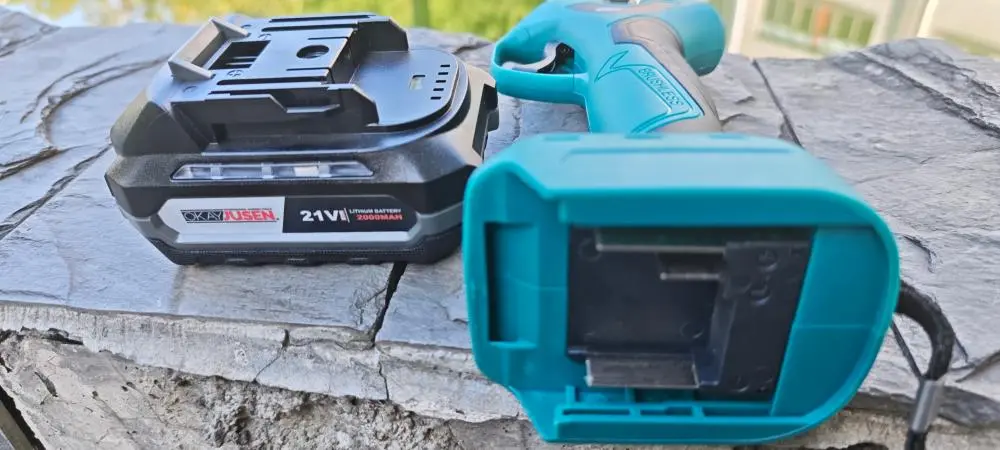
How to Choose the Right Electric Cordless Pruning Shears for Your Business?
Defining Your Operational Requirements
To choose the right tools, you must first be honest about your working conditions and the results you want. To make sure that tool specs are right for the job, businesses should figure out how much trimming they do on a regular basis, how big the branches are on average, and how long they are used each day. A small farm that prunes its 5,000 vines every season has very different needs than a city park that takes care of 200 acres of mixed decorative plants. The right power and cutting ability are chosen based on whether the work is mostly delicate ornamental work or heavy structure trimming.
The environment also affects the choices of cordless electric pruning shears. Operations that take place in remote areas where charging isn't easy can benefit from models with longer battery life or fast charging options. Businesses that do work in high temperatures, like cutting trees in cold climates in the winter or maintenance work in hot climates in the summer, should make sure that the battery performance specs are accurate across their operating temperature range. The overheating safety on the JUSEN Electric Pruning Shears Cordless starts working at 75°C, which is safe for use in warm climates. Lithium-ion batteries usually work well down to freezing temperatures as long as they are handled properly in cold weather.
Essential Technical Specifications
The operating runtime between charges is directly related to the battery size. Voltage values, which usually fall between 16.8V and 36V across the industry, show how much power is available. Higher voltages usually support more cutting force and faster blade switching. The JUSEN 21V system hits a good balance between giving a strong 220N cutting force and keeping the weight at 1.42 kg so that the operator doesn't get tired. Purchasing teams should think about whether heavier and more expensive batteries are necessary for their individual tasks, keeping in mind that too much power for cutting tasks loses resources and doesn't improve results.
Specifications for cutting ability need to be carefully interpreted. Manufacturers rate the largest branch width that can be made in the best conditions, which are straight cuts on green hardwoods. In real life, performance is usually 10–20% lower than what is promised on hardwood, angled cuts, or partly dried material. With a cutting capacity of 2.5 cm, the JUSEN model can handle most pruning jobs in industrial orchards, vines, and gardening. Instead of assuming Electric Pruning Shears Cordless to be the only tool that works for all situations, operations that regularly come across larger structural branches may need other cutting tools. The type of blade material and coating technology affects both how well it cuts and how often it needs to be serviced. For example, expensive SK5 high-carbon steel and Teflon coats keep their edges better.
Brand Reputation and Market Positioning
Electric pruning shears, cordless, are made by both well-known companies that make power tools and companies that make specialized gardening tools. Makita, Bosch, and Dewalt are just a few of the companies that make and sell power tools. They offer both electric pruning shears, cordless, and battery-powered equipment that works with them. Businesses that have already invested in their battery platforms like these names because they allow tool purchases to use existing battery stocks. Traditional outdoor power equipment makers like Stihl and others have decades of professional-level design experience and make products that are perfect for harsh farming and gardening environments.
Specialized companies like JUSEN only make garden tools and outdoor power equipment, and they put all of their development efforts into making features work best for gardening. We are located in Jinhua, Zhejiang, which is known as China's garden tool-making hub. This gives us access to specialized component makers and technical experts who work in this area. Because our company has worked with well-known brands before, we can help new companies that want to start their own named product lines in a way that no one else can. Distributors and garden centers that want to set their products apart by giving customized options while leveraging proven manufacturing knowledge will find this feature very useful.
Supplier Evaluation and Partnership Considerations
In addition to product specs, seller ties have a big effect on the long-term success of an equipment program. People who work in procurement should look at how stable a manufacturer's finances are, how much they can produce, and how well they handle quality. Companies with ISO licenses and written quality control processes make it more likely that the quality of the products will be the same when you buy a lot of them. JUSEN has been in business for 20 years, which shows that it is stable enough to support multi-year supply deals and ongoing parts availability.
Communication skills and quick responses to technical help requests are what set excellent providers apart from average ones. Businesses should check to see if possible partners offer technical paperwork in English, quick responses to emails, and staff who are informed enough to answer questions about specific applications. Our Sales1@cnjusen.com team stays up-to-date on all of our products' technical information, from our gasoline chainsaws and brush cutters to our growing line of lithium-ion battery tools. Talking about the pros and cons of each power platform—for example, when battery-powered tools are better for certain tasks and situations that work better with gasoline-powered tools—helps customers make decisions that are in line with their actual operational needs instead of just wanting new technology.
Best Practices for Operating and Maintaining Electric Cordless Pruning Shears
Battery Care and Charging Protocols
How you charge and store lithium-ion batteries has a big impact on how long they last. Fully drained batteries should never be stored because the chemistry of the cells is forever damaged, and the capacity goes down. Maintaining charge levels between 40 and 60% is ideal for storage because it gives enough energy storage without putting stress on the system at full charge levels. Managing the temperature is also very important. Batteries that are kept in hot cars or direct sunlight break down faster, and extreme cold lowers their ability for a short time but doesn't damage them permanently.
How you charge your batteries affects both their short-term and long-term health. Rapid chargers are convenient, but they make more heat and put more stress on the battery than regular charges. When an operation has enough batteries on hand, using slower overnight charging methods can help the batteries last longer. Even though the JUSEN battery management system has overcharge safety, users shouldn't leave cells on chargers for too long after they're fully charged. Businesses should have clear rules about how to rotate their batteries so that all of them are used regularly and not just sitting there while others cycle over and over again.
Routine Maintenance and Troubleshooting
Preventive repair makes machines more reliable and cuts down on unplanned downtime. Cleaning the blade after each use gets rid of sap, dirt, and wetness that cause the cutting edges to rust and become dull. A thin layer of protective oil stops rust from forming during storage, especially in damp places or when not in use for a while. How often you sharpen your blade depends on how often you use it. Professionals who work with hardwood stems may need to do it once a month, while people who only use it occasionally to trim decorative plants may only need to do it once a season. When considering different electric cordless pruning shears models, one important thing to look at is how easy it is to take off and repair the blade assemblies.
Motor housing and battery contacts need to be checked and cleaned every so often. When debris builds up around motor vents, it blocks the flow of cooling air, which could cause the thermal protection to shut down during hard work. To ensure the right electrical link and best power supply, the contacts on the battery terminals should stay clean and free of corrosion. The brushless motor design of the JUSEN Electric Pruning Shears Cordless greatly reduces internal wear compared to brushed motors. However, users should still keep an eye out for strange vibrations or noises that could mean a mechanical problem. Fixing small problems right away stops damage from getting worse, which could mean expensive fixes or early replacement of equipment.
Operator Safety and Training
Full training for operators makes sure that workers are safe and that tools are used correctly. Workers need to know how to position their hands correctly so that no part of their body is in the killing zone when the blade is moving. The safety systems and trigger guard on good electric pruning shears, cordless, do a great job of keeping you safe, but they can't make up for sloppy handling or attempts to get around the safety system on purpose. During training, it should be stressed how important it is to check the position of the blade visually before each cut, especially when working in thick vegetation where trees may move out of the way without warning.
Safety glasses are required for using electric pruning shears because they protect your eyes from moving objects and pieces of cut plants. Heavy-duty gloves protect your hands from thorns and other dangerous plant parts, and cut-resistant gloves protect your hands from accidentally touching blades while cleaning and maintaining your garden. Workers who use stairs or other high platforms need extra fall protection gear and should be taught how to stay in a safe position before pulling the trigger. Even though electric pruning shears, cordless, make you less tired, they don't remove the risk of getting hurt. It's still important to follow safety rules when using any tool. JUSEN suggests that companies set clear standard working procedures and do regular safety training to keep people aware and stop them from getting comfortable.
Conclusion
When it comes to almost all operating measures that matter to professionals, electric pruning shears (cordless) are clearly better than manual ones. The gains in productivity—usually 200 to 300 percent faster cutting—lead to lower labor costs and faster project finish. Ergonomic benefits are just as important; they almost eliminate the repeated strain injuries that workers who use hand shears get and make working a full shift easy. Battery technology has grown up to the point where runtime limits don't affect most business uses anymore, especially when companies set up charging methods that work automatically.
If you look at the total cost of ownership of electric pruning shears (cordless) instead of just the buying price, the business case for them gets stronger. Quality models, like the JUSEN 21V electric trimming shear, come with full warranties and are made by companies that have a history of reliability. They work well all year long. Businesses that care about worker safety, working efficiency, and staying ahead of the competition see switching from manual to electric trimming tools as more than just an upgrade in equipment.
FAQ
What battery runtime can we expect during actual field operations?
In real life, the battery's performance rests a lot on how often the branches are cut, how big the branches are, and the type of wood used. The JUSEN 21V battery system can be used for about 4 to 6 hours when cutting grapevines in a way that makes mixed cuts with an average width of 1.5 cm. Heavier tasks like cutting maximum-diameter hardwood stems use more power, which cuts the runtime to 3–4 hours per charge cycle. Businesses can keep their operations running longer by keeping battery change systems in place and switching out old batteries for new ones during breaks.
How does warranty coverage work for bulk equipment purchases?
The one-year guarantee that comes with JUSEN Electric Pruning Shears Cordless covers problems with the way they were made and parts that break down while they are being used for business. When people buy in bulk, they get the same full coverage for all of their items. For warranty claims, proof of the problem must be shown, and the units in question must be sent back to be inspected and fixed. Our expert team quickly handles guarantee requests and usually fixes problems within 15 business days, which includes the time it takes to ship the item. Businesses that own a lot of equipment can talk to our sales team directly at Sales1@cnjusen.com to get better service terms or choices for longer warranties.
Can we customize specifications for our specific application requirements?
Because JUSEN has been making products for 20 years and has connections in the Jinhua yard tool industry cluster, we can offer a wide range of customization options. Changes that can be made include changing the battery capacity, making the blades fit different types of plants, making the grips fit different hand sizes, and even changing the color of the case to match a customer's marketing goals. Because we've worked with well-known names before, we can help newcomers to the market through the customization process and avoid common design mistakes. Most calls for customization can be met within 30 days, but more complicated changes may cause lead times to grow.
Partner with a Trusted Electric Pruning Shears Cordless Supplier
JUSEN has been making specialized yard tools for 20 years and can help businesses that need reliable electric pruning shears and cordless options. Our production plant in Jinhua, Zhejiang, has both modern manufacturing tools and cost-cutting measures that help us keep our prices low for our customers. The JUSEN 21V electric portable trimming shear shows our dedication to quality and innovation—it has a professional-grade 400W power output and 220N cutting force in a 1.42 kg package that is designed to be used all day in the field. We sell more than just battery-powered tools. We also sell fuel chainsaws, brush cutters, hedge trimmers, and whole lines of outdoor power equipment. This makes us your one-stop shop for all your equipment needs.
Whether you're a landscaper looking to get your crews to work faster, a nursery planning to buy new equipment, or a dealer wanting to start your own line of branded tools, JUSEN has the production know-how and customization options to help you succeed. Our experience working with well-known brands is directly useful for new companies entering the market. We can help you avoid common mistakes and shorten the time it takes to build a product. You can email our technical sales team at Sales1@cnjusen.com to talk about your specific needs, get pricing and thorough specs for large orders, or look into customization options that will make your product stand out in the market. We keep enough in stock to keep our 30-day delivery promise, and our one-year protection protects your investment and shows that we trust the product to last.
References
1. Anderson, M., & Williams, R. (2021). Ergonomic Assessment of Manual versus Powered Pruning Tools in Commercial Viticulture. Journal of Agricultural Safety and Health, 27(3), 145-162.
2. Chen, L., Thompson, P., & Garcia, J. (2022). Battery Technology Advances in Cordless Horticultural Equipment: Performance and Sustainability Analysis. International Journal of Agricultural Engineering, 15(2), 89-104.
3. Freeman, D. (2020). Repetitive Strain Injuries in Agricultural Workers: Prevention Strategies and Tool Design Considerations. Occupational Health Review, 44(6), 223-237.
4. Hughes, S., & Patel, N. (2023). Comparative Productivity Analysis of Manual and Electric Pruning Systems in Commercial Orchards. Agricultural Mechanization and Automation, 31(1), 78-95.
5. Rodriguez, A., Kim, H., & Martinson, K. (2022). Total Cost of Ownership Modeling for Commercial Landscaping Equipment Procurement. Business of Horticulture Quarterly, 18(4), 301-318.
6. Zhang, W., & O'Connor, T. (2021). Brushless Motor Technology in Professional Garden Tools: Performance Characteristics and Reliability Assessment. Machinery Design and Manufacturing Engineering, 39(7), 412-428.

USER EVALUATE
Here is the customer's evaluation of us
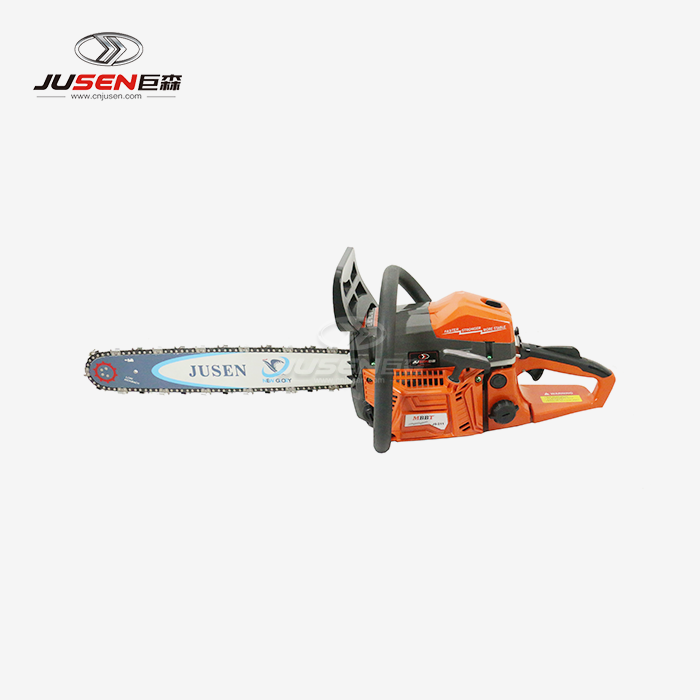 VIEW MOREGas Powered Gas Chain Saw
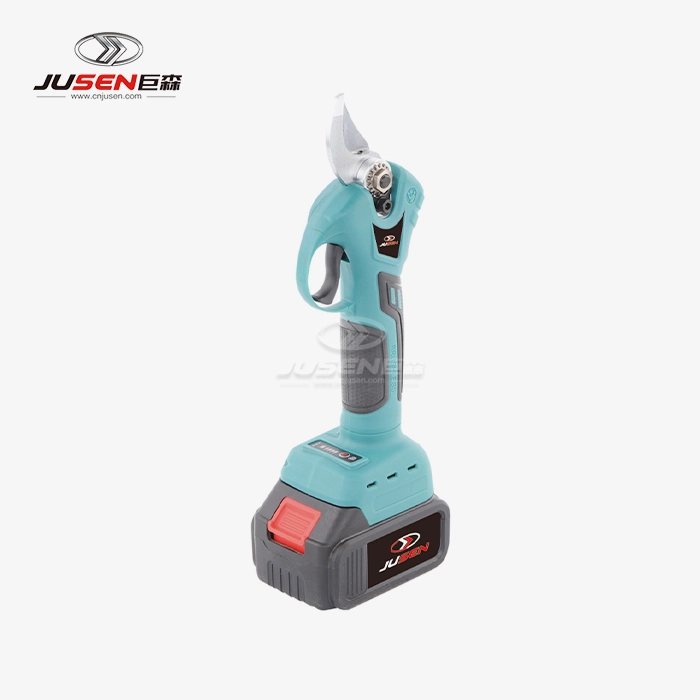 VIEW MOREExtended Reach Cordless Pruning 21v Shears
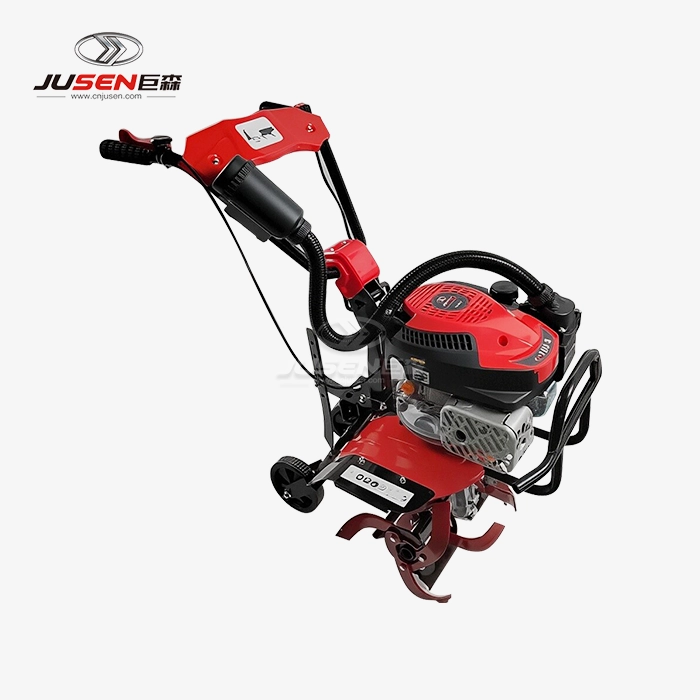 VIEW MORE4-Stroke Mini Tiller Cultivator
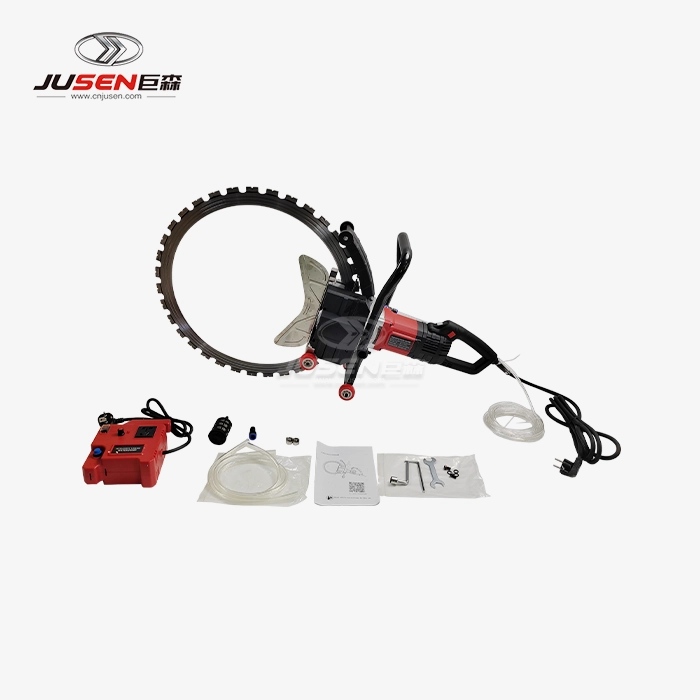 VIEW MOREAdjustable Electric Ring Saw
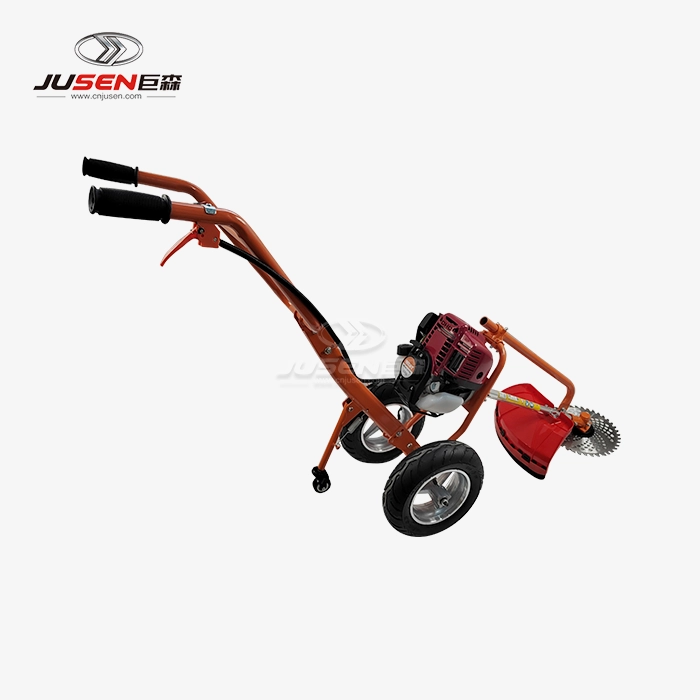 VIEW MORE2-Stroke Hand Push Brush Cutter
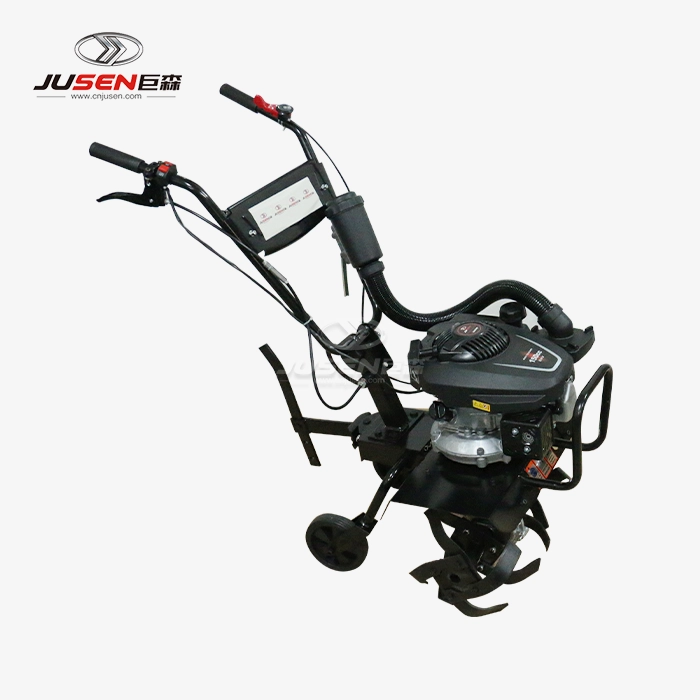 VIEW MORE4-Stroke mini rotary tiller cultivator
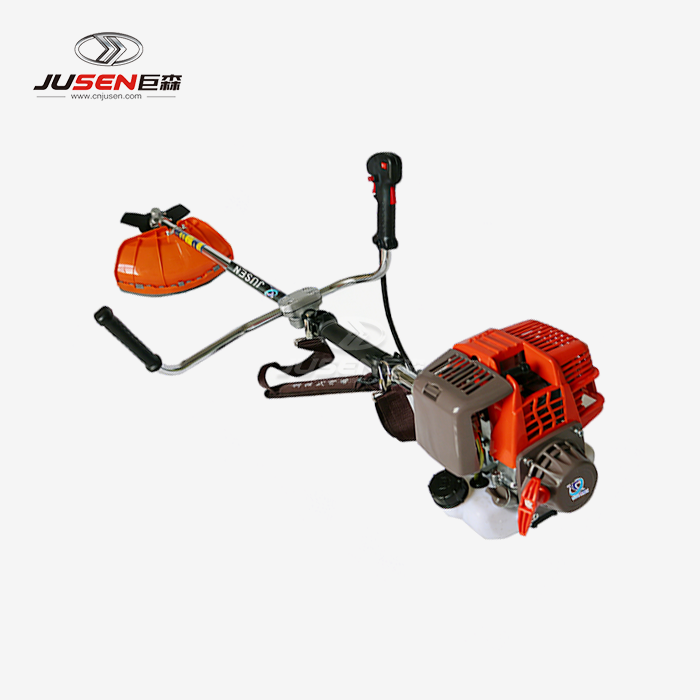 VIEW MORE31cc 4-Stroke Gas Brush Cutter
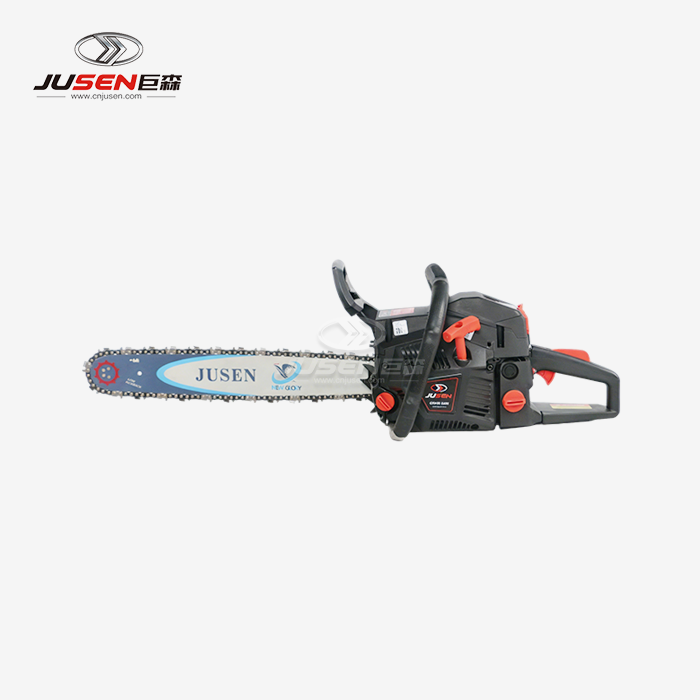 VIEW MORE58cc 2-Stroke Gas Chainsaw