




What Makes a 58cc Gas Chainsaw Ideal for Heavy-Duty Cutting?
The 58cc gas chainsaw is always the best choice for workers who need tools that can handle tough forestry and gardening jobs without breaking down in the middle of them. This type of engine displacement hits a key balance—it provides strong cutting power equal to 2.4 to 2.6 kW while keeping weight and operating costs manageable. The 58cc gas chainsaw solves the main problem of staying productive while working hard, unlike smaller consumer-grade saws that stop working when they get stuck in hardwood or bigger forestry models that wear out operators after long sessions. It does this without losing control or efficiency.
Introduction
Getting the right cutting tools is important if you want your crew to finish jobs on time and avoid costly downtime. This detailed guide looks at why the 58cc gas chainsaw has become the top choice for people who buy things for gardening businesses, forestry operations, and farm care teams. We'll look at the technical performance specs that matter in the real world, the care procedures that keep tools from breaking down too soon, and the buying tips that will help you choose the best suppliers. Whether you're buying new tools for a new crew or replacing old ones, it's important to know what this displacement class can and can't do. This will make sure that your investment pays off in the form of higher cutting efficiency, less operator tiredness, and lower total ownership costs.
Understanding the Core Performance of a 58cc Gas Chainsaw
The physics behind this displacement category shows why it's so popular in heavy-duty uses. A 2-stroke, air-cooled engine that consistently makes between 2.4 and 2.6 kilowatts of power, which is about 3.2 to 3.5 horsepower, is at the heart of every good unit. When cutting through thick oak, maple, or eucalyptus, this output range is very important because not enough torque makes the chain slow down or stop turning, which can lead to dangerous kickback situations and wasted work hours.
Engine Displacement and Power Output
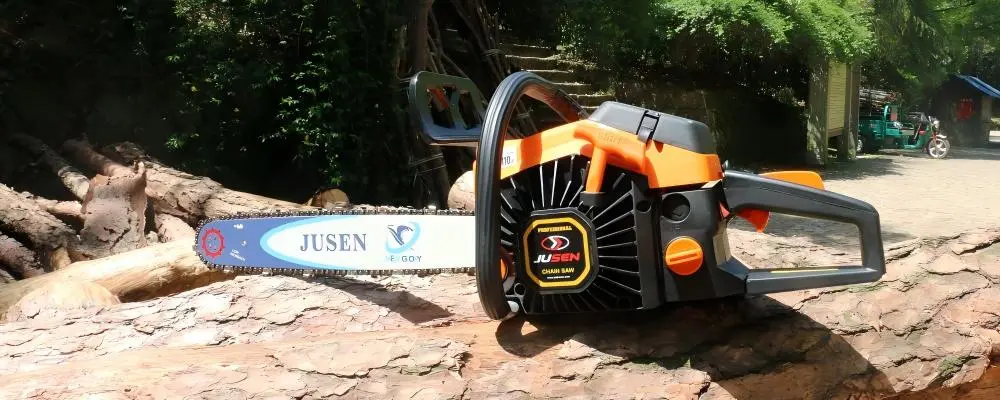
The cylinder amount of 58 cubic centimeters makes for the best compression ratio, which means that the engine makes a lot of power at low RPMs compared to smaller engines. In real life, this trait directly leads to useful advantages on the job. There is no "bogging down" of the chain when an 18-inch guide bar is fully buried into a 24-inch diameter log. This is a problem that 45cc consumer models often have. This is always possible with our JS-CS5800W model, which idles easily at 3,000 RPM and reaches its peak performance within safe working limits. The chrome-plated cylinder better dissipates heat during long-term use, which stops burning problems that happen with cheaper options that use regular cast-iron cylinders.
Weight-to-Power Ratio Considerations
In industrial settings, workers need to be able to safely handle tools for six to eight-hour shifts. High-quality 58cc gas chainsaw types have a power-to-weight ratio of about 0.31 kW per kilogram when they are fully loaded. This measure is very important because plastic crankcases in lighter saws with similar power levels often make them less durable. This is because they crack easily when they are subjected to vibration stress. Our magnesium metal crankcase design gives the structure strength without adding extra weight. This keeps the rigidity needed for precise cutting control during jobs like overhead limbing or bucking at ground level while reducing operator tiredness.
Fuel Efficiency and Operational Costs
When procurement managers look at the total cost of ownership, they need clear info on how much fuel is used. Under normal cutting loads, a properly tuned 58cc gas chainsaw 2-stroke engine uses about 0.9 to 1.2 liters of fuel mixture per hour. This is a lot more fuel-efficient than similar 4-stroke designs that need heavy parts. When you use the suggested 40:1 or 50:1 gasoline-to-oil ratio with JASO FD-approved synthetic oil, carbon deposits that block exhaust ports and slow down the engine over time are kept to a minimum. This fuel mixture specification stops the terrible cylinder seizure that happens when workers use straight gasoline, which is a frequent mistake that costs businesses thousands of dollars every year in repair costs.
Compliance with Environmental Standards
More and more, modern workplaces need tools that meet EPA Phase 3 and area pollution standards. Manufacturers of high-quality carburetor systems use precise fuel meters to cut down on unburned hydrocarbon pollution while still meeting environmental standards. Noise levels at the operator's ear usually fall between 105 and 112 decibels, which means they need to wear hearing protection but are still within the OSHA rules for industrial tools. When reviewing suppliers, check their licensing paperwork instead of relying on direct assurances—using equipment that doesn't comply can lead to legal problems and fines during workplace safety checks.
Essential Maintenance Tips to Maximize Chainsaw Longevity
Maintenance habits directly affect how long a piece of equipment lasts. We've seen units that were properly kept last 1,500 hours or more before major parts needed to be replaced, while saws that weren't taken care of broke down after only 300 hours, even though they were of the same quality at first. These precautionary steps keep your investment safe and stop dangerous failures in the middle of an operation.
Routine Cleaning and Lubrication Schedules
Every five hours while cutting, check the air filter element to see if sawdust has built up. Because a speed engine needs a lot of airflow, a partly clogged filter changes the mixture of air and fuel, making it run rich, which damages the spark plugs and wastes fuel. Clean the foam filter elements with warm, clean water, let them dry completely, and then lightly oil them before putting them back in place. The paper filter parts should not be cleaned but should be changed.
The automatic chain oiler system needs more than just the tank to be refilled. To make sure the oil is getting to where it needs to go, run the chain along a clean surface and look at the oil pattern. A straight line means the oil is flowing properly. Change the oiler screw depending on the type of wood and the temperature. Denser hardwoods and cold weather need more oil to keep the bar grooves from wearing out and the chain from stretching. Once a month, clean the oil pump entrance screen to keep it from getting clogged, which would deprive the bar of oil and require an expensive new bar and chain.
Air Filter Maintenance and Replacement
Maintenance schedules are set by the environment. When working in dusty farming areas or during the dry summer months, you have to check the filters every day. Take off the filter cover, tap the dust off of it, and look for tears or tension damage in the filter element. If the filter is broken, particles that haven't been filtered can get into the carburetor. This wears down precision parts and eventually stops the fuel supply. Keep extra filters on hand so that workers don't have to keep using broken ones just to save time, which can cause damage to other parts of the machine.
Chain Tensioning and Sharpening Practices
When the chain tension is right, the bar's center can sag a little when it's lifted by hand, but it won't come loose when cutting. After the initial break-in time, new chains need to be re-tensioned because the drive links move into the bar gap and slightly stretch. Too much tightening makes the bar nose sprockets and clutch parts wear out faster, and chains that are too loose make ejection dangerous and cutting behavior uncertain.
The length of time between sharpenings depends on the type of wood being cut. Clean wood can go 4-6 hours without needing to be sharpened again, but dirty logs or ground contact need to be done more often. Too much downward pressure is needed for dull chains, which makes operators tired and raises the risk of kickback. We suggest keeping three chains in rotation: one on the saw, one that has just been cleaned, and one that is being handled by a professional. This method gets rid of delays caused by field sharpness and makes sure that cutting performance stays the same throughout shifts.
Troubleshooting Common Operational Issues
If a 58cc gas chainsaw starts but stops as soon as you press the throttle, it could be because the carburetor isn't set up right or there are limits on fuel supply. Make sure the low-speed mixing screw hasn't moved out of place, and look for cracks in the fuel lines that could let air in. If the carburetor is working right, the engine will accelerate smoothly from idle to full speed, without stuttering or delay.
If the chain is turning at idle speed, stop working right away. This is a dangerous sign that the idle speed is not set correctly or that the clutch springs are old and need to be replaced. Do not try to make up for it by lowering the idle speed even more below what the maker recommends. Doing so will make the engine hard to start and run unevenly.
Safety Precautions for Heavy-Duty Cutting Operations
Using an industrial 58cc gas chainsaw comes with some risks that can be reduced by following strict safety rules. According to safety studies in the forestry industry, companies that have strict safety training and enforcement have 70% lower injury rates than companies that don't have much control. Investing in the right safety gear and teaching how to use it pays off right away in the form of fewer workers' compensation claims and higher output.
Personal Protective Equipment Requirements
Chainsaw operators must wear chaps or pants that meet ASTM F1897 standards. These pants or chaps have layers of ballistic fibers that are meant to clog the chain and stop it when they touch it. Normal work pants don't protect against chain touch accidents at all. Safety hats with built-in face covers and ear protection protect against the three main head hazards: flying objects, falling trees, and noise-induced hearing loss. Steel-toed boots with cut-resistant soles keep your feet safe from falling tools and chain contact.
Cut-resistant gloves protect you and make it easier to hold things, but workers should know that these gloves don't stop chain injuries; they just stop them from happening. Instead of depending only on safety gear to keep mistakes from happening, stress the right way to handle things.
Kickback Prevention Techniques
When the upper quadrant of the guide bar nose hits something solid, it causes rapid movement up and backward. This is called kickback. Most serious accidents from chainsaws are caused by this. Low-kickback chains with depth gauges that limit cutting aggression lessen the intensity of kickback, but they don't get rid of the risk completely. Hold both handles firmly with your hands wrapped around them. Move your body to the side of the cutting path instead of directly behind the saw. And never cut with the bar nose tip; instead, use the bottom edge of the bar for more control.
During kickback events, the chain stop system has to work within 0.12 seconds. Every day, check this safety feature by physically applying the brake and trying to move the chain. It should stop. A broken chain brake needs to be fixed right away before the tools can be used again.
Emergency Response Protocols
If a job site is more than 30 minutes away from an emergency medical facility, it should keep trauma kits with hemostatic bandages and tourniquet systems on hand just in case someone gets hurt with a 58cc gas chainsaw. Crew members should get new first-aid training every year, with a focus on quick ways to stop bleeding. Set up communication rules that make sure all work areas have cell phone service or radio contact. Delays in emergency reaction make injury outcomes much worse.
Comparing 58cc Gas Chainsaws with Alternative Solutions
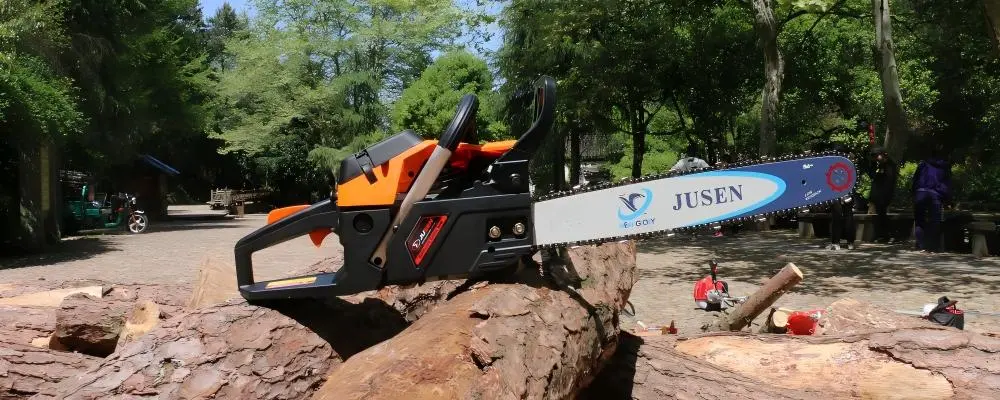
To choose the right equipment, you need to know how the different types of power sources and displacements fit with the needs of the activity. The 58cc gas chainsaw base is strategically placed in the product line, which makes it especially useful for semi-professional and professional uses.
Gas Versus Electric Power Systems
Chainsaws that are driven by batteries have come a long way. These days, lithium-ion models are good options for light gardening work. However, their short runtimes and low power output make them unsuitable for heavy-duty field work. A good battery system will cut out for about 45 minutes before it needs to be charged again. This is not enough time for cutting in rural areas without access to electricity or for tasks that need to be done continuously during shifts. Gas-powered units can be refueled in less than two minutes and keep putting out the same amount of power no matter what the temperature is outside. Battery-powered units, on the other hand, lose a lot of power when it's below 40°F.
Corded electric chainsaws can't be moved at all, so they can only be used for home care near power sources. Because it is so portable, the 58cc gas chainsaw is essential for clearing paths after storms, repairing roads, and forestry work that needs tools that can move easily over different types of terrain without relying on infrastructure.
Displacement Category Comparisons
Smaller 45cc to 50cc models are good for home users and light business users, but they have trouble with bar lengths longer than 16 inches or cutting hardwoods for a long time. The lower power output leads to frequent bogging, which forces workers to use too much pressure, which speeds up chain dulling and raises the risk of kickback. Because of these problems, smaller saws are not a good deal for businesses that do heavy-duty work on a daily basis. The lost productivity and shorter tool lifespan more than make up for the lower starting cost.
Larger expert forestry saws (62cc and up) have more power, but they are heavier (over 9 kilos), which makes the user tired after all day of use. Professional loggers who only work with large-diameter wood belong in this group of equipment. However, businesses that do a variety of tasks can benefit from the 58cc Gas Chainsaw platform's ability to be used for a wide range of tasks, from cleaning up after storms to processing firewood without the physical strain of heavy equipment.
Brand Considerations and Manufacturer Reputation
Established makers with decades of experience consistently produce high-quality goods that younger companies find hard to match. Since 2004, JUSEN has been in business for 20 years, which shows that they have the manufacturing skills to make solid power tools. Companies that offer full guarantees, easy access to new parts, and helpful technical support are better business partners than those that offer slightly lower prices at first but don't offer enough help after the sale. Check to see if possible providers keep parts for models that have been taken off the market. Three years after buying equipment, it's no longer useful if you can't get the parts you need for regular maintenance.
Procurement Guide: Sourcing the Ideal 58cc Gas Chainsaw
Effective purchase weighs the original costs of buying something against the total costs of owning it over the course of its useful life. This all-around method stops people from making the common mistake of picking the cheapest choice, which leads to high maintenance costs and replacement needs too soon.
Price Range Analysis and Value Assessment
Quality 58cc gas chainsaw units usually cost between $180 and $400 each, but this depends on the features they have and the name of the maker. Units that cost less than $150 usually have lower-quality parts, like plastic engine halves, carburetors that can't be adjusted, and stampings instead of forged parts in high-stress areas. These efforts to cut costs show up as early failures and dangerous operations. On the other hand, prices above $450 usually reflect a brand premium rather than a comparable improvement in quality. You should carefully consider whether certain features support premium pricing for your apps.
Find the number of working hours per dollar spent to figure out how cost-effective something is. A $250 saw that lasts 1,200 hours and is reliable costs $0.21 per hour, while a $180 tool that breaks down after 400 hours costs $0.45 per hour. This means that the more expensive choice is actually much more cost-effective. This study should look at the prices of repair labor, the availability of parts, and the lost output caused by equipment that isn't working.
Sourcing Channels and Supplier Verification
Having direct ties with manufacturers like JUSEN has benefits like the ability to customize, get better prices for large orders, and get access to technical help. OEM suppliers support private labeling for companies that want to make their own brands of equipment. This helps companies stand out in markets that are already full. Check the certifications and quality control methods of the maker. For example, ISO 9001 approval means organized quality management, not quality that changes from batch to batch.
Authorized dealer networks let you get parts locally and get guaranteed service, but they usually charge 20–30% more than direct prices. When buying in small amounts, this extra cost is worth it because parts are available right away, which makes the purchase more convenient. When bigger businesses buy in bulk, they can get better deals by working directly with manufacturers.
Essential Accessories and Parts Inventory
Spend extra money on necessary extras on top of the base unit cost. When you use the right guide bar and chain mix for the job, you can cut more efficiently. For example, aggressive full-chisel chains work best with clean softwood, semi-chisel chains work best with dirty wood, and skip-tooth chains work best with big wood. Keep two full chains on hand for each 58cc gas chainsaw that is being used, and switch between sharpening rounds to keep up efficiency.
Maintenance supplies like air filters, spark plugs, fuel filters, and starter cords should be bought in bulk to get big discounts and avoid delays in operations caused by items not being available. A fully stocked parts inventory costs about 15% of the value of the equipment every year, but it stops production losses that are much greater than this cost.
After-Sales Support Evaluation
Professional equipment providers are different from commodity vendors because they offer quick expert help. Before committing to a seller, try to see how quickly their support team responds to technical questions to see how much they know and how well they can communicate. When equipment problems happen during crucial project deadlines, suppliers who can't give specific carburetor tuning advice or help with fixing aren't good partners.
It's important to look closely at warranty terms that go beyond simple length claims. Check to see what parts are covered and how much new parts cost for parts that aren't covered, and find out if warranty service requires the customer to pay for shipping the equipment back. The one-year warranty from JUSEN and direct contact with the manufacturer give companies the help they need. We keep technical staff available at Sales1@cnjusen.com for buying advice and ongoing operational support. This way, we can make sure that your investment gets the support it needs to be successful in the long run.
Conclusion
The 58cc gas chainsaw is an important piece of professional cutting tools because it gives heavy-duty jobs the power and sturdiness they need without the extra weight and cost of bigger forestry-grade saws. This displacement category is perfect for gardening businesses, farms, and property care companies that need flexible tools that can handle a wide range of cutting tasks quickly and effectively. Following the right repair procedures will greatly increase the life of your equipment and keep it from breaking down in the middle of an important task. Safety training and the right safety gear lower the risks of getting hurt when using a chainsaw. When buying tools, don't just look at how much it costs at first. Instead, focus on providers who can show they have manufacturing knowledge, a full support system, and consistent quality. Taking all of these things into account will determine whether your investment brings you reliable productivity or anger and unexpected costs.
FAQ
What fuel mixture ratio should I use for my 58cc gas chainsaw?
Depending on the strength of the oil, modern 58cc gas chainsaw two-stroke engines need gasoline-to-oil ratios of either 40:1 or 50:1. For best efficiency and the least amount of carbon buildup, use JASO FD-approved synthetic 2-cycle oil mixed at 50:1 (about 2.6 ounces of oil per gallon of gasoline). Never use straight gasoline—it destroys the engine by stopping the cylinders right away. Avoid using car motor oil because it has additives that aren't meant for 2-stroke engines and cause too many deposits.
How often should chains be sharpened during heavy-duty cutting operations?
Cutting conditions have a big effect on how often you need to sharpen. When working with clean hardwood, you can go about 4 to 6 hours without sharpening, but when working with dirty wood, touching the ground, or nail hits, you need to do it every hour. Some signs of a dull chain are fine sawdust instead of chips, the need for too much downward pressure, and cutting tracks that aren't straight. Keeping three chains in rotation—one that is working, one that is an extra that has been sharpened, and one that is being sharpened by a professional—maximizes output.
Can a 58cc engine effectively power a 24-inch guide bar?
It is technically possible to put a 24-inch bar on a good 58cc gas chainsaw engine like our JS-CS5800W model, but for general use, 18- to 20-inch bars work best. Longer bars make it less efficient to cut thick hardwoods because the available power is spread out over a longer chain. The automatic oiler might not lubricate long bar lengths well enough, which could lead to early wear. 22- to 24-inch bars should only be used for cutting things with a big width sometimes, not all the time.
Partner with JUSEN for Reliable 58cc Gas Chainsaw Solutions
JUSEN brings 20 years of experience making high-quality products to every unit we make, giving business operations the speed and reliability they need. Our JS-CS5800W model is the result of carefully refined engineering and a lot of testing in the field in a wide range of demanding situations, from business gardening to farm maintenance. As a 58cc gas chainsaw maker with a track record of helping both well-known names and new businesses get a foothold in the market, we offer the customization options, technical support, and low prices that smart buyers need. Our chrome-plated cylinders, magnesium metal construction, and thorough quality control methods make sure that our equipment is reliable, which protects your investment and image. Get in touch with our purchasing experts at Sales1@cnjusen.com to talk about your unique needs, look into pricing options for bulk orders, and learn how our 20-year dedication to quality and innovation can help your business succeed.
References
1. American National Standards Institute (ANSI). "Safety Requirements for Gasoline-Powered Chain Saws." ANSI B175.1-2020 Standards Documentation for Portable Power Equipment.
2. Occupational Safety and Health Administration (OSHA). "Chainsaw Safety Guidelines for Commercial Logging Operations. "Industrial Safety and Health Management Technical Manual Section VI Chapter 4.
3. Society of Automotive Engineers International. "Two-Stroke Cycle Engine Performance Characteristics and Emission Control Technologies." SAE Technical Paper Series 2019-01-0275.
4. International Society of Arboriculture. "Best Management Practices for Chainsaw Operation in Professional Tree Care." Arboriculture Industry Standards and Guidelines Publication, Third Edition.
5. Forest Resources Association. "Comparative Analysis of Chainsaw Displacement Categories for Commercial Timber Operations." Forestry Equipment Performance Research Journal Vol. 47 Issue 3.
6. Environmental Protection Agency. "Small Off-Road Engine Emission Regulations Phase 3 Compliance Requirements." EPA 40 CFR Part 1054 Federal Implementation Standards.

USER EVALUATE
Here is the customer's evaluation of us
 VIEW MOREGasoline Power Handheld Pile
 VIEW MORELightweight Garden Cultivators
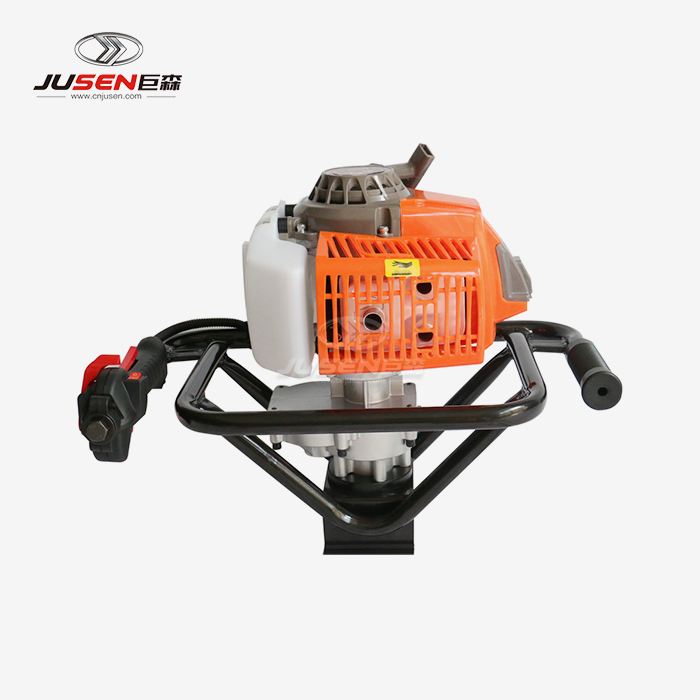 VIEW MORE63cc 2-Stroke Post Hole Digger
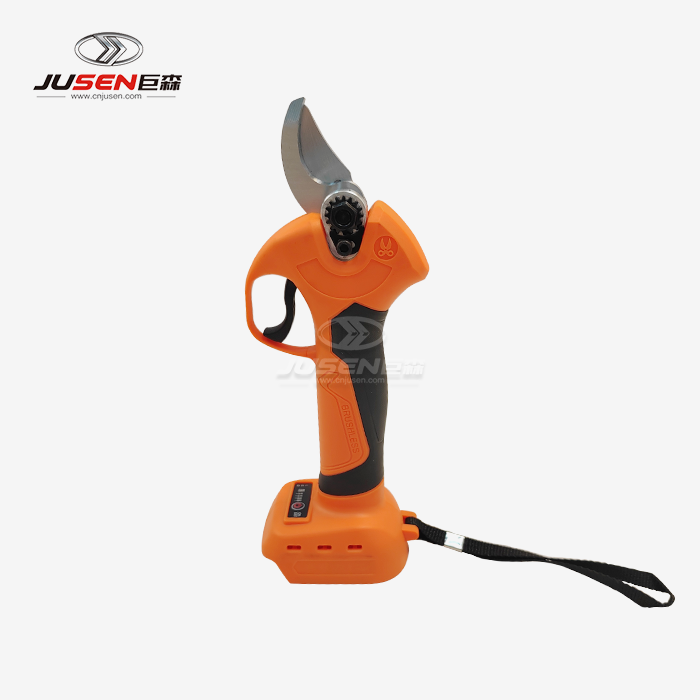 VIEW MORELightweight And Portable Lithium-Ion Battery Powered Branch Pruner
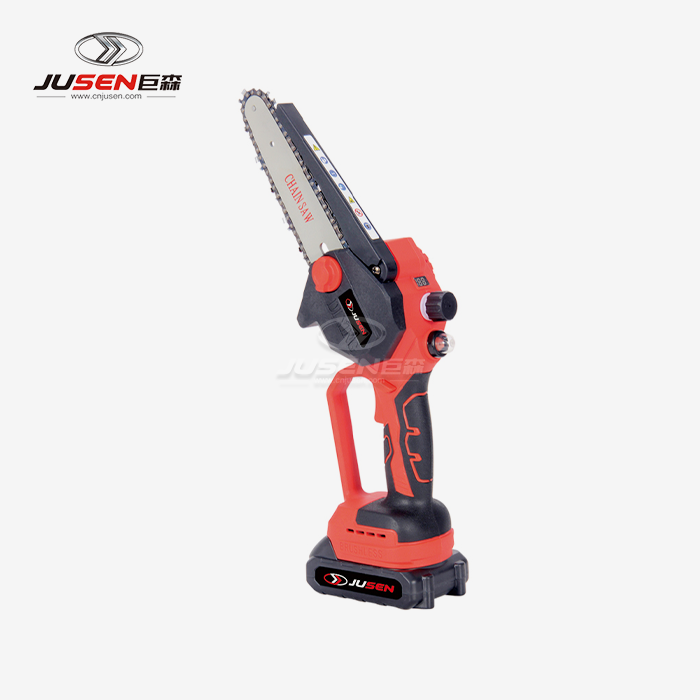 VIEW MOREElectric Portable Brushless Saw
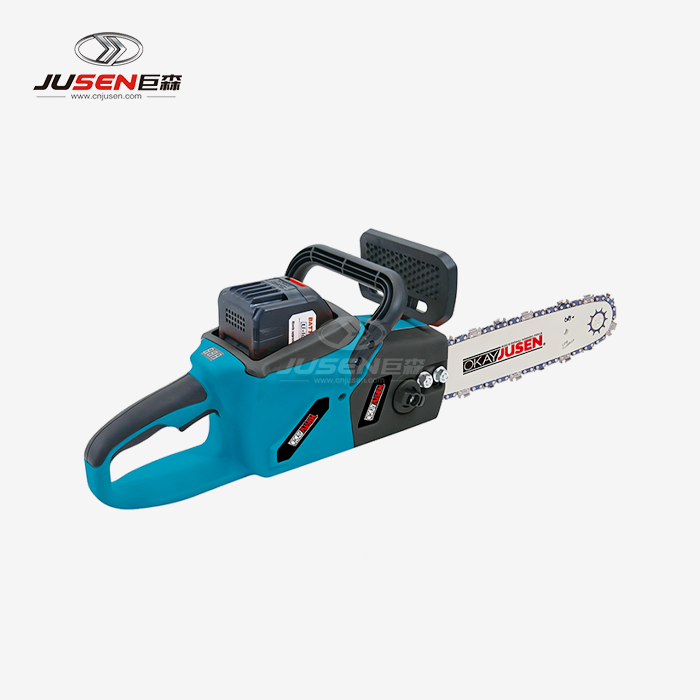 VIEW MORELightweight And Durable Brushless Electric Chainsaw
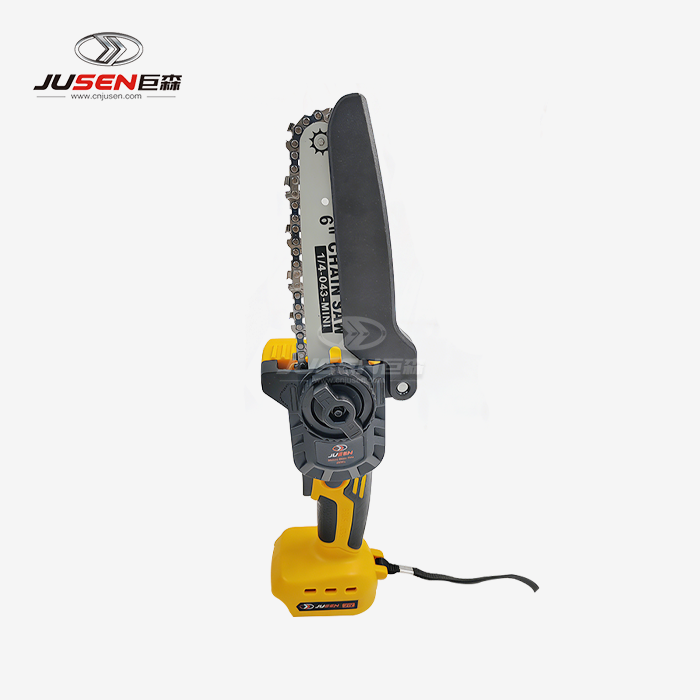 VIEW MOREBrushless Mini Cordless Chainsaw
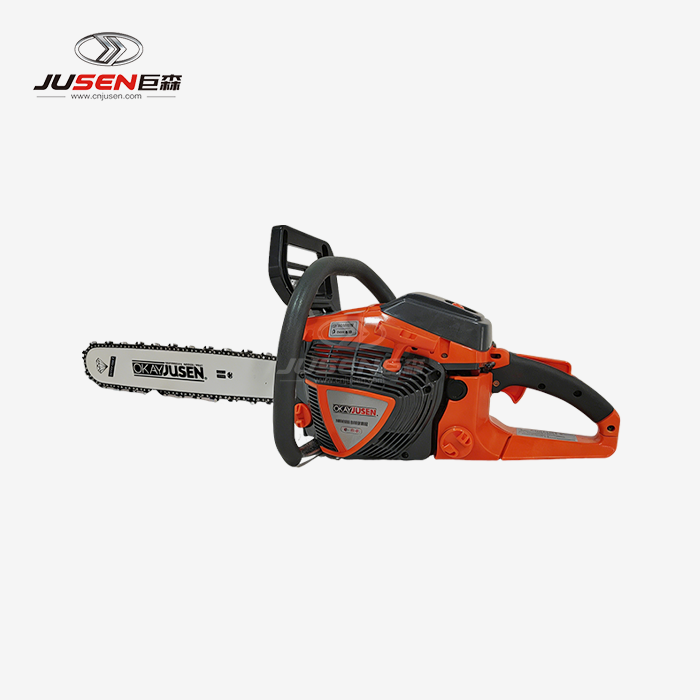 VIEW MORE65cc Gas Powered Chainsaw